



- الصفحة الرئيسية
- المنتجات
- ألواح الكوارتز
- Aurea Gold Quartz GQ-T371 for wholesale
Aurea Gold Quartz GQ-T371 for wholesale
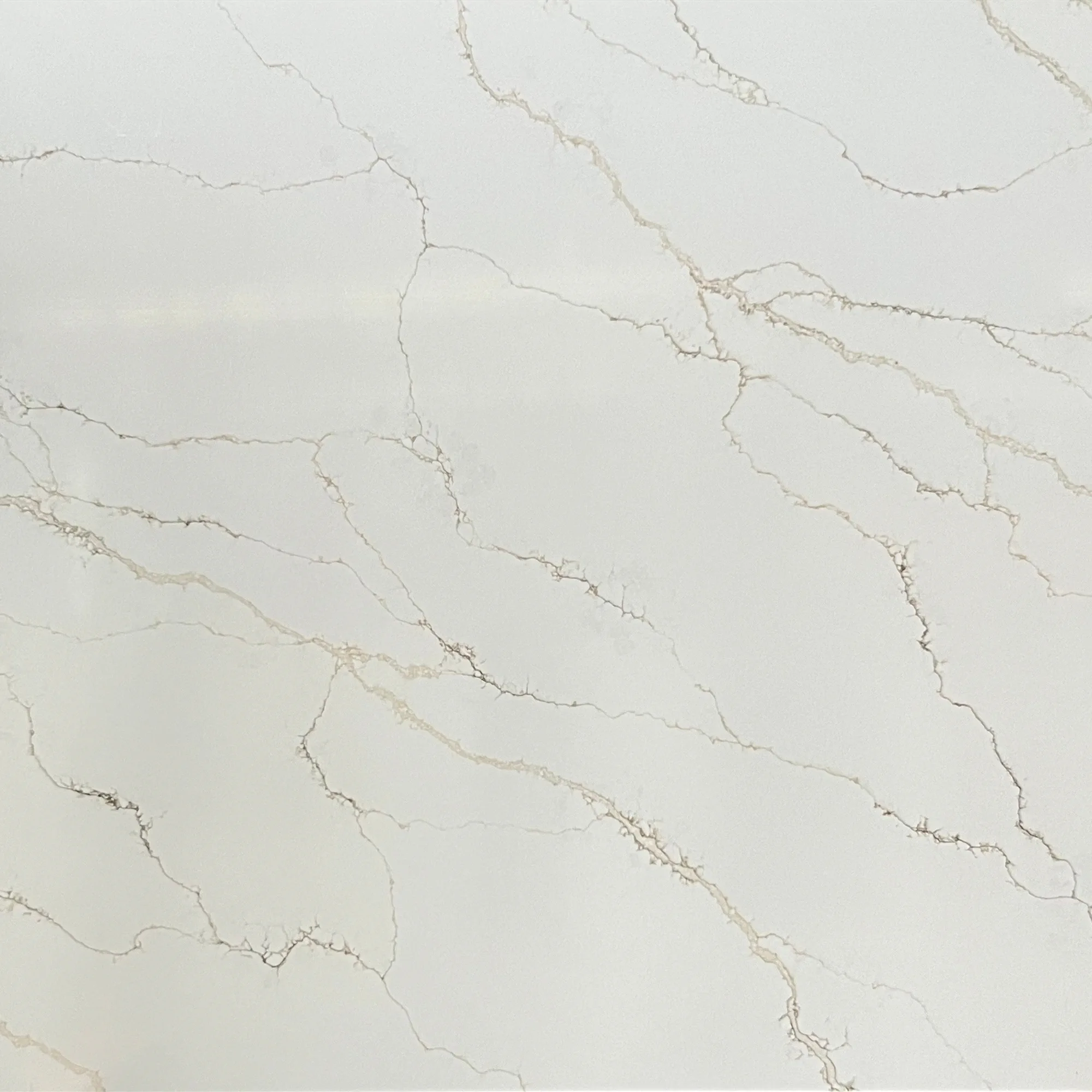
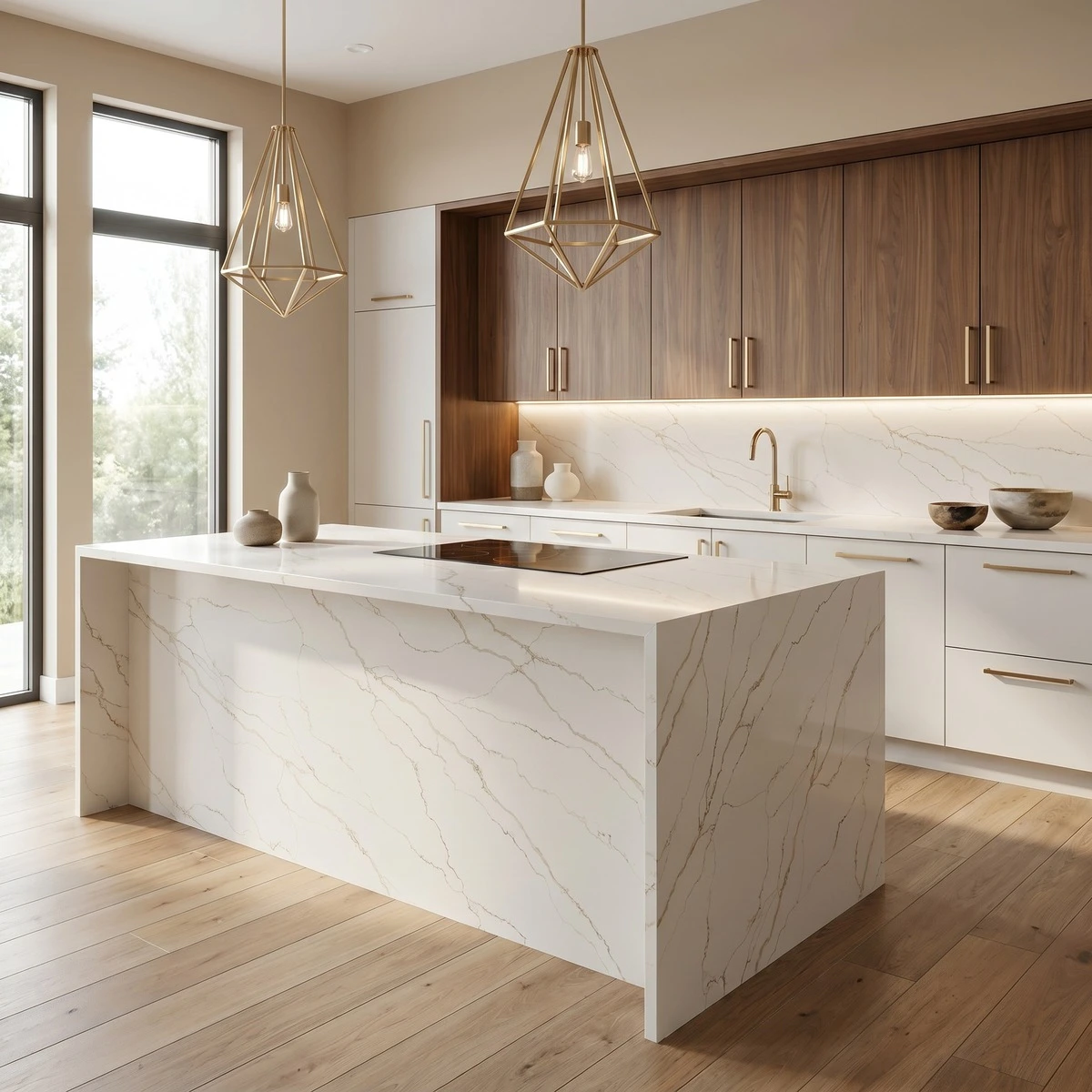
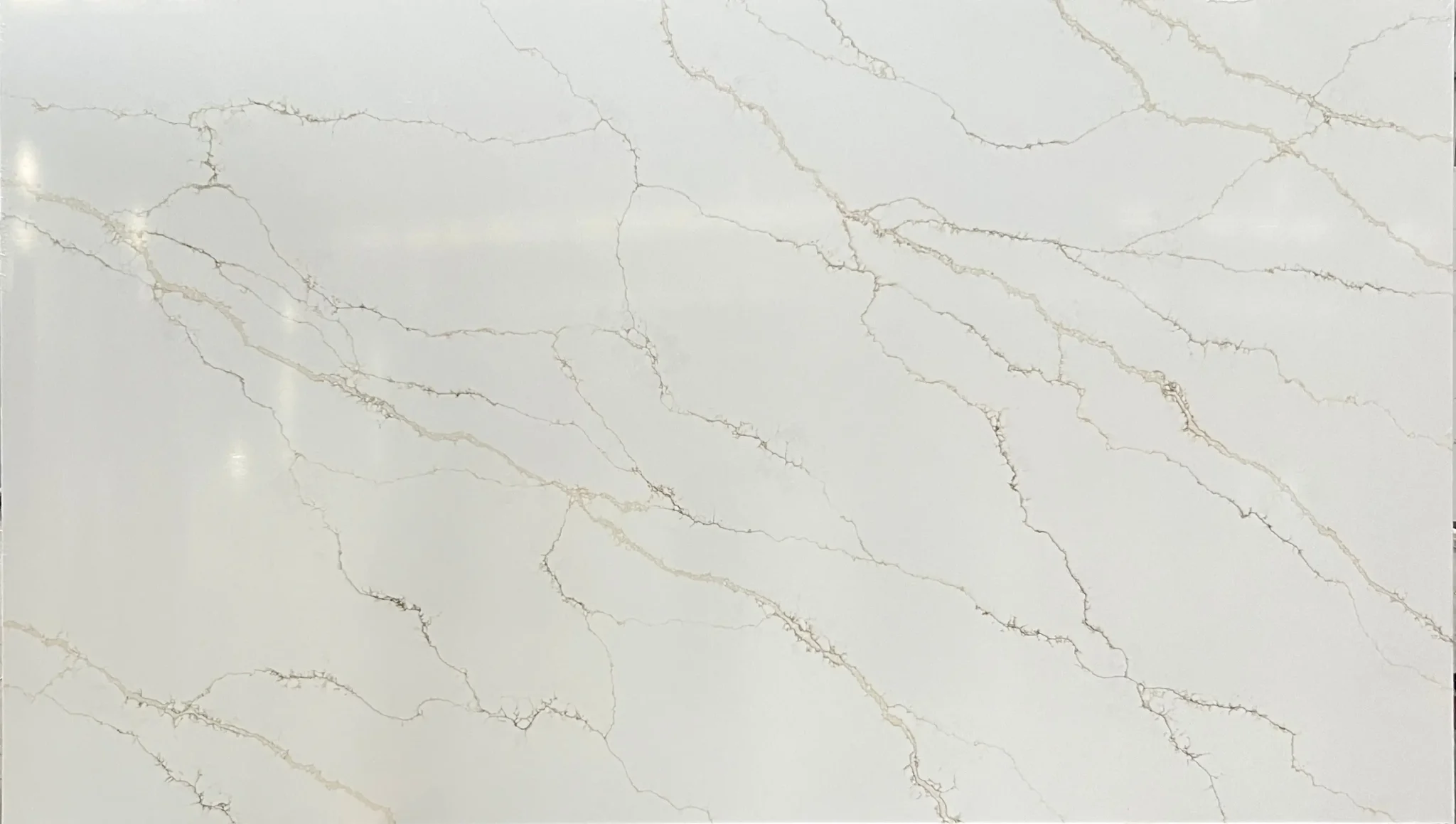
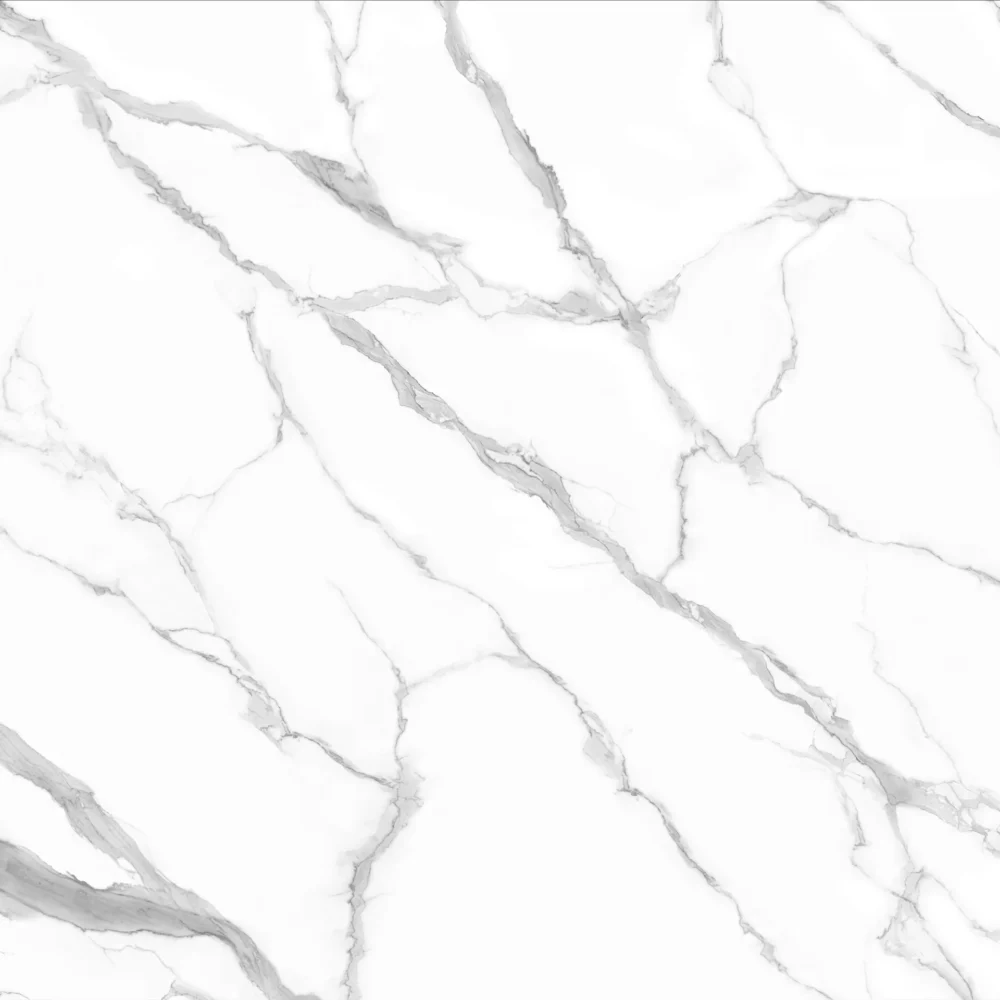
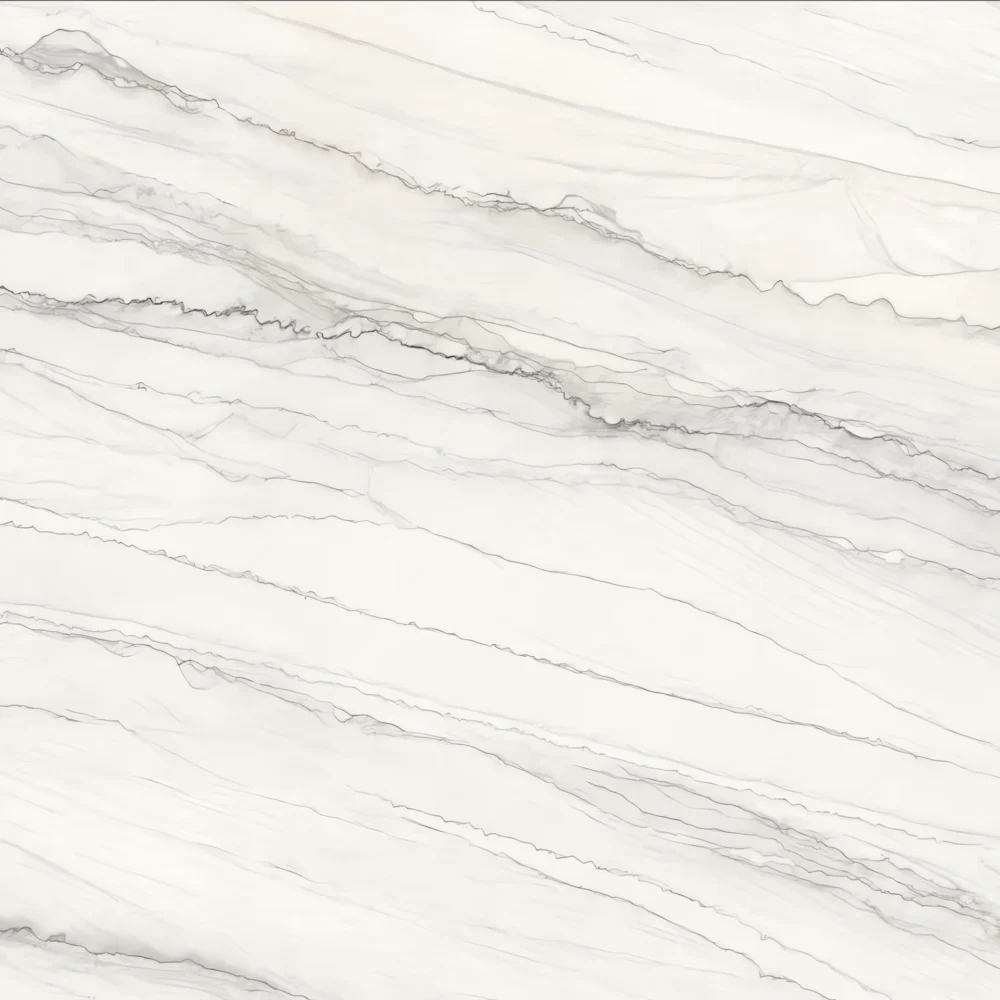
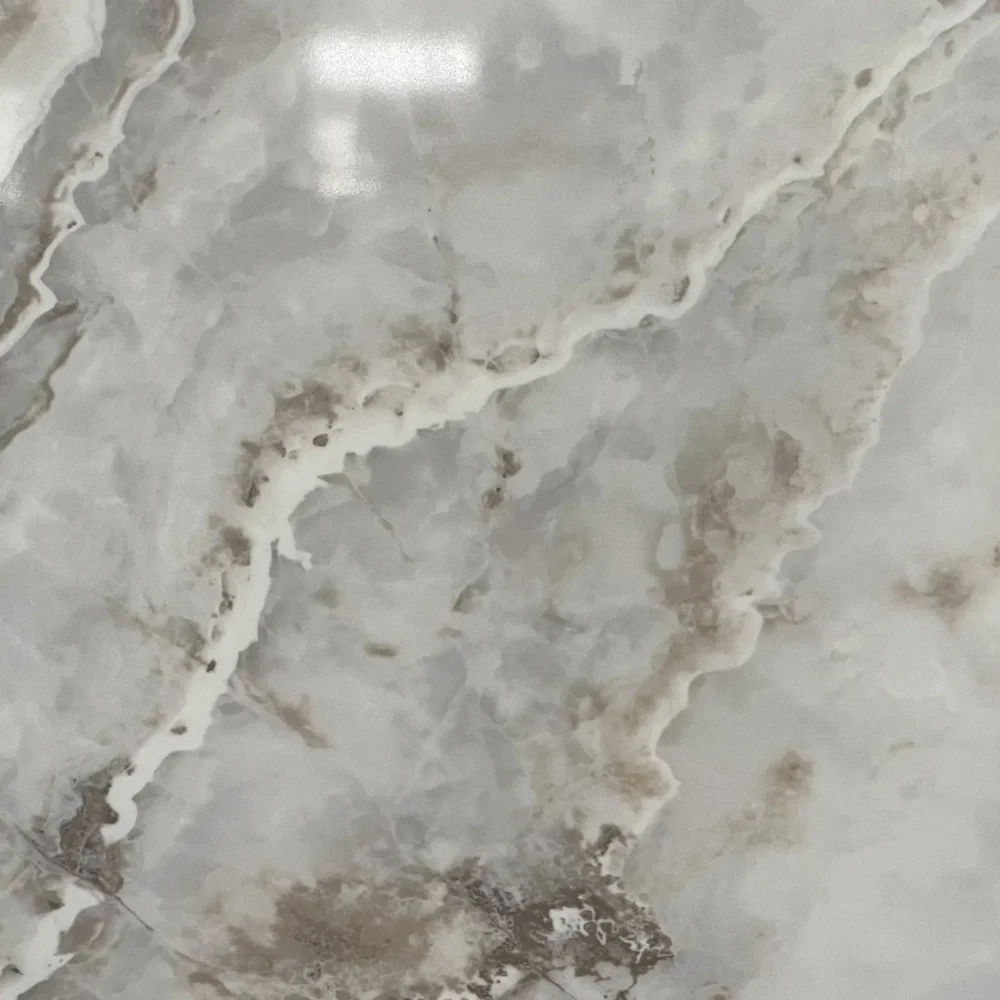
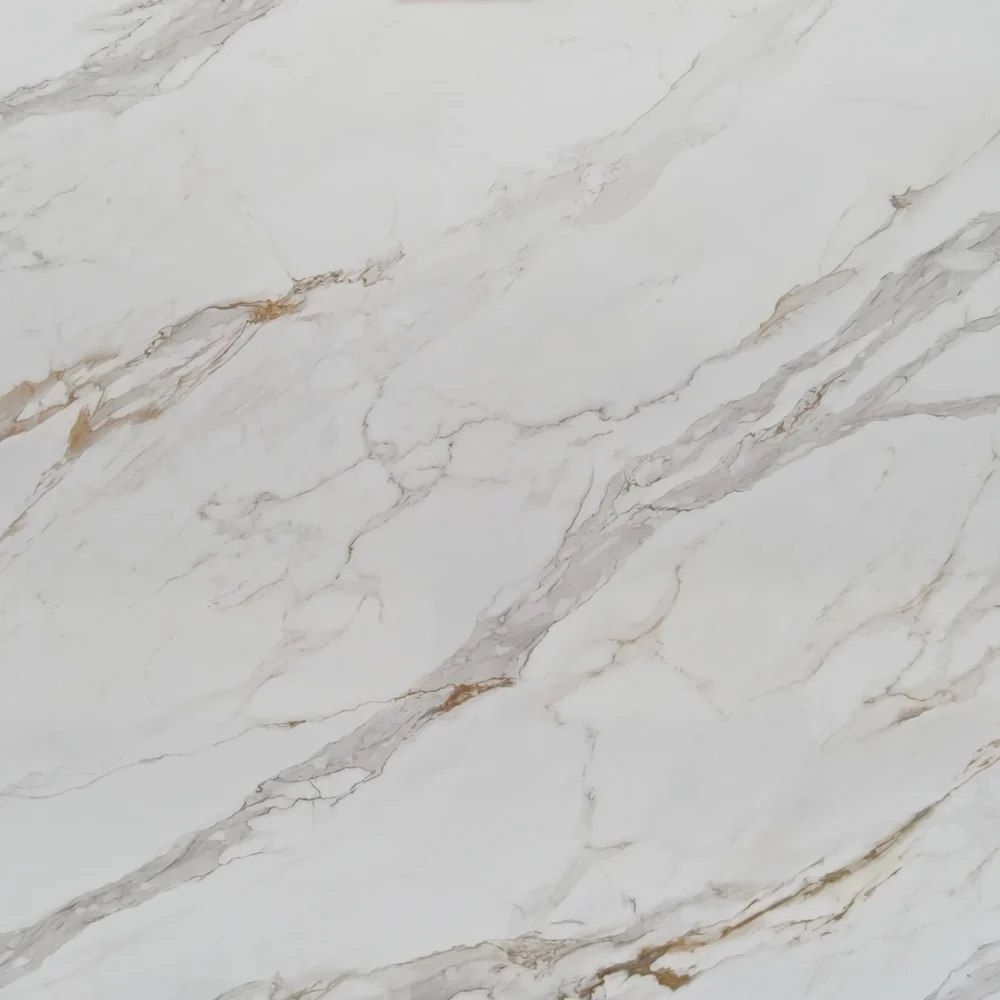
| الألوان الأساسية | Bright Crisp White |
| لون (ألوان) الزخرفة | Warm Tan + Soft Golden-Brown Veins |
| صياغة | عادي |
| تشطيبات | مصقول / مصقول / سويدي / جلد |
| حجم مخصص | 138 بوصة × 79 بوصة / 126 بوصة × 63 بوصة / قابل للتخصيص |
| السماكة | 20mm/30mm/Customizable |
| أسلوب الحافة | حافة مصقولة مريحة/حافة مصفحة 2+2 سم/حافة مشطوفة |
| Full Body Quartz | نعم |
| متوفر بمطابقة الكتاب | نعم |
| Place of Origin | تايلاند |
| Port of Transportation | تايلاند |
| Packaging | Foam or carton inside + strong wooden crates with reinforced straps outside and fumigation |
| Delivery time | 15-20 days / Express service is negotiable. |
| MOQ | 10 ㎡ |
| Payment terms | 30%T/T after confirm the order and the 70% T/T by copy of B/L |
| أسطح العمل سكني: نعم تجاري: نعم |
| جدار سكني: نعم تجاري: نعم |
| أرضيات سكني: نعم تجاري: نعم |
وصف:
أسئلة متكررة
What quartz crystal has blue inclusions?
There’s no natural quartz crystal with blue inclusions used in countertops — that’s a common misconception.
What you’re seeing in slabs labeled 'blue quartz' is pigment and resin blended into the mix, not mineral inclusions.
In real-world fabrication, those blue veins are either printed full-body or layered during batching — same way gold or grey veining gets built in.
Some designs mimic agate or lapis lazuli, but it’s all engineered depth, not geology.
Fabricators will tell you: if the blue looks too uniform or repeats across seams, it’s likely printed quartz; if it varies subtly, it may be pigment-blended.
Polished finishes show blue tones more vividly, but also highlight smudges on darker variants.
Honed or matte versions mute the intensity but can make veining less distinct.
UV exposure over years may shift some blue pigments slightly — especially in sun-drenched commercial lobbies — so indoor-only use is safest for long-term color fidelity.
Grand Quartz Tech uses stable oxide-based pigments in its blue-toned slabs like GQ-T371, and all printing is done on full-body lines so the pattern runs through the slab, not just on the surface.
What Are All the Colors Available for Indoor Quartz ?
Indoor quartz isn’t limited by quarry yields — it’s mixed, printed, and pressed to order.
You’ll find everything from warm ivory and charcoal grey to rust, sage, navy, and soft lavender — all achievable because pigment ratios and aggregate blends are dialed in at the factory.
Most jobs stick to white, grey, and beige families, but that’s habit, not limitation.
Calacatta-style patterns dominate kitchens, but quartzite and granite looks are gaining traction in hospitality — especially where consistency matters across 50+ rooms.
High-variation slabs work well in open-concept residential spaces; low-variation ones hold up better in corporate lobbies where seam alignment is critical.
Bookmatching is possible on jumbo slabs (up to 138" x 79"), but busy patterns telegraph seams more than solids.
Finish matters too: polished surfaces amplify color depth but show fingerprints on darks; honed or leathered finishes soften contrast and hide minor fabrication marks.
Grand Quartz Tech runs dedicated full-body printed lines — so if a color exists in your CAD mockup, chances are it’s producible, even as a custom batch.
Lead time and minimum order size depend on whether it’s pulled from stock or made to spec.
What colors do not go with gold?
Gold veining — like what you see in GQ-T371 — doesn’t fail because of color theory alone; it fails when contrast or temperature isn’t managed.
I’ve seen jobs where stark white cabinets made gold veins look brassy instead of rich, and others where cool-toned stainless appliances created visual static against warm gold.
It’s not that icy blue ‘doesn’t go’ — it’s that without a neutral buffer (like warm grey tile or oak flooring), the combo reads jarring.
Deep burgundy or forest green can overwhelm gold unless the slab’s base is light and airy.
Dark brown cabinets?
They often mute gold instead of complementing it — unless there’s a tonal bridge, like brass hardware or a warm-toned backsplash.
In real-world installs, gold works best when surrounded by layered warmth: cream cabinetry, walnut islands, or matte black fixtures that ground the shine.
If your space feels too yellow, add a charcoal accent or slate floor — not to cancel the gold, but to give it room to breathe.
Grand Quartz Tech’s gold-veined slabs use iron-oxide-based pigments, so they hold warmth without shifting orange under LED lighting — a detail many fabricators notice after daylight vs. artificial light comparisons.
What Are Engineered Quartz Countertops?
Engineered quartz countertops are 90–95% ground quartz aggregate bound with polyester or acrylic resin — then vibro-compressed and cured under heat and vacuum.
That resin is why you get consistent gold veining, blue streaks, or marble-like movement that wouldn’t survive quarrying.
It’s not stone in the traditional sense — no cleavage planes, no porosity, no need for sealing.
But it’s not indestructible: thermal shock from hot pans can blister resin, and point impacts crack edges faster than granite.
Fabricators like it because it cuts cleanly, polishes predictably, and seams blend well — especially on honed or leathered finishes where joint lines don’t catch light.
That said, resin content means UV exposure degrades some pigments over time, so outdoor use isn’t advised.
NSF-certified lines like Grand Quartz Tech’s low-silica production avoid respirable dust during fabrication — a real win for shops without full dust collection.
And because it’s made in Thailand with local raw materials, freight and duty costs factor into landed price more than domestic alternatives — something contractors weigh when bidding multi-unit projects.