


- الصفحة الرئيسية
- كوارتز
- ألواح الكوارتز
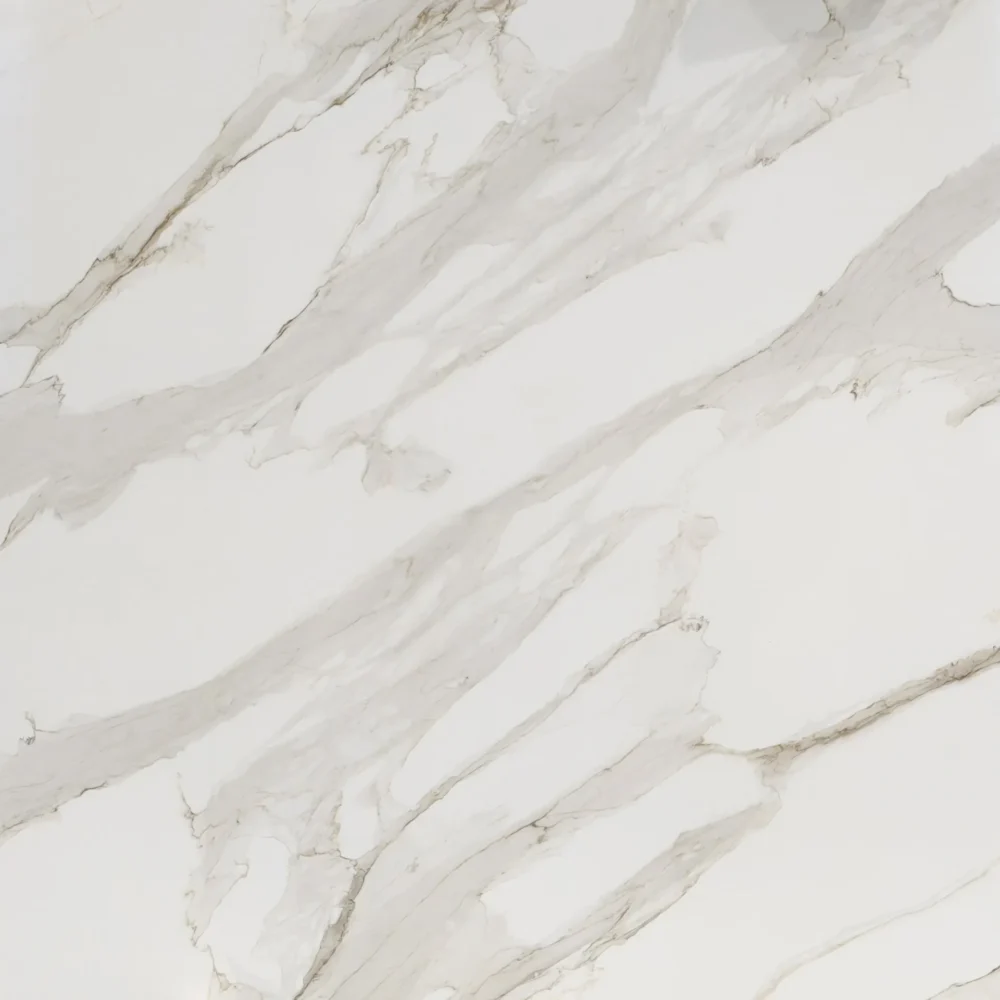
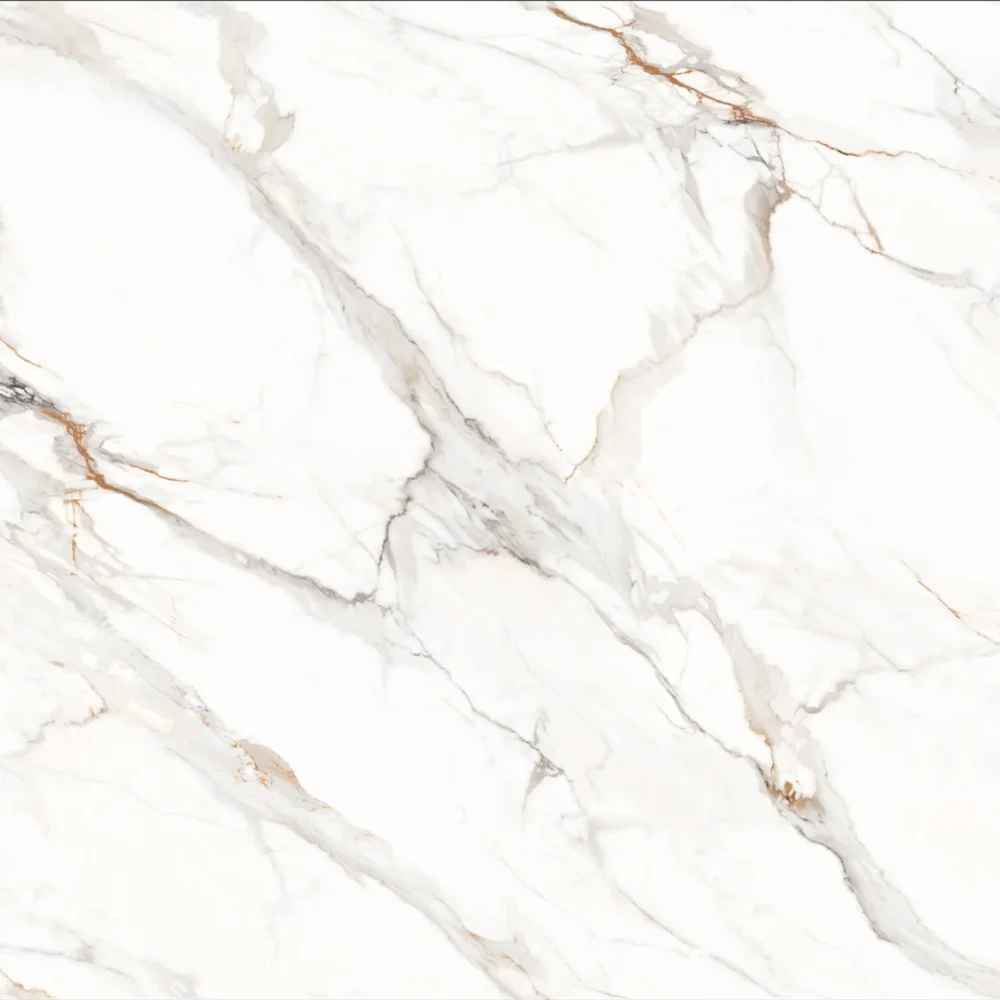
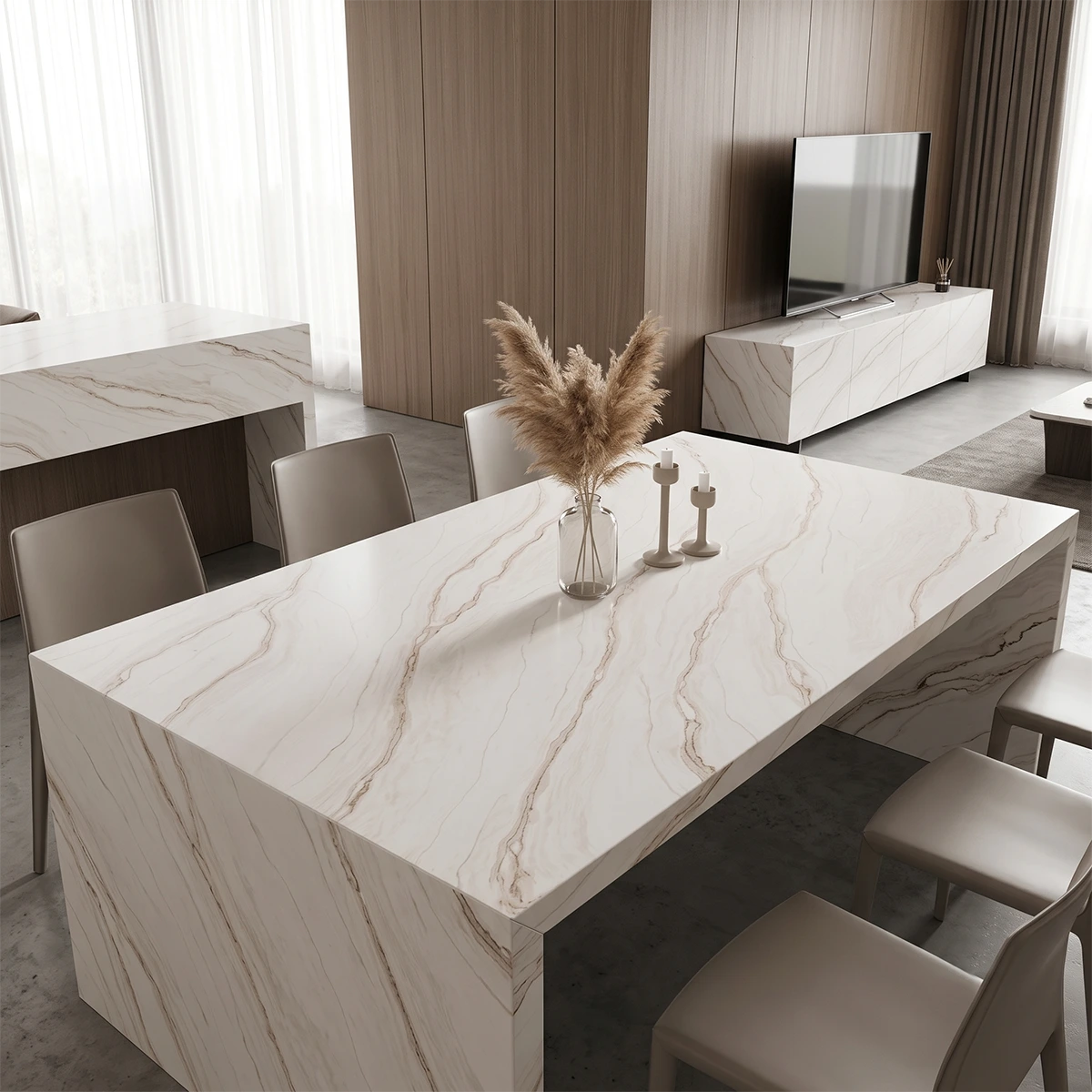
- Calacatta Bianco Lasa Quartz GQ-T485 for Wholesale
Calacatta Bianco Lasa Quartz GQ-T485 for Wholesale
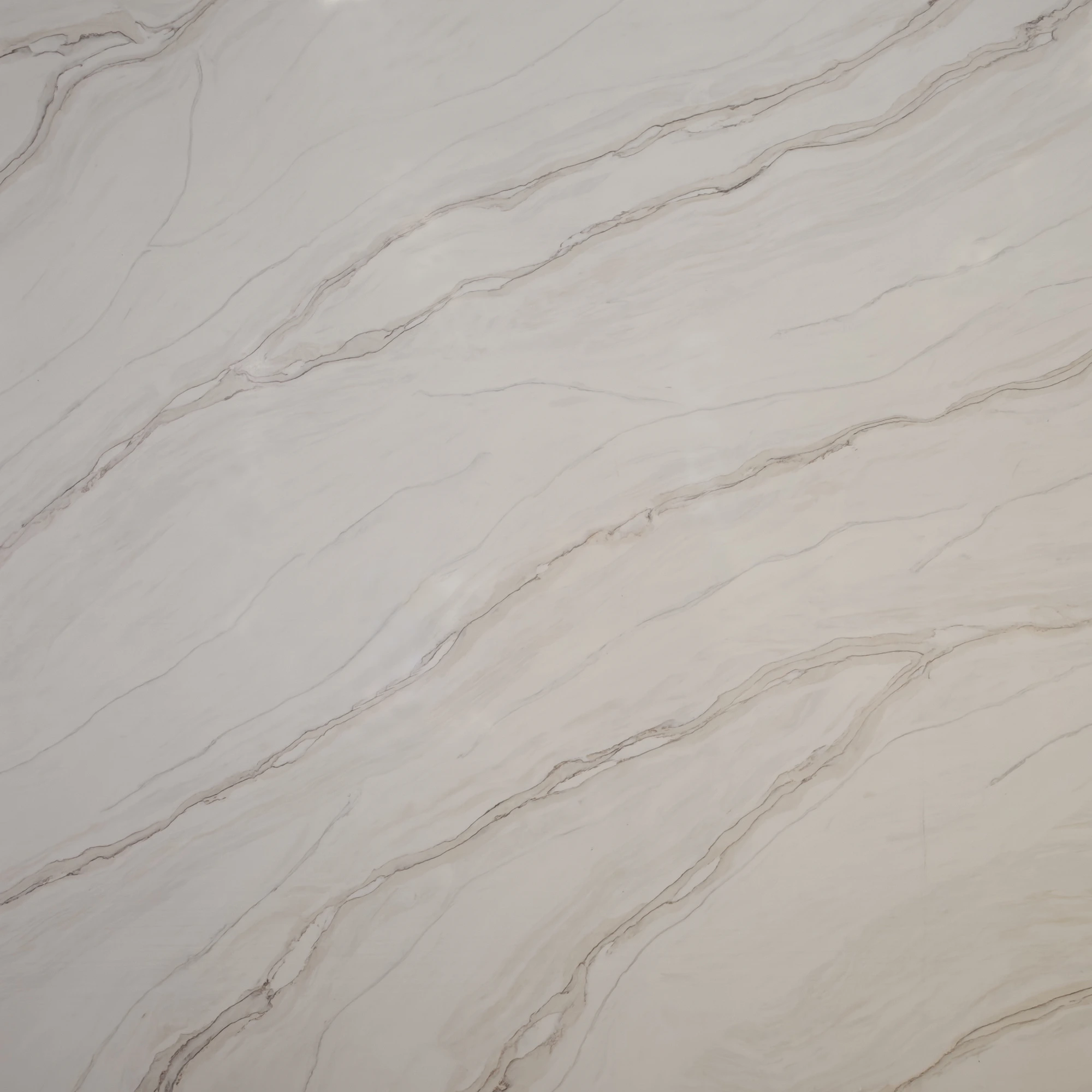
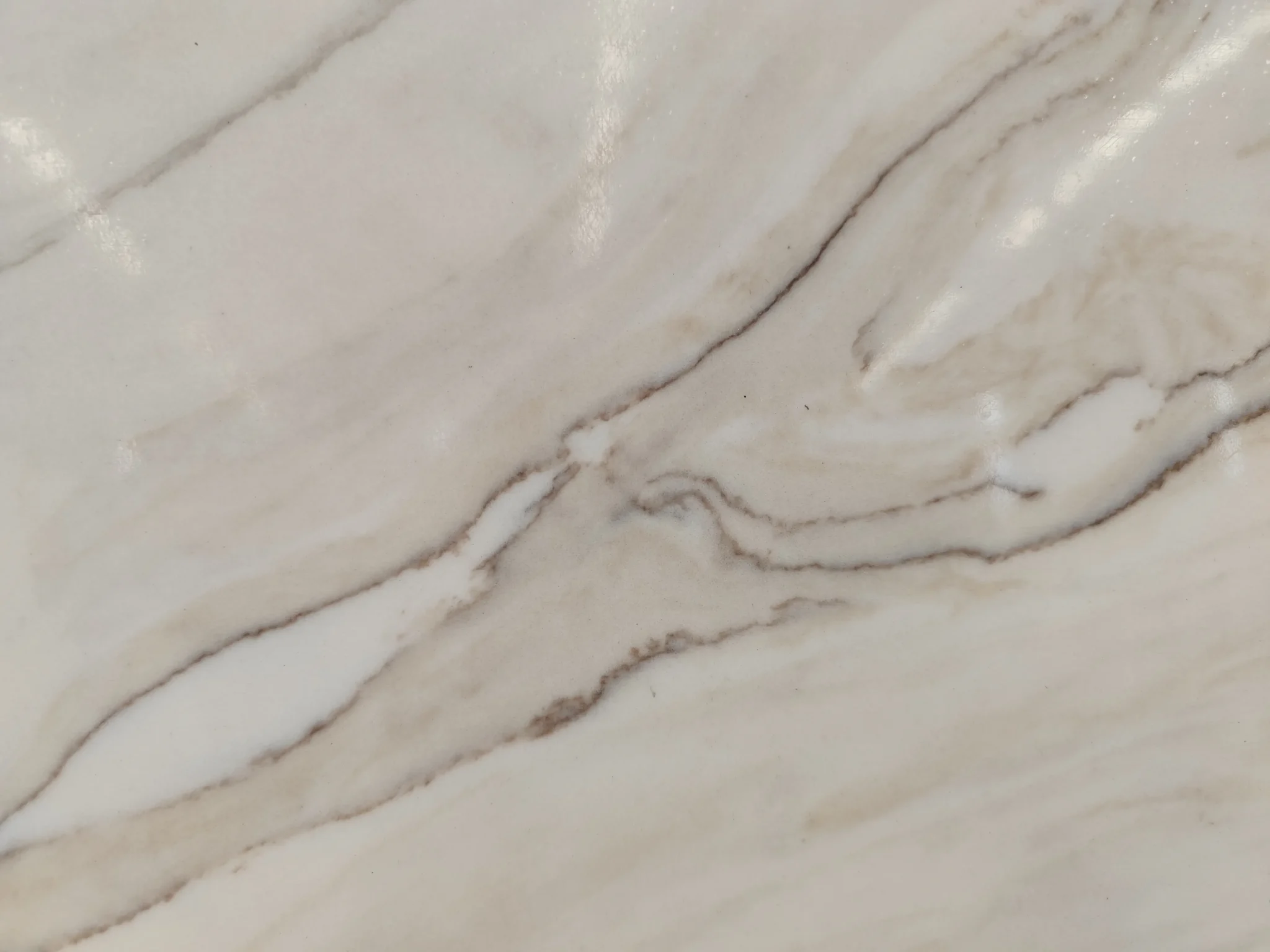
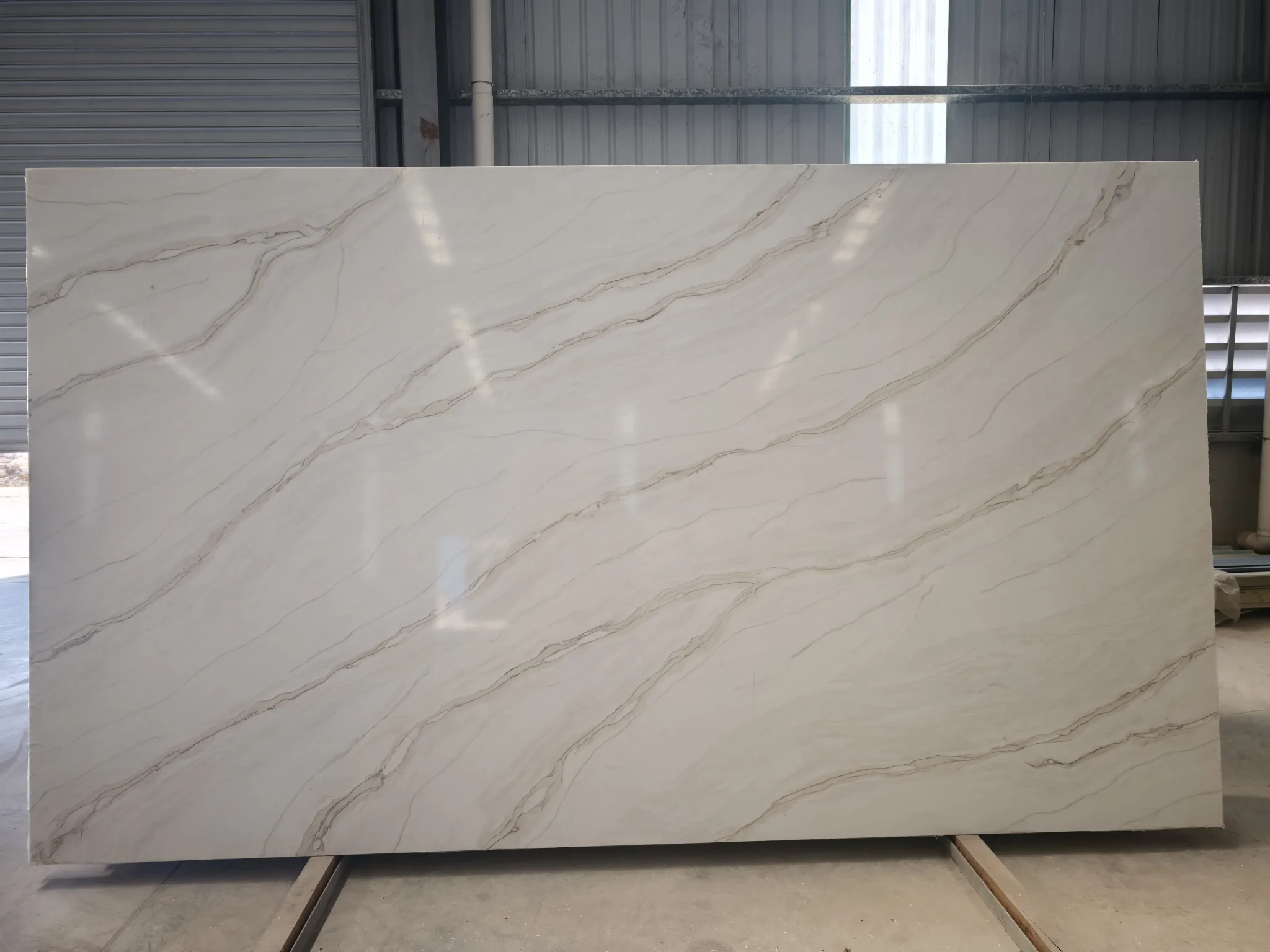
| الألوان الأساسية | Warm Cream |
| لون (ألوان) الزخرفة | Light Brown Vein + Soft Amber Wave |
| صياغة | عادي |
| تشطيبات | مصقول / مصقول / سويدي / جلد |
| حجم مخصص | 138 بوصة × 79 بوصة / 126 بوصة × 63 بوصة / قابل للتخصيص |
| سُمك | 20mm/30mm/Customizable |
| أسلوب الحافة | حافة مصقولة مريحة/حافة مصفحة 2+2 سم/حافة مشطوفة |
| Full Body Quartz | نعم |
| متوفر بمطابقة الكتاب | نعم |
| Place of Origin | تايلاند |
| Port of Transportation | تايلاند |
| Packaging | Foam or carton inside + strong wooden crates with reinforced straps outside and fumigation |
| Delivery time | 15-20 days / Express service is negotiable. |
| MOQ | 10 ㎡ |
| Payment terms | 30%T/T after confirm the order and the 70% T/T by copy of B/L |
| أسطح العمل سكني: نعم تجاري: نعم |
| جدار سكني: نعم تجاري: نعم |
| أرضيات سكني: نعم تجاري: نعم |
وصف:
أسئلة متكررة
What is the most popular calacatta quartz?
Most fabricators will tell you that Calacatta Bianco Lasa and Calacatta Gold are the top two in demand. Calacatta Bianco Lasa, with its soft white base and delicate gray veins, tends to sell well in modern and transitional kitchens because it's versatile and pairs easily with warm or cool tones. Calacatta Gold, on the other hand, has bold golden veins that make a statement—popular in high-traffic kitchens where people want a luxurious look without the maintenance of real marble. In real-world kitchens, the choice often comes down to cabinet color: warm woods lean toward Calacatta Gold, while white or gray cabinets go better with the cooler Bianco Lasa. Our factory (GQ) sees consistent orders for both, especially in super jumbo slab sizes for large islands. The popularity also depends on regional trends—Calacatta Gold is more common in the U.S., while Bianco Lasa is gaining ground in Europe and Asia.
What is Calacatta Quartz: A Simple Guide?
Calacatta quartz is an engineered stone designed to mimic the look of Calacatta marble—specifically, the white base with dramatic gray or gold veining. It's not natural stone; it's made from ground quartz, resin, and pigments, which gives it strength and consistency you won't find in natural marble. Installers usually recommend it because it’s non-porous, so it doesn’t need sealing, and it resists stains, scratches, and heat better than marble. The veining pattern is digitally printed or full-body printed, meaning the design runs through the entire thickness of the slab. That’s important when you have a waterfall edge or thick backsplash—no surprises under the surface. A frequent complaint we hear is that some cheaper versions look too fake, with veining that’s too uniform or repetitive. At our factory (GQ), we use full-body printing and advanced pigment dispersion to avoid that. It’s not just about looks—it’s about durability and long-term performance in kitchens.
ما هي الخلفية التي تتناسب تمامًا مع كوارتز الكالاكاتا؟
Most fabricators will tell you that a light-colored, textured backsplash works best with Calacatta quartz—especially in white, gray, or off-white tones. A subway tile in matte white or light gray creates a clean, timeless look and lets the veining in the quartz stand out. For a more modern feel, you can go with a small mosaic in white marble or polished quartz, but avoid anything too busy—Calacatta already has strong patterns. Some installers recommend a glass tile backsplash in a soft gold or silver tone to complement the veins, but it can be tricky to match perfectly. A frequent complaint we hear is that shiny or reflective backsplashes can clash with the polished finish of the quartz. If you're going with a contrasting color, like black or charcoal, keep it minimal—maybe a single row of accent tile. At our factory (GQ), we often see Calacatta Bianco Lasa paired with a matte white ceramic tile, which gives a soft, elegant look without overwhelming the space.
How much does a slab of calacatta quartz cost?
Cost varies widely based on slab size, color complexity, finish type, and where you are. A typical Calacatta quartz slab from a reputable manufacturer can range from mid to high end depending on the vein pattern and whether it’s a standard or super jumbo size. The price also includes fabrication labor, edge profiling, and installation—those can add significantly to the final cost. In real-world kitchens, a slab with a high-contrast veining pattern or full-body printed design tends to cost more than a simpler, low-variation version. Super jumbo slabs (like 138"x79") from our factory (GQ) are more expensive due to material and shipping costs but save time and money on seams. Regional market demand and labor rates also affect pricing. For example, a slab in a busy metropolitan area may cost more than the same slab in a smaller city. It’s also worth noting that while some manufacturers offer lower prices, the quality of the resin and pigment can affect long-term performance. Always ask about consistency across batches—this matters more than the initial price.