


- الصفحة الرئيسية
- كوارتز
- ألواح الكوارتز
- Calacatta Palissandro White Quartz GQ-T385 for Wholesale
Calacatta Palissandro White Quartz GQ-T385 for Wholesale
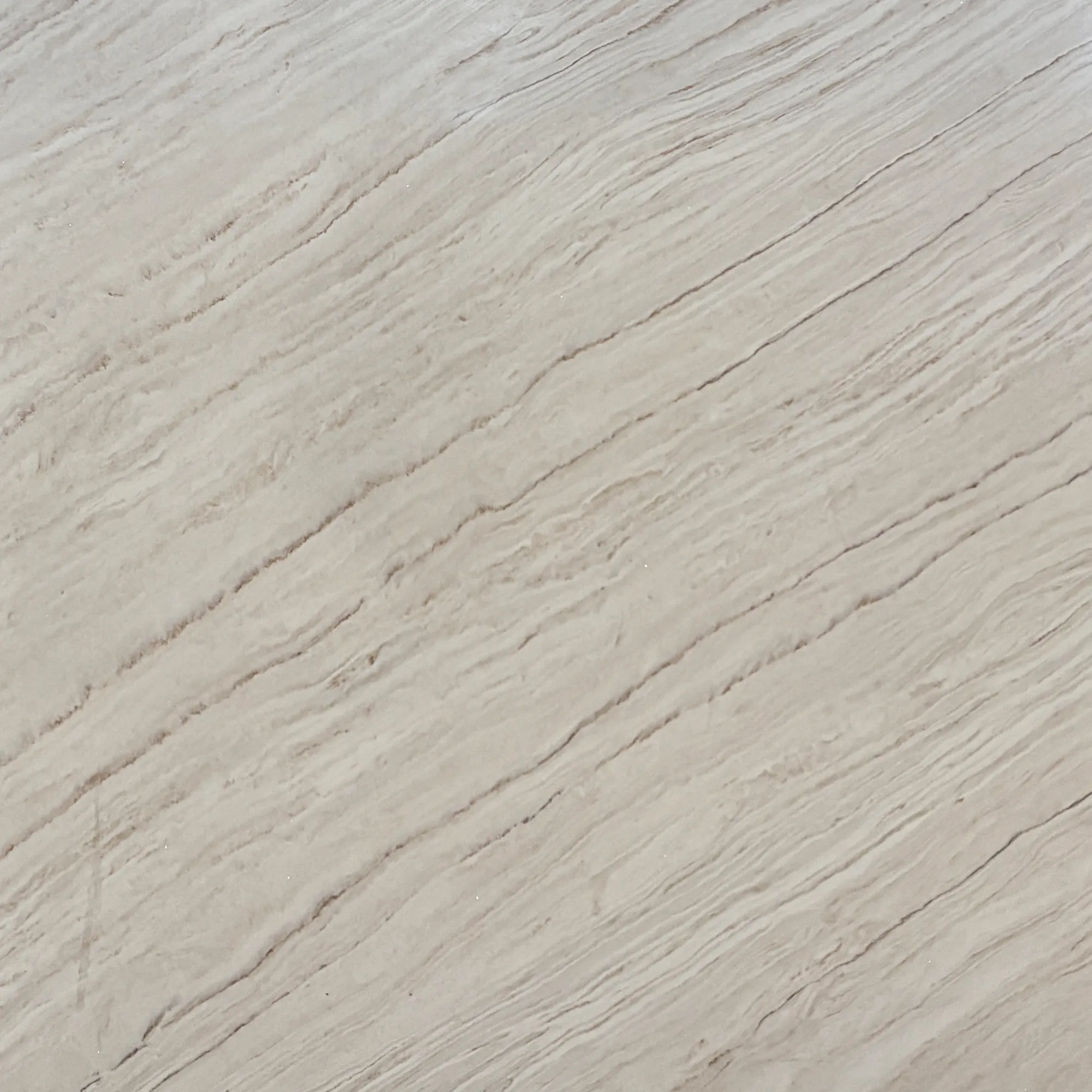
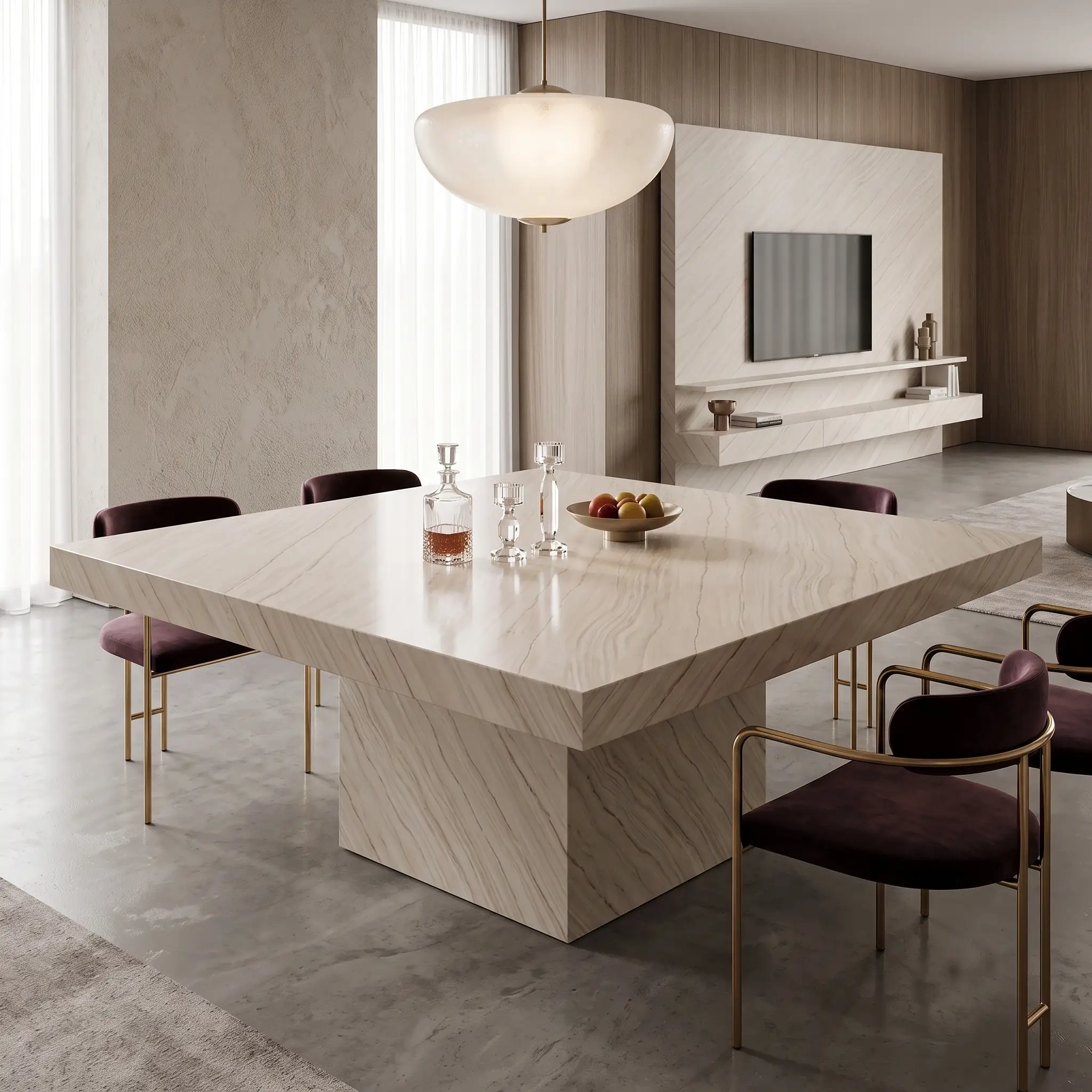
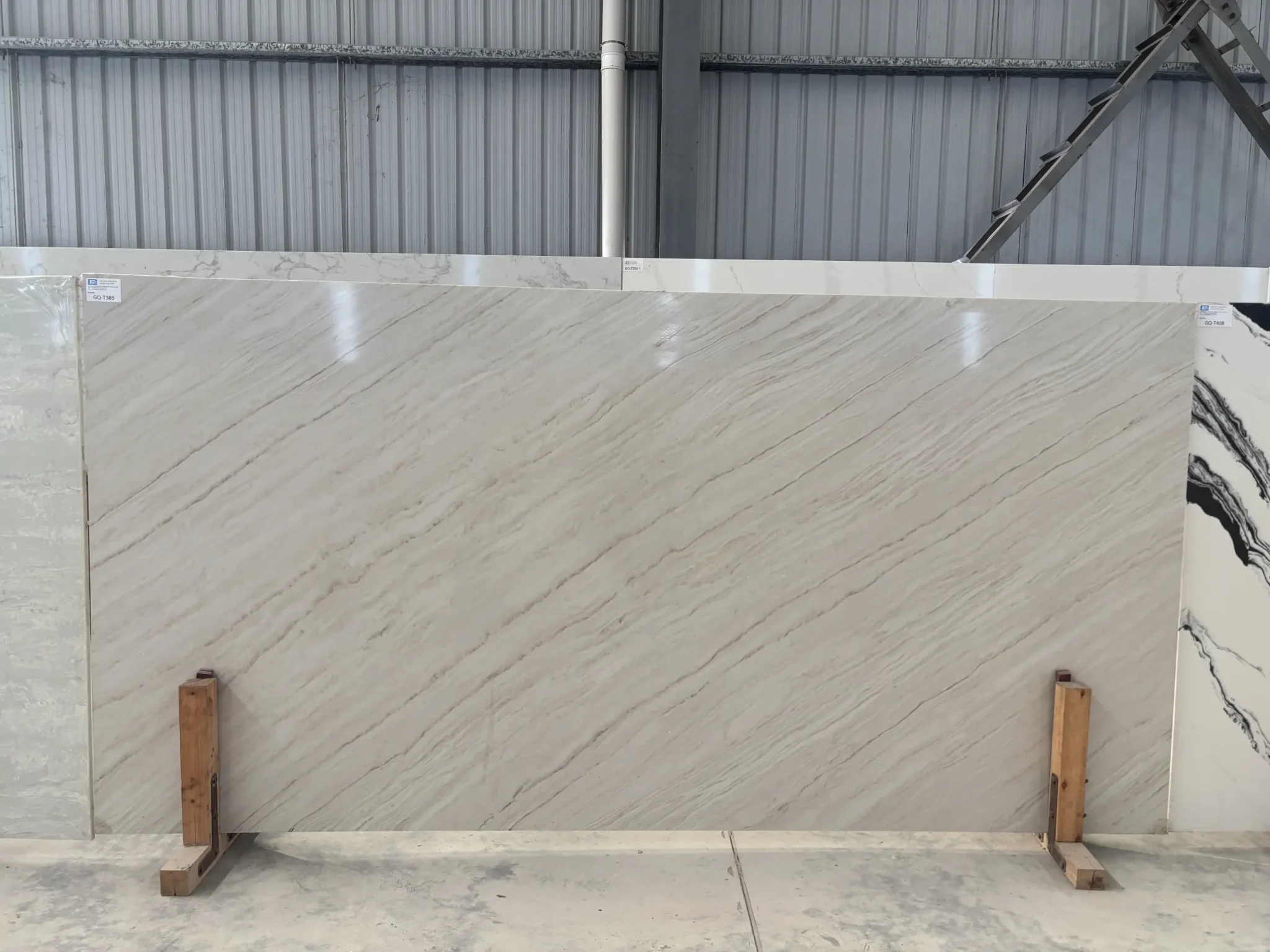
| الألوان الأساسية | Pale Greige |
| لون (ألوان) الزخرفة | Soft Ash Grey Vein + Subtle Taupe Streak |
| صياغة | عادي |
| تشطيبات | مصقول / مصقول / سويدي / جلد |
| حجم مخصص | 138 بوصة × 79 بوصة / 126 بوصة × 63 بوصة / قابل للتخصيص |
| سُمك | 20mm/30mm/Customizable |
| أسلوب الحافة | حافة مصقولة مريحة/حافة مصفحة 2+2 سم/حافة مشطوفة |
| Full Body Quartz | نعم |
| متوفر بمطابقة الكتاب | نعم |
| Place of Origin | تايلاند |
| Port of Transportation | تايلاند |
| Packaging | Foam or carton inside + strong wooden crates with reinforced straps outside and fumigation |
| Delivery time | 15-20 days / Express service is negotiable. |
| MOQ | 10 ㎡ |
| Payment terms | 30%T/T after confirm the order and the 70% T/T by copy of B/L |
| أسطح العمل سكني: نعم تجاري: نعم |
| جدار سكني: نعم تجاري: نعم |
| أرضيات سكني: نعم تجاري: نعم |
وصف:
أسئلة متكررة
What is the difference between Calacatta quartz and white quartz?
Most fabricators will tell you the difference comes down to veining and color depth. Calacatta quartz, like our T385 Calacatta Palissandro, has bold, dramatic gray or gold veining that mimics natural Calacatta marble—especially in high-contrast patterns. White quartz, on the other hand, is typically solid with minimal veining or subtle texture. It's a cleaner, more uniform look. In real-world kitchens, Calacatta quartz tends to draw the eye and works best with neutral cabinets and backsplashes. Pure white quartz is more versatile in modern or minimalist spaces. At our factory (GQ), we use full-body printed technology to ensure consistent veining across slabs, so the pattern doesn’t fade at edges. The choice depends on whether you want a statement surface or a neutral base. Both are non-porous and easy to maintain, but Calacatta quartz requires more careful layout to avoid repeating veins in long runs.
How Do Quartz Countertops Compare To Calacatta Marble?
Installers usually recommend quartz over Calacatta marble for kitchens because it’s non-porous, doesn’t need sealing, and resists stains and scratches better. Calacatta marble, while beautiful, is soft and porous—meaning it can etch from acidic cleaners like lemon juice or vinegar, and it stains if not sealed properly. Quartz, especially from a reputable manufacturer, has consistent quality and won’t develop dull spots over time. In real-world kitchens, you’ll see more wear on marble around sinks and stovetops. Our factory (GQ) produces Calacatta-style quartz using full-body printing, which gives the depth and realism of natural stone without the maintenance. That said, marble has a unique character with hand-cut variations—something quartz can’t fully replicate. If you want the look with less upkeep, quartz is the smarter pick. But if you're going for authenticity and don’t mind sealing every 6 months, marble still has its place.
Tajmahal or calacatta quartz countertops?
A frequent complaint we hear is that people confuse Taj Mahal quartzite with Taj Mahal quartz, but they’re different materials. Taj Mahal quartzite is a natural stone—highly durable, with warm beige tones and gray veining. It’s popular in luxury kitchens but requires sealing and can be inconsistent in slab-to-slab appearance. Calacatta quartz, like our T385, is engineered, meaning it’s consistent in color and pattern across slabs. It’s more resistant to etching and staining. If you’re looking for a warm, elegant look with less maintenance, Calacatta quartz is often the better choice. However, if you want the depth and variation of natural stone, Taj Mahal quartzite might be worth the extra care. At our factory (GQ), we produce super jumbo slabs up to 138”x79” in Calacatta patterns, which helps reduce seams—something hard to do with natural stone. Ultimately, it depends on your lifestyle and how much upkeep you’re willing to handle.
Is calacatta quartz going out of style?
In real-world kitchens, Calacatta quartz hasn’t gone out of style—it’s still a top choice for both residential and commercial projects. It offers a timeless, elegant look that pairs well with white, gray, and warm wood cabinets. While trends shift toward matte finishes or darker tones, the clean, veined appearance of Calacatta quartz remains popular, especially in modern farmhouse and transitional designs. The key is how it’s used. A busy pattern might look dated in a minimalist space, but when laid out thoughtfully with proper lighting and edge profiles, it ages well. At our factory (GQ), we’ve seen consistent demand for Calacatta-style quartz over the past five years. Designers still specify it for kitchens and bathrooms because it’s durable, low-maintenance, and doesn’t yellow over time. It’s not a passing fad—it’s a classic material with staying power.
-1000x1000.webp)