



- الصفحة الرئيسية
- المنتجات
- ألواح الحجر شبه الكريم
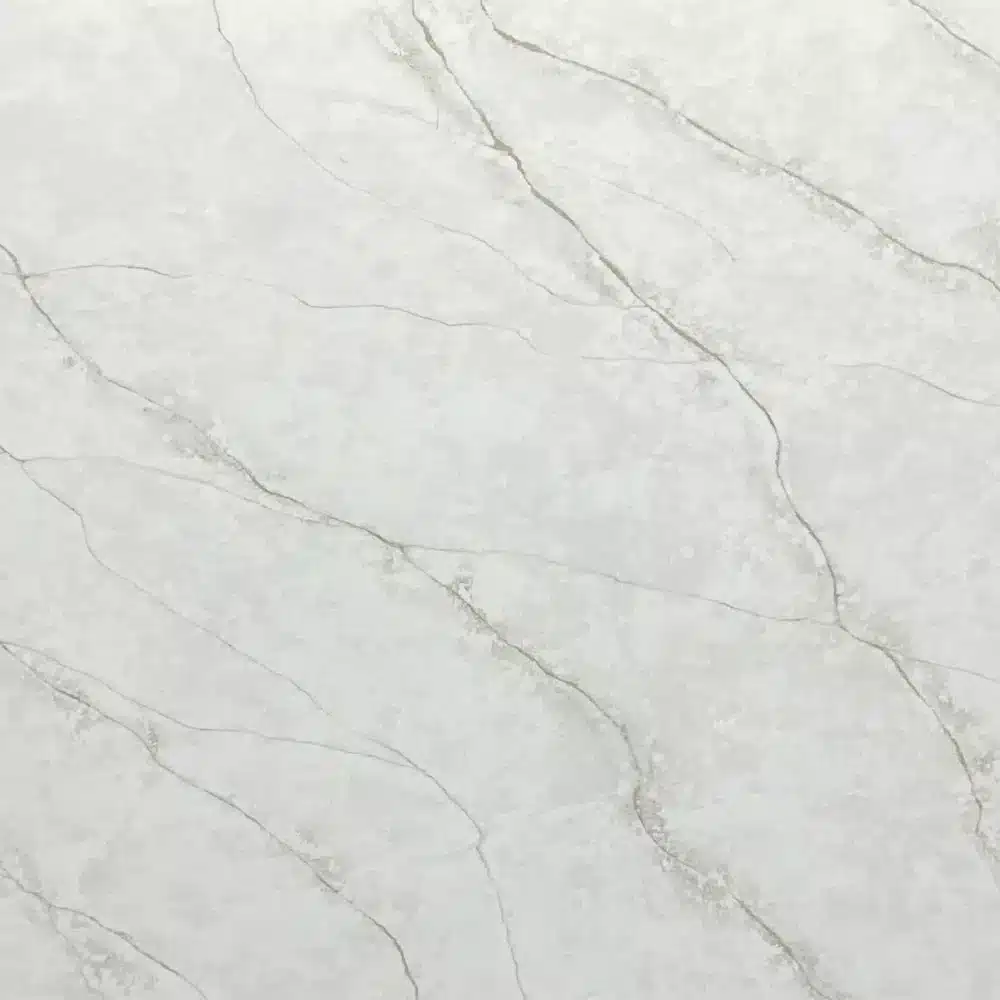
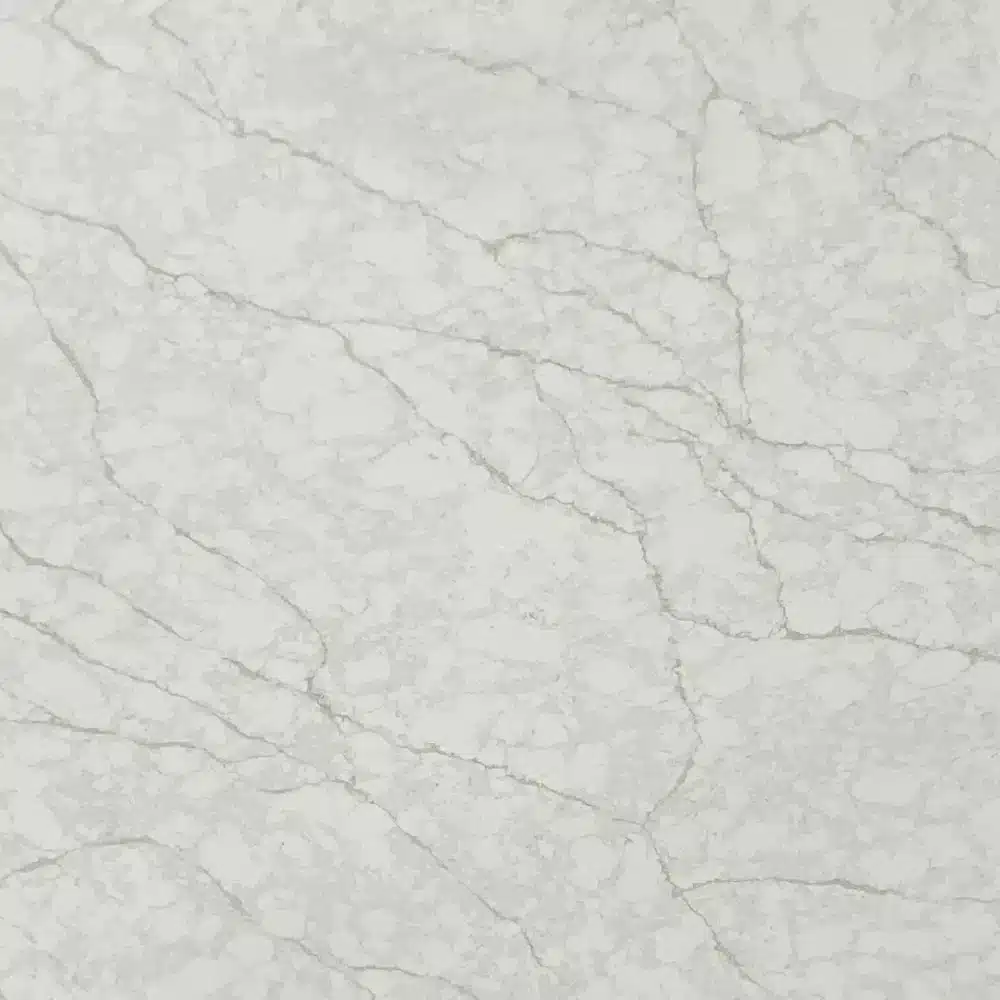
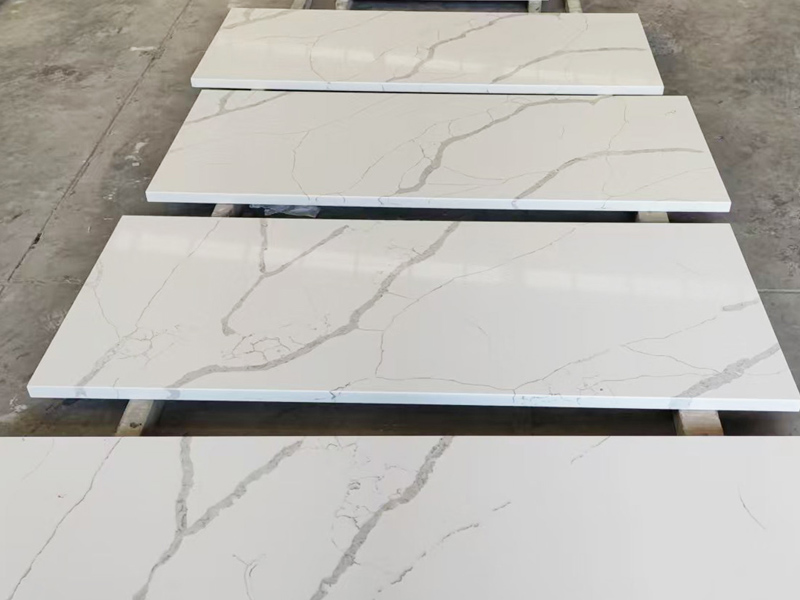
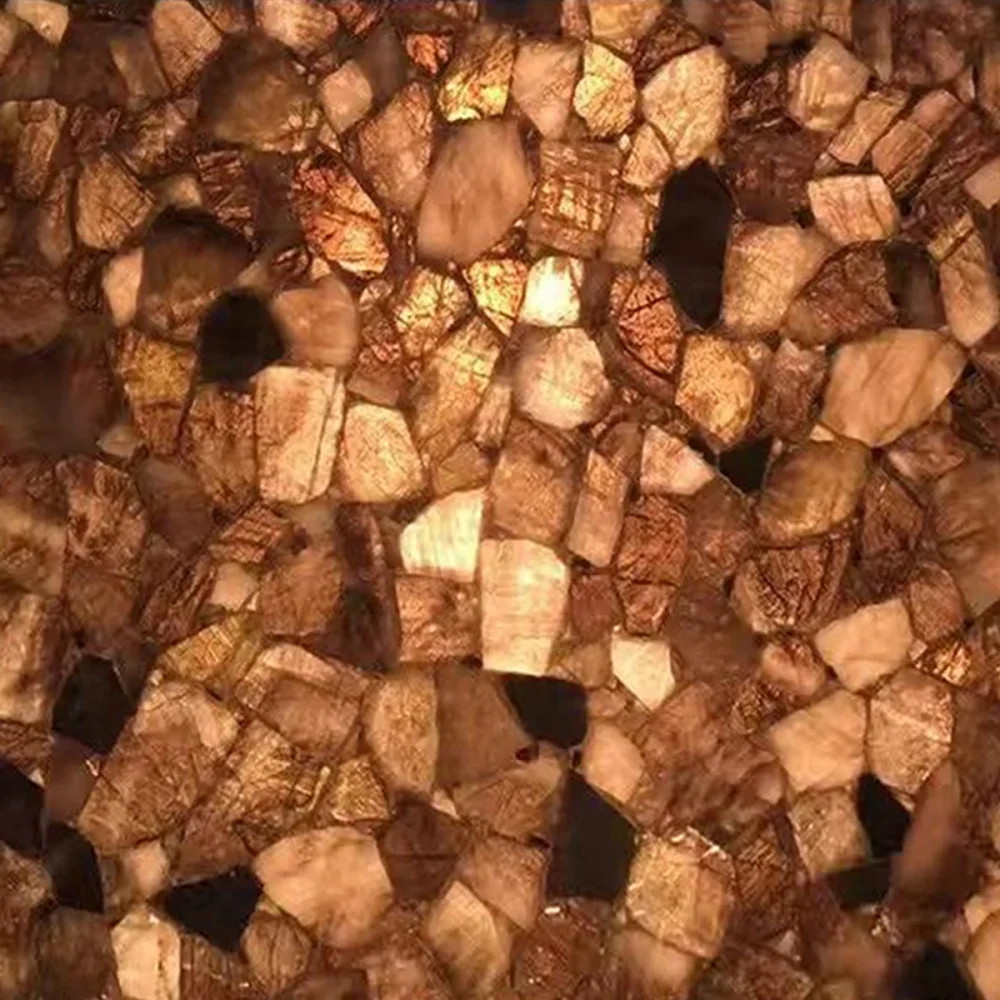
- White Semi Precious Stone Slabs GQ-S004 for Wholesale
White Semi Precious Stone Slabs GQ-S004 for Wholesale
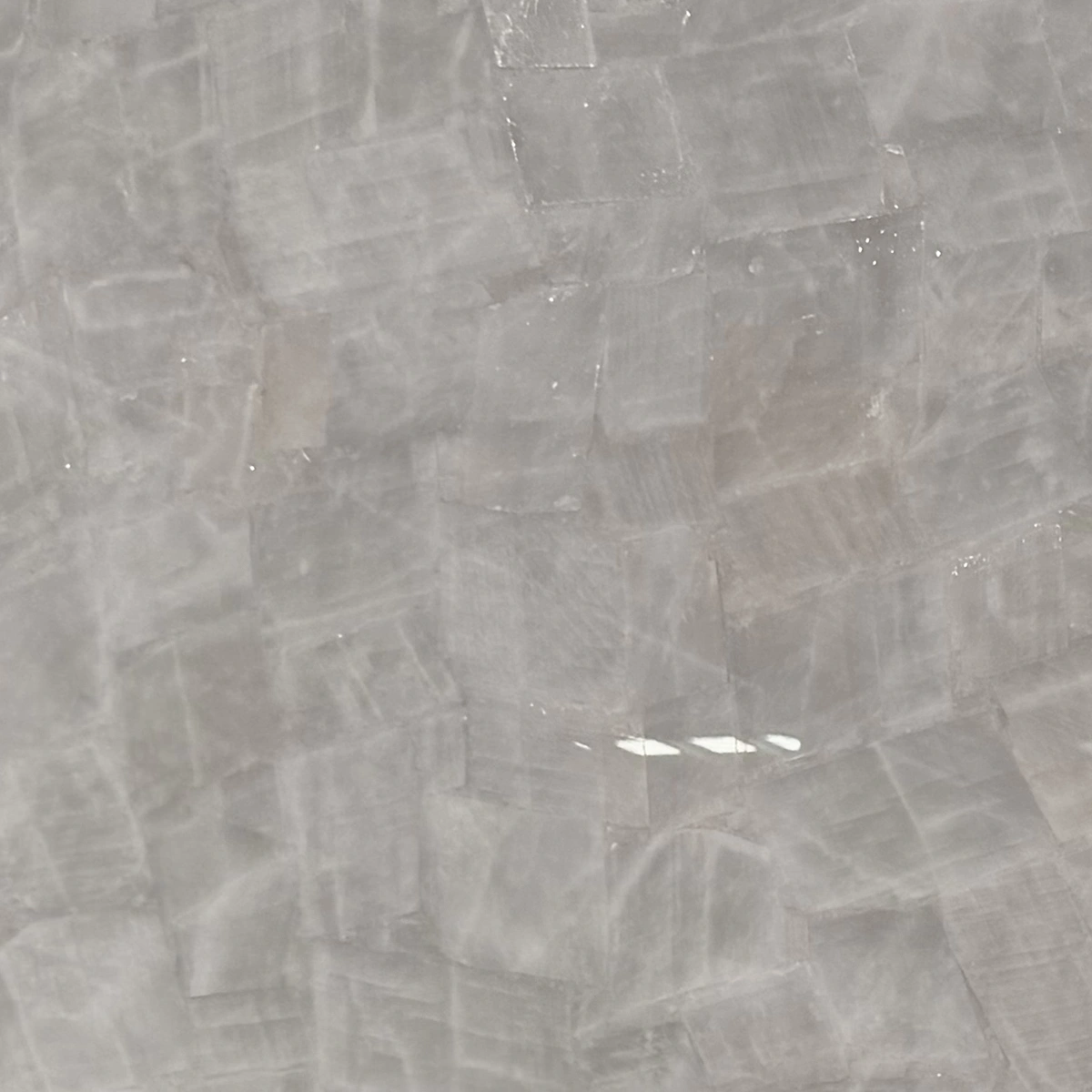
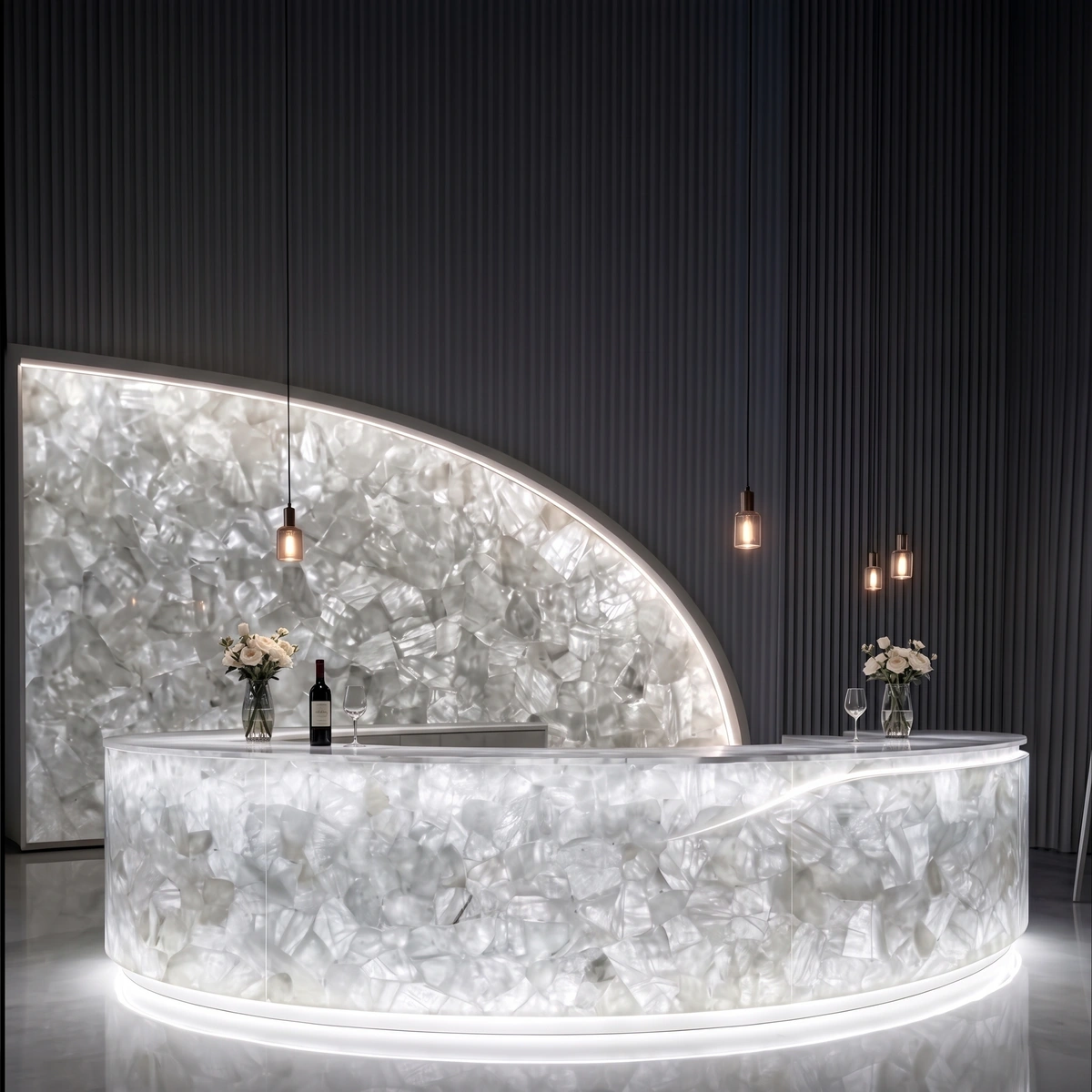
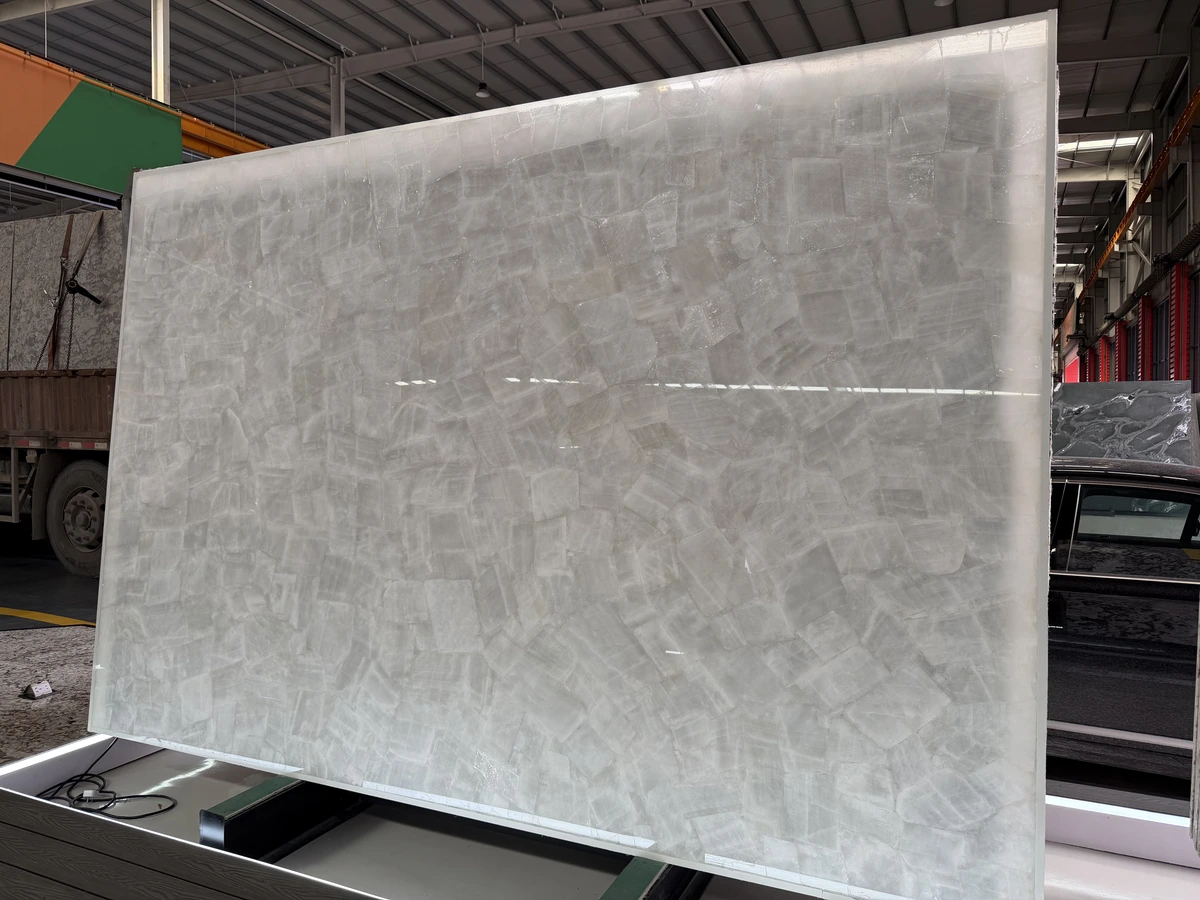
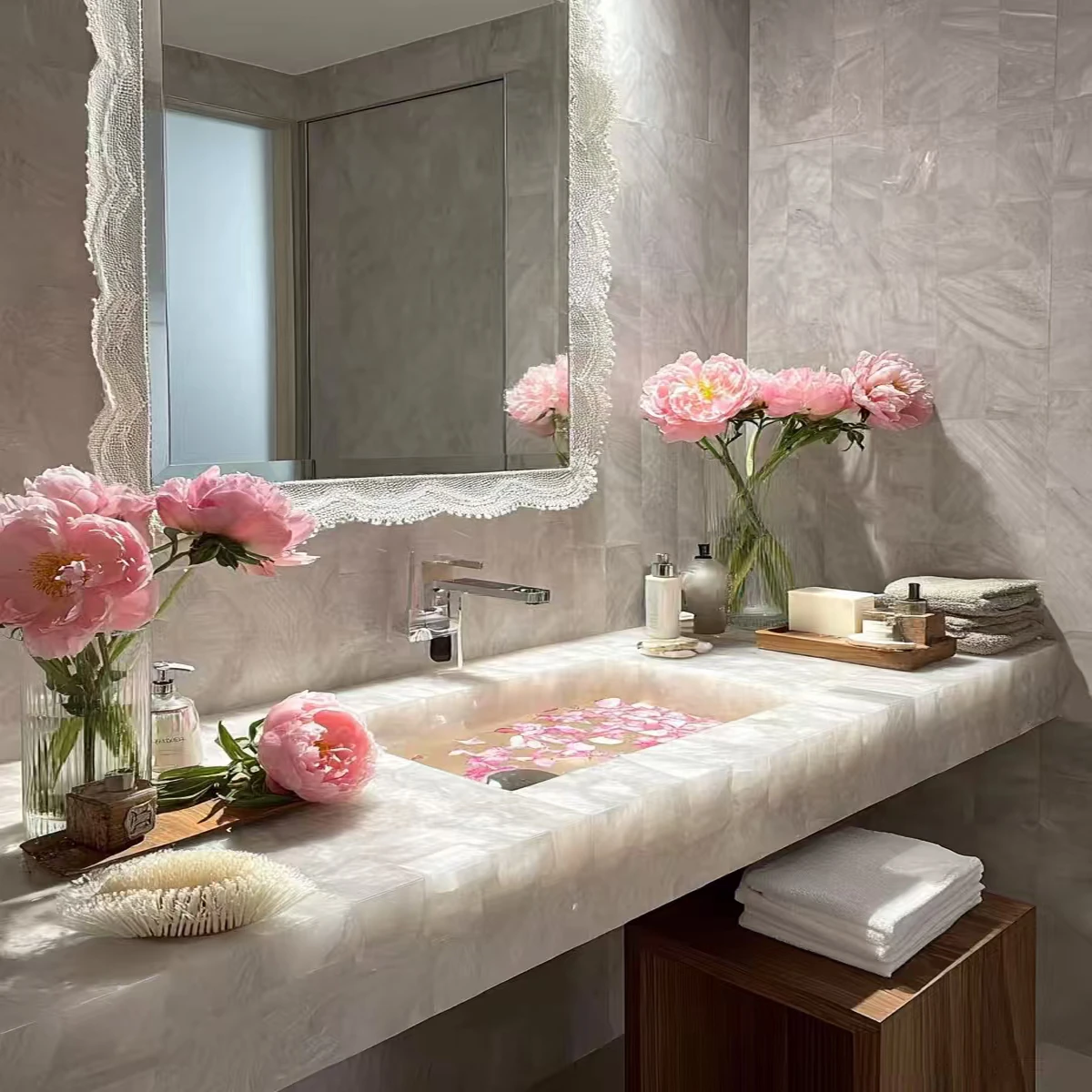
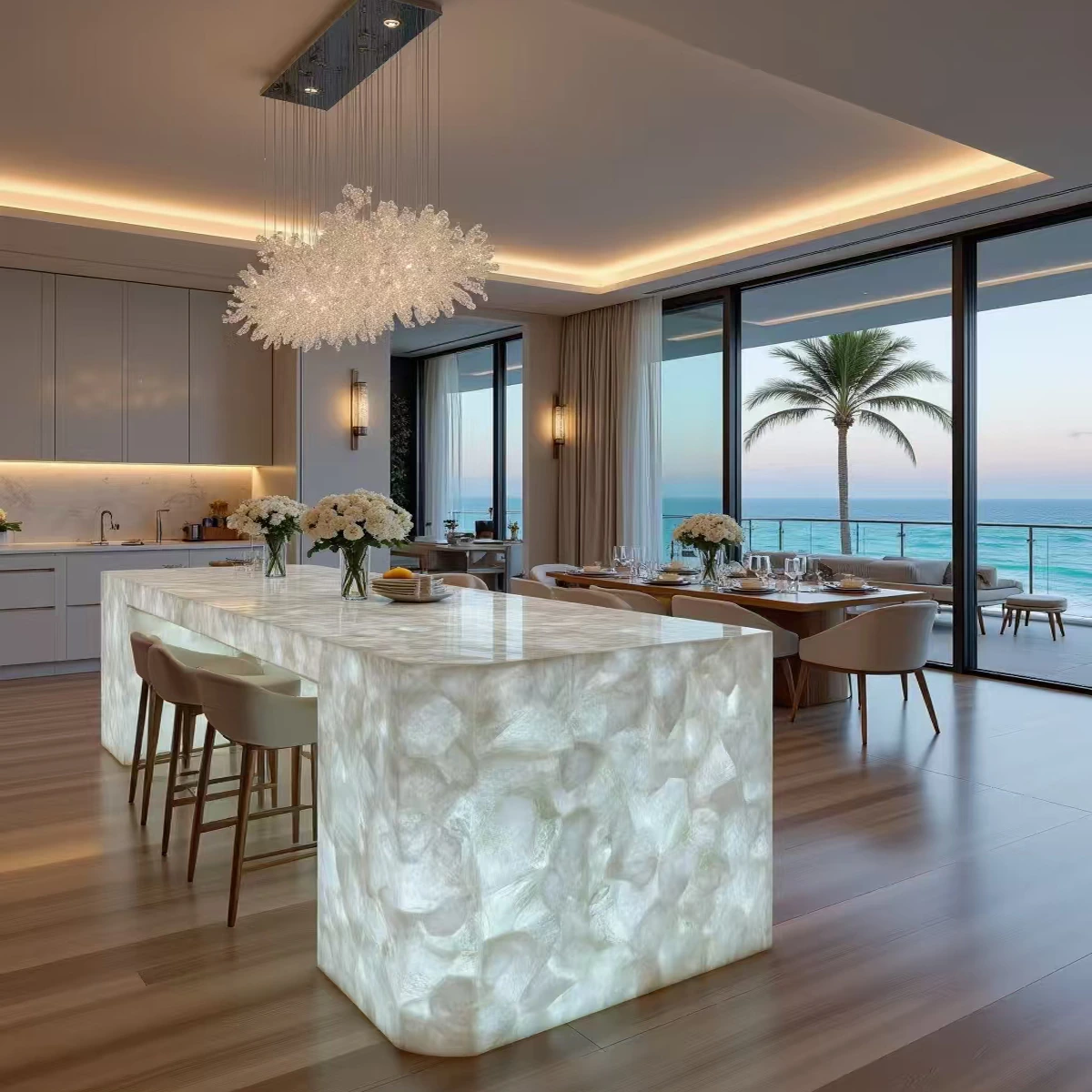
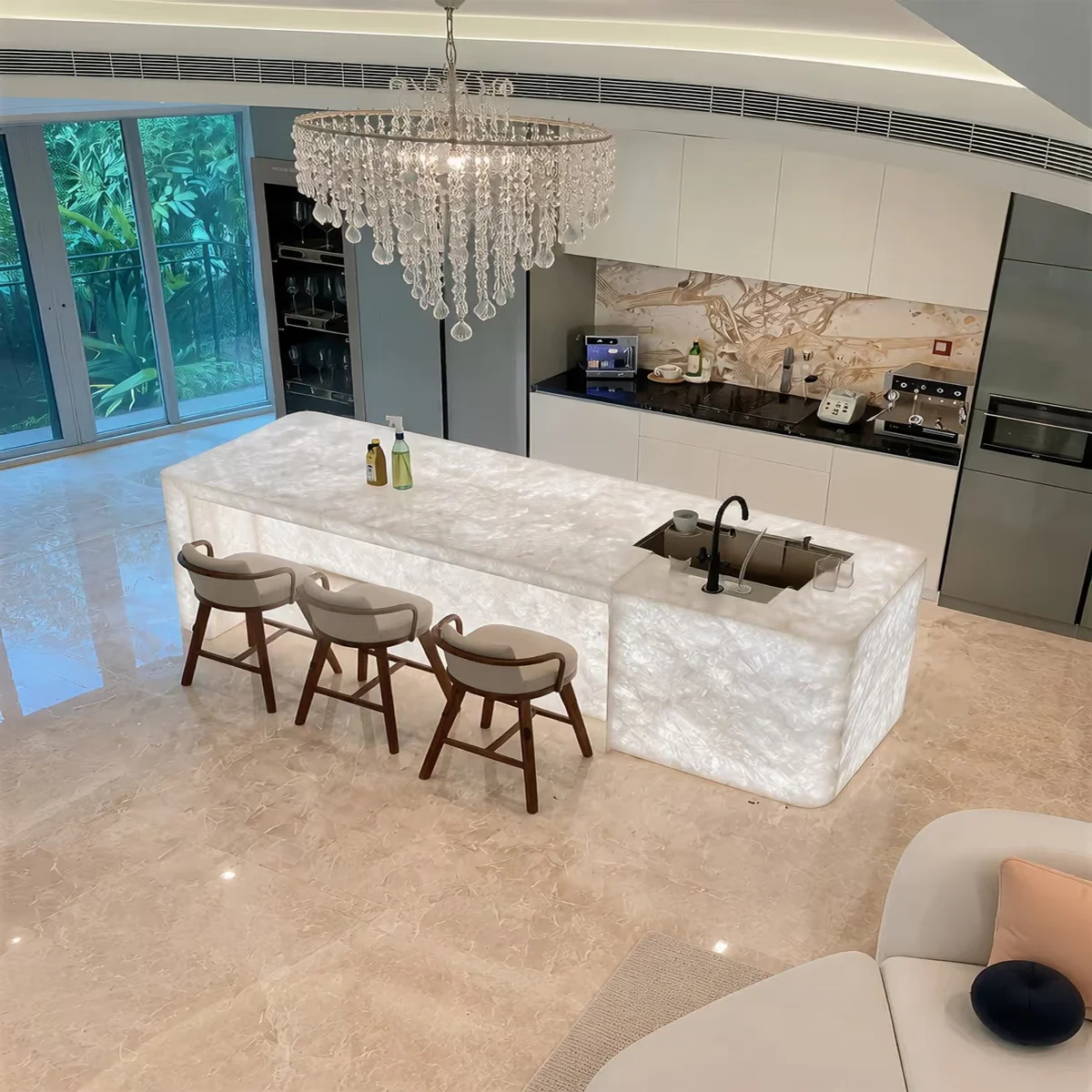
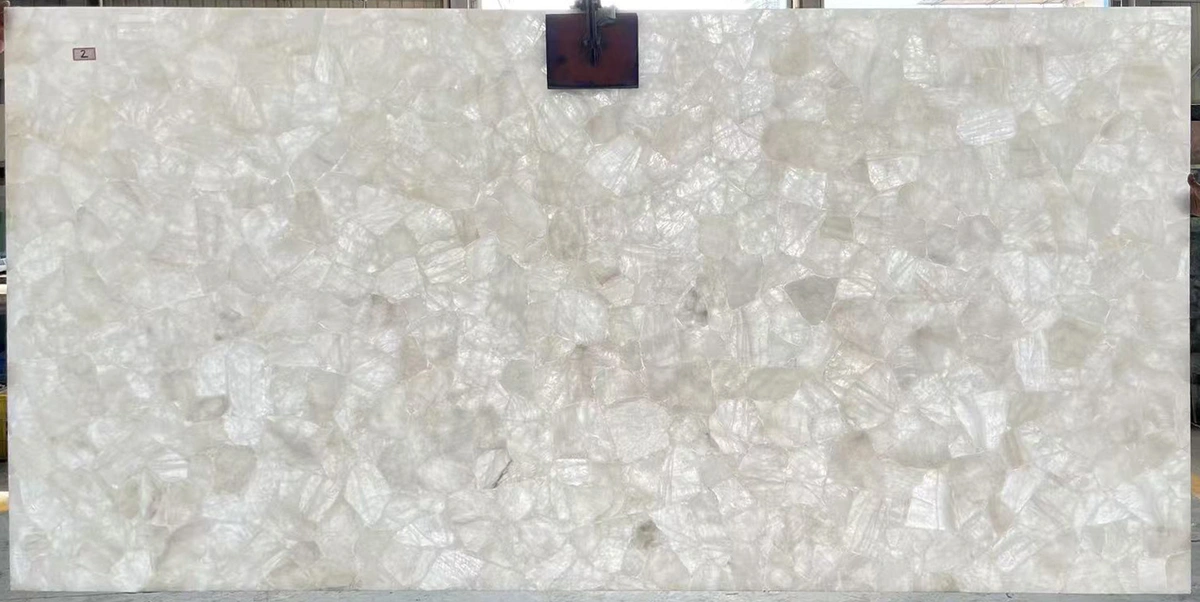
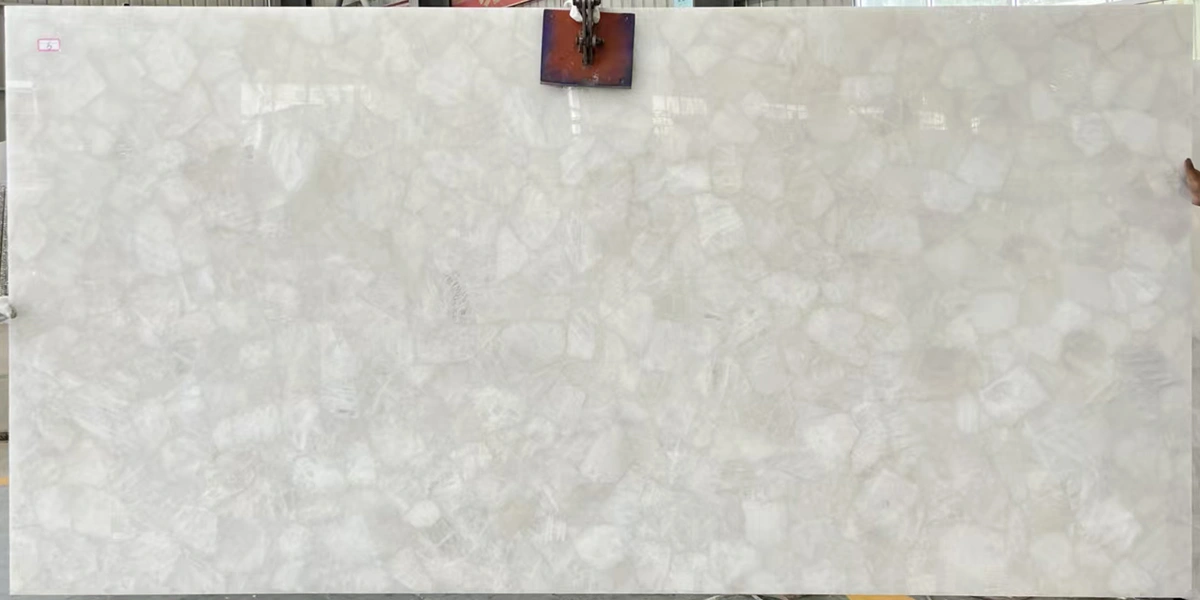
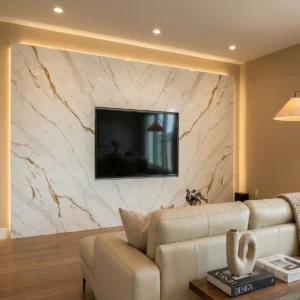
| Color | أبيض |
| Material | gemstone |
| تشطيبات | مصقول / مصقول / سويدي / جلد |
| حجم مخصص | 138 بوصة × 79 بوصة / 126 بوصة × 63 بوصة / قابل للتخصيص |
| السماكة | 20mm/30mm/Customizable |
| أسلوب الحافة | حافة مصقولة مريحة/حافة مصفحة 2+2 سم/حافة مشطوفة |
| Port of Transportation | تايلاند |
| Place of Origin | Africa |
| Packaging | Foam or carton inside + strong wooden crates with reinforced straps outside and fumigation |
| Delivery Time | 15-20 days / Express service is negotiable. |
| MOQ | 10 ㎡ |
| Payment Terms | 30%T/T after confirm the order and the 70% T/T by copy of B/L |
| أسطح العمل Outdoor: Yes Indoor: Yes |
| Vanity tops Outdoor: Yes Indoor: Yes |
| جدار Outdoor: Yes Indoor: Yes |
| أرضيات Outdoor: Yes Indoor: Yes |
وصف:
أسئلة متكررة
What is the wholesale price of semi-precious stone slabs?
Most fabricators will tell you that wholesale pricing for semi-precious stone slabs isn’t set in stone—literally. Cost varies widely based on slab size, color complexity, finish type, edge profiling, and whether it’s a standard or super jumbo slab. For example, a white semi-precious stone slab with high-definition veining or a gemstone inlay will typically cost more than a uniform, low-variation pattern. Delivery logistics, regional demand, and bulk order volume also play roles. At our factory (GQ), we produce slabs up to 138"x79" and offer OEM/ODM solutions, which helps keep costs competitive without sacrificing consistency. But remember: the lowest bid isn’t always the best choice—poor resin distribution or inconsistent backing can lead to warping or delamination down the line. Always request samples and check for SGS certification before placing a large order.
How can I tell if a semiprecious stone is real?
Installers usually recommend checking the translucency and veining pattern—real semi-precious stone slabs have organic, irregular veining that doesn’t repeat across slabs. If the pattern looks identical from one slab to the next, it’s likely a printed composite. Also, real gemstone slabs have slight variations in depth and color, especially under natural light. A frequent complaint we hear is that some ‘semi-precious’ slabs feel too dense or lack the subtle glow of natural minerals. Tap the surface—real stone has a hollow, resonant ring; engineered or poorly backed materials sound dull. Lastly, look at the edges: real slabs often have a visible mineral matrix or layering, not just a flat, uniform surface. At our factory (GQ), we use full-body printed technology that mimics natural depth, but we never claim it’s ‘natural’—we’re transparent about material origins.
How to Sell PRECIOUS STONES Found in Nature?
A frequent complaint we hear from hobbyists is that they don’t know how to assess value or find buyers. First, identify the stone—use a reputable mineral guide or send a sample to a gem lab. Smoky quartz, amethyst, and citrine are common and can fetch decent prices if well-polished. However, most raw finds aren’t worth much unless they’re large, rare, or have gem-quality clarity. The market is saturated with low-grade material. If you’re looking to sell, contact local lapidary shops, jewelry makers, or online platforms specializing in raw stones. Avoid online auction sites—fees are high and competition is fierce. In real-world kitchens, gemstone inlays are usually sourced from certified suppliers, not individual collectors. If you’re thinking of selling for commercial use, know that manufacturers like ours (GQ) source from bulk suppliers, not individual collectors—so unless you’ve got a mine, your stones are better off as a personal collection or a craft project.
How wholesale Gemstone Market Works?
In real-world operations, the wholesale gemstone market functions like a tiered supply chain. Raw materials come from mines or mining cooperatives, then get cut, polished, and graded by intermediaries. Distributors buy in bulk and sell to fabricators, who then use the slabs in countertops or architectural projects. The key factor is consistency—buyers want uniformity in color, veining, and finish. At our factory (GQ), we work with suppliers who provide consistent batches of semi-precious stone slabs, which helps us maintain quality across large orders. We also have full-body printed technology that allows us to replicate rare gemstone patterns without depleting natural resources. Lead times vary—typically 20–30 days—but depend on customization, order size, and resin content. The market tends to favor low-silica, durable materials that resist scratching and staining. Always ask for certifications and request samples—trust is built over time, not price alone.
منتجات ذات صلة
-

Warm White Quartz with Gray Veins GQ-T394
قراءة المزيد -
Warm White Quartz GQ-T374 for Countertop
تحديد أحد الخيارات هناك العديد من الأشكال المختلفة لهذا المنتج. يمكن اختيار الخيارات على صفحة المنتج -

أسطح مطابخ كوارتز جاهزة قياسية بأوردة رمادية
قراءة المزيد -
Smoky Black Semi Precious Stone Surface GQ-S003 for Wholesale
قراءة المزيد