





Table of Content
If you want cream quartz, you are usually trying to keep the kitchen warm—wood cabinets, soft paint, brass—without landing on a cold white slab or a surface that looks dirty yellow under the evening lights. That is a fair ask. Cream can do it well when you separate three things people mix up: the warm undertone you want, the way home lighting shifts color, and rare discoloration from heat, sun, or harsh cleaners.
GQT make engineered quartz in Thailand. The advice below is the same check we walk through before a color is locked for a quote.
Yes, cream quartz exists. The hard part is the name on the sample tag. “Cream,” “ivory,” “warm white,” and “beige” get used loosely, so two chips with similar titles can look different in your kitchen.
| Family | How it reads | When it helps |
|---|---|---|
| Cool white | Bright, often blue-gray | Gray, navy, or black cabinets and cooler bulbs |
| Off-white / warm white | Still reads as white, with a soft warm shift | You want brightness without a clinical look |
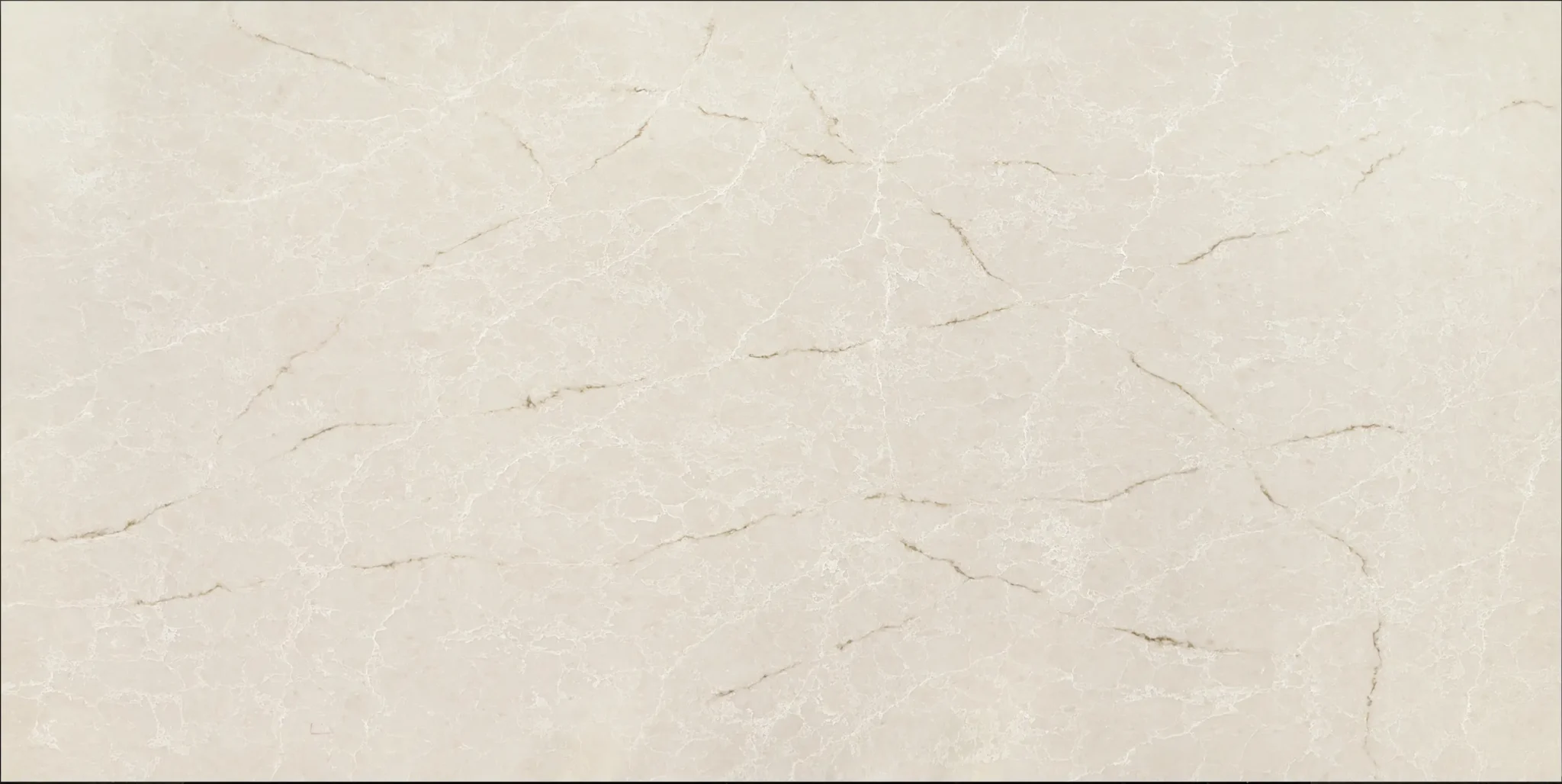
| Cream | Warm on its own—gold, soft beige, or ivory lean | Wood cabinets, brass, traditional or transitional kitchens |
| Beige | Deeper earth tone; no longer “white” | Rooms where a stronger ground hides daily crumbs better |
A simple check: put the sample on plain white printer paper, then against your cabinet door. Cream shows cream or gold beside the paper. Cool white shows blue or gray. If a chip only looks cream in the showroom and turns sour under your night lights, keep looking. That is a lighting mismatch, not proof that cream is a bad idea.
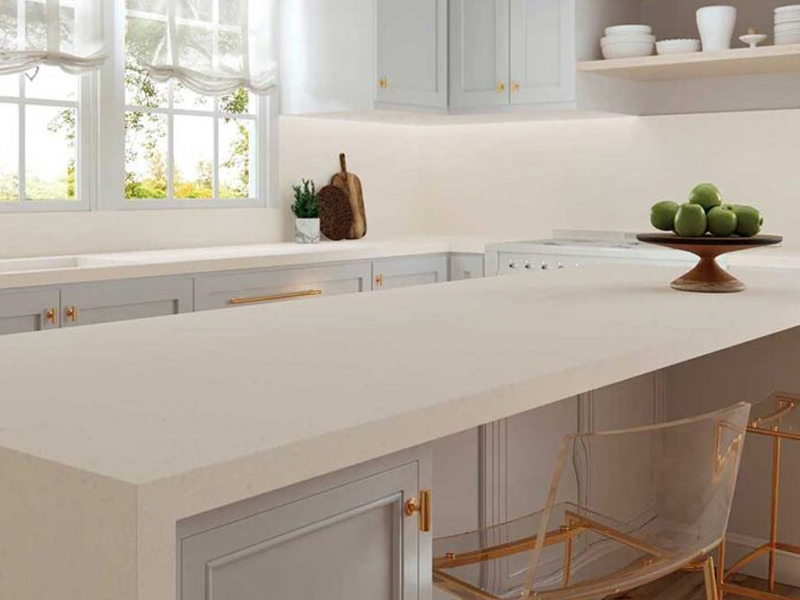
With white cabinets, cream can soften a stark painted box. If the doors are already yellow-cream, a strongly gold cream slab can stack warmth and feel heavier than you want. A cleaner ivory or warm white often balances better. Bring a door sample. Do not decide from a phone photo.
Cool white and gray-veined marble looks fill a lot of yards and online grids. Warm cream and soft ivory are available; they are just easier to scroll past if you only search “white quartz.”
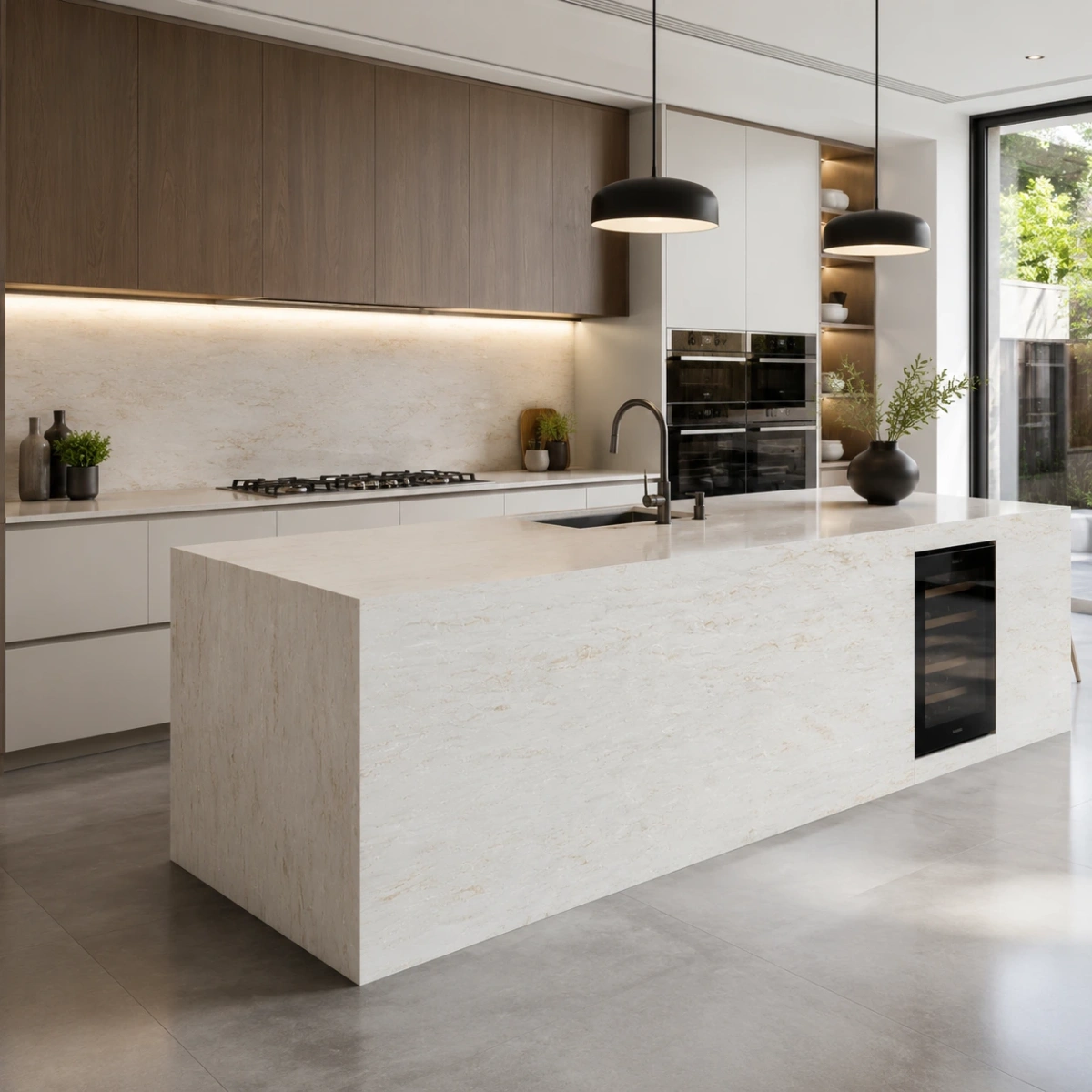
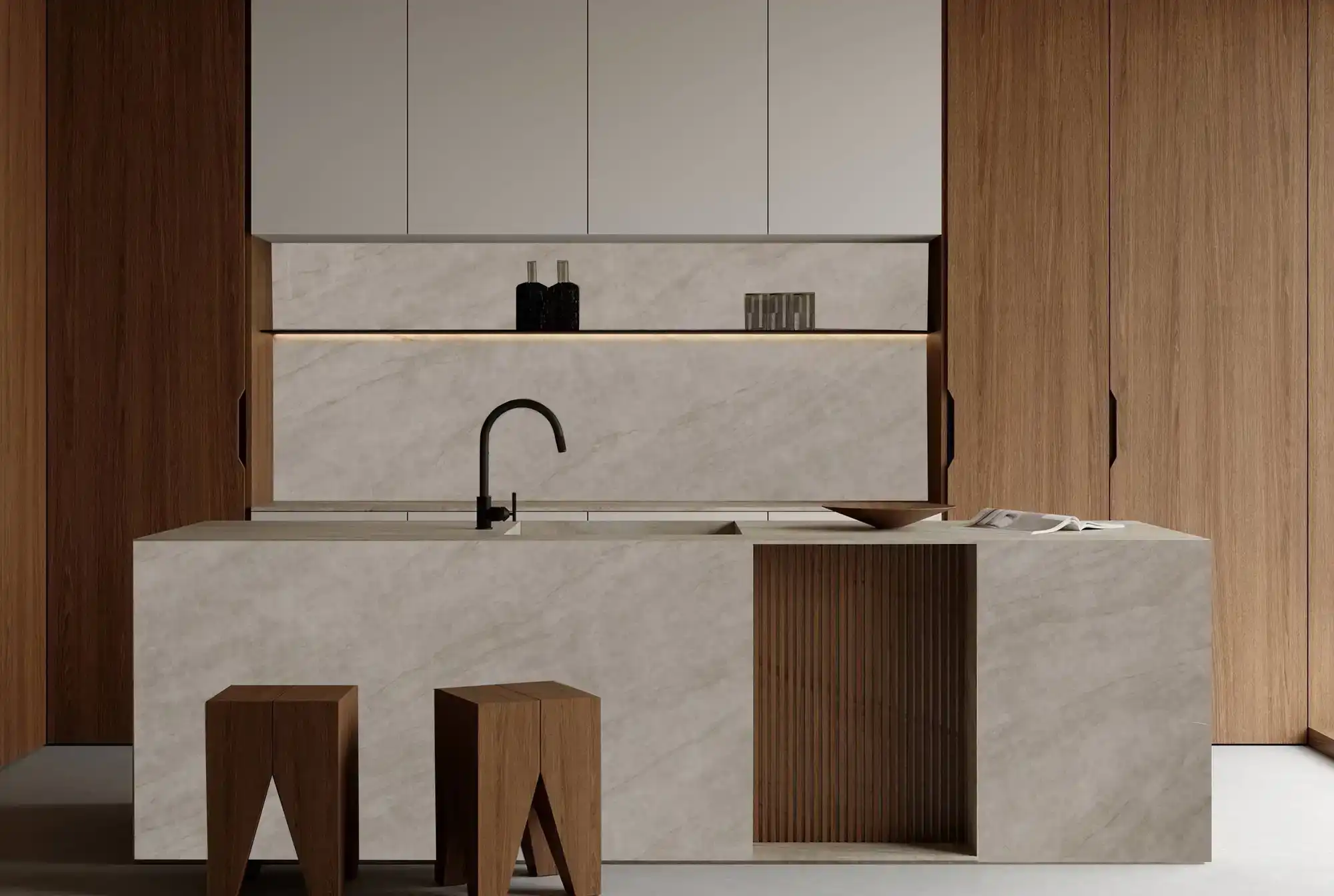
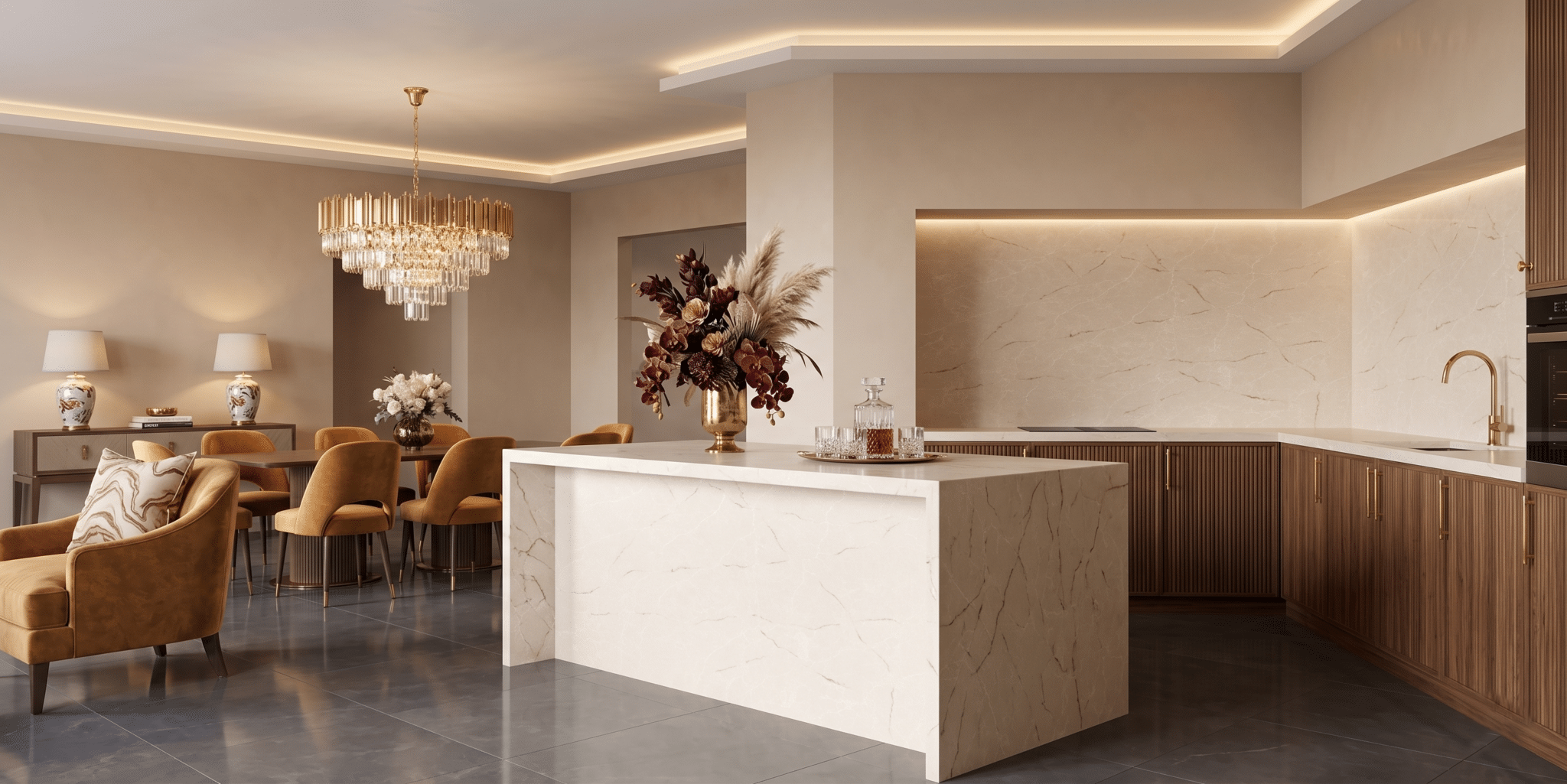
Warm wood kitchens feel that gap first. Cool white next to oak or walnut can make the cabinets look yellower and the counter look blue. Cream fixes that when the undertone stays warm and clean—not muddy. Color names will not settle it. A full-slab photo of the lot on your quote, plus a sample in your room, will.
Price follows the job more than the word cream. Thickness, edge profile, cutouts, and pattern complexity move an installed quote more than whether the field is cream or white. Ask for the same line items on every bid so you are comparing the same work. Industry cost guides put installed quartz in a wide range by grade and region; your contractor’s itemized estimate for the exact SKU is the number that matters.
This is the step that protects your confidence after install. Warm cream usually pairs with wood, cream, or soft painted cabinets and warmer bulbs. Cool gray or blue cabinets often look cleaner with a true white or soft greige field instead.
Check three lighting conditions before you approve the color:
Warm bulbs push cream toward gold. Cool LEDs can flatten it. Lay the sample flat on the counter beside the cabinet door for a full day—not held up on a rack. Confirm the finish on the product sheet; polished and matte change how undertone reads.
If the sample already looks yellow before anyone cuts, that is undertone or lighting. That is useful information. It is not the same as discoloration after years of sun or chemical exposure.
Explore slab options, colors, formats, and wholesale programs.
Once the undertone feels right, pick pattern scale. These four looks cover most cream decisions in real kitchens.
| Look | What you see | Busy-kitchen note |
|---|---|---|
| Solid or near-solid cream | Quiet warm field | Clean with wood cabinets; shows crumbs more than speckled fields |
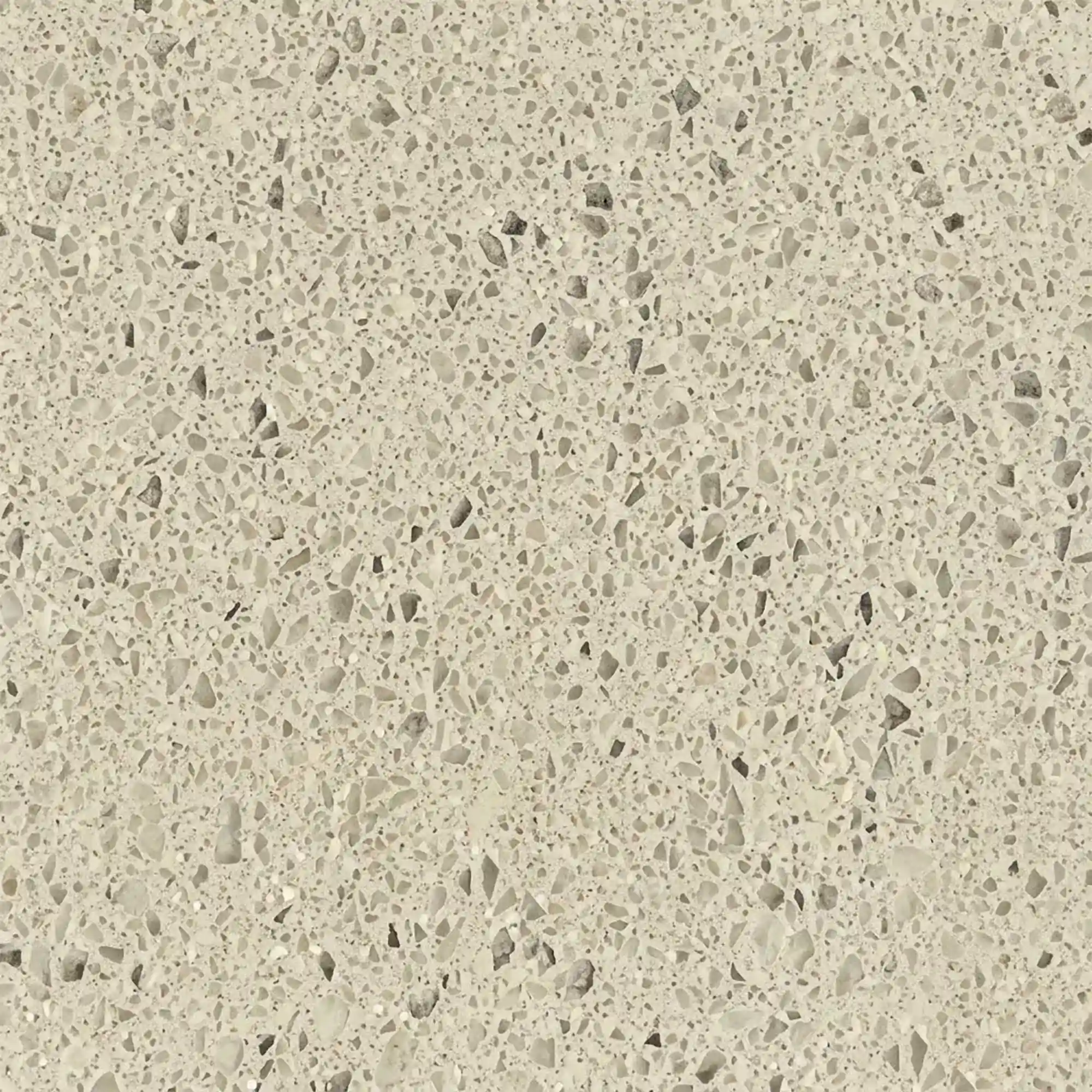
| Soft speckled cream | Small mineral texture | Hides light residue better |
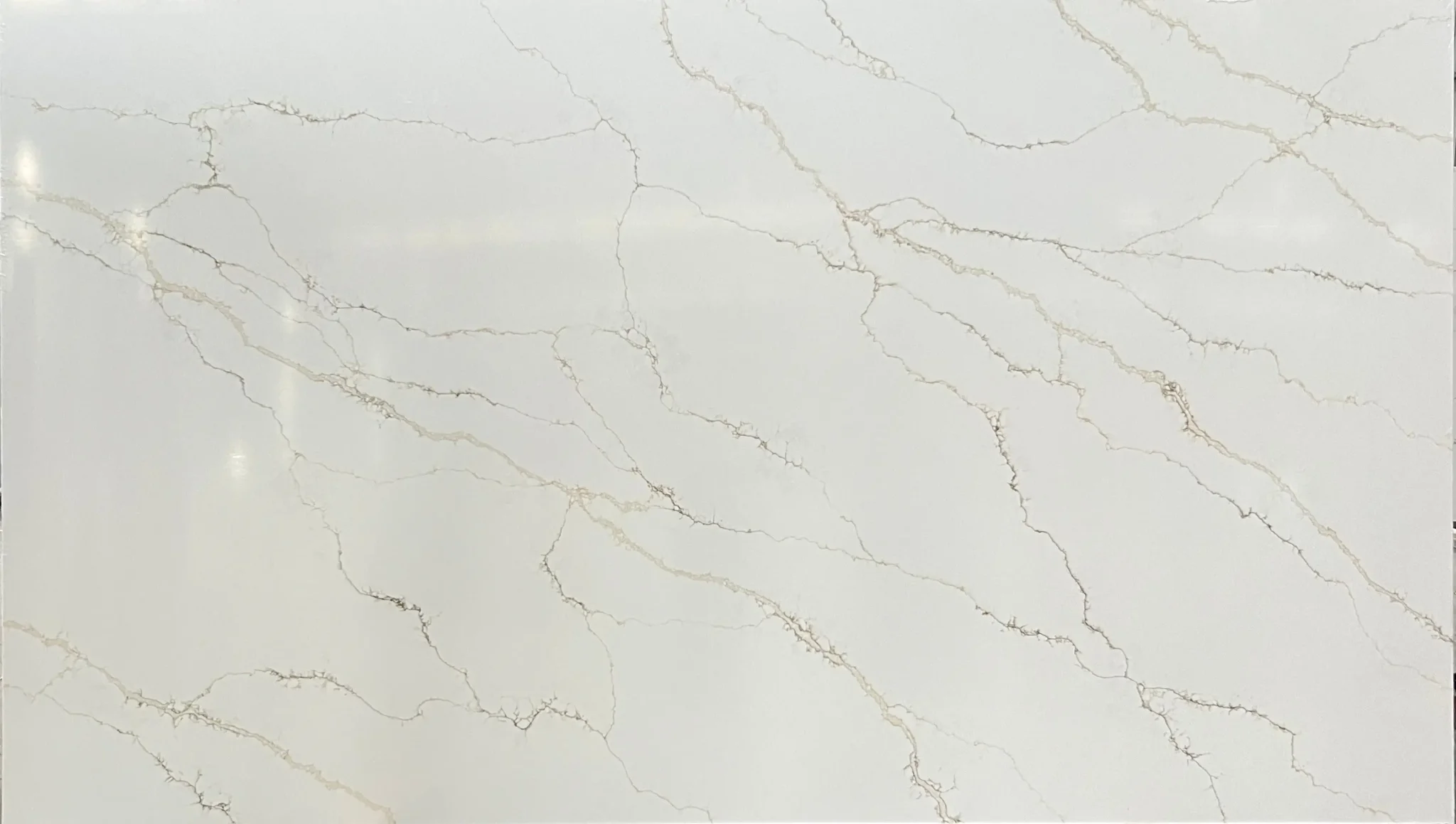
| Subtle warm veining | Soft taupe, gold, or beige movement | Good mainstream remodel look |
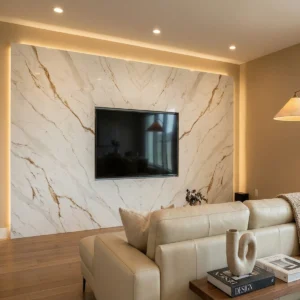
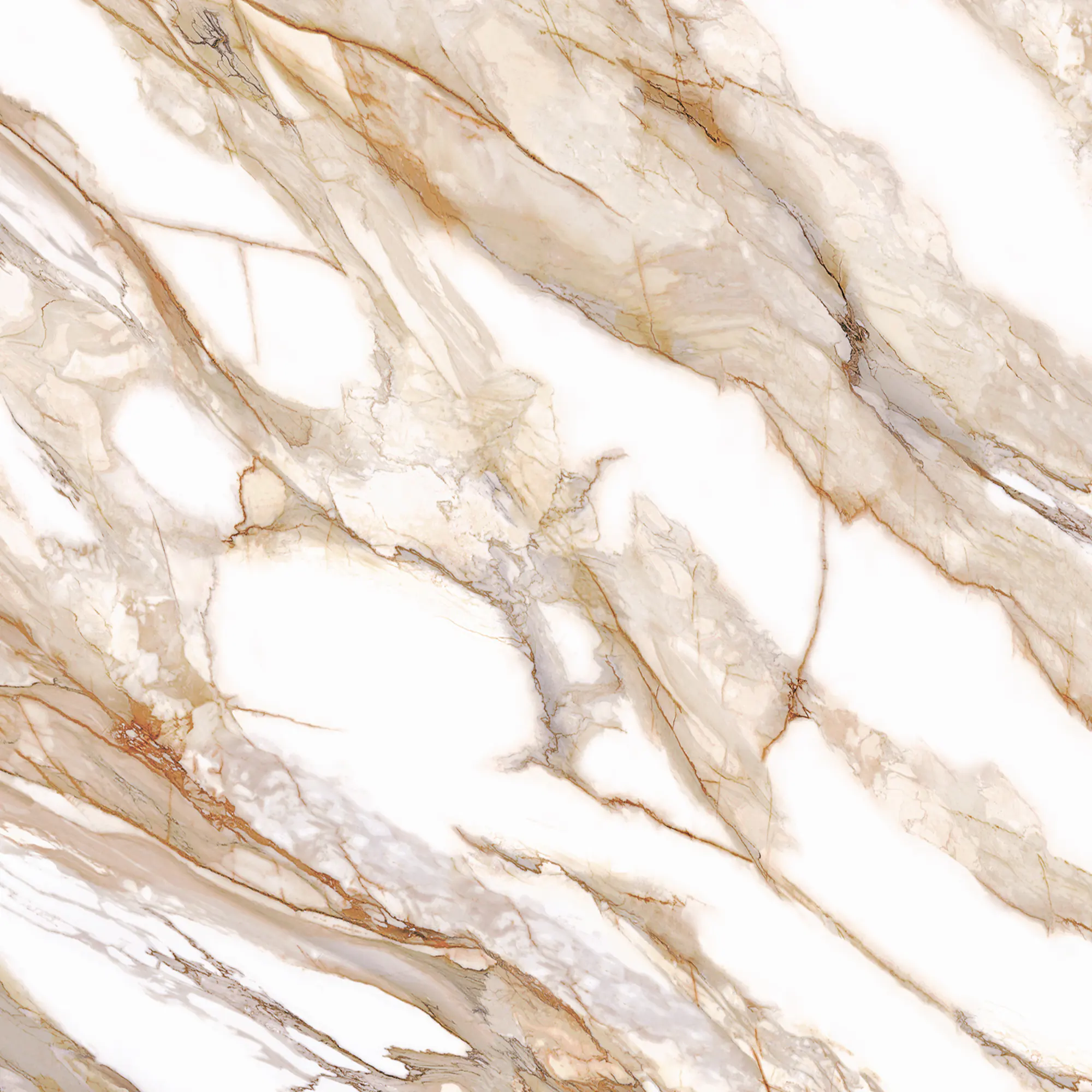
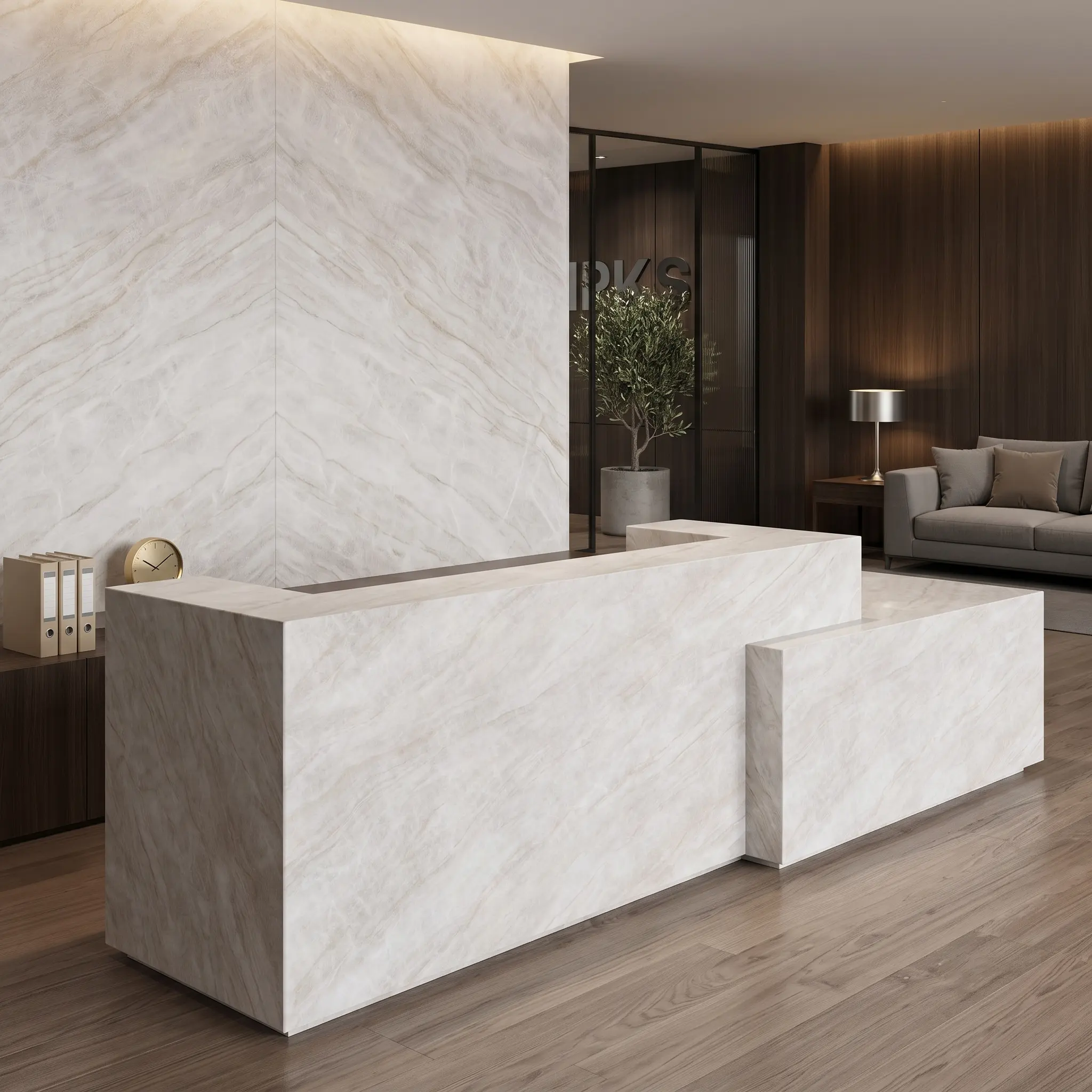
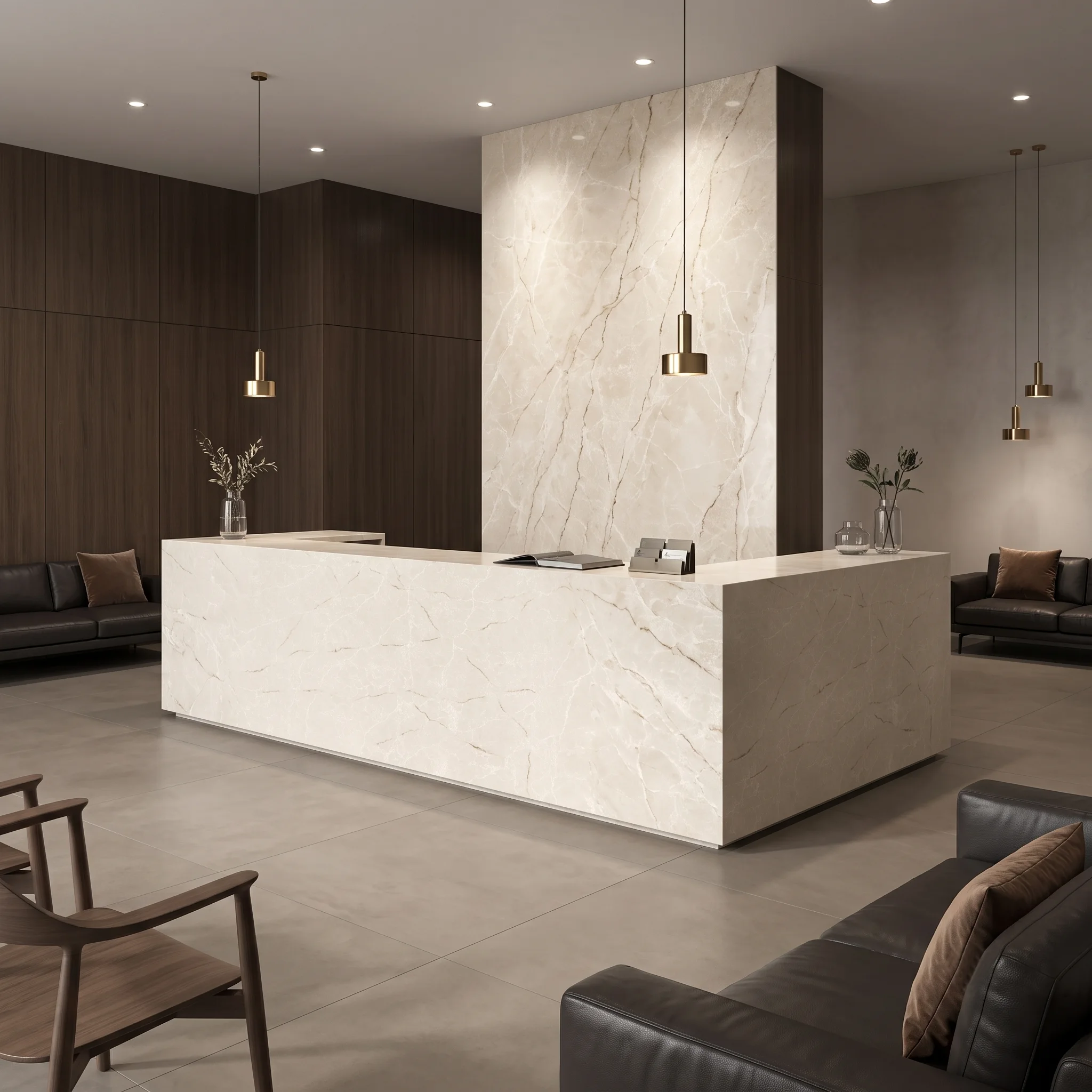
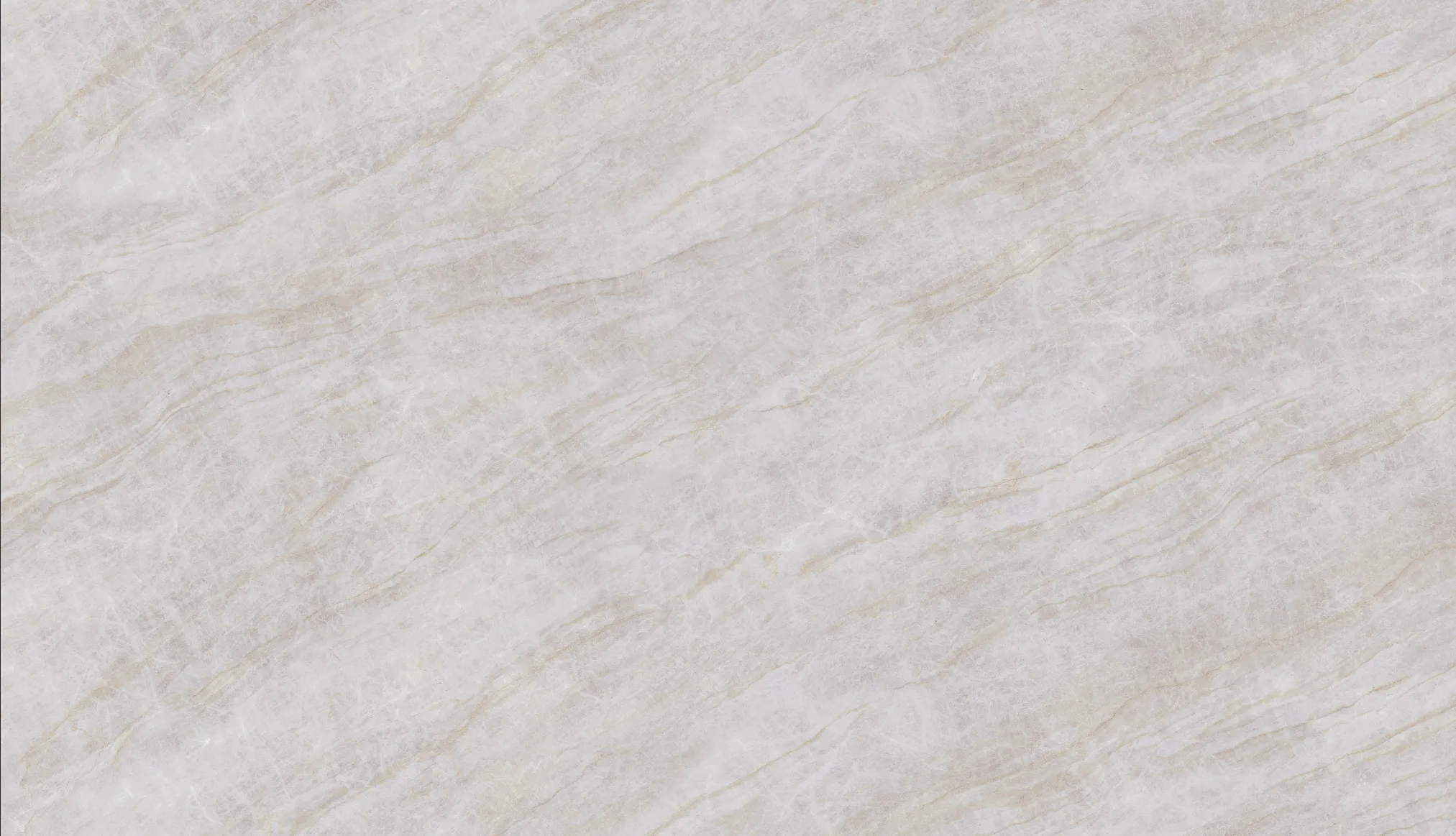
| Warm Taj Mahal-look | Soft diffused flowing veins on a cream ground | Needs full-slab layout on islands and waterfalls |
Pick two looks, not five. View both at full-slab scale next to the cabinets you will keep. If the island is the focal point, a marble-look option needs a layout drawing before anyone cuts. Pattern choice does not replace care limits; it only changes what your eye notices day to day.
Cream stays looking right when the install and care match how engineered quartz is built. Quartz is heat resistant, not heatproof—use trivets under hot pans. Trade guidance for man-made stone surfaces is clear on that point (Worktop Fabricators Federation surface guide).
Standard quartz is made for interior kitchens. Prolonged, hard direct sun can change color on light surfaces over time, which is why many care sheets mark outdoor or high-UV spots as a special case (example manufacturer UV / interior-use notes). If a run sits under a skylight or a strong west window, ask for the SKU care sheet in writing, or plan film or shades. That is planning, not a reason to avoid cream indoors under normal window light.
Wipe spills promptly with mild soap and water unless your SKU sheet says otherwise. Harsh strippers and oven cleaners are the usual villains in discoloration stories—not cream pigment itself. Many quartz products are listed for food-zone use under NSF/ANSI 51; confirm the trade name on the listing if your project needs it. That listing is about food-equipment materials. It is not a UV certificate.
Approve full-slab photos of the lot you will cut. Mark vein direction and seam placement on islands and long runs. Ask whether the pattern is through-body or surface-printed when you plan thick mitred edges. Put seams and cutouts in the quote scope so the install matches what you approved.
When undertone, lighting, and care limits are clear, shortlist real SKUs. We list warm and cream-leaning slabs for countertops and wholesale programs. Many titles say wholesale, so confirm the ordering path, sample availability, and current lot photos for a home or project buy.
Start with Wholesale Cream Taj Mahal Quartz Countertops GQ-R0207 and Warm Crema Marfil Quartz Surface GQ-T390 for Wholesale, then browse the products page for more cream, ivory, and soft gold-vein fields. Compare full-slab photos under the same lighting notes you used for cabinets.
Send cabinet colors, lighting notes, island size, and edge preference with the quote request. Ask for the care sheet, warranty, slab layout, and an itemized estimate for the exact SKU. Cream is a good choice when it stays warm in the kitchen you cook in—and that is a check you can finish before anyone templates.
Compare muestras, fotos de la losa completa, especificaciones, plazo y soporte.
Sí. Confirme el patrón, la dirección de la veta, las uniones, el acabado y el canto.
Sí. Las muestras ayudan a confirmar el color y el tono con la iluminación del proyecto.
Confirme el tamaño de la losa, el espesor, el acabado, la cantidad y los datos de ensayo aplicables.
Revise etiquetas, cantidad, dimensiones, consistencia de color y daño visible.
Comparta el diseño objetivo, las dimensiones, la cantidad, el destino y el calendario.
Begin before final fabrication planning so samples and approvals fit the schedule.
Contact Grand Quartz Tech for samples, specifications, pricing, and lead times.
Cuarzo de confianza
manufactory since 1989.
Our team is available 24/7.
Available for qualified quotation-stage orders. Eligibility, order value and project terms apply.