



- Home
- Productos
- Losas de cuarzo
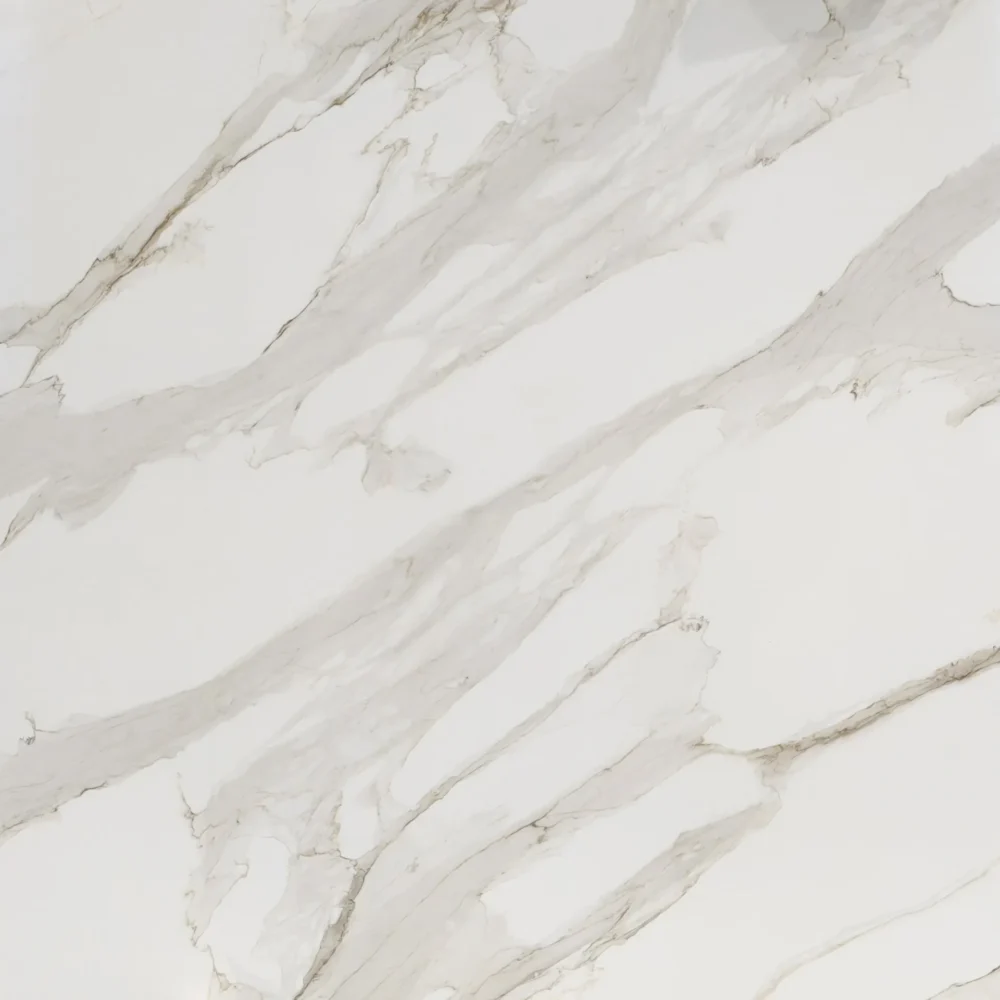
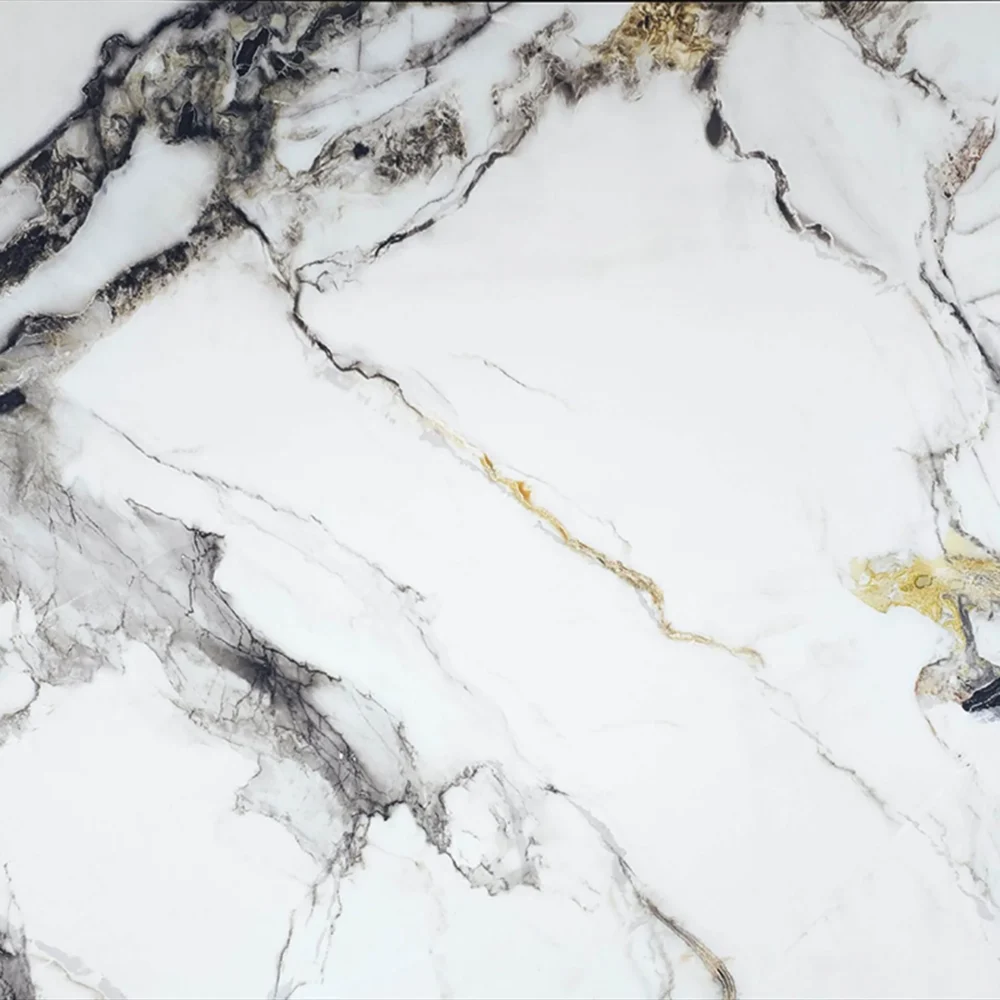
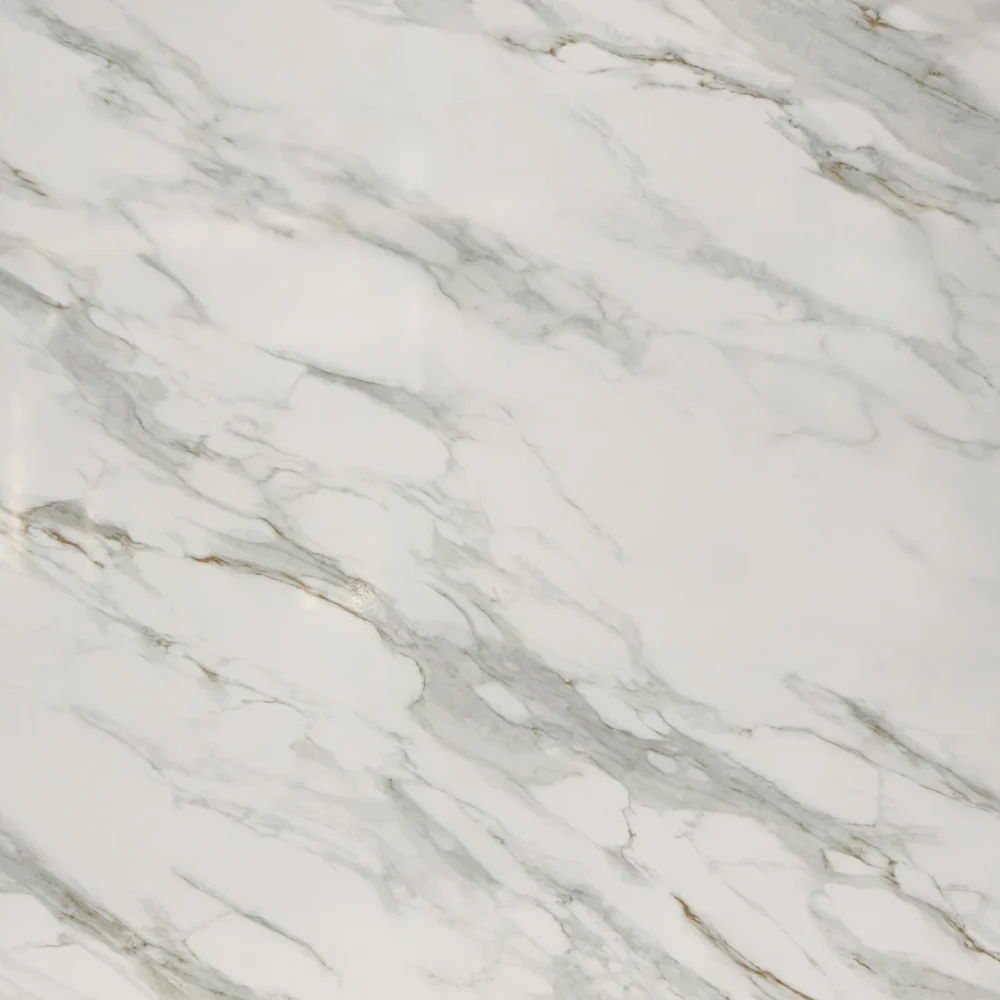
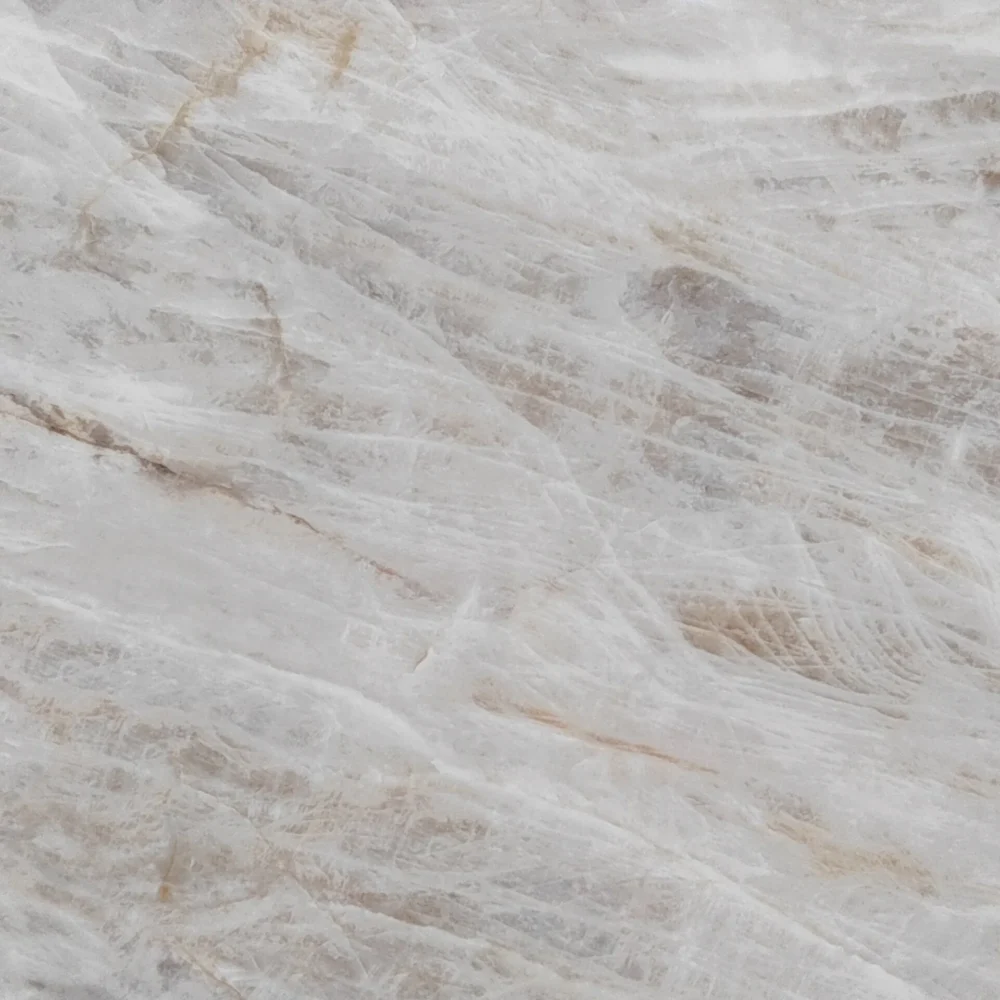
- Calacatta Warm Taj Mahal Quartz GQ-T490 for Wholesale
Calacatta Warm Taj Mahal Quartz GQ-T490 for Wholesale
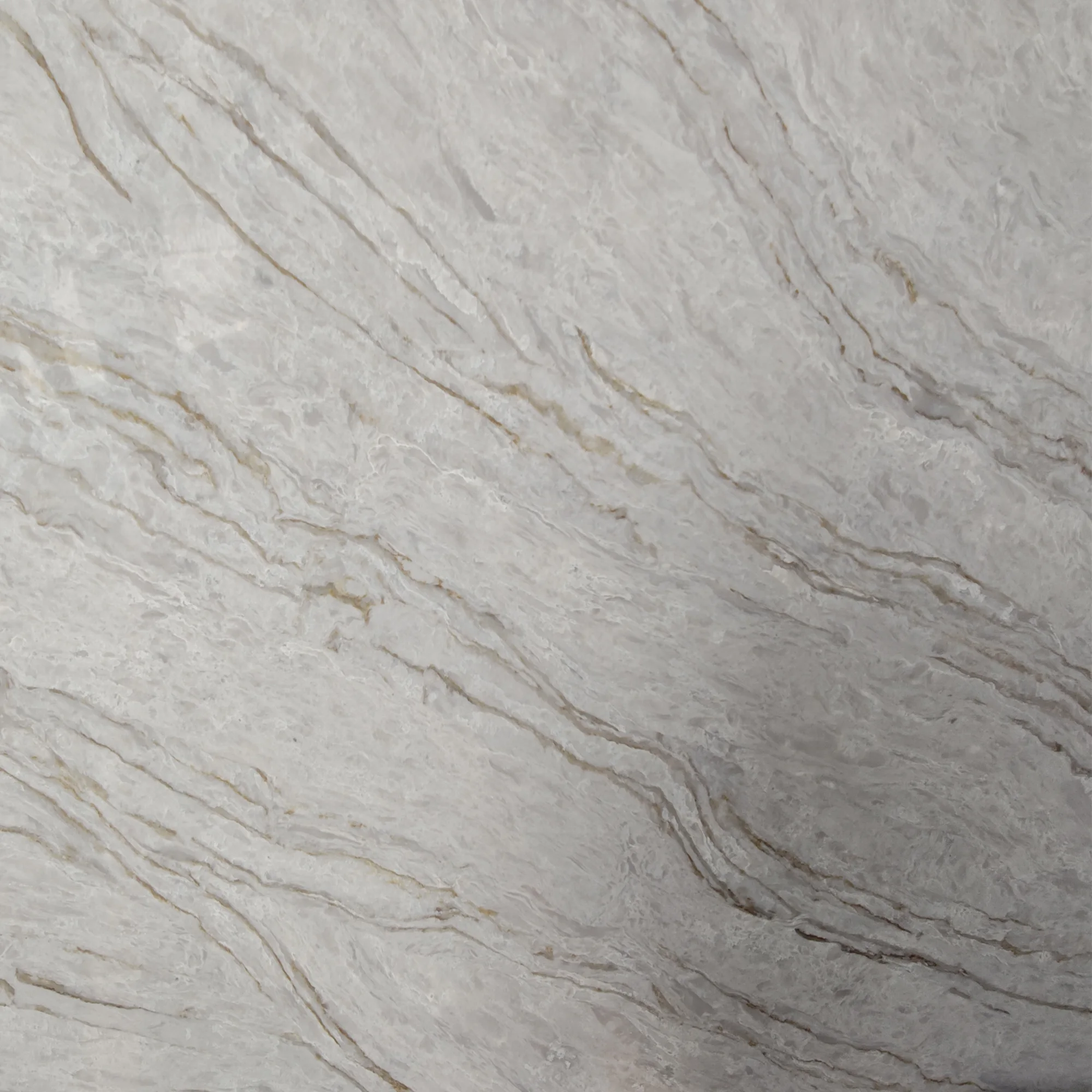
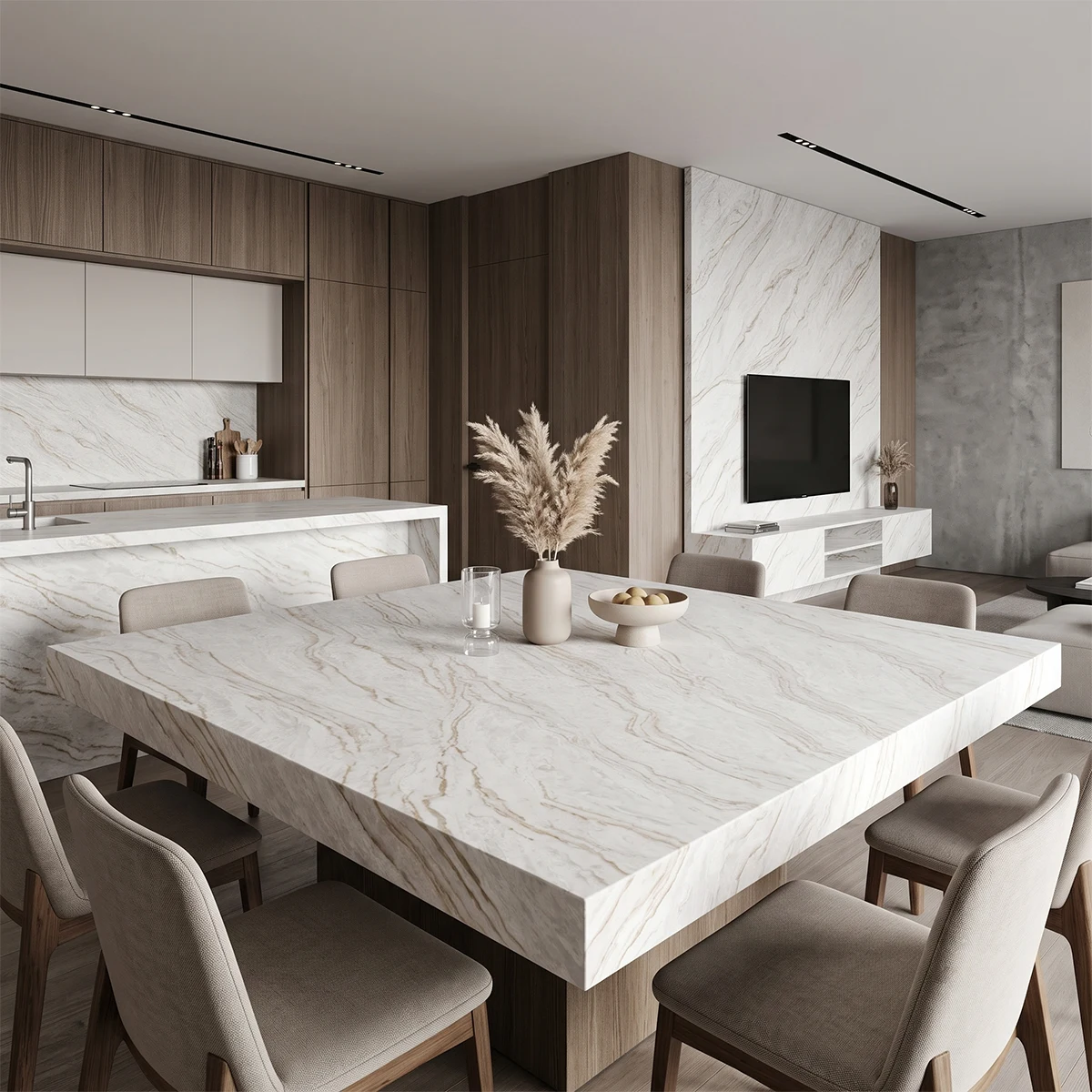
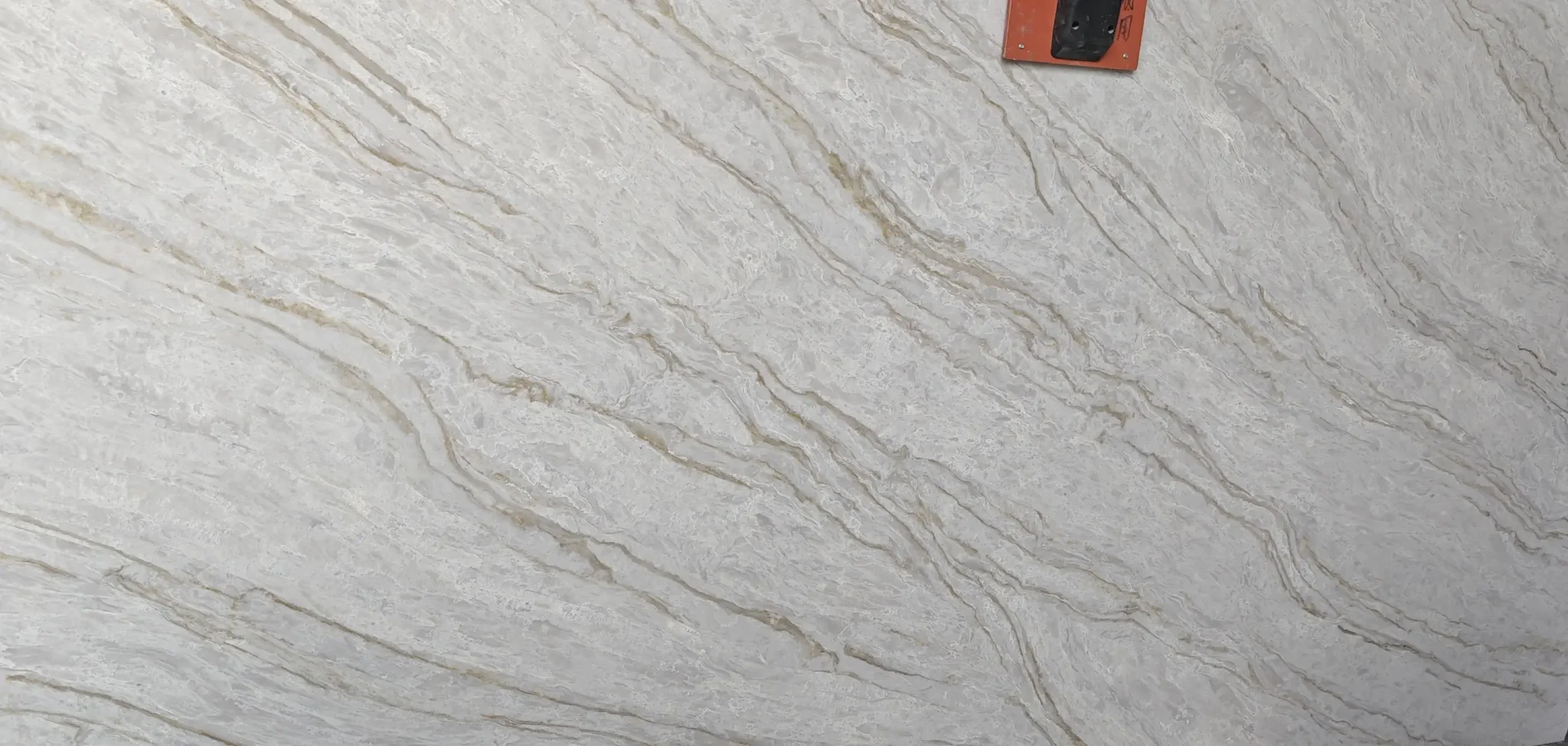
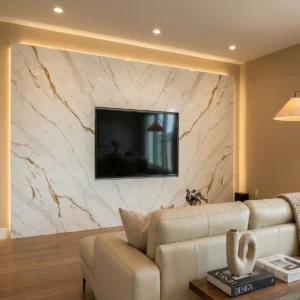
| Primary Color(s) | Pale Silver Grey |
| Accent Color(s) | Faint Cream Vein + Subtle Warm Gold Trace |
| Craft | Regular |
| Finishes | Polished / Honed / Suede / Leathered |
| Customized Size | 138″ × 79″ / 126″ × 63″ / Customizable |
| Espesor | 20mm/30mm/Customizable |
| Edge Style | Eased polished edge/2+2cm laminated edge/Mitred edge |
| Full Body Quartz | Yes |
| Bookmatch Available | Yes |
| Place of Origin | Tailandia |
| Port of Transportation | Tailandia |
| Packaging | Foam or carton inside + strong wooden crates with reinforced straps outside and fumigation |
| Delivery time | 15-20 days / Express service is negotiable. |
| MOQ | 10 ㎡ |
| Payment terms | 30%T/T after confirm the order and the 70% T/T by copy of B/L |
| Countertops Residential: Yes Commercial: Yes |
| Wall Residential: Yes Commercial: Yes |
| Flooring Residential: Yes Commercial: Yes |
Description:
Frequently asked questions
Is Taj Mahal quartz still popular?
Most fabricators will tell you that Taj Mahal quartz remains a solid choice for kitchens and bathrooms, especially in designs leaning toward classic elegance. It's not the flashiest pattern on the market, but it holds its own in high-end projects where a clean, marble-like look with soft gold veining is desired. In real-world kitchens, it's often chosen for island applications where the veining can be bookmatched for a dramatic effect. While trends shift—like the recent surge in matte finishes or bold colors—Taj Mahal quartz doesn't go out of style because it’s timeless. Installers usually recommend it for clients who want the look of natural stone without the maintenance. Our factory (GQ) sees consistent demand for this pattern, particularly in super jumbo slabs where large uninterrupted surfaces are needed. It's not a 'trending' pick, but a reliable one that stands the test of time.
Does Taj Mahal quartz crack easily?
A frequent complaint we hear from installers is about how quartz slabs are handled, not the material itself. Taj Mahal quartz, like any engineered quartz, is non-porous and highly resistant to cracking under normal use—especially when properly supported during fabrication and installation. The real issue isn’t the material’s brittleness, but how it’s supported. If a countertop is too thin or unsupported under heavy loads or overhangs, you can get stress fractures. But in standard kitchen setups with proper underlayment and support, cracking is rare. At our factory (GQ), we produce full-body printed quartz with consistent density and strength across the slab, which helps prevent weak spots. The key is avoiding impact from heavy objects or dropping pots directly onto the surface. With care, Taj Mahal quartz lasts decades without structural issues.
Taj Mahal quartz: worth it or just pretending?
Most fabricators will tell you that Taj Mahal quartz is worth it—if you’re after the Taj Mahal quartzite look without the price tag or maintenance. It’s not 'fake' in the sense of being low-quality; it’s engineered to mimic the visual texture and veining of natural stone with full-body printing, which means the pattern runs through the entire thickness. This matters when you have edges or seams. In real-world kitchens, people often can’t tell the difference unless they’re looking closely. The material performs better than natural stone—no sealing, no etching from acidic cleaners, and consistent color across slabs. Our factory (GQ) uses matured full-body printing tech to ensure the veining matches the natural appearance without repeating patterns. So yes, it’s worth it for those who want the aesthetic and durability of natural stone with none of the drawbacks.
What color is Taj Mahal quartz compared to quartzite?
In real-world kitchens, Taj Mahal quartz tends to be slightly more uniform and brighter than Taj Mahal quartzite. Natural quartzite has subtle variations in tone, with warmer undertones and a more organic, earthy feel—sometimes with gray or brown streaks. Taj Mahal quartz, on the other hand, is engineered to be consistent with a clean white base and soft gold veins that follow a predictable pattern. It’s less ‘lived-in’ and more polished. Installers usually recommend quartz for projects where color consistency is key, like long islands or wall applications. Quartzite has more depth and variation, which some people love, but it can also have imperfections like mineral deposits or slight discoloration. At our factory (GQ), we replicate the look of Taj Mahal quartzite with high-fidelity printing, but the final result is cleaner and more controlled. It’s not a perfect match, but it’s close enough for most design goals.