


Table of Content
White quartz is not one look. The useful shortlist is three: solid, speckled, and veined. Pick among those first. Then check undertone, island scale, and how much daily prep you will notice on the field.
We are an engineered stone manufacturer based in Thailand. Before quoting a white design, we follow the steps below to evaluate each option. This process can also help you choose the right white quartz for your customers and their kitchens.
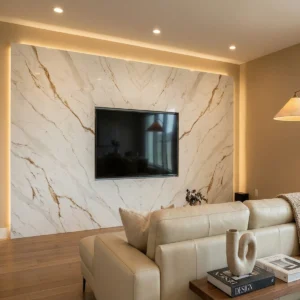
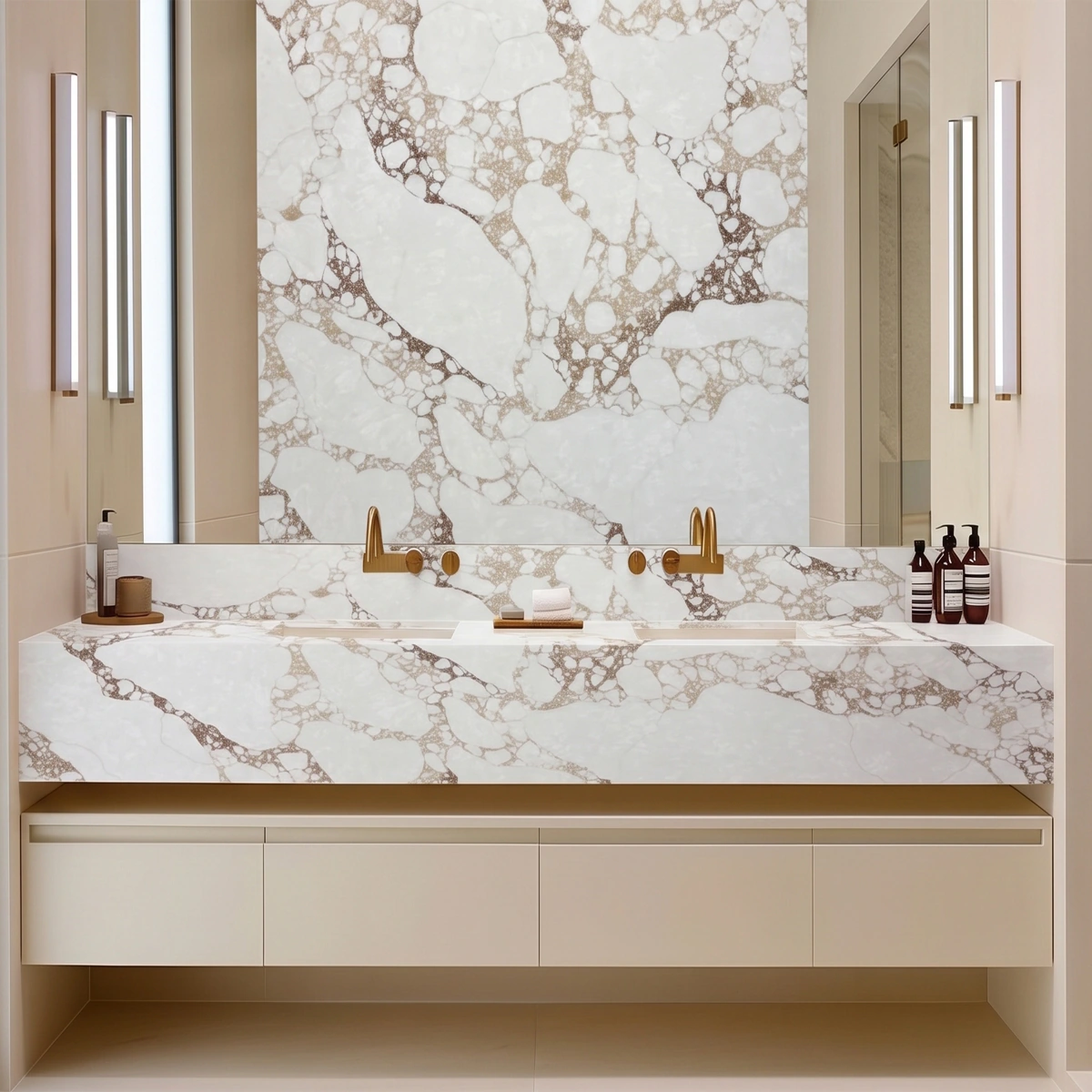
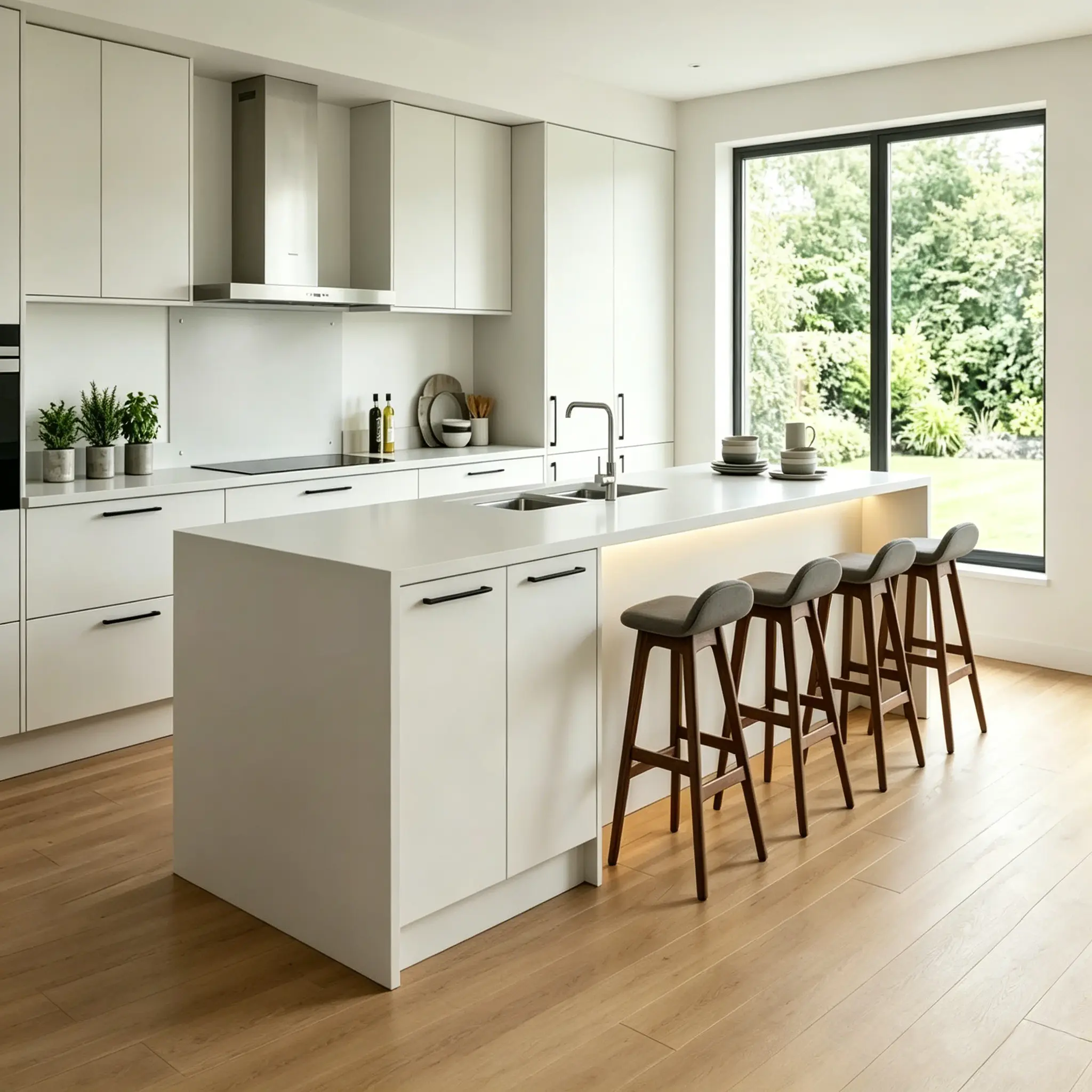
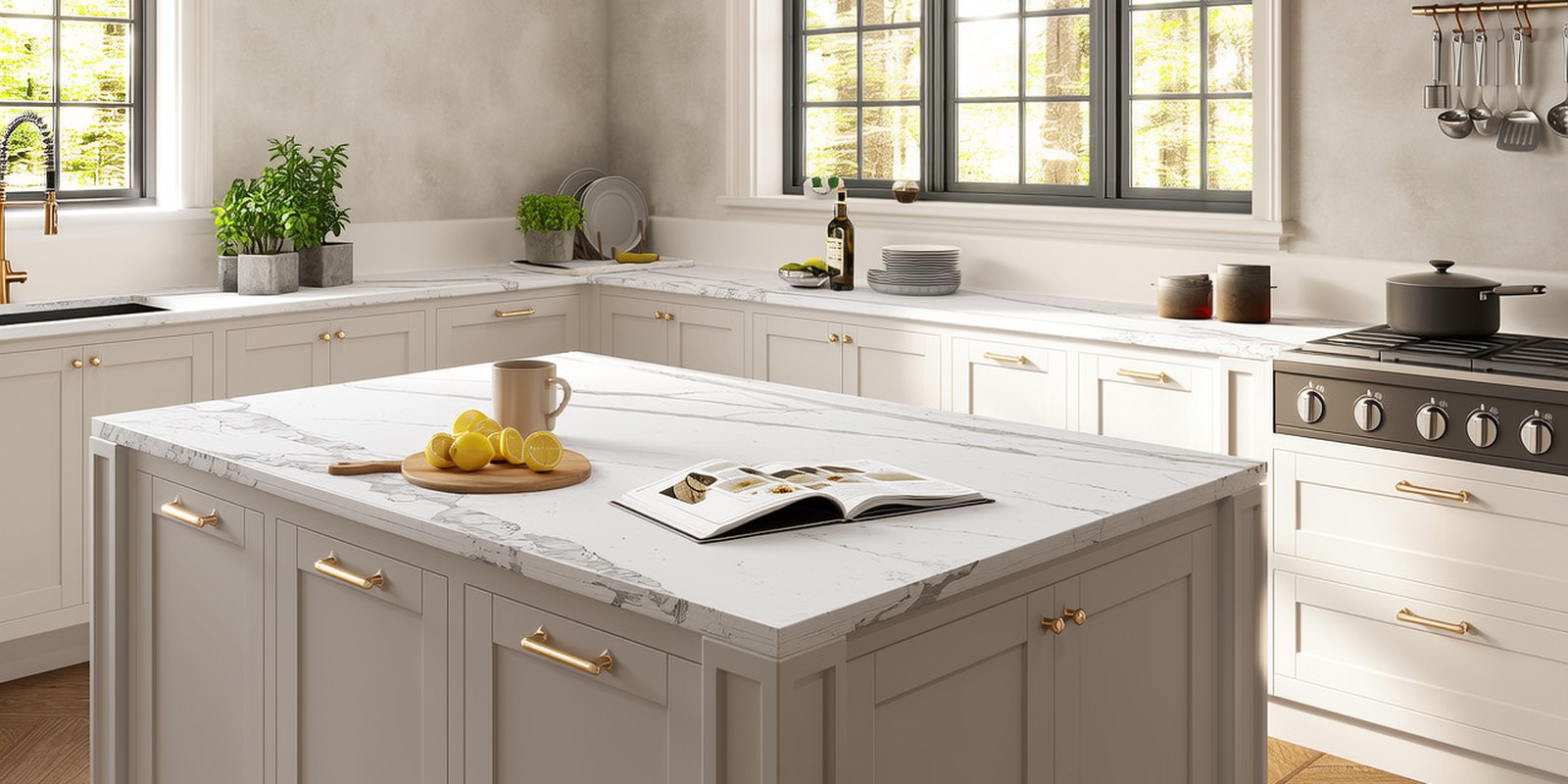
Solid white is a quiet field with little or no movement. Speckled white adds small mineral texture across the surface. Veined white carries soft to bold gray, gold, or charcoal movement on a white ground, including many marble-look designs.
Put samples against the cabinet door, floor, backsplash, and hardware. Check morning daylight and evening task lights. A cool solid white next to warm oak can look blue. A large vein next to busy tile can feel crowded. If the chip only looked right in a bright showroom, keep looking.
For veined slabs, a small chip is not enough. Ask for a full-slab photo of the lot on the quote. Pattern scale only shows at island length.
| Look | What you see | Best when | Watch-out |
|---|---|---|---|
| Solid white | Flat, cool or neutral field | Clean modern rooms where cabinets carry the design | Crumbs, water spots, and seams show quickly |
| Speckled white | Small mineral texture | Busy kitchens with constant prep | Hides light marks; still wipe spills promptly |
| Veined white | Soft to bold movement on white | Islands, waterfalls, and marble-look drama | Seams can break the vein—approve layout before cutting |
Pick two looks, not five. View them at full-slab scale next to the cabinets you will keep. If the island is the focal point, the veined option needs a layout drawing before anyone cuts.
Undertone is the first filter inside each look. Cool or neutral whites sit with gray, navy, black hardware, and crisp paint. Warm whites and soft ivory sit with oak, brass, cream, and beige tile.
Pattern scale is the second filter. A quiet solid or speckled field works on a small galley. A large marble-look vein needs a long island or a waterfall end, or it will feel chopped.
Finish changes the same color. Polished makes veins sharper and can glare. Honed or matte softens shine and can show oils more readily. Confirm the finish on the exact product sheet.
Case check we run on warm wood kitchens: put a soft white island field (Calacatta violet direction like GQ-T811) beside the actual oak door under morning daylight, then again under evening LEDs. If the field turns blue next to the wood, you are looking at undertone mismatch—not a bad brand. Swap to a warmer white lot before templating.
Explore slab options, colors, formats, and wholesale programs.
White quartz resists many everyday stains when you follow the care sheet. A white field still shows residue. Solid white shows crumbs and water spots fastest. Speckled white hides light marks better. Veined white can hide some residue in the movement, but a misplaced seam hurts the look more than crumbs do.
Forum buyers keep asking whether plain white “shows everything.” In practice, a quiet solid white galley next to constant prep will show crumbs and hard-water rings first. A speckled white field (mineral texture direction like GQ-4001) hides light marks better in that same kitchen. A Calacatta violet white (direction like GQ-T811) can hide some residue in the movement—but only if the seam plan does not cut the vein.
Usually removable with approved mild cleaners: crumbs, dried sauce, hard-water spots, fingerprints, and some gray metal transfer from pans.
Harder to hide, and worth planning for: heat marks, deep scratches, chips at edges and cutouts, harsh-cleaner damage, and UV color change on products not rated for strong sun. Confirm those limits on the care sheet and warranty for the exact SKU.
If hot pans regularly land on the counter, plan for trivets—or compare another surface. That is a household habit check, not a reason to write off white quartz for careful kitchens.
Ask for a slab layout that shows vein direction, seam placement, sink and cooktop cutouts, edge profile, overhang supports, and waterfall orientation. Approve full-slab photos of the lot you will cut. Ask whether the pattern is through-body or surface-printed when you plan a thick mitred edge.
Send the same kitchen facts with every quote: dimensions, island size, cabinet colors, backsplash height, cutouts, and edge. Compare thickness, finish, seam plan, and lead time on the same terms.
Once the look family is clear, you need slab photos and documents—not more adjectives. We list slabs and countertops with product imagery. Many titles say wholesale, so confirm the ordering path, current availability, and samples for a home project.
Starting points by look:
Ask for the care sheet, warranty terms, slab layout, and an itemized estimate for the exact SKU. The look is chosen when those documents match the kitchen you actually cook in.
Compare muestras, fotos de la losa completa, especificaciones, plazo y soporte.
Sí. Confirme el patrón, la dirección de la veta, las uniones, el acabado y el canto.
Sí. Las muestras ayudan a confirmar el color y el tono con la iluminación del proyecto.
Confirme el tamaño de la losa, el espesor, el acabado, la cantidad y los datos de ensayo aplicables.
Revise etiquetas, cantidad, dimensiones, consistencia de color y daño visible.
Comparta el diseño objetivo, las dimensiones, la cantidad, el destino y el calendario.
Begin before final fabrication planning so samples and approvals fit the schedule.
Contact Grand Quartz Tech for samples, specifications, pricing, and lead times.
Cuarzo de confianza
manufactory since 1989.
Our team is available 24/7.
Available for qualified quotation-stage orders. Eligibility, order value and project terms apply.