



- Home
- Quartz
- Quartz Slabs
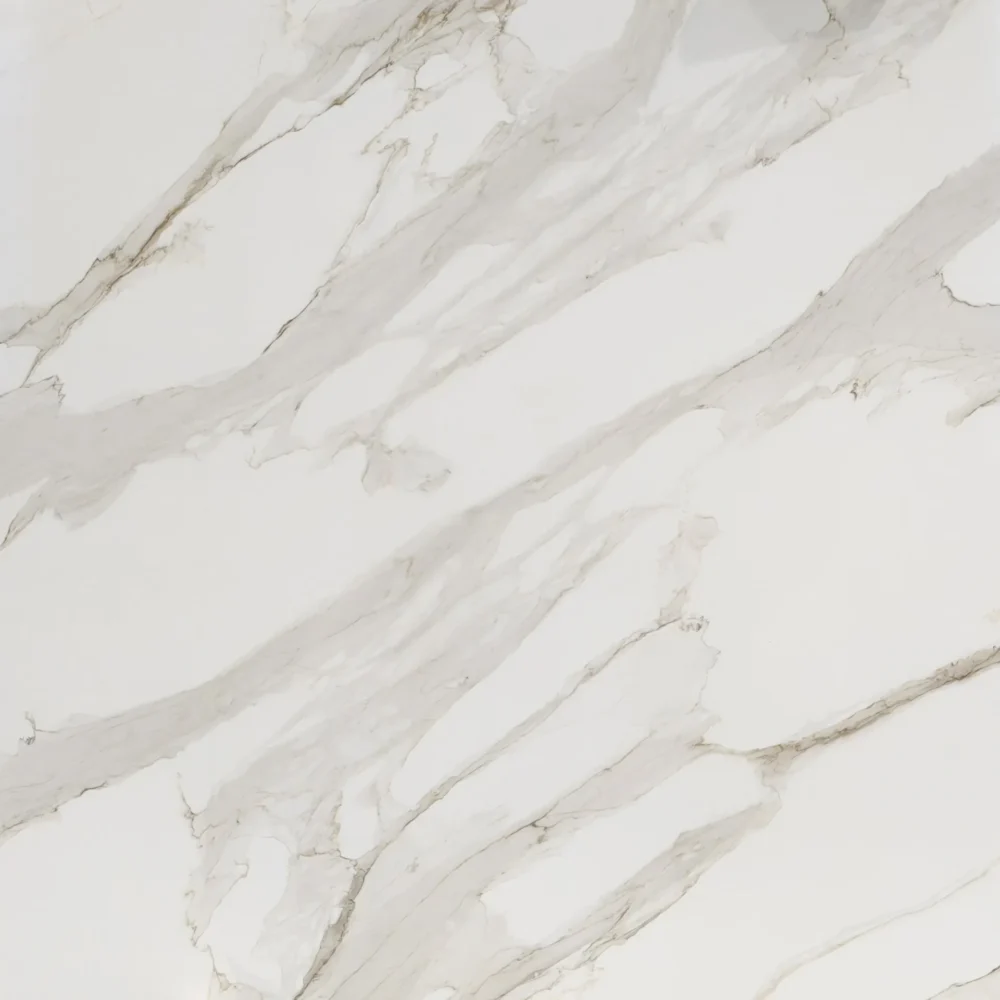
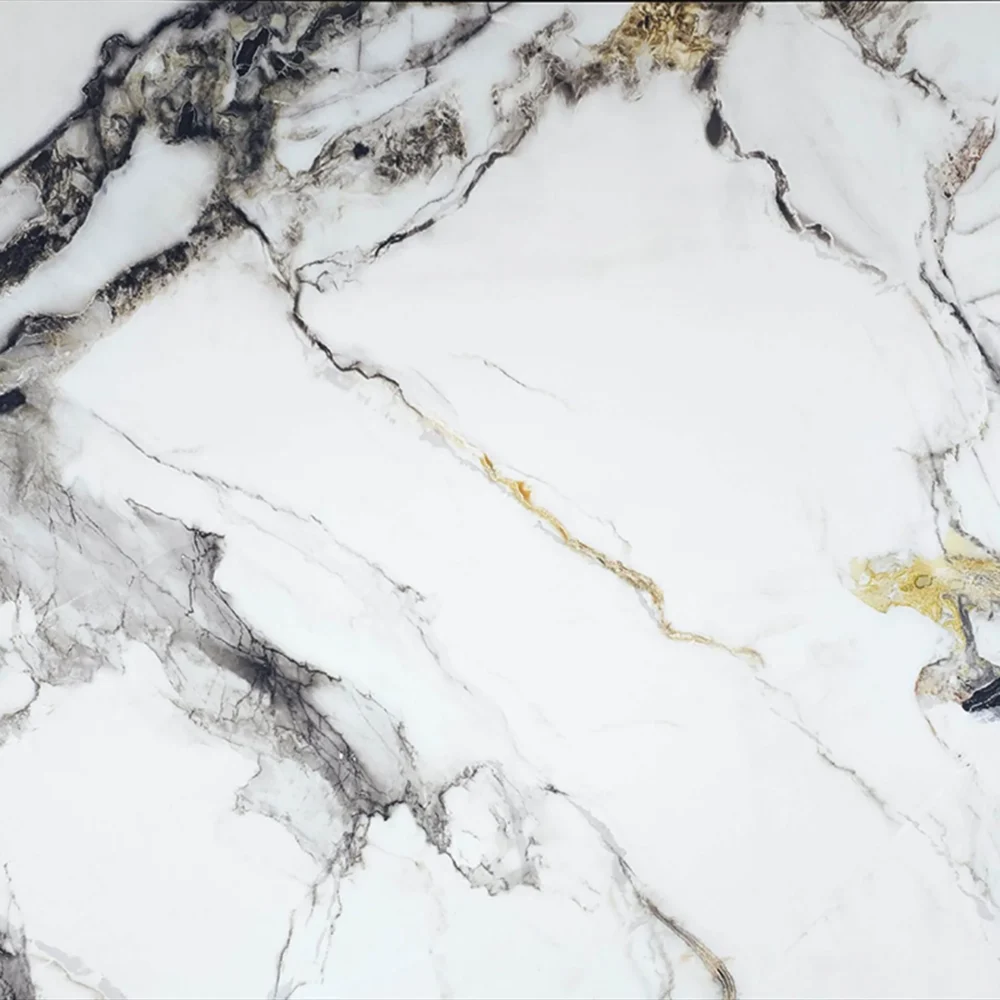
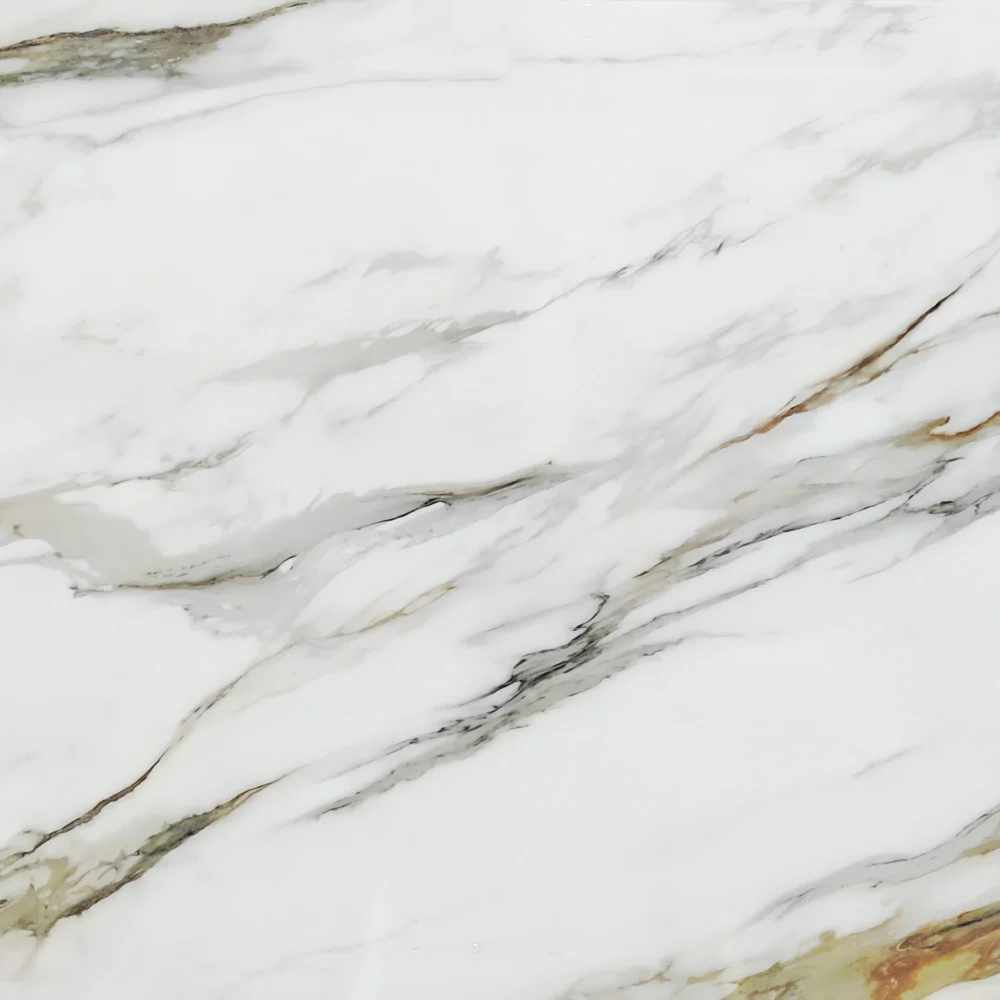
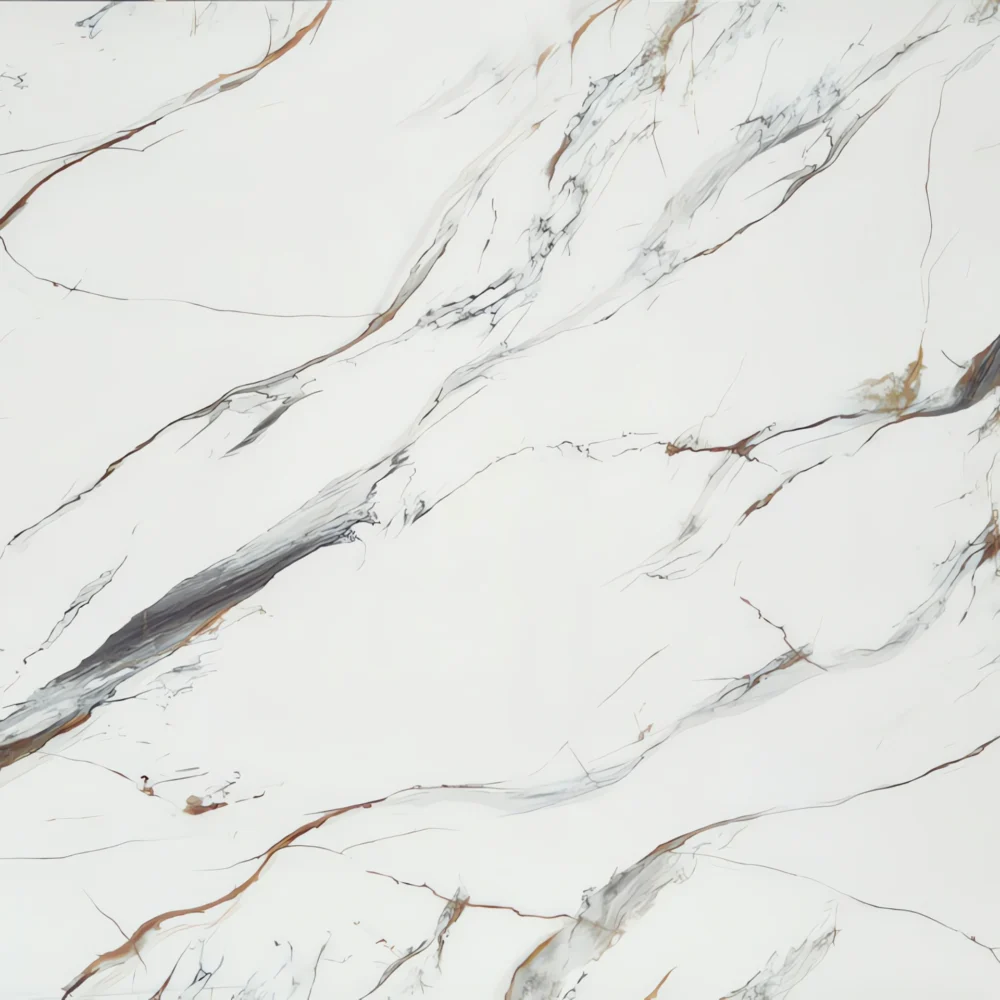
- Calacatta Bulgari White Quartz surface GQ-T317 for Wholesale
Calacatta Bulgari White Quartz surface GQ-T317 for Wholesale
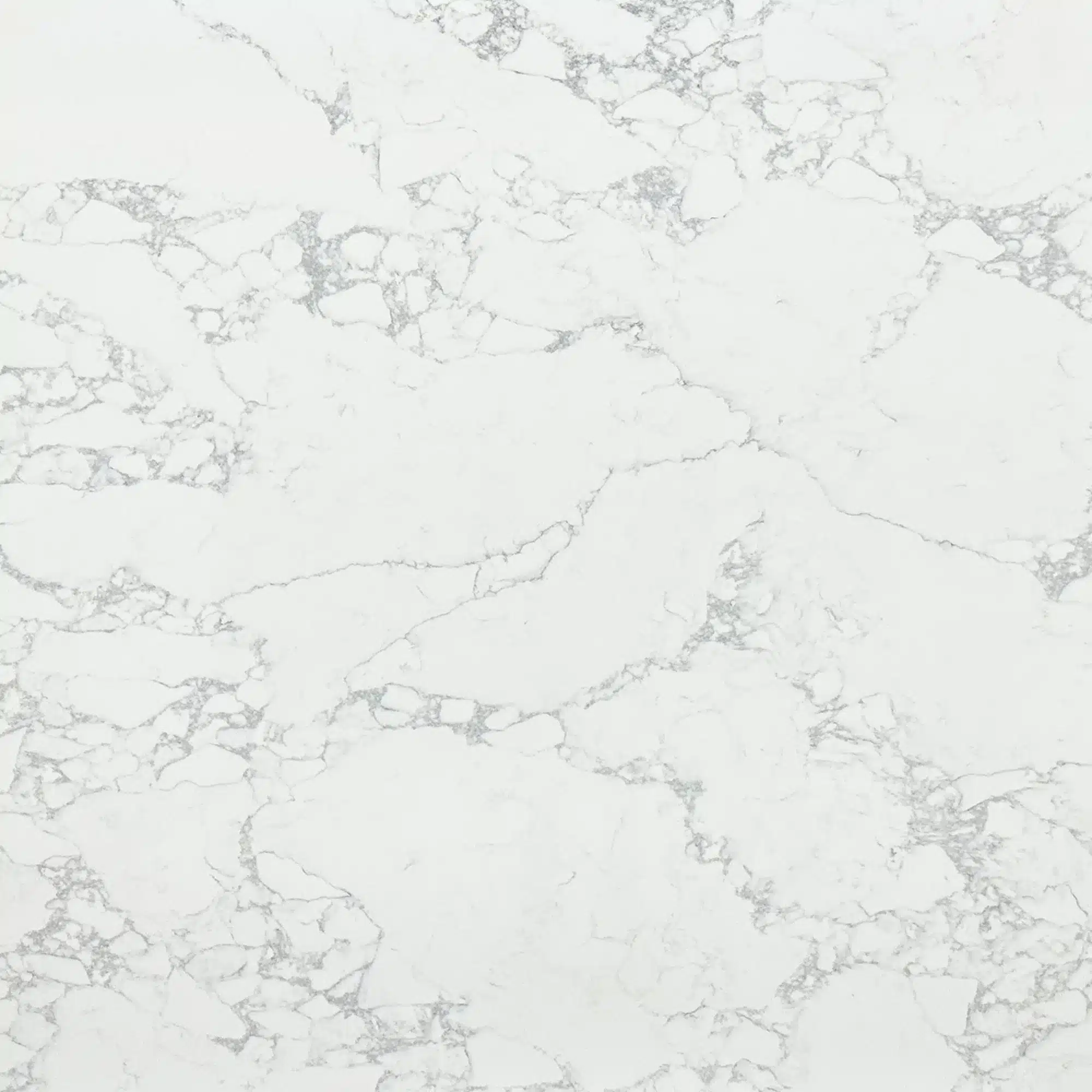
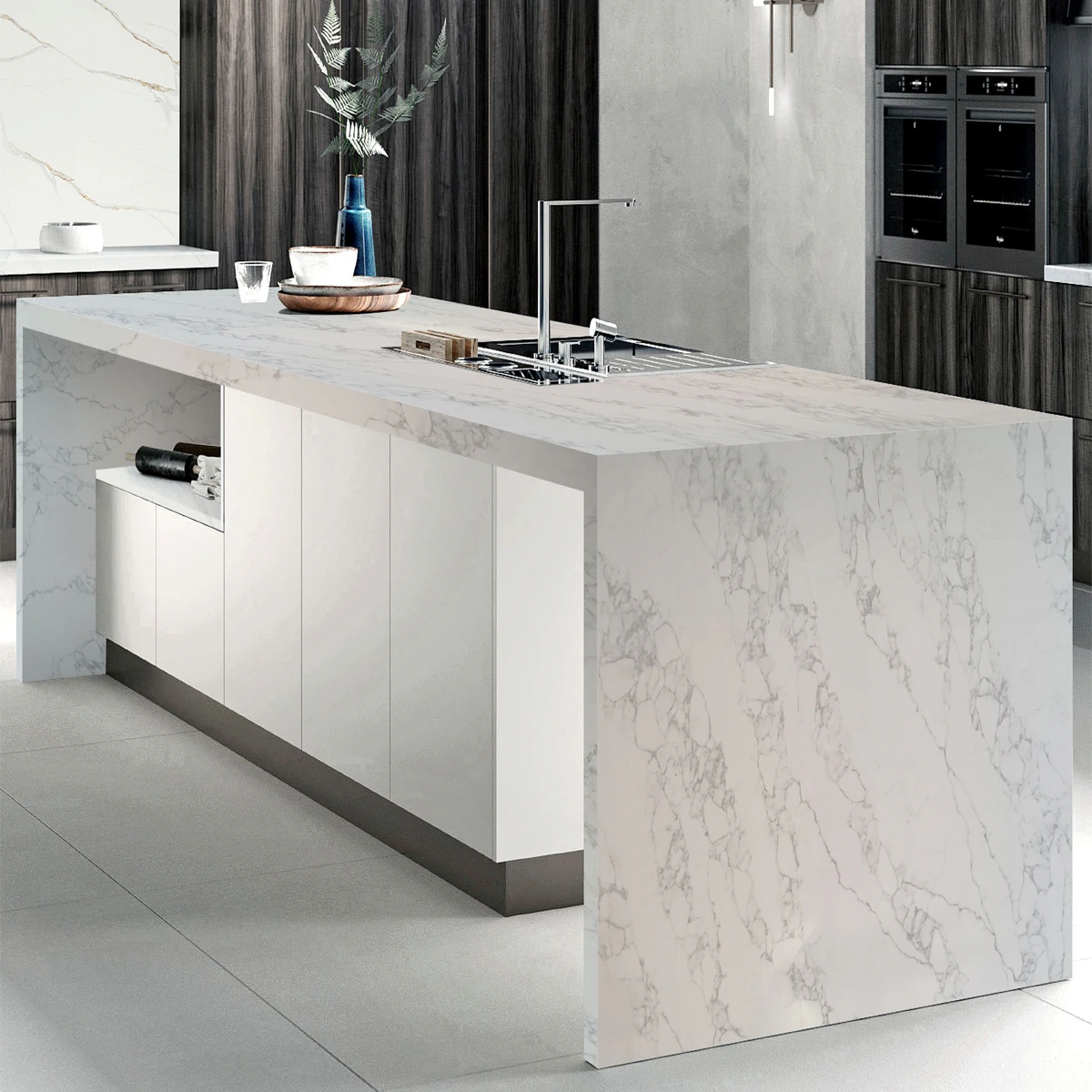
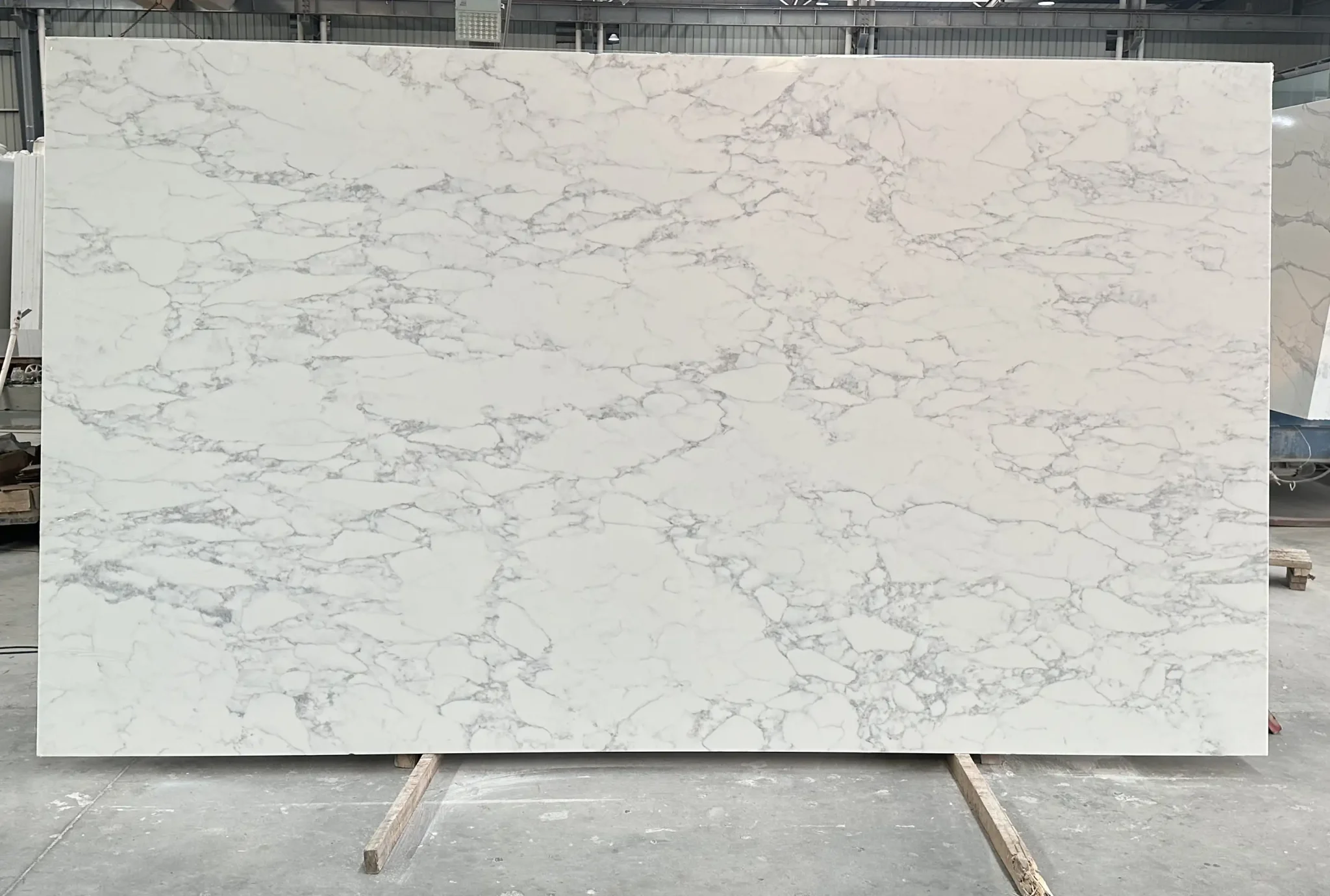
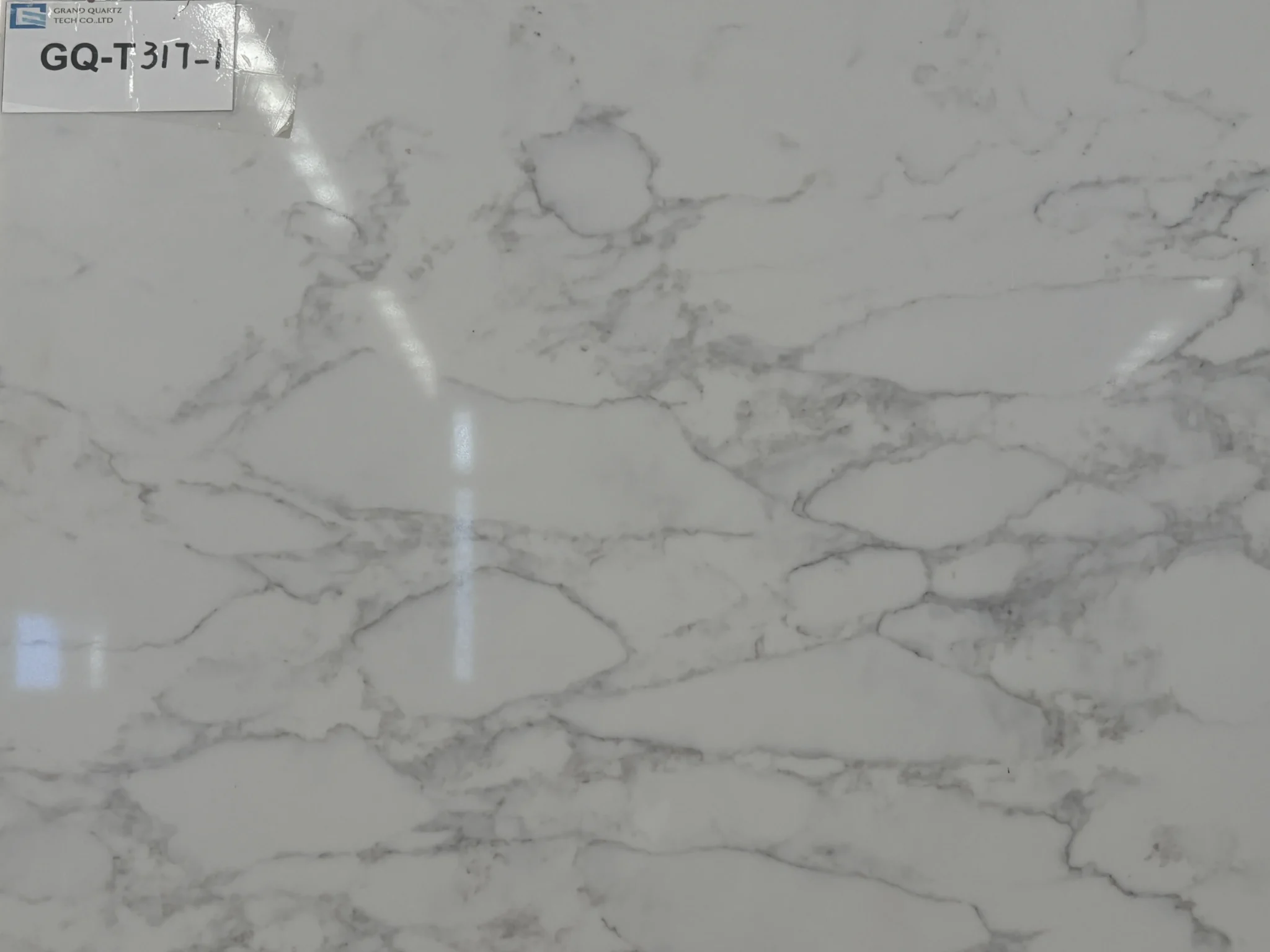
| Primary Color(s) | Crisp Pure White |
| Accent Color(s) | Medium Silver-Blue Grey Vein + Soft Cloud |
| Craft | Regular |
| Finishes | Polished / Honed / Suede / Leathered |
| Customized Size | 138″ × 79″ / 126″ × 63″ / Customizable |
| Thickness | 20mm/30mm/Customizable |
| Edge Style | Eased polished edge/2+2cm laminated edge/Mitred edge |
| Full Body Quartz | Yes |
| Bookmatch Available | Yes |
| Place of Origin | Thailand |
| Port of Transportation | Thailand |
| Packaging | Foam or carton inside + strong wooden crates with reinforced straps outside and fumigation |
| Delivery time | 15-20 days / Express service is negotiable. |
| MOQ | 10 ㎡ |
| Payment terms | 30%T/T after confirm the order and the 70% T/T by copy of B/L |
| Countertops Residential: Yes Commercial: Yes |
| Wall Residential: Yes Commercial: Yes |
| Flooring Residential: Yes Commercial: Yes |
Description:
Frequently asked questions
What are the Pros and Cons of Quartz and Cultured Marble ?
Let’s cut through the fluff—quartz and cultured marble are both engineered, but they’re worlds apart in performance. Quartz, like our T317, is made from 90-95% natural quartz and resin. It’s non-porous, so it doesn’t stain, needs no sealing, and resists bacteria. It’s tough, handles heat better than most, and comes in consistent patterns. But it’s not indestructible—sharp impacts can chip it, and it’s not as heat-resistant as granite. On the flip side, cultured marble is basically acrylic with marble dust and pigments. It’s cheaper and easier to shape, great for bathtubs or vanities, but it’s porous, stains easily, and requires sealing. It scratches more easily and can yellow over time. If you want durability and low maintenance, go quartz. If you’re on a tight budget and need custom shaping, cultured marble has its place—but don’t expect it to last as long or hold up in high-traffic kitchens.
What is the difference between low and high quartz?
The difference between low and high quartz mainly refers to the percentage of natural quartz content used in the engineered stone and how it affects performance, appearance, and production quality.
In engineered quartz manufacturing, quartz particles are combined with resins, pigments, and other mineral materials to create slabs. A higher quartz content generally means a greater proportion of natural quartz minerals in the formula, while a lower quartz content means more resin or other filler materials are used.
The main differences include:
- Durability and hardness – Higher quartz content usually provides a harder and more scratch-resistant surface because natural quartz is one of the hardest minerals.
- Surface feel and appearance – High-quartz slabs often have a more natural stone-like appearance and a denser feel. Advanced manufacturing technology can further improve the depth and realism of the patterns.
- Consistency and quality control – Premium quartz products typically use carefully selected raw materials and controlled formulations to achieve stable color, structure, and performance.
- Processing characteristics – The balance between quartz content and resin affects cutting, polishing, and fabrication performance.
However, quartz content alone does not determine the overall quality of a slab. Raw material selection, resin quality, production technology, compaction process, curing system, and surface treatment all play important roles. A well-engineered quartz slab requires a balance between mineral content and manufacturing technology.
From a quartz manufacturer’s perspective, the goal is not simply to increase quartz percentage, but to create a slab with the right combination of strength, appearance, consistency, and fabrication performance for real-world applications such as kitchen countertops, bathroom vanities, and commercial projects.
What do the different levels of quartz (and prices) really ?
The different levels of quartz are mainly determined by the quality of the design, raw materials, and manufacturing technology behind the slab — not just the quartz content. The biggest differences are usually seen in color purity, pattern realism, and the depth of the surface design.
In the quartz market, price differences often come from the following factors:
- Color purity and background quality – Higher-end quartz usually has a cleaner, more consistent base color. For example, premium white quartz requires carefully selected raw materials to achieve a bright, pure white background without unwanted gray or yellow tones.
- Natural-looking patterns – Lower-priced quartz often uses simpler, repetitive patterns. Higher-end designs are developed to better replicate natural stone, with more random movement, balanced veining, and realistic transitions.
- Depth and texture of the design – Premium quartz slabs are not only about printing a pattern on the surface. Advanced manufacturing technologies can create multi-layer effects, subtle shade changes, and surface textures that make the stone look closer to natural marble or quartzite.
- Raw material selection – The quality of pigments, minerals, and other materials affects the final appearance. Better materials help maintain color stability and create a more refined finish.
- Production technology and quality control – Consistent slab thickness, pattern control, polishing quality, and inspection standards all influence the final product value.
From our experience as a quartz manufacturer, customers often notice the difference when comparing slabs side by side. A basic quartz slab may have the right color, but the pattern can look flat or repetitive. A higher-grade quartz design has more natural movement — similar to what you see in materials like Calacatta, Cristallo, or Taj Mahal Quartzite — where the veins, background, and texture work together.
At GrandQuartz Tech, we focus on developing quartz surfaces that capture the characteristics people love about natural stone: clean background colors, realistic veining, and deeper visual movement. With current printing and surface technologies, premium quartz can achieve a natural stone appearance that is difficult to distinguish from real stone in finished applications.
For buyers, the difference between quartz levels is often not just the price of the slab — it is the level of realism, consistency, and design value the material brings to the final project.