- Home
- Quartz
- Quartz Slabs
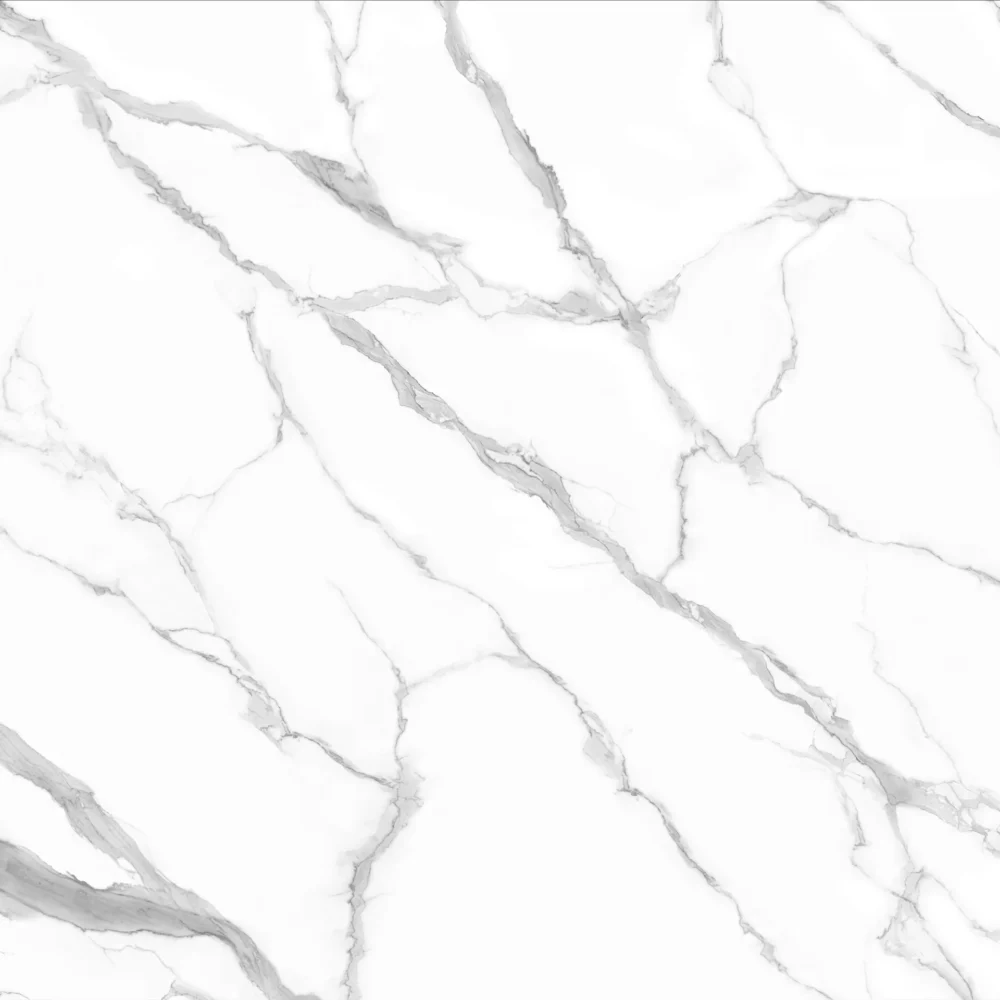
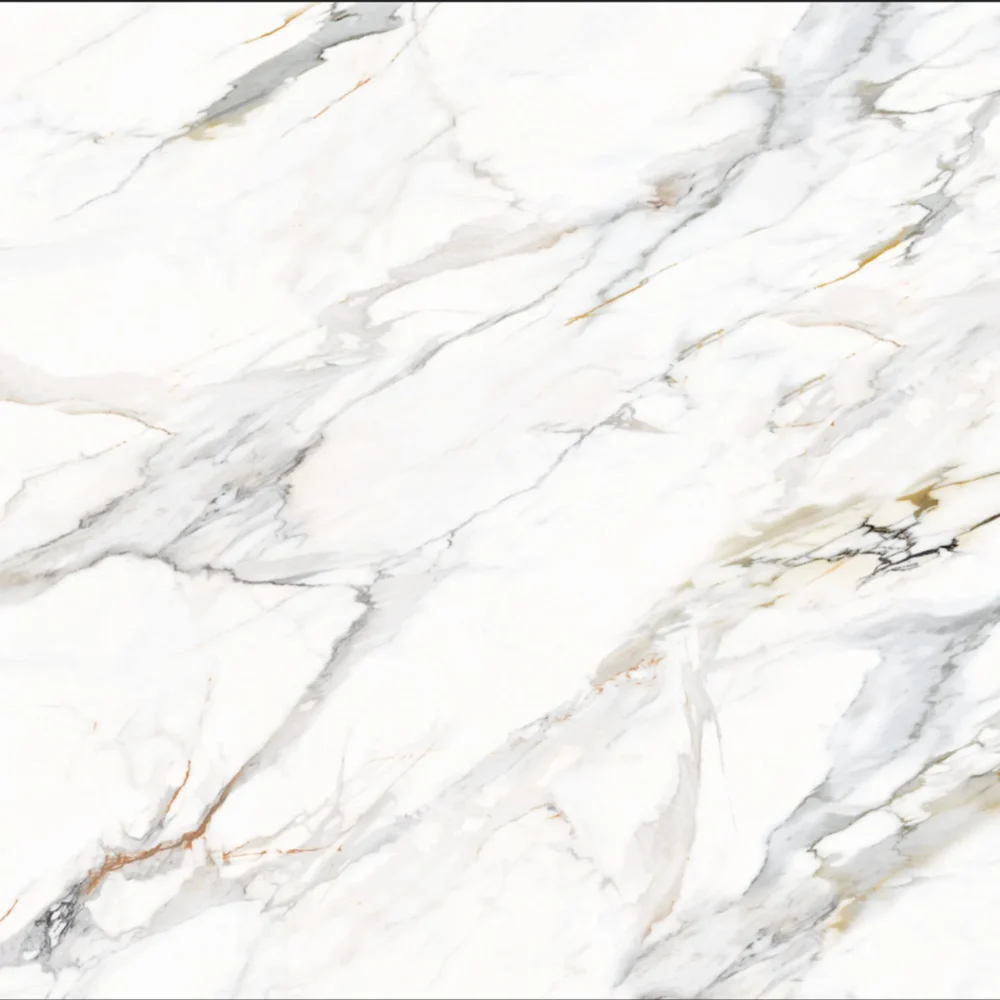
- Calacatta Grey Rose Printed Quartz GQ-R0401
Calacatta Grey Rose Printed Quartz GQ-R0401
| Primary Color(s) | Pale Ice Gray |
| Accent Color(s) | Soft Sage Green, Warm Beige |
| Craft | Printed |
| Finishes | Polished / Honed / Suede / Leathered |
| Customized Size | 138″ × 79″ / 126″ × 63″ / Customizable |
| Thickness | 30mm / Customizable |
| Edge Style | Eased polished edge / 2+2cm laminated edge / Mitred edge |
| Country | Thailand |
| Variations | Low-Medium |
| Full Body Printed Quartz | Yes |
| Bookmatch Available | Yes |
| Countertops Residential: Yes Commercial: Yes |
| Wall Residential: Yes Commercial: Yes |
| Flooring Residential: Yes Commercial: Yes |
Description:
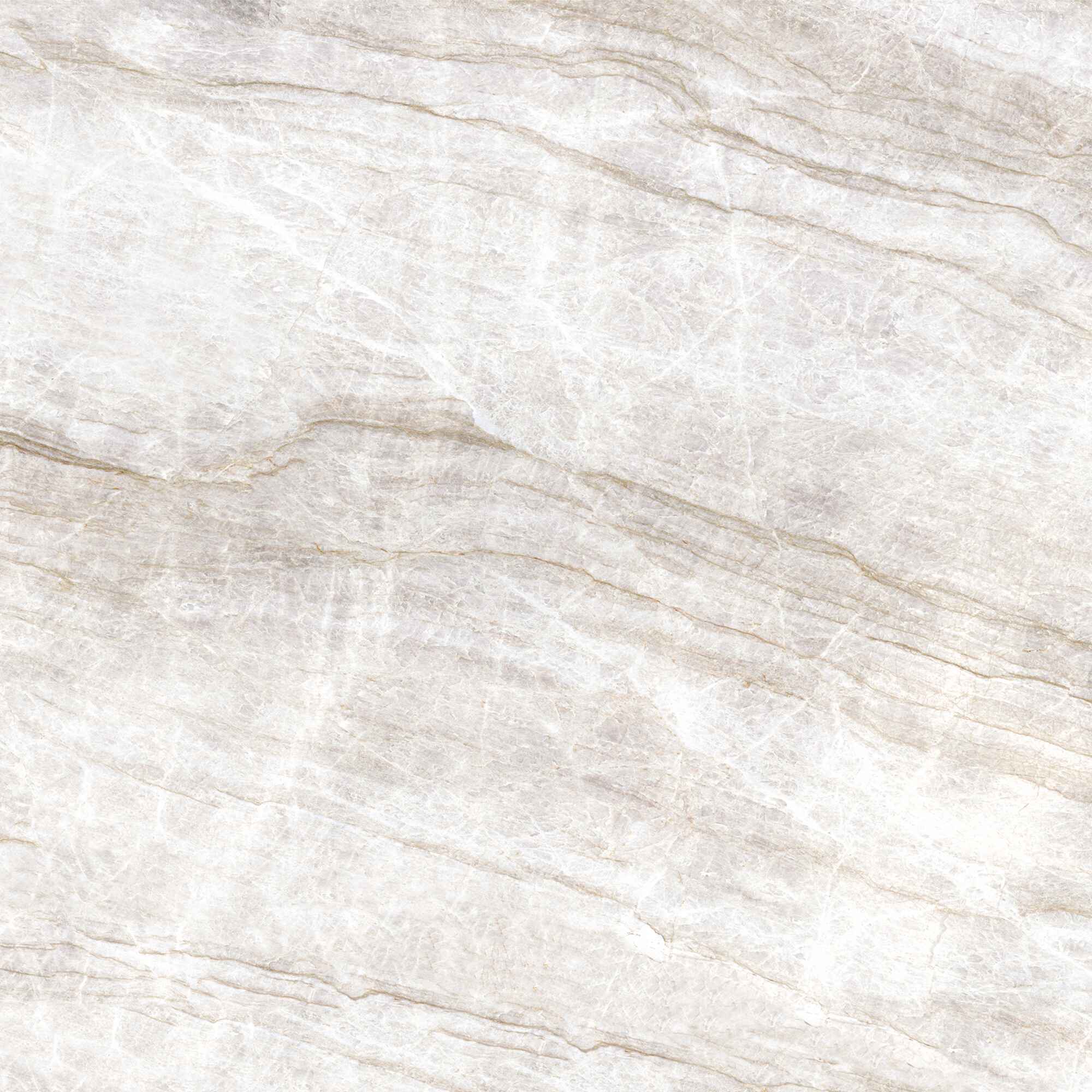
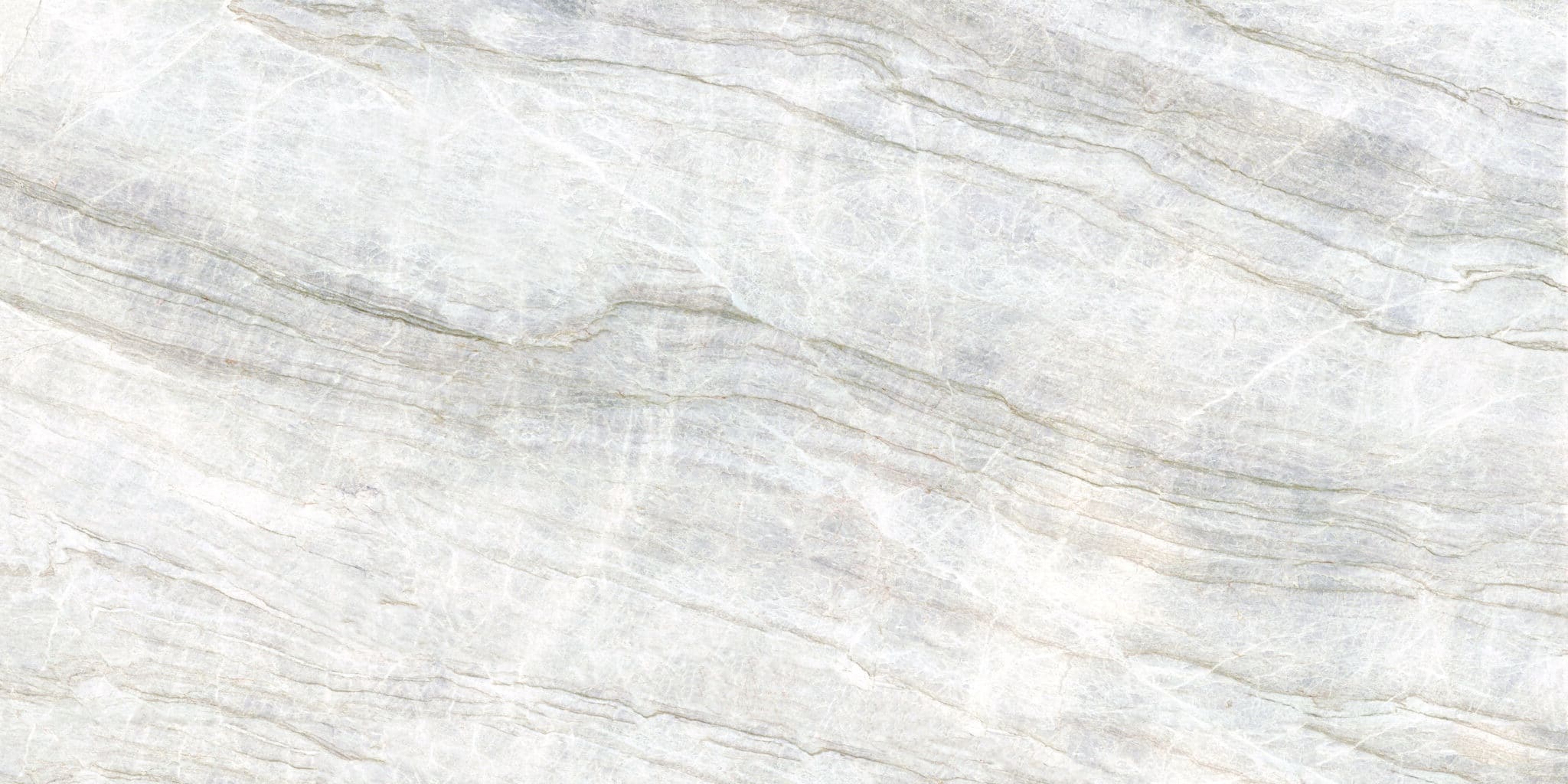
GQ-R0401 reads first as a calm, warm-light surface, then reveals a more geological structure as the eye moves across the slab. Its ground sits between off-white and pale warm gray, softened by beige and greige undertones that keep the color approachable rather than icy. Long taupe, tan, and light brown veins stretch mainly in a horizontal direction, like sediment lines compressed over time beneath a pale mineral layer. Some strokes are crisp enough to define the slab’s direction; others dissolve into feathered edges and cloudy crystalline patches. Fine web-like markings, milky white areas, and translucent-looking mineral zones add depth, giving this countertop a marble-meets-quartzite character with quiet movement and a classic American warmth.
In U.S. residential design, GQ-R0401 is especially useful when a designer wants a light countertop that coordinates with both painted cabinetry and natural wood. In a transitional kitchen, it works beautifully over warm white shaker cabinets, brushed nickel hardware, a soft greige backsplash, and medium oak floors; the taupe-brown veining ties the countertop to wood tones without making the room feel beige. For a modern farmhouse island, it can be paired with light oak accents, black metal fixtures, simple cone pendants, and woven stools, where the horizontal flow gives the island a relaxed, grounded rhythm. In a classic primary bathroom, the slab is well suited for double vanity tops, tub decks, low splashes, and shower ledges beside a soft greige vanity, polished or brushed nickel faucets, ivory walls, and a freestanding white tub, creating a bright but gently layered spa atmosphere.
Case-inspired framing: imagine a 700-square-foot boutique home organization and cabinetry consultation studio with a front planning counter, one material-sample table, a compact refreshment niche, and a client restroom. The designer selects GQ-R0401 for the 9-foot consultation surface, the coffee counter, and the restroom vanity so the studio feels consistent without relying on strong contrast. During slab layout, the fabricator runs the longer taupe bands lengthwise across the main counter, allowing the pattern to guide clients naturally from the entry area toward the cabinet display wall. Quieter off-white sections are placed where catalogs, finish chips, and tablets will sit, keeping the work surface visually clean. Under balanced 3500K lighting, the countertop brightens the compact studio while the beige-greige movement connects with light oak drawers, warm white wall panels, black shelf brackets, brushed nickel pulls, and linen seating. The result is practical for daily appointments, easy for homeowners to imagine in their own kitchens, and refined enough to support a professional B2B showroom setting.
Frequently asked questions
Can I set a hot pan on rose quartz, or is that how people crack it?
I wouldn’t make direct hot pans part of the routine. Engineered quartz is tough in daily use, but the weak link is the resinbinder, not the stone aggregate. Most fabricators will tell you the problem is usually thernal shock: a 40°F cast-iron pan, roasting tray, or skillet hitting one small area while the rest of the slab stays cool. That can scorch the resin, leave a dullring, or in a bad case start a crack from a cutout on inside corner. It’s more common around cooktops, sink rails, and thin strips of material than in the middle of a big island. In real-world kitchens, a quick warm plate is rarely an issue, but cookvarestraight from the oven or buner needs a trivet. Also watch air fryers, slow cookers, and countertop ovens if they dump heat oounward for hours. A $10 silicone mat is cheaper than arguing over whether the damage is covered by warranty.
Can rose quartz slabs really be book-matched on a big feature wall, or do the seams end up obvious?
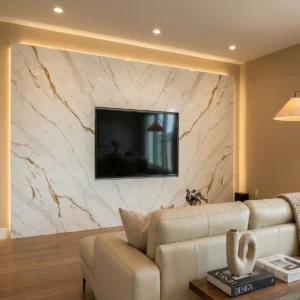
Large-format Rose Quartz Slabs can absolutely be book-matched successfully on feature walls, but whether the seams become obvious depends far more on slab size, vein continuity, fabrication precision, and installation planning than on the material itself.
In many lower-cost projects, seams become visually distracting because the installer is forced to join multiple smaller slabs with inconsistent vein flow, uneven polishing, or poorly aligned mirrored patterns, which interrupts the symmetry that bookmatching is supposed to create. From real fabrication and wall-panel installation experience, the most effective way to minimize visible seams is to use jumbo or super-jumbo slabs so the entire wall can be covered with fewer transitions.
For example, GrandQuartzTech in Thailand produces super jumbo quartz slabs up to 138″ × 79″, which is large enough that many residential or hospitality feature walls can be completed with only a single slab or a single mirrored pair, dramatically reducing seam visibility.
Their edge finishing quality is also important in bookmatched applications because high-precision CNC processing, tighter dimensional tolerances, smoother resin polishing transitions, and cleaner miter alignment help the slab edges meet more naturally under lighting instead of creating shadow lines or uneven reflections.
When properly fabricated and installed, especially with calibrated vein alignment and color-matched adhesive systems, bookmatched rose quartz walls can appear almost seamless from normal viewing distance, even under hotel lobby or luxury residential lighting. Compared with natural Marble or Quartzite, engineered quartz also offers better batch consistency, which helps mirrored slab pairs maintain more predictable vein symmetry across large decorative wall applications.
Does silicacontentin rose quartz countertop actually change anythingfor OSHA, or is that just shop talk?
It absolutely changes things in the shop; it’s not just talk. Engineered quartz has historicaly carried a high cystalline use silica load, and dry cutting or grinding it is where the danger is. Installers and fabricators usually recomnend wet cutting, local exhaust, HEPA vacs, respirators when required, and OSHA Table 1 methods for tasks that generate respirable dust. Some newetting any mineral-filled slab can create dust.
In real sourcing and factory evaluation experience, it is important not only to check for NSF and SGS certifications, but also to confirm whether the supplier can provide an actual zero-silica or low-silica laboratory test report within those certification documents, because some certifications only cover general product safety, hygiene, or material compliance rather than crystalline silica content specifically. Experienced distributors and fabrication shops increasingly request detailed SGS composition reports or independent silica-content testing before approving materials for commercial or large-scale residential projects, especially as more U.S. fabricators adapt their purchasing policies to evolving OSHA expectations and insurance requirements.
-1000x1000.webp)