


- Home
- Product
- Semi Precious Stone Slabs
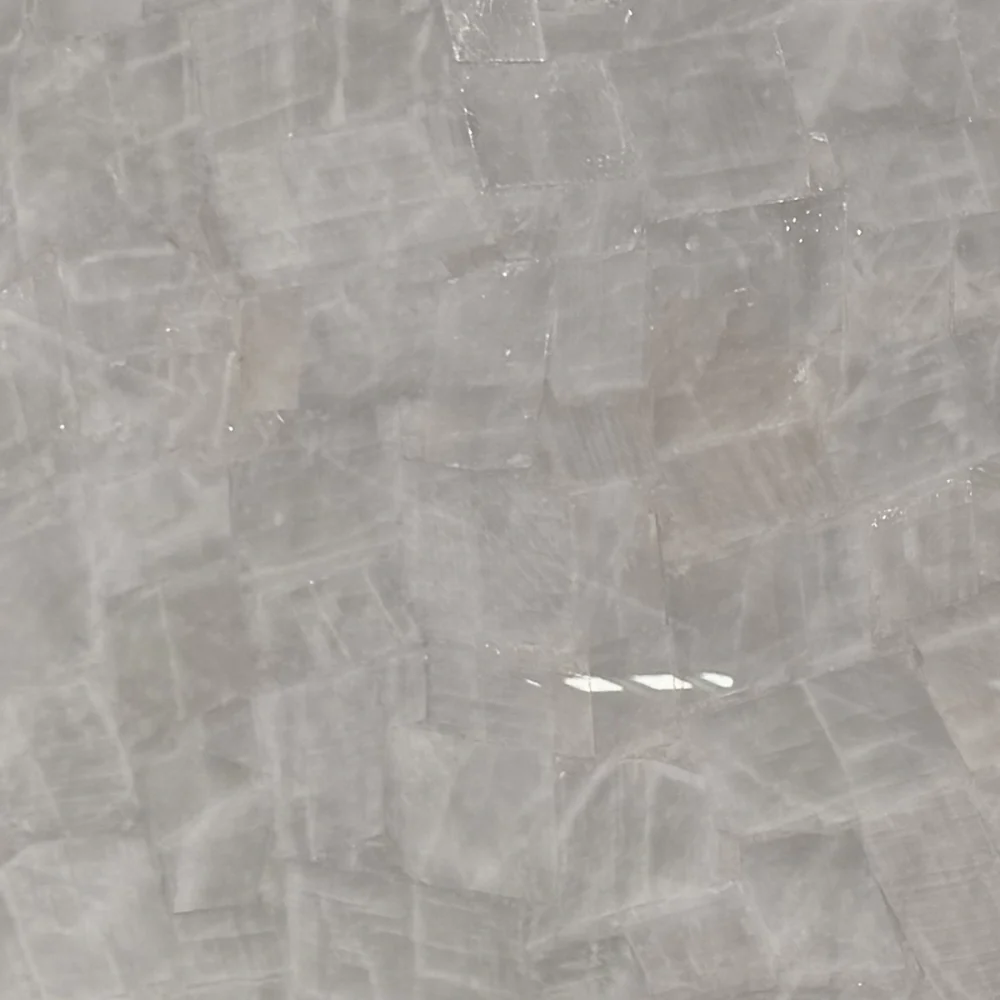
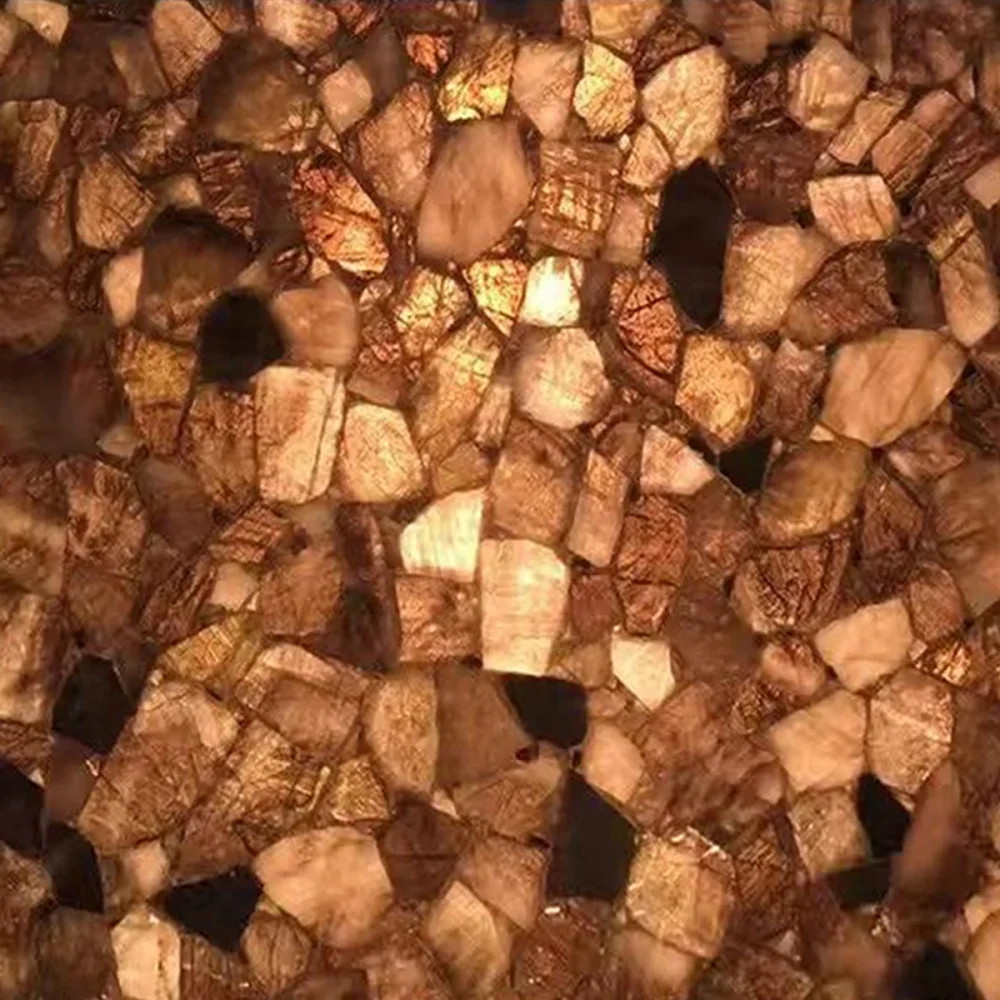
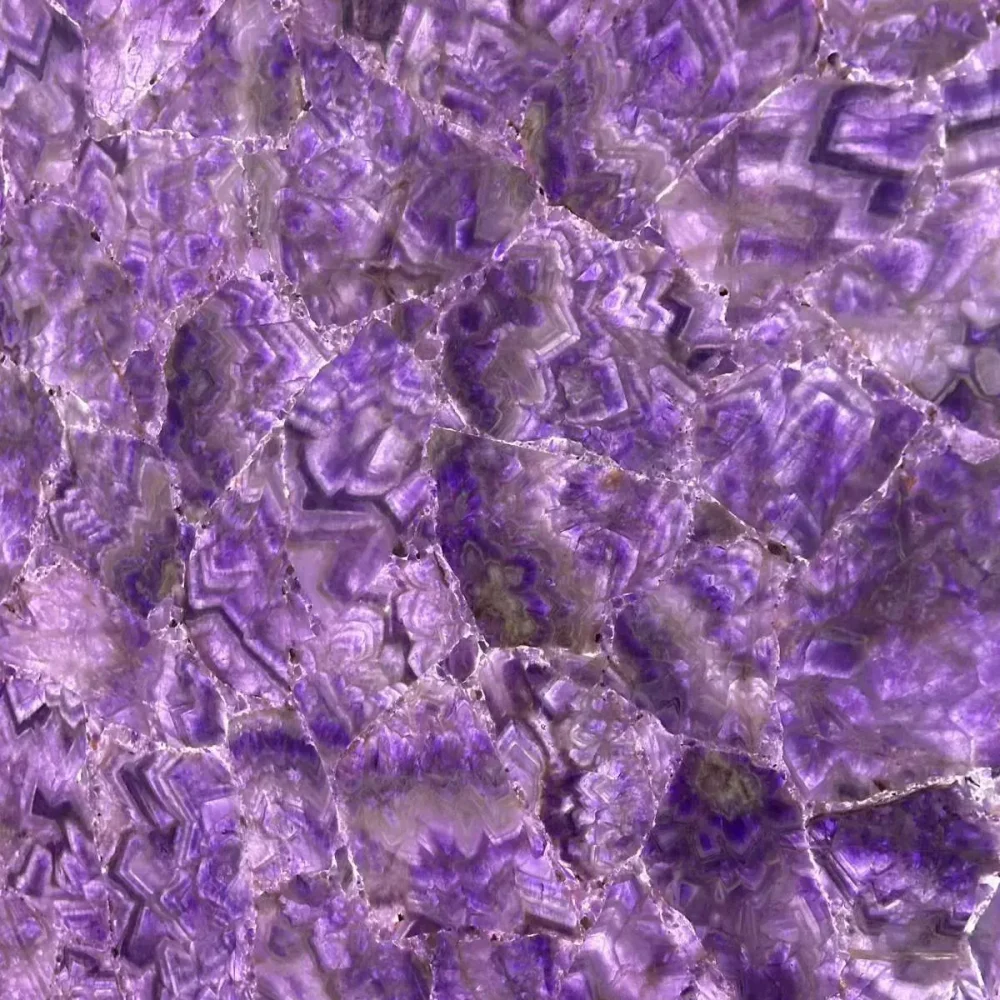
- Pink Semi Precious Stone Slabs GQ-S002 for Wholesale
Pink Semi Precious Stone Slabs GQ-S002 for Wholesale
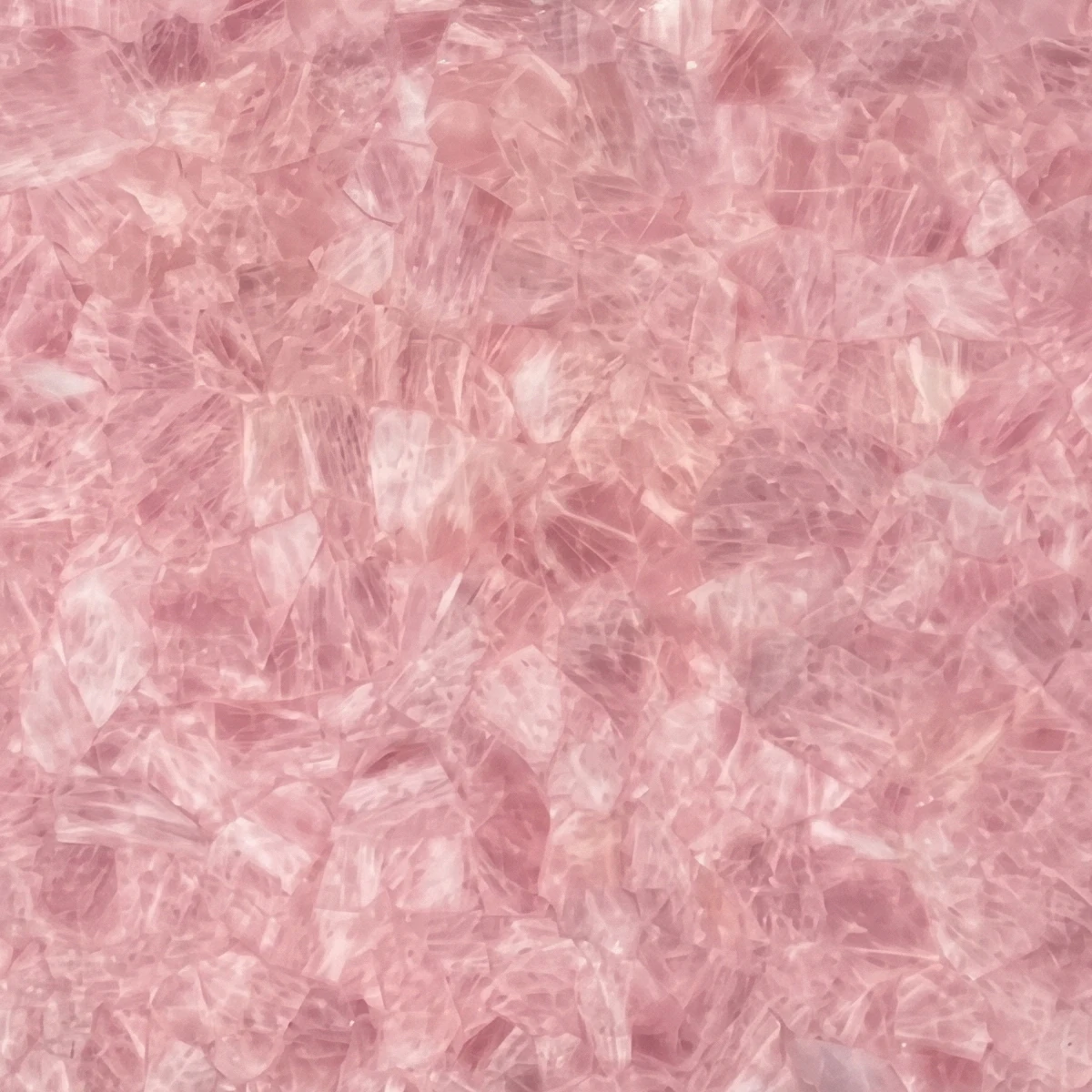
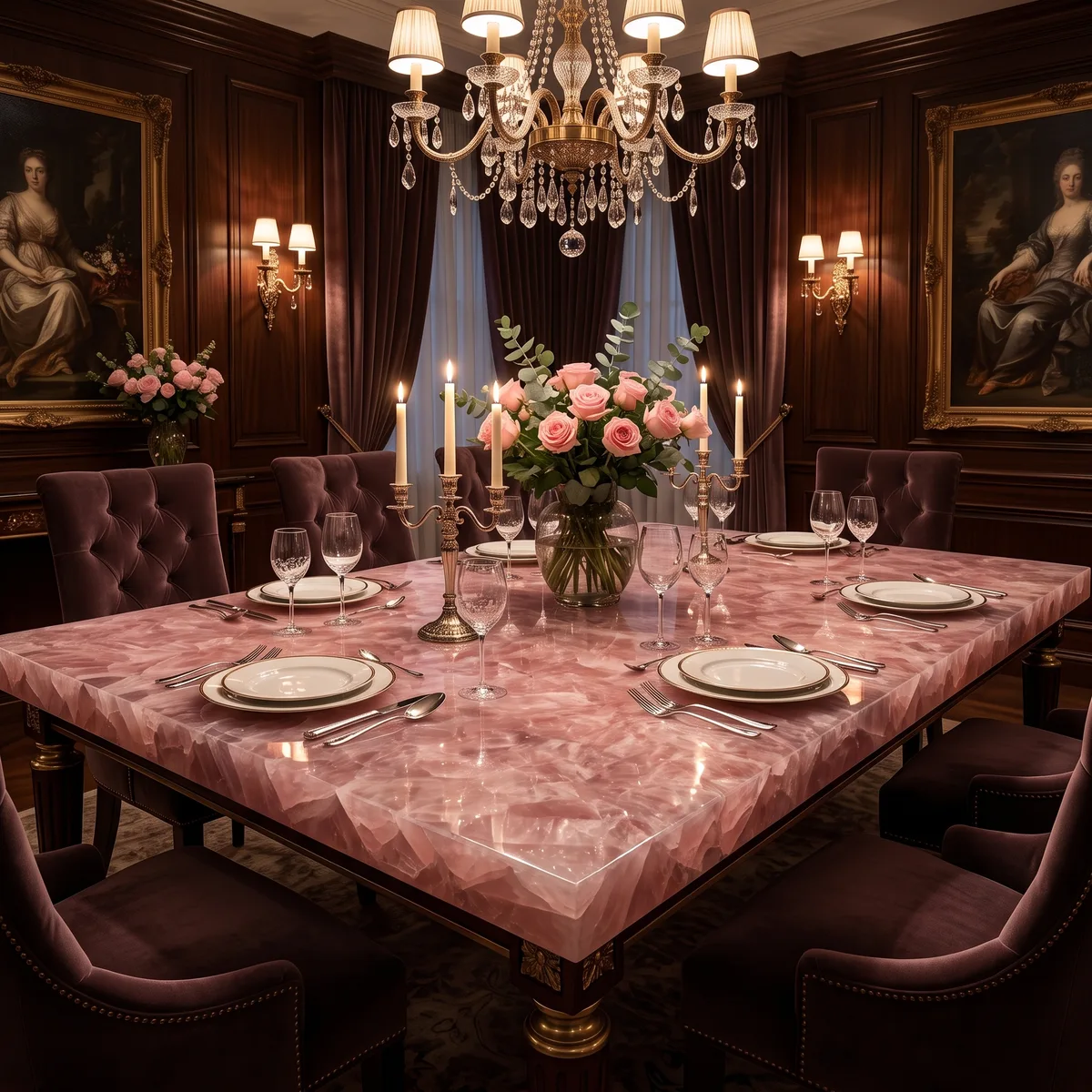
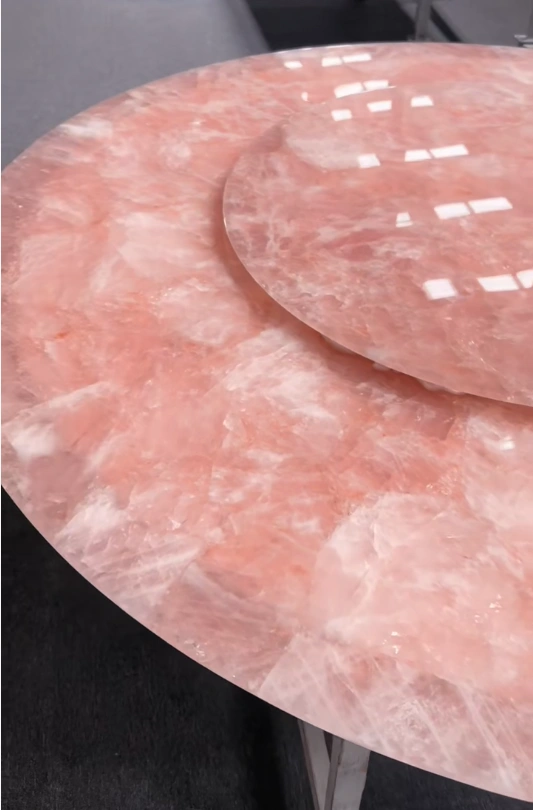
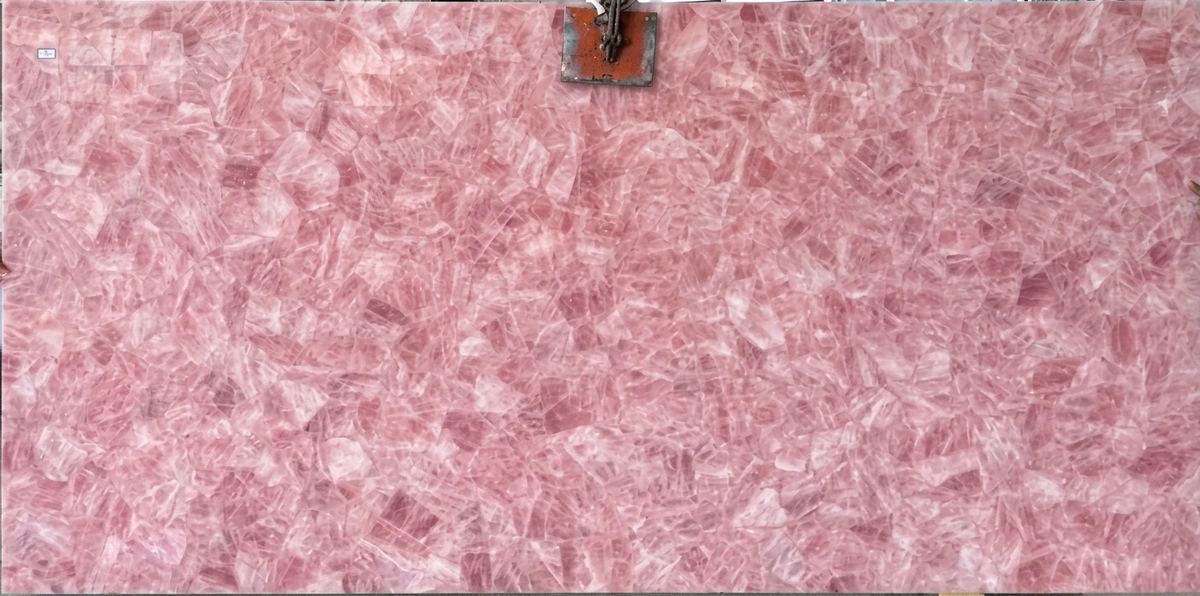
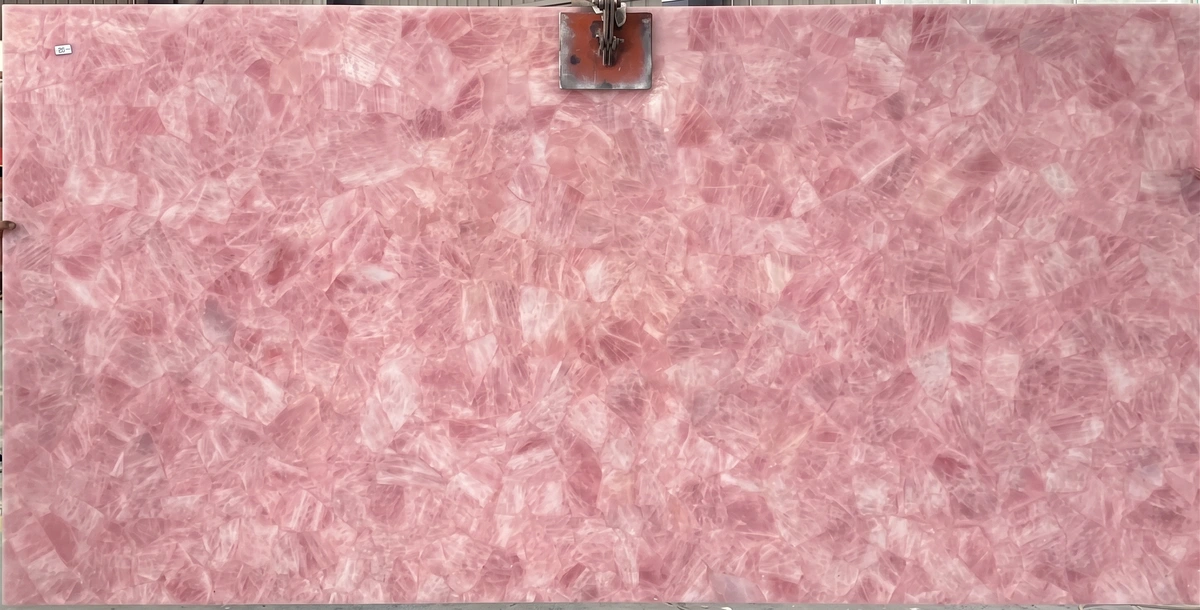
| Color | Pink |
| Material | gemstone |
| Finishes | Polished / Honed / Suede / Leathered |
| Customized Size | 138″ × 79″ / 126″ × 63″ / Customizable |
| Thickness | 20mm/30mm/Customizable |
| Edge Style | Eased polished edge/2+2cm laminated edge/Mitred edge |
| Port of Transportation | Thailand |
| Place of Origin | Africa |
| Packaging | Foam or carton inside + strong wooden crates with reinforced straps outside and fumigation |
| Delivery Time | 15-20 days / Express service is negotiable. |
| MOQ | 10 ㎡ |
| Payment Terms | 30%T/T after confirm the order and the 70% T/T by copy of B/L |
| Countertops Outdoor: Yes Indoor: Yes |
| Vanity tops Outdoor: Yes Indoor: Yes |
| Wall Outdoor: Yes Indoor: Yes |
| Flooring Outdoor: Yes Indoor: Yes |
Description:
Frequently asked questions
Which semi-precious stone is most valuable?
Most fabricators will tell you that value in semi-precious stone slabs isn't just about the material—it's about rarity, color intensity, and translucency. Stones like rose quartz or amethyst with deep, consistent color and natural gemstone inlay tend to command higher prices, especially when they’re large-format or bookmatched. In real-world kitchens, a slab with high clarity and minimal flaws can be more valuable than one with flashy veining but poor consistency. Our factory (GQ) sees demand spike for pink-hued gemstone slabs with high translucency—these are often used in feature walls or waterfall islands. But remember: value also depends on finish type and edge profiling. A polished slab with a uniform surface will always be more desirable than a honed one with uneven texture. Keep in mind, though, that 'value' can shift based on market trends and availability. A rare stone today might be common in five years.
What semi-precious stone is white?
Installers usually recommend white semi-precious stone slabs for kitchens and bathrooms because they’re versatile and reflect light well. The most common white varieties are quartz-based gemstone slabs with a base of white crystal, often accented with subtle veining from mineral inclusions like feldspar or mica. These aren’t pure quartz—they’re engineered from crushed gemstones and resin, giving them a translucent, almost ethereal quality. Some slabs have faint gray or gold veining, while others are nearly solid white with only micro-particles visible under close inspection. At our factory (GQ), we produce white gemstone slabs with low resin content to preserve the stone’s natural look. These slabs are popular for backsplashes and countertops where a clean, bright surface is desired. But be warned: white slabs show scratches and stains more easily than darker ones—so proper maintenance is key. Also, avoid harsh cleaners that can dull the surface over time.
What are the current prices of semi-precious stones?
A frequent complaint we hear is that pricing for semi-precious stone slabs is inconsistent across suppliers. Cost varies based on slab size, color complexity, finish type, edge profiling, fabrication labor, installation, and regional market demand. Super jumbo slabs—like the 138”x79” ones we produce at our factory (GQ)—tend to be more expensive due to material and handling costs. Slabs with high translucency or rare gemstone inlays also carry a premium. Finish matters too: a polished surface requires more labor than a honed one, which affects price. And don’t forget about shipping—larger slabs are harder to transport and may incur extra fees. While we don’t disclose specific numbers, a reputable manufacturer will offer transparent pricing based on slab volume, complexity, and origin. In general, expect higher costs for low-silica or full-body printed gemstone slabs with consistent veining. It’s not just about the stone—it’s about the whole process, from quarry to countertop.
What are semi-precious stones called?
In real-world kitchens, semi-precious stone slabs are often referred to by their dominant color or pattern—like 'pink gemstone slab,' 'white semi-precious stone,' or 'translucent gemstone surface.' These aren’t traditional stones like marble or granite; they’re engineered from crushed gemstones, mineral crystals, and a binder resin, which gives them unique translucency and veining. Fabricators call them 'gemstone slabs' or 'semi-precious stone surfaces' to distinguish them from natural stone or engineered quartz. At our factory (GQ), we use terms like 'full-body printed gemstone slab' or 'low-resin gemstone surface' to describe our products. The key is that they’re not quartz—they’re a different material family, with different polishing behavior, backing requirements, and edge performance. You’ll also hear them called 'crystal slabs' or 'gemstone countertops' in design circles, but the technical name remains 'semi-precious stone.' Always ask for material specs—especially resin content and gemstone percentage—when sourcing these slabs.