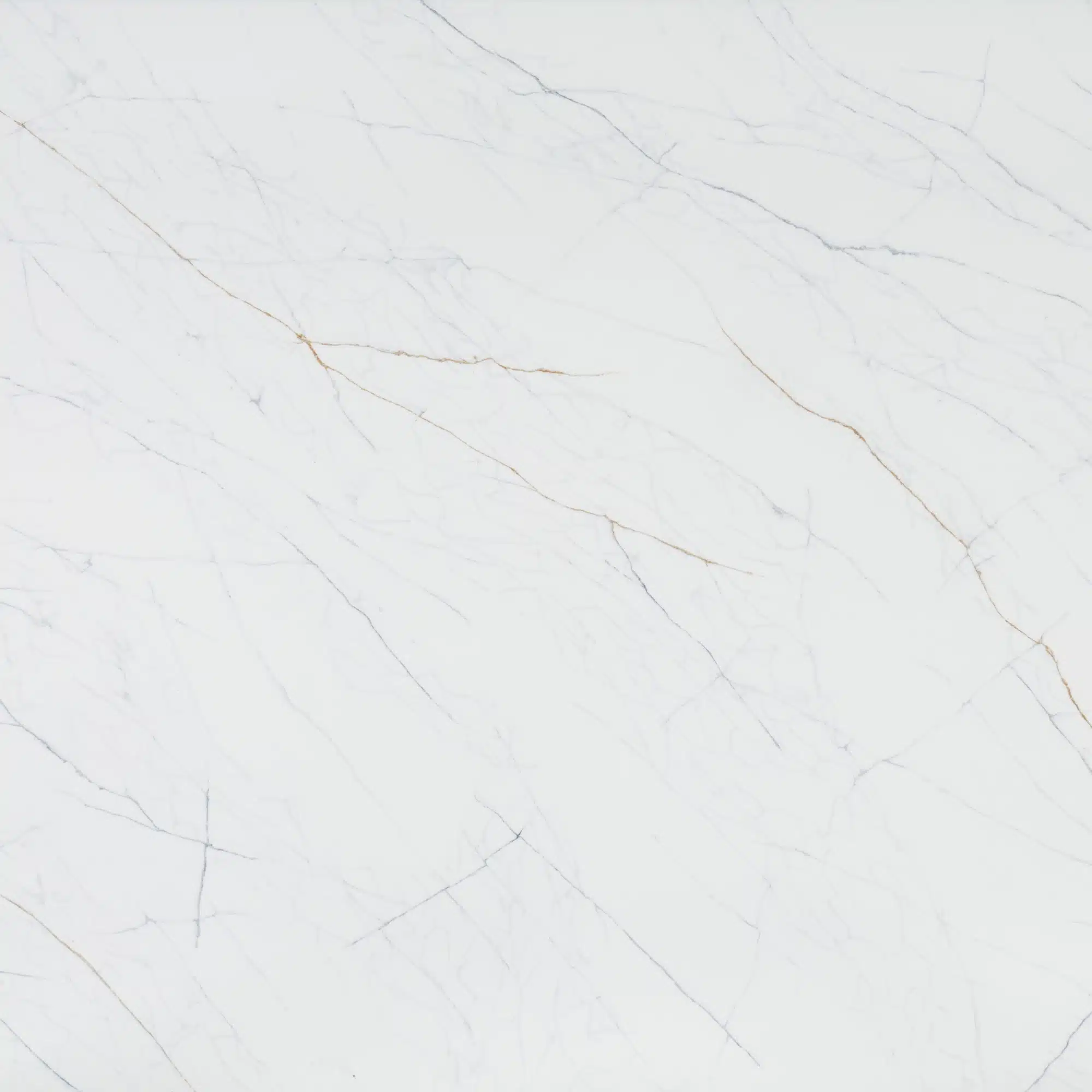
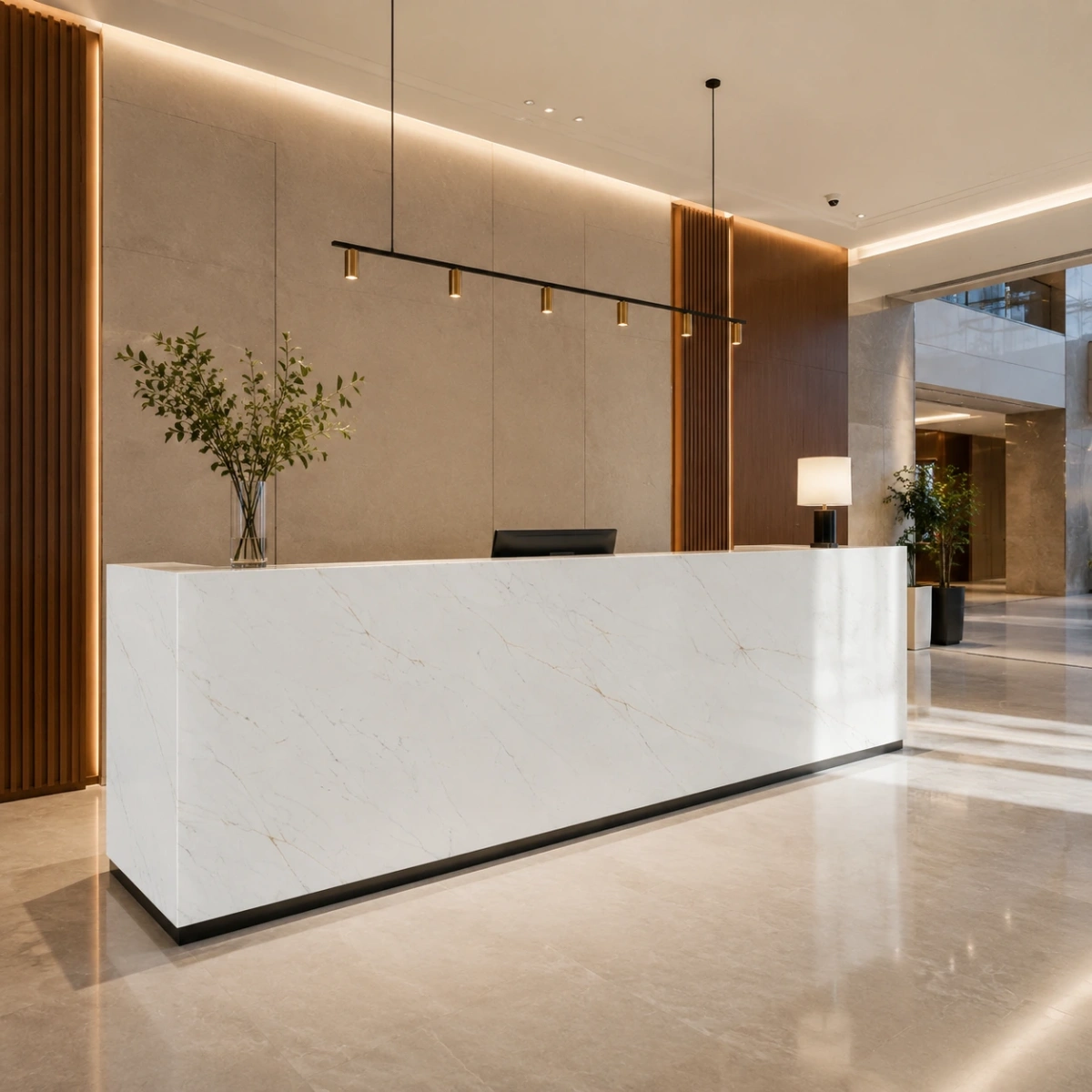
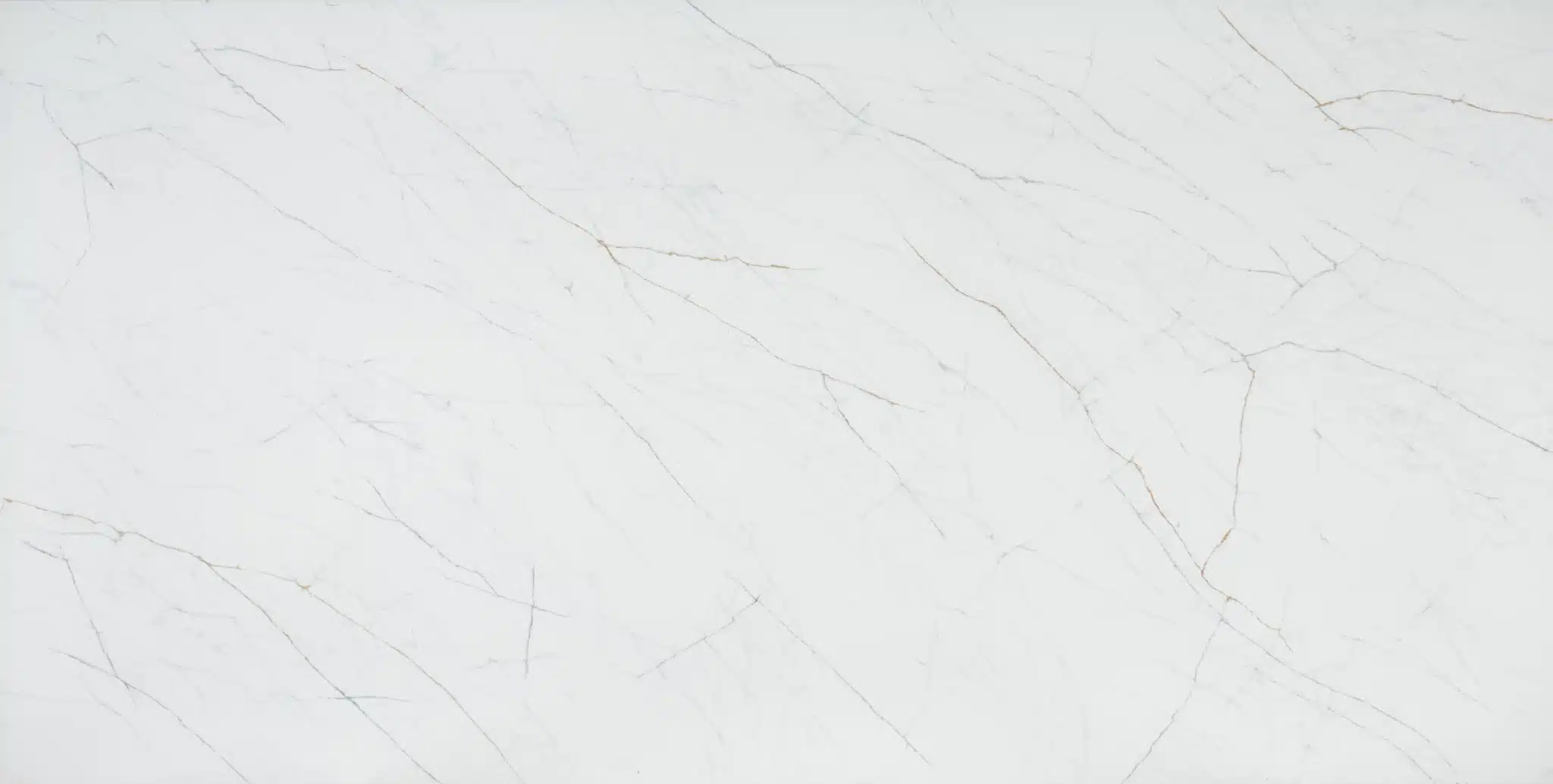
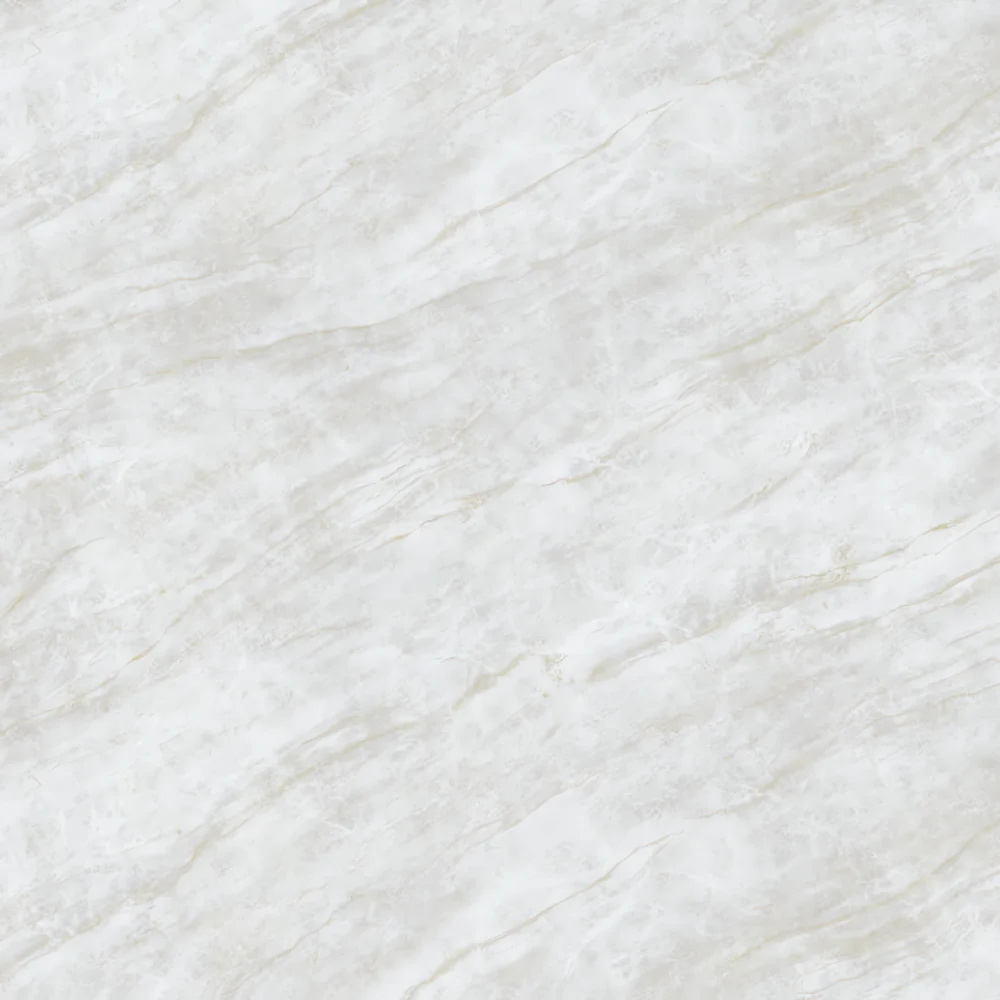
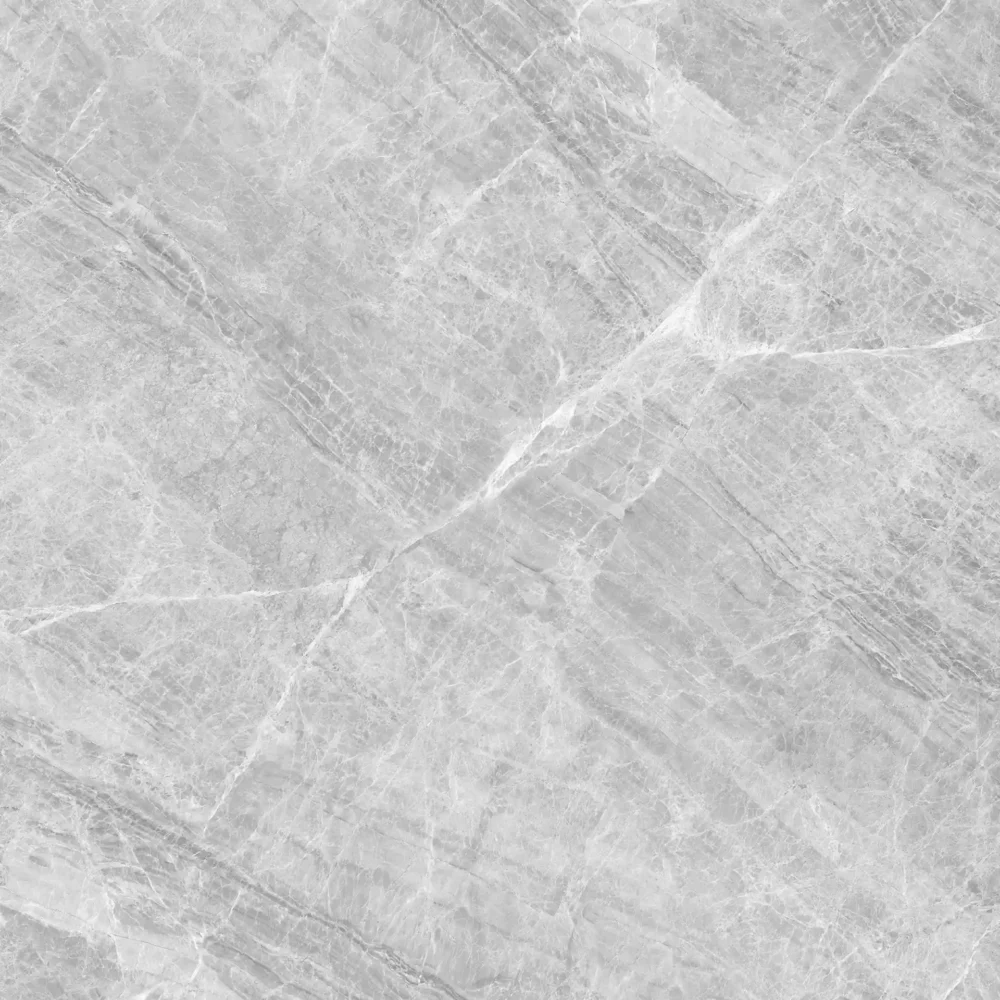
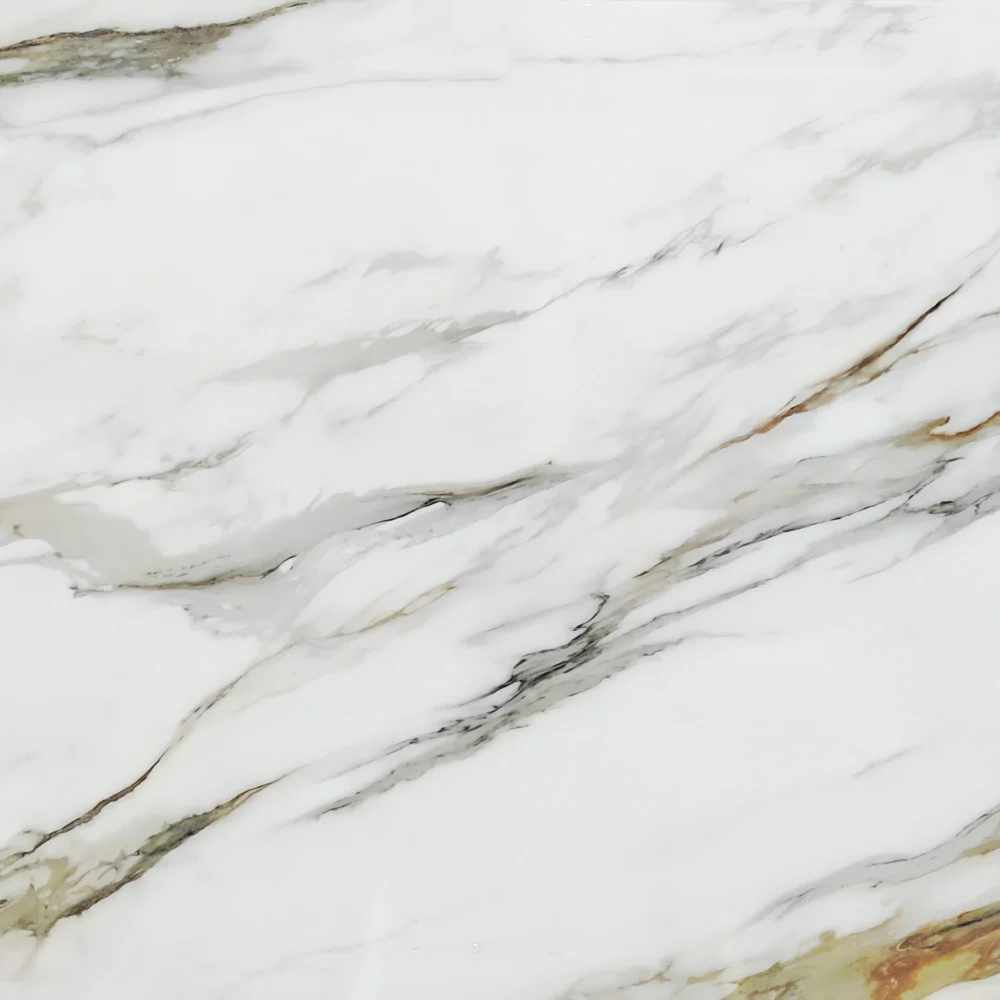
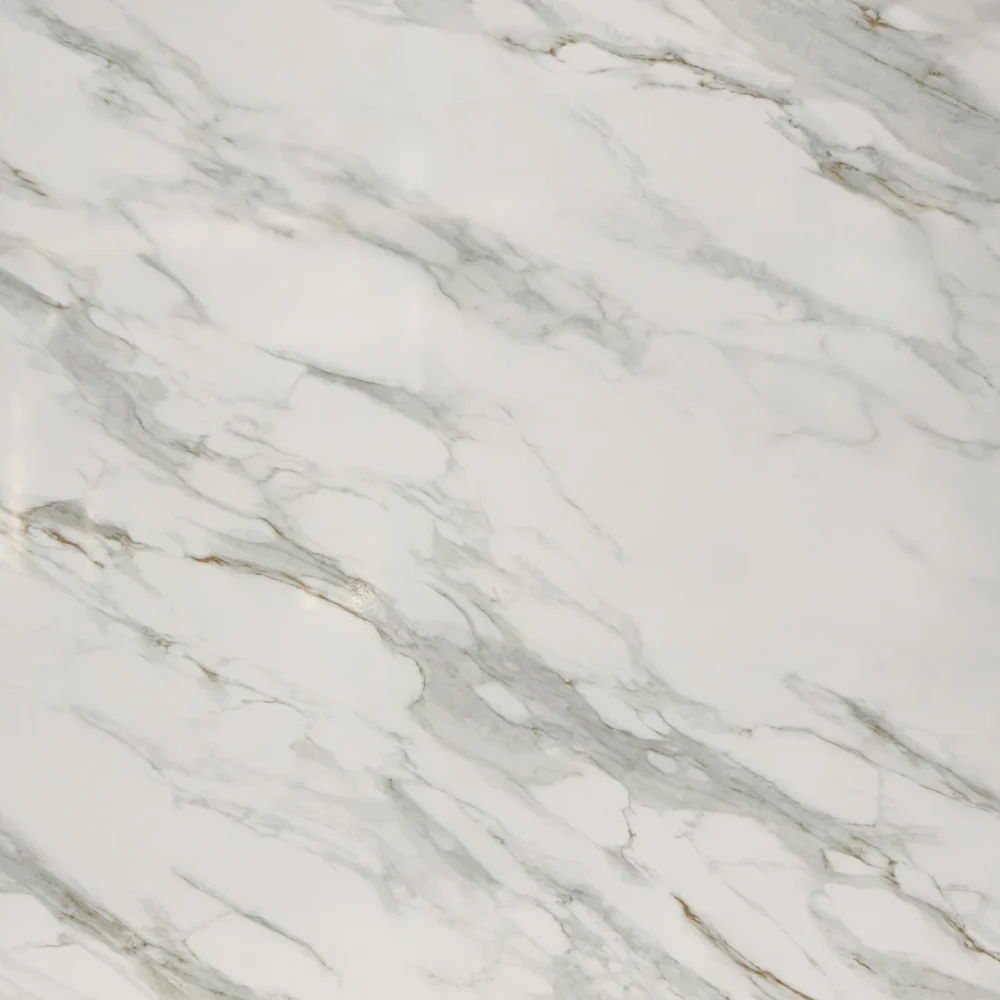
| الألوان الأساسية | Bright Pure White |
| لون (ألوان) الزخرفة | Faint Warm Rose-Gold Vein |
| صياغة | عادي |
| تشطيبات | مصقول / مصقول / سويدي / جلد |
| حجم مخصص | 138 بوصة × 79 بوصة / 126 بوصة × 63 بوصة / قابل للتخصيص |
| سُمك | 20mm/30mm/Customizable |
| أسلوب الحافة | حافة مصقولة مريحة/حافة مصفحة 2+2 سم/حافة مشطوفة |
| Full Body Quartz | نعم |
| متوفر بمطابقة الكتاب | نعم |
| Place of Origin | تايلاند |
| Port of Transportation | تايلاند |
| Packaging | Foam or carton inside + strong wooden crates with reinforced straps outside and fumigation |
| Delivery time | 15-20 days / Express service is negotiable. |
| MOQ | 10 ㎡ |
| Payment terms | 30%T/T after confirm the order and the 70% T/T by copy of B/L |
| أسطح العمل سكني: نعم تجاري: نعم |
| جدار سكني: نعم تجاري: نعم |
| أرضيات سكني: نعم تجاري: نعم |
Engineered marble, like most engineered stone, is not immune to scratches—especially compared to quartz. It’s generally softer than quartz, so it can show scratches from sharp objects, knives, or even abrasive cleaning pads if not handled carefully. In a kitchen, where cutting and chopping happen regularly, it’s best to always use a cutting board. While it’s more resistant than natural marble, it’s still not as durable as quartz. If you’re looking for scratch resistance, quartz is the safer bet. But if you’re okay with minor surface wear and prefer the look of marble, engineered marble can work—just expect some maintenance and occasional buffing to keep it looking fresh.
Engineered marble has some real drawbacks that installers and homeowners should consider. First, it’s less durable than quartz—it can scratch, chip, or etch more easily, especially with acidic cleaners or direct exposure to heat. Unlike quartz, it often contains more resin, which can make it more prone to yellowing over time, especially under UV light or in poorly ventilated areas. It also tends to be more porous than quartz, so staining from spills (like red wine or coffee) can happen faster if not cleaned quickly. Additionally, because it’s not as dense as quartz, seams are more visible and can be more difficult to blend seamlessly. And while it looks like natural marble, the veining can sometimes feel too uniform or repetitive, which can look ‘fake’ in certain lighting. Finally, it’s often more expensive than standard quartz and less heat-resistant—so avoid placing hot pots directly on it without a trivet.
كوارتزك الموثوق
مصنع منذ عام 1989.
فريقنا متاح على مدار الساعة طوال أيام الأسبوع.