



- الصفحة الرئيسية
- كوارتز
- ألواح الكوارتز
- Calacatta Arabescato Quartz Countertops GQ-T0117 for Wholesale
Calacatta Arabescato Quartz Countertops GQ-T0117 for Wholesale
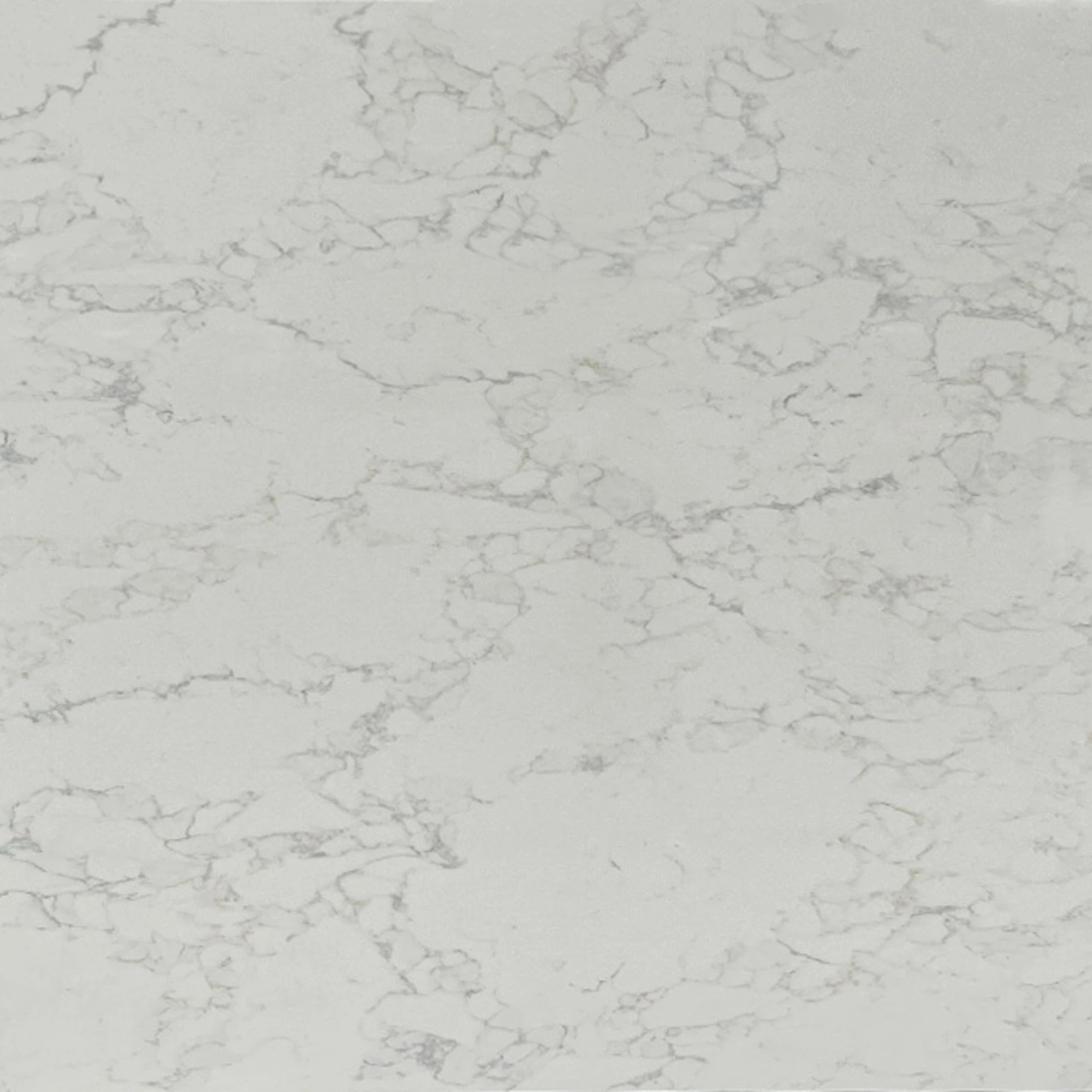
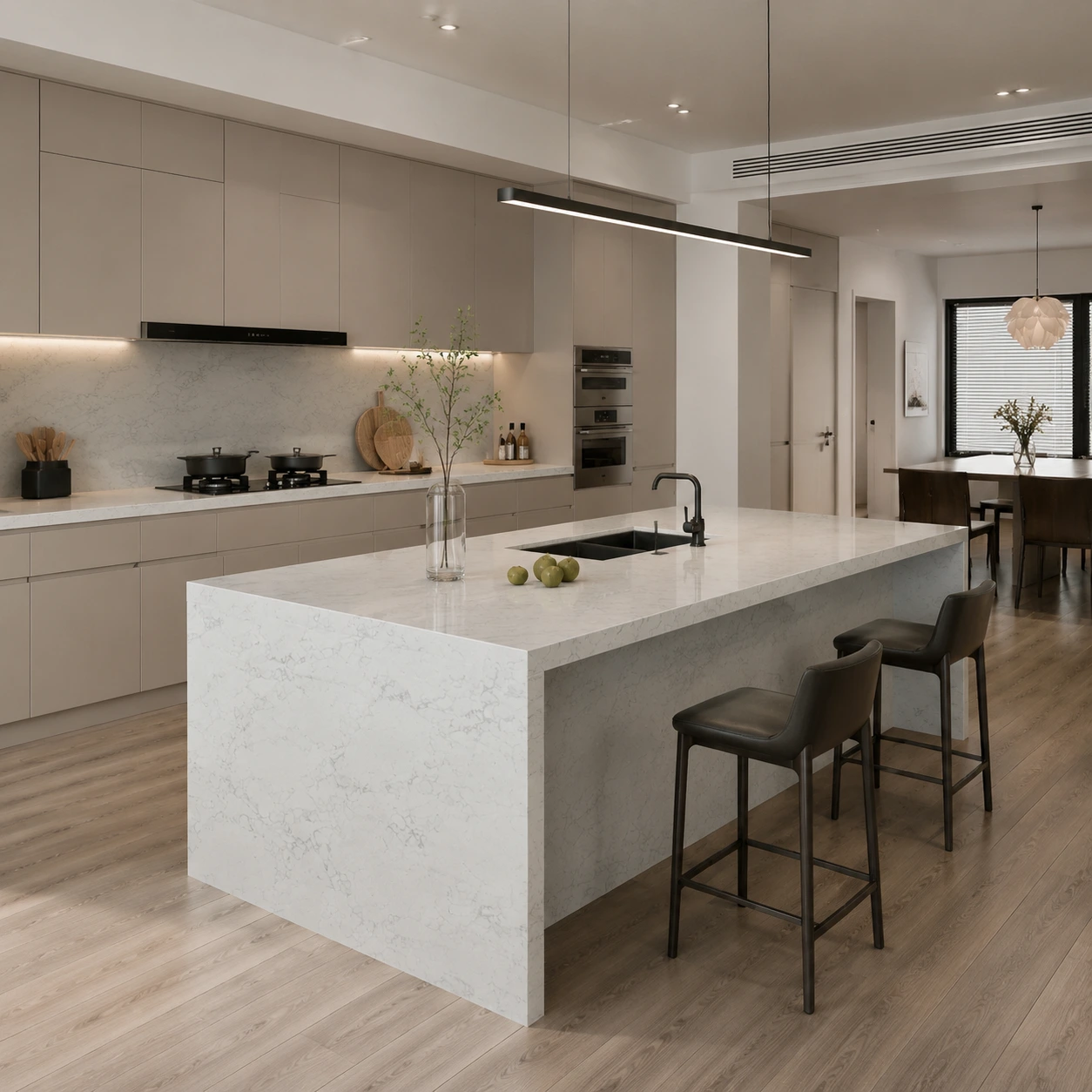
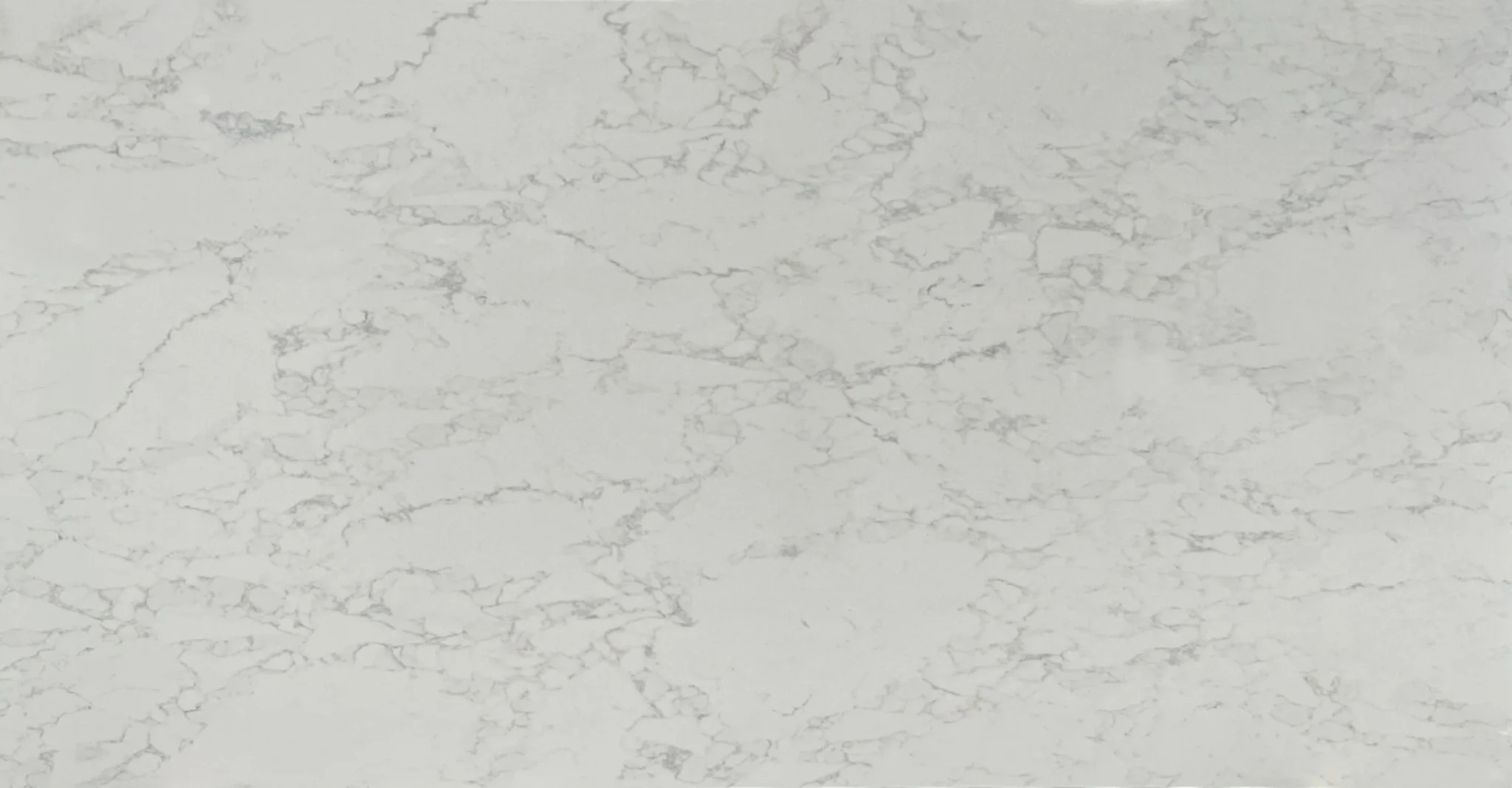
| الألوان الأساسية | Soft Cool White with Light Grey Undertone |
| لون (ألوان) الزخرفة | Delicate Fine Silver-Grey Vein Network |
| صياغة | عادي |
| تشطيبات | مصقول / مصقول / سويدي / جلد |
| حجم مخصص | 138 بوصة × 79 بوصة / 126 بوصة × 63 بوصة / قابل للتخصيص |
| سُمك | 20mm/30mm/Customizable |
| أسلوب الحافة | حافة مصقولة مريحة/حافة مصفحة 2+2 سم/حافة مشطوفة |
| Full Body Quartz | نعم |
| متوفر بمطابقة الكتاب | نعم |
| Place of Origin | تايلاند |
| Port of Transportation | تايلاند |
| Packaging | Foam or carton inside + strong wooden crates with reinforced straps outside and fumigation |
| Delivery time | 15-20 days / Express service is negotiable. |
| MOQ | 10 ㎡ |
| Payment terms | 30%T/T after confirm the order and the 70% T/T by copy of B/L |
| أسطح العمل سكني: نعم تجاري: نعم |
| جدار سكني: نعم تجاري: نعم |
| أرضيات سكني: نعم تجاري: نعم |
وصف:
أسئلة متكررة
Can I use vinegar to clean quartz countertops?
Most fabricators will tell you to avoid vinegar on quartz, especially over time.
While a quick wipe with diluted vinegar won’t immediately damage the surface, the acetic acid can slowly degrade the resin binder in engineered quartz, especially on polished finishes.
In real-world kitchens, homeowners often report that frequent vinegar use leads to dulling or clouding on high-traffic areas, particularly near sinks.
It’s not that vinegar ‘etches’ quartz like marble—quartz is non-porous—but the resin component reacts to prolonged acidic exposure.
Installers usually recommend sticking with pH-neutral cleaners, like a mild dish soap solution, for daily maintenance.
For tough stains or buildup, use a dedicated quartz-safe cleaner.
Some low-silica quartz lines, like those from Grand Quartz Tech, have slightly more resilient resins, but the rule still holds: keep vinegar for degreasing, not daily cleaning.
What cleaners not to use on quartz countertops?
A frequent complaint we hear is that people use bleach, abrasive pads, or acidic cleaners on quartz and then wonder why the finish looks hazy or streaky.
Bleach can discolor the resin, especially on lighter or gold-veined patterns like Calacatta-style quartz.
Abrasives, like steel wool or scouring pads, will scratch the surface—even if it’s durable, quartz scratches like any other solid surface.
Acidic cleaners (vinegar, lemon juice, citric-based degreasers) can break down the resin over time, leading to dullness or etching on polished finishes.
Even some ‘all-purpose’ sprays contain alcohol or ammonia that can leave residue or cause clouding.
Installers usually recommend avoiding anything labeled ‘for marble’ or ‘for limestone’—those are designed for natural stone, not engineered surfaces.
Stick to mild dish soap, microfiber cloths, and quartz-specific products.
If you’re working with a large project, manufacturers like Grand Quartz Tech offer technical sheets with approved cleaning protocols, especially for commercial or hospitality settings where cleaning frequency is high.
What is the difference between Calacatta and Arabescato?
In real-world kitchens, the difference between Calacatta and Arabescato comes down to the vein structure and color intensity.
Calacatta-style quartz typically has bold, dramatic veins—often gray or gold—that run in sweeping, random patterns.
It’s usually brighter, more white-based, and designed to mimic Italian marble like Calacatta Gold.
Arabescato, on the other hand, tends to have finer, more intricate veining—lighter, more silvery-gray or charcoal—that’s denser and often more symmetrical.
It leans into the ‘classic’ marble look with a softer, more refined elegance.
Arabescato quartz is often used in traditional or transitional spaces, while Calacatta gets used in modern or settings where contrast is key.
Both can be full-body printed, like those from Grand Quartz Tech, which ensures consistency across slabs.
The choice depends on the design intent: Calacatta for impact, Arabescato for subtlety.
But watch the finish—polished Arabescato can show fingerprints and smudges more than matte or honed, while Calacatta’s high-contrast veins can telegraph seams if not bookmatched properly.
Is travertine countertops better than quartz?
Homeowners often report after a year or two that travertine, while beautiful, requires far more upkeep than quartz.
Travertine is a natural stone, porous, and needs regular sealing—especially in kitchens or bathrooms.
It’s also more prone to staining from oil, wine, or acidic spills, and it can etch if not properly maintained.
Quartz, by contrast, is non-porous and doesn’t need sealing.
It’s also more consistent in color and pattern, which matters in large projects like commercial kitchens or hotel lobbies.
But travertine has a unique texture and depth that many designers love—especially in honed or tumbled finishes.
The tradeoff is durability: quartz handles heat better (up to 150°F without damage), resists scratches, and doesn’t require the same maintenance.
For high-traffic spaces or families with kids, most fabricators will recommend quartz.
But if you’re going for a rustic, earthy look and are okay with sealing every 6–12 months, travertine can be a great choice.
Grand Quartz Tech, for instance, offers printed quartz that mimics travertine’s texture and veining without the maintenance, which is a popular option for clients who want the look but not the work.
-1000x1000.webp)