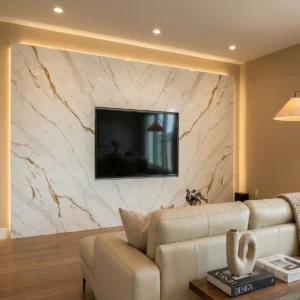




- الصفحة الرئيسية
- كوارتز
- ألواح الكوارتز
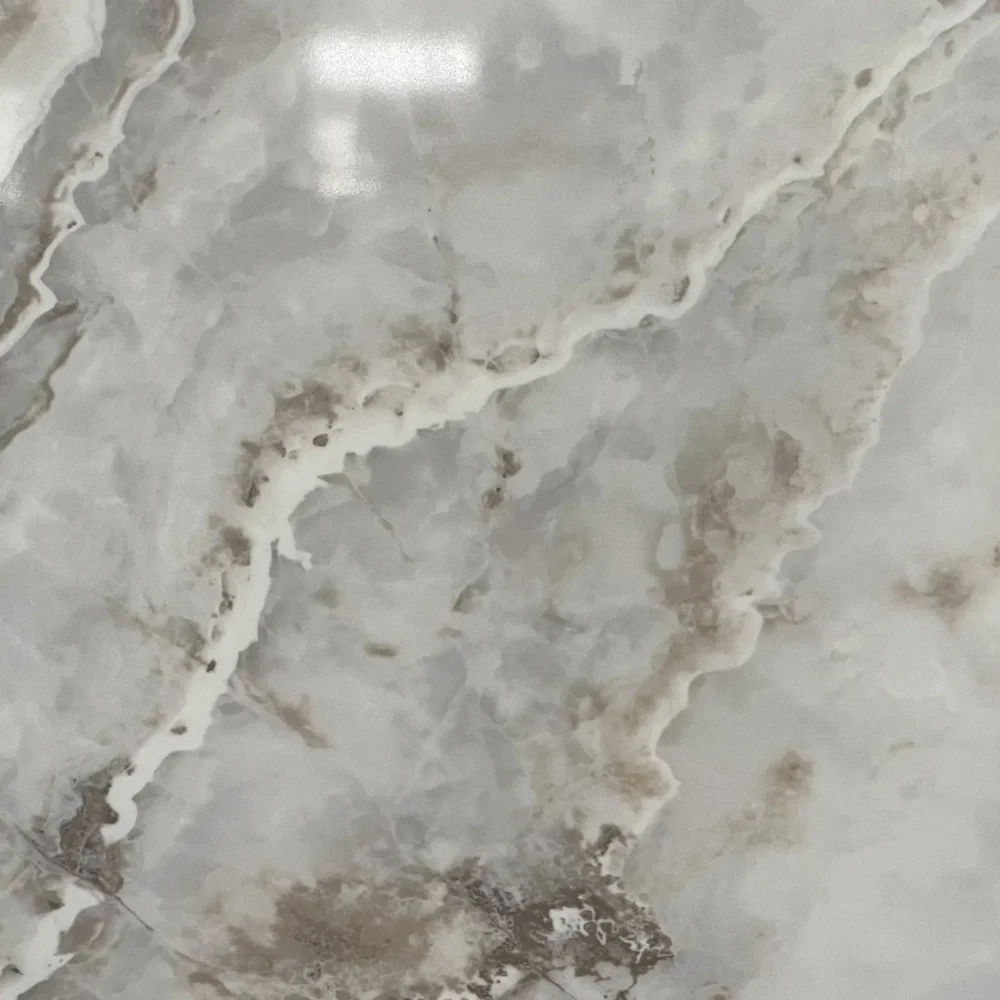
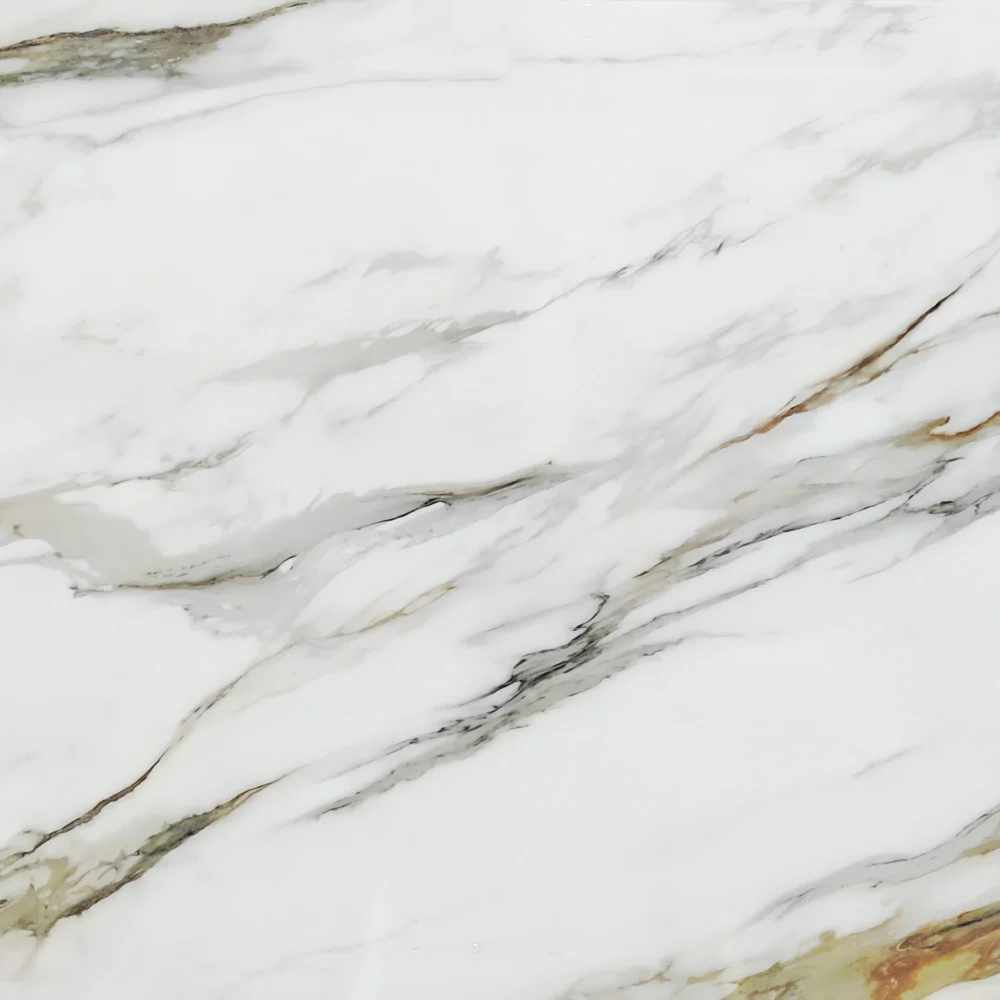
- Calacatta Laza Quartz Slabs GQ-T113 for Wholesale
Calacatta Laza Quartz Slabs GQ-T113 for Wholesale
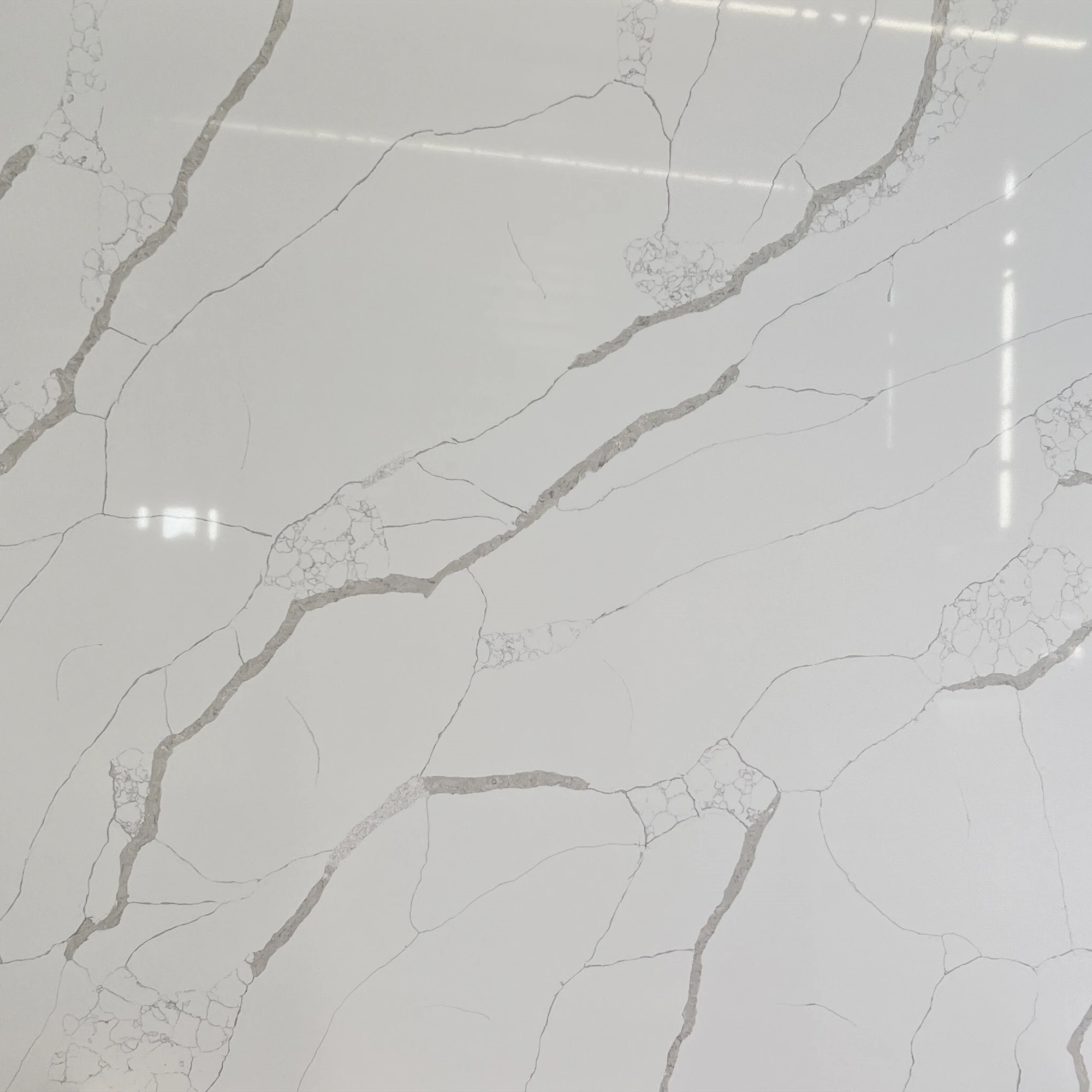
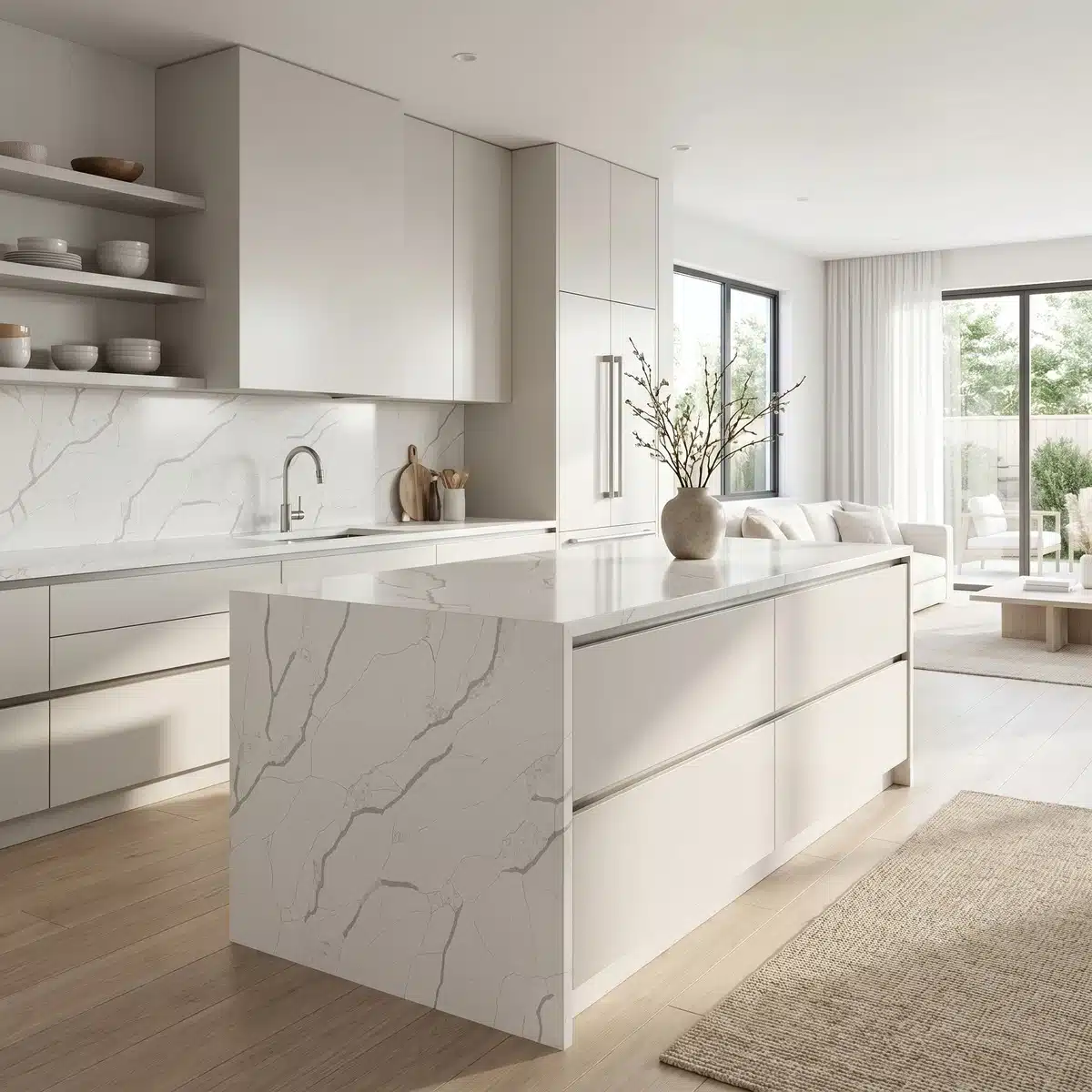
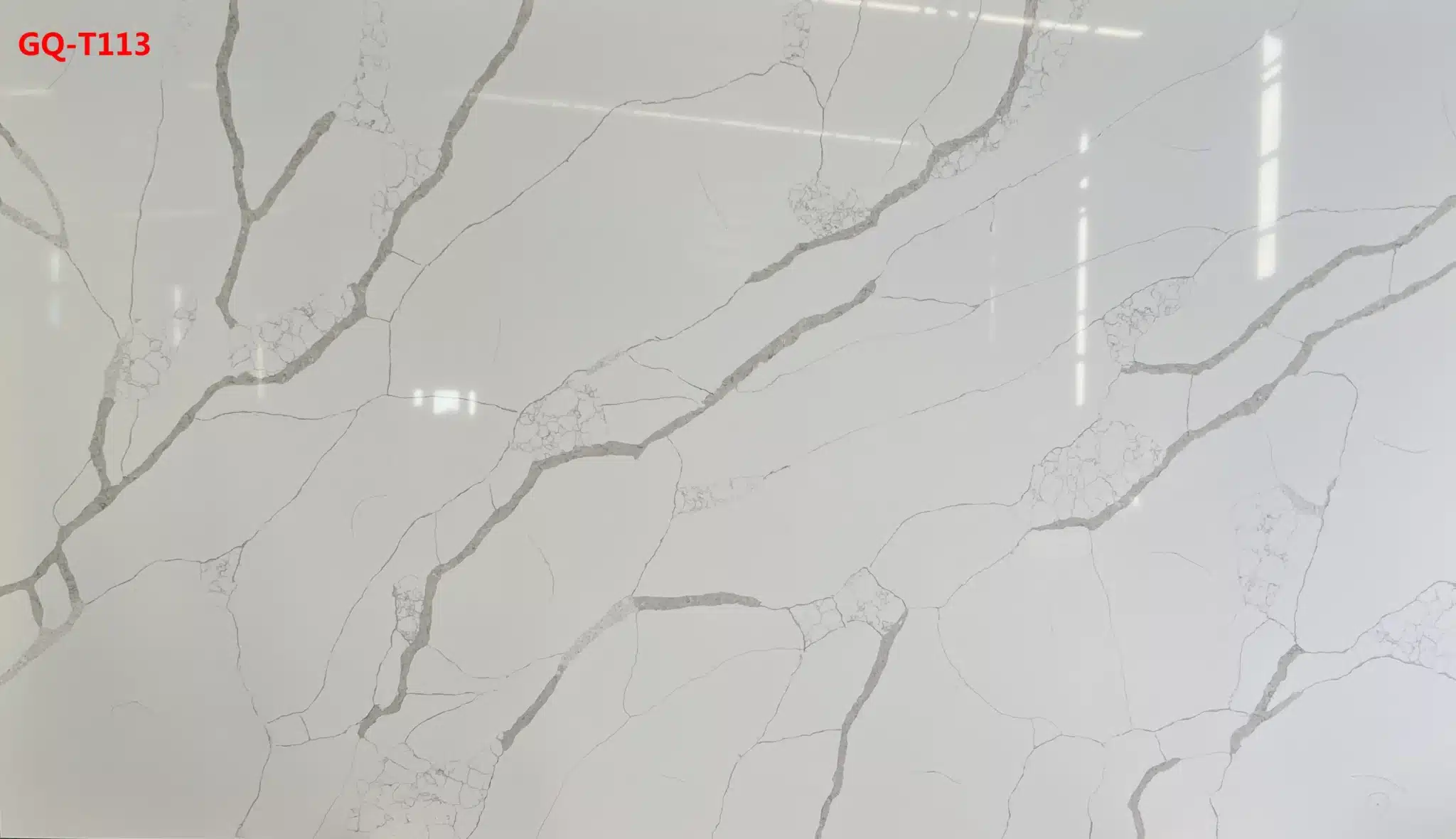
| الألوان الأساسية | أبيض لامع |
| لون (ألوان) الزخرفة | Cool Medium Grey Veins + Fine Delicate Grey Hairlines |
| صياغة | عادي |
| تشطيبات | مصقول / مصقول / سويدي / جلد |
| حجم مخصص | 138 بوصة × 79 بوصة / 126 بوصة × 63 بوصة / قابل للتخصيص |
| سُمك | 20mm/30mm/Customizable |
| أسلوب الحافة | حافة مصقولة مريحة/حافة مصفحة 2+2 سم/حافة مشطوفة |
| Full Body Quartz | نعم |
| متوفر بمطابقة الكتاب | نعم |
| Place of Origin | تايلاند |
| Port of Transportation | تايلاند |
| Packaging | Foam or carton inside + strong wooden crates with reinforced straps outside and fumigation |
| Delivery time | 15-20 days / Express service is negotiable. |
| MOQ | 10 ㎡ |
| Payment terms | 30%T/T after confirm the order and the 70% T/T by copy of B/L |
| أسطح العمل سكني: نعم تجاري: نعم |
| جدار سكني: نعم تجاري: نعم |
| أرضيات سكني: نعم تجاري: نعم |
وصف:
أسئلة متكررة
How much is Calacatta gold quartz Grand Quartz Tech?
That question comes up all the time—but there’s no single price.
What you pay depends on slab size, finish (polished vs honed), edge profile, seam count, and whether your fabricator charges by square foot or project.
Freight, duties, and local labor rates swing it more than the brand name.
Grand Quartz Tech offers Calacatta-style slabs in its Marble Look line—printed full-body quartz with consistent veining—and because it’s made in Thailand with dedicated production lines, lead times stay tight and volume orders often simplify logistics.
But don’t assume ‘Calacatta gold’ means one thing: some versions use surface-only printing, others go full-body; some have resin-rich tops that yellow under UV over time, others use UV-stable resins.
Most fabricators will tell you the real cost driver isn’t the brand—it’s how much templating, bookmatching, or custom miters you need.
And if you’re doing a hotel lobby or multi-unit build, slab yield matters more than per-sq-ft sticker price.
Always ask what’s included: CAD layout, seam placement, backsplash integration, or just raw slab delivery.
Calacatta Oro or Grand Quartz Tech Calacatta Gold Quartz?
Calacatta Oro is natural marble—beautiful, unpredictable, and high-maintenance.
You’ll get wild veining variation, soft calcite that etches from lemon juice or vinegar, and pores that hold oil stains unless sealed every 6–12 months.
Grand Quartz Tech Calacatta Gold is engineered quartz: non-porous, zero sealing, and stable under normal kitchen conditions.
But here’s what most sales reps won’t say: not all quartz mimics marble the same way.
Some brands use surface-only veining—so seams telegraph, and deep scratches expose plain base color.
Grand Quartz Tech’s Marble Look line uses Full Body Printed Quartz technology, meaning veining runs through the entire slab thickness.
That helps with seam blending and edge profiling, especially on 3cm countertops or waterfall islands.
In real-world kitchens, installers usually recommend quartz for rental units, condos, or spec homes where durability and consistency matter more than uniqueness.
But if you want that organic, hand-selected stone feel—and are willing to reseal and monitor acidic spills—marble still has its place.
Just know the tradeoff isn’t just cost—it’s daily upkeep versus long-term predictability.
Grand Quartz Tech quartz calacatta gold durability?
Durability isn’t just about Mohs hardness—it’s how the material behaves in actual use.
Calacatta Gold quartz holds up well against scratches and impact, but polished dark or veined slabs show smudges and water spots more than matte finishes.
Thermal shock is real: even quartz can crack if you set a 400°F cast-iron pan directly on a cold slab in winter.
Most fabricators recommend trivets—not because it’ll melt, but because rapid temperature shifts stress the resin matrix.
The printed veining holds up fine under normal wear, but aggressive scrubbing with steel wool or acidic cleaners can dull the surface over time.
Installers often report better edge retention on quartz with tighter resin-to-quartz ratios—Grand Quartz Tech’s low-silica production lines use refined binders that reduce micro-fracture risk during CNC routing.
Still, no quartz is indestructible: heavy objects dropped on unsupported overhangs, or improper substructure, cause more failures than material flaws.
In hospitality projects, we’ve seen 5+ years of heavy use with only minor edge nicks—fixable with epoxy and light sanding.
But if your job needs NSF certification for food prep areas, verify the specific lot meets NSF/ANSI 51—some quartz lines do, others don’t.
Does anyone have a Calacatta Gold Marble, Infinity White Quartzite, or Calacatta Swift Quartz countertops/backsplash? Would love to see photos?
I’ve dry-laid all three in commercial jobs—and the differences jump out fast.
Calacatta Gold marble has warm, buttery veining that shifts under light, but it’s porous enough that coffee rings show up before you finish wiping.
Infinity White quartzite feels denser, cooler to the touch, with softer gray veins and subtle crystalline sparkle—but it still needs sealing every 12–24 months depending on traffic.
Calacatta Swift quartz mimics the marble look closely, but the veining is more uniform and less prone to blotching near seams.
With Grand Quartz Tech’s jumbo slabs (up to 138" x 79"), you get fewer seams on large islands or continuous backsplashes—critical for busy kitchens where seam visibility affects perception of quality.
Photos help, but they lie: lighting, camera white balance, and screen calibration distort true tone and depth.
Better to request physical samples—or at least a dry-lay photo from your fabricator showing how the veining flows across your exact layout.
If you’re sourcing for a multi-unit project, ask for slab batch numbers: consistency matters more than aesthetics when matching 20+ units.
And skip Instagram hashtags—go straight to contractor forums or regional stone associations where installers post unfiltered job shots.