



- الصفحة الرئيسية
- كوارتز
- ألواح الكوارتز
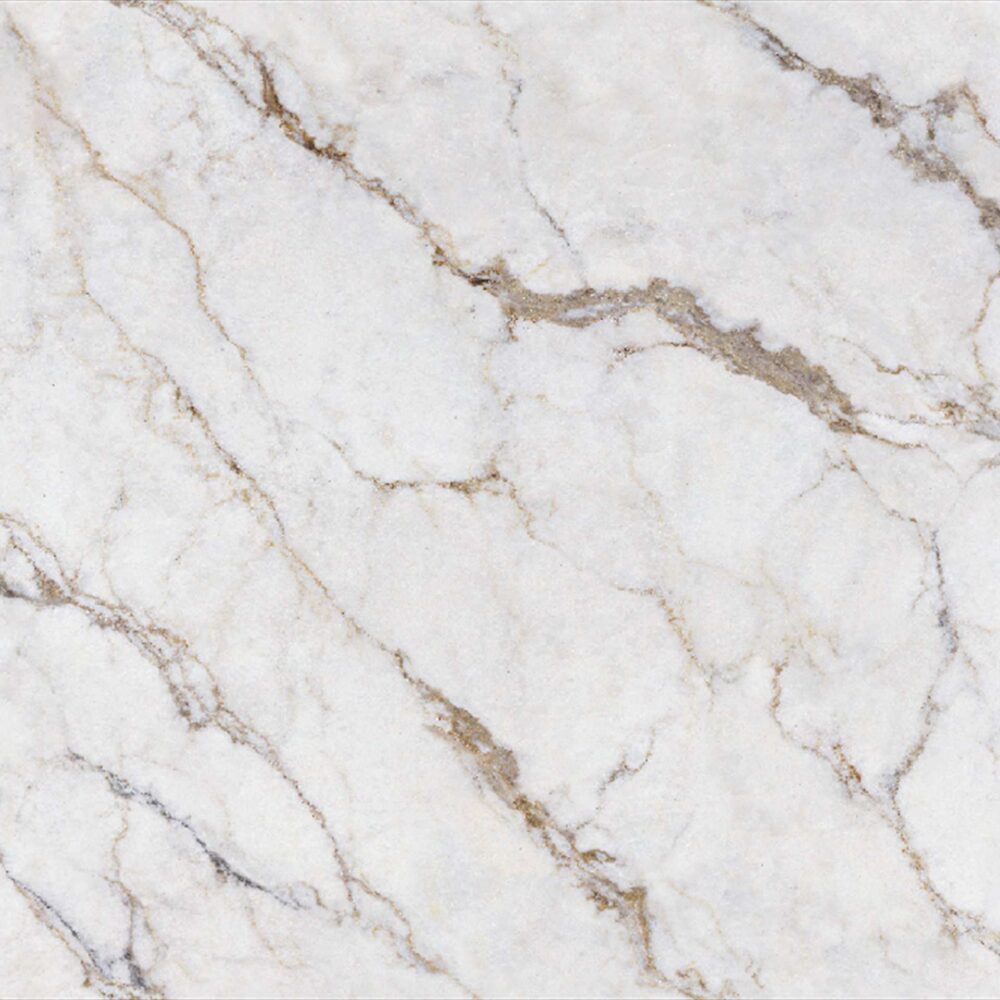
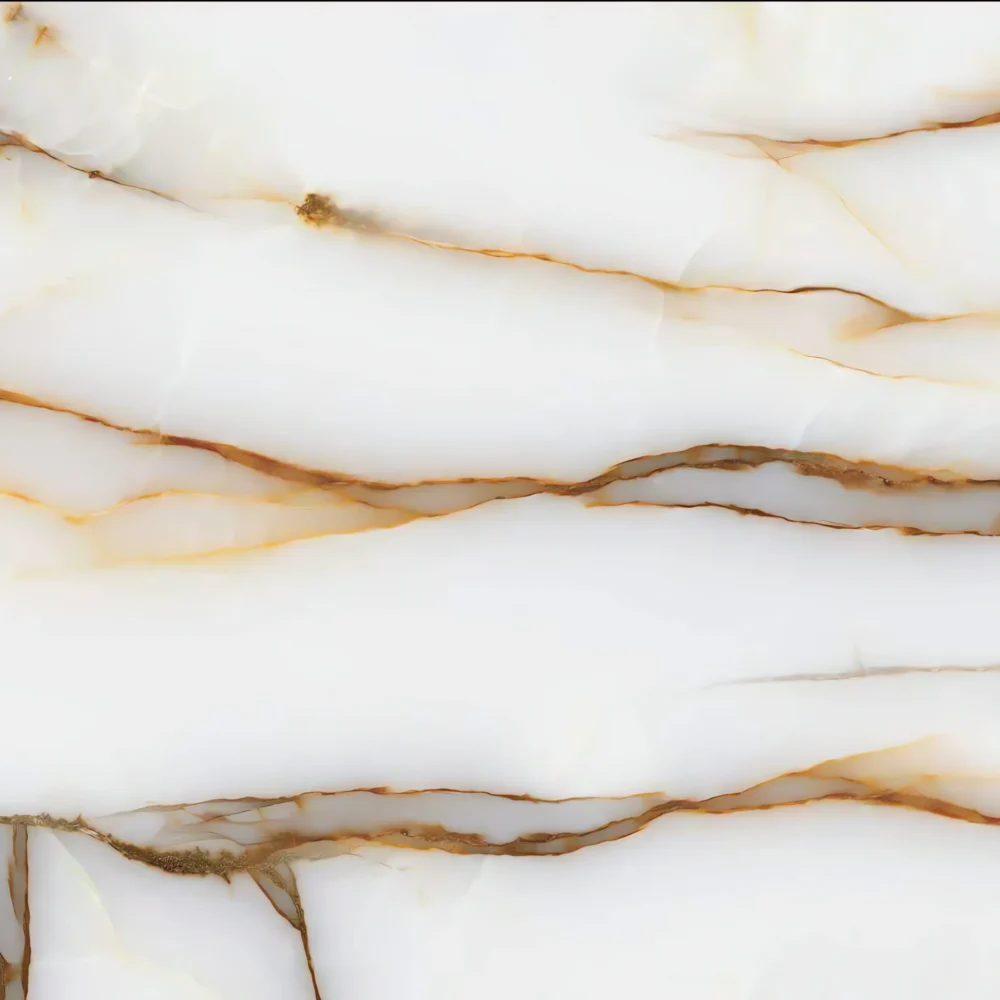
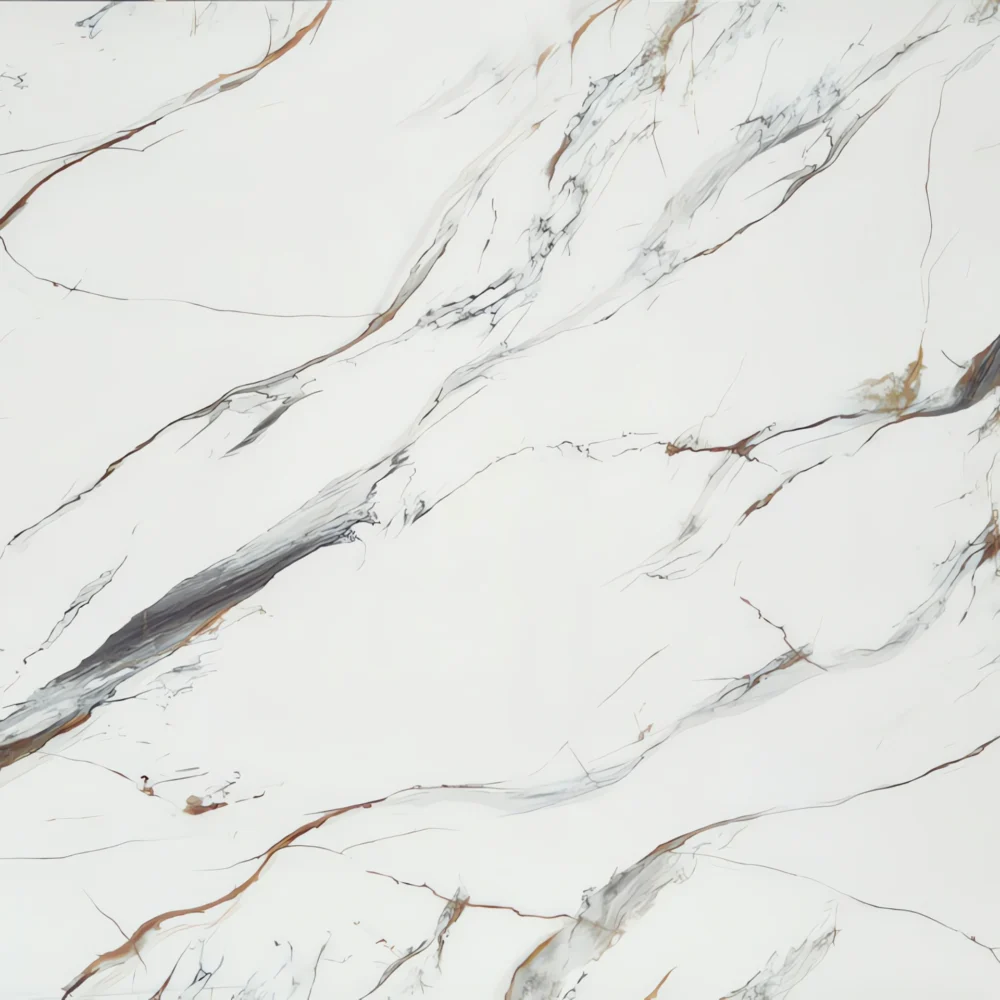
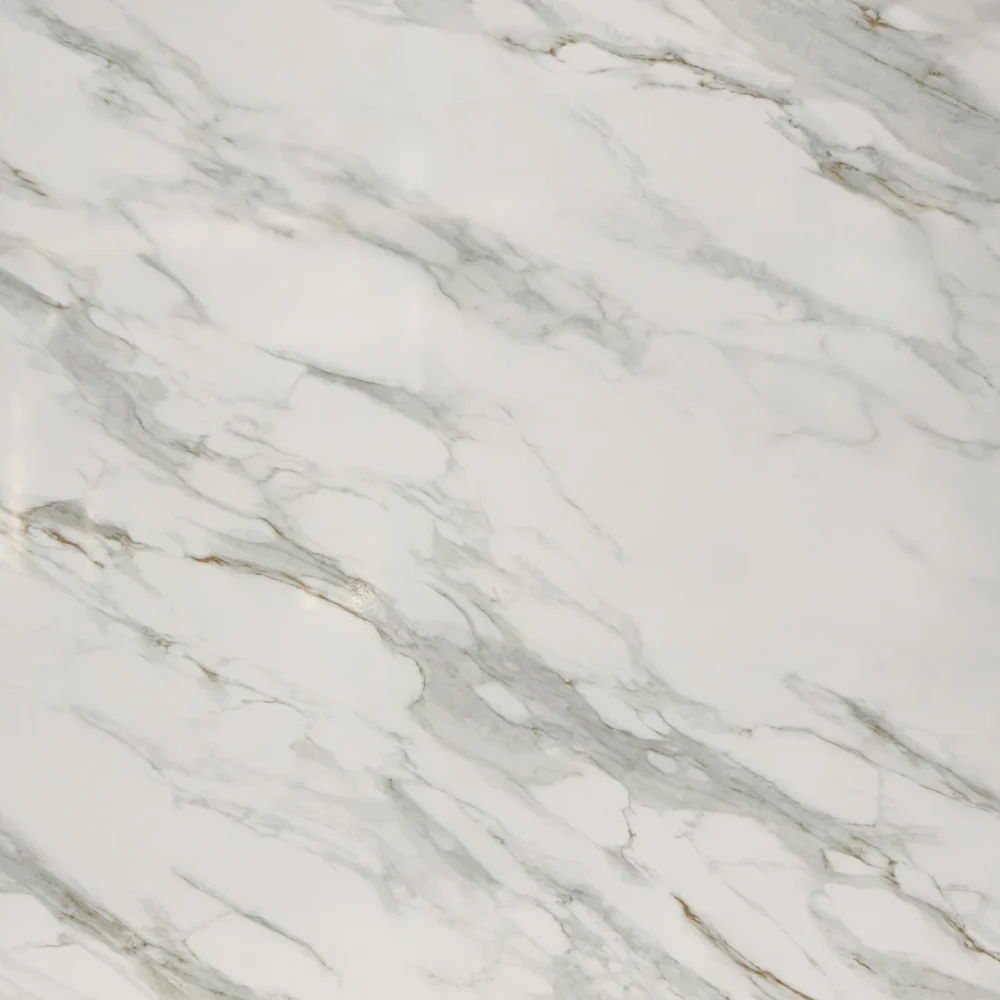
- Calacatta Quartz Slab with Grey Vein GQ-T346 for wholesale
Calacatta Quartz Slab with Grey Vein GQ-T346 for wholesale
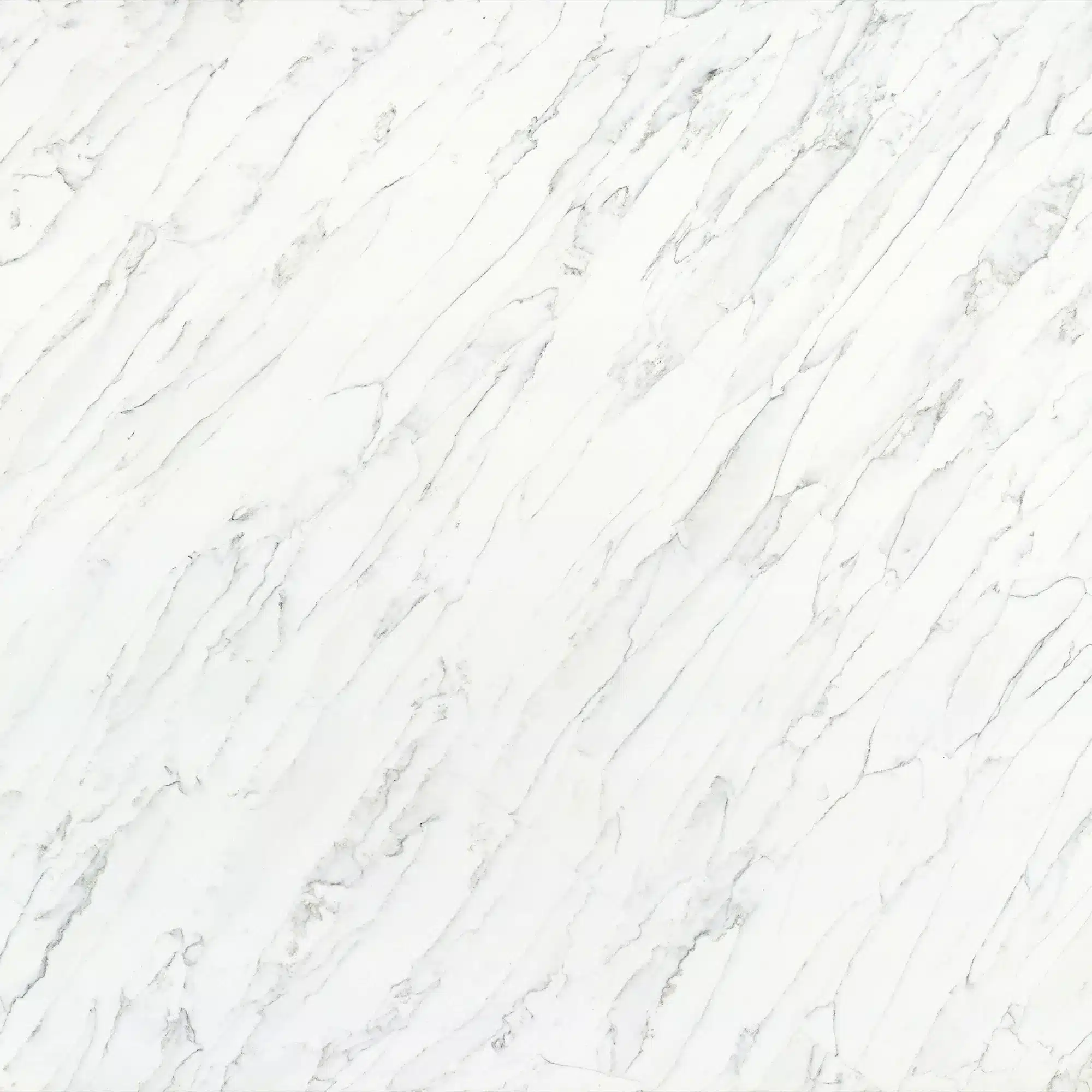
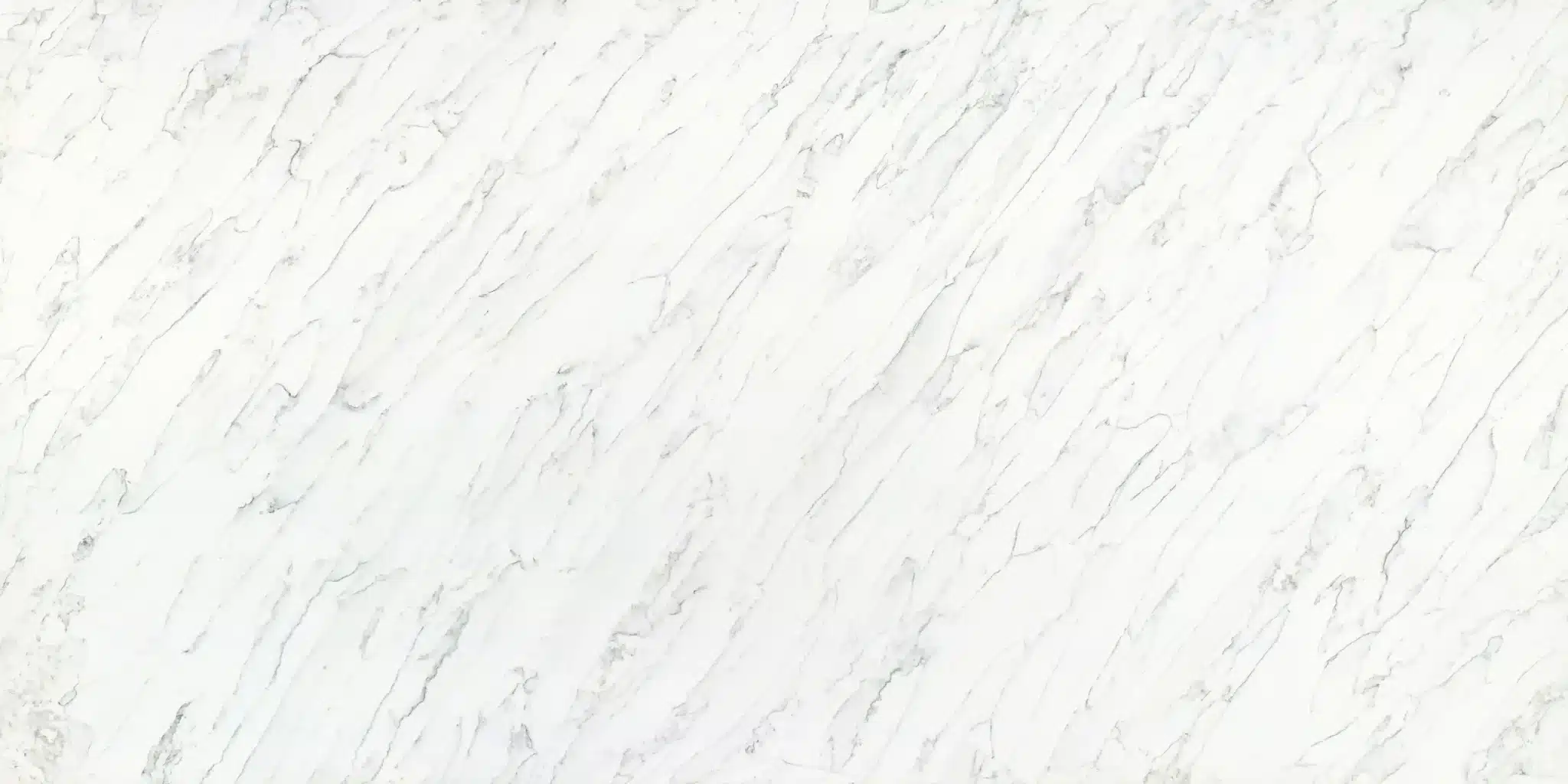
| الألوان الأساسية | أبيض لامع |
| لون (ألوان) الزخرفة | Fine Diagonal Grey Veins + Feathered Charcoal Accents |
| صياغة | عادي |
| تشطيبات | مصقول / مصقول / سويدي / جلد |
| حجم مخصص | 138 بوصة × 79 بوصة / 126 بوصة × 63 بوصة / قابل للتخصيص |
| سُمك | 20mm/30mm/Customizable |
| أسلوب الحافة | حافة مصقولة مريحة/حافة مصفحة 2+2 سم/حافة مشطوفة |
| تغيرات | وسط |
| Full Body Quartz | نعم |
| متوفر بمطابقة الكتاب | نعم |
| Place of Origin | تايلاند |
| Port of Transportation | تايلاند |
| Packaging | Foam or carton inside + strong wooden crates with reinforced straps outside and fumigation |
| Delivery time | 15-20 days / Express service is negotiable. |
| MOQ | 10 ㎡ |
| Payment terms | 30%T/T after confirm the order and the 70% T/T by copy of B/L |
| أسطح العمل سكني: نعم تجاري: نعم |
| جدار سكني: نعم تجاري: نعم |
| أرضيات سكني: نعم تجاري: نعم |
وصف:
أسئلة متكررة
What are common issues with quartz countertops?
Most fabricators will tell you quartz is reliable—but it’s not trouble-free.
Seams are the biggest real-world headache: inconsistent veining or subtle color shifts between slabs make blending tough, especially on busy patterns.
Polished dark colors often show smudges and water spots more than lighter finishes, and some resin systems haze or cloud after aggressive polishing.
Edge chipping happens—not from the material itself, but when fabrication tools aren’t dialed in or when corners get bumped during handling.
Bookmatching?
It’s doable, but only if the veining is printed consistently across slabs and dry-laid first.
Thermal shock is another quiet issue: drop a hot pan straight from oven to countertop, and you risk micro-fractures near the impact zone—even if it doesn’t crack visibly right away.
And while quartz resists stains, strong alkaline cleaners or prolonged bleach exposure can dull the surface over time.
Bottom line: quartz performs well in kitchens and bathrooms, but it’s not maintenance-free or indestructible.
How it holds up depends heavily on slab consistency, fabrication skill, and how it’s used day-to-day.
What are the pros and cons of Calacatta-style quartz?
Calacatta-style quartz delivers that high-contrast marble look without the upkeep—but it’s got tradeoffs.
Pros: consistent veining across slabs (especially with full-body printed tech), no sealing, and good resistance to everyday scratches and stains.
In real-world kitchens, it holds up fine under normal use—dishwashers, coffee makers, even light cutting.
But cons add up fast if you’re not careful.
Heavy veining can telegraph seams, making joints more visible unless bookmatched precisely.
Darker Calacatta variants show fingerprints and water marks on polished finishes—honed helps, but then you lose some sheen.
Some versions have resin that reacts to UV exposure over time, especially near south-facing windows, leading to slight yellowing in the top layer.
Also, supply isn’t always steady: popular patterns like Calacatta Gold can lag on lead time, especially for jumbo sizes.
Most installers recommend dry-laying every slab before cutting—and checking seam placement against traffic flow and lighting.
It’s a strong visual choice, but not all Calacatta looks perform the same way in practice.
Are engineered quartz countertops good?
Yes—if you know what you’re getting.
From a fabricator’s standpoint, engineered quartz is predictable: uniform thickness, minimal warping, and clean edge cuts without the risk of natural stone cracking.
That makes it easier to template, cut, and polish consistently.
It’s non-porous, so no sealing, and resists moisture-driven issues like mold in wet areas.
But ‘good’ depends on execution.
Lower-tier quartz sometimes delaminates at the edge or shows seam telegraphing on bold patterns.
Resin quality matters: cheaper binders yellow faster under UV or degrade with harsh cleaners.
Heat resistance is real—but thermal shock from sudden temperature changes still risks micro-fractures.
And while it’s harder than granite, it’s not immune to impact damage; a dropped cast-iron skillet can chip even the best slab.
In high-traffic commercial spaces, durability holds up well—provided seams are properly reinforced and the finish matches the environment (e.g., honed over polished in hospitality lobbies).
Grand Quartz Tech uses 3I full-body tech, which improves consistency and reduces variation between slabs—especially helpful for large layouts or bookmatched installations.
What is quartz engineered stone?
Quartz engineered stone is a blend of ~93% ground quartz crystals and ~7% resin binder, pigments, and sometimes glass or mirror chips—pressed and cured under vacuum and heat into slabs.
It’s made in controlled factory conditions, so color, thickness, and density stay consistent—unlike natural stone.
That predictability helps fabricators avoid surprises during templating or edge profiling.
It’s non-porous, so bacteria and liquids don’t soak in—no sealing needed.
But it’s not all quartz: the resin component affects performance.
Some resins soften slightly under sustained heat, others yellow with UV exposure or degrade with ammonia-based cleaners.
Thickness matters too: 2cm slabs need proper support for overhangs; 3cm gives more structural margin but adds weight and cost.
Full-body printed quartz—like what Grand Quartz Tech runs on dedicated lines—means the pattern goes all the way through, so edges match the surface instead of showing a solid core.
Still, it’s man-made: it won’t age like marble, but it also won’t develop patina.
Its strength lies in consistency—not character.