



- الصفحة الرئيسية
- كوارتز
- ألواح الكوارتز
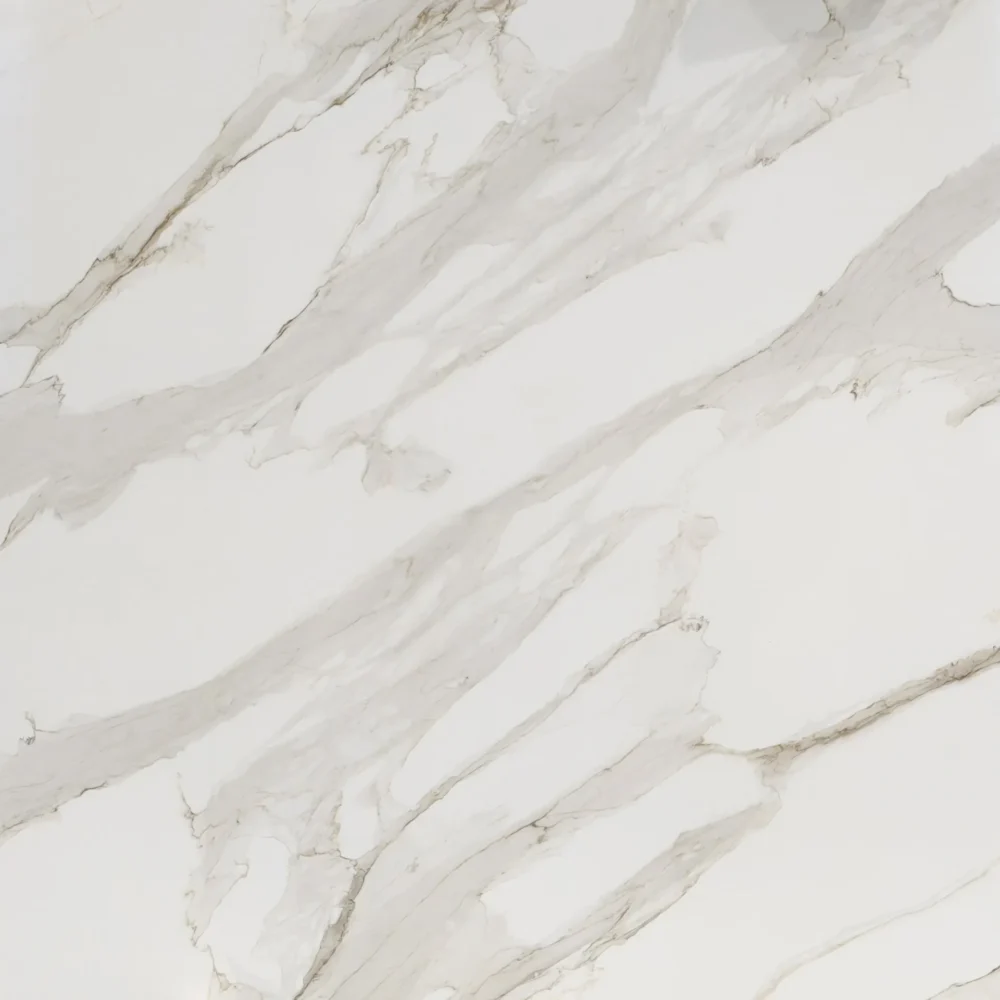
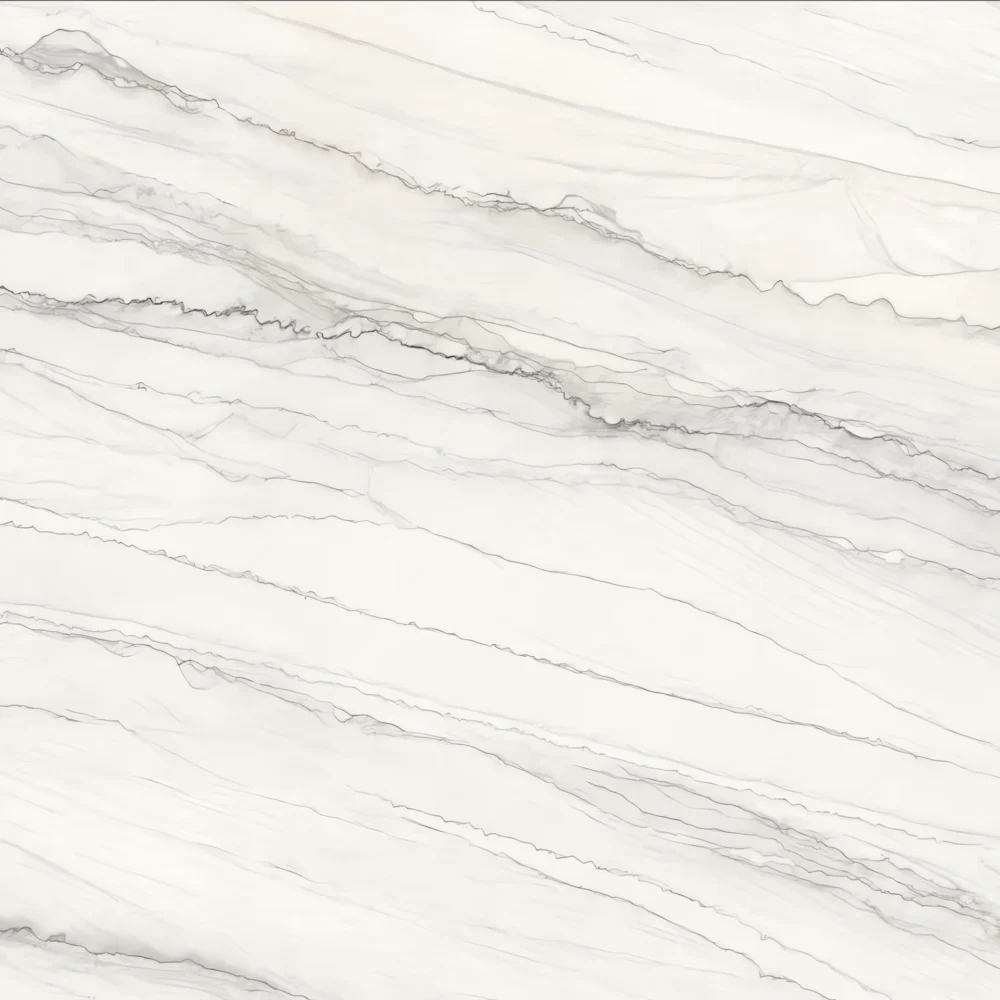
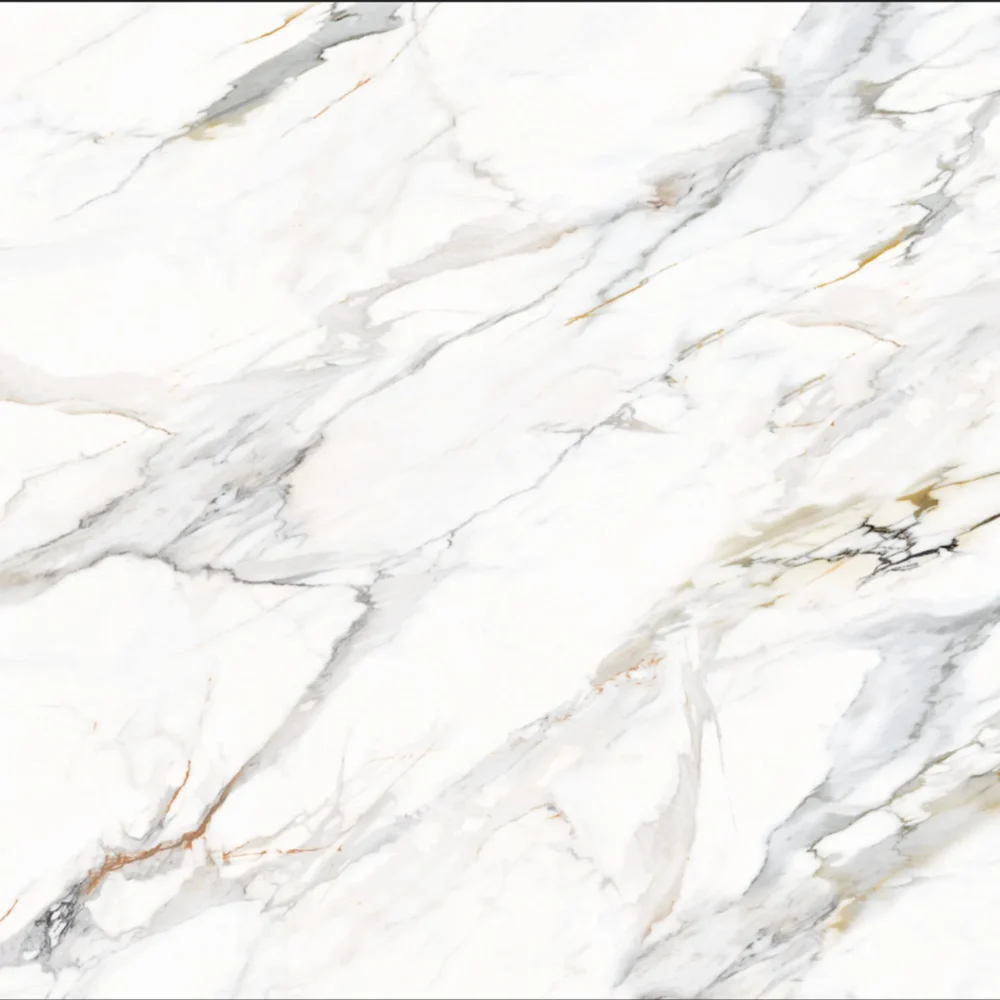
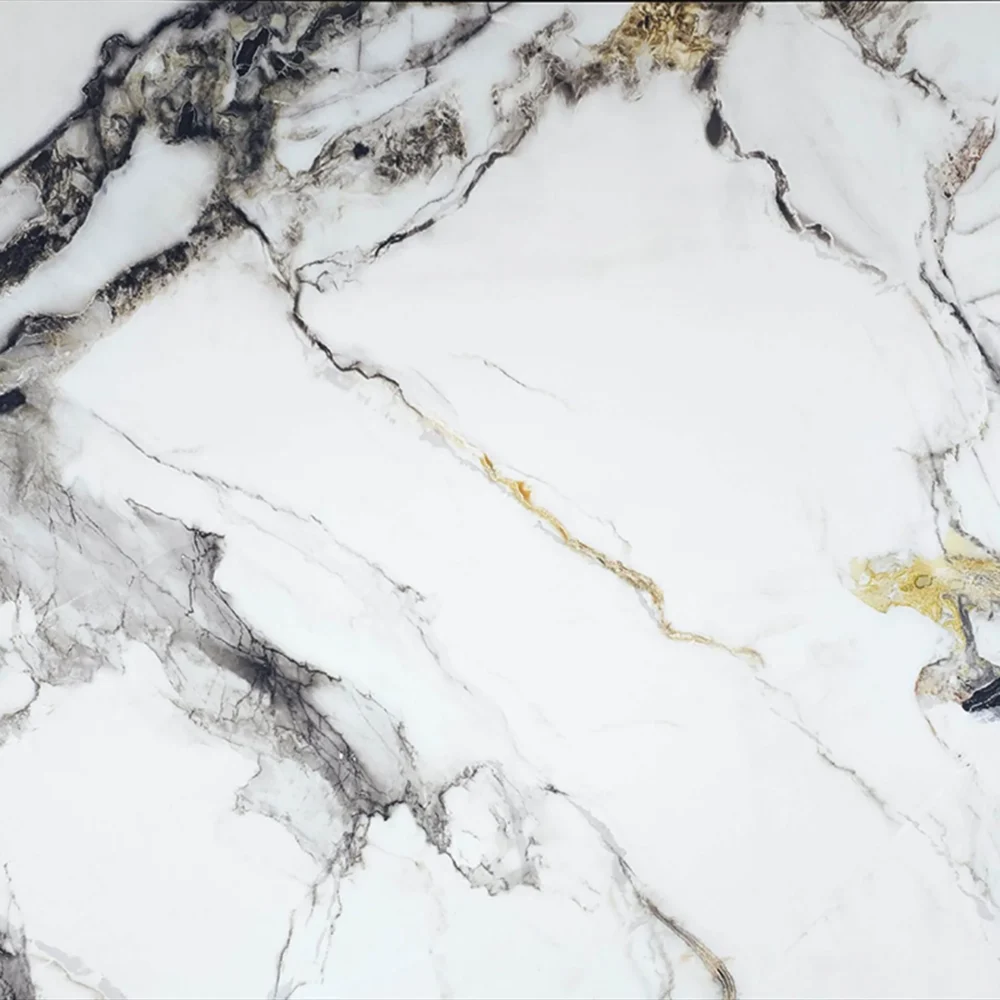
- Calacatta Venato Silver Quartz GQ-T2211 for wholesale
Calacatta Venato Silver Quartz GQ-T2211 for wholesale
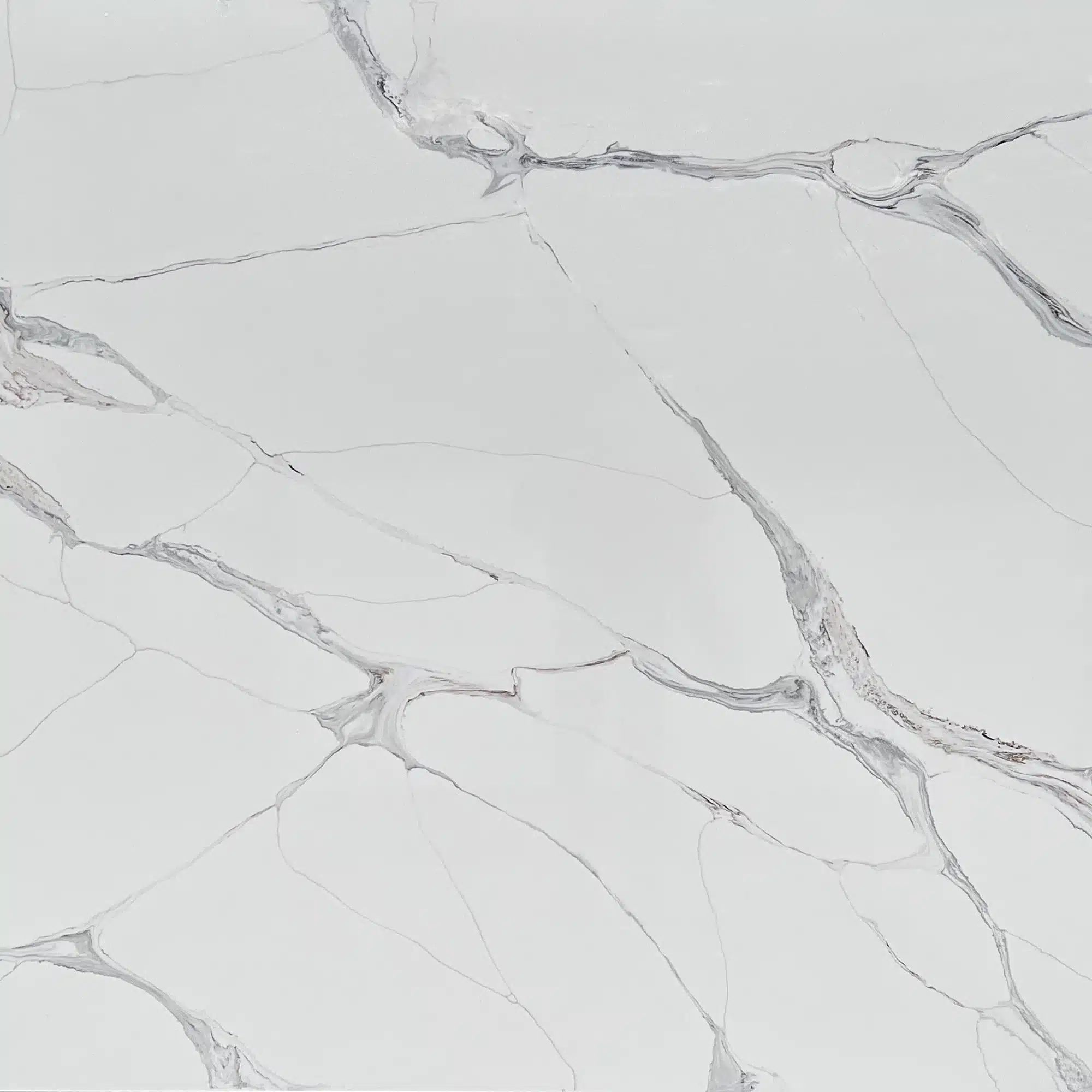
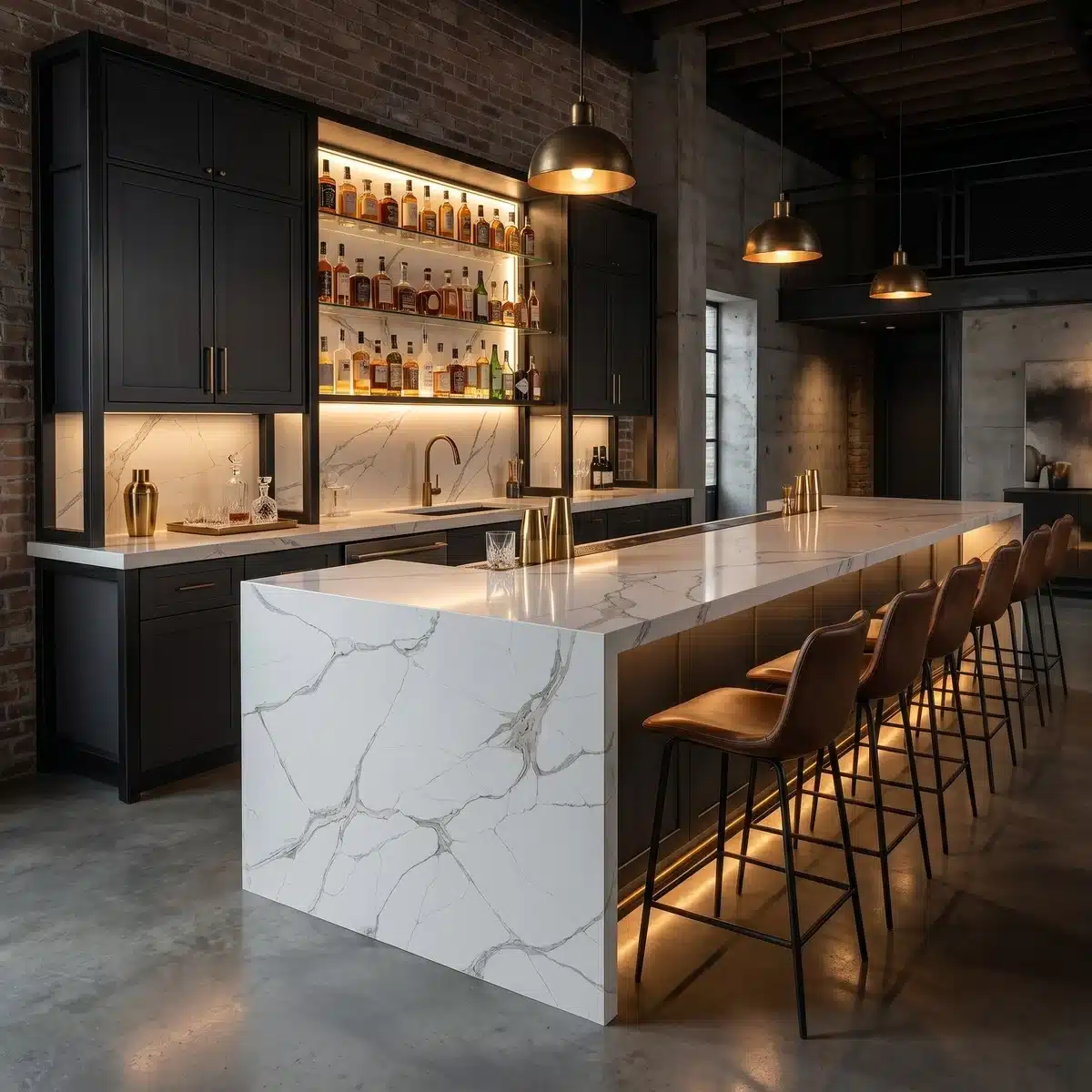
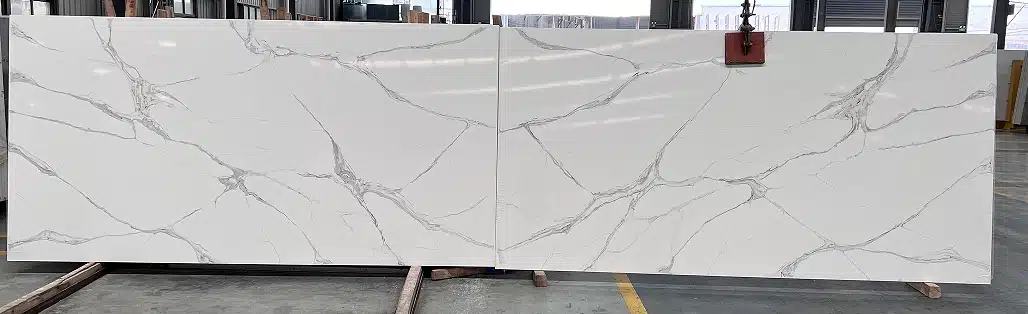
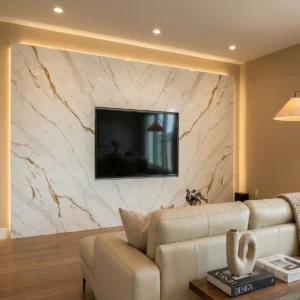
| الألوان الأساسية | أبيض لامع |
| لون (ألوان) الزخرفة | Slate Grey + Charcoal Grey Veins with Muted Copper Highlights |
| صياغة | عادي |
| تشطيبات | مصقول / مصقول / سويدي / جلد |
| حجم مخصص | 138 بوصة × 79 بوصة / 126 بوصة × 63 بوصة / قابل للتخصيص |
| سُمك | 20mm/30mm/Customizable |
| أسلوب الحافة | حافة مصقولة مريحة/حافة مصفحة 2+2 سم/حافة مشطوفة |
| Full Body Quartz | نعم |
| متوفر بمطابقة الكتاب | نعم |
| Place of Origin | تايلاند |
| Port of Transportation | تايلاند |
| Packaging | Foam or carton inside + strong wooden crates with reinforced straps outside and fumigation |
| Delivery time | 15-20 days / Express service is negotiable. |
| MOQ | 10 ㎡ |
| Payment terms | 30%T/T after confirm the order and the 70% T/T by copy of B/L |
| أسطح العمل سكني: نعم تجاري: نعم |
| جدار سكني: نعم تجاري: نعم |
| أرضيات سكني: نعم تجاري: نعم |
وصف:
أسئلة متكررة
How much is Calacatta Ocellio quartz?
Calacatta Ocellio quartz pricing depends on several real-world factors—not just the slab.
Slab cost varies by distributor, freight, and current container rates from Asia.
Fabrication adds another layer: edge profiles, seam count, sink cutouts, and waste factor all shift the final number.
Polished finishes on busy veined patterns often need extra labor to hide seams and align veins—especially bookmatched runs.
Most fabricators charge more for jumbo slabs (like 138" x 79") because they reduce seam count but require heavier handling and tighter CNC tolerances.
Project volume matters too: a 50-slab hospitality order usually lands at a different rate than a single residential kitchen.
And don’t forget lead time—if you need it in under 3 weeks, expect a .
I always tell clients to get line-item quotes: separate slab, fabrication, and installation costs.
That way you see where the money goes—and whether 'free sink cutout' means standard 30" or custom radius.
Who makes Calacatta Ocellio quartz?
Calacatta Ocellio quartz isn’t tied to one brand—it’s a design pattern replicated across multiple engineered quartz manufacturers.
Grand Quartz Tech (GQ) produces its own version using Full Body Printed Quartz technology, made entirely in Chonburi, Thailand.
Their version uses UV-stable pigments and low-silica resin systems, which helps reduce yellowing risk on warm-toned veining over time.
Unlike some printed quartz that fades or blurs during edge polishing, GQ’s process embeds the pattern deeper into the slab—so honed or eased edges hold the vein structure better.
That said, not all Calacatta Ocellio-look slabs are equal: some use surface-only printing, which wears off on high-use edges or gets masked by resin pooling in deep veining.
If you’re specifying for a commercial job, ask for SGS test reports on colorfastness and check batch consistency—especially if ordering in phases.
I’ve seen jobs where Phase 1 and Phase 2 slabs didn’t bookmatch due to minor pigment drift between production runs.
What is the most popular calacatta quartz countertop?
Popularity shifts fast—but right now, warm-white Calacatta styles with medium-contrast veining are winning in both residential and mid-rise hospitality projects.
Not because they’re ‘trendy,’ but because they photograph well, install cleanly, and age predictably.
High-contrast black-and-white versions look sharp in showrooms but telegraph seams more and show smudges on polished finishes.
GQ’s Marble Look line includes several Calacatta variants designed specifically for U.S. job sites: consistent veining density, balanced contrast, and slab sizes that minimize seams in standard kitchen layouts (126" x 63" and 138" x 79").
Installers tell me the top performers aren’t always the flashiest—they’re the ones where the vein flow stays readable across seams and doesn’t disappear under a 1/4" eased edge.
Also, NSF-certified options matter more now in senior living and food-service spaces, so we’re seeing demand shift toward certified low-VOC, low-silica slabs—even if the visual is similar to older stock.
Calacatta Quartz Countertops: Good Choice?
Yes—but only if you match the pattern to the application.
In real-world kitchens, Calacatta quartz holds up fine against daily use: no sealing, no etching from lemon juice or vinegar, and decent heat tolerance if you avoid direct pan contact.
But polished dark-veined versions show fingerprints and water spots more than matte or honed finishes—especially in high-humidity bathrooms or open-concept spaces.
Seam visibility is the biggest surprise for first-time buyers: busy veining helps hide seams, but only if the fabricator books the slabs properly and matches vein direction across joints.
Some patterns look great flat but break visually at corners or waterfall ends.
Also, thermal shock matters—slabs shipped cold from Thailand can crack if installed straight onto heated subfloors in winter.
Most contractors I work with now acclimate slabs for 48 hours before templating.
And while quartz won’t stain, aggressive cleaners with bleach or ammonia can dull the polish over time.
For long-term performance, stick with pH-neutral cleaners and avoid dragging heavy cast-iron pans across the surface.