



- الصفحة الرئيسية
- المنتجات
- ألواح الكوارتز
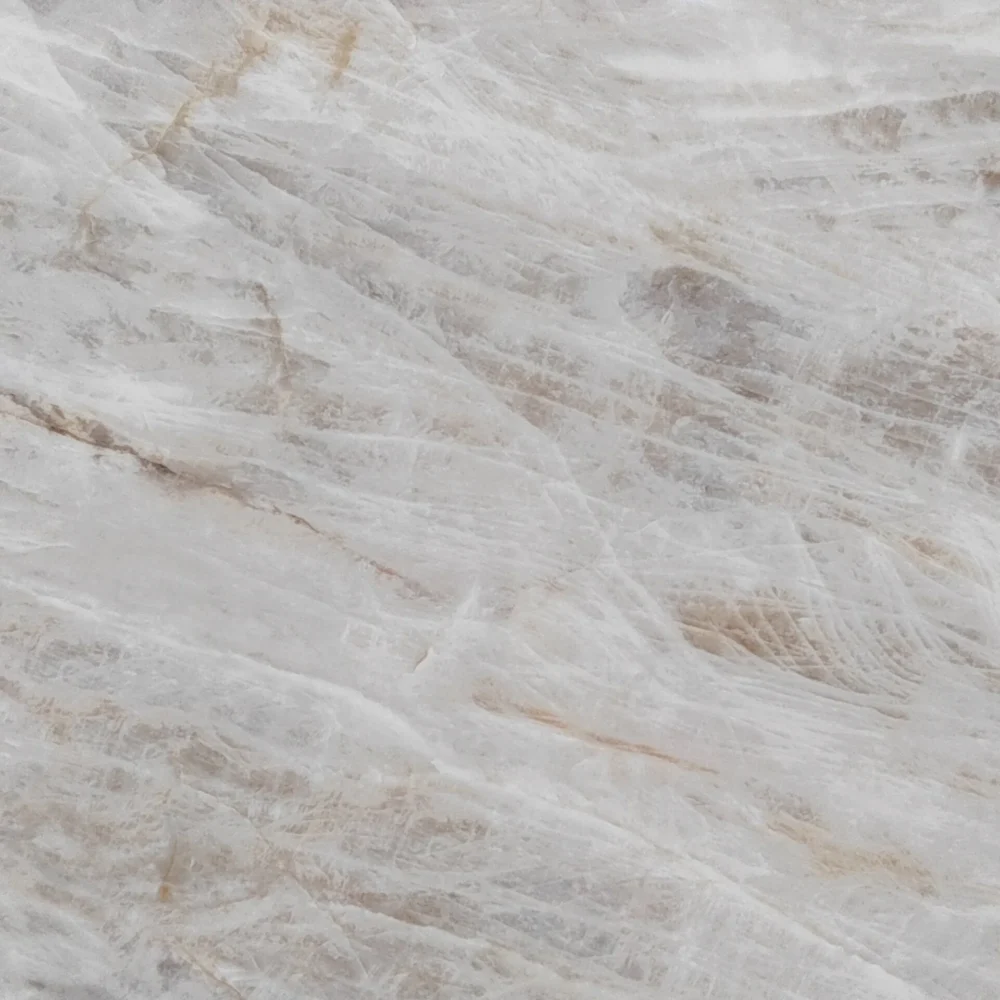
- Blue Lapis Quartz Countertops GQ-T227 for Wholesale
Blue Lapis Quartz Countertops GQ-T227 for Wholesale
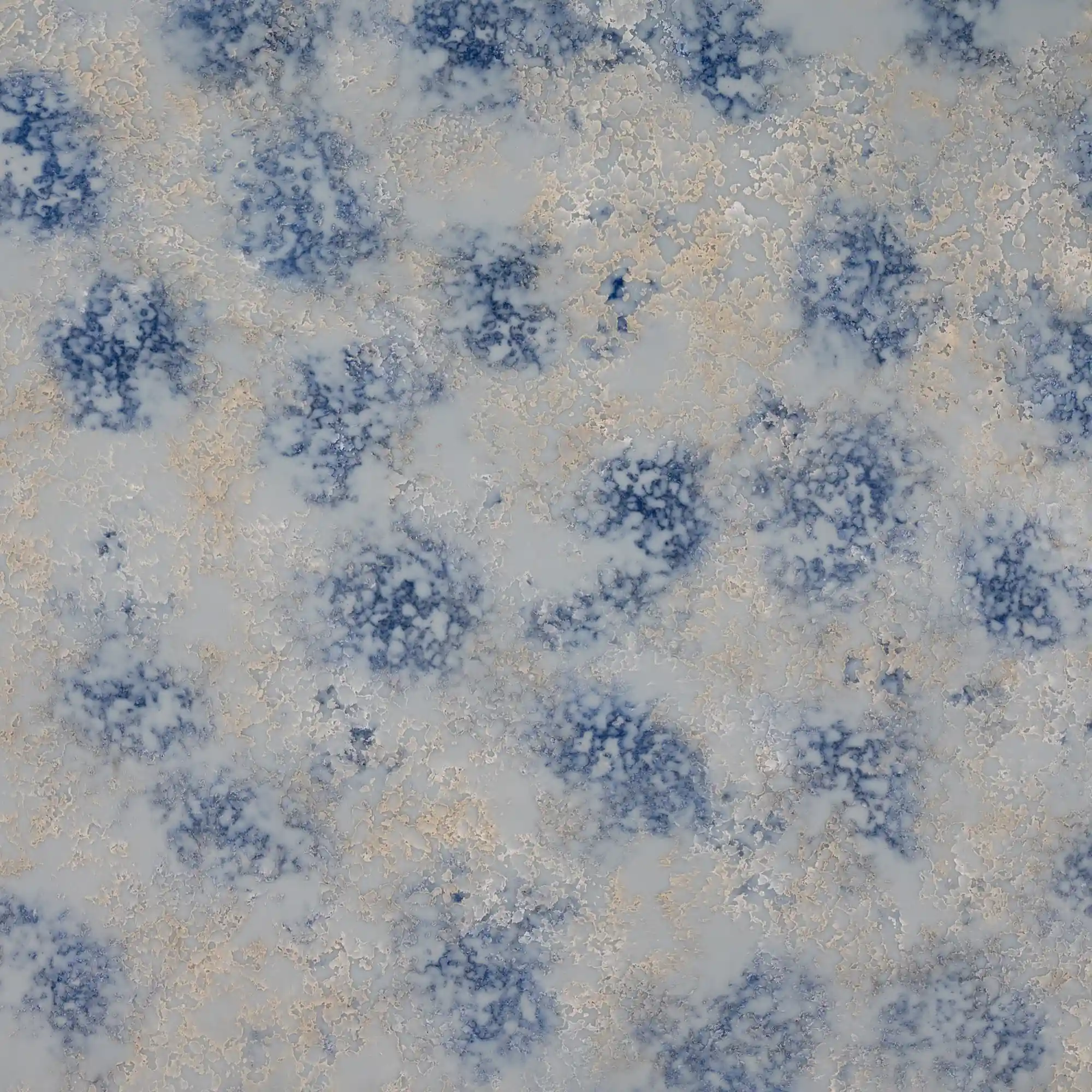
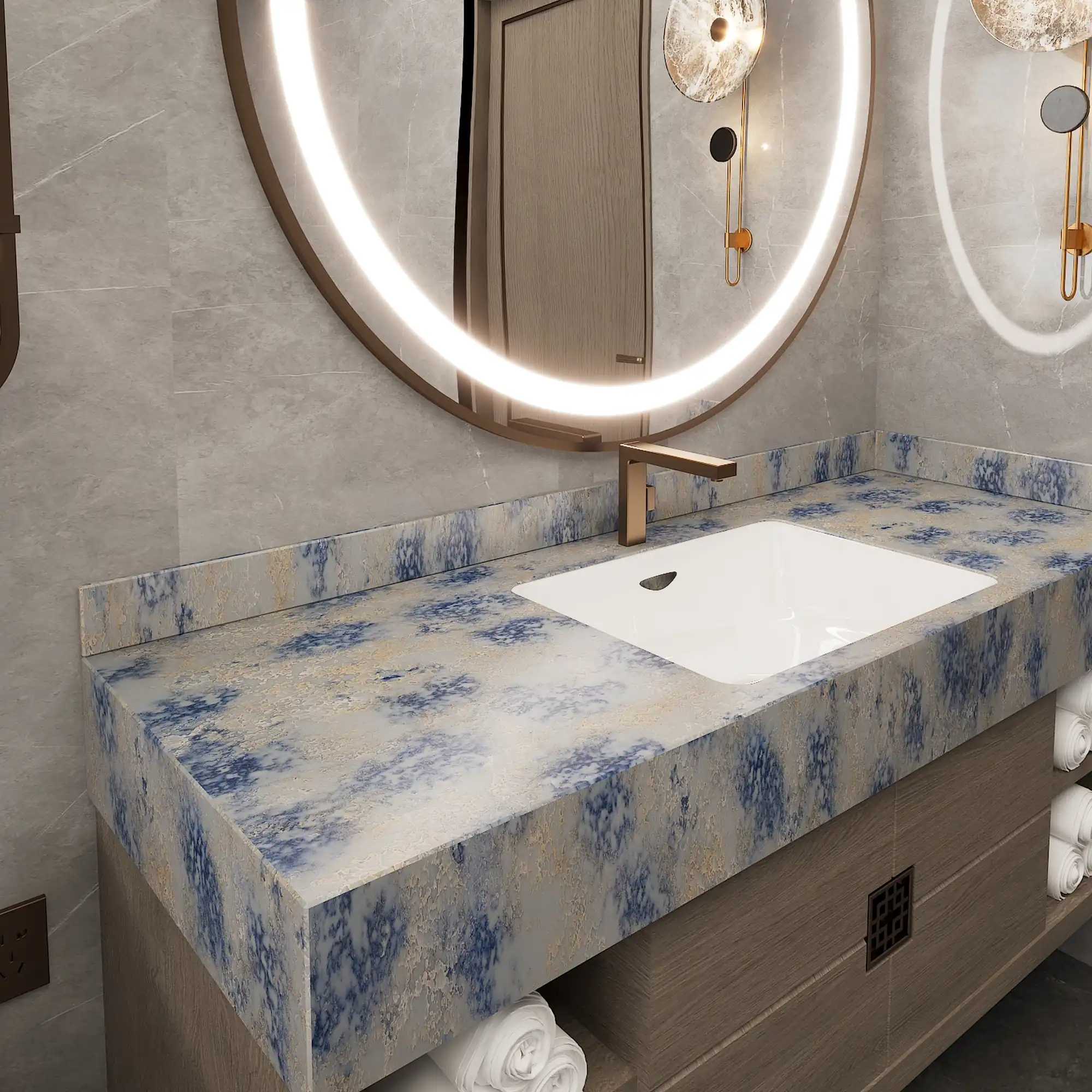
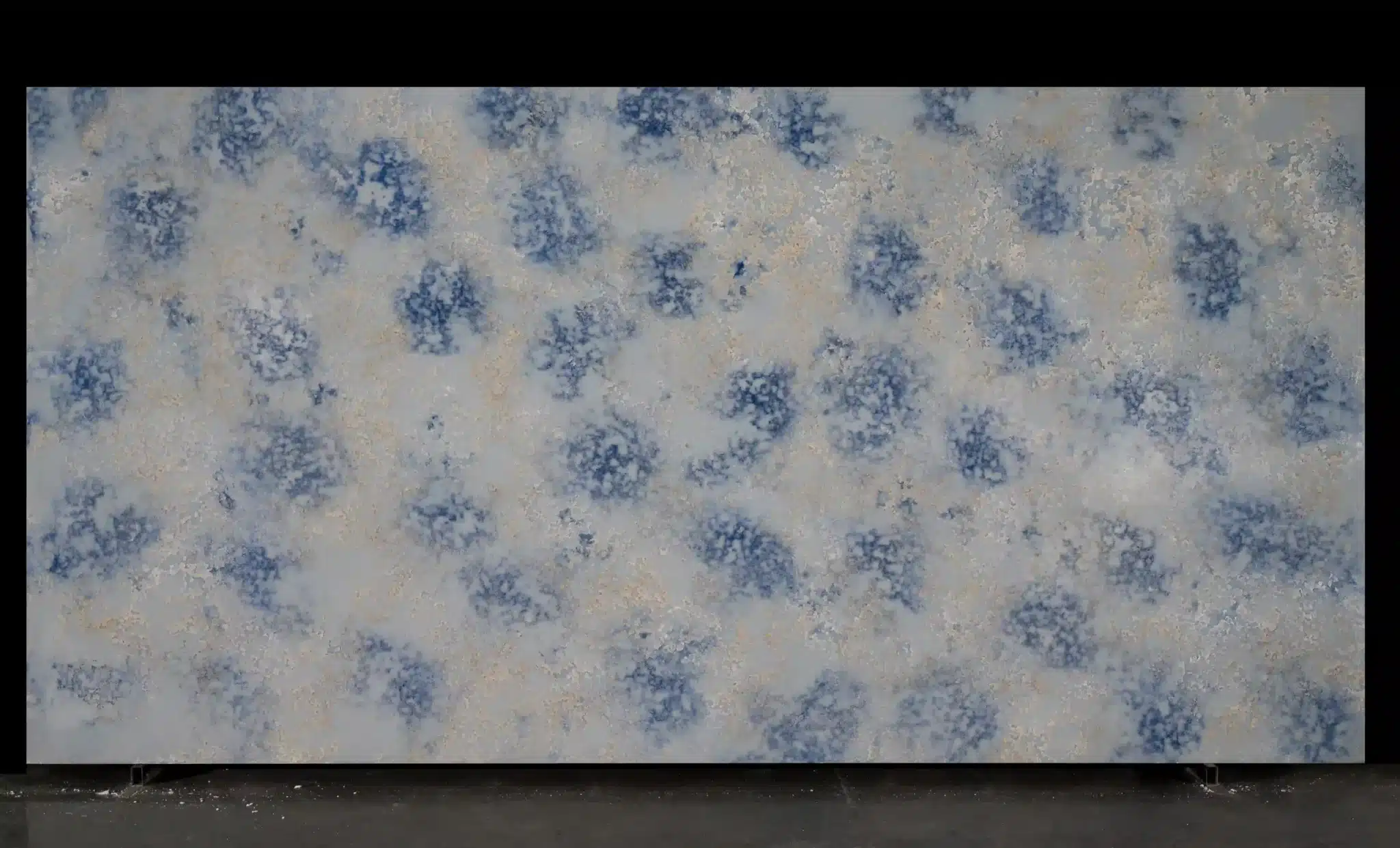
| الألوان الأساسية | Pale Icy Blue-White |
| لون (ألوان) الزخرفة | Deep Ink Blue Cloud + Soft Champagne Shimmer |
| صياغة | عادي |
| تشطيبات | مصقول / مصقول / سويدي / جلد |
| حجم مخصص | 138 بوصة × 79 بوصة / 126 بوصة × 63 بوصة / قابل للتخصيص |
| السماكة | 20mm/30mm/Customizable |
| أسلوب الحافة | حافة مصقولة مريحة/حافة مصفحة 2+2 سم/حافة مشطوفة |
| كوارتز مطبوع لكامل الجسم | نعم |
| متوفر بمطابقة الكتاب | نعم |
| Place of Origin | تايلاند |
| Port of Transportation | تايلاند |
| Packaging | Foam or carton inside + strong wooden crates with reinforced straps outside and fumigation |
| Delivery time | 15-20 days / Express service is negotiable. |
| MOQ | 10 ㎡ |
| Payment terms | 30%T/T after confirm the order and the 70% T/T by copy of B/L |
| أسطح العمل سكني: نعم تجاري: نعم |
| جدار سكني: نعم تجاري: نعم |
| أرضيات سكني: نعم تجاري: نعم |
وصف:
أسئلة متكررة
Do and don'ts for quartz countertops?
Here’s the real deal from a fabricator’s POV: Do use mild soap and water for daily cleaning—Dawn dish soap is fine. Do wipe up spills promptly, especially acidic ones like lemon juice or vinegar. Do use trivets or hot pads—quartz can handle heat but not prolonged direct contact from hot pans. Do use cutting boards; while quartz is scratch-resistant, it’s not indestructible. Don’t use abrasive cleaners, steel wool, or scouring pads—they’ll scratch the surface. Don’t use Clorox wipes or bleach frequently—they can degrade the resin over time and cause dullness. Don’t drill holes or cut into the countertop without professional help—this can compromise the integrity. Don’t assume it’s completely stain-proof—oil-based stains (like olive oil) can still penetrate if left too long. And don’t skip the seaming—poorly aligned seams are a visual flaw. Lastly, don’t forget: quartz is non-porous, so no sealing needed. But if you’re installing it, make sure the installer knows how to handle it properly—bad fabrication ruins even the best material.
Is Engineered Quartz and Quartzite the same thing ?
No, engineered quartz and quartzite are not the same—though they’re often confused. Quartzite is a natural metamorphic rock, formed when sandstone is exposed to extreme heat and pressure. It’s hard, durable, and has a unique veined look, but it’s porous and needs regular sealing to resist stains. Engineered quartz, on the other hand, is man-made—usually 90–95% natural quartz mixed with resin and pigments. It’s non-porous, doesn’t need sealing, and offers consistent patterns and colors. In a kitchen, quartzite feels more ‘natural’ and can be more dramatic in veining, but it’s more maintenance-heavy. Engineered quartz is more consistent and easier to care for. So if you’re choosing between the two: quartzite for character and a natural stone feel, engineered quartz for low maintenance and uniformity. They’re different beasts, even if they both look like white stone with veins.