



- الصفحة الرئيسية
- كوارتز
- ألواح الكوارتز
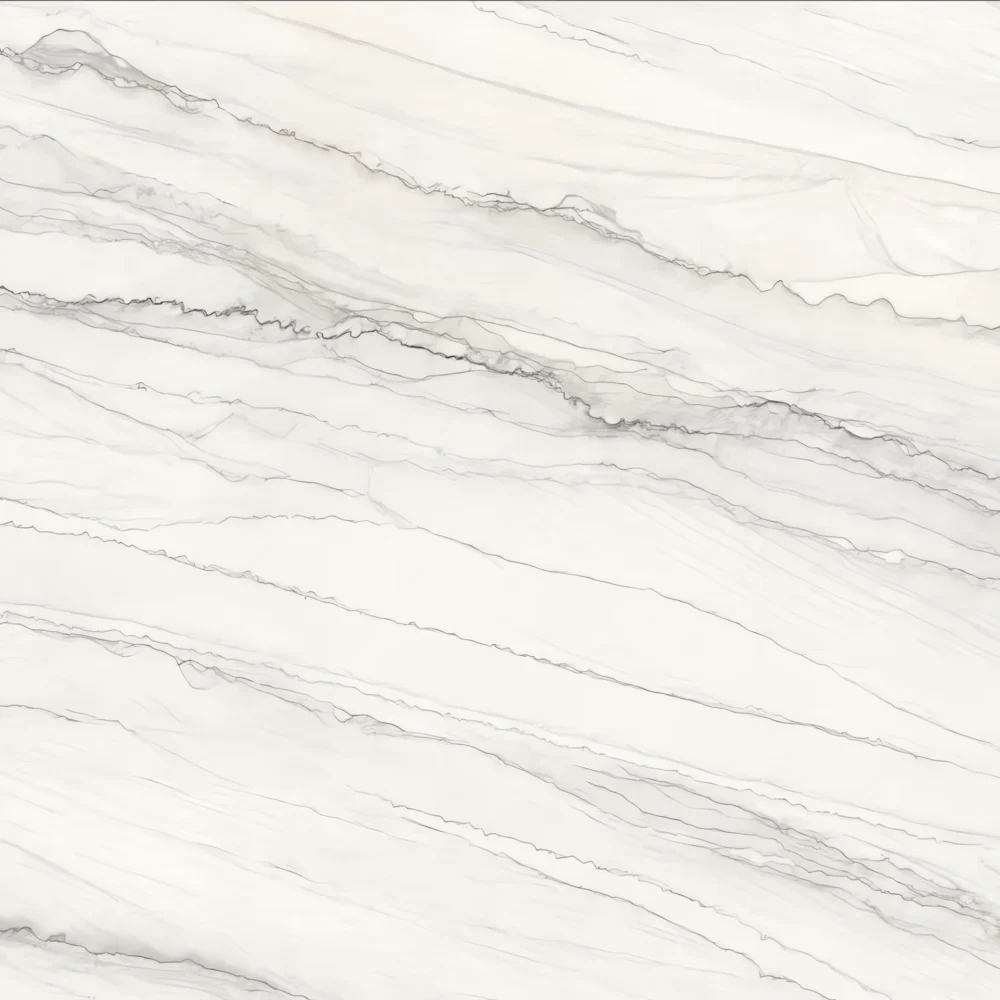
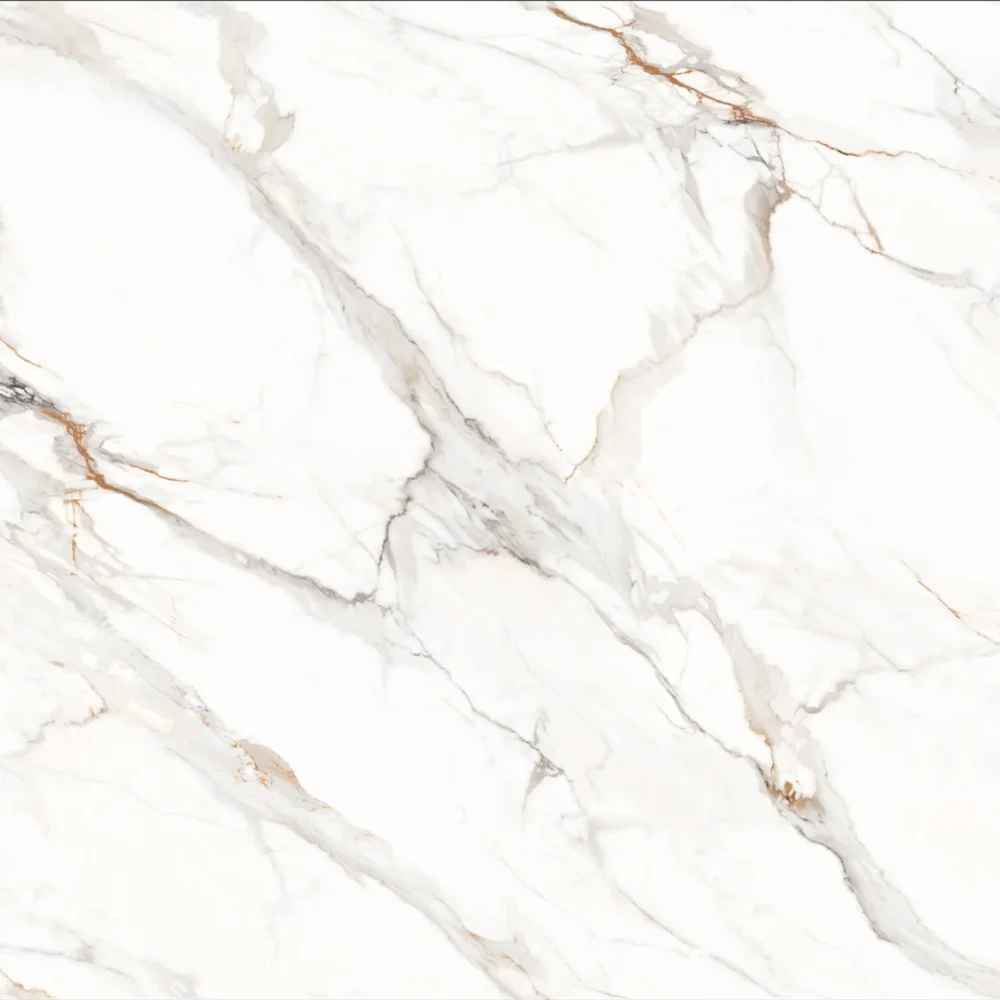
- Calacatta Gold Flow Quartz Slab GQ-T439 for Wholesale
Calacatta Gold Flow Quartz Slab GQ-T439 for Wholesale
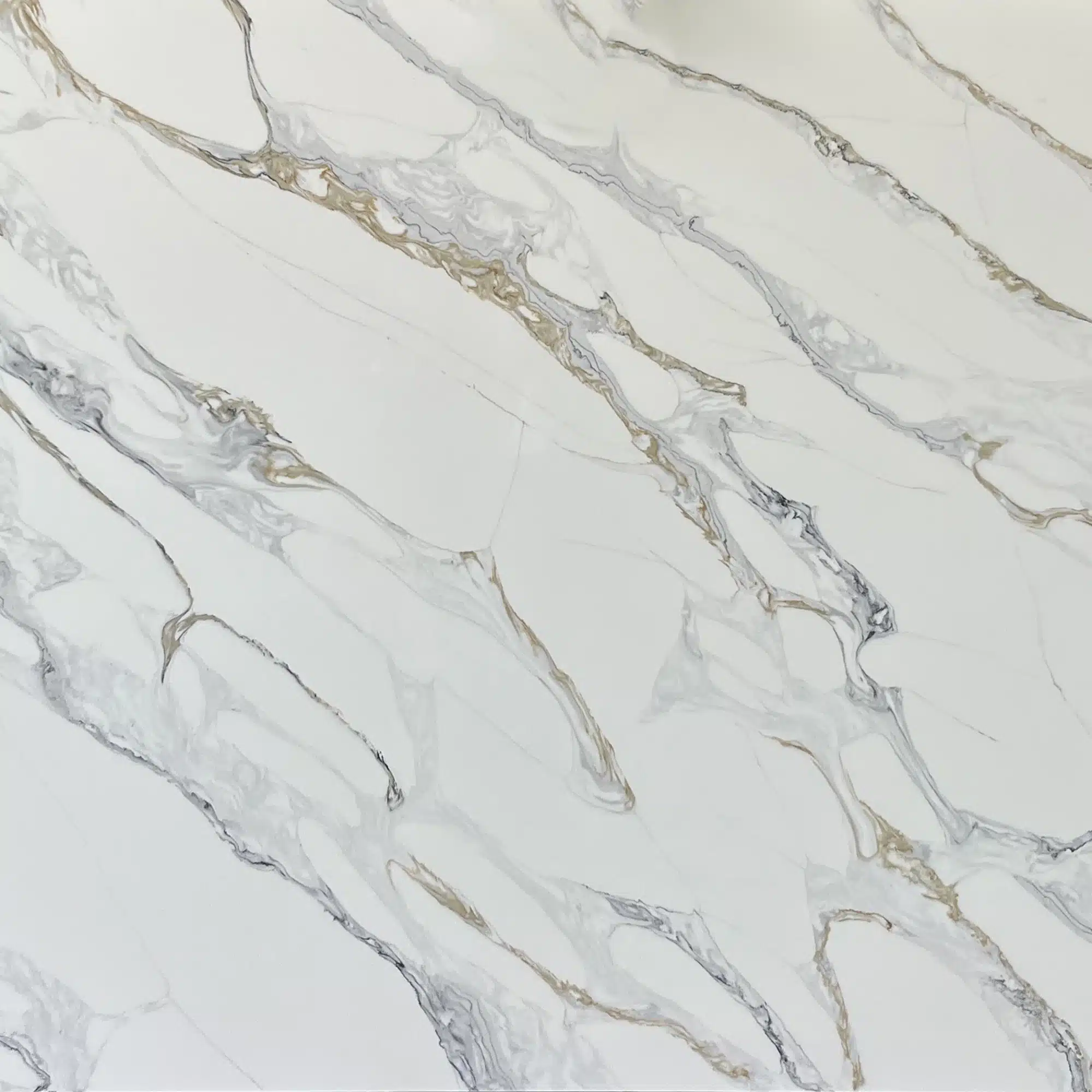
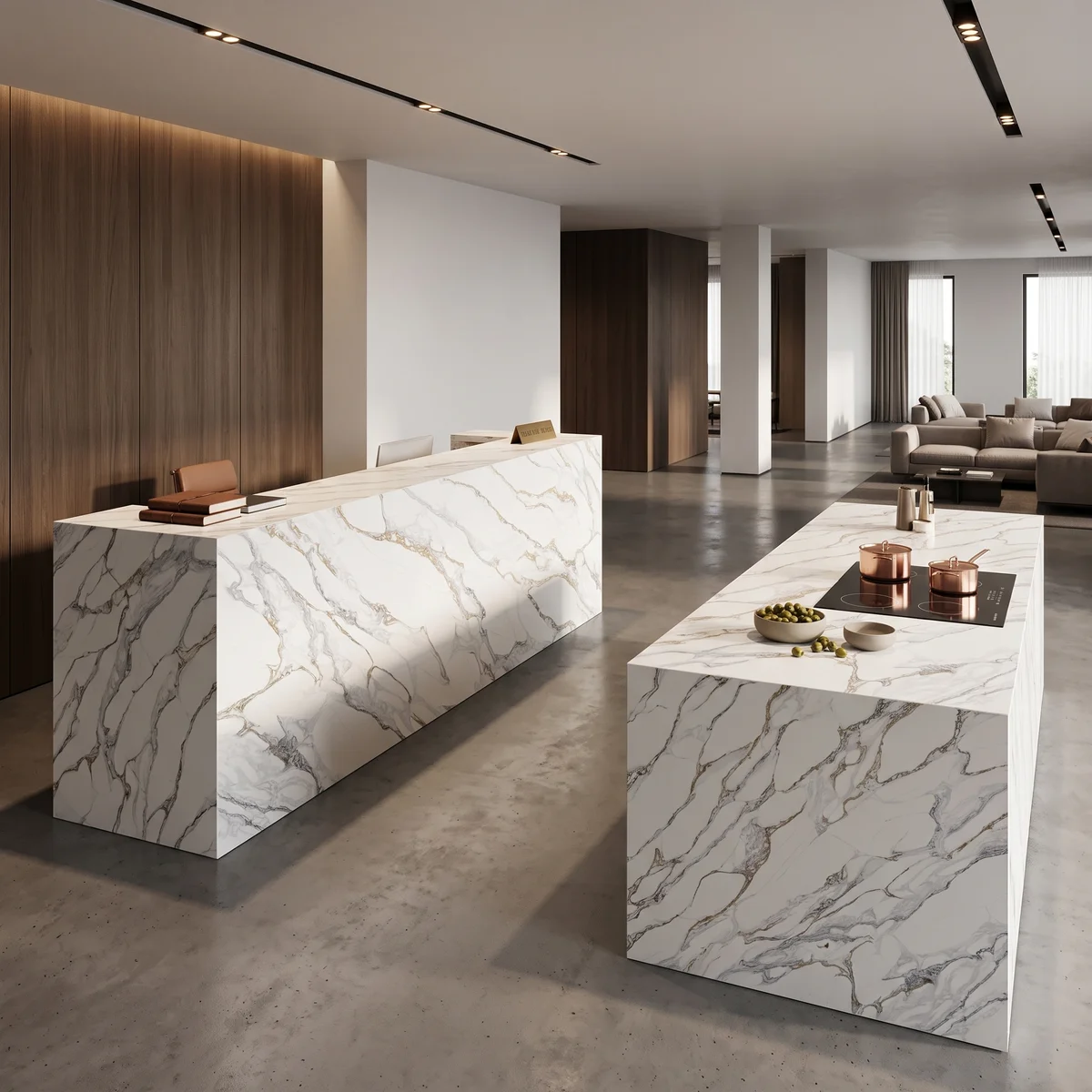
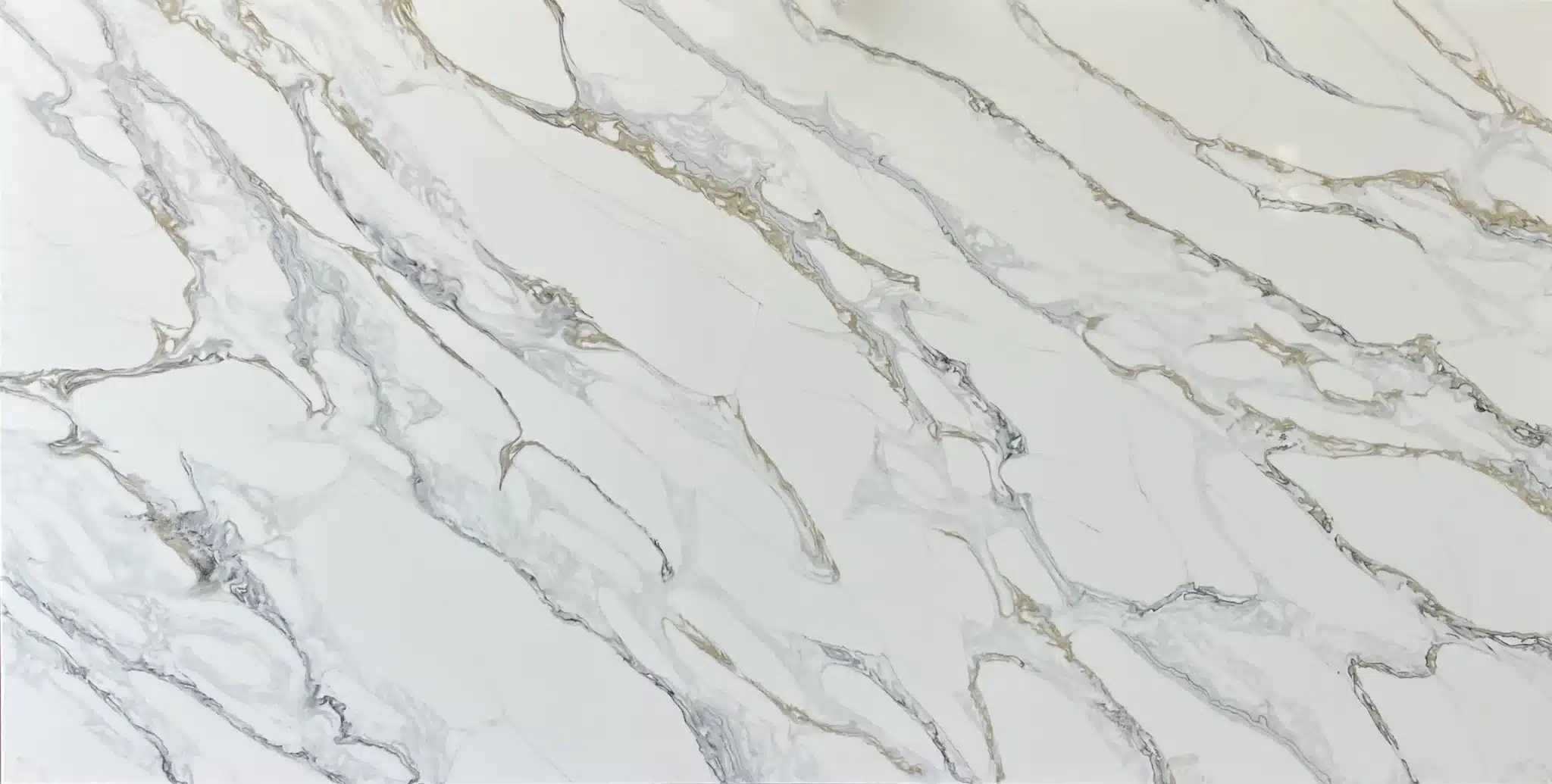
| الألوان الأساسية | Soft Warm White |
| لون (ألوان) الزخرفة | Warm Champagne Gold + Cool Silver Grey |
| صياغة | عادي |
| تشطيبات | مصقول / مصقول / سويدي / جلد |
| حجم مخصص | 138 بوصة × 79 بوصة / 126 بوصة × 63 بوصة / قابل للتخصيص |
| سُمك | 20mm/30mm/Customizable |
| أسلوب الحافة | حافة مصقولة مريحة/حافة مصفحة 2+2 سم/حافة مشطوفة |
| Full Body Quartz | نعم |
| متوفر بمطابقة الكتاب | نعم |
| Place of Origin | تايلاند |
| Port of Transportation | تايلاند |
| Packaging | Foam or carton inside + strong wooden crates with reinforced straps outside and fumigation |
| Delivery time | 15-20 days / Express service is negotiable. |
| MOQ | 10 ㎡ |
| Payment terms | 30%T/T after confirm the order and the 70% T/T by copy of B/L |
| أسطح العمل سكني: نعم تجاري: نعم |
| جدار سكني: نعم تجاري: نعم |
| أرضيات سكني: نعم تجاري: نعم |
وصف:
أسئلة متكررة
What size bath vanity would you put in a space that is ?
There’s no one-size-fits-all answer here—vanity sizing depends entirely on your bathroom layout and plumbing setup. If you’re working with a tight space, a 32-inch vanity is a solid choice; it fits most standard wall-mounted toilets and allows for decent counter space without overwhelming the room. But if you’ve got more room to work with—say, 48 inches or more—don’t be afraid to go bigger. That extra space is great for storage and sink setup, especially if you’re planning dual sinks. Always measure from wall to wall, account for door swing, and leave at least 24 inches of clear space in front of the vanity for comfort. And remember: a 32-inch vanity is great for a single sink, but if you’re planning a double sink, 48 inches is usually the minimum you’ll want. Pro tip: If you’re using quartz, make sure the fabricator can cut it to fit your exact dimensions—especially if you’re dealing with a custom layout.
How To Choose The Right Vanity?
Choosing the right vanity is about balancing function, space, and style. First, measure your bathroom space—don’t assume it’ll fit just because it looks like it. A 32-inch vanity works in most half-baths or smaller full bathrooms, but if you have room, go wider. Consider your sink setup: single or double? Undermount or vessel? That affects the countertop thickness and overhang. For materials, quartz tops are a top pick—durable, non-porous, and low-maintenance. But if you’re going custom, make sure the vanity frame is solid wood or plywood, not particleboard, which warps over time. Also, check the drawer and door hardware: soft-close hinges and drawers are worth the extra cost. And don’t overlook the sink—make sure it’s properly supported and aligned. Lastly, think about storage: do you need deep drawers, pull-outs, or cabinets? A good vanity isn’t just about looks—it’s about longevity and daily usability.
Why is granite not popular anymore?
Granite’s decline in popularity isn’t because it’s bad—it’s because people are trading durability for convenience. Granite needs sealing, can stain if you’re not careful, and it’s porous, so it’s not ideal for high-moisture areas like kitchens or bathrooms. Quartz, on the other hand, is non-porous, doesn’t need sealing, and resists stains, scratches, and heat better than granite in most cases. Plus, quartz comes in consistent, engineered patterns—no worrying about natural variation or veining that doesn’t match your design. And let’s be real: granite has been everywhere for 15 years. It’s starting to feel a bit tired. People now want modern, clean looks—think matte finishes, minimal seams, and uniform color. That’s where quartz wins. But don’t write off granite entirely—some homeowners still love its natural look. It’s just not the go-to anymore. The shift isn’t about quality—it’s about lifestyle and maintenance.