



- الصفحة الرئيسية
- كوارتز
- ألواح الكوارتز
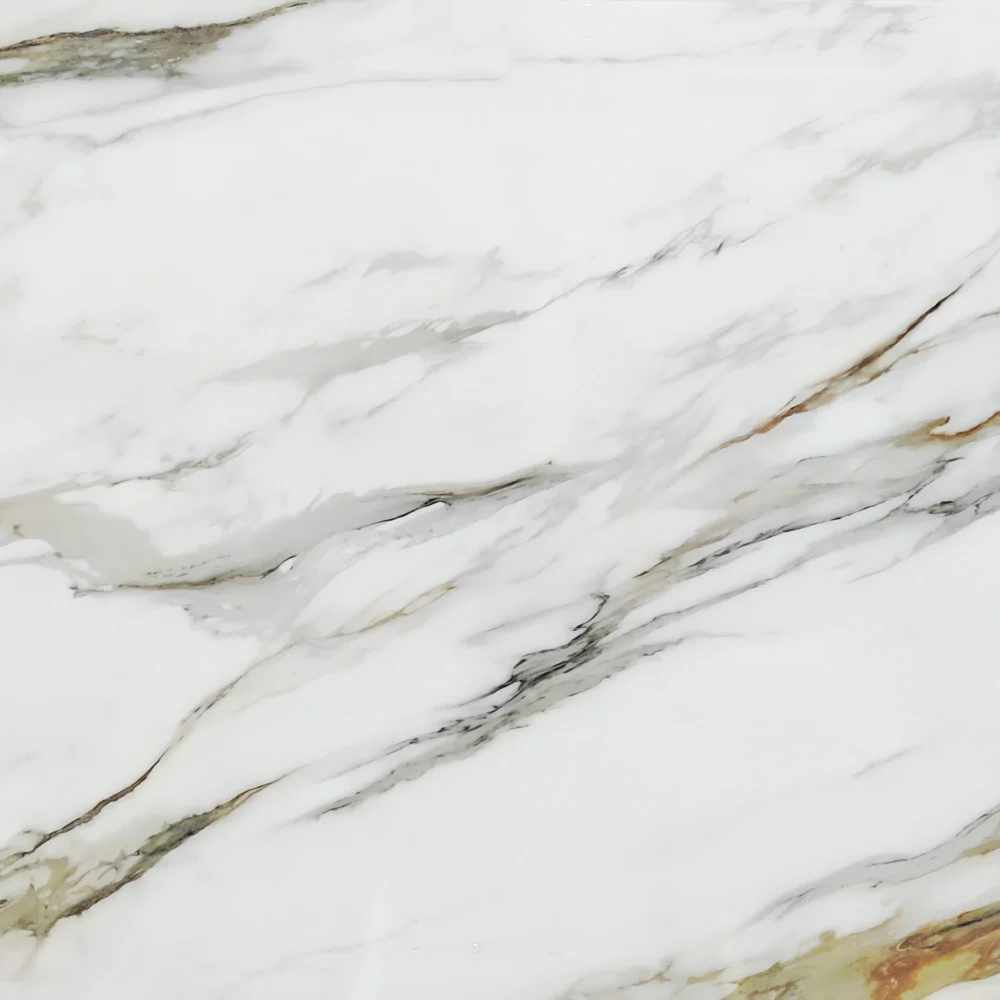
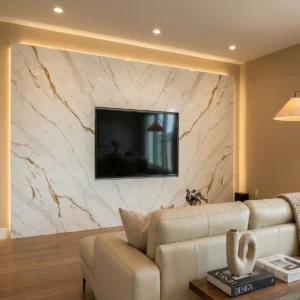
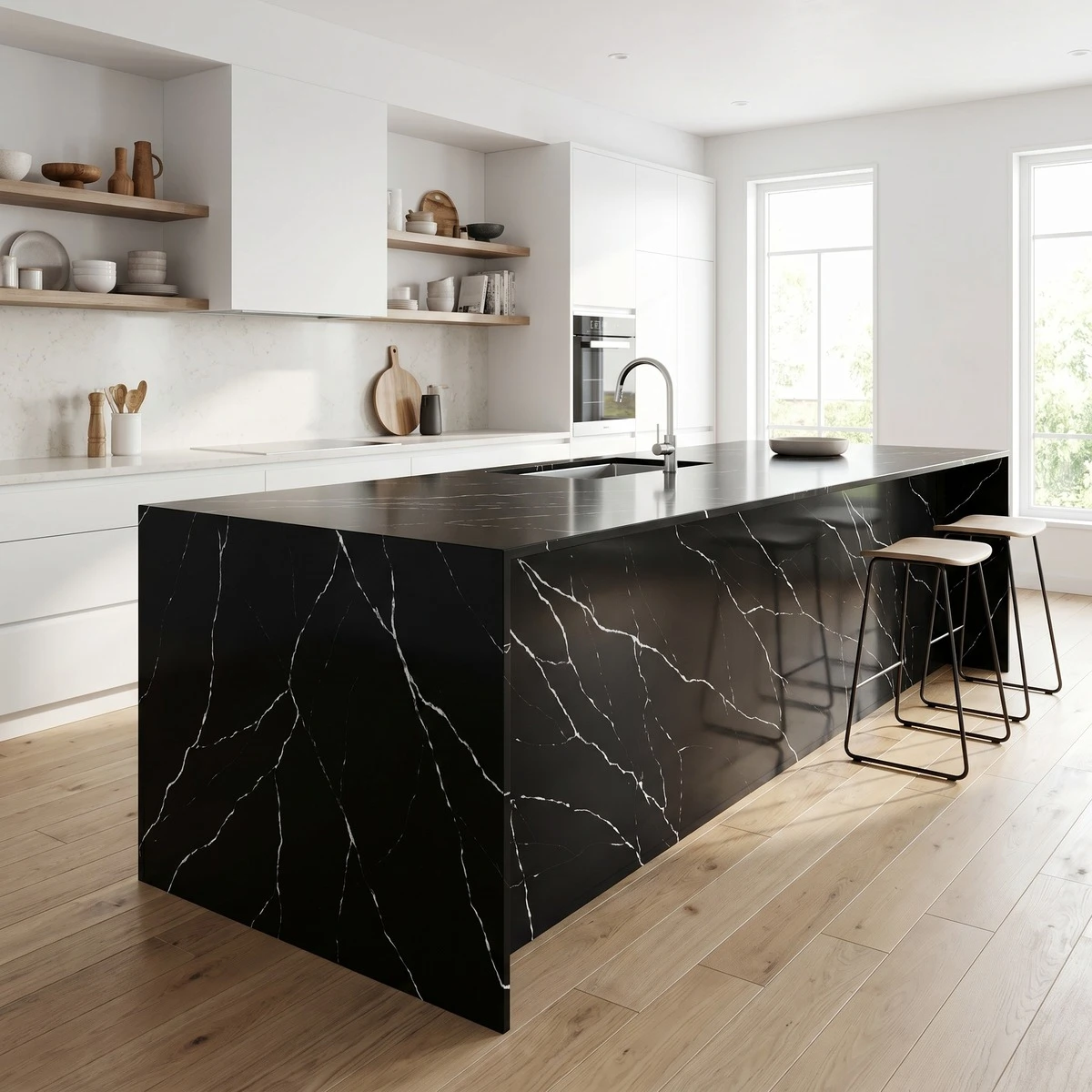
- Luxury Black with White Vein Calacatta Quartz Slabs GQ-T278
Luxury Black with White Vein Calacatta Quartz Slabs GQ-T278
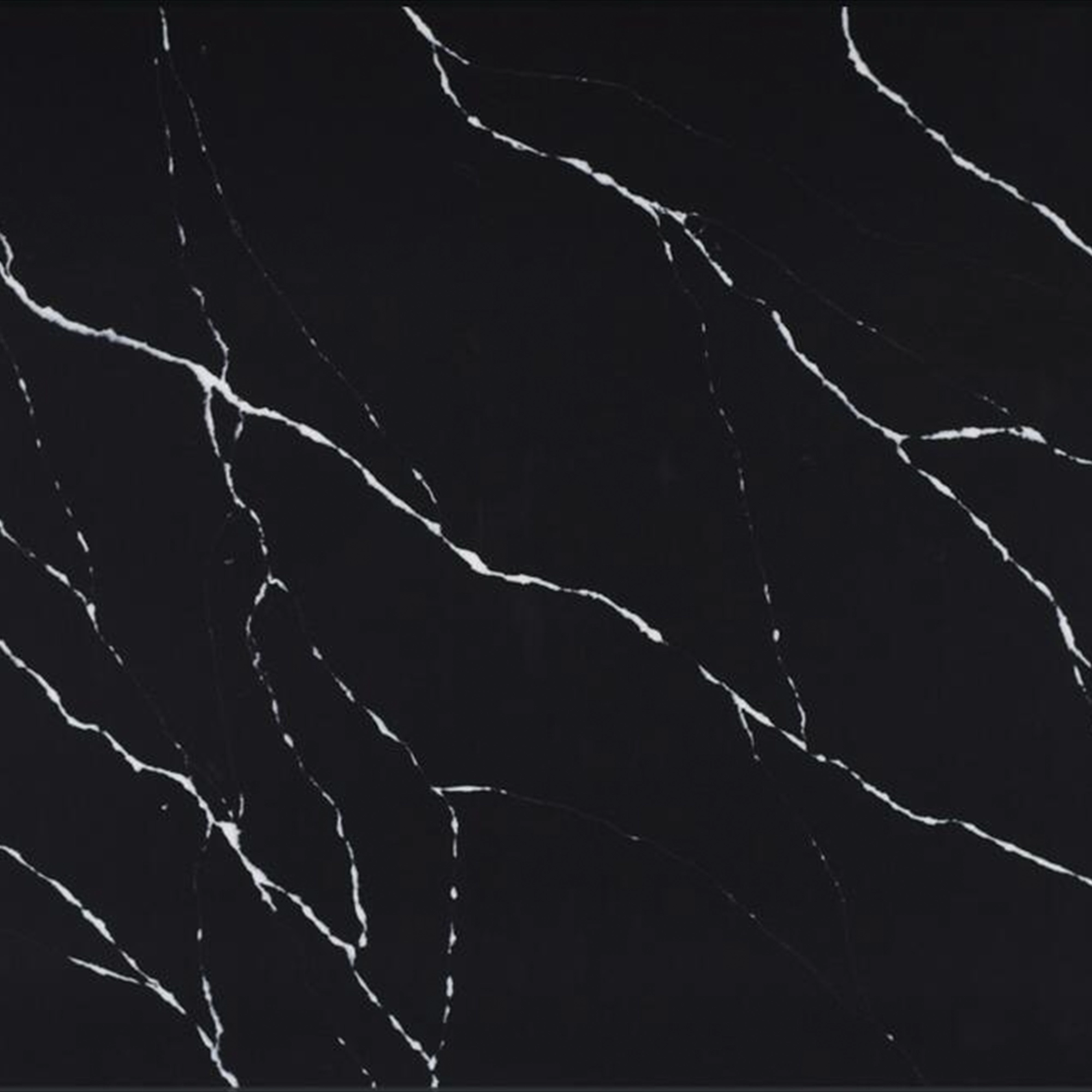
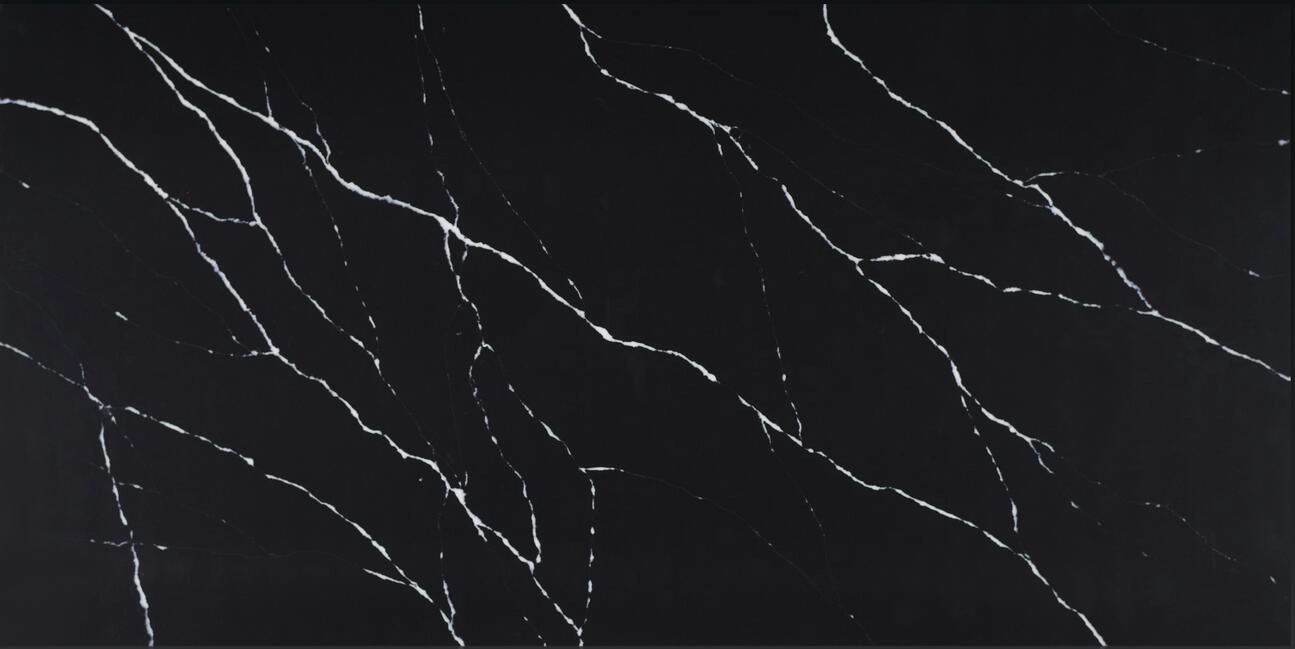
| الألوان الأساسية | Deep Jet Black |
| لون (ألوان) الزخرفة | Bold Stark White Veins |
| صياغة | عادي |
| تشطيبات | مصقول / مصقول / سويدي / جلد |
| حجم مخصص | 138 بوصة × 79 بوصة / 126 بوصة × 63 بوصة / قابل للتخصيص |
| سُمك | 20mm/30mm/Customizable |
| أسلوب الحافة | حافة مصقولة مريحة/حافة مصفحة 2+2 سم/حافة مشطوفة |
| Full Body Quartz | نعم |
| متوفر بمطابقة الكتاب | نعم |
| Place of Origin | تايلاند |
| Port of Transportation | تايلاند |
| Packaging | Foam or carton inside + strong wooden crates with reinforced straps outside and fumigation |
| Delivery time | 15-20 days / Express service is negotiable. |
| MOQ | 10 ㎡ |
| Payment terms | 30%T/T after confirm the order and the 70% T/T by copy of B/L |
| أسطح العمل سكني: نعم تجاري: نعم |
| جدار سكني: نعم تجاري: نعم |
| أرضيات سكني: نعم تجاري: نعم |
وصف:
أسئلة متكررة
Warm white quartz with gold veining recommendations?
Warm white quartz with gold veining works when you need elegance without chill—think kitchens with honey-toned oak, brushed brass pulls, or cream subway tile.
But not all gold veining holds up: some looks like marker scribbles, others fade or scratch because the gold is only surface-printed.
Real durability comes from full-body printed quartz where the vein runs through the slab—not just on top.
That’s where Grand Quartz Tech’s printed quartz lines help: their Stone Look series uses consistent pigment dispersion and UV-cured resin, so gold tones stay stable under normal kitchen lighting and cleaning.
Still, dry-lay every slab.
Gold can shift between batches—warmer in morning light, cooler under recessed LEDs—and busy patterns telegraph seams more than solid whites.
Most fabricators tell me they reject slabs where gold veins break up near the edge or pool unevenly.
Also, polished finishes show smudges on warm whites faster than honed; if it’s a high-traffic commercial kitchen, consider a lightly textured finish.
And yes—bookmatching works, but only if the printer aligns the vein flow across adjacent slabs.
Don’t assume it’s automatic.
Are black quartz countertops in style?
Black quartz with white veining isn’t trending hard right now—but it’s not going anywhere either.
In real-world commercial builds—hotel lobbies, restaurant bars, office breakrooms—it still wins because it hides scuffs, resists fading, and pairs cleanly with matte black fixtures or exposed concrete.
Residential use is more selective: it reads bold, not cozy.
Installers usually recommend it only when cabinetry is ultra-minimal (no crown, no trim) and backsplash is monolithic glass or large-format tile.
The catch?
Not all black quartz is equally deep.
Some slabs gray out under fluorescent lights or yellow slightly over time if resin quality is low.
Grand Quartz Tech’s Quartzite Look line avoids that by using higher-grade resins and tighter pigment control—so black stays true even after years in sunlit entryways.
But here’s what most buyers miss: edge profiles matter more on black.
A sharp bullnose shows dust and lint; a soft eased edge hides wear better.
Also, avoid pairing it with stainless steel sinks unless you’re ready for constant fingerprinting.
If you’re specifying for a multi-unit project, confirm batch consistency—vein density and contrast vary more on dark backgrounds than light ones.
What white quartz has thin blue veining?
True thin blue veining in white quartz is uncommon—most ‘blue’ options lean gray-blue or have thicker, wavier veins.
What you’re after is rare, and it’s rarely consistent across slabs.
I’ve seen it work best in coastal or wellness-focused spaces—think spa bathrooms or beachfront condos—where the cool tone balances warm wood vanities or linen-textured tile.
But lighting changes everything: LED downlights can make blue veins look electric; natural north light softens them.
Always dry-lay under your actual job-site lighting.
Fabricators report fewer issues with slabs from factories that print veins digitally before curing—not screen-printed overlays—because the line stays fine and doesn’t feather at the edges.
Grand Quartz Tech’s Marble Look series offers a few variants with delicate blue-gray veining, but it’s only available in jumbo sizes (138" x 79") to minimize seams in large layouts.
Note: 2cm slabs limit edge options—full-wrap or ogee profiles often require 3cm for structural integrity.
And yes, color drift happens.
If you’re ordering 20+ slabs, ask for a batch-matching guarantee.
One job I saw went sideways because blue shifted from slate to cobalt between two container loads—no one caught it until install.
What to avoid with quartz countertops?
Don’t treat quartz like granite and assume it’s heat-proof.
It handles brief contact—like a hot coffee mug—but sustained heat from cooktops or roasting pans can crack or discolor resin, especially near seams.
Always use trivets.
Don’t skip seam placement: on busy patterns, seams telegraph more, and poor alignment makes veins jump.
Most fabricators say 90% of callbacks are seam-related—not material failure.
Avoid abrasive pads or chlorine-based cleaners—they degrade the resin matrix over time, dulling polish and inviting micro-scratches.
Also, don’t rely on sample chips alone.
Vein flow, scale, and contrast change dramatically across a full slab.
Dry-lay every piece, especially for bookmatched or waterfall applications.
And don’t ignore thickness: 2cm slabs need support framing for island overhangs beyond 12 inches—3cm is safer for cantilevers.
Lastly, avoid sourcing from distributors who won’t share resin content or origin info.
Low-resin slabs warp in humidity or bow during fabrication.
Grand Quartz Tech uses consistent resin blends across lines, and their Thailand factory tests every batch for thermal stability and moisture resistance—critical for humid climates or bathroom vanities.
-1000x1000.webp)