



- الصفحة الرئيسية
- كوارتز
- ألواح الكوارتز
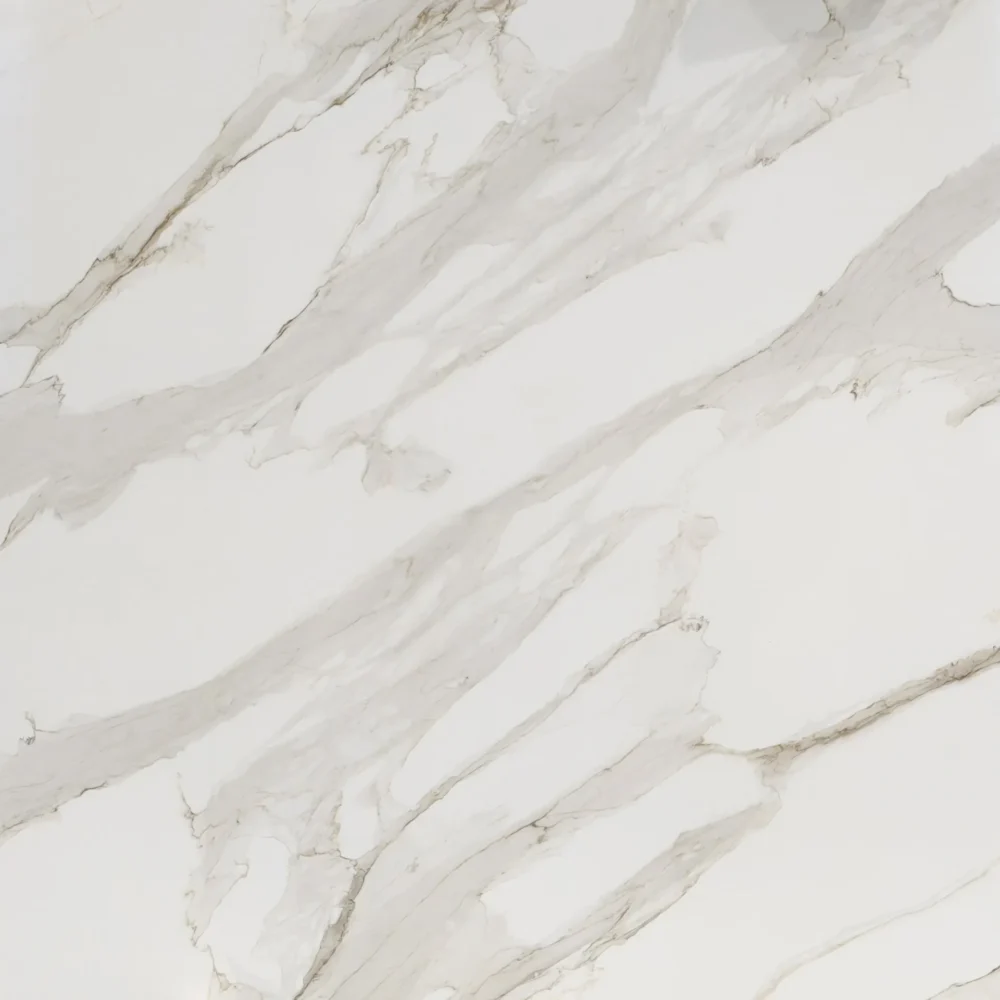
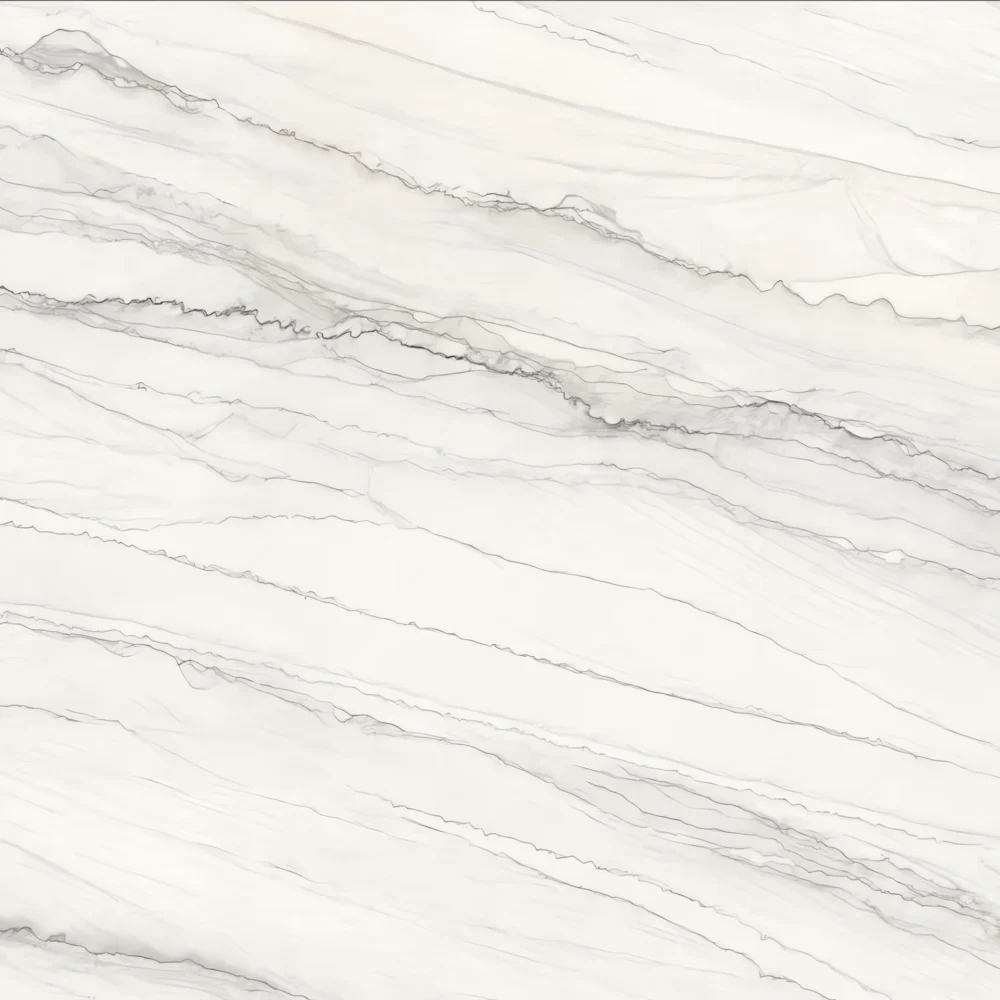
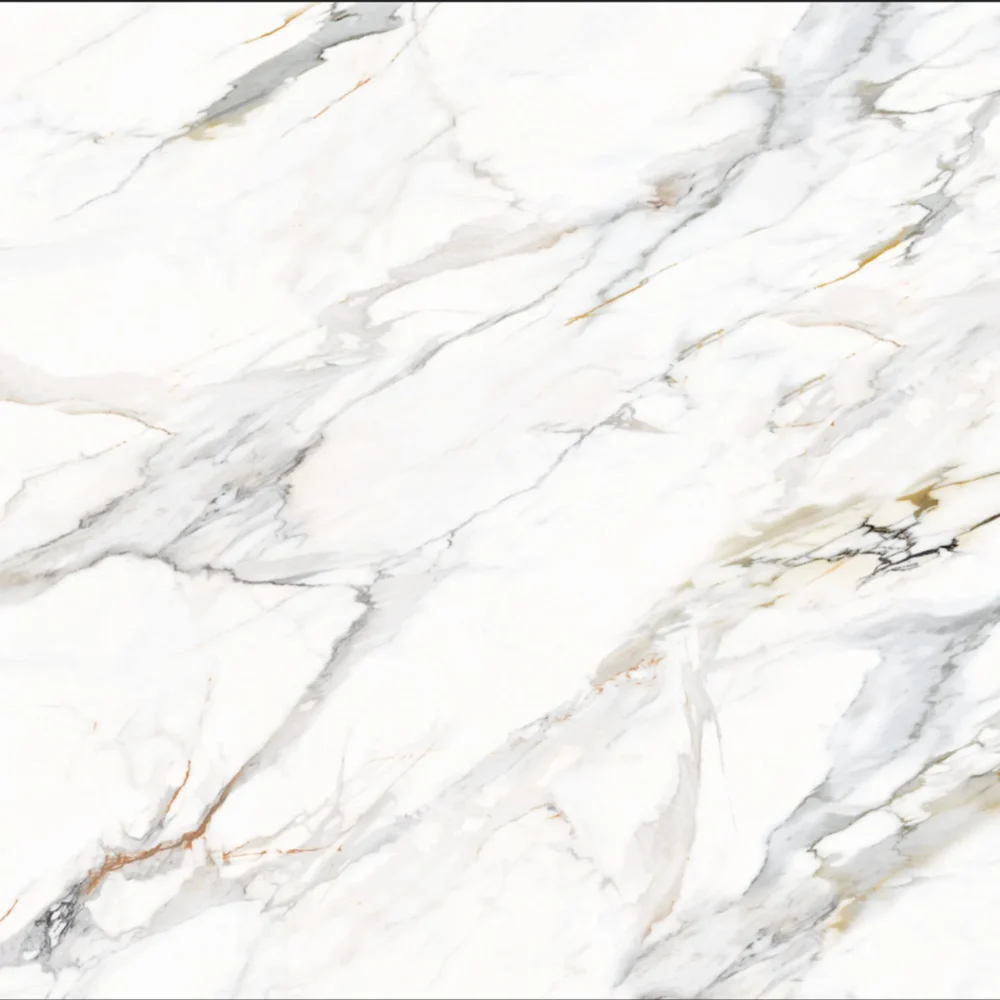
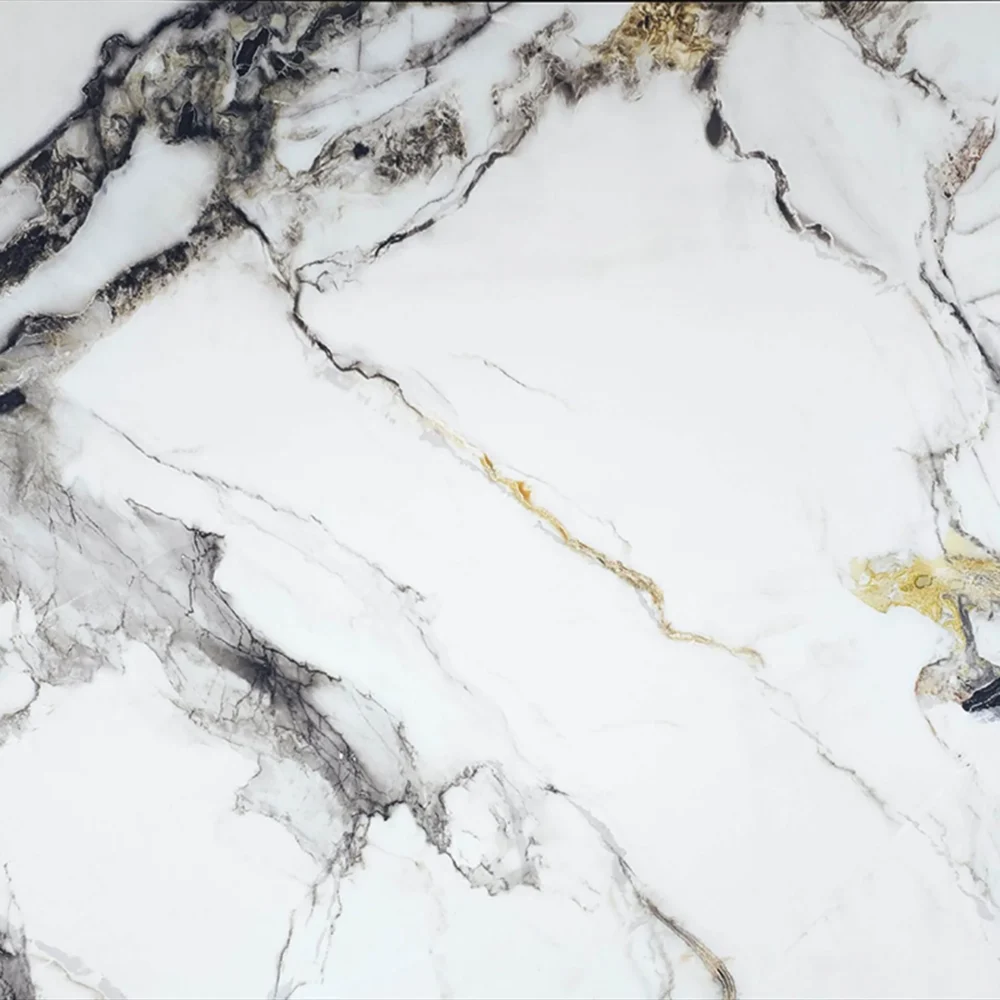
- Marble Look Volakas Quartz GQ-T328 for Wholesale
Marble Look Volakas Quartz GQ-T328 for Wholesale
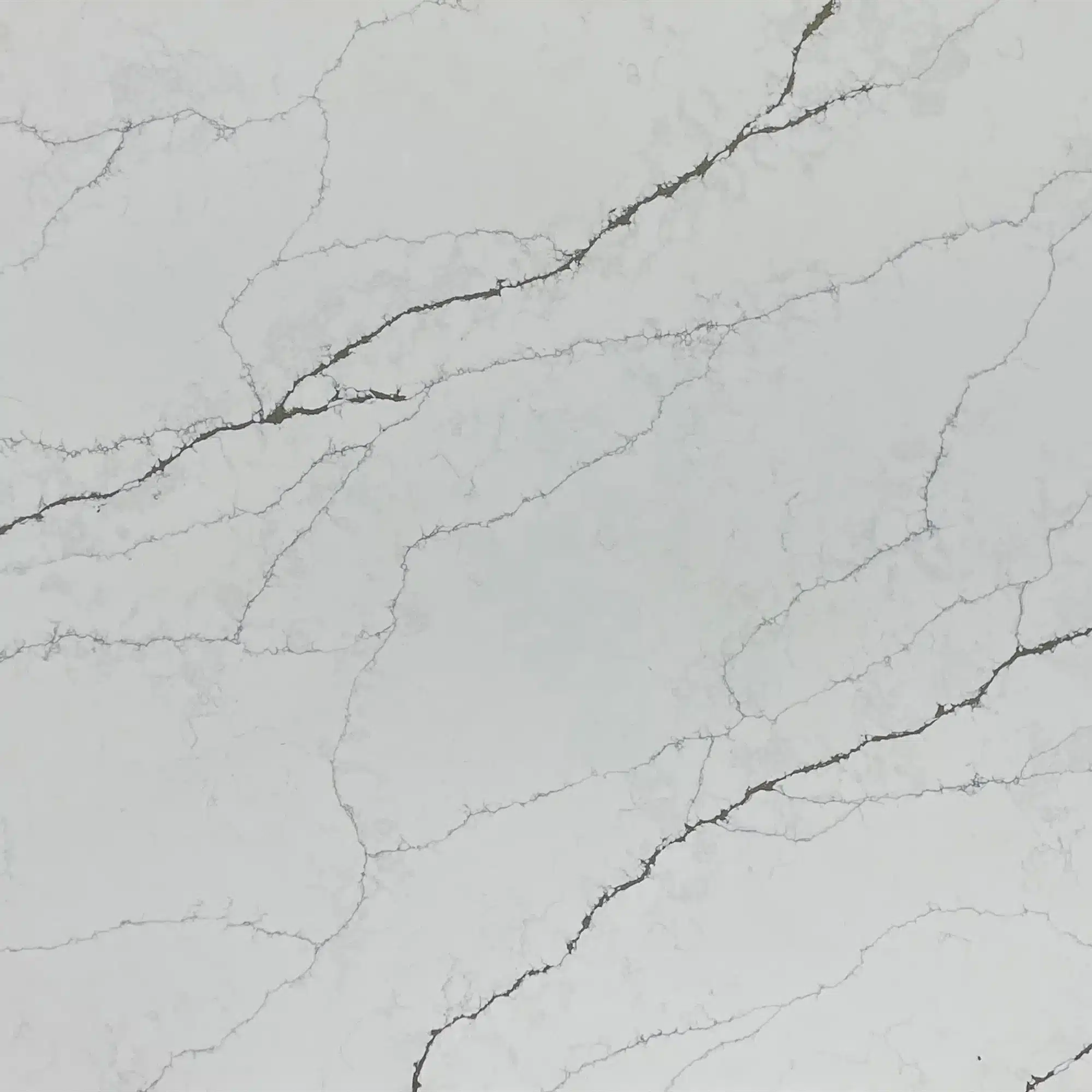
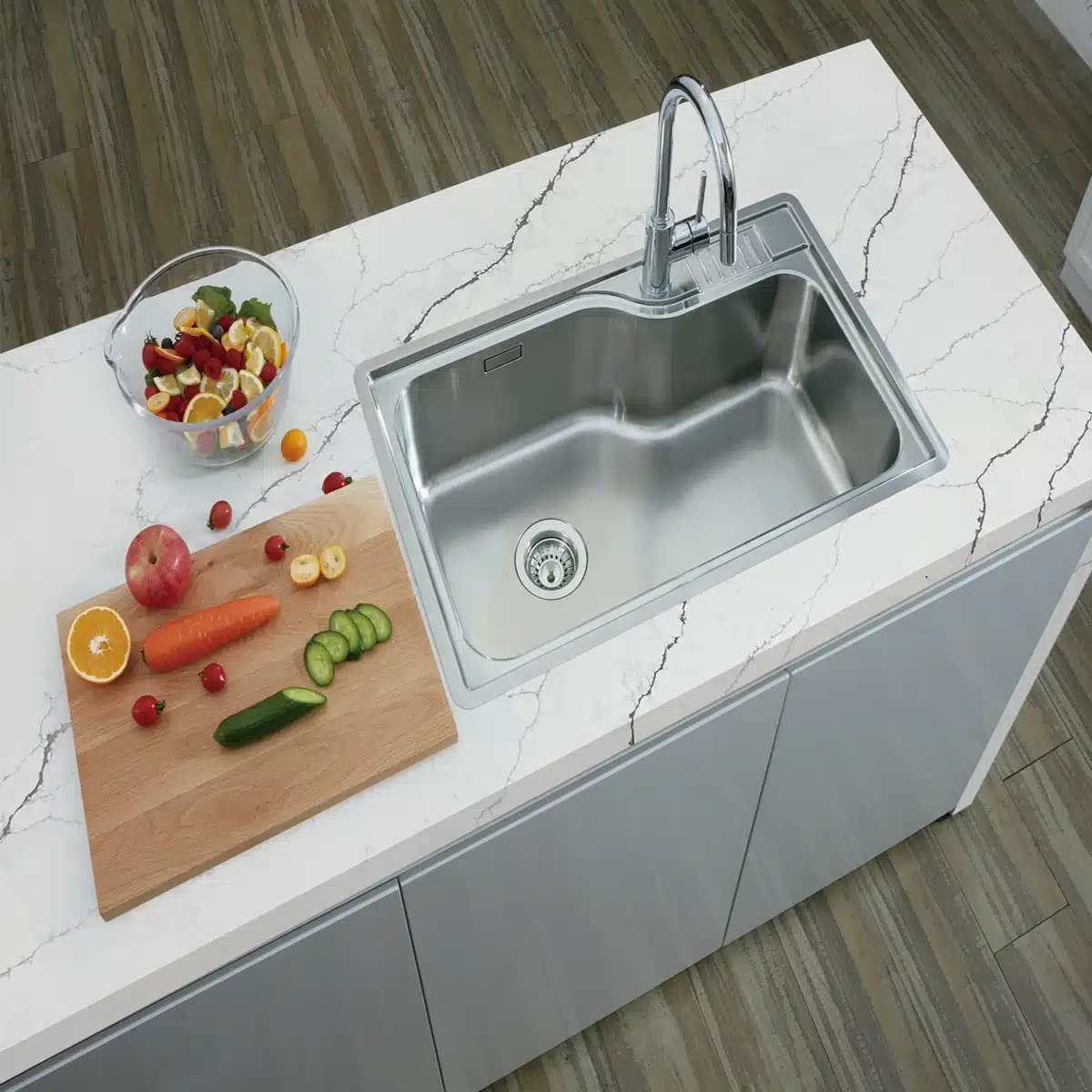
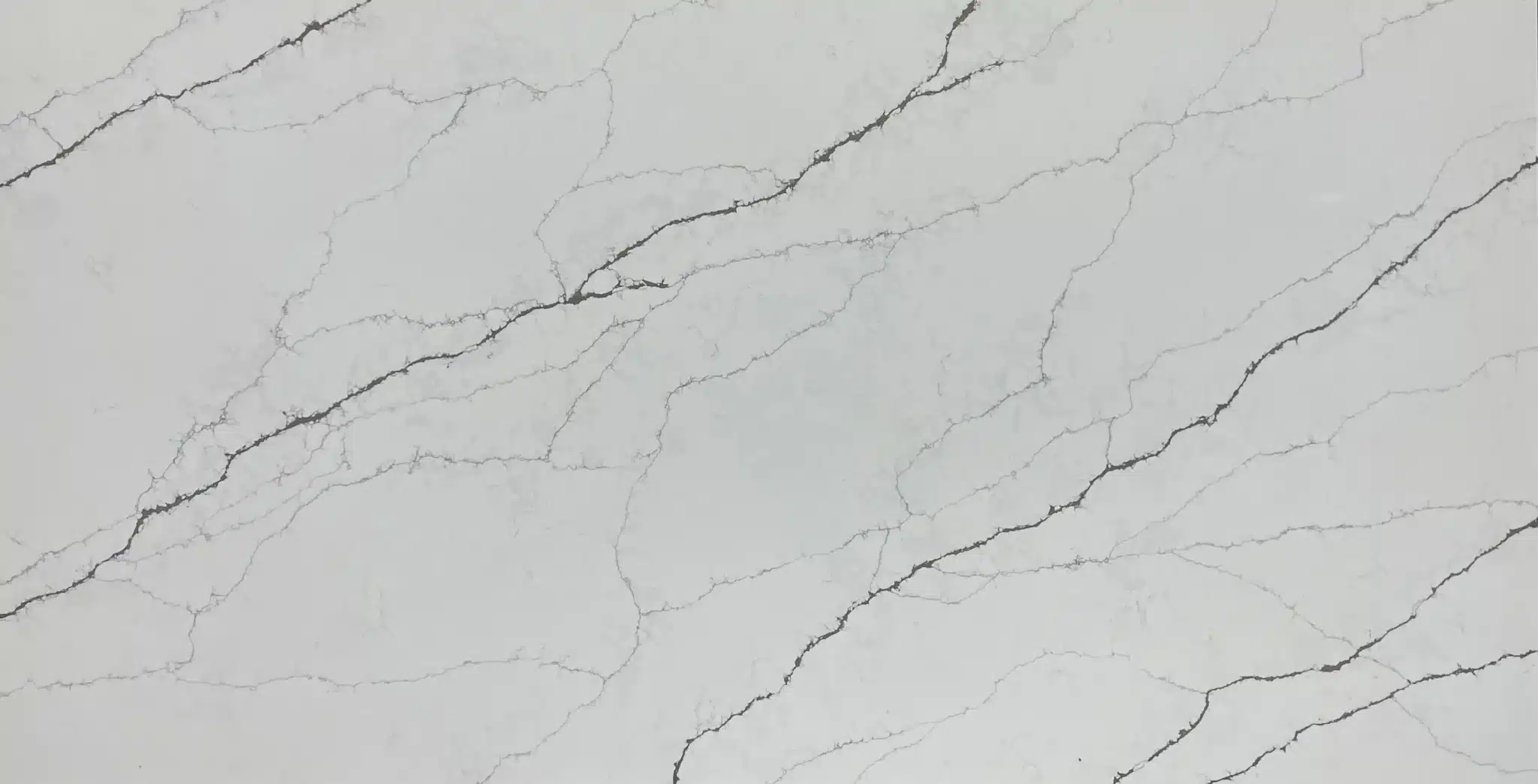
| الألوان الأساسية | أبيض لامع |
| لون (ألوان) الزخرفة | Dark Charcoal Grey Veins |
| صياغة | عادي |
| تشطيبات | مصقول / مصقول / سويدي / جلد |
| حجم مخصص | 138 بوصة × 79 بوصة / 126 بوصة × 63 بوصة / قابل للتخصيص |
| سُمك | 20mm/30mm/Customizable |
| أسلوب الحافة | حافة مصقولة مريحة/حافة مصفحة 2+2 سم/حافة مشطوفة |
| Full Body Quartz | نعم |
| متوفر بمطابقة الكتاب | نعم |
| Place of Origin | تايلاند |
| Port of Transportation | تايلاند |
| Packaging | Foam or carton inside + strong wooden crates with reinforced straps outside and fumigation |
| Delivery time | 15-20 days / Express service is negotiable. |
| MOQ | 10 ㎡ |
| Payment terms | 30%T/T after confirm the order and the 70% T/T by copy of B/L |
| أسطح العمل سكني: نعم تجاري: نعم |
| جدار سكني: نعم تجاري: نعم |
| أرضيات سكني: نعم تجاري: نعم |
وصف:
أسئلة متكررة
What is the most natural looking quartz?
There’s no single 'most natural' quartz—it depends on what natural stone you’re trying to echo and how closely you need it to read at arm’s length.
For marble vibes, full-body printed quartz with irregular, branching veins and subtle base variation comes closest—especially when paired with a honed or leathered finish.
Polished finishes on dark or high-contrast slabs tend to highlight uniformity, so they read more engineered.
Real-world kitchens show that fabricators avoid repeating patterns across large islands or backsplashes; bookmatched layouts help, but only if the slab design supports it.
UV exposure matters too: some resin-rich quartz can yellow slightly over years in sun-drenched spaces, especially near windows.
Grand Quartz Tech uses low-silica, full-body printed technology on dedicated lines—so vein depth and color variation hold up better across jumbo slabs (up to 138" x 79").
That helps reduce visible repetition in big runs.
Still, no quartz replicates the mineral depth or micro-fractures of real marble.
If realism is critical, prioritize slab size, finish texture, and dry-lay review—not just the name on the sample.
Which quartz looks most like Taj Mahal quartzite?
Taj Mahal quartzite has a creamy base with dramatic, organic gray-to-charcoal veining and soft mottling—something hard to fake without full-body printing.
Most engineered quartz that gets close uses digital print layers over consistent base material, not pigment-through slabs.
So look for quartz labeled 'Taj Mahal Look' or 'Quartzite Style' with high-contrast, non-linear veins—not just straight streaks.
A honed or satin finish hides pattern repetition better than polish, and helps mute the 'plastic sheen' some buyers complain about.
In commercial kitchens or hotel lobbies, installers often choose these slabs for durability, but they’ll tell you upfront: seam telegraphing is more visible on busy patterns, especially with 2cm fabrication.
Grand Quartz Tech’s Quartzite Look line uses full-body printed tech from their Thailand factory—meaning vein structure carries through the slab thickness, which helps with edge consistency and minimizes 'cut-edge mismatch' on waterfall installations.
Still, real Taj Mahal has variation no quartz can match—so if authenticity drives your spec, test a real stone sample side-by-side before committing.
Calacatta Ocellio kitchen countertops pictures?
Calacatta Ocellio isn’t a standard SKU—it’s a design reference, usually tied to full-body printed quartz with warm gold-beige veining on an ivory base, sometimes with faint blue-gray undertones.
You won’t find it listed uniformly across suppliers, but Grand Quartz Tech includes versions in their Marble Look line under names like 'Eternal Calacatta Gold' or 'Laza Vein'.
Real installation photos are scattered across fabricator portfolios—not manufacturer sites.
Check Houzz project galleries filtered by 'quartz kitchen' and 'gold vein', or Instagram hashtags like #CalacattaGoldQuartz.
What matters more than the name is the dry-lay: ask for photos showing at least two slabs laid end-to-end before ordering.
That’s the only way to spot repeat intervals, vein flow direction, and whether the pattern reads as organic or mechanical.
Fabricators in Florida or Texas see this style often—they’ll tell you warm-toned veining works best with matte cabinet finishes and avoids clashing with brass fixtures.
Also, note that 3cm fabrication smooths out minor inconsistencies better than 2cm, especially around sink cutouts.
Anyone use Calacatta Ocellio for their kitchen countertops? If so, can I see pictures please?
Yes—fabricators regularly use Calacatta Ocellio-style quartz in residential kitchens, especially where clients want marble drama without the etching risk or sealing schedule.
It’s common in open-plan spaces with large islands, where the warm veining balances cool-toned cabinetry.
But here’s what installers don’t always say upfront: the 'Ocellio' label is marketing shorthand.
What you’re really getting is digitally printed quartz—some lines nail the randomness, others fall short with predictable repeats every 48 inches.
Always request a dry-lay photo set showing seam placement and vein continuity across your layout.
Grand Quartz Tech prints these designs on dedicated lines in Thailand, using raw materials sourced and processed entirely onsite—so there’s less batch variation than with offshore-printed slabs.
That helps when matching slabs across multi-zone projects.
Photos?
Search contractor feeds tagged #GQMarbleLook or check GQ’s project gallery—but verify each image shows actual installed slabs, not renderings.
And skip glossy finishes if your kitchen gets direct afternoon light—honed holds up better over time.