



- الصفحة الرئيسية
- كوارتز
- ألواح الكوارتز
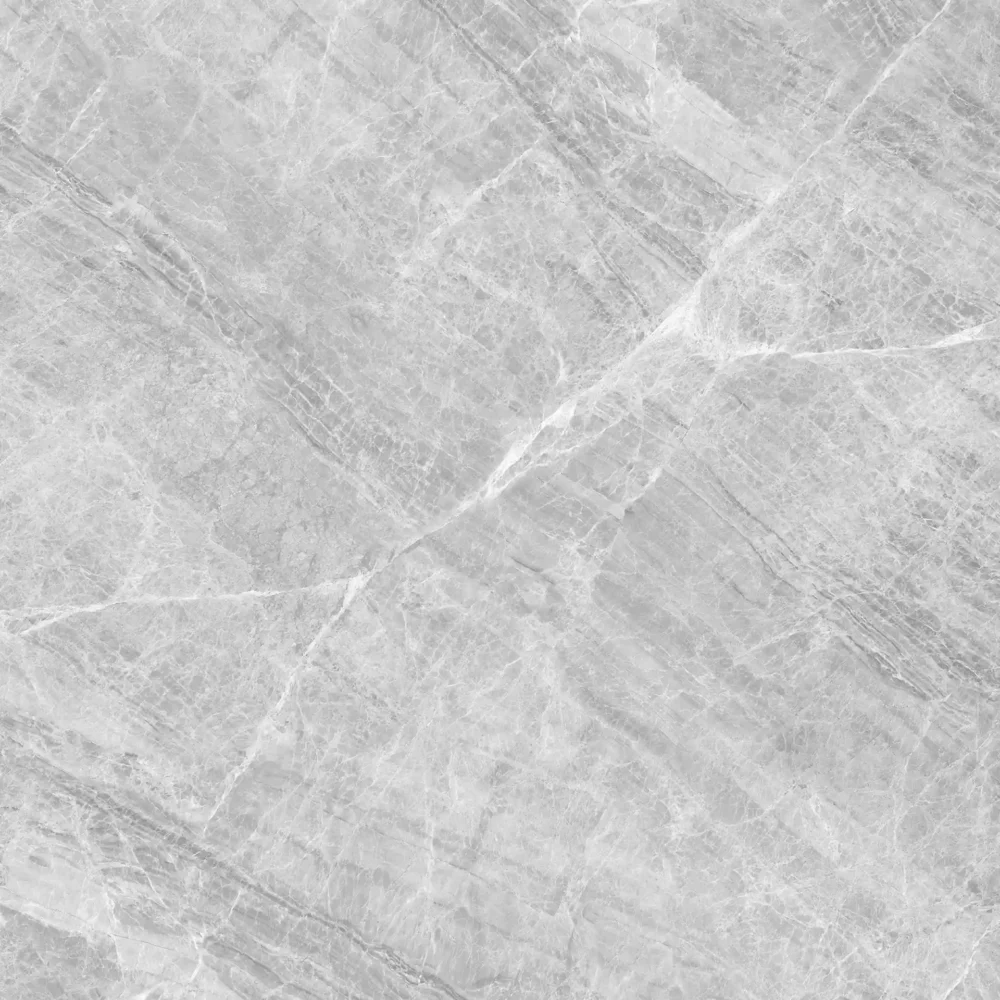
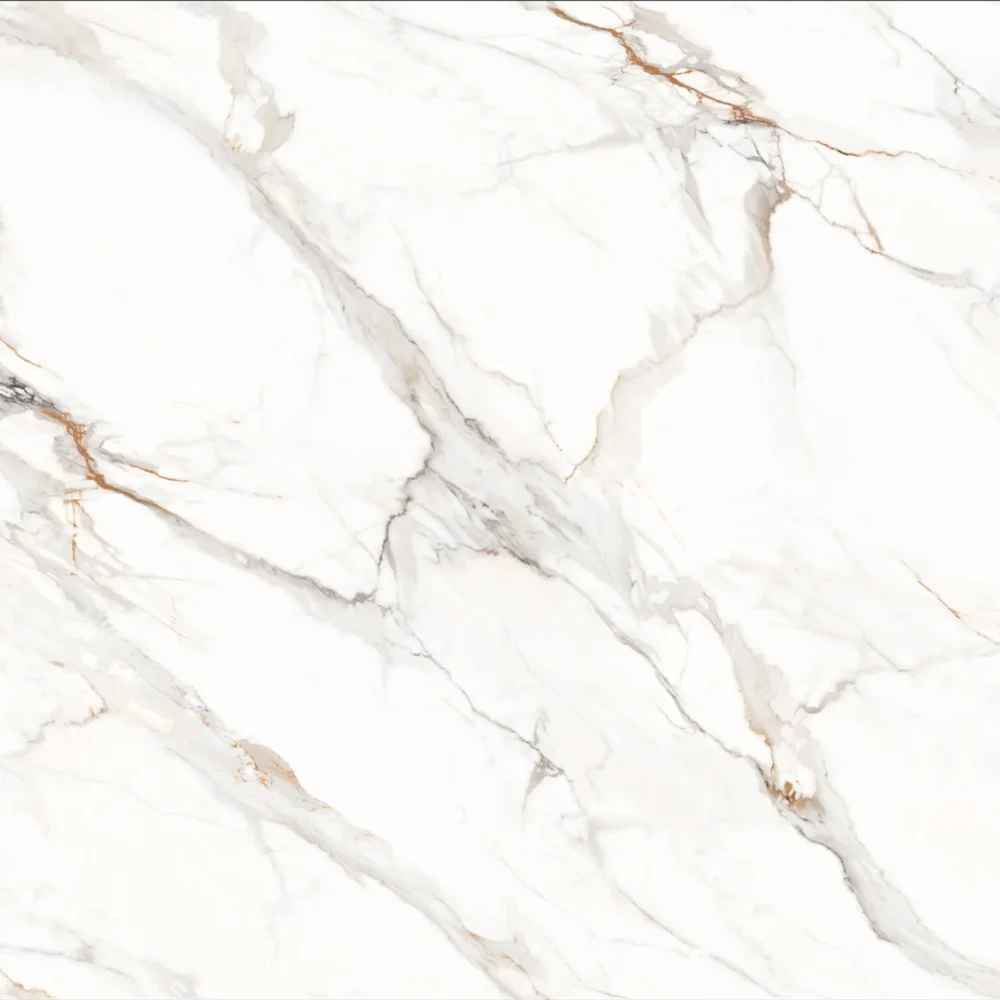
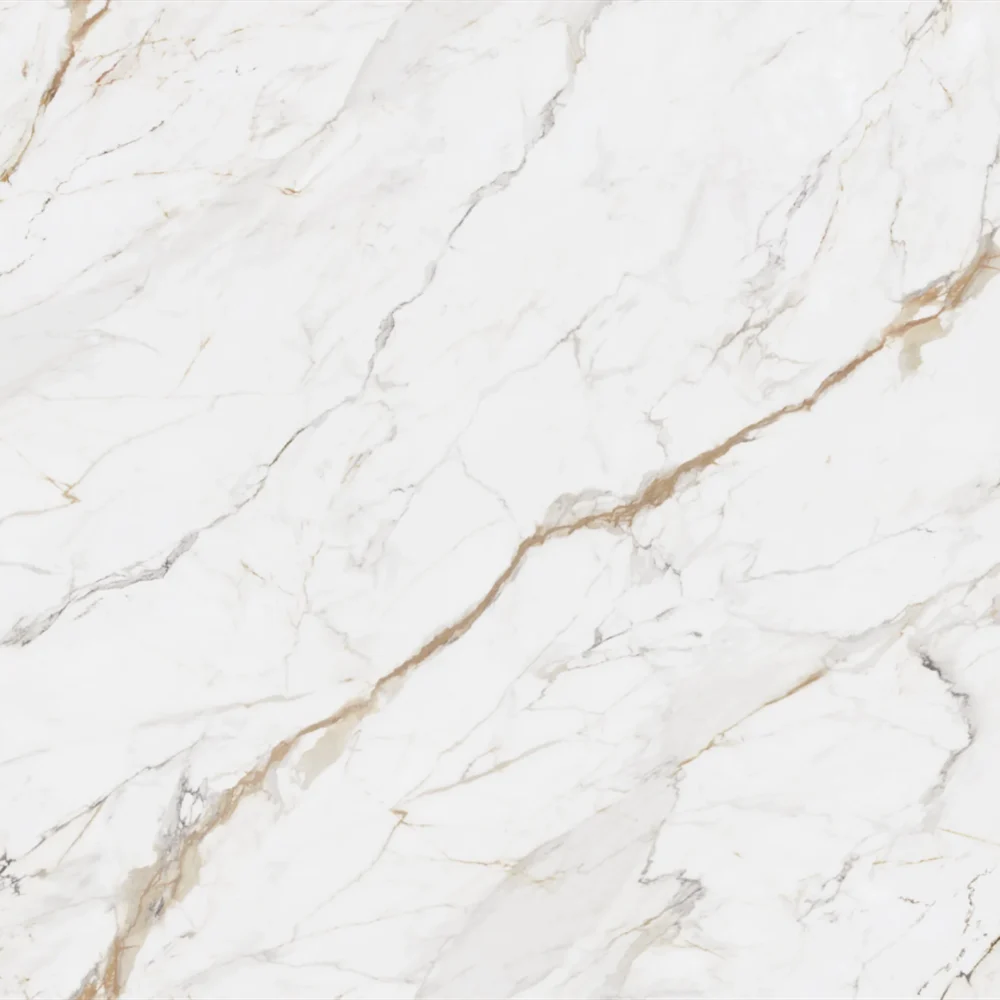
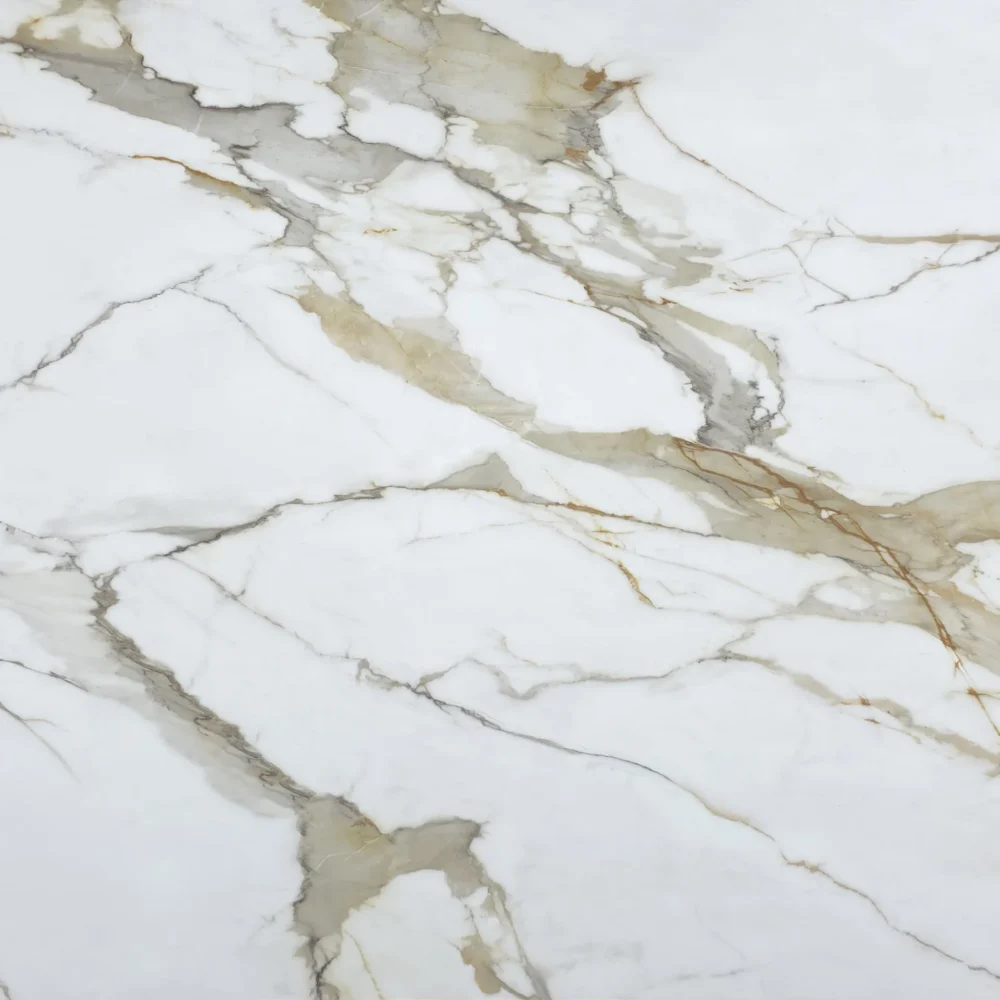
- Calacatta Artico Quartz Slab GQ-T347 for Wholesale
Calacatta Artico Quartz Slab GQ-T347 for Wholesale
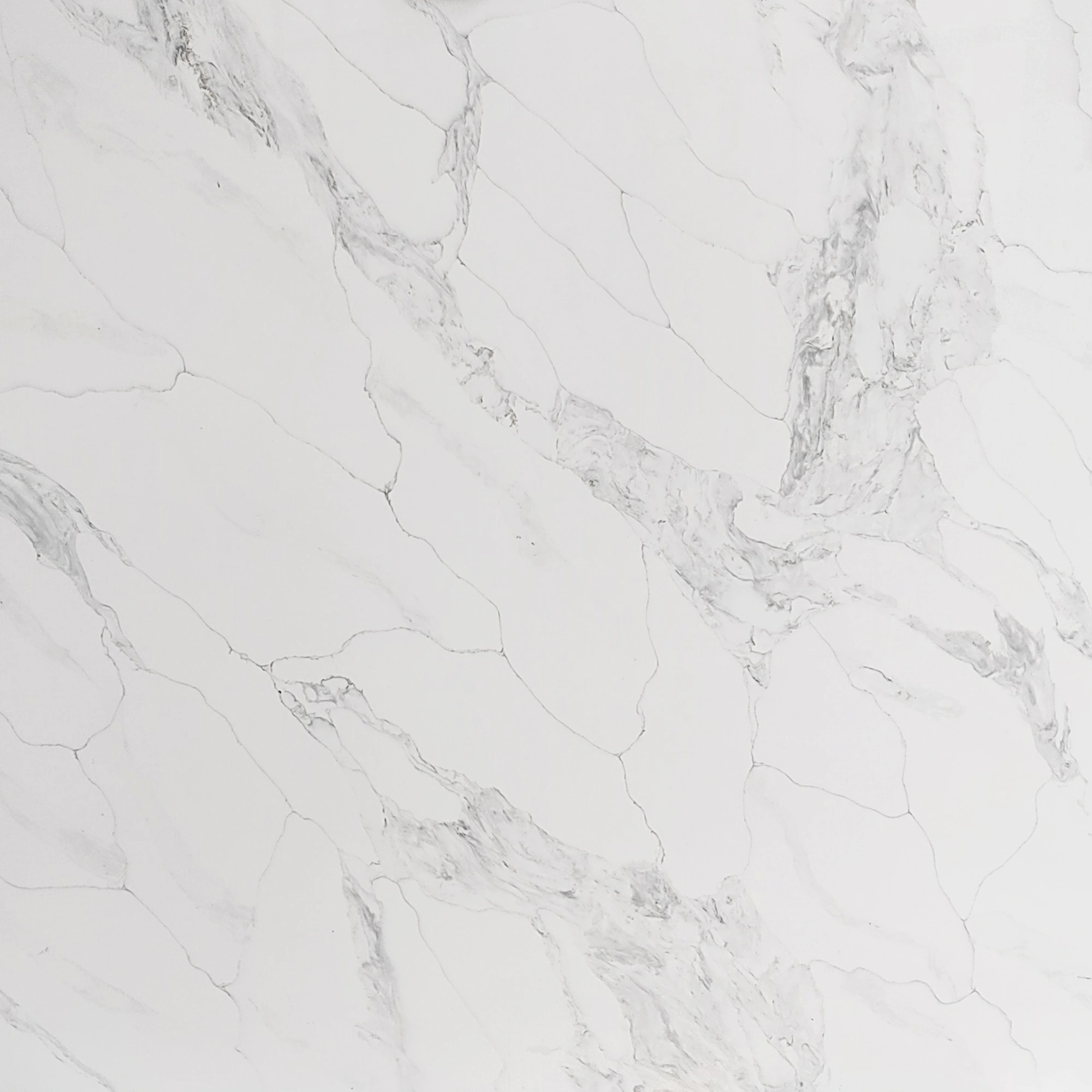
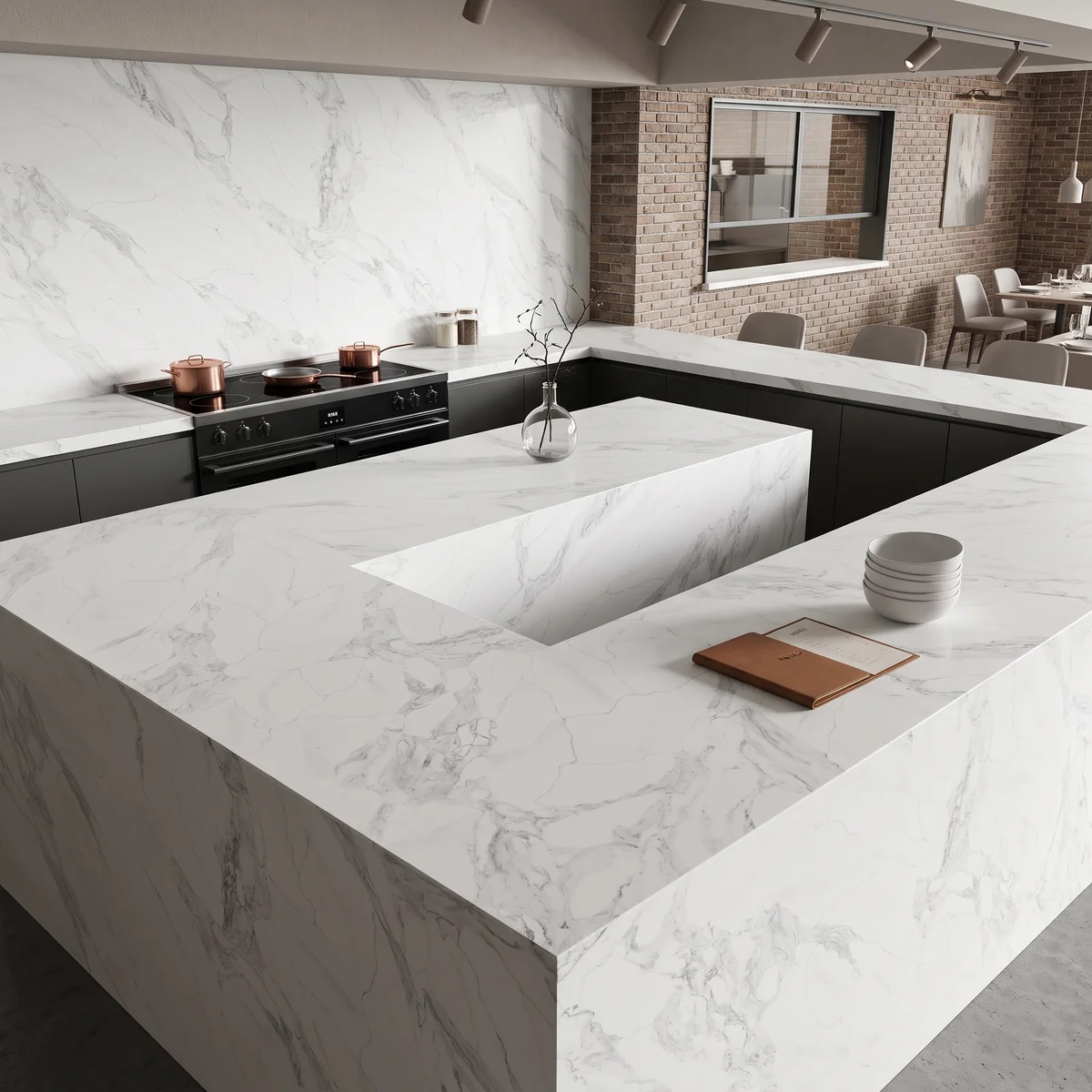
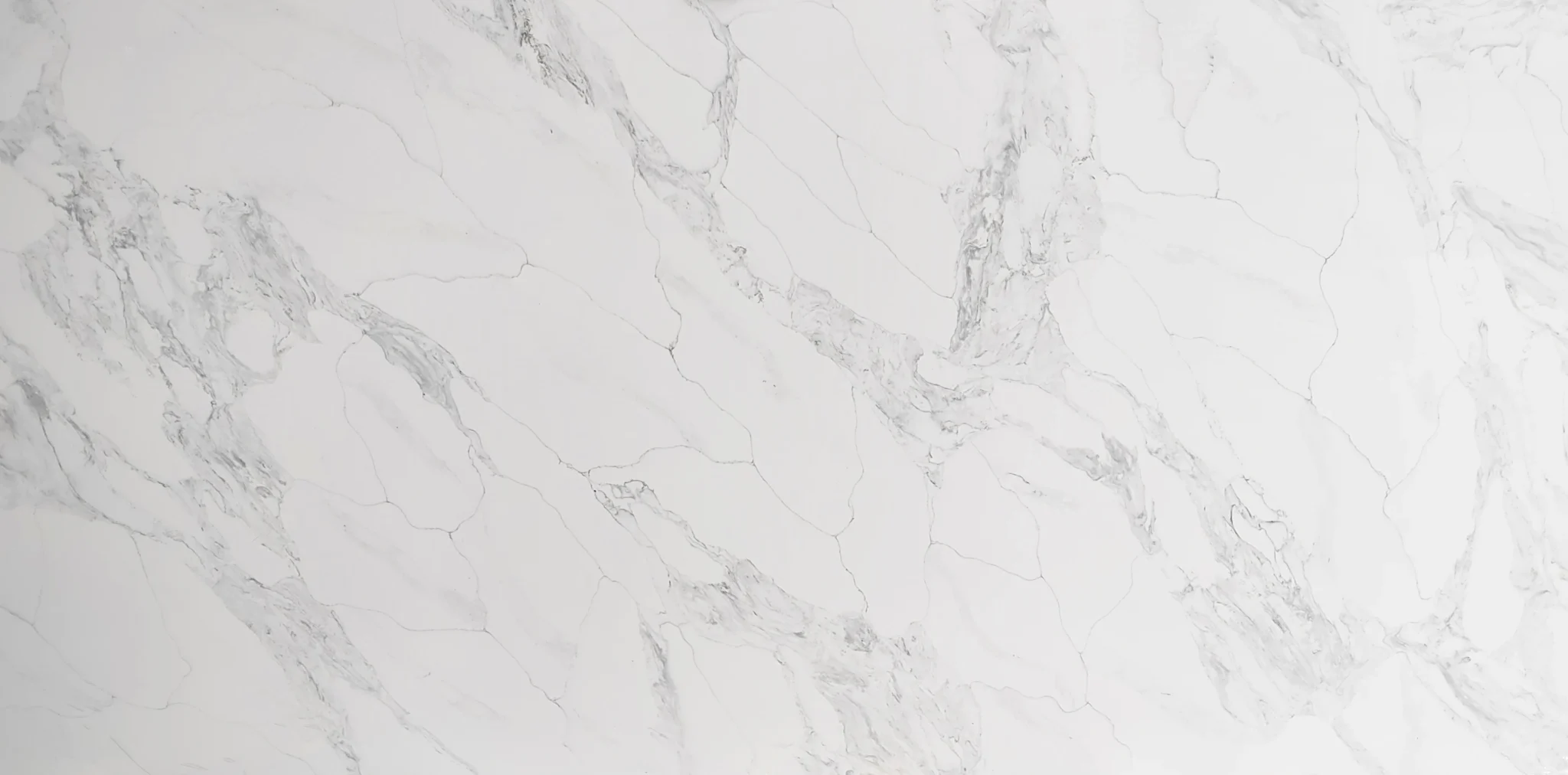
| الألوان الأساسية | Crisp Pure White |
| لون (ألوان) الزخرفة | Soft Silver Grey Vein + Light Cloud |
| صياغة | عادي |
| تشطيبات | مصقول / مصقول / سويدي / جلد |
| حجم مخصص | 138 بوصة × 79 بوصة / 126 بوصة × 63 بوصة / قابل للتخصيص |
| سُمك | 20mm/30mm/Customizable |
| أسلوب الحافة | حافة مصقولة مريحة/حافة مصفحة 2+2 سم/حافة مشطوفة |
| Full Body Quartz | نعم |
| متوفر بمطابقة الكتاب | نعم |
| Place of Origin | تايلاند |
| Port of Transportation | تايلاند |
| Packaging | Foam or carton inside + strong wooden crates with reinforced straps outside and fumigation |
| Delivery time | 15-20 days / Express service is negotiable. |
| MOQ | 10 ㎡ |
| Payment terms | 30%T/T after confirm the order and the 70% T/T by copy of B/L |
| أسطح العمل سكني: نعم تجاري: نعم |
| جدار سكني: نعم تجاري: نعم |
| أرضيات سكني: نعم تجاري: نعم |
وصف:
أسئلة متكررة
Which is better, quartz or engineered marble?
Quartz is objectively better than engineered marble for most kitchens and high-traffic areas. Engineered marble is more porous, stains easier, and requires sealing—often annually. Quartz, on the other hand, is non-porous, doesn’t need sealing, and resists stains, scratches, and heat better. From a fabricator’s standpoint, quartz is more consistent in color and pattern, and it’s easier to maintain long-term. Engineered marble can look nice for lower-budget projects or bathrooms, but it’s not durable enough for heavy use. If you’re building a kitchen with kids, pets, or regular cooking, quartz is the safer, smarter choice. Just avoid cheap brands with low resin content—they’ll yellow over time. Stick with reputable manufacturers like Grand Quartz Tech.
What quartz looks like quartzite?
Quartz that looks like quartzite is typically designed to replicate the natural movement, soft veining, and mineral texture found in real quartzite slabs. The most convincing options usually share a few common characteristics, regardless of brand or collection.
First, quartzite-look quartz tends to have natural variation in tone and movement. Instead of uniform or repetitive patterns, it uses subtle shifts in color and veining to create a more organic, stone-like appearance. This helps mimic the irregular structure you see in natural quartzite.
Second, the best quartzite-style quartz often features soft, mineral-like veining rather than bold marble-style patterns. Quartzite itself is usually more understated than marble, so the veining should feel layered, slightly granular, and less decorative.
Third, pay attention to texture depth and visual realism. Higher-quality quartz uses multi-layer printing or advanced surface design to create the impression that the pattern exists beneath the surface, not just printed on top. This depth is what makes quartz feel closer to natural stone when viewed under different lighting conditions.
In terms of color, quartzite-look designs usually work best in neutral, earthy palettes—such as warm whites, soft beiges, light taupe, and muted gray tones. These colors reflect the natural range commonly found in quartzite formations.
While quartz can closely resemble quartzite visually, it will never fully replicate the geological variation of natural stone. However, high-quality quartz can achieve a very convincing aesthetic, especially in large slabs or continuous installations where the pattern flow becomes more natural and seamless.
Overall, the best quartzite-look quartz is not defined by brand names, but by how naturally it reproduces mineral movement, how subtle the veining feels, and how much visual depth the slab can achieve under real lighting conditions.