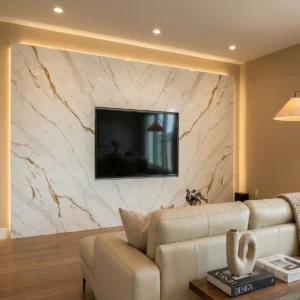




- الصفحة الرئيسية
- كوارتز
- ألواح الكوارتز
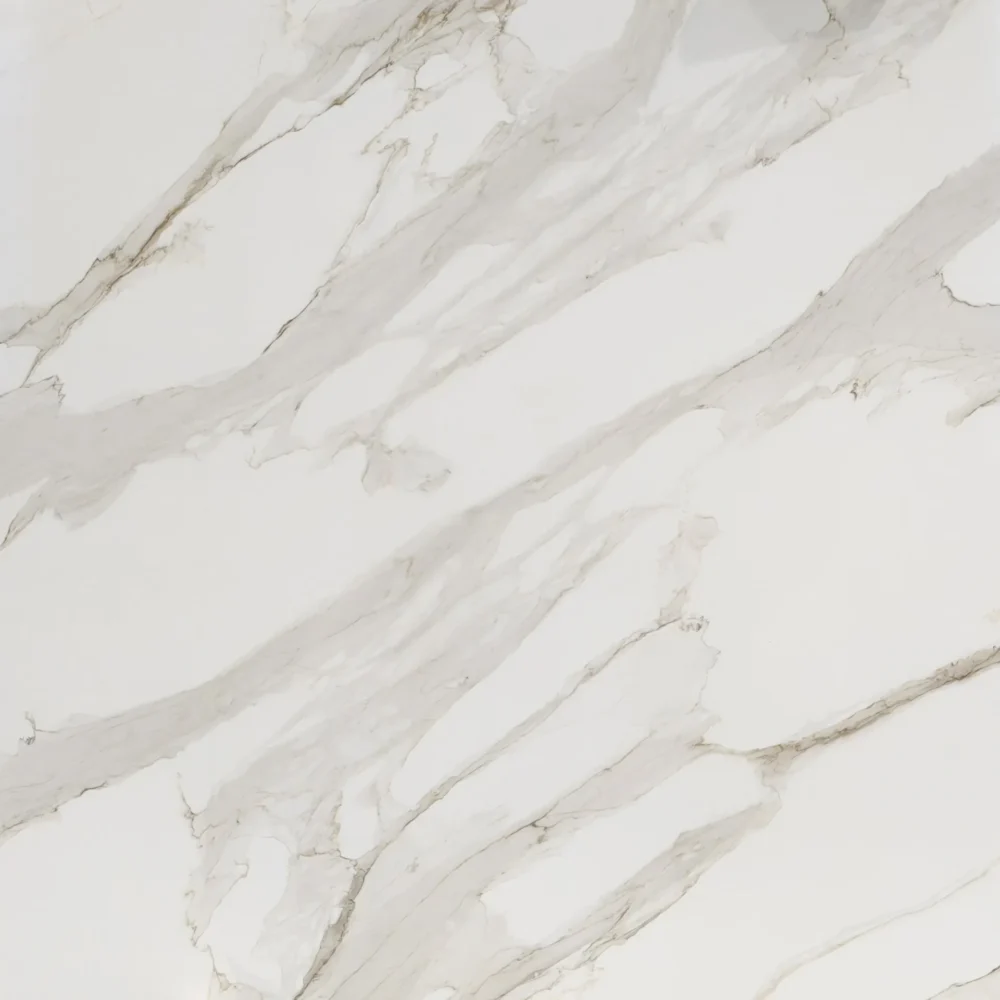
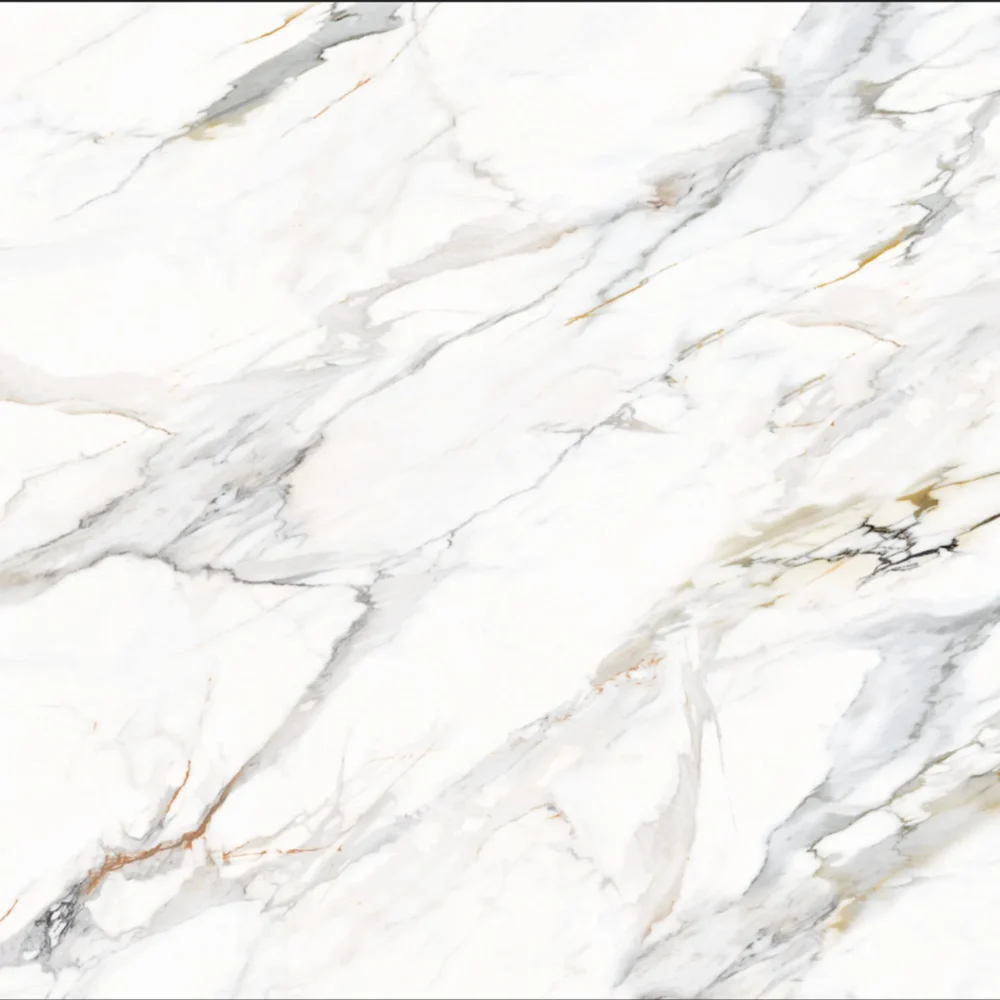
- Soft White Quartz Slab with Gray Vein GQ-5141 for wholesale
Soft White Quartz Slab with Gray Vein GQ-5141 for wholesale

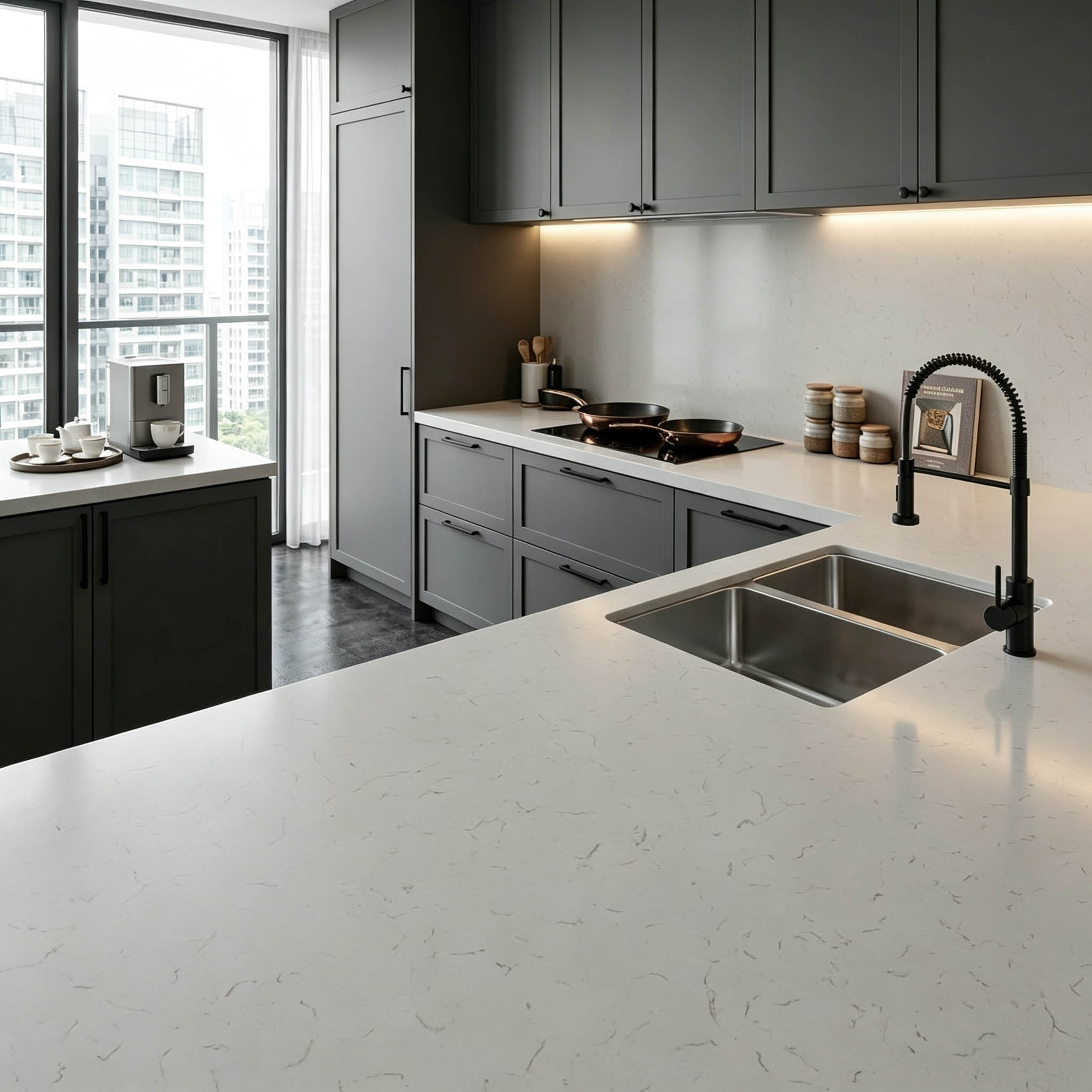

| الألوان الأساسية | Soft Snow White |
| لون (ألوان) الزخرفة | رمادي شاحب |
| صياغة | عادي |
| تشطيبات | مصقول / مصقول / سويدي / جلد |
| حجم مخصص | 138 بوصة × 79 بوصة / 126 بوصة × 63 بوصة / قابل للتخصيص |
| سُمك | 20mm/30mm/Customizable |
| أسلوب الحافة | حافة مصقولة مريحة/حافة مصفحة 2+2 سم/حافة مشطوفة |
| Full Body Quartz | نعم |
| متوفر بمطابقة الكتاب | نعم |
| Place of Origin | تايلاند |
| Port of Transportation | تايلاند |
| Packaging | Foam or carton inside + strong wooden crates with reinforced straps outside and fumigation |
| Delivery time | 15-20 days / Express service is negotiable. |
| MOQ | 10 ㎡ |
| Payment terms | 30%T/T after confirm the order and the 70% T/T by copy of B/L |
| أسطح العمل سكني: نعم تجاري: نعم |
| جدار سكني: نعم تجاري: نعم |
| أرضيات سكني: نعم تجاري: نعم |
وصف:
أسئلة متكررة
All white quartz kitchen countertops pros and cons?
All-white quartz gives that crisp, airy look—great for open-concept or small kitchens where light reflection matters.
Most fabricators will tell you it’s reliable: no sealing, holds up well to daily spills, and resists scratching from knives or cookware under normal use.
But in real-world kitchens, pure white shows everything—water rings on polished finishes, smudges from oily hands, even light etching if someone uses vinegar or lemon juice straight on the surface.
Thermal shock isn’t usually an issue, but dropping a heavy cast-iron pan on a thin edge can chip it—especially with 2cm slabs.
And while color consistency is better than natural stone, some batches shift slightly warm or cool, so dry-lay approval is non-negotiable.
Homeowners often report after a year or two that high-gloss whites need more frequent wiping than honed or matte versions.
If your client leans toward warmth or texture, pairing with wood tones or a textured tile backsplash helps soften the clinical feel.
Grand Quartz Tech’s all-white options are printed full-body, so edge matching stays consistent—but still, lighting and finish choice change how 'white' reads on site.
What type of white or grey quartz countertops are ?
White and grey quartz countertops are engineered from ground quartz aggregate bonded with polymer resin—and pigment, which is where things get tricky.
The base color comes from both the quartz itself and added oxides; grey variants especially vary widely in undertone—some lean blue, others brown or green—depending on the source material and firing process.
Grand Quartz Tech prints its marble-look and quartzite-look lines using full-body technology, so veining runs through the slab, not just the surface layer.
That means edges and cutouts hold pattern continuity better than older surface-printed slabs.
In high-traffic commercial spaces, we’ve seen grey quartz hold up well against scuffing—especially honed or leathered finishes—but polished greys show dust and fingerprints more than white.
Bookmatching works best with consistent veining density; busy patterns telegraph seams more easily, so installers usually recommend tighter seam placement or strategic layout planning.
Always verify resin stability—some cheaper formulations yellow near UV-exposed windows or under recessed LED heat.
Dry-lay under job-site lighting remains the only way to catch subtle shifts.
What are the best white quartz countertops with gold ?
White quartz with gold veining relies heavily on pigment quality and print registration—not just aesthetics.
The most durable versions use stable metal oxide pigments embedded in the resin matrix, not surface coatings.
Grand Quartz Tech’s Stone Look line uses UV-stable gold-toned pigments that resist fading under kitchen lighting or southern exposure, but even then, direct sun over years can dull contrast.
Installers usually recommend these for islands or backsplashes—not full perimeter runs—because dense gold veining competes with cabinet hardware or tile grout lines.
In real-world kitchens, clients love the warmth, but they also notice how much the finish affects perception: polished gold veins pop, but show smudges; honed versions mute the shine but soften definition.
Fabricators warn that tight bookmatches on gold-veined slabs require precise slab sequencing—misalignment makes veins jump at seams.
Also, some gold pigments interact with certain adhesives or edge-polishing compounds, causing slight discoloration during fabrication.
Always test a sample with your shop’s polishing method and edge profile before committing.
And skip the showroom lights—view samples under your project’s actual lighting conditions.
Quartz countertop with white and black veining?
White-and-black veined quartz mimics high-contrast natural stone like Nero Marquina—but with tighter control over vein width, density, and direction.
Most fabricators prefer these for islands or statement walls because the drama reads well at scale, but they’re harder to hide in long, uninterrupted runs.
Seam visibility depends less on color match and more on vein alignment—busy patterns exaggerate misaligned cuts, so dry-lay planning is critical.
In commercial kitchens or hotels, we’ve seen black veining hold up fine to cleaning chemicals, but some lower-resin formulations show micro-scratching faster on polished surfaces, especially near prep sinks.
Thermal cycling isn’t usually an issue, but black pigments in cheaper resins can fade or shift toward brown under prolonged UV exposure—so avoid placing near unshaded south-facing windows without verifying SGS UV testing reports.
Grand Quartz Tech’s quartzite-look slabs use deeper pigment saturation and full-body printing, which helps maintain contrast through edges and cutouts.
Still, always check slab lot numbers: even within one SKU, vein density can vary enough to affect visual flow across multiple slabs.