



- الصفحة الرئيسية
- كوارتز
- ألواح الكوارتز
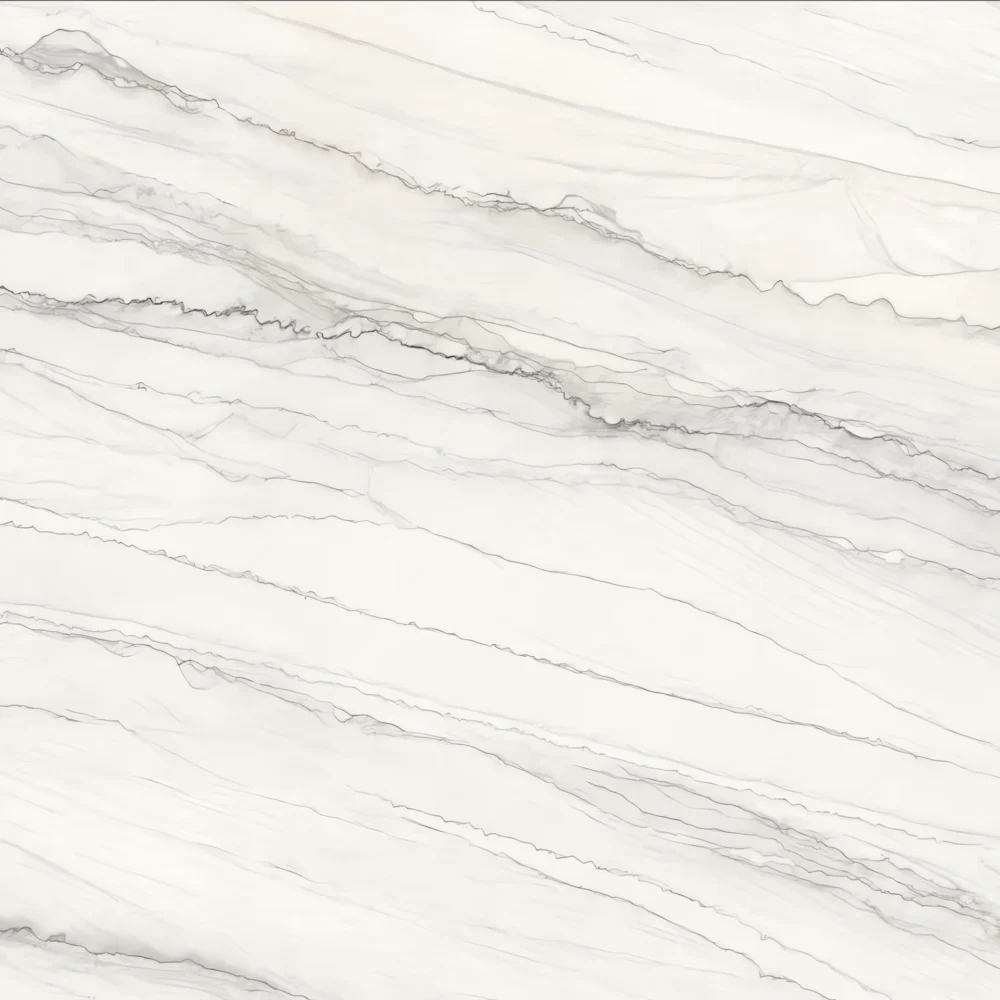
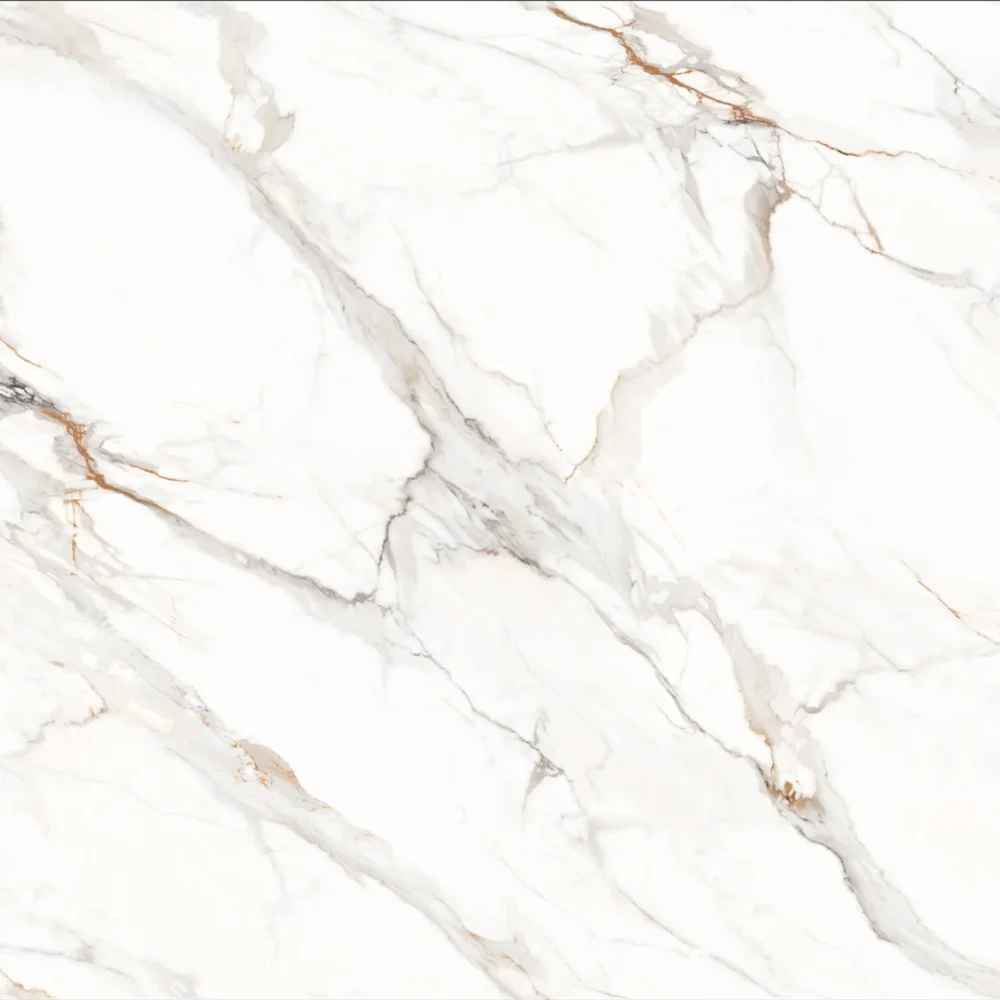
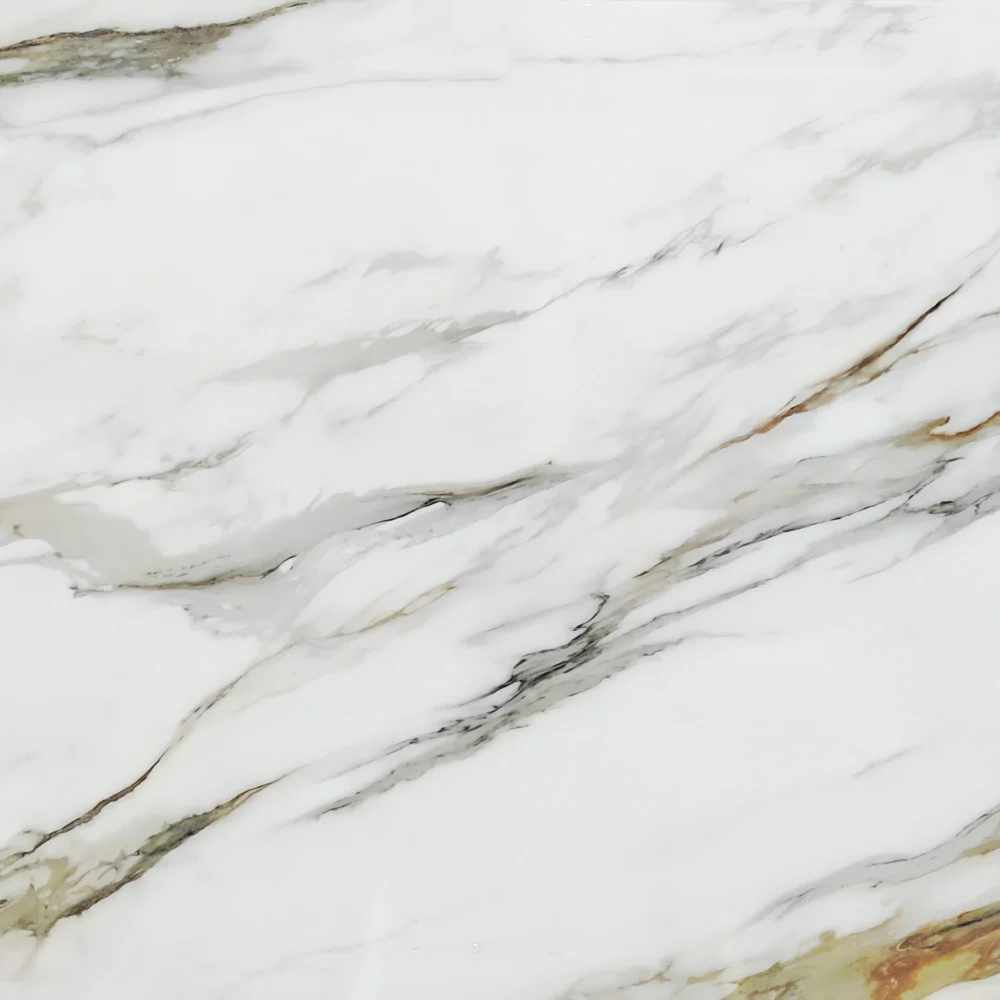
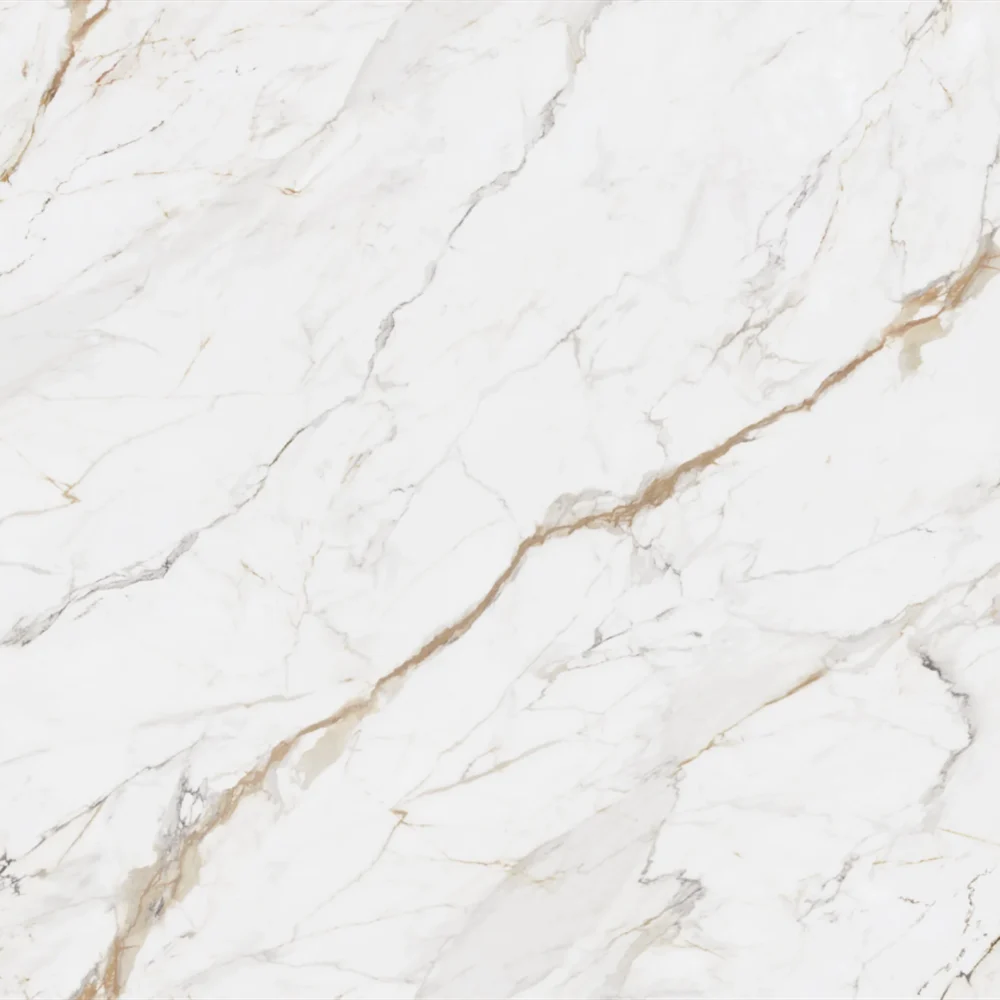
- Calacatta Gold Quartz Surface GQ-T312 for Wholesale
Calacatta Gold Quartz Surface GQ-T312 for Wholesale
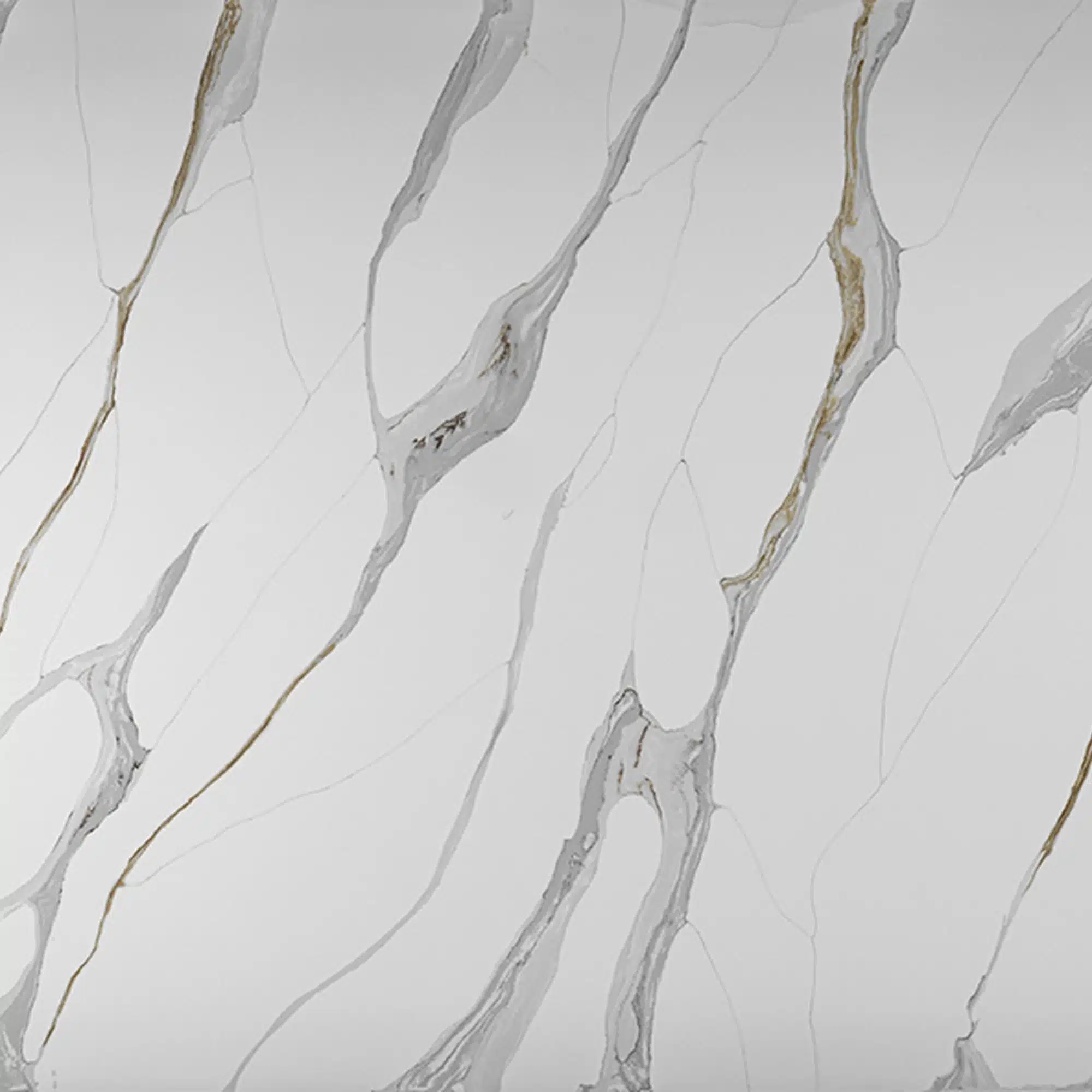
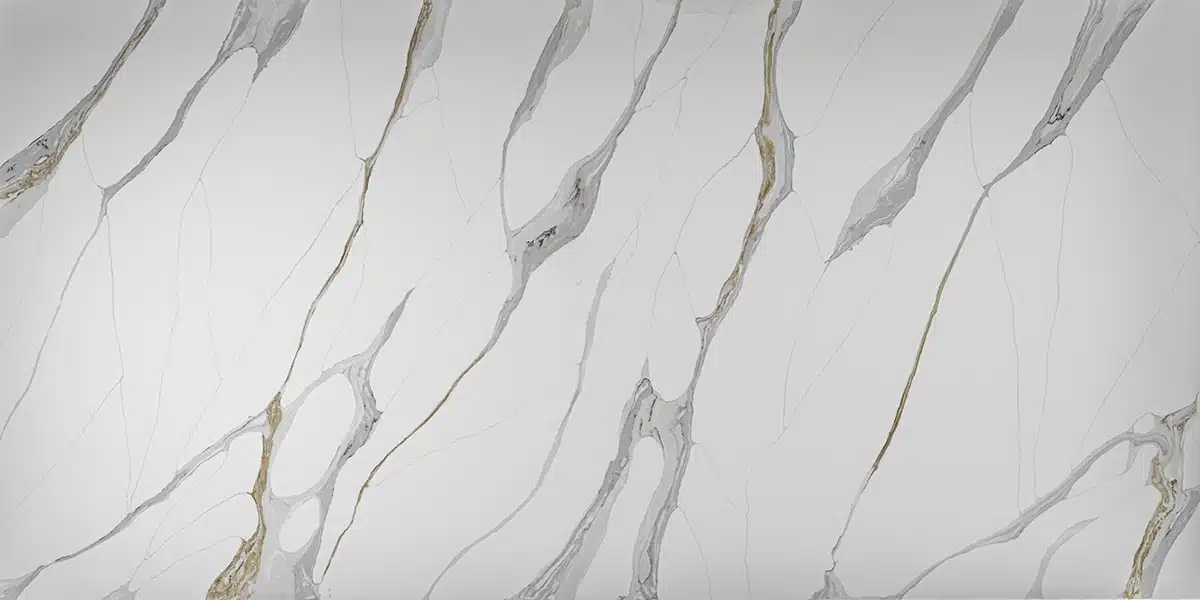
| الألوان الأساسية | Bright Cool White |
| لون (ألوان) الزخرفة | Silver Grey Vein + Warm Gold Accent |
| صياغة | عادي |
| تشطيبات | مصقول / مصقول / سويدي / جلد |
| حجم مخصص | 138 بوصة × 79 بوصة / 126 بوصة × 63 بوصة / قابل للتخصيص |
| سُمك | 20mm/30mm/Customizable |
| أسلوب الحافة | حافة مصقولة مريحة/حافة مصفحة 2+2 سم/حافة مشطوفة |
| Full Body Quartz | نعم |
| متوفر بمطابقة الكتاب | نعم |
| Place of Origin | تايلاند |
| Port of Transportation | تايلاند |
| Packaging | Foam or carton inside + strong wooden crates with reinforced straps outside and fumigation |
| Delivery time | 15-20 days / Express service is negotiable. |
| MOQ | 10 ㎡ |
| Payment terms | 30%T/T after confirm the order and the 70% T/T by copy of B/L |
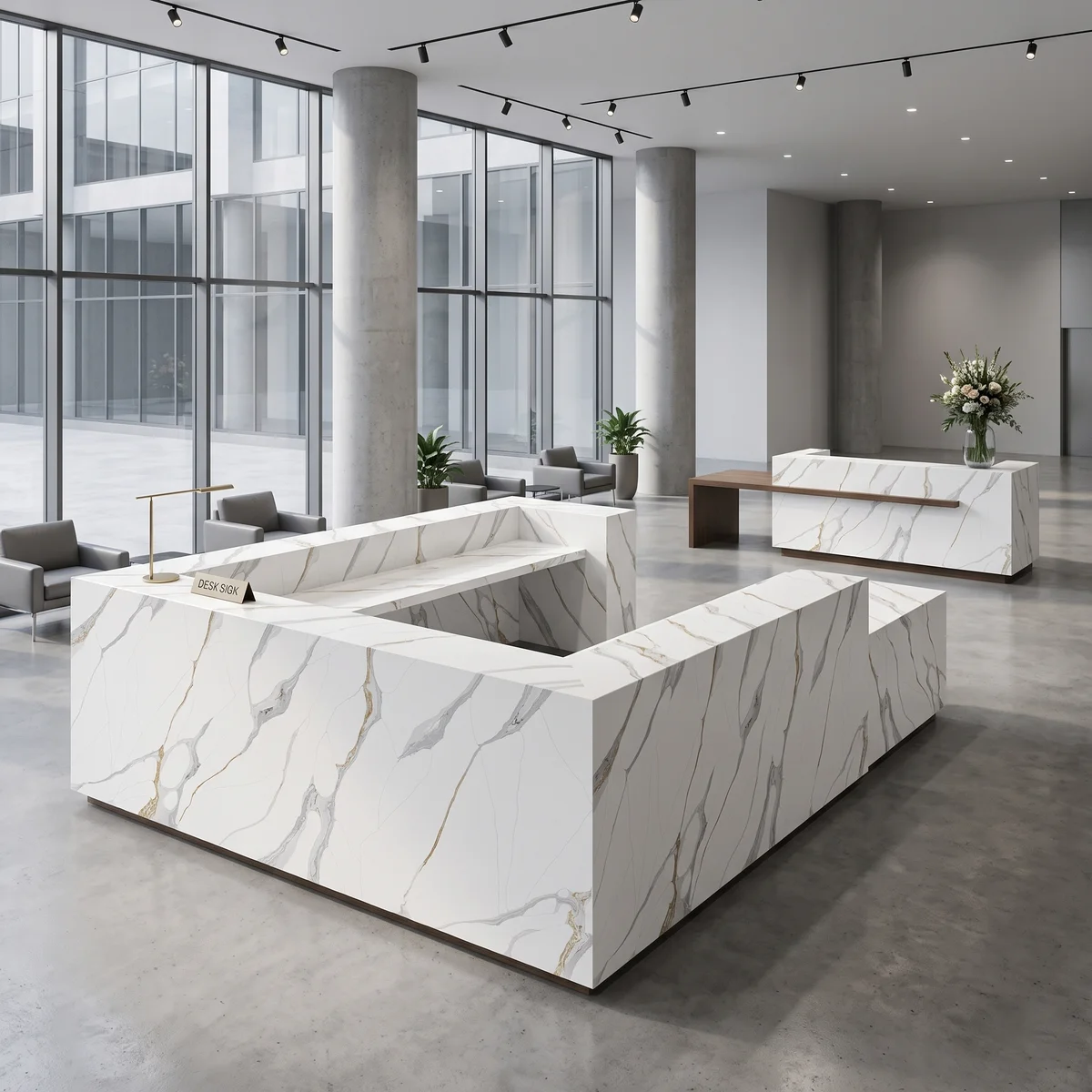
| أسطح العمل سكني: نعم تجاري: نعم |
| جدار سكني: نعم تجاري: نعم |
| أرضيات سكني: نعم تجاري: نعم |
وصف:
أسئلة متكررة
What color is warm quartz?
Warm quartz isn’t a single color—it’s a broad term for engineered stone with golden, beige, or honey undertones that create a cozy, inviting look. Think of it as the opposite of cool, sterile white. Warm white quartz, like T312, often has subtle gold flecks, soft gray veining, or creamy base tones. It’s popular in kitchens with wood cabinets or light finishes because it avoids the starkness of pure white. But beware: ‘warm’ can vary wildly between brands. Some warm quartz looks like aged ivory, others mimic Taj Mahal quartzite with beige-gray veins. Always request physical samples under actual lighting—what looks warm in a showroom can feel cold in your home. And yes, some warm whites are engineered with mineral glitter for a low-key sparkle, but that’s more aesthetic than functional.
How to warm up kitchen countertop?
Warming up a cool countertop starts with the material. If you’re stuck with a cold white or gray quartz, pair it with warm accents: copper hardware, brass fixtures, or wood elements like a butcher block island or open shelving. Lighting also matters—use warm-toned LEDs (2700K–3000K) under cabinets and avoid harsh overheads. Backsplashes help too: terracotta tile, subway tile with warm grout, or even a soft mosaic can add warmth. Don’t overlook the backsplash color—cream, ochre, or soft yellow can subtly shift the mood. And if you’re replacing, go for warm white quartz with golden undertones, like T312, or a beige-toned quartz with subtle veining. Remember: cool surfaces reflect light more, so adding texture (like a honed finish) or a matte coating can reduce that clinical feel. It’s all about balance—too much warmth overwhelms, but a little goes a long way.
How to Recognize High-Quality — And Inferior — Quartz ?
High-quality quartz, like T312, feels dense and consistent. Tap it—if it sounds dull and solid, it’s likely good; a hollow ring means poor composition. Check the edge: high-grade quartz has uniform color and pattern throughout, no fading or layering. Look for resin pooling or voids—those are red flags. In terms of finish, polished should be smooth without haze; honed should feel like fine sandpaper, not gritty. Inferior quartz often has inconsistent veining, visible seams, or a plasticky sheen. It may also be prone to chipping or scratching, especially around edges. Always ask for a material data sheet—reputable brands list resin content, density, and scratch resistance. And never skip the dry-lay approval: see how slabs bookmatch and seam. If a fabricator skips this step, they’re likely cutting corners. Lastly, trust your installer: if they hesitate or say it’s ‘too hard’ to cut, it might be low-grade material with poor durability.