



- Start
- Quarz
- Quarzplatten
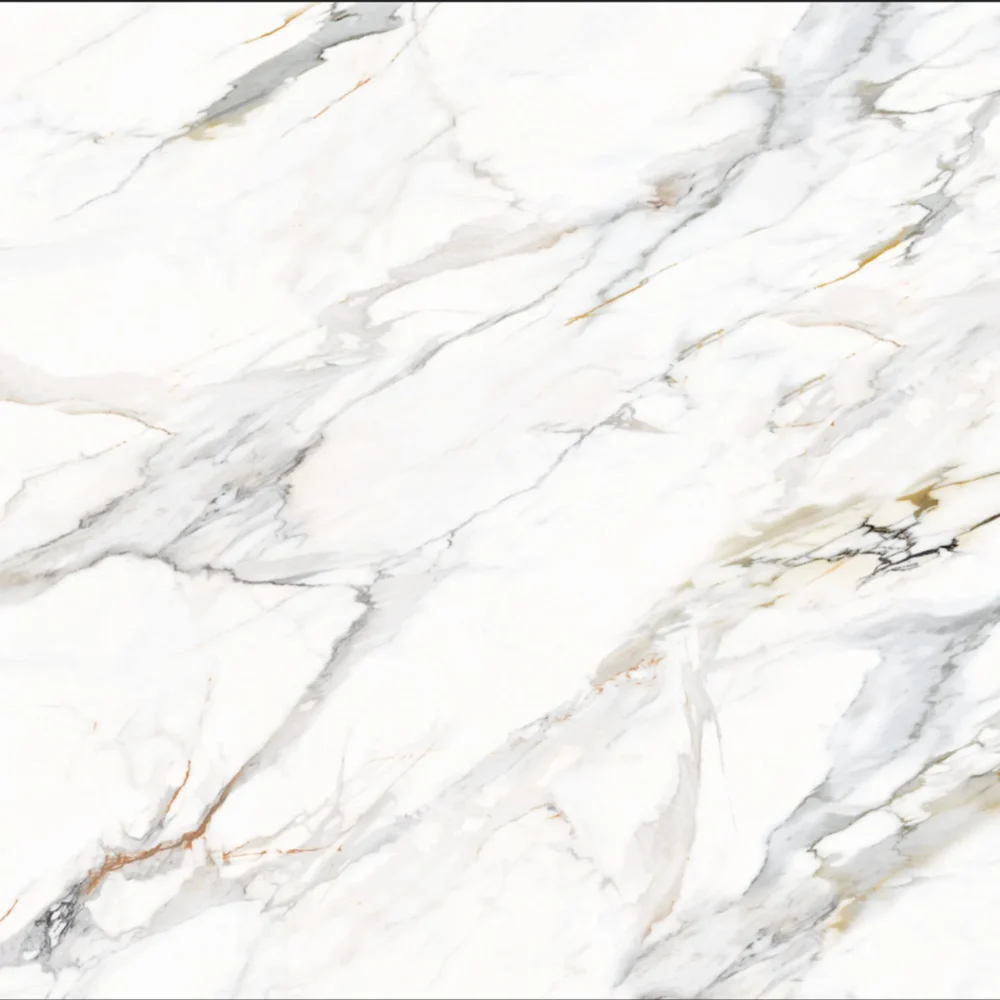
- Aurelius White Dolomite Quartz Countertops GQ-R0263 for Wholesale
Aurelius White Dolomite Quartz Countertops GQ-R0263 for Wholesale
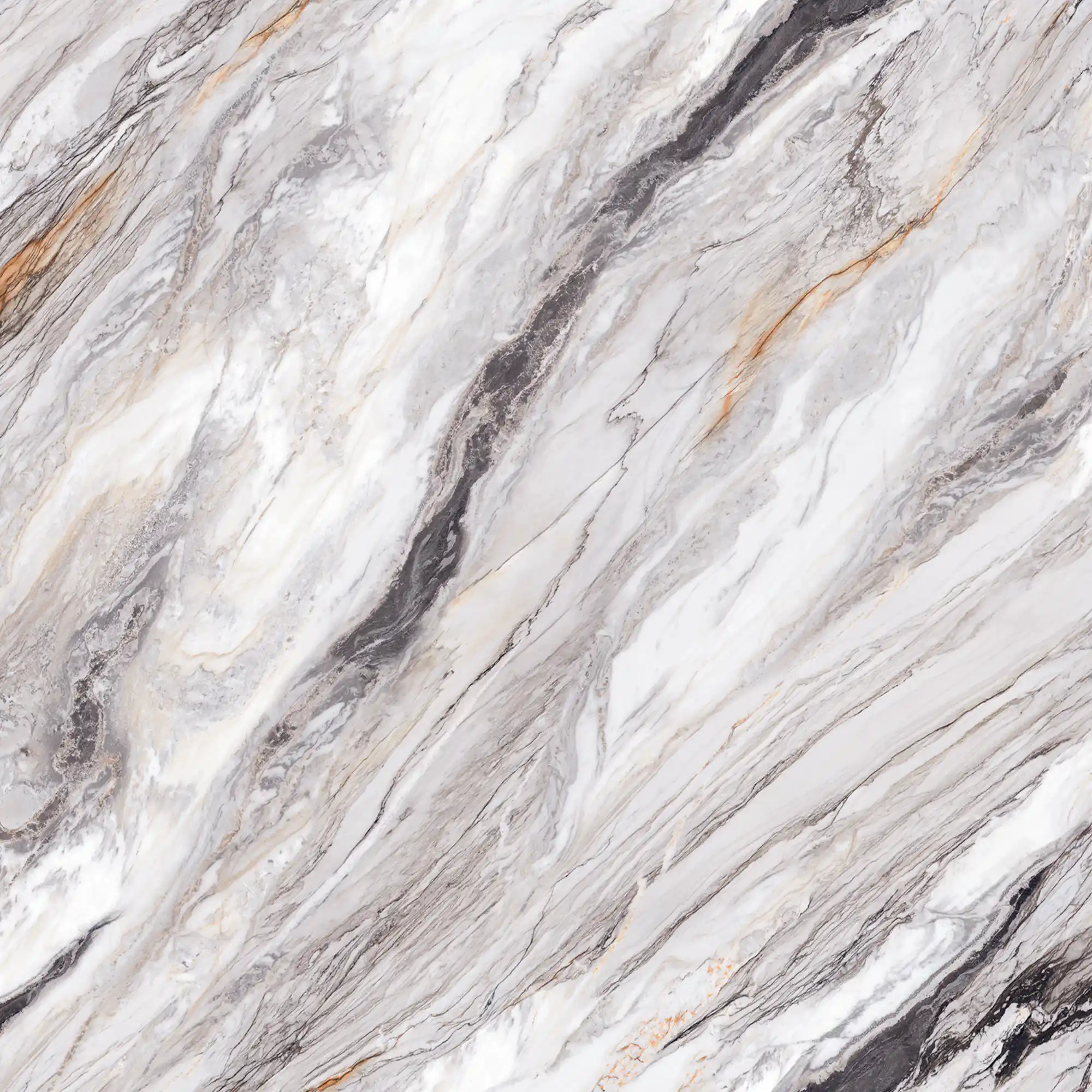
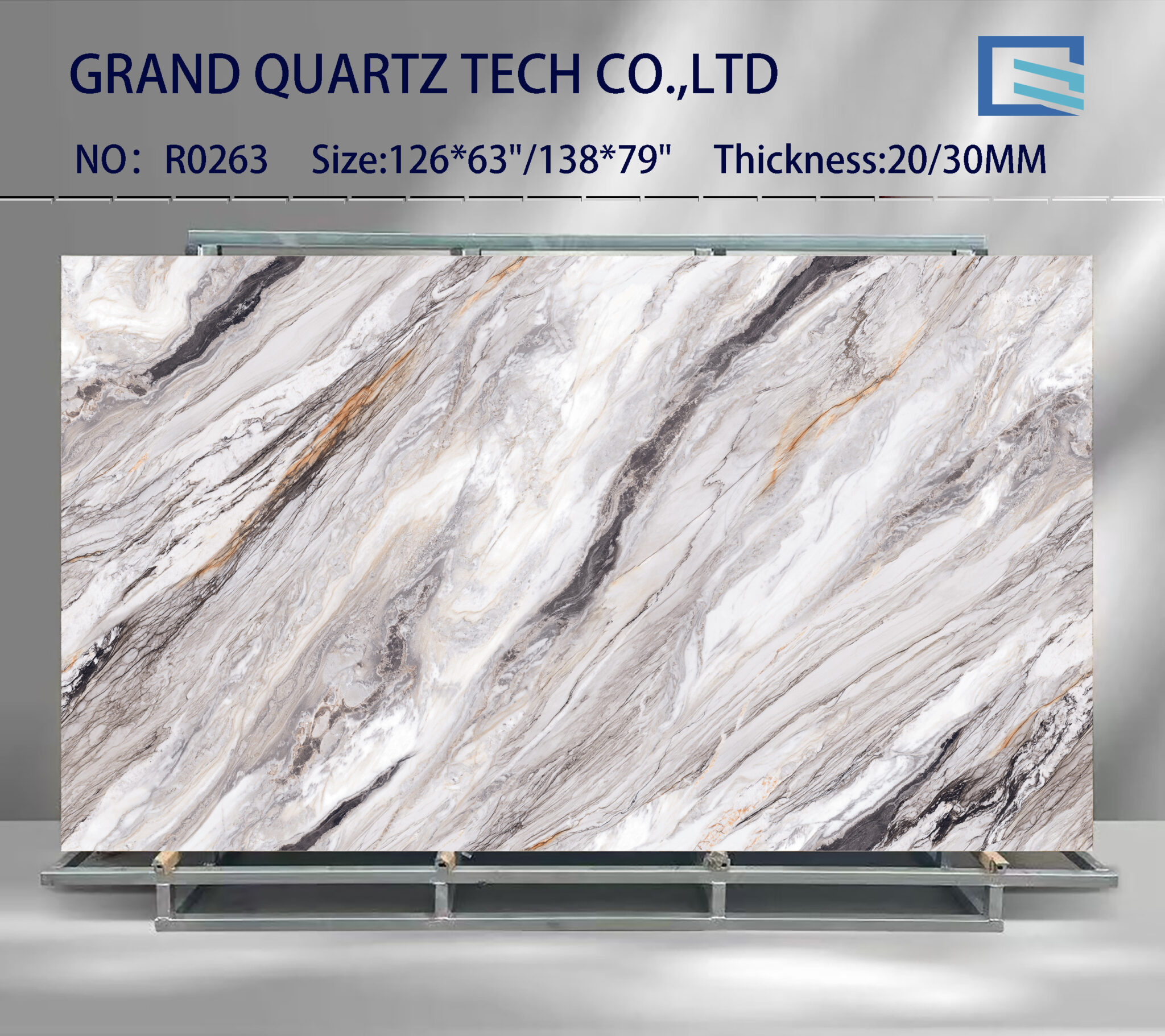
| Primärfarb(en) | Cool Silver-Grey White |
| Akzentfarbe(n) | Bold Dark Charcoal Grey Vein + Warm Gold Highlight |
| Handwerk | Gedruckt |
| Fertigstellungen | Poliert / Geschliffen / Wildleder / Leder |
| Maßgeschneiderte Größe | 138″ × 79″ / 126″ × 63″ / Anpassbar |
| Dicke | 20mm/30mm/Customizable |
| Randstil | Abgeschrägte polierte Kante/2+2cm lamellierte Kante/Gehrungskante |
| Land | Thailand |
| Vollflächig bedruckter Quarz | Ja |
| Buchungsübereinstimmung verfügbar | Ja |
| Arbeitsplatten Wohngebiet: Ja Gewerblich: Ja |
| Mauer Wohngebiet: Ja Gewerblich: Ja |
| Bodenbelag Wohngebiet: Ja Gewerblich: Ja |
Beschreibung:
Häufig gestellte Fragen
Dolomite vs Quartz Countertops: Which Is Right for You?
Most fabricators will tell you the real difference comes down to what you’re willing to accept in terms of maintenance and durability.
Natural dolomite is a soft stone—harder than limestone but softer than granite—and it’s porous.
That means it stains easily, especially from acidic things like lemon juice or vinegar, and it needs to be sealed regularly.
In real-world kitchens, that often means resealing every 6 to 12 months, depending on use.
It also etches when exposed to acidic substances, so you’ll see dull spots on the surface over time.
Quartz, on the other hand, is engineered—usually a mix of ground quartz, resin, and pigments—and non-porous.
It doesn’t absorb liquids, so spills don’t stain it, and it resists etching.
Installers usually recommend quartz for high-traffic homes because it’s more durable and easier to maintain long-term.
The tradeoff?
Dolomite has a more authentic, natural stone look with variation in color and veining, which some homeowners love.
But if you’re not planning to seal it religiously, quartz is a smarter choice.
Some manufacturers, like Grand Quartz Tech, now make full-body printed quartz slabs that mimic dolomite and other stones with realistic texture and veining.
These slabs offer the visual appeal without the upkeep.
If you’re going for a marble-like or stone-look surface but want low maintenance, those printed quartz options—like the Aurelius White Dolomite Quartz—can give you the best of both worlds.
Is dolomite better than quartz?
No—dolomite isn’t better than quartz when you consider long-term performance and maintenance.
Most fabricators will tell you dolomite is a beautiful stone, but it’s not built for daily kitchen use.
It’s soft, porous, and etches easily from acidic substances.
You’ll need to seal it regularly, and even then, it can still stain.
In real-world kitchens, that often means more cleaning and touch-ups than people expect.
Quartz, on the other hand, is engineered to resist stains, scratches, and etching.
It’s non-porous, so liquids don’t penetrate the surface, and it doesn’t require sealing.
Installers usually recommend quartz for busy households because it holds up better over time.
A common mistake is assuming that because dolomite looks like marble or limestone, it’s just as durable—but it’s not.
The resin in quartz also makes it more impact-resistant, so it’s less likely to chip or crack under heavy use.
That said, some people still choose dolomite for its natural variation and depth of color.
But if you’re looking for a surface that’s both beautiful and low-maintenance, quartz is the better option.
For those who want the look of dolomite without the upkeep, manufacturers like Grand Quartz Tech offer full-body printed quartz slabs that mimic the veining and texture of natural stone—without the flaws.