



- Start
- Quarz
- Quarzplatten
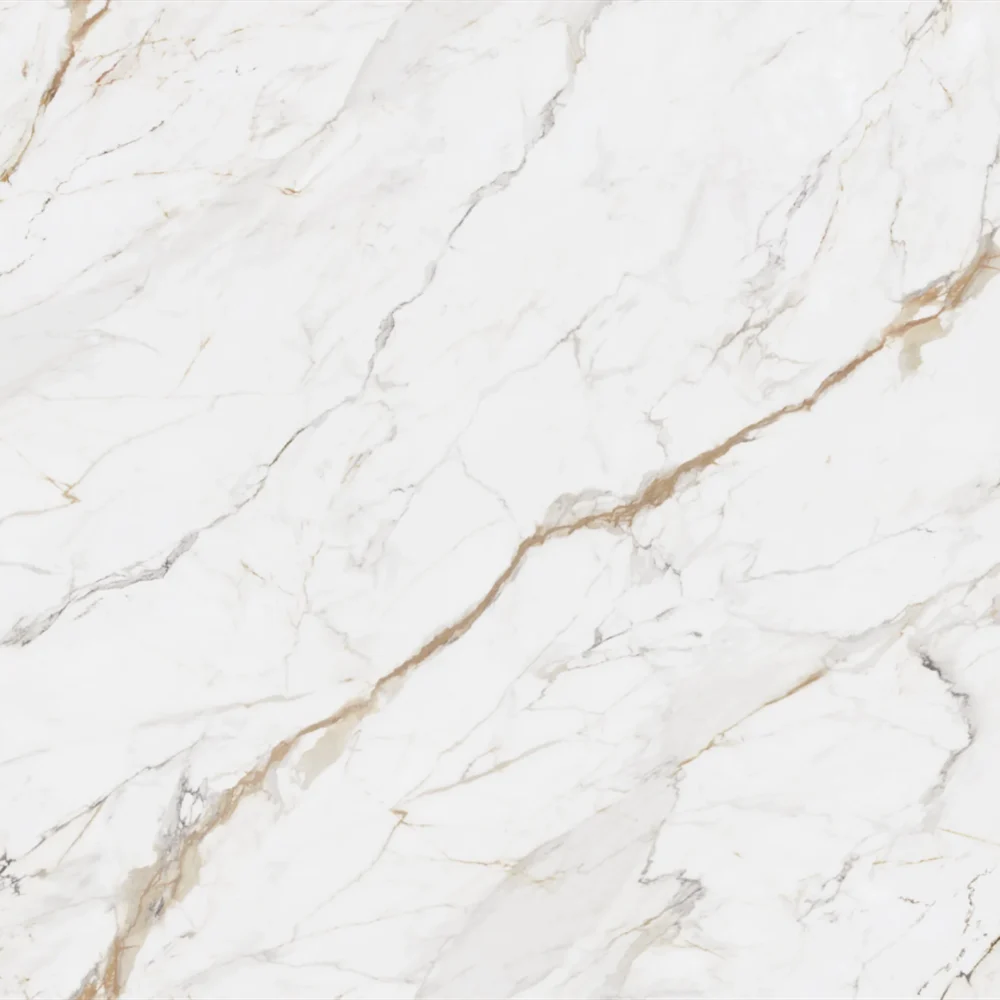
- Calacatta Miraggio Gold Quartz Countertops GQ-T257 for Wholesale
Calacatta Miraggio Gold Quartz Countertops GQ-T257 for Wholesale
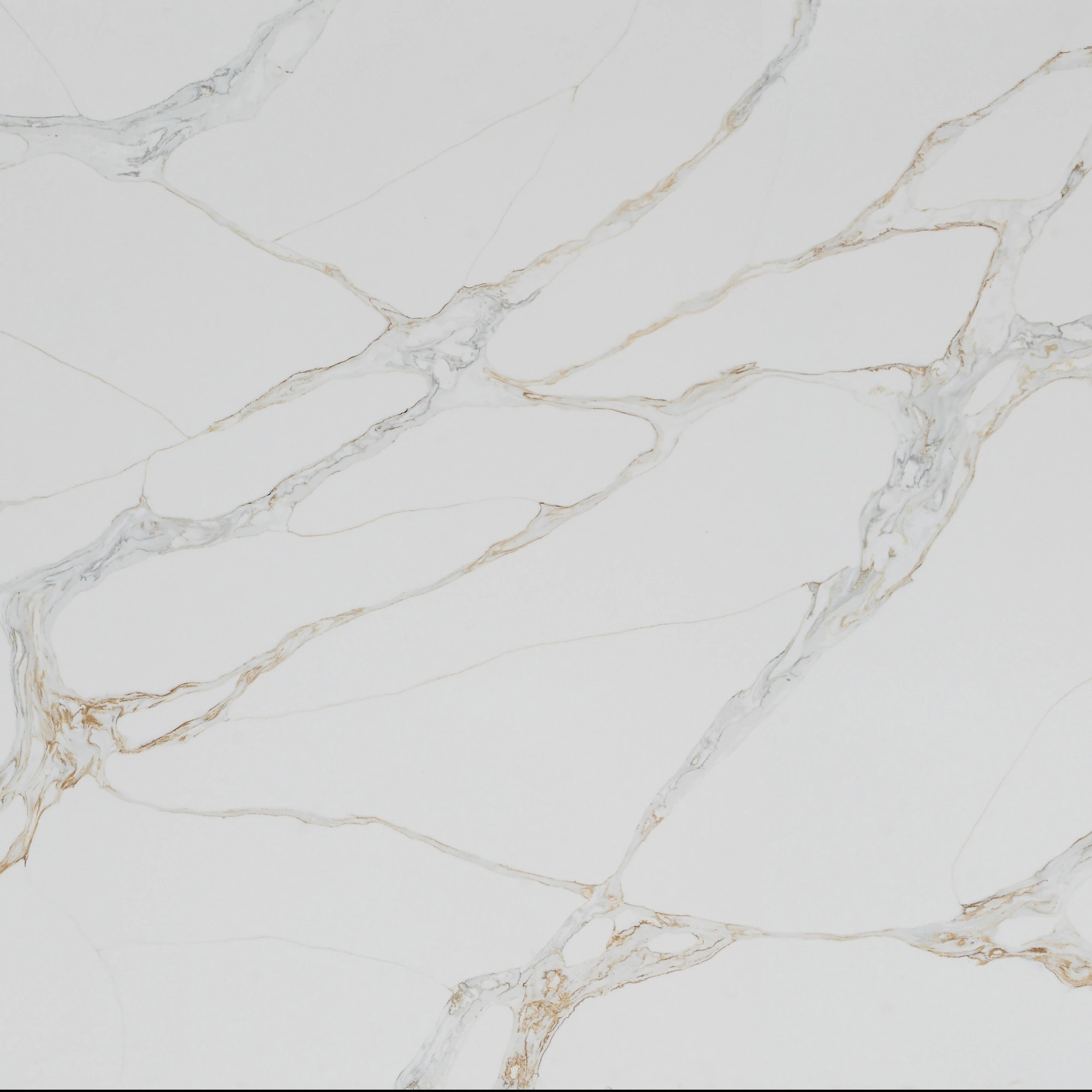
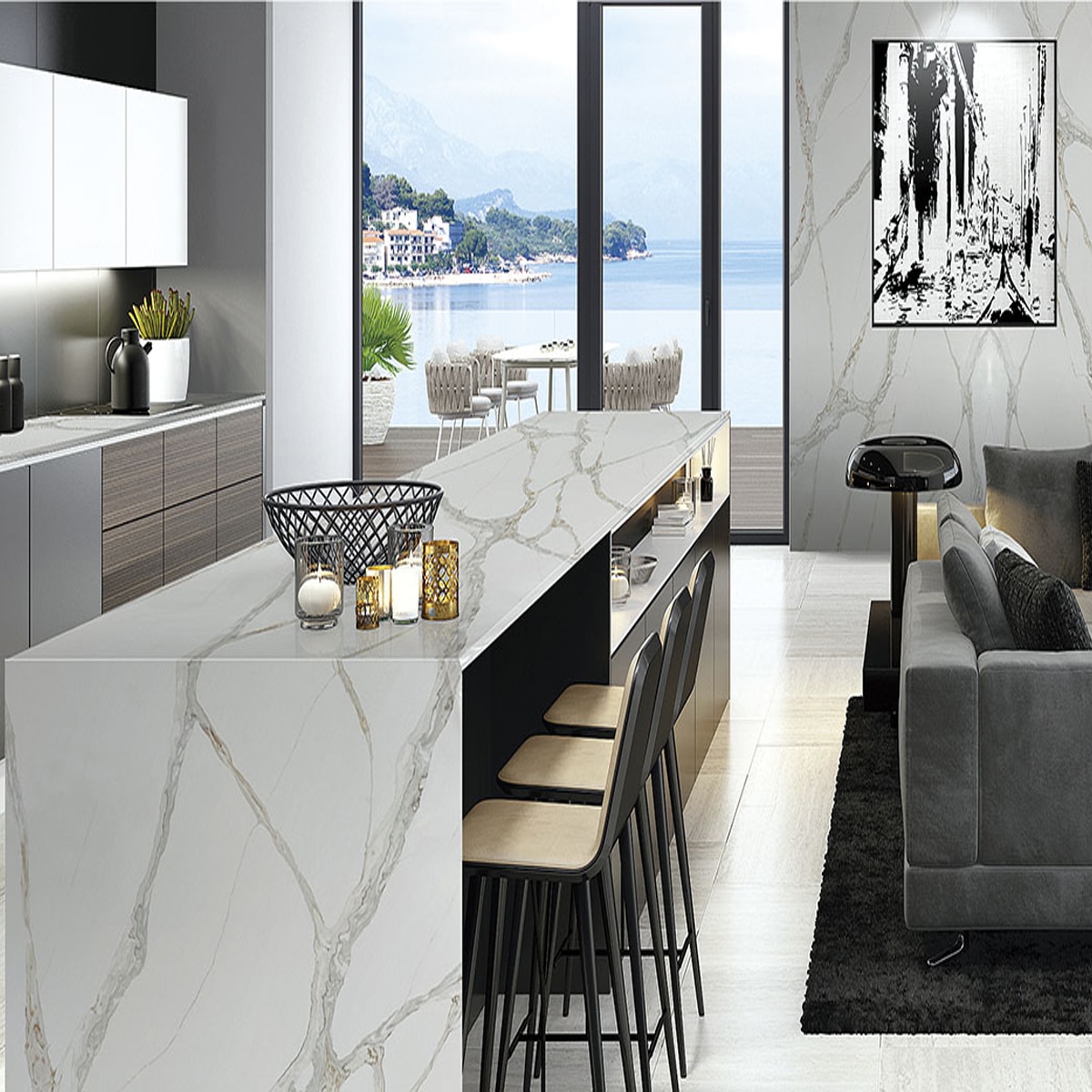
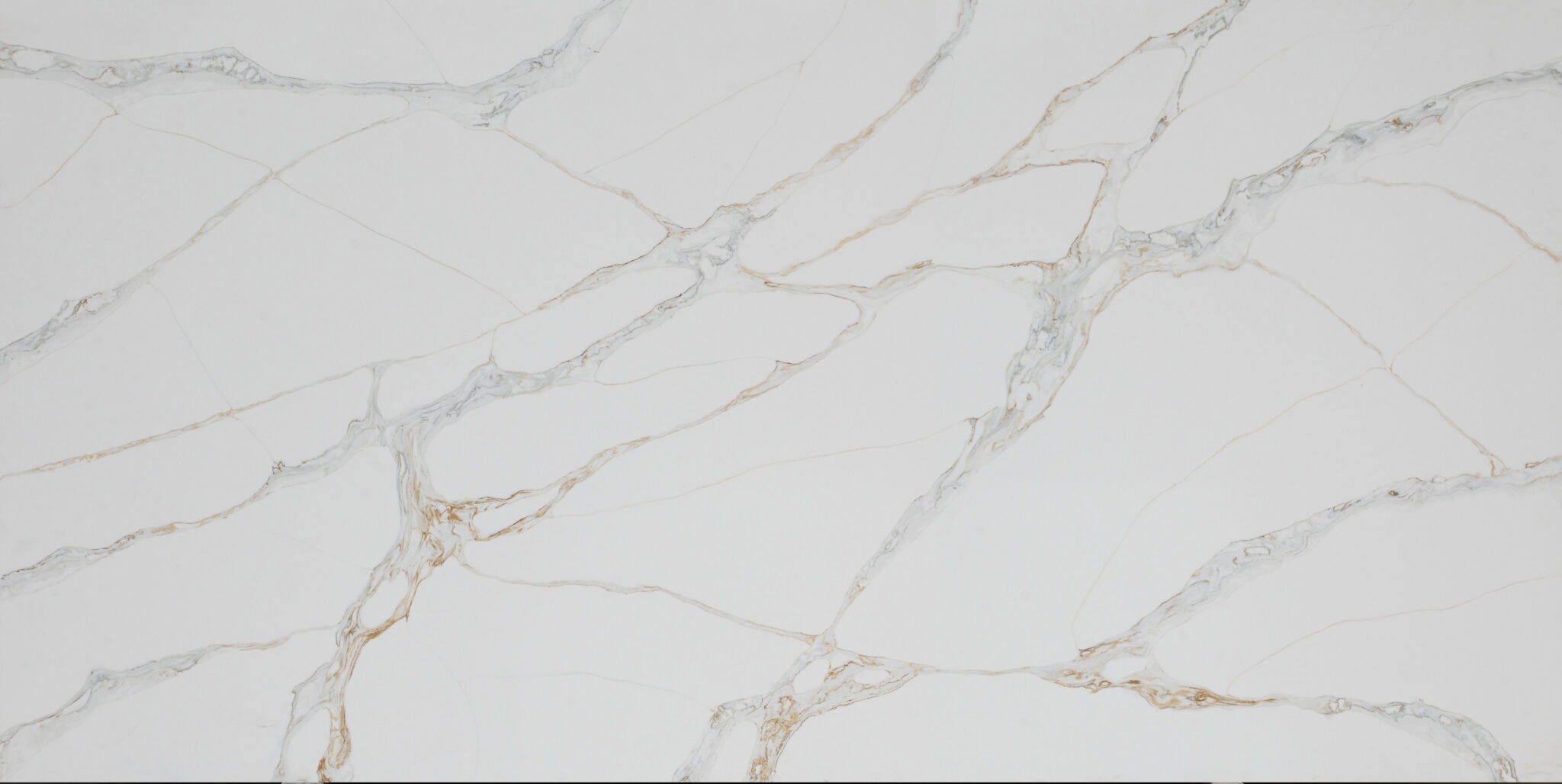
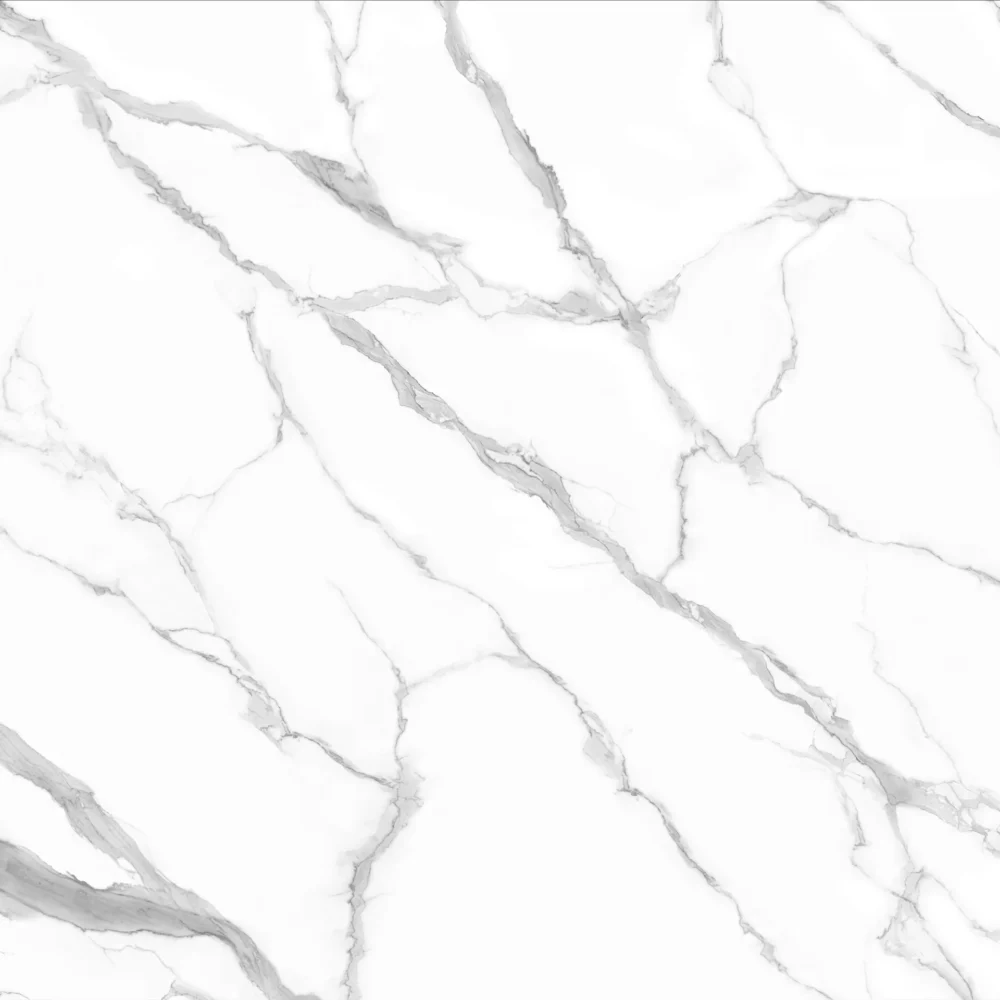
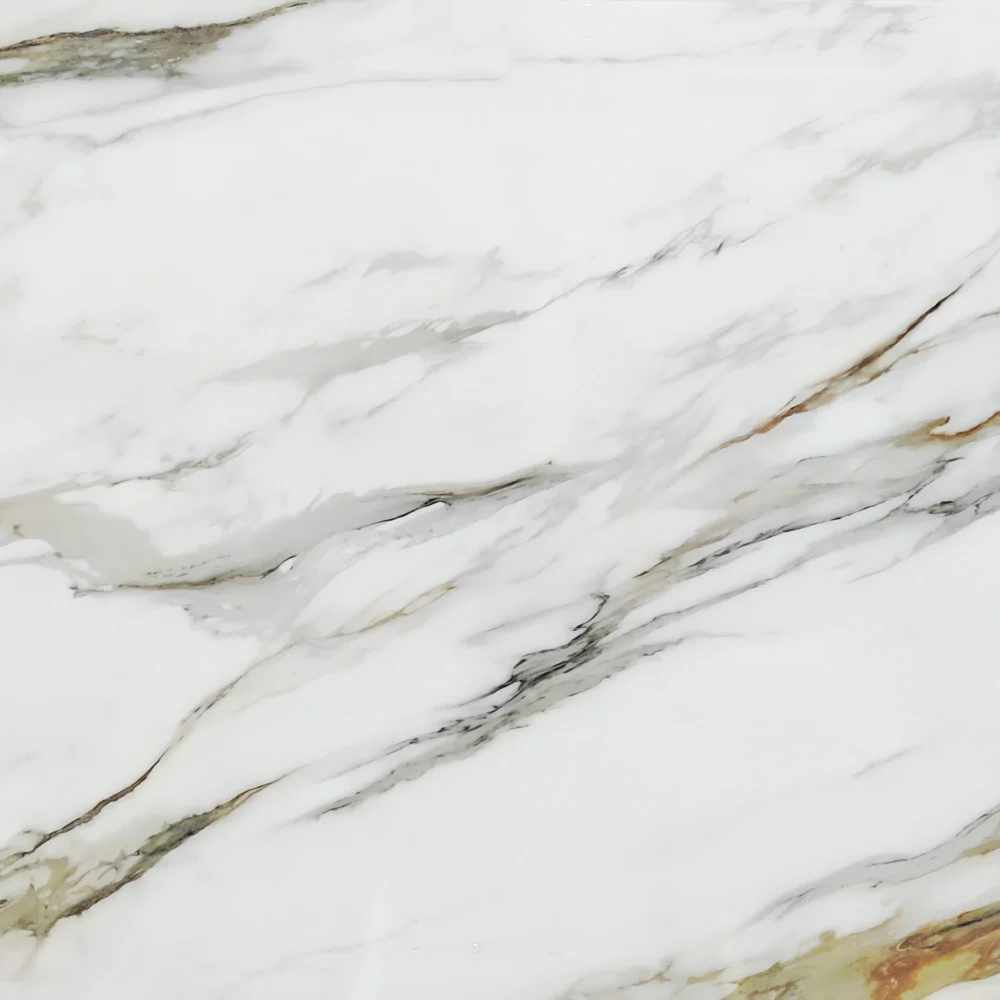
| Primärfarb(en) | Bright Pure White |
| Akzentfarbe(n) | Cool Silver Grey Vein + Warm Gold Accent |
| Handwerk | Regelmäßig |
| Fertigstellungen | Poliert / Geschliffen / Wildleder / Leder |
| Maßgeschneiderte Größe | 138″ × 79″ / 126″ × 63″ / Anpassbar |
| Dicke | 20mm/30mm/Customizable |
| Randstil | Abgeschrägte polierte Kante/2+2cm lamellierte Kante/Gehrungskante |
| Land | Thailand |
| Full Body Quartz | Ja |
| Buchungsübereinstimmung verfügbar | Ja |
| Arbeitsplatten Wohngebiet: Ja Gewerblich: Ja |
| Mauer Wohngebiet: Ja Gewerblich: Ja |
| Bodenbelag Wohngebiet: Ja Gewerblich: Ja |
Beschreibung:
Häufig gestellte Fragen
What is the best creamy/warm quartz countertop?
If you’re after a warm, creamy quartz that feels inviting without being too yellow or beige, look for options like GQ’s T257 with subtle gold flecks, or GQ-R207S in a warm tone. For a richer, more golden warmth, GQ-R0259 or GQ-T452 are top-tier picks—especially if you want that luxurious, slightly aged marble feel. But if you want something more neutral yet still warm, consider ‘Warm White Quartz’ (T257) or ‘Bianco Calacatta’ with soft veining. The key is avoiding anything with heavy blue undertones or stark white bases. Warm quartz should read like buttered cream, not hospital sterile. Pro tip: Always request samples in natural light—what looks warm under showroom LEDs can turn cold in real daylight.
Is quartz countertop more expensive than granite?
Generally, yes—quartz is more expensive than granite, but not always by much. You’re paying for the engineered nature: quartz is non-porous, stain-resistant, and doesn’t need sealing, unlike granite. That durability often justifies the price. A mid-range quartz like ‘Warm White’ or ‘Calacatta’ might run $60–$80/sq ft installed, while similar-grade granite (e.g., ‘White Carrara’ or ‘Ubatuba’) is $50–$70/sq ft. But high-end quartz, especially with premium finishes or jumbo slabs, can top $100/sq ft. Granite can also get pricey—rare stones like ‘Taj Mahal’ or ‘Calacatta Gold’ can match or exceed quartz costs. Bottom line: quartz has a higher baseline, but both materials have wide price ranges. Always compare apples to apples—look at material cost, slab size, and installation complexity.
What is the best quartz countertop for a bathroom?
For bathrooms, go with a quartz that’s low-maintenance, moisture-resistant, and easy to clean—quartz is ideal here. Look for solid colors or subtle veining like ‘Pure White’, ‘Warm White’, or ‘Carrara White’. Avoid heavily veined or busy patterns; bathrooms benefit from clean, calming visuals. ‘Bianco Calacatta’ or ‘Calacatta Gold’ are excellent choices if you want elegance without sacrificing practicality. Matte finishes are great for hiding fingerprints and water spots. For vanities, ensure the slab is thick enough (1.5” or 2”) to support the sink and resist chipping. Also, check if the fabricator can do a seamless edge or integrated sink—this cuts down on grout lines and mold risks. Pro tip: Always use a sealant on the backsplash edge, even though quartz doesn’t need sealing—moisture from splashes can still seep in over time.
How to Check Quartz Countertop Quality Like a Pro | Expert ?
First, inspect the slab in natural light—never rely on showroom lighting. Look for uniformity in color and pattern; avoid slabs with visible layering or uneven pigmentation. Check for surface flaws: cracks, pits, or discoloration. High-quality quartz should have a consistent, dense finish—tap it lightly; it should sound solid, not hollow. Examine the edge: a clean, sharp cut indicates good fabrication. Look for a full-body print—this means the pattern runs through the entire slab, so edges and seams won’t expose blank layers. Ask the fabricator about the resin-to-quartz ratio—higher quartz content (90–95%) means better durability. Lastly, check for certification: NSF or SGS-approved slabs are safer and more reliable. And never skip the dry-lay approval—see how slabs match before they’re cut. A pro knows: quality isn’t just about brand, it’s about consistency, thickness, and finish.