



- Start
- Quarz
- Quarzplatten
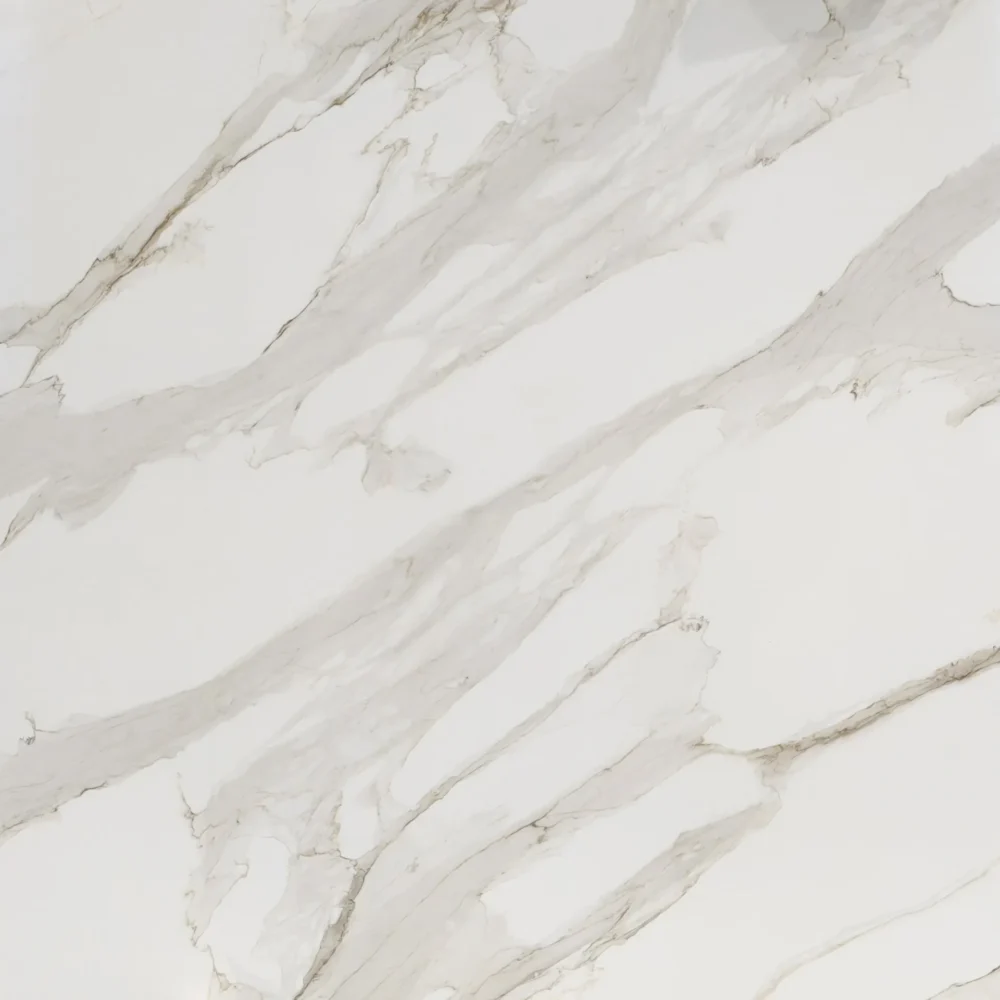
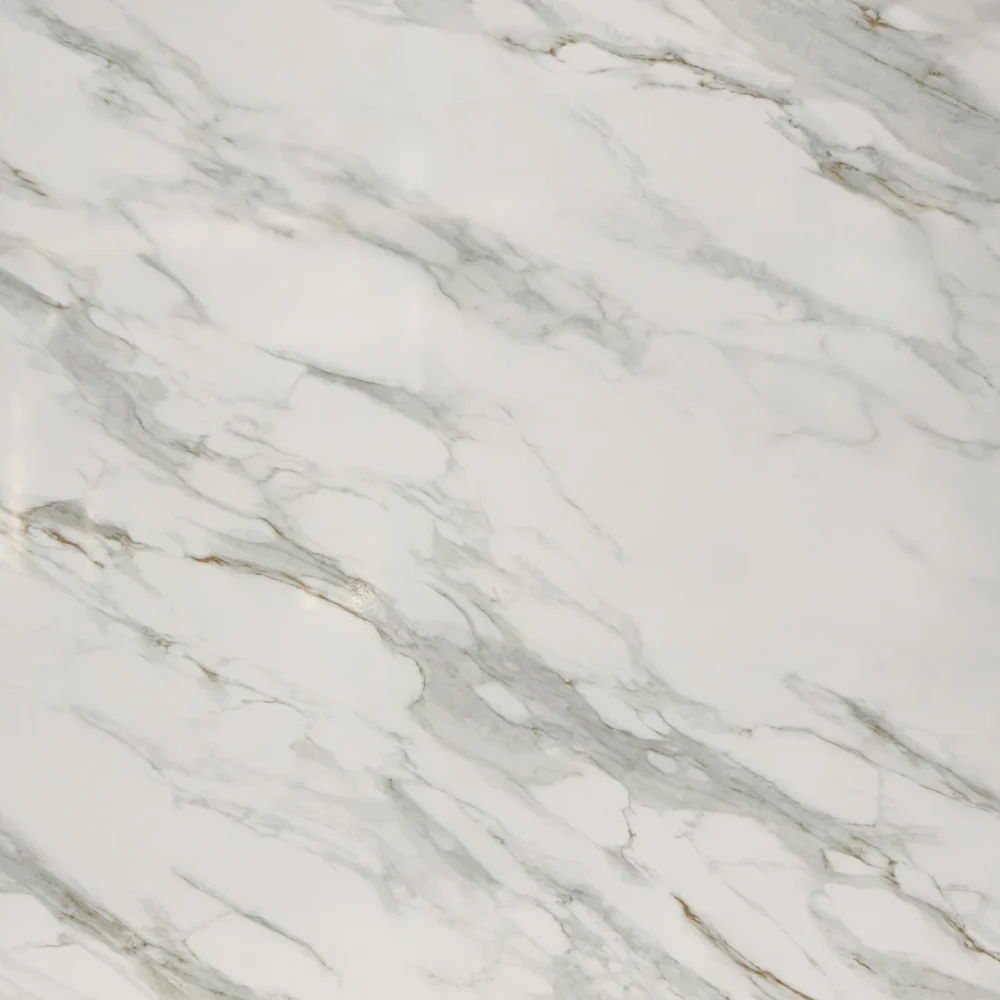
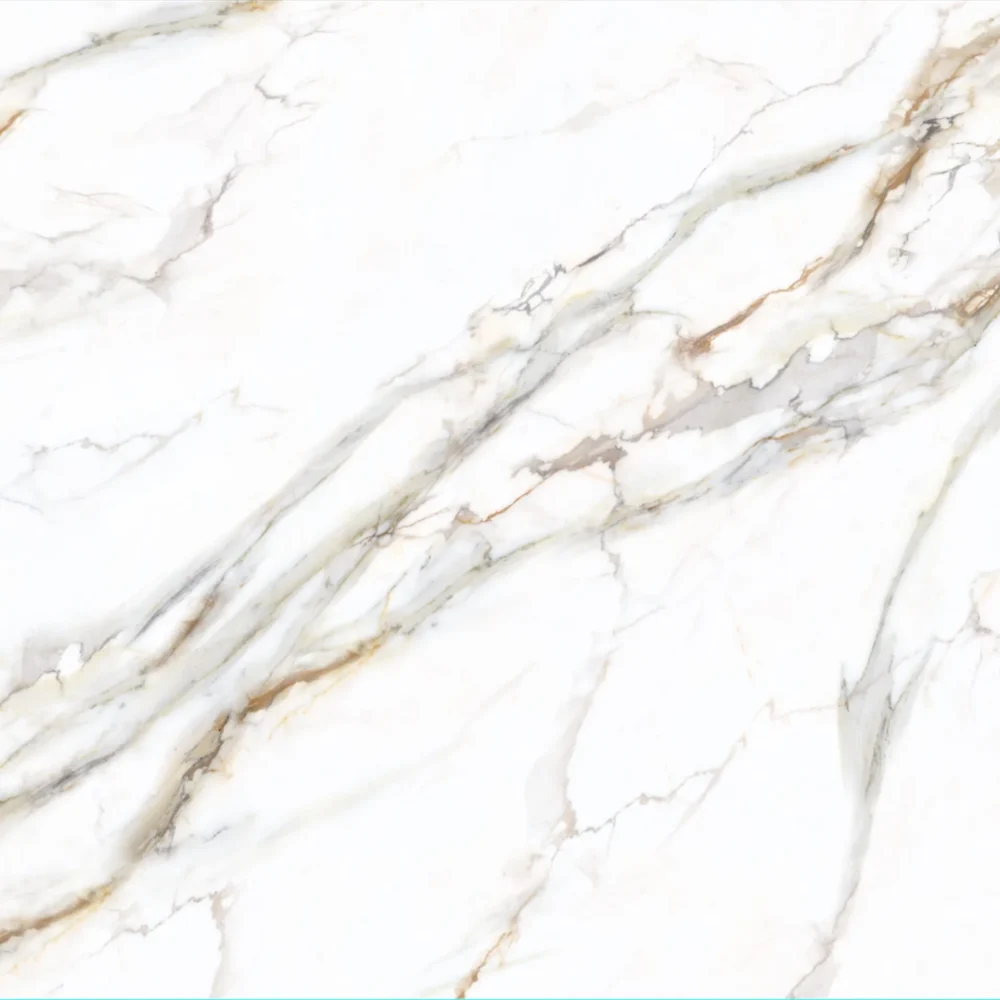
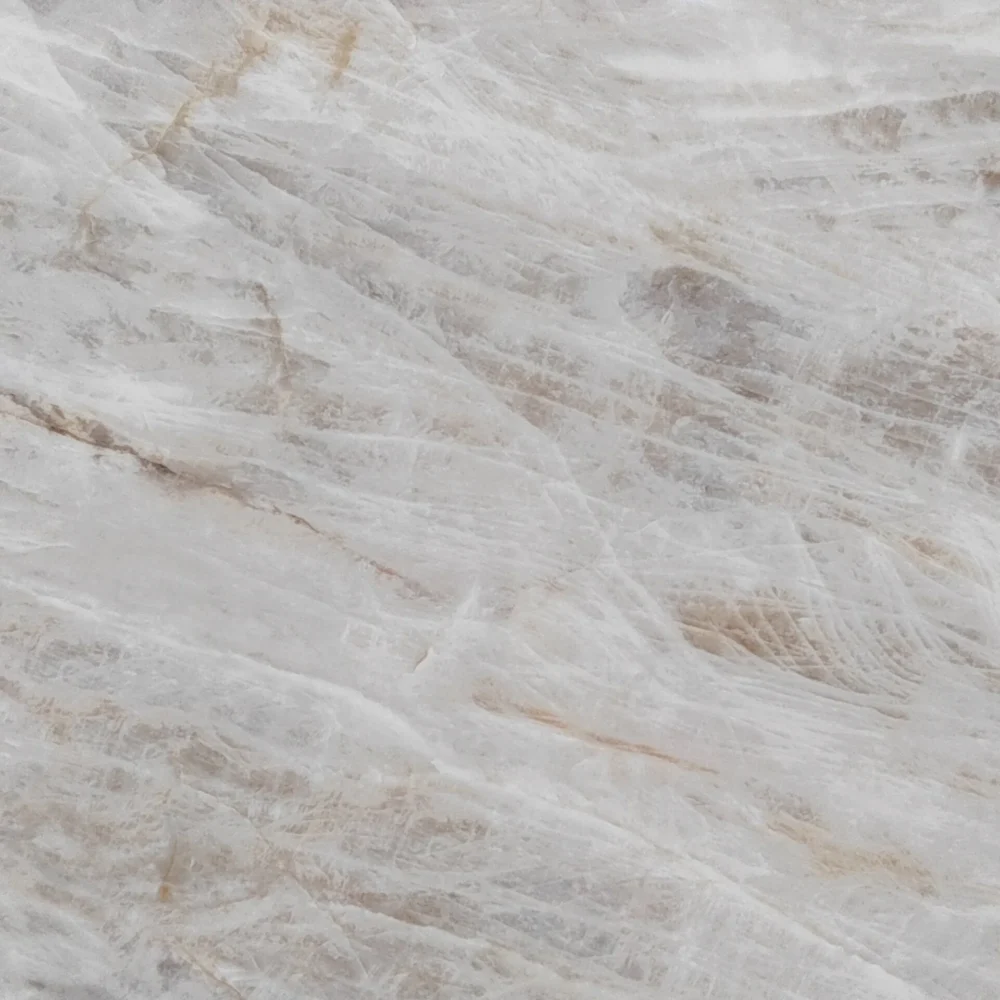
- Bulk Calacatta Golden Pearl Quartz Countertops GQ-T206
Bulk Calacatta Golden Pearl Quartz Countertops GQ-T206
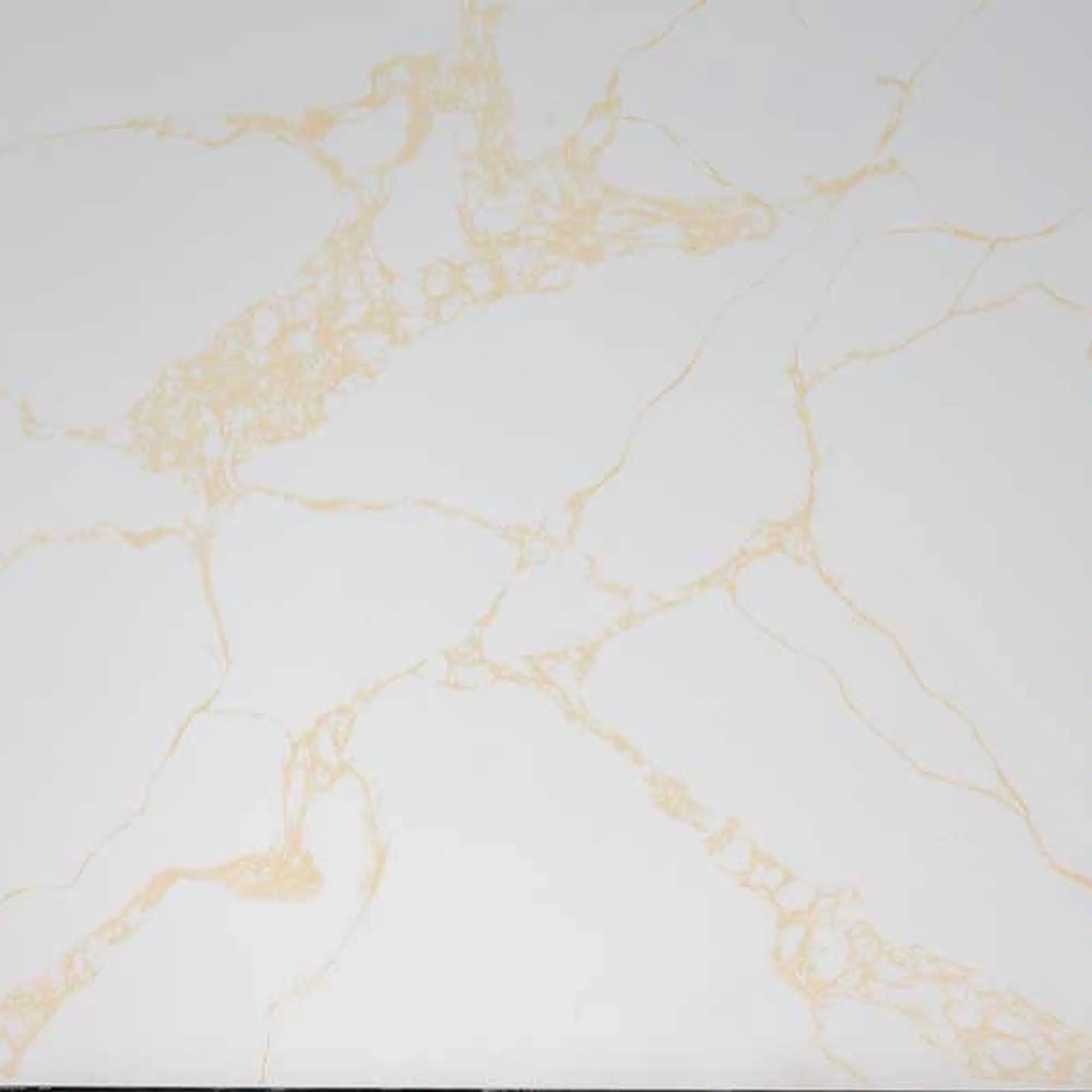
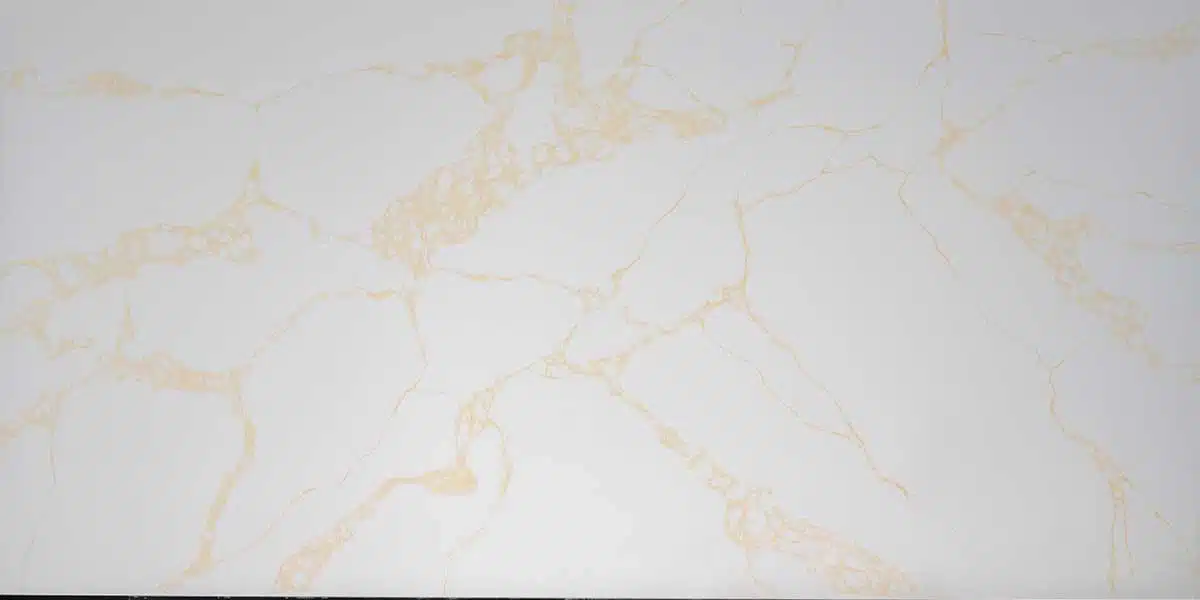
| Primärfarb(en) | Soft Pure White |
| Akzentfarbe(n) | Warm Honey Gold Vein |
| Handwerk | Regelmäßig |
| Fertigstellungen | Poliert / Geschliffen / Wildleder / Leder |
| Maßgeschneiderte Größe | 138″ × 79″ / 126″ × 63″ / Anpassbar |
| Dicke | 20mm/30mm/Customizable |
| Randstil | Abgeschrägte polierte Kante/2+2cm lamellierte Kante/Gehrungskante |
| Land | Thailand |
| Full Body Quartz | Ja |
| Buchungsübereinstimmung verfügbar | Ja |
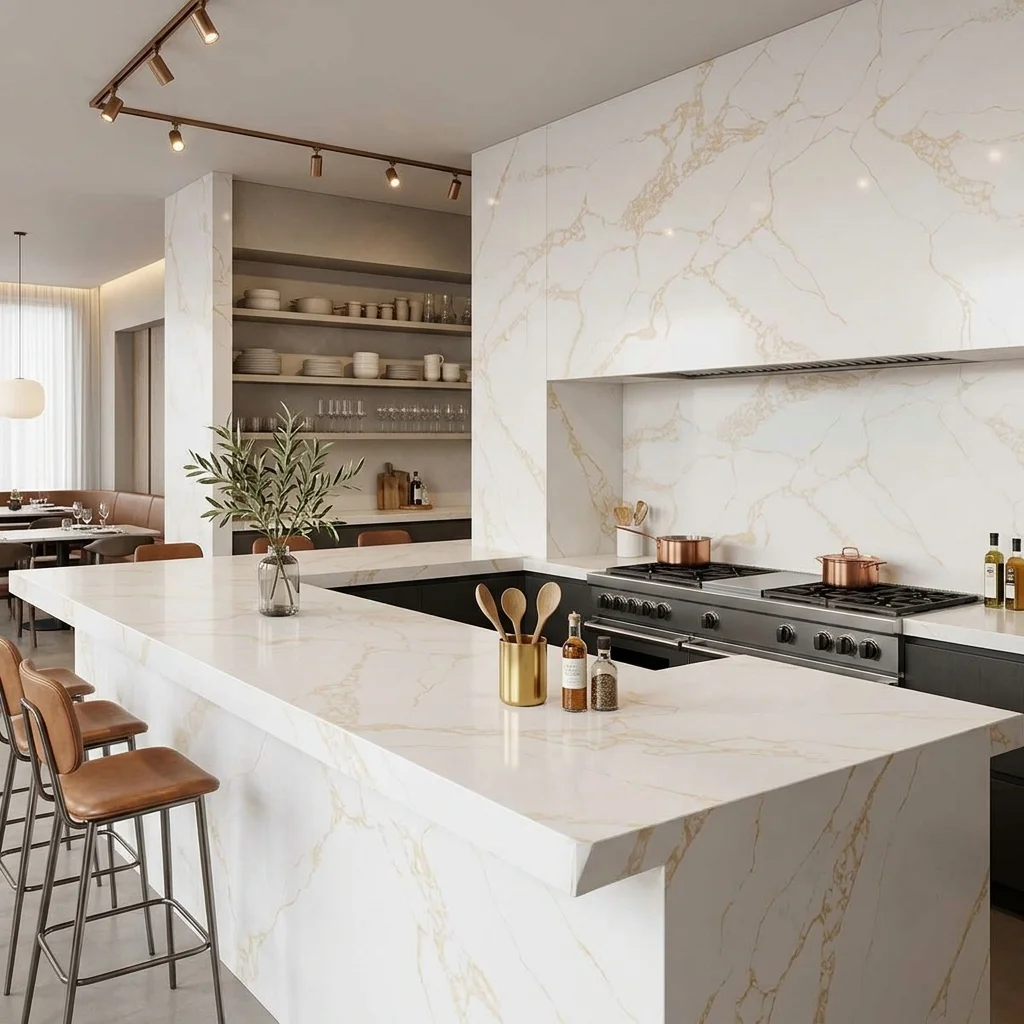
| Arbeitsplatten Wohngebiet: Ja Gewerblich: Ja |
| Mauer Wohngebiet: Ja Gewerblich: Ja |
| Bodenbelag Wohngebiet: Ja Gewerblich: Ja |
Beschreibung:
Häufig gestellte Fragen
What should I be considering when buying new (engineered stone, marble, quartz, or granite) kitchen countertops? Is there a comparison of issues, ?
When choosing new kitchen countertops, the best material depends on how you use your kitchen, your design preference, and how much maintenance you are willing to do. There is no single “best” countertop — each material has its own trade-offs.
Here is a practical comparison:
| Material | Advantages | Things to Consider |
|---|---|---|
| Engineered Quartz | Low maintenance, non-porous, consistent colors and patterns, no regular sealing required | Can be damaged by extreme heat; some lower-quality products may have less realistic patterns |
| Granite | Natural stone, very durable, unique patterns, heat resistant | Requires periodic sealing, natural variation means slabs may look different from samples |
| Marble | Premium luxury appearance, unique veining, timeless look | Softer and more porous; can scratch, stain, and requires more care |
| Engineered Stone / Sintered Stone | Very durable, heat and scratch resistant, modern designs | Installation can be more specialized and edges may be harder to repair |
A few important things to check before buying:
1. Daily use
If your kitchen is used heavily for cooking, quartz is often chosen because it is easy to clean and does not need sealing. If you love baking or working with hot cookware, heat resistance may become more important.
2. Appearance
Natural stone like marble and granite offers one-of-a-kind patterns. Engineered quartz provides more consistency, which is helpful when matching multiple countertops or large commercial projects.
3. Maintenance
- Quartz: simple cleaning with soap and water
- Granite: needs sealing to protect the surface
- Marble: requires more care because it can react with acids like lemon juice or vinegar
4. Budget
Pricing varies widely by brand, color, thickness, and fabrication. Generally, standard quartz and granite can be competitive, while rare marble and premium designs can become significantly more expensive.
For many modern kitchens, especially family homes and rental or hospitality projects, engineered quartz has become a popular choice because it combines the look of natural stone with easier maintenance. For homeowners who prioritize a unique natural appearance and are willing to maintain it, marble or granite can still be excellent choices.
The right question is not only “Which countertop is the best?” but rather “Which material fits my lifestyle and how I use my kitchen every day?”
is my kitchen counter marble or quartz?
Here’s how to tell: scratch it gently with a key. If it scratches easily or leaves a white streak, it’s likely marble. Quartz is harder and won’t scratch like that. Also, try a drop of lemon juice or vinegar—let it sit for 10 minutes. If it dulls or etches (leaves a hazy mark), it’s marble. Quartz won’t react. Another clue: if it’s super uniform in color and has a consistent sparkle, it’s probably quartz. Marble usually has natural veining that’s more random and organic. If your countertop has a slight yellowing or darkening over time, especially near sinks or near heat, it’s likely marble. Quartz stays consistent. And if it has that ‘crystal-like’ shimmer throughout, especially in white or beige tones, it’s engineered quartz. Look at the edges—if they’re perfectly sharp and polished, it’s likely quartz. Marble edges often have slight imperfections. Finally, check the underside—if it’s solid and uniform, it’s quartz. Marble backs often show natural variation or veining even on the back.
Calacatta sands quartz for kitchen countertops?
Calacatta Sands is a popular quartz that mimics the look of Calacatta marble—creamy white base with soft gold, gray, and beige veining. It’s a great choice for kitchens because it’s durable, non-porous, and doesn’t need sealing. The veining is consistent and elegant, giving that luxury look without the upkeep of real marble. It works well with white, gray, or light wood cabinets. One thing to watch: the veining can vary between slabs, so make sure to see actual samples before committing. Also, it’s not as bold as some other Calacatta options, so if you want drama, consider Calacatta Gold or Calacatta Ocellio. It’s also slightly more expensive than basic whites, but still more affordable than natural stone. Installation is straightforward—just standard countertop fabrication. Clean it with mild soap and water; avoid harsh abrasives. It holds up well to heat, but don’t leave hot pans on it for long. Overall, Calacatta Sands is a solid pick for a clean, upscale kitchen that doesn’t demand constant care.
What are the cons of marble vs quartz countertops?
Marble is gorgeous, but it comes with serious drawbacks for kitchens. First, it’s porous—so it stains easily from oil, wine, coffee, or even tomato sauce. You’ll need to seal it every 6–12 months, and even then, stains can sneak through. Second, it etches—acidic substances like lemon juice, vinegar, or even soda will dull the surface, leaving dull spots. Third, it scratches and chips more easily than quartz. Quartz, on the other hand, is engineered to be non-porous, so it resists stains and doesn’t need sealing. It’s also harder, so it resists scratches and chips better. But quartz isn’t perfect—it can’t handle extreme heat as well as granite or quartzite (though it can handle a hot pan briefly). Also, some people say it looks ‘fake’ or too uniform. But for most homeowners, especially in high-use kitchens, the low maintenance and durability of quartz outweigh marble’s aesthetic appeal. If you’re set on marble, maybe go for a backsplash or bathroom vanity—just not the main kitchen counter.