



- Start
- Quarz
- Quarzplatten
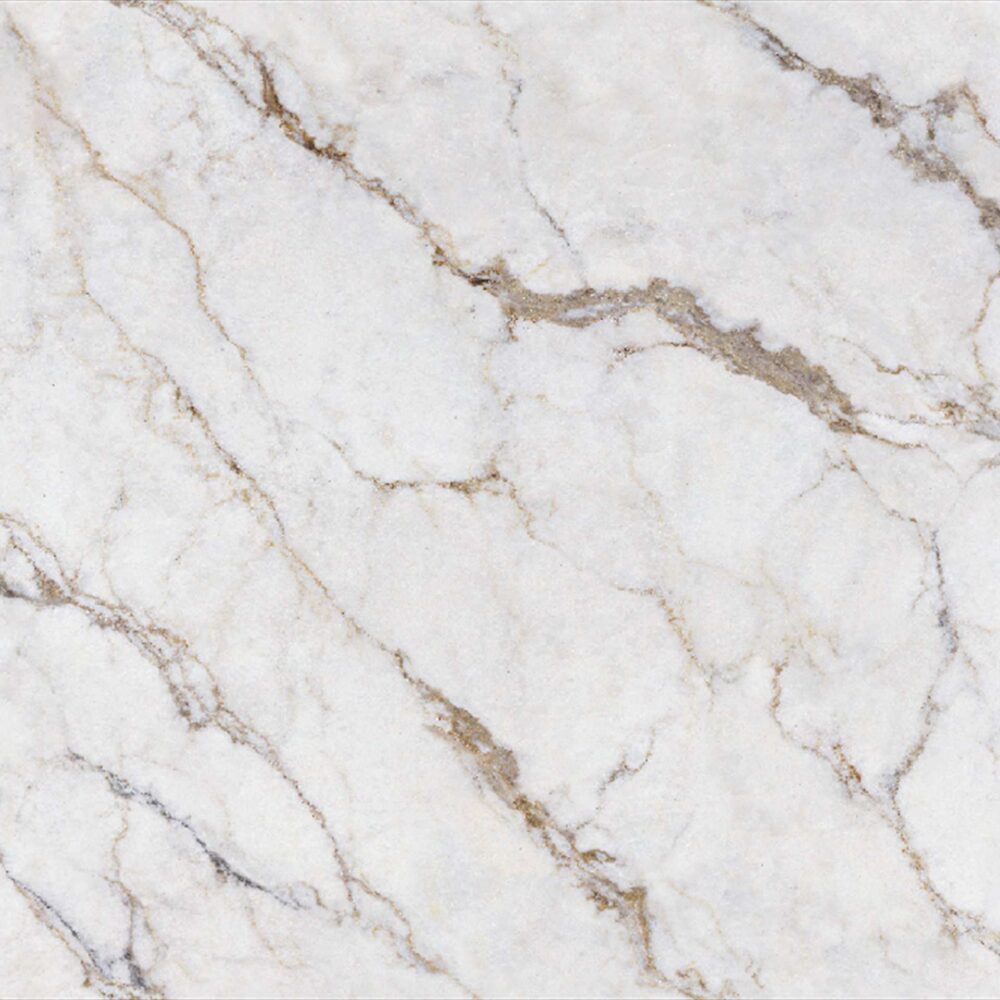
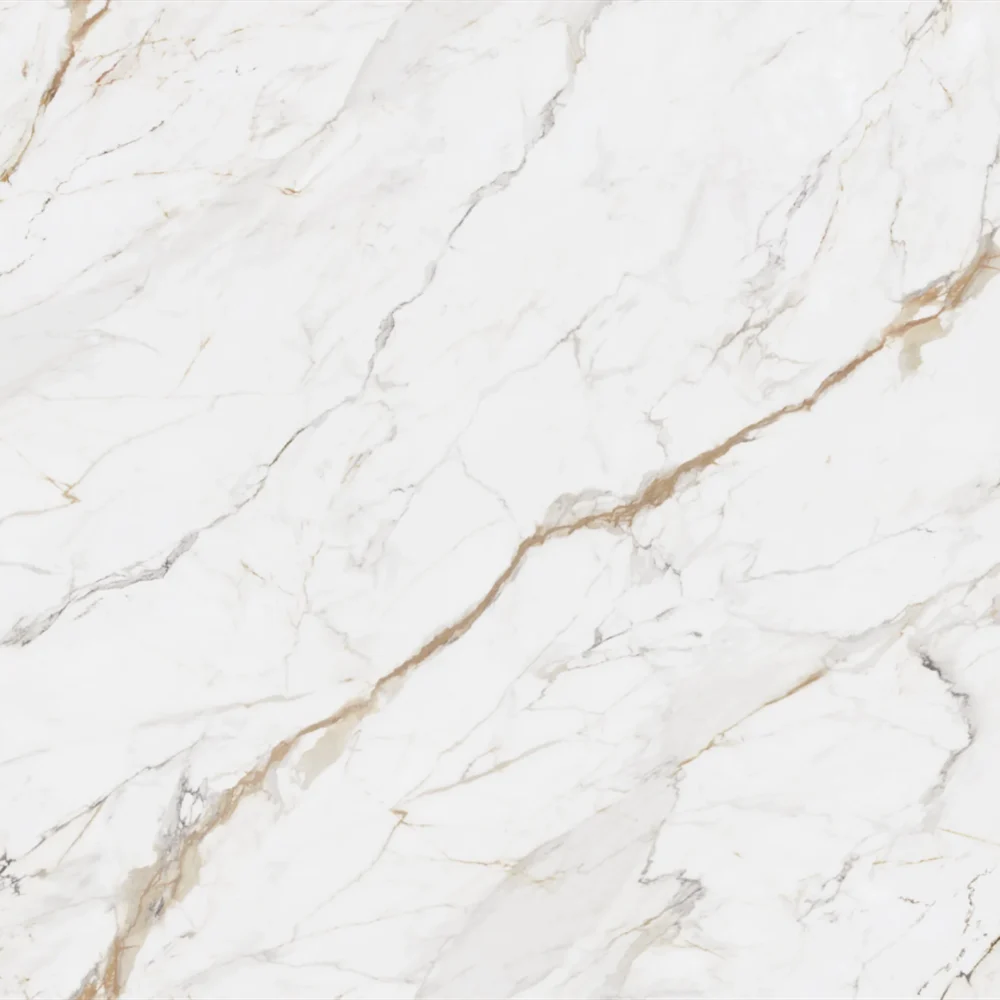
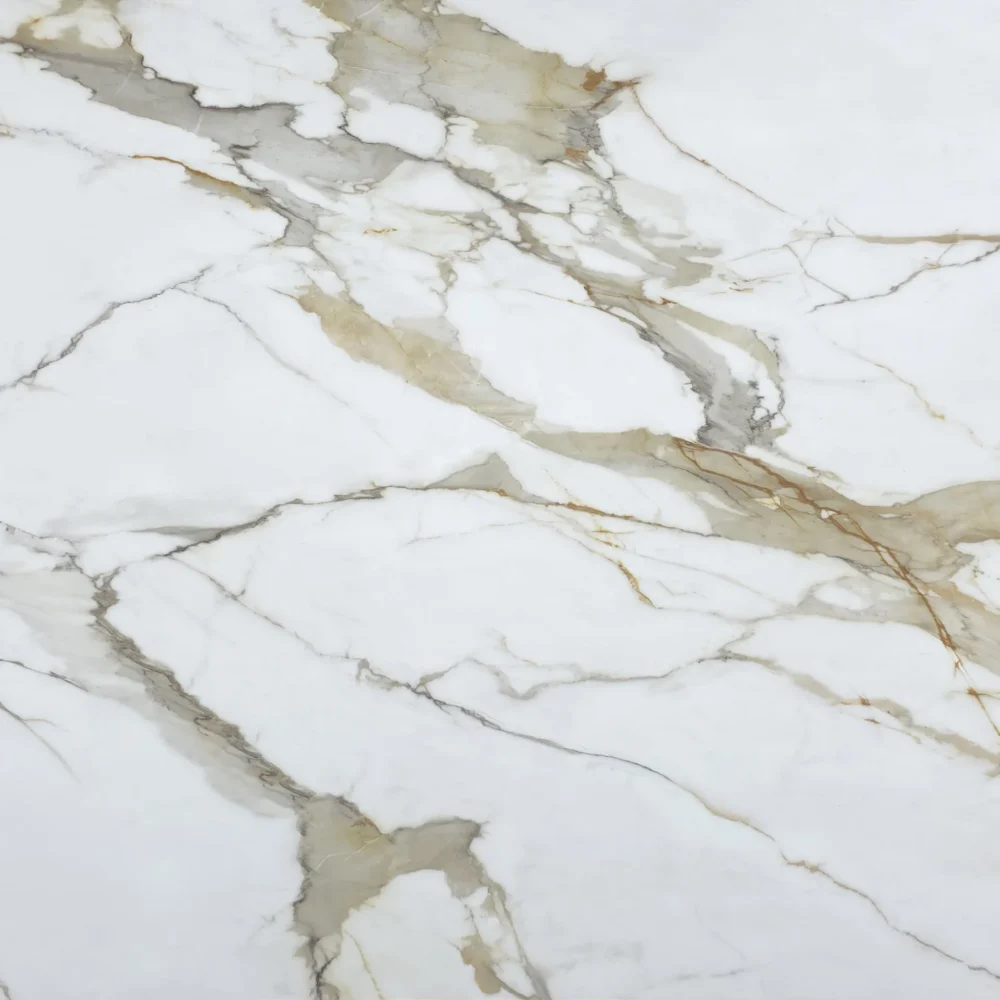
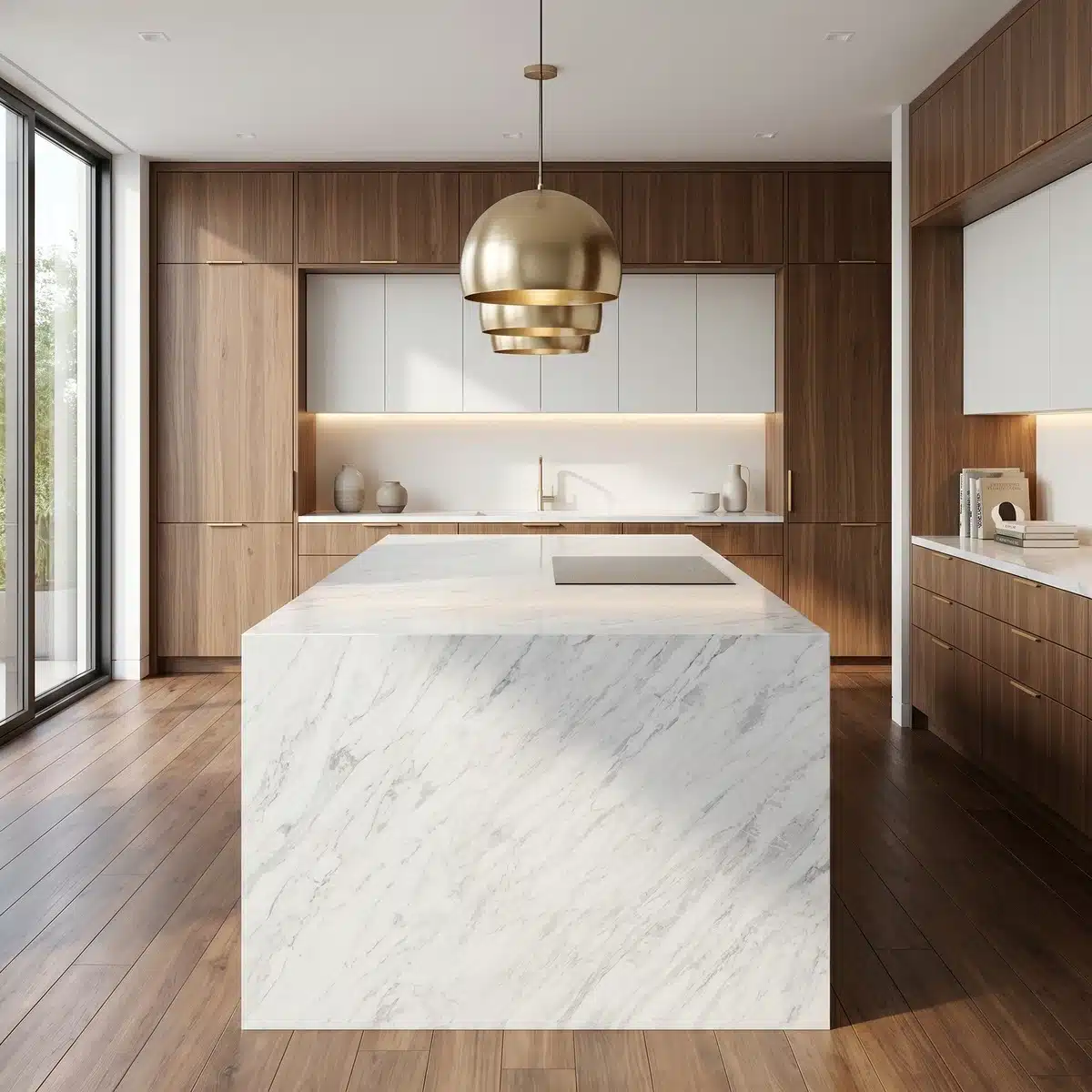
- Calacatta Bianco Quartz with Interlocking Gray And White Veining GQ-T365
Calacatta Bianco Quartz with Interlocking Gray And White Veining GQ-T365
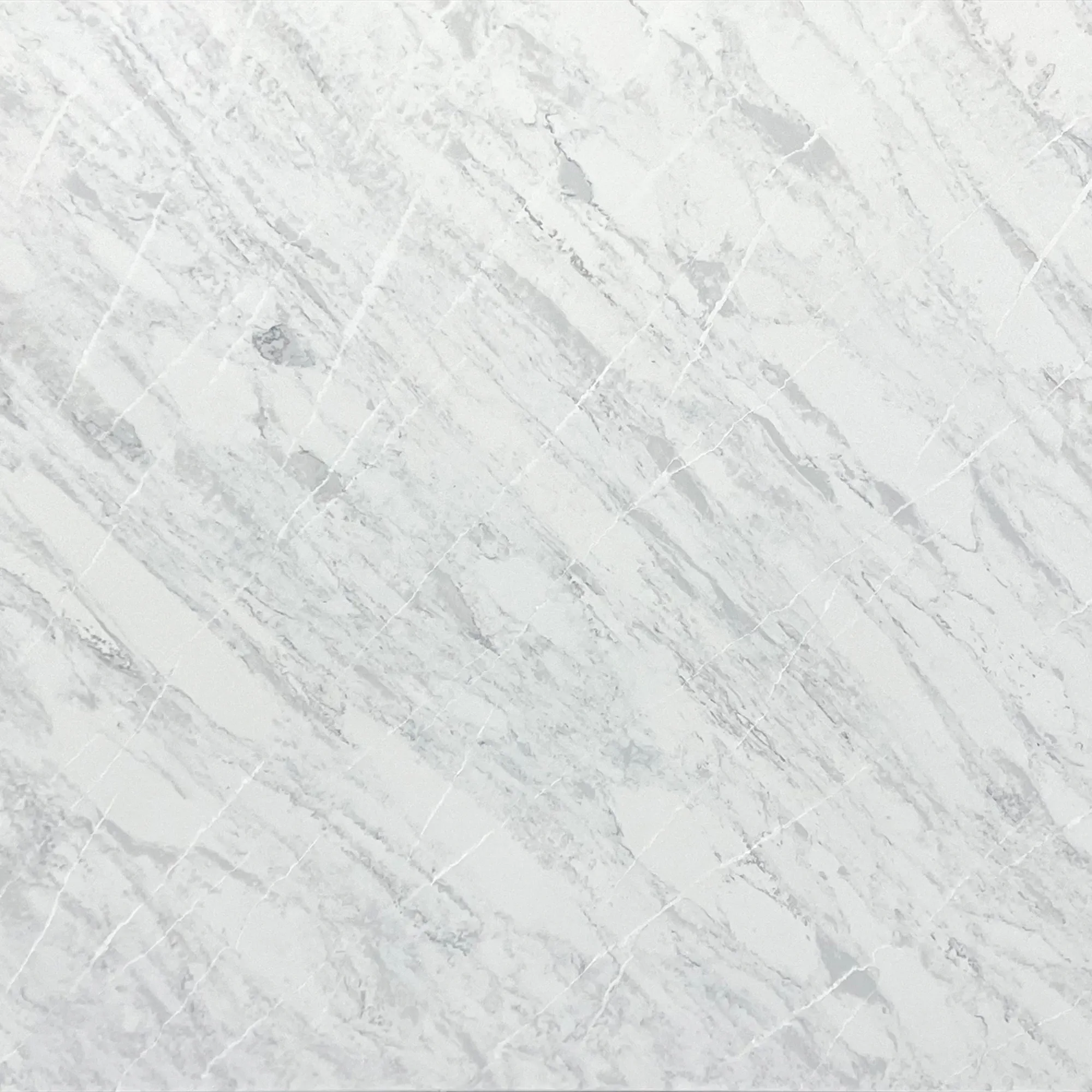
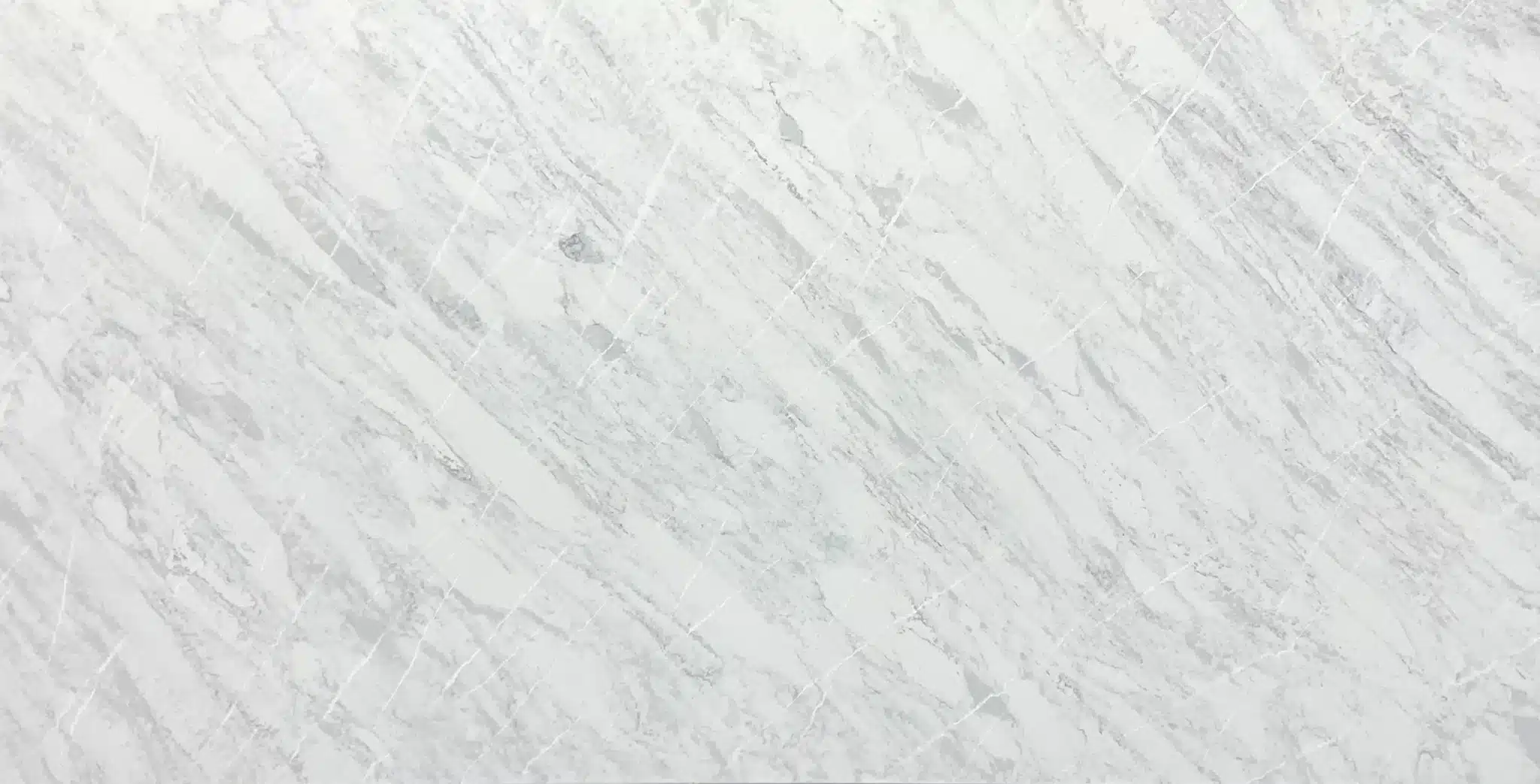
| Primärfarb(en) | Hellweiß |
| Akzentfarbe(n) | Light to Medium Grey Cloudy Veining + Thin Off-White Linear Veins |
| Handwerk | Regelmäßig |
| Fertigstellungen | Poliert / Geschliffen / Wildleder / Leder |
| Maßgeschneiderte Größe | 138″ × 79″ / 126″ × 63″ / Anpassbar |
| Dicke | 20mm/30mm/Customizable |
| Randstil | Abgeschrägte polierte Kante/2+2cm lamellierte Kante/Gehrungskante |
| Land | Thailand |
| Variationen | Mittel |
| Full Body Quartz | Ja |
| Buchungsübereinstimmung verfügbar | Ja |
| Arbeitsplatten Wohngebiet: Ja Gewerblich: Ja |
| Mauer Wohngebiet: Ja Gewerblich: Ja |
| Bodenbelag Wohngebiet: Ja Gewerblich: Ja |
Beschreibung:
Häufig gestellte Fragen
How expensive are engineered quartz countertops?
Cost depends on what you’re actually buying—not just the slab, but how it’s made, shipped, and fabricated.
Slab size matters: jumbo slabs (like GQ’s 138″ x 79″) cut down waste and seam count, which lowers labor cost on big islands or open-concept spaces.
Finish plays a role too—polished surfaces show fingerprints on dark colors; honed or matte finishes hide smudges but add fabrication time.
Project volume changes the math: commercial jobs with consistent pattern runs get better material pricing and faster lead times.
Freight and duties matter more than people expect—slabs made in Thailand (like Grand Quartz Tech) avoid some tariffs that hit other imports, but transit time and insurance still factor in.
Fabrication scope is the biggest variable: a simple straight-edge kitchen install costs less than waterfall edges, mitered corners, or integrated sinks.
Most fabricators will tell you the real cost driver isn’t the brand—it’s how much custom work the job needs, and whether your supplier supports CAD drawings and project logistics upfront.
Are Quartz Countertops Man Made? Get the Facts?
Yes—they’re engineered, not quarried.
You’re mixing ~93% ground quartz with resin binders and pigments under high heat and vacuum pressure.
That means no two slabs behave exactly alike, even within the same batch—especially when it comes to thermal shock response or edge chipping during fabrication.
Full Body Printed Quartz (like GQ’s process) lays the pattern all the way through the slab, so cut edges match the surface instead of revealing a plain gray core.
But here’s what installers don’t always mention: resin content affects UV stability.
Some lighter patterns yellow over time near south-facing windows unless they’re formulated with UV inhibitors.
And while ‘non-porous’ sounds bulletproof, aggressive cleaning—bleach, oven cleaner, or abrasive pads—breaks down the resin matrix over years, especially on polished finishes.
Real-world kitchens prove it: a well-fabricated quartz countertop lasts 15+ years, but only if seams are tight, edges are properly supported, and maintenance matches the finish type.
What's everyone's opinion on Calcatta Quartz countertops?
Calacatta-style quartz is popular because it delivers marble drama without the upkeep—but opinions split based on where it’s used and how it’s installed.
In residential kitchens, homeowners love the contrast of bold veining against white cabinets, but many report smudges showing up fast on polished versions, especially in high-sun areas.
Installers usually recommend bookmatched slabs for Calacatta patterns, but that only works if your supplier offers true jumbo sizes—otherwise, seam telegraphing ruins the flow.
Commercial projects lean toward subtler veining because repetitive patterns look dated faster in lobbies or hotel suites.
Contractors appreciate consistency across slabs, but warn that overly sharp veins can highlight minor fabrication flaws like uneven polish or seam lines.
GQ’s printed quartz lines handle this well—veins vary naturally across slabs, avoiding the ‘wallpaper effect’ some competitors get.
Still, if your design calls for soft, organic movement, test full-size samples in your actual lighting before committing.
Are quartz countertops safe?
They’re safe when handled and installed right—but ‘safe’ isn’t automatic.
Silica dust is the real hazard, and it happens during cutting and polishing.
That’s why low-silica production lines—like those at Grand Quartz Tech’s Thailand factory—matter: they reduce airborne crystalline silica by up to 90% compared to older manufacturing methods.
But that doesn’t eliminate risk on the job site.
Fabricators still need proper ventilation, water-fed saws, and N95 respirators.
Resin binders are generally food-safe once cured, but uncured edges or poorly sealed seams can trap moisture and promote mold growth behind backsplashes.
NSF certification confirms surface safety for food prep, but it doesn’t cover installation quality.
In real-world kitchens, the biggest safety issue isn’t the material—it’s poor seam placement near sinks or unsupported overhangs that crack under load.
Always verify certifications (SGS, NSF), ask for SDS sheets, and make sure your fabricator follows OSHA silica standards—not just ‘best practices.’