



- Start
- Quarz
- Quarzplatten
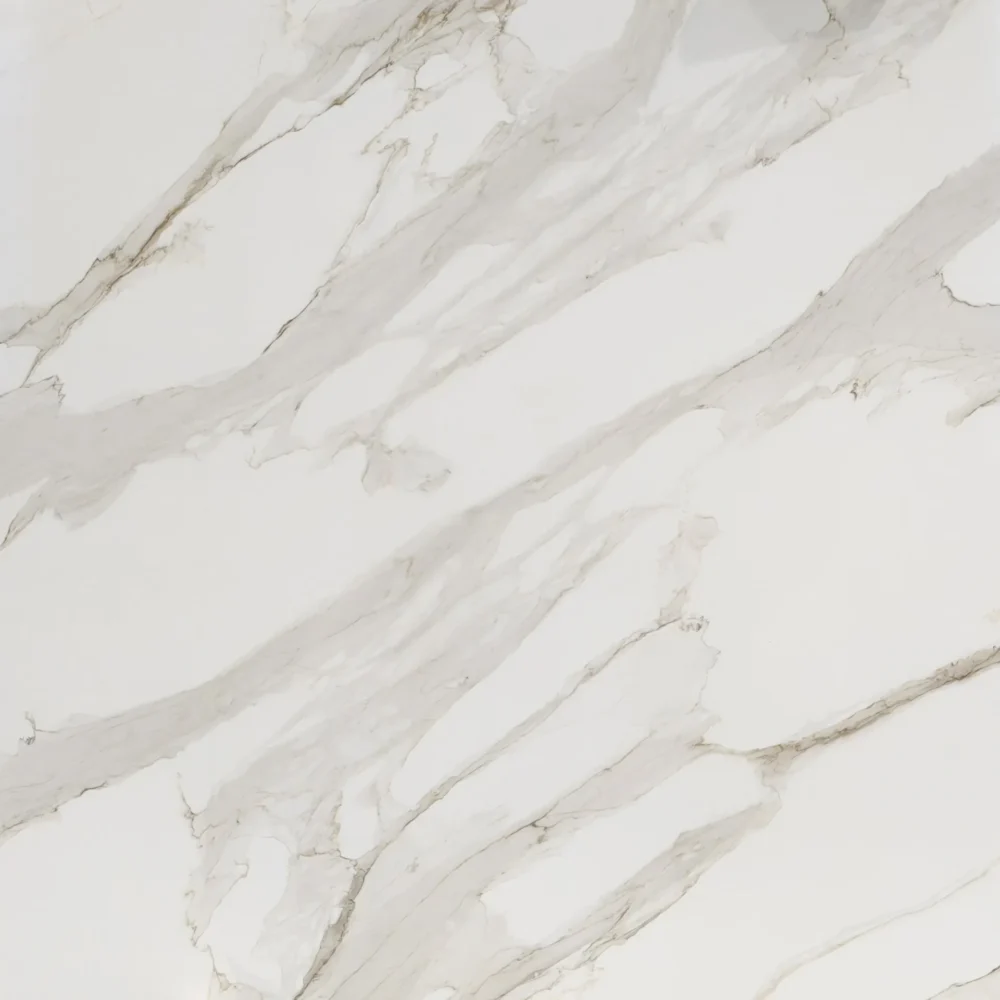
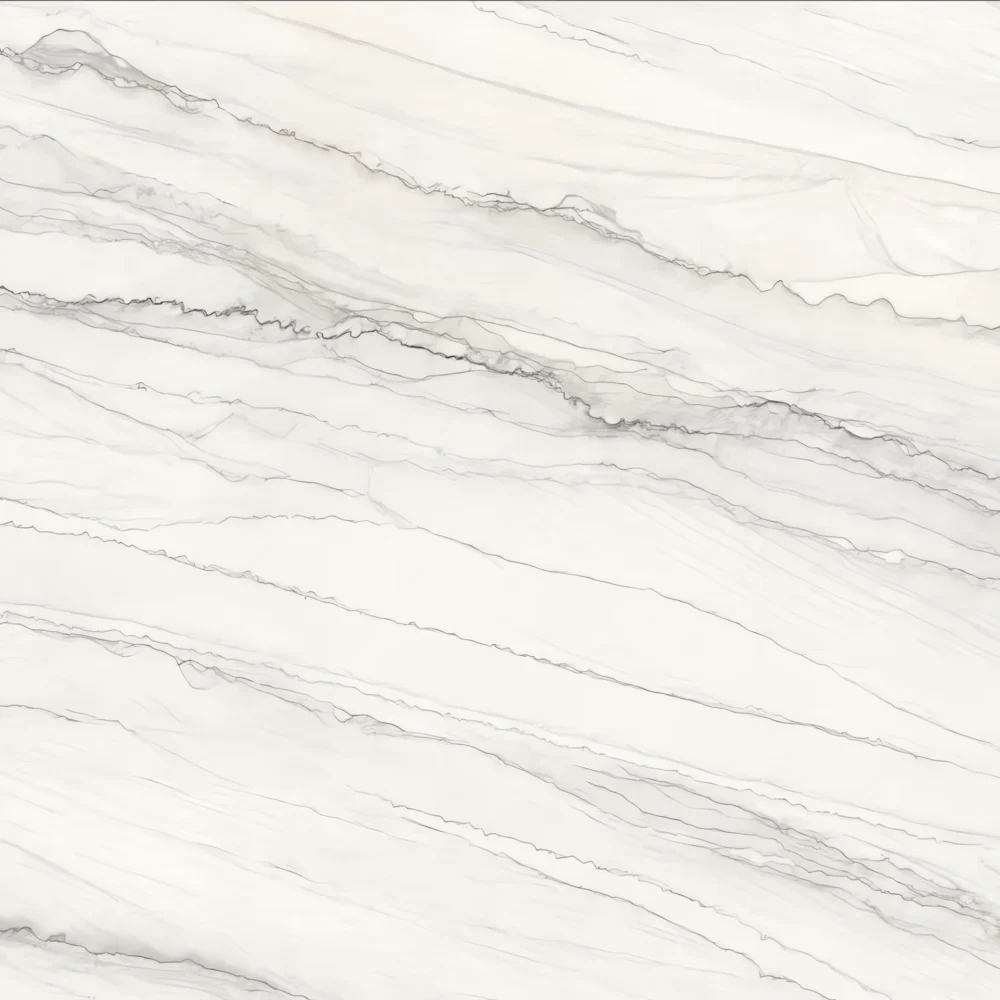
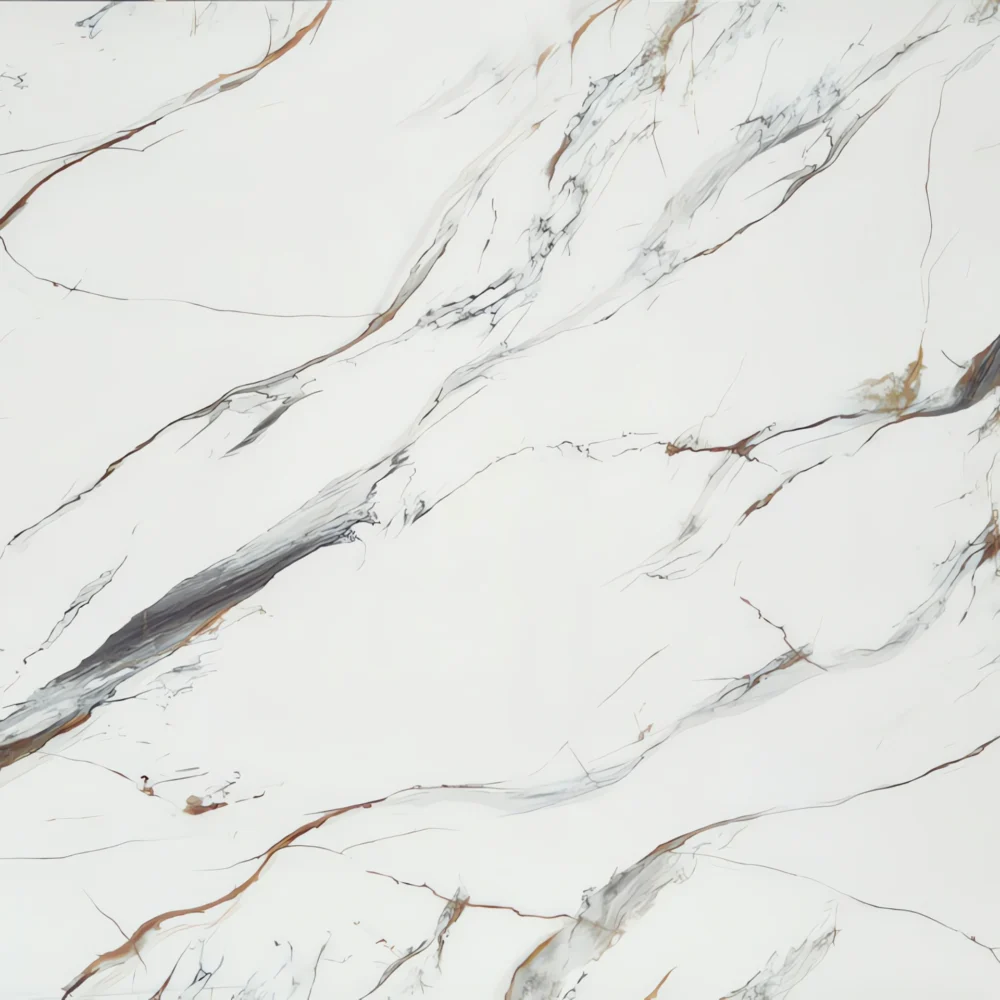
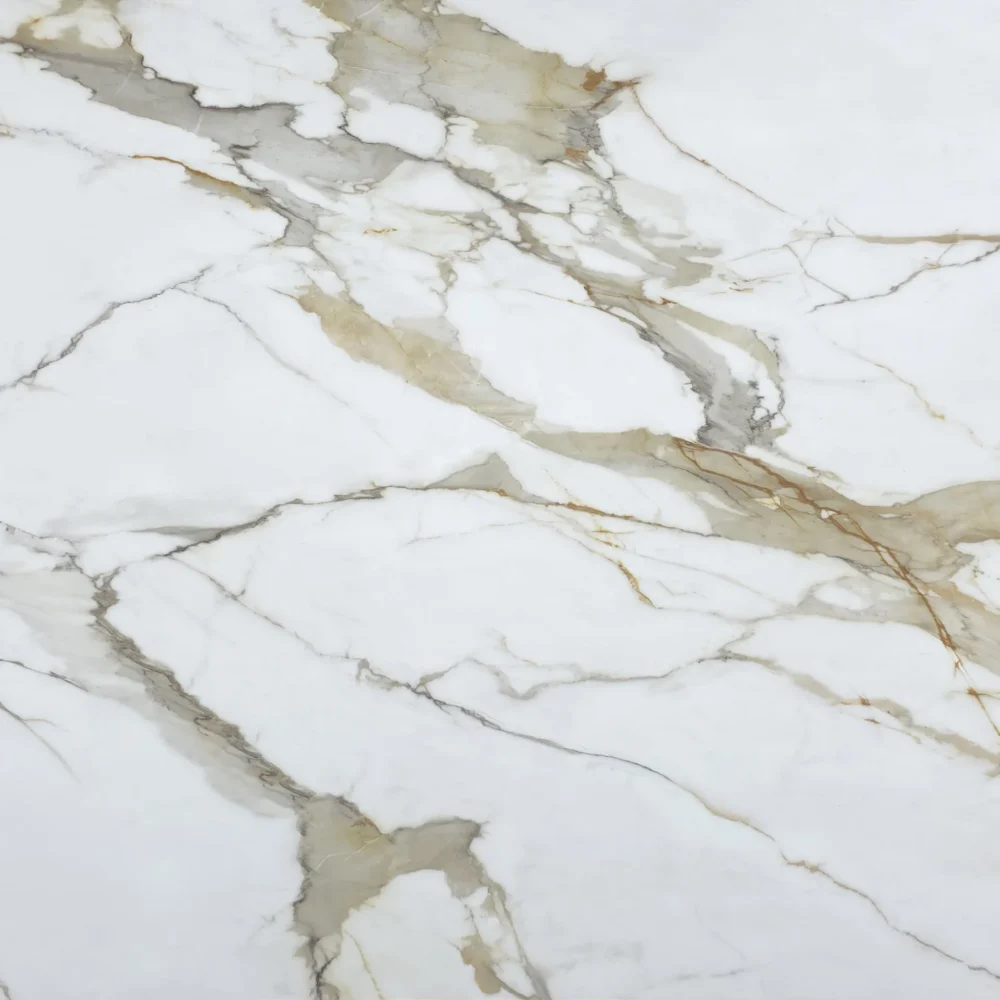
- Calacatta Gold Silver Marble Look Quartz Slabs GQ-T379 for Wholesale
Calacatta Gold Silver Marble Look Quartz Slabs GQ-T379 for Wholesale
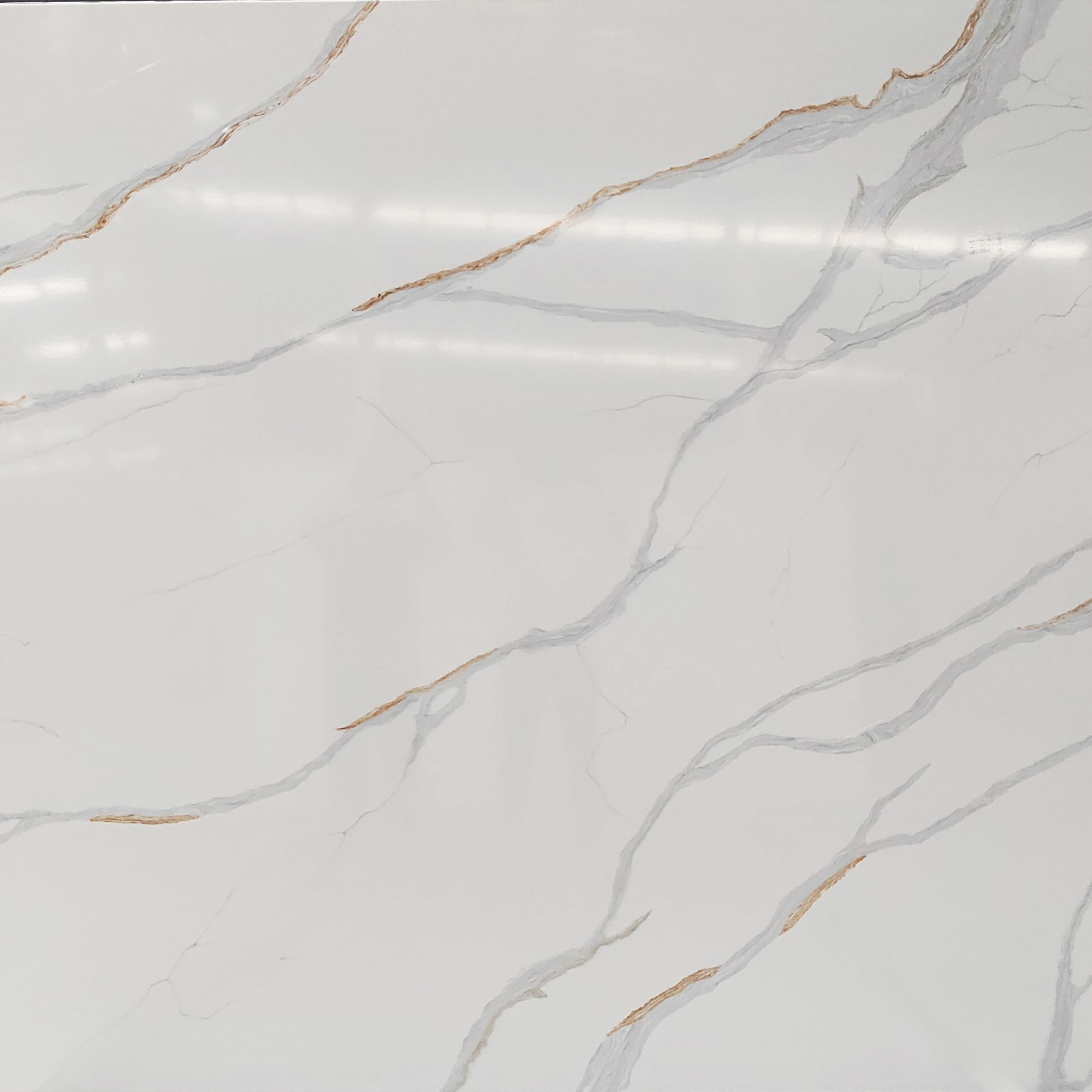
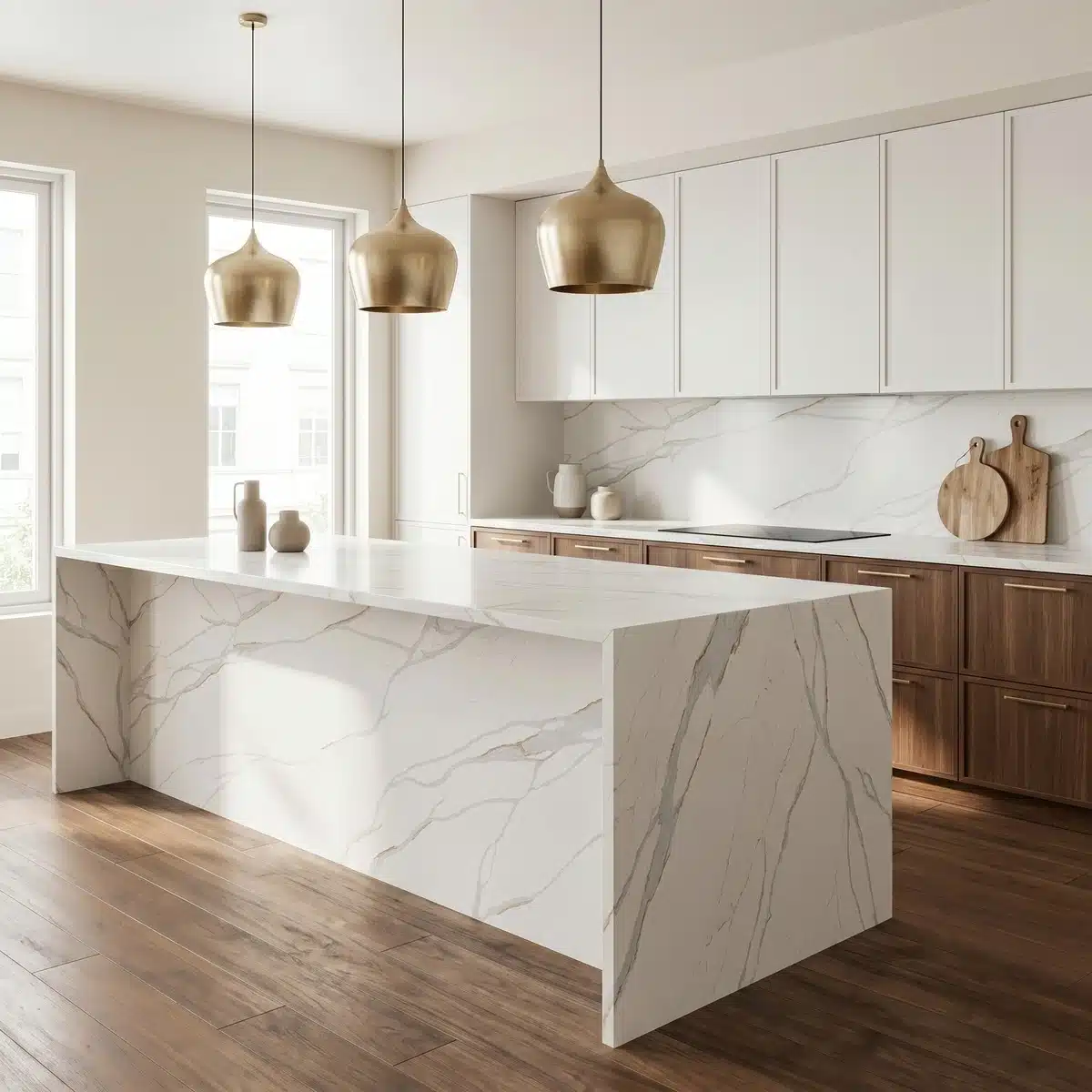
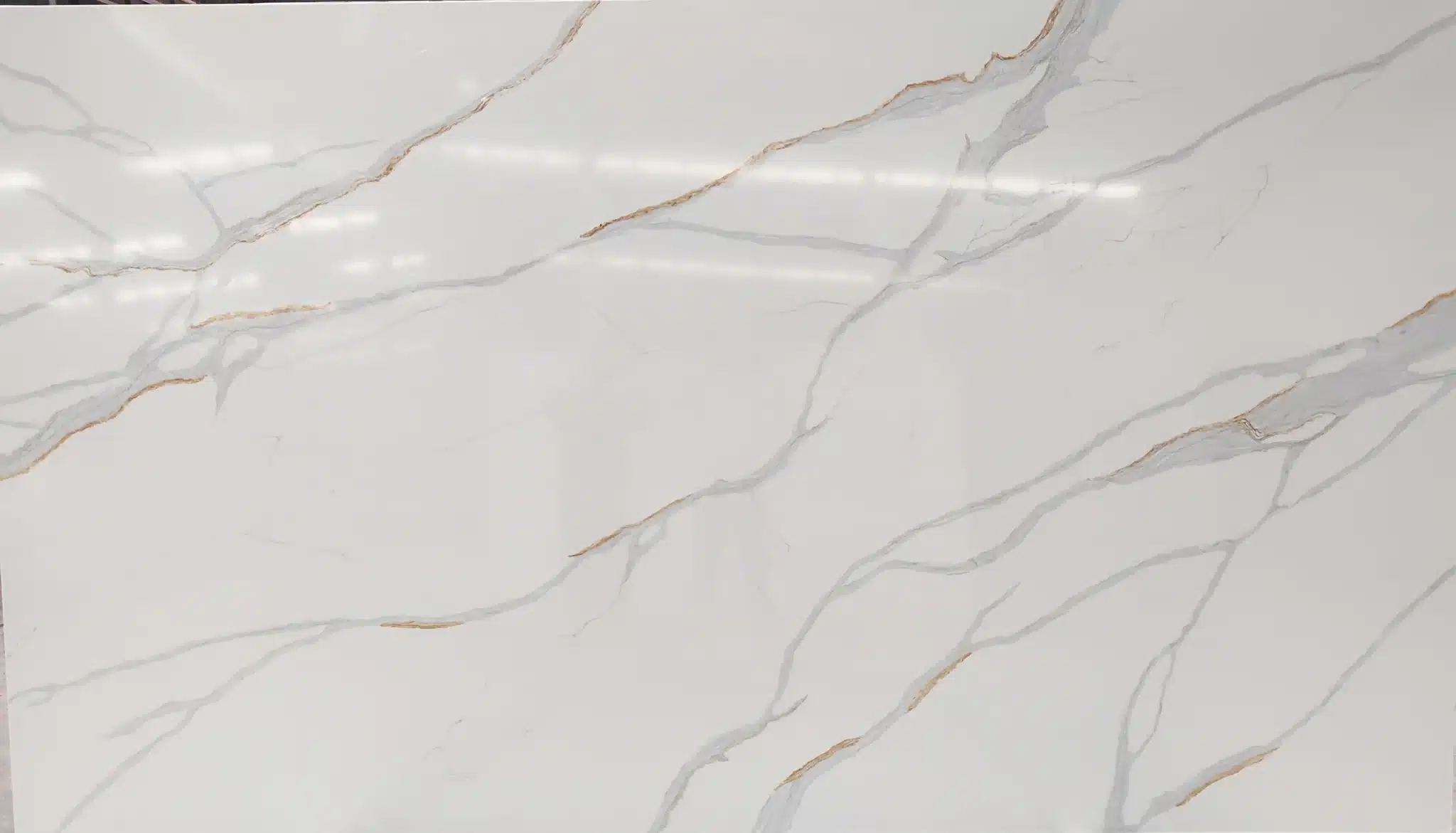
| Primärfarb(en) | Hellweiß |
| Akzentfarbe(n) | Soft Cool Gray Veins + Golden-Brown Copper Highlights |
| Handwerk | Regelmäßig |
| Fertigstellungen | Poliert / Geschliffen / Wildleder / Leder |
| Maßgeschneiderte Größe | 138″ × 79″ / 126″ × 63″ / Anpassbar |
| Dicke | 20mm/30mm/Customizable |
| Randstil | Abgeschrägte polierte Kante/2+2cm lamellierte Kante/Gehrungskante |
| Land | Thailand |
| Full Body Quartz | Ja |
| Buchungsübereinstimmung verfügbar | Ja |
| Arbeitsplatten Wohngebiet: Ja Gewerblich: Ja |
| Mauer Wohngebiet: Ja Gewerblich: Ja |
| Bodenbelag Wohngebiet: Ja Gewerblich: Ja |
Beschreibung:
Häufig gestellte Fragen
What is the difference between Calacatta and Calacatta Oro?
Calacatta and Calacatta Oro are both printed quartz designs mimicking Italian marble, but they’re tuned for different lighting and material contexts.
Calacatta leans cool—white base with sharp, high-contrast gray or charcoal veins.
It reads crisp in north-facing kitchens or under LED lighting, but those dark veins can telegraph seams more visibly on large islands or bookmatched backsplashes.
Calacatta Oro shifts warmer: same veining structure, but veins run gold, beige, or light taupe, and the base has a subtle cream or ivory cast.
That warmth softens under incandescent or dimmed lighting—and plays better with walnut cabinets, brass hardware, or terracotta tile.
Fabricators tell me Calacatta Oro hides minor fabrication inconsistencies better than the cooler version, especially on honed or leathered finishes where resin pooling can exaggerate contrast.
Neither stains or etches, but polished Calacatta Oro shows smudges less than polished Calacatta on dark countertops.
Grand Quartz Tech prints both using Full Body Printed Quartz tech—so the pattern runs through the slab, not just on the surface—which matters when edge profiling or repairing chips.
Taj Mahal quartzite vs quartz for kitchen counters?
Taj Mahal quartzite is natural stone—metamorphosed sandstone, not limestone—so it’s harder than marble but still porous and reactive.
In real-world kitchens, it etches from lemon juice or vinegar, stains if left unsealed, and needs resealing every 6–12 months depending on use.
Its veining is deep and three-dimensional, but slab-to-slab variation means matching for islands or L-shaped counters is unpredictable.
Taj Mahal quartz, by contrast, is engineered: non-porous, no sealing, consistent across slabs, and stable under thermal shock—no cracking from hot pans.
Installers usually recommend quartz for rental units, spec homes, or commercial kitchens where maintenance is a liability.
But quartzite has a tactile depth and light-refracting quality that printed quartz can’t fully replicate—especially in direct sunlight.
That said, Grand Quartz Tech’s Taj Mahal quartz uses full-body printing and calibrated veining density to mimic quartzite’s rhythm without the upkeep.
If your client insists on ‘natural’ looks but won’t commit to sealing, printed quartz is the practical compromise.
Is Taj Mahal more expensive than quartz?
It depends on which Taj Mahal you mean—and what’s included in the quote.
Taj Mahal quartzite (natural) usually costs more upfront because of quarry access, import duties, freight from India or Brazil, and higher waste rates during fabrication—especially on busy patterns where templating and seam placement get tricky.
Taj Mahal quartz, meanwhile, varies by manufacturer, finish, and slab size.
With Grand Quartz Tech, it’s priced alongside other printed quartz—no for the name alone.
What most buyers overlook is long-term cost: quartzite’s recurring sealing, potential re-polishing, and risk of etch repair add up over 5–7 years.
Quartz avoids all that, plus offers faster lead times—Grand Quartz Tech ships from Thailand in 20–30 days, while natural stone slabs often sit in port for weeks waiting on customs or container space.
For contractors juggling multiple jobs, predictability matters more than a few dollars per square foot.
So yes, natural Taj Mahal quartzite is usually pricier—but not always worth the hassle unless the project demands true stone authenticity.
Is quartzite nicer than quartz?
‘Nicer’ depends on who’s doing the judging—and what they’re judging for.
Designers love quartzite’s organic movement, its way of catching light differently at noon versus dusk.
But installers will tell you it’s a pain to fabricate: inconsistent hardness means diamond tooling wears unevenly, and thermal expansion can cause micro-fractures near sinks or cooktop cutouts.
Homeowners report etching within months if they skip sealing—or worse, mistaking it for granite and using abrasive cleaners.
Quartz gives you control: consistent color, no surprises in edge polish, predictable seam behavior, and zero reactivity to coffee, wine, or tomato sauce.
That doesn’t mean it’s ‘less nice’—just different priorities.
Grand Quartz Tech’s Taj Mahal quartz uses UV-cured resins and low-silica production lines, so it’s safer to fabricate and holds up well in humid climates like Florida or the Gulf Coast.
If your client wants drama without drama, quartz with printed quartzite visuals hits that balance—especially on super jumbo slabs where fewer seams mean cleaner sightlines.