



- Start
- Quarz
- Quarzplatten
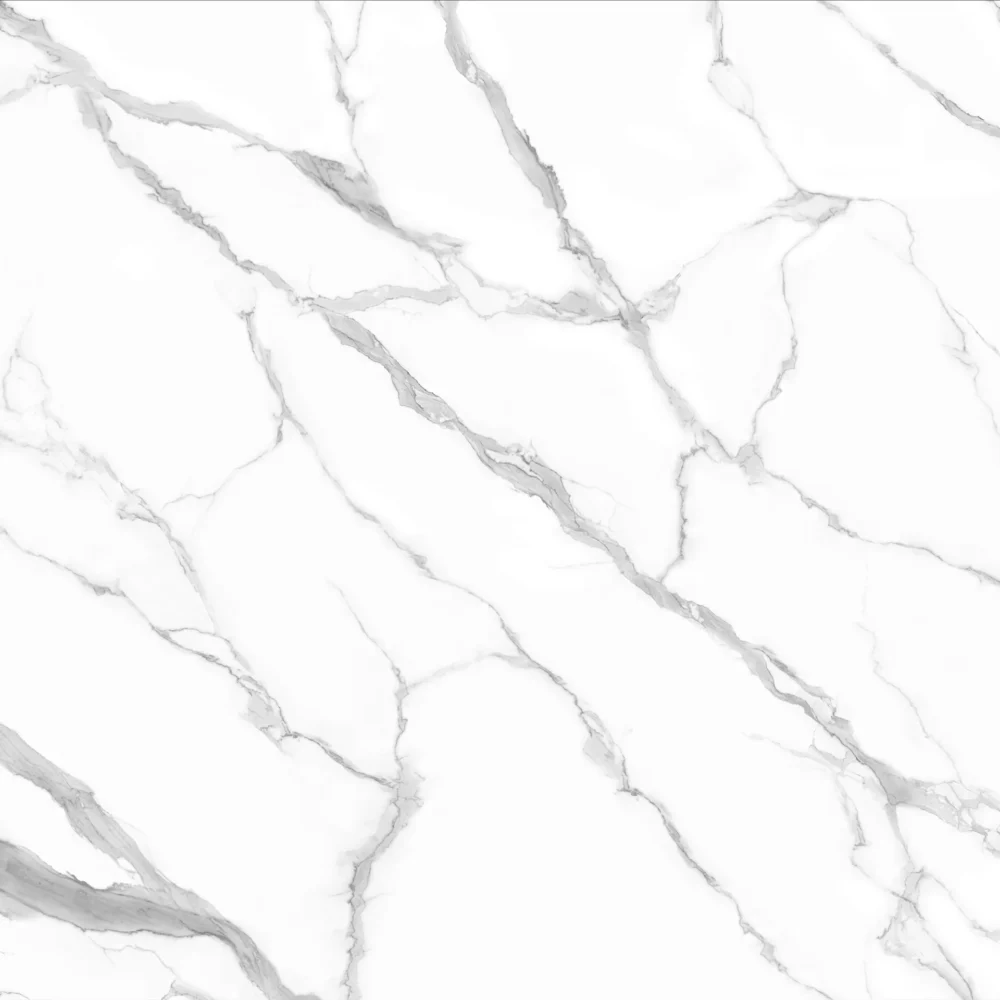
- Calacatta Grey Marble Look Quartz Slabs GQ-T220 for Wholesale
Calacatta Grey Marble Look Quartz Slabs GQ-T220 for Wholesale

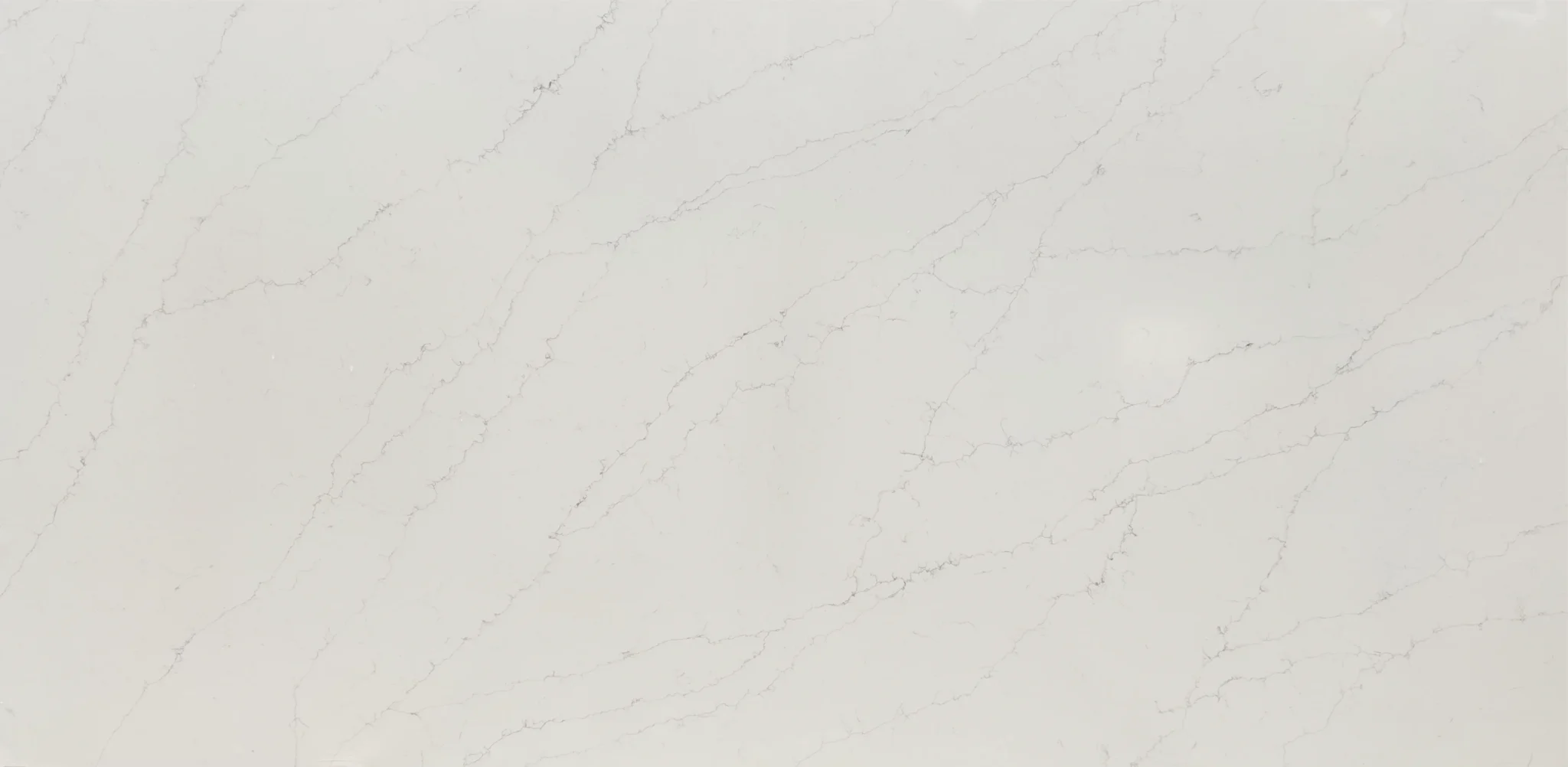
| Primärfarb(en) | Hellweiß |
| Akzentfarbe(n) | Thin Light Grey Veining |
| Handwerk | Regelmäßig |
| Fertigstellungen | Poliert / Geschliffen / Wildleder / Leder |
| Maßgeschneiderte Größe | 138″ × 79″ / 126″ × 63″ / Anpassbar |
| Dicke | 20mm/30mm/Customizable |
| Randstil | Abgeschrägte polierte Kante/2+2cm lamellierte Kante/Gehrungskante |
| Land | Thailand |
| Full Body Quartz | Ja |
| Buchungsübereinstimmung verfügbar | Ja |
| Arbeitsplatten Wohngebiet: Ja Gewerblich: Ja |
| Mauer Wohngebiet: Ja Gewerblich: Ja |
| Bodenbelag Wohngebiet: Ja Gewerblich: Ja |
Beschreibung:
Häufig gestellte Fragen
Calacatta Quartz Explained: Is It Better Than Marble?
Let’s cut through the hype: Calacatta quartz isn’t ‘better’ than marble—it’s different, and better *for specific uses*.
In real-world kitchens—especially high-volume residential or hospitality projects—quartz holds up far more predictably.
It won’t etch from coffee, wine, or tomato sauce like marble does.
No sealing, no resealing, no surprise color shifts between slabs.
Most fabricators will tell you that’s worth its weight in labor savings alone.
But marble has movement—veins shift, depth changes, light catches it differently each time.
That’s why some designers still specify it for feature walls or low-traffic bathrooms.
With Grand Quartz Tech’s full-body printed Calacatta slabs, the veining runs through the entire slab thickness, so edges and cutouts don’t expose a plain core.
Still, polished dark Calacatta quartz shows smudges more than honed finishes, and prolonged UV exposure can subtly warm lighter tones over years.
So if your priority is consistency, speed-to-install, and low maintenance—yes, quartz wins.
If you need that organic, one-off stone character?
Marble’s still in the game.
Calacatta Gold Marble or Quartz Countertops?
For most commercial or multi-unit residential jobs, quartz is the practical call—not because it’s ‘,’ but because it’s controllable.
Calacatta Gold quartz gives you repeatable gold-toned veining across dozens of slabs, which matters when you’re matching islands to perimeter counters across 20 units.
Marble?
You’ll get variation—sometimes beautiful, sometimes problematic—plus etching risk on every surface.
Installers usually recommend quartz for any food prep zone, bar top, or high-traffic lobby.
That said, real Calacatta Gold marble has optical depth no print can fully replicate—especially under raking light or at certain angles.
Grand Quartz Tech’s Stone Look line uses layered pigment printing and calibrated resin ratios to push realism further, but even then, close-up inspection reveals subtle differences.
Also, keep in mind: gold veins in quartz are pigment-based, not metallic—so they won’t tarnish, but they can look overly bright under cool LED lighting.
Always dry-lay and view under actual site lighting before finalizing.
And if your project allows longer lead times, GQ’s Thailand factory offers custom vein mapping for large orders—helps minimize visual breaks across seams.
What do gold quartz veins look like?
Gold veins in quartz aren’t metal—they’re mineral pigments suspended in resin, laid down during the pressing and curing process.
In quality slabs like Grand Quartz Tech’s Stone Look series, they appear as soft, branching lines in warm honey, antique gold, or pale amber tones—not shiny foil or flat yellow paint.
The best ones vary in width and opacity, mimicking how real Calacatta Gold marble veins flow and fade.
You’ll see subtle transitions where veins thin out or merge, especially on jumbo slabs (138" x 79").
Lower-tier versions often repeat every 4–6 feet or look too uniform—like wallpaper.
Installers know to check dry layouts for continuity: if veins stop dead at a seam or jump sideways, it’s likely a surface print, not full-body.
Also, some gold pigments react to UV—long-term sun exposure near windows can mute warmth over time.
And under high-CRI lighting, cheaper golds glare; better ones diffuse light more naturally.
GQ’s low-silica production lines help keep pigment integrity stable during fabrication, so edge polishing doesn’t wash out detail.
Always request a full-slab photo—not just a corner sample—before ordering.
Are these countertops Calacatta Ocellio quartz?
‘Calacatta Ocellio’ isn’t an industry standard quartz name—it’s almost always a marketing label applied to slabs with large, rounded, eye-like veining patterns and gold accents.
Real Calacatta Ocellio marble has distinct ocelli formed by calcite crystallization; quartz can only approximate that with printed layers.
Grand Quartz Tech doesn’t use that term, but their Quartzite Look line includes slabs engineered with circular, cloud-like veining and tonal gradation that some wholesalers rebrand as ‘Ocellio-style.’ The key is whether it’s full-body printed: if veins disappear at the edge or look washed out after a 45° miter, it’s surface-printed—and prone to chipping or fading during polishing.
Fabricators report better seam blending on full-body prints, especially with busy patterns.
Also, true ocelli vary in size and spacing; if every slab looks identical, it’s likely a lower-res print.
For large-scale projects, ask for lot-specific photos and confirm slab sizing—GQ’s super jumbo format helps reduce seams in open-plan spaces where pattern continuity matters most.
Don’t rely on the name—look at the slab, test the edge, and verify the print method.