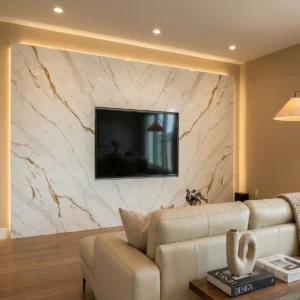




- Start
- Quarz
- Quarzplatten
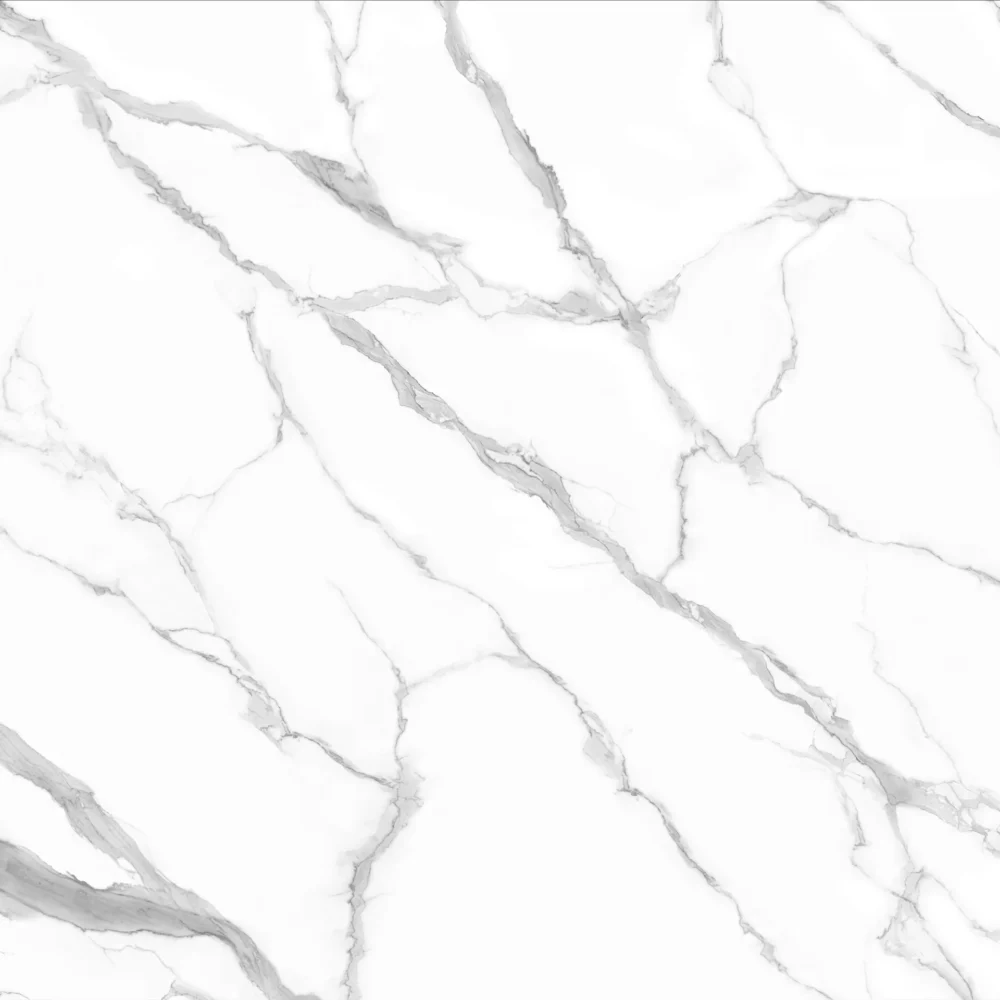
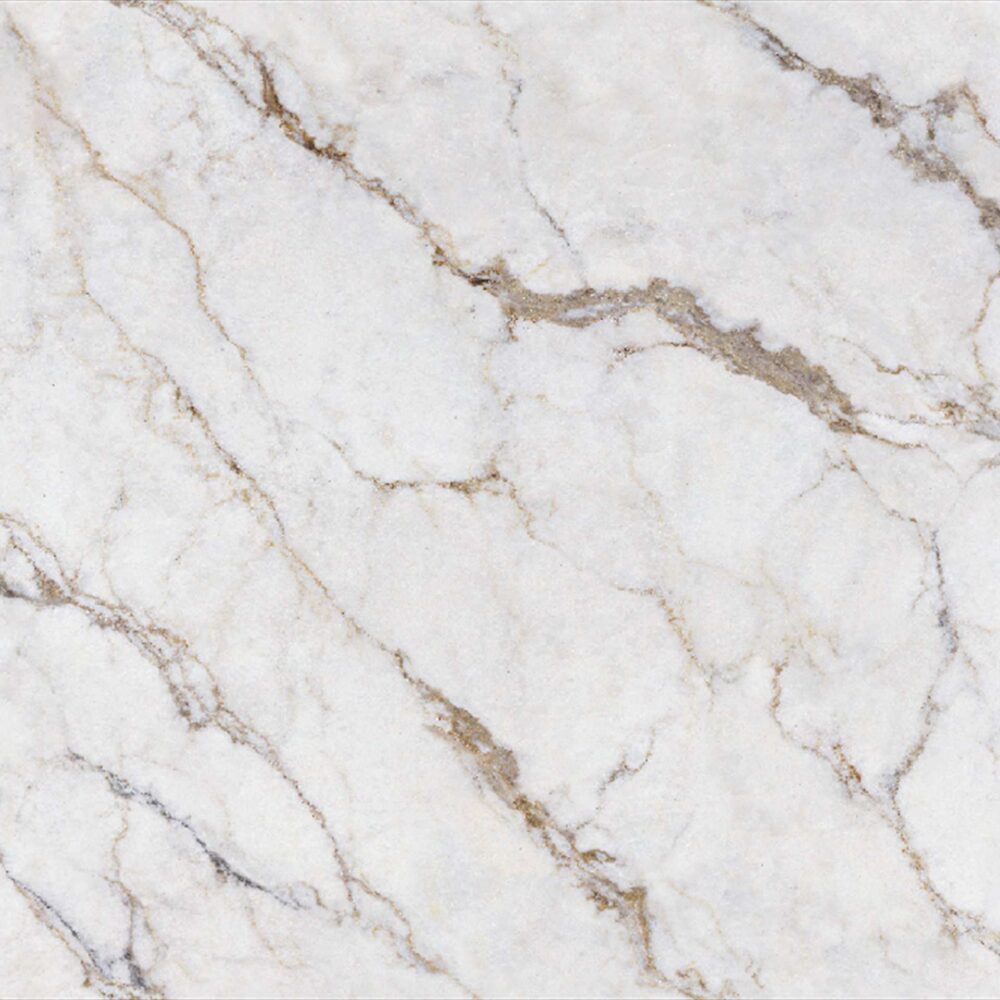
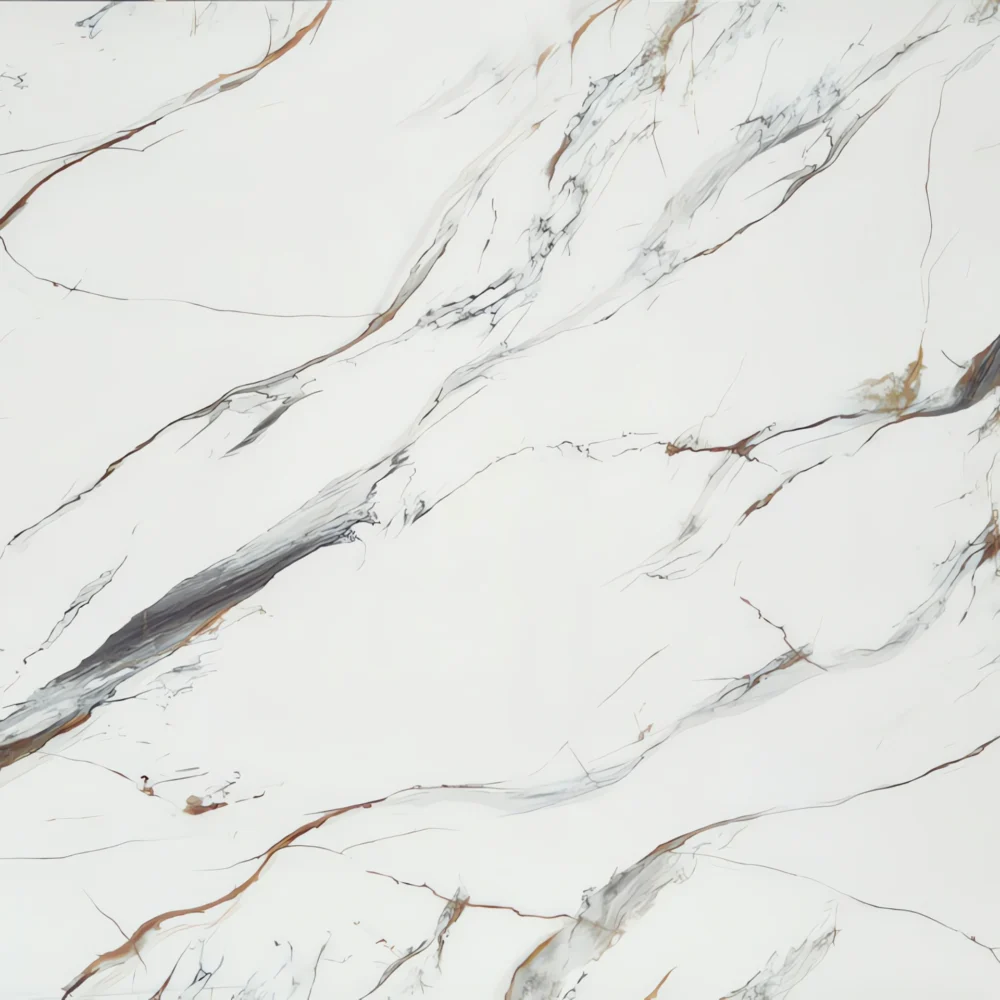
- Calacatta Miraggio Gold Quartz GQ-T0126 for Wholesale
Calacatta Miraggio Gold Quartz GQ-T0126 for Wholesale
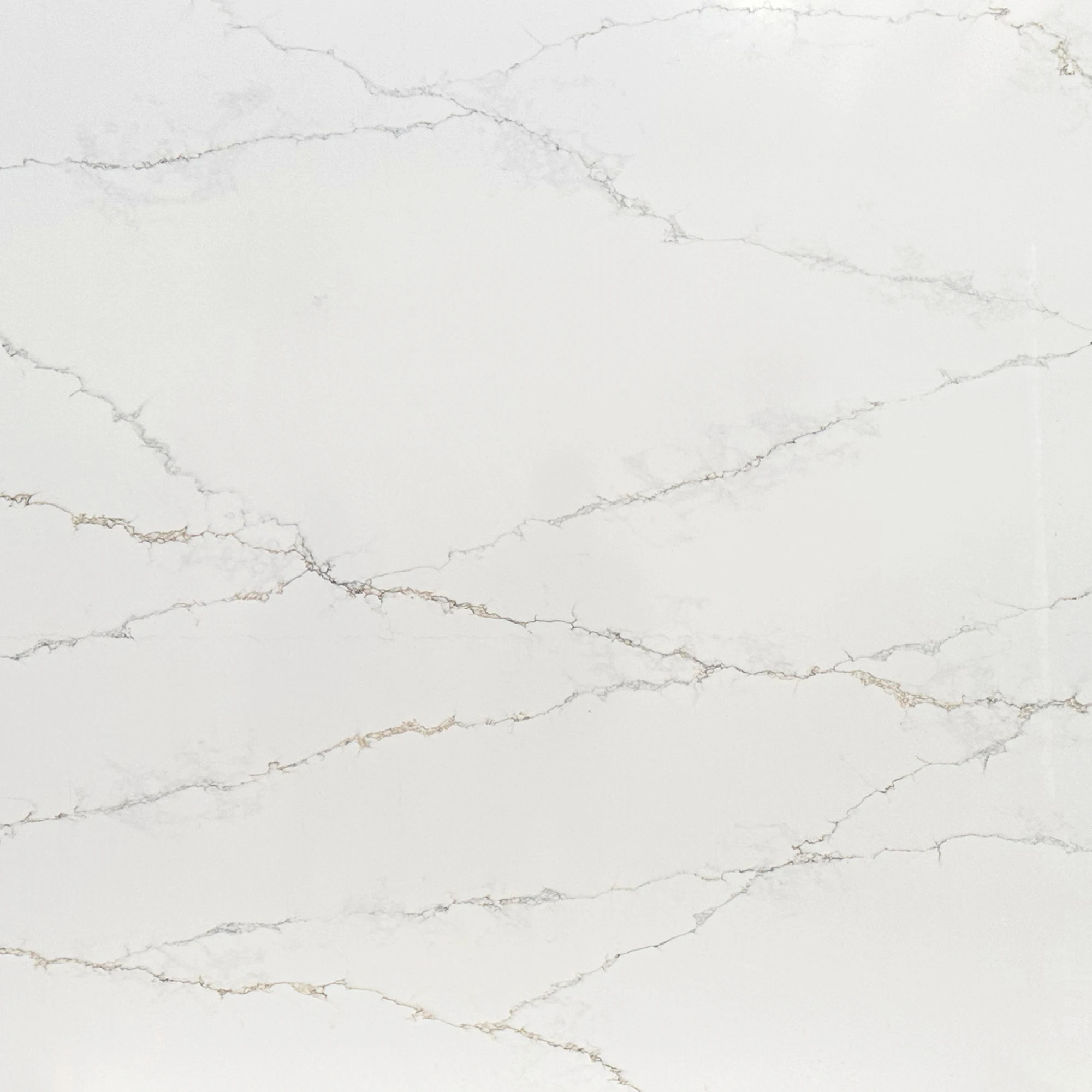
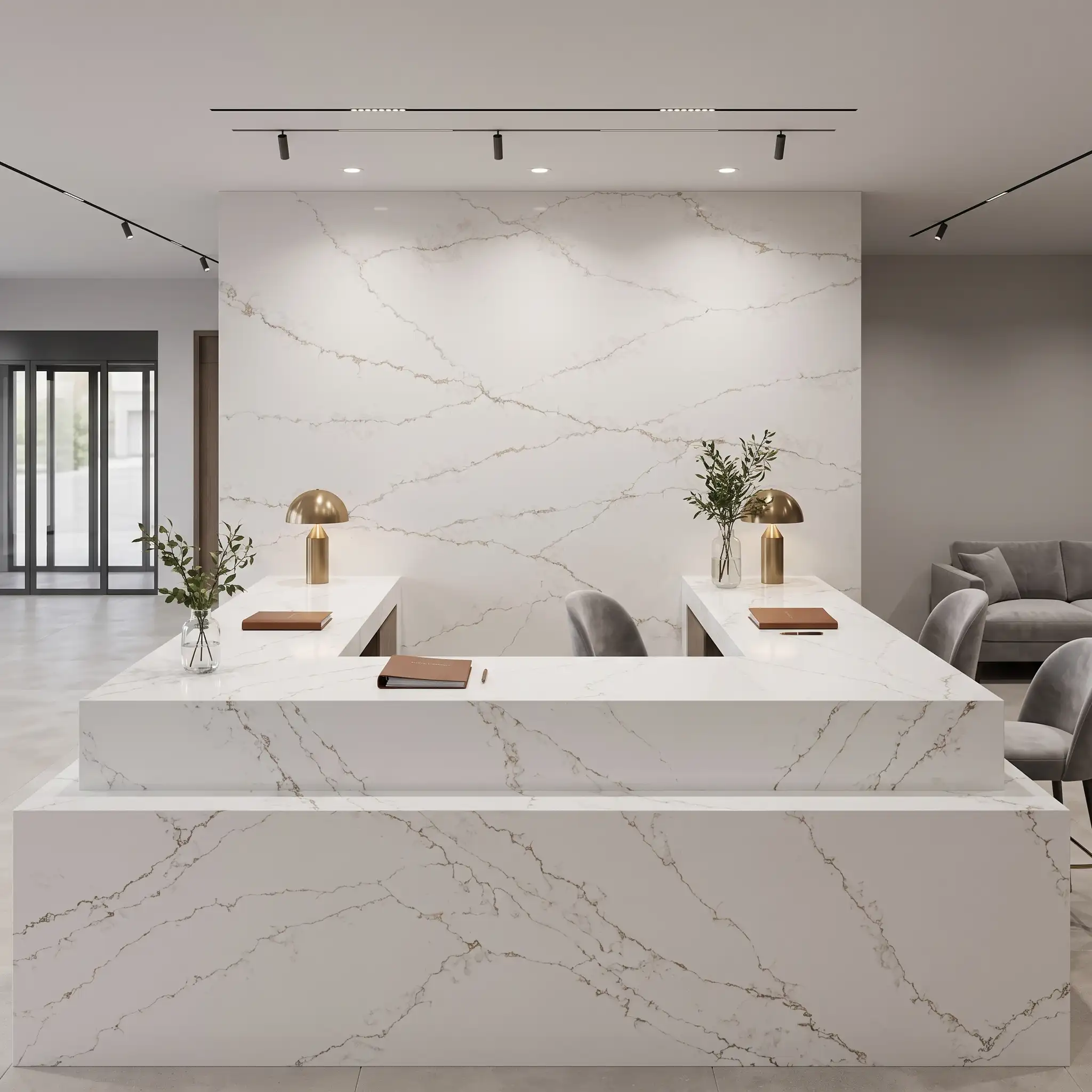
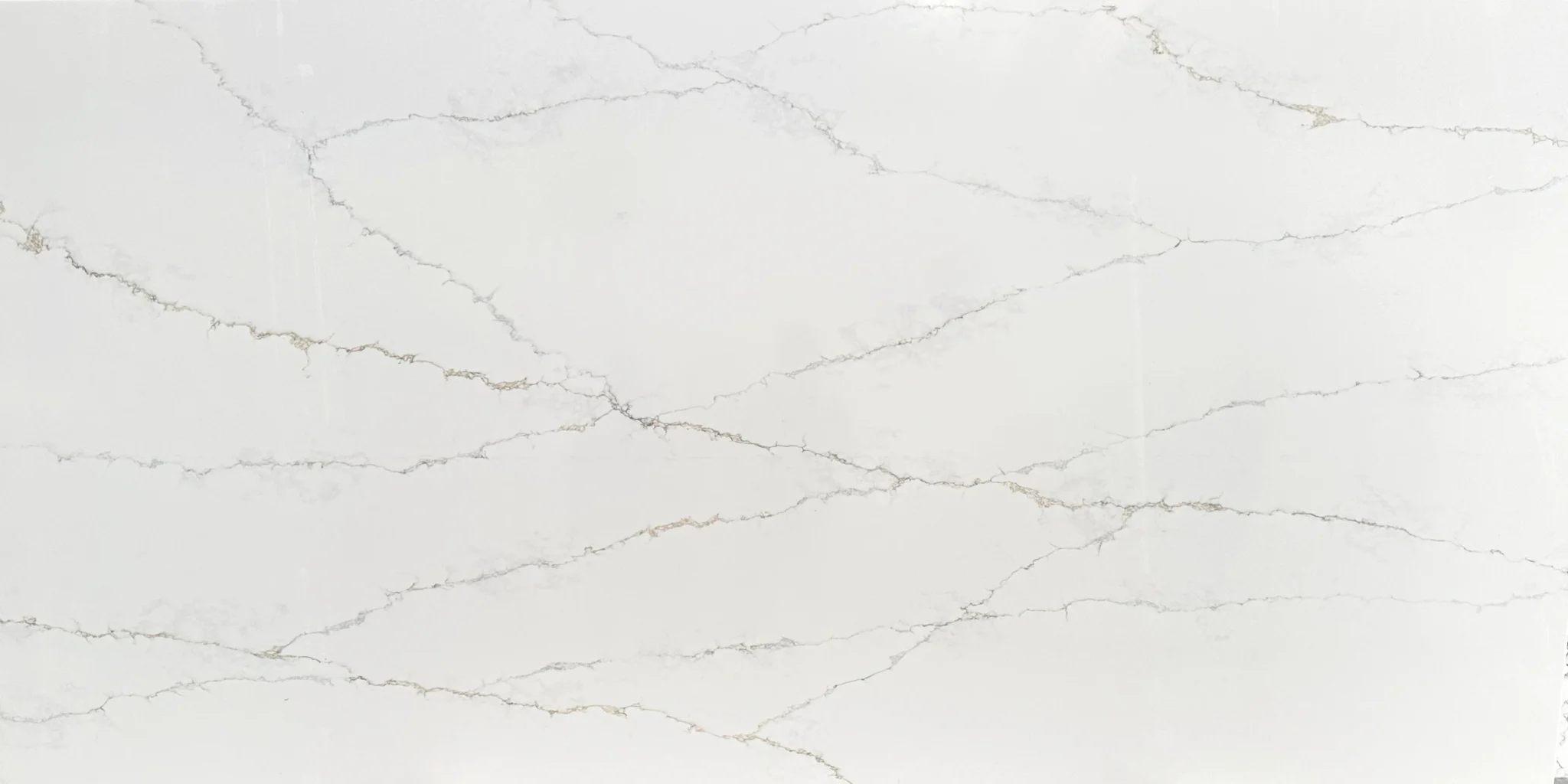
| Primärfarb(en) | Crisp Pure White |
| Akzentfarbe(n) | Very Fine Silver-Grey Linear Vein + Faint Gold Trace |
| Handwerk | Regelmäßig |
| Fertigstellungen | Poliert / Geschliffen / Wildleder / Leder |
| Maßgeschneiderte Größe | 138″ × 79″ / 126″ × 63″ / Anpassbar |
| Dicke | 20mm/30mm/Customizable |
| Randstil | Abgeschrägte polierte Kante/2+2cm lamellierte Kante/Gehrungskante |
| Land | Thailand |
| Full Body Quartz | Ja |
| Buchungsübereinstimmung verfügbar | Ja |
| Arbeitsplatten Wohngebiet: Ja Gewerblich: Ja |
| Mauer Wohngebiet: Ja Gewerblich: Ja |
| Bodenbelag Wohngebiet: Ja Gewerblich: Ja |
Beschreibung:
Häufig gestellte Fragen
Does anyone have pics of Grand Quartz Tech Calacatta Miraggio Gold?
Most fabricators who’ve worked with Calacatta Miraggio Gold or similar warm-toned gold-veined quartz will tell you the pattern tends to vary a lot from slab to slab.
The gold veins are usually thinner and more scattered than in classic Calacatta, and the base color leans more toward a creamy beige than pure white.
You won’t find consistent bookmatching across large runs, which means seams can stand out if not handled carefully during fabrication.
In real-world kitchens, especially under mixed lighting, the warm undertones can shift—sometimes appearing richer under incandescent light, more washed out under cool LED.
If you’re looking for visual reference, most suppliers don’t release full project photos due to client confidentiality, but some wholesale partners do share dry-lay layouts.
Grand Quartz Tech offers full-body printed versions that maintain consistent veining across jumbo slabs (up to 138″x79″), which helps avoid the seam issues common with standard slab runs.
These are often used in commercial spaces where visual continuity is key.
What is the most popular quartz countertop right now?
Right now, the most requested quartz countertops are warm-toned white or cream bases with subtle gold or gray veining—especially those that mimic the look of Calacatta or Taj Mahal quartzite.
Fabricators report a strong preference for slabs with consistent veining, which is why full-body printed quartz is gaining traction.
These printed slabs, like those from Grand Quartz Tech, offer uniformity across large runs, making them ideal for kitchens with long island layouts or commercial projects.
The popularity of ‘warm white’ has grown because it pairs well with both light and dark cabinets and shows fewer fingerprints than ultra-white options.
However, it’s not just about color—project volume, lead time, and slab size matter.
Super jumbo slabs (up to 138″x79″) are increasingly used to minimize seams, especially in residential and hospitality spaces.
While some still gravitate toward pure white or black, the trend leans toward natural-looking stone mimics with depth and variation—especially when backed by a reliable supply chain and short lead times.
Is there a quartz that looks like travertine?
Yes, there are engineered quartz products designed specifically to resemble travertine—especially in warm beige, cream, and light gray tones with subtle veining and texture.
The difference is that quartz doesn’t have the natural pits and holes of real travertine, so manufacturers use printed patterns or textured finishes to simulate that.
Some versions have a honed or leathered surface to mimic travertine’s softer feel, and others include mineral-like inclusions to add depth.
In high-traffic commercial spaces, these quartz options are preferred because they resist stains, don’t need sealing, and hold up better under heavy use.
However, the veining in quartz is often more consistent than natural travertine, which can be a plus for large installations where uniformity matters.
A common issue homeowners report after a year or two is that the contrast between the quartz and real travertine in adjacent areas becomes noticeable—especially with lighting changes.
Grand Quartz Tech uses full-body printing technology to create deep, consistent travertine-like patterns throughout the slab, reducing the risk of veining misalignment or color shifts during fabrication.
Is quartz or travertine more expensive?
When comparing quartz and travertine, the answer depends on whether you are looking only at the material price or the total cost of the project.
In many cases, natural travertine may have a lower upfront material cost. However, the overall cost of ownership can be higher because travertine usually requires more preparation, maintenance, and long-term care. As a porous natural stone, it typically needs sealing, regular maintenance, and more attention during daily use.
Quartz, especially premium designs like Calacatta Gray quartz, may have a higher initial material cost, but it often provides better value when considering the complete project.
From our experience working with fabricators, contractors, and project buyers, the real cost difference usually comes from:
- Fabrication and installation – Natural travertine can have more variation, which may require additional handling and careful selection during fabrication.
- Maintenance over time – Quartz is non-porous and does not require regular sealing, helping reduce long-term maintenance costs.
- Material consistency – Quartz slabs have controlled patterns and colors, making it easier to match multiple slabs for large kitchens, commercial projects, and hospitality applications.
- Replacement and repair considerations – Consistent quartz supply can make future replacements or expansions easier.
For example, a Calacatta Gray quartz countertop may have a higher slab cost compared with some travertine options, but the total investment can be more predictable because there are fewer variables during fabrication, installation, and maintenance.
Natural travertine still has its own value — many designers love its organic texture and natural variation. But for projects where durability, consistency, and long-term cost control are important, quartz often becomes the more economical choice when looking at the complete lifecycle cost, not just the purchase price.