



- Start
- Quarz
- Quarzplatten
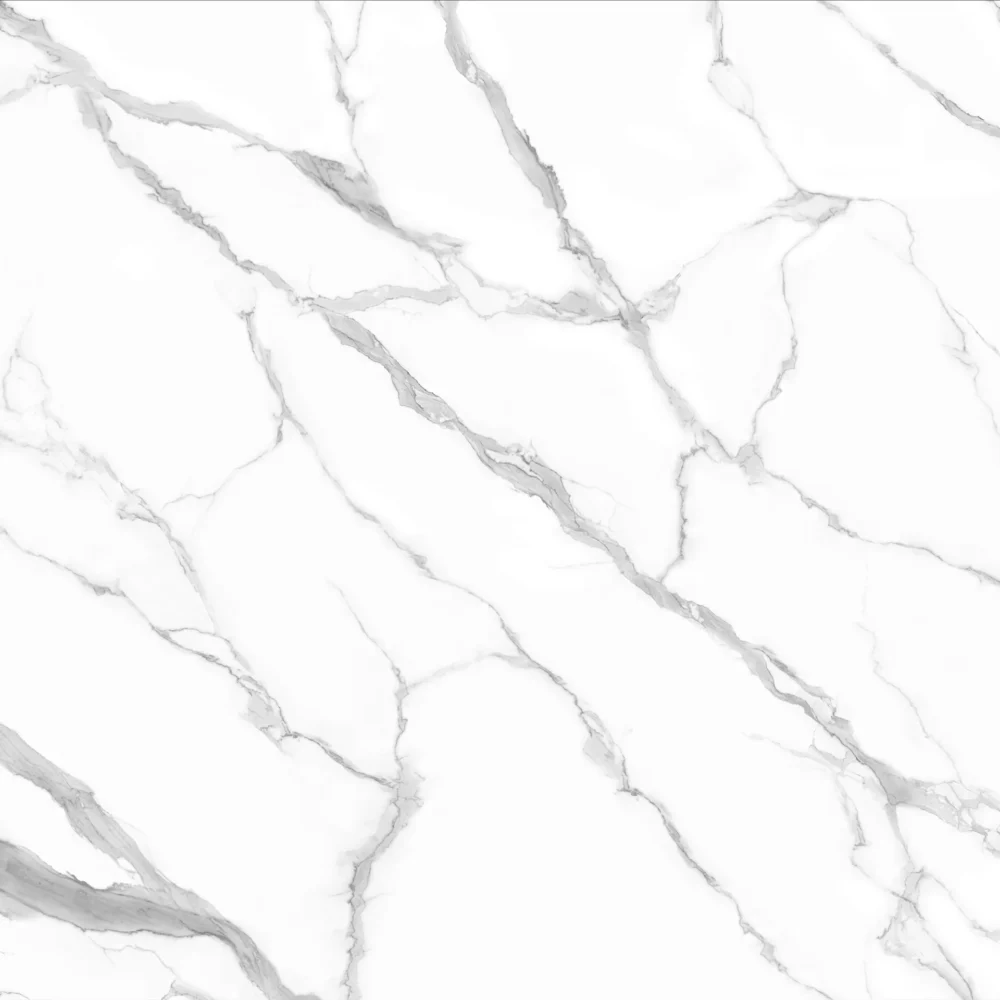
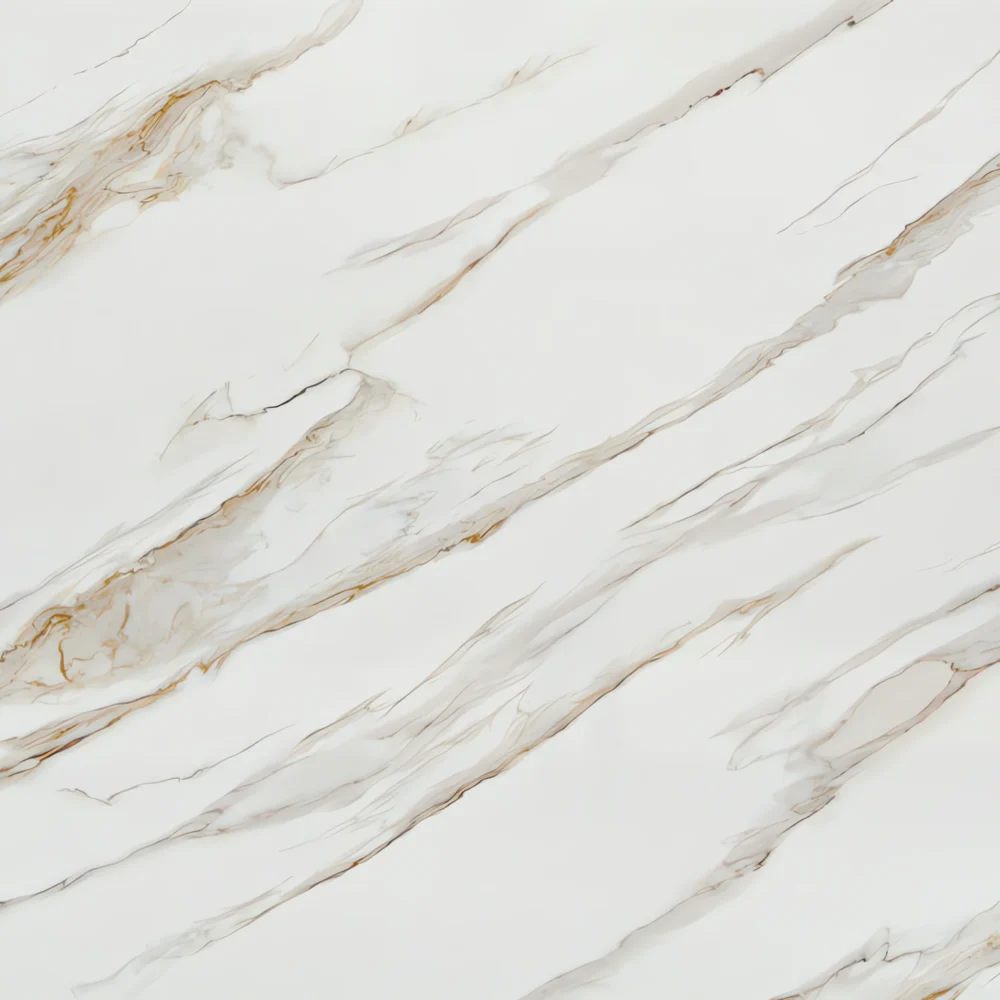
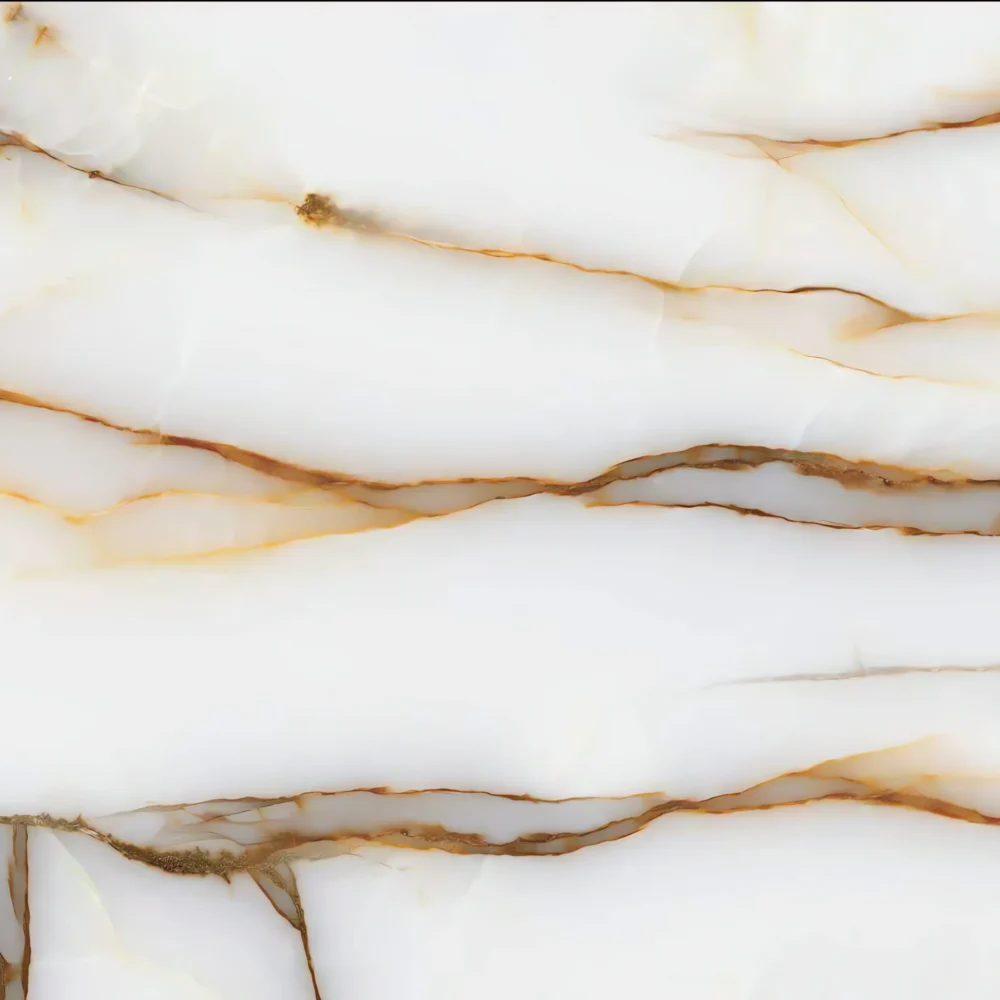
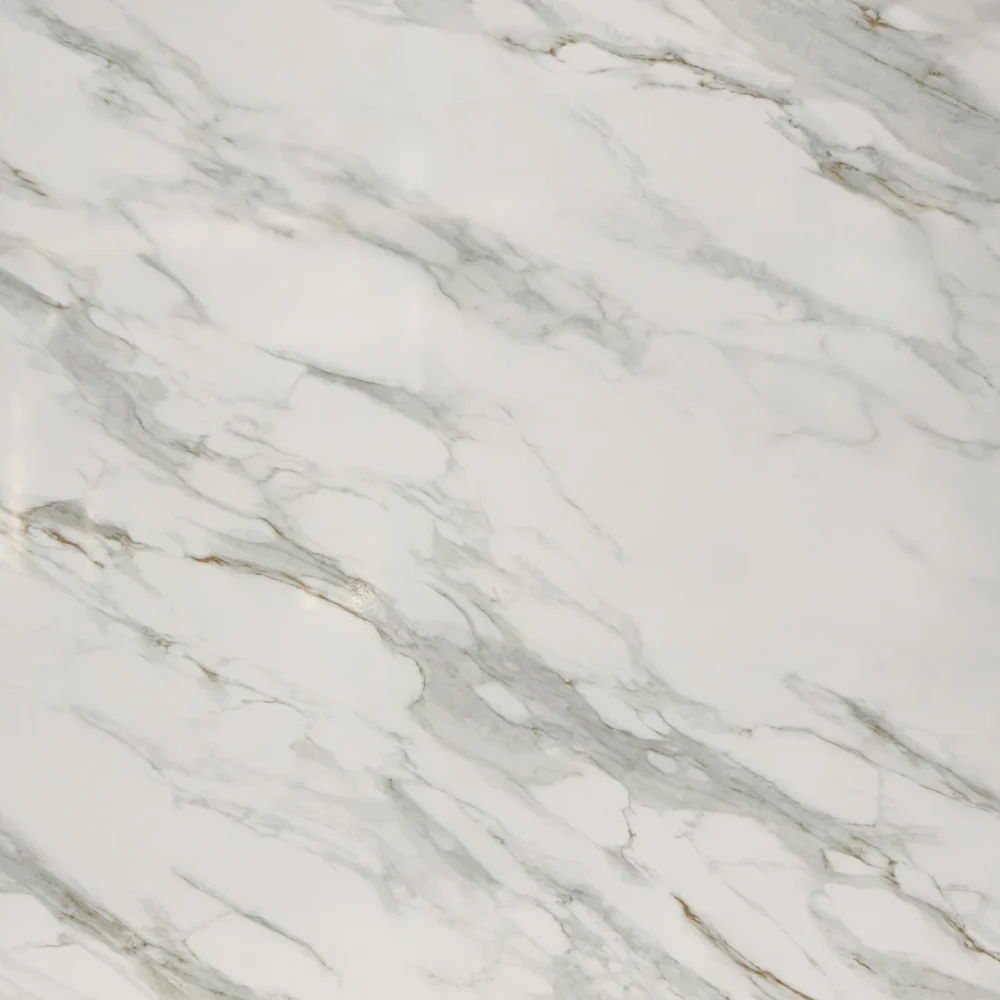
- Classic Corchia Gold Vein Quartz GQ-T467 for wholesale
Classic Corchia Gold Vein Quartz GQ-T467 for wholesale
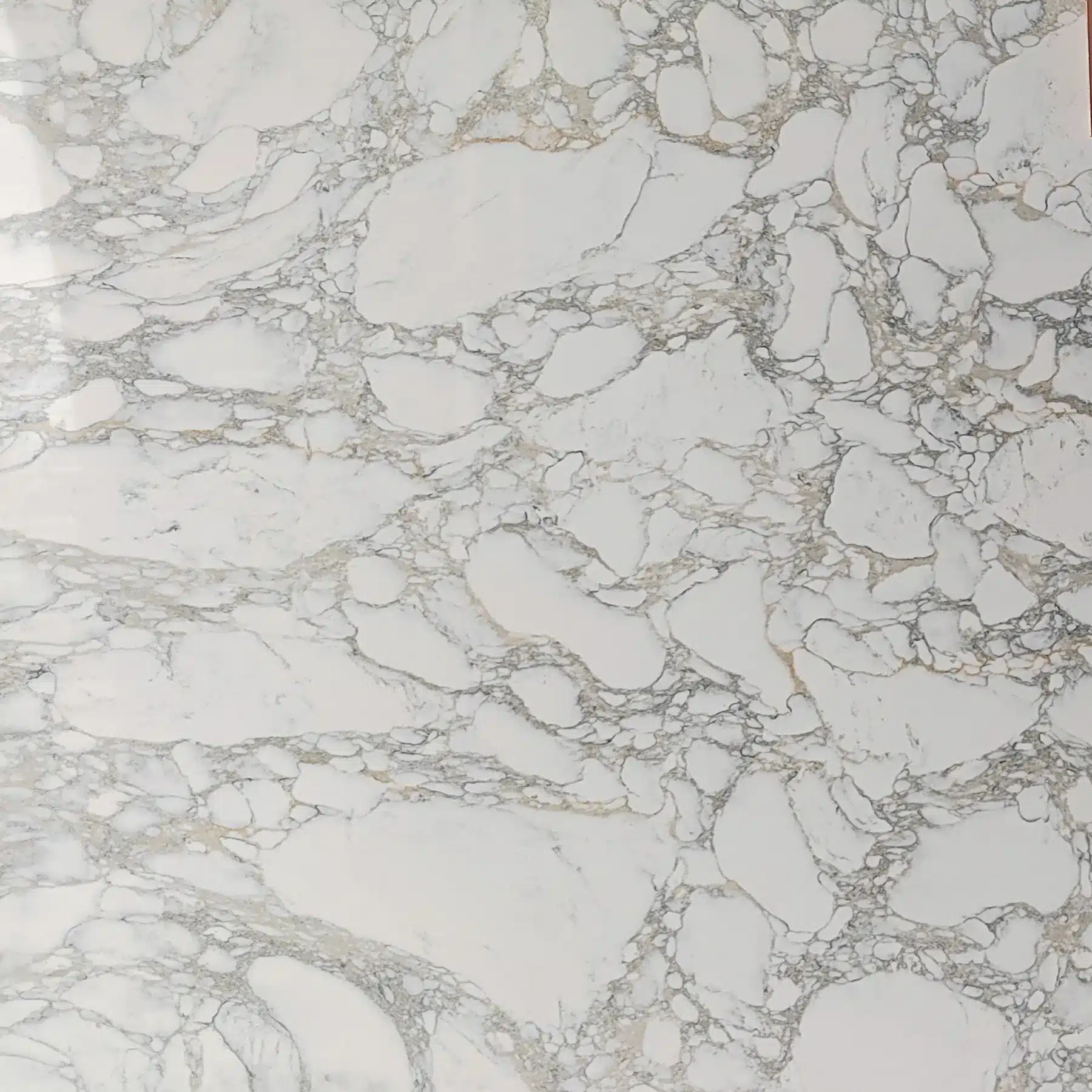
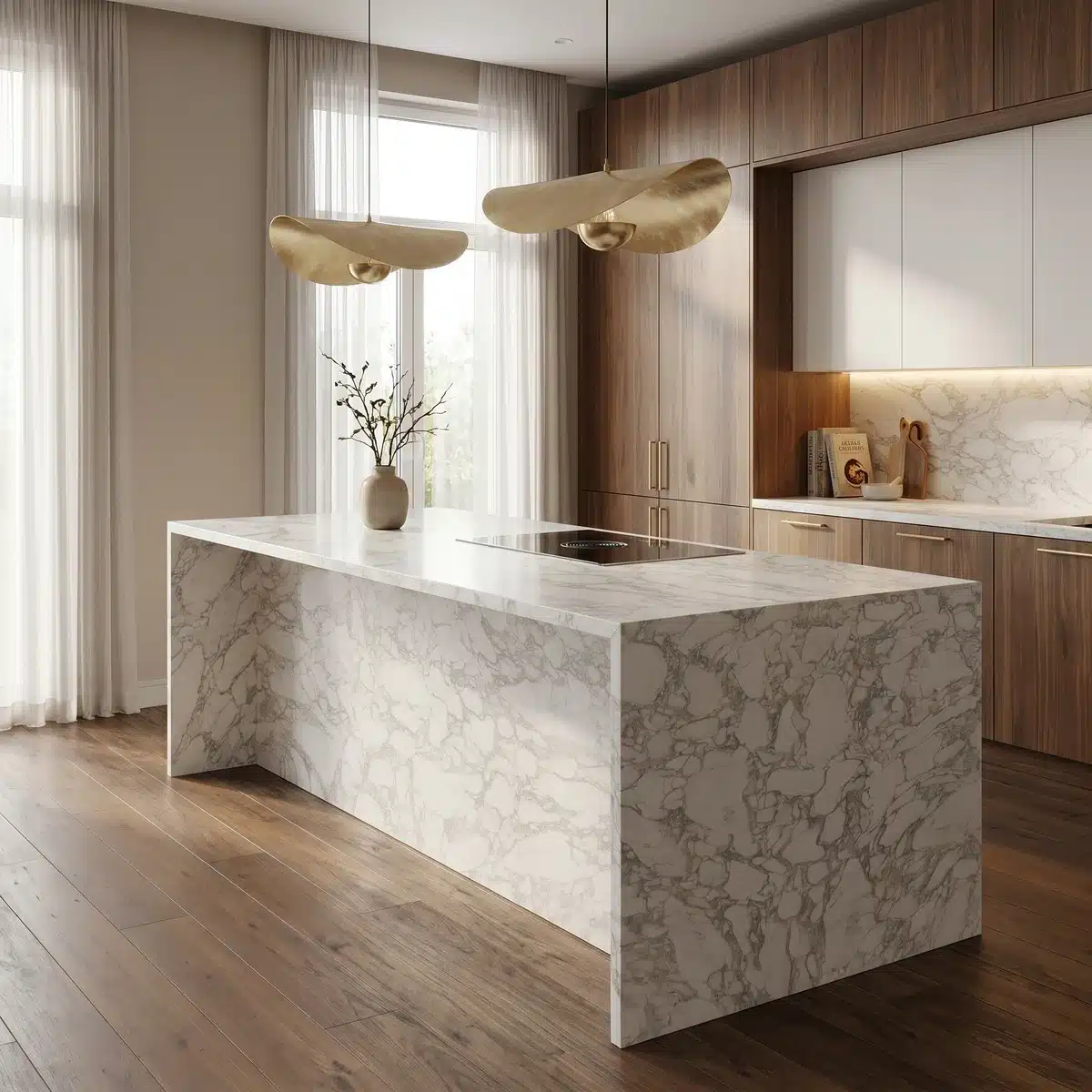
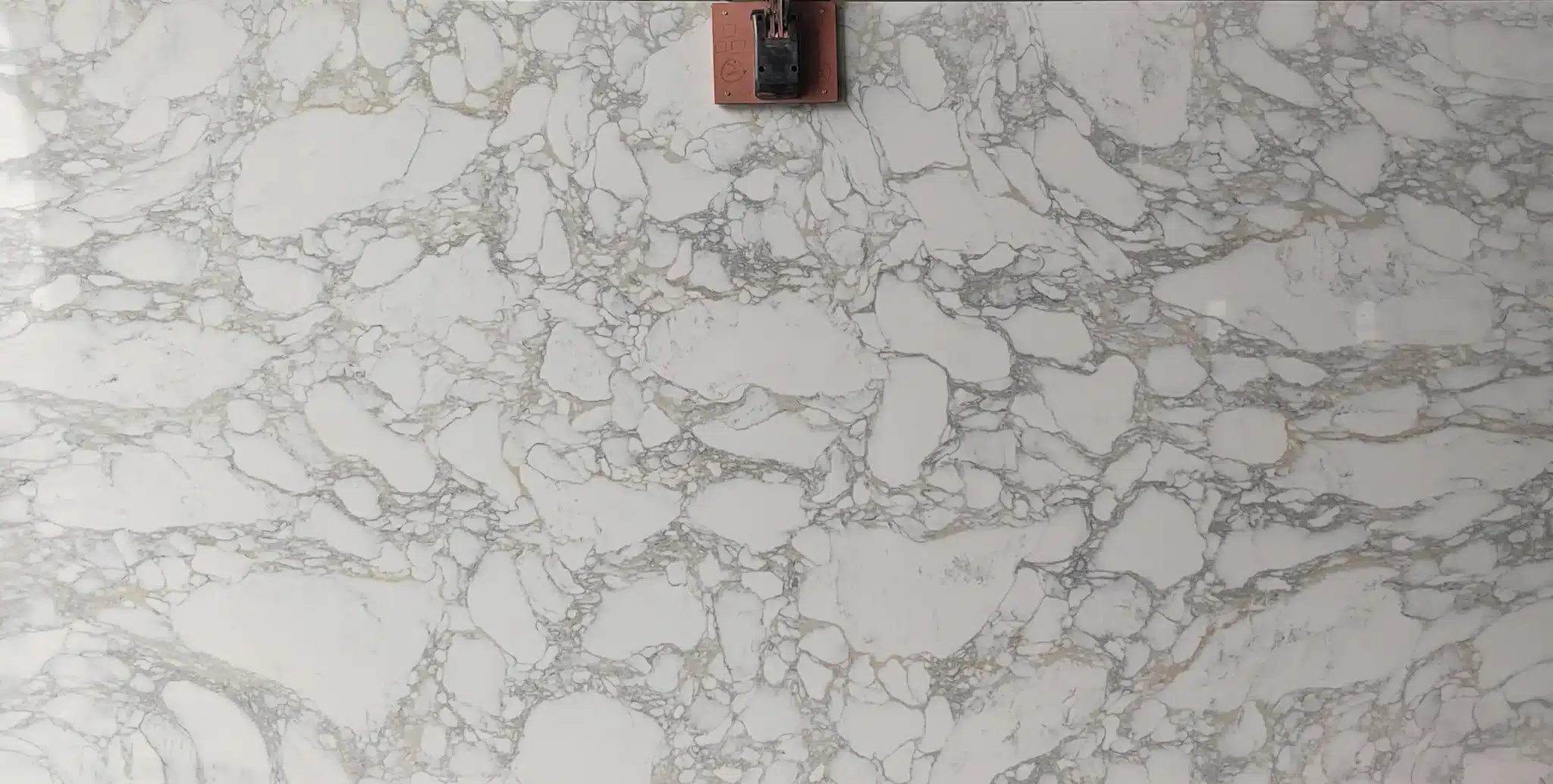
| Primärfarb(en) | Pure White |
| Akzentfarbe(n) | Deep Slate Grey + Charcoal Veins with Golden Tan Highlights |
| Handwerk | Regelmäßig |
| Fertigstellungen | Poliert / Geschliffen / Wildleder / Leder |
| Maßgeschneiderte Größe | 138″ × 79″ / 126″ × 63″ / Anpassbar |
| Dicke | 20mm/30mm/Customizable |
| Randstil | Abgeschrägte polierte Kante/2+2cm lamellierte Kante/Gehrungskante |
| Land | Thailand |
| Full Body Quartz | Ja |
| Buchungsübereinstimmung verfügbar | Ja |
| Arbeitsplatten Wohngebiet: Ja Gewerblich: Ja |
| Mauer Wohngebiet: Ja Gewerblich: Ja |
| Bodenbelag Wohngebiet: Ja Gewerblich: Ja |
Beschreibung:
Häufig gestellte Fragen
Is Taj Mahal quartzite durable?
Taj Mahal quartzite is durable—but only if you treat it like natural stone, not engineered material.
It’s harder than marble (around 7 on Mohs), so it resists light scratches and daily wear better than softer stones.
But it’s still porous, variable in density, and prone to micro-fractures—especially near veining or bedding planes.
In real-world kitchens, we see etching from coffee spills left overnight, staining from olive oil on unsealed edges, and hairline cracks around sink cutouts if the slab wasn’t properly supported during installation.
Most fabricators will tell you: its durability hinges on consistent sealing (every 6–12 months), avoiding acidic cleaners, and using full-support substructures—not just cabinet framing.
Thermal shock is another quiet issue: pouring boiling water directly onto a cold slab can cause surface checking.
So yes, it holds up—but not passively.
You have to stay engaged with maintenance and installation quality.
Grand Quartz Tech’s printed quartz alternatives mimic this look without those variables, especially in high-traffic commercial jobs where consistency and low upkeep matter more than geological authenticity.
What are the disadvantages of Taj Mahal quartzite?
The biggest disadvantages are inconsistency, maintenance, and fabrication risk.
No two slabs match—vein direction, tone, and hardness vary wildly, which makes bookmatching unpredictable and seam alignment frustrating.
It stains easily if sealing lapses, and even sealed, acidic liquids like lemon juice or vinegar etch the surface over time.
Fabrication is trickier than quartz: it chips at edges during polishing, cracks under pressure during CNC routing, and demands slower feed rates and diamond tooling that wears faster.
Installers usually recommend 3cm thickness for islands or heavy-use zones—and even then, you’ll want epoxy-reinforced seams and full plywood backing.
Lead times are longer too, since quarry output is seasonal and slab availability depends on shipping schedules from Brazil or India.
For contractors managing tight deadlines or repeat residential builds, that unpredictability adds cost and delay.
Grand Quartz Tech’s Quartzite Look line avoids all this—it’s consistent across batches, doesn’t require sealing, and cuts like standard quartz, but keeps the visual depth and movement clients love.
Why is Taj Mahal quartzite so popular?
It’s popular because it delivers a rare combo: marble-like elegance with slightly better hardness—and it photographs well.
Designers lean on it for kitchens and boutique hospitality projects where ‘natural stone’ carries weight with clients.
The soft white base with warm gold-gray veining reads as timeless, not trendy, and it pairs easily with both cool metals and warm woods.
But the real driver isn’t just looks—it’s scarcity.
Limited quarry access and long lead times create perceived value, especially when spec’d alongside imported Italian marble.
That said, in real-world installations, the popularity creates pressure: mismatched slabs, rushed sealing, or inexperienced fabricators trying to rush the process.
Homeowners often report disappointment after year two—not from the stone failing, but from inconsistent maintenance or poorly hidden seams.
Grand Quartz Tech’s Quartzite Look slabs replicate that visual language using Full Body Printed Quartz tech, so every slab matches, no sealing needed, and jumbo sizes (up to 138"x79") reduce visible seams in large spaces—without the quarry-to-site gamble.
Is Taj Mahal Quartzite Outdated? A Timeless vs. Trendy ?
It’s not outdated—it’s just less dominant than it was five years ago.
The warm, soft-white palette still works in transitional and traditional homes, especially with brass fixtures or shaker cabinetry.
But in new-construction multifamily or modern hospitality, buyers are shifting toward bolder quartz options with tighter veining, matte finishes, or darker bases—partly for easier cleaning, partly for visual contrast.
Taj Mahal’s strength is longevity, not trend-chasing: it won’t scream ‘2020’ in 2030, but it also won’t stand out in a space built around textured concrete or blackened steel.
Where it still shines is in custom residential work where clients want proven pedigree and are willing to maintain it.
That said, many contractors now spec Grand Quartz Tech’s Quartzite Look line instead—not because it’s ‘better,’ but because it delivers the same design intent without the sourcing delays, sealant callbacks, or seam-matching headaches.
It’s not a replacement; it’s a practical alternative when project scope, timeline, or budget demands consistency over geology.