



- Start
- Quarz
- Quarzplatten
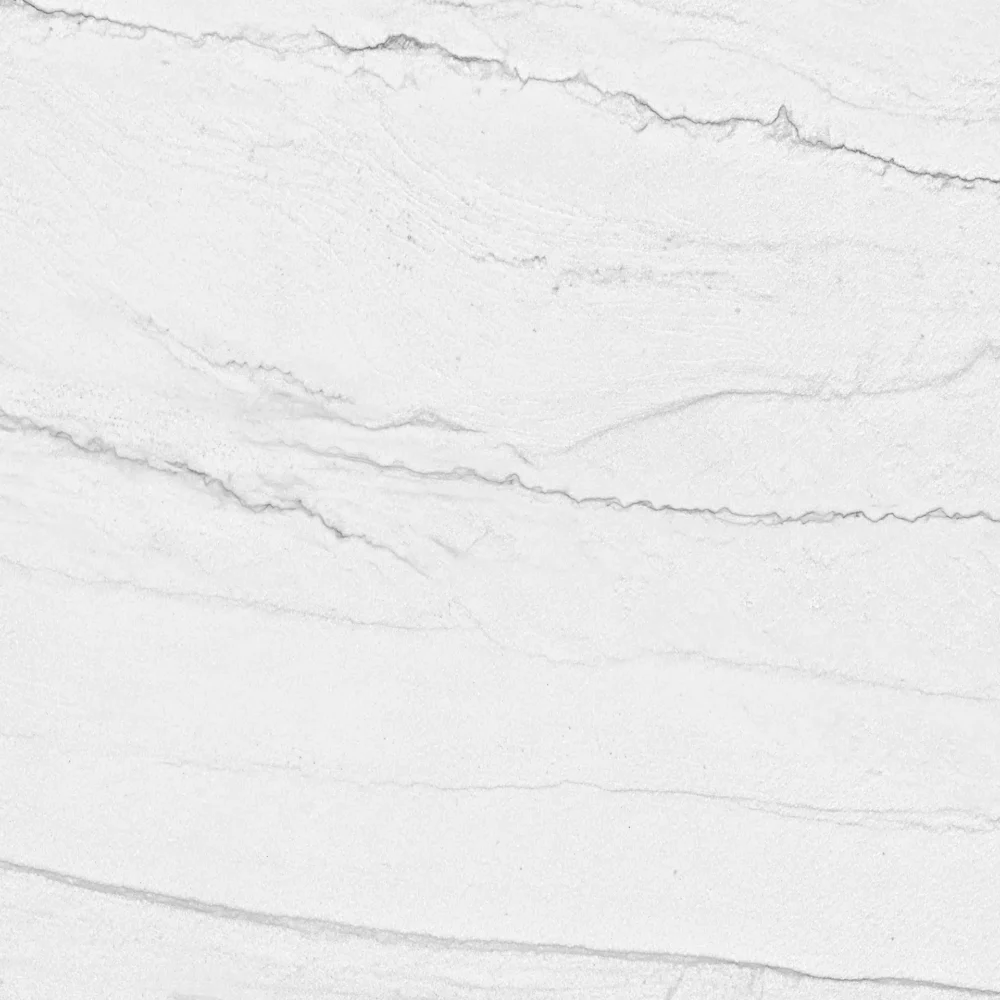
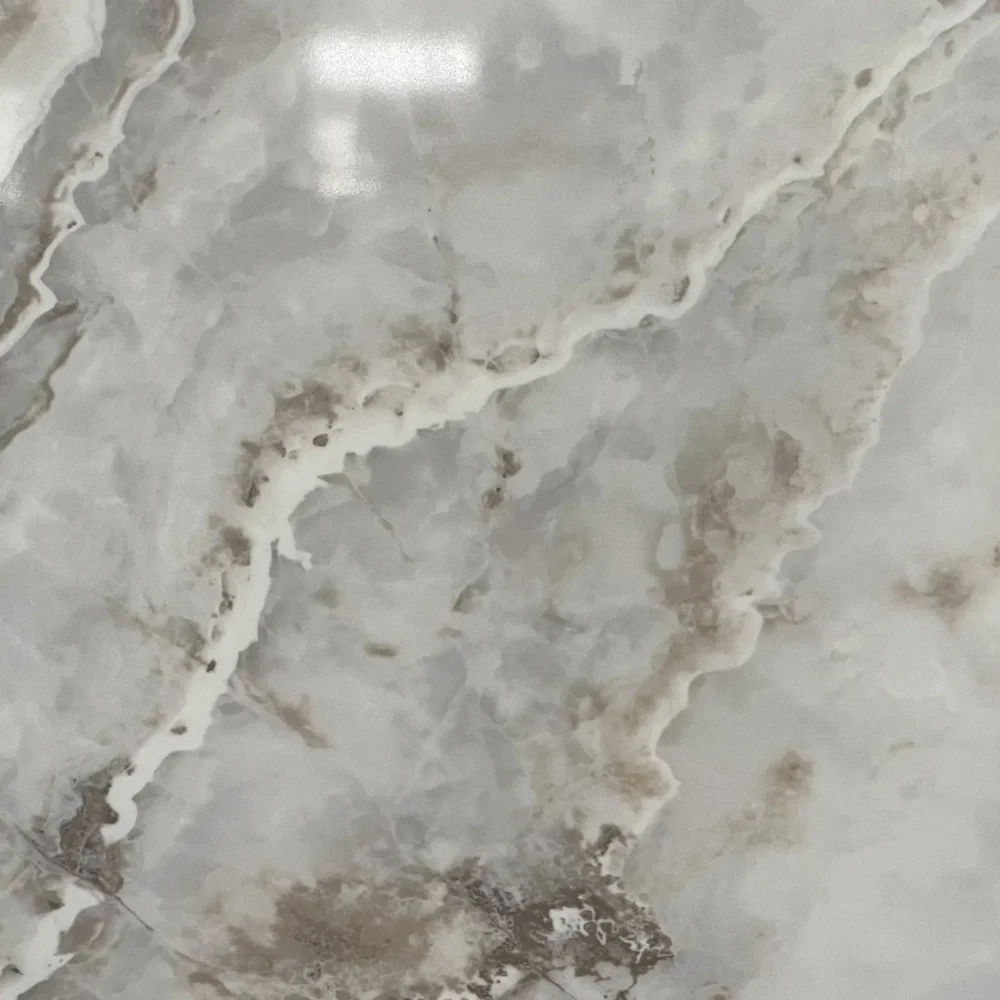
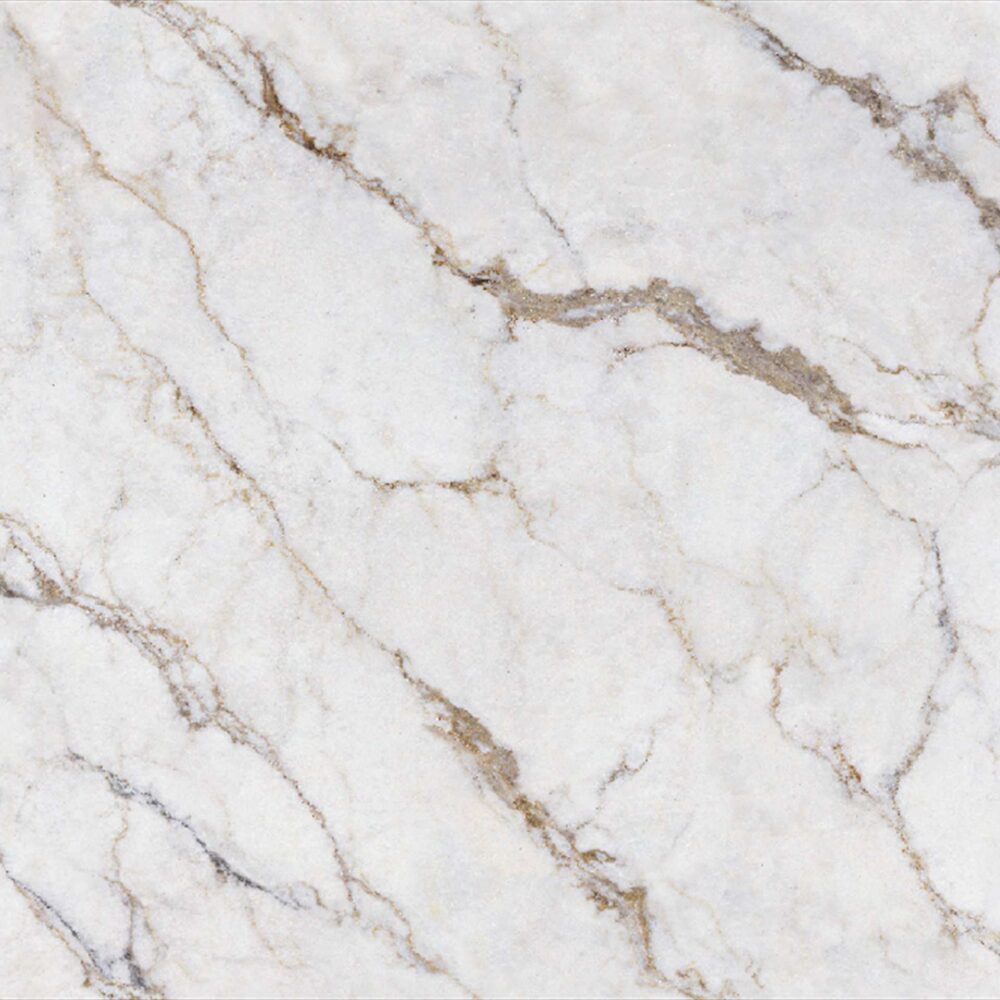
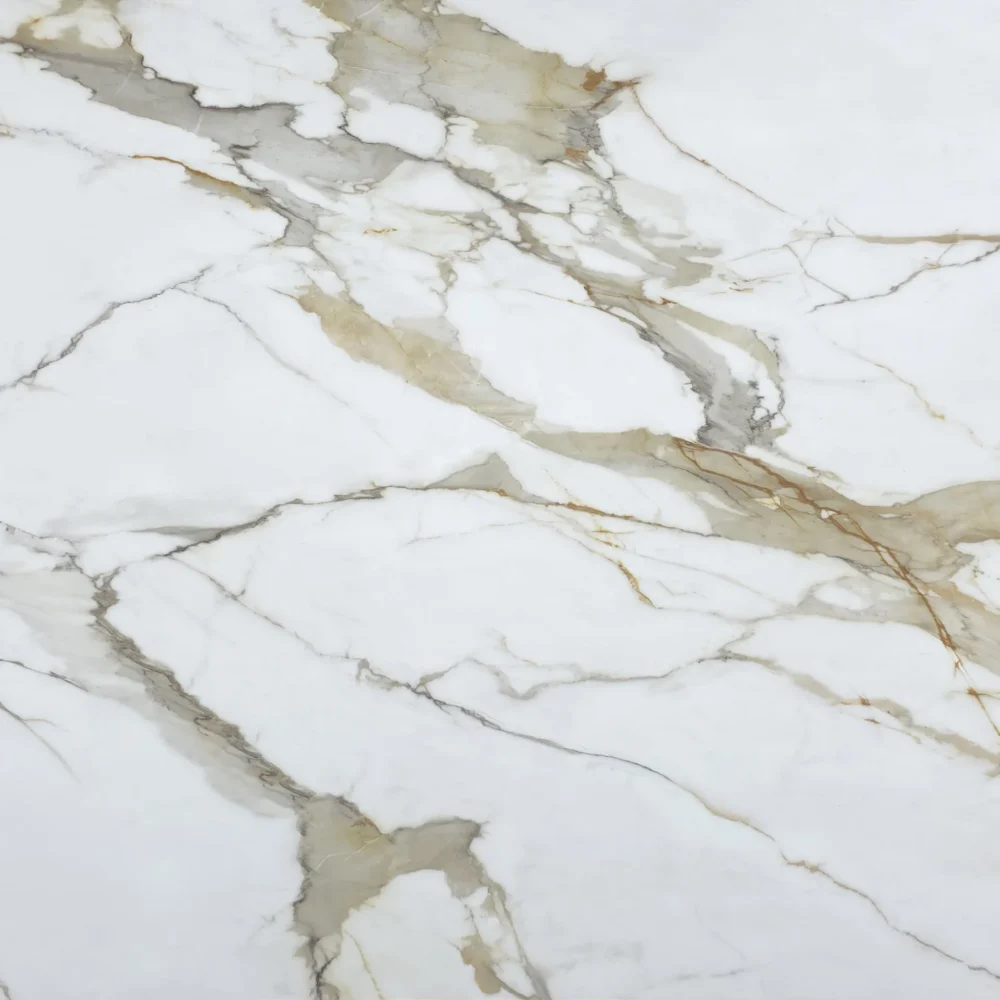
- Black Marquina Quartz Slab GQ-T210 for Wholesale
Black Marquina Quartz Slab GQ-T210 for Wholesale
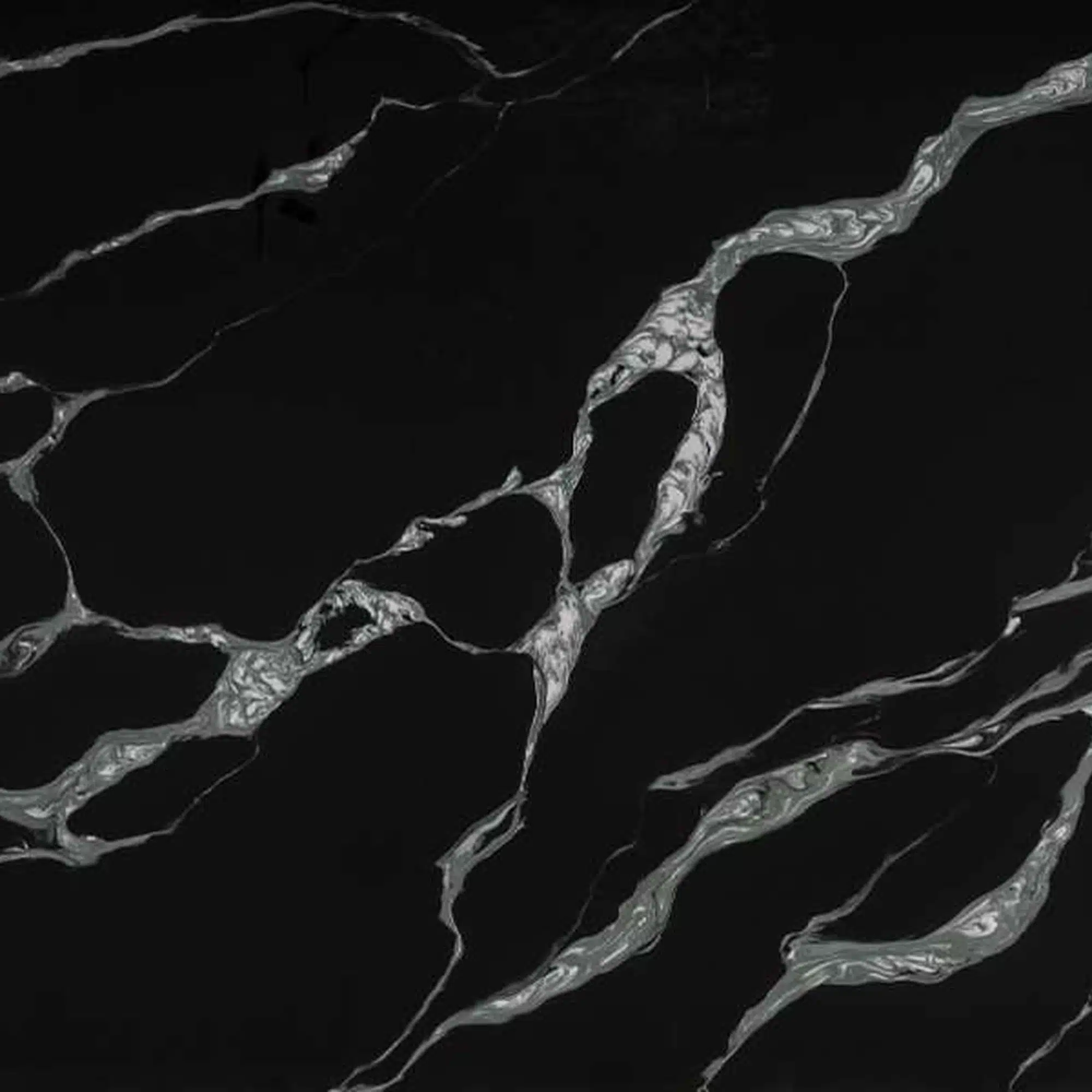
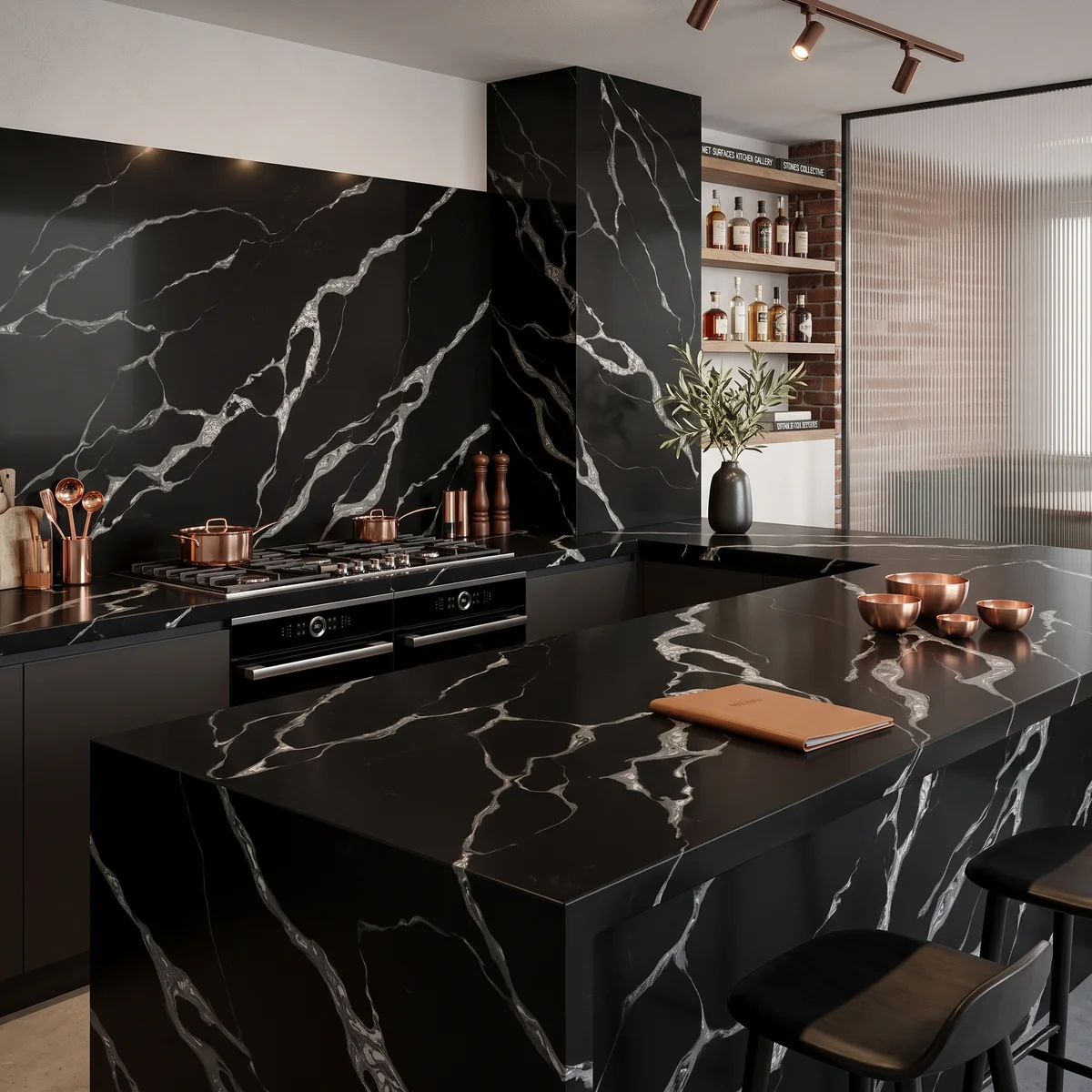
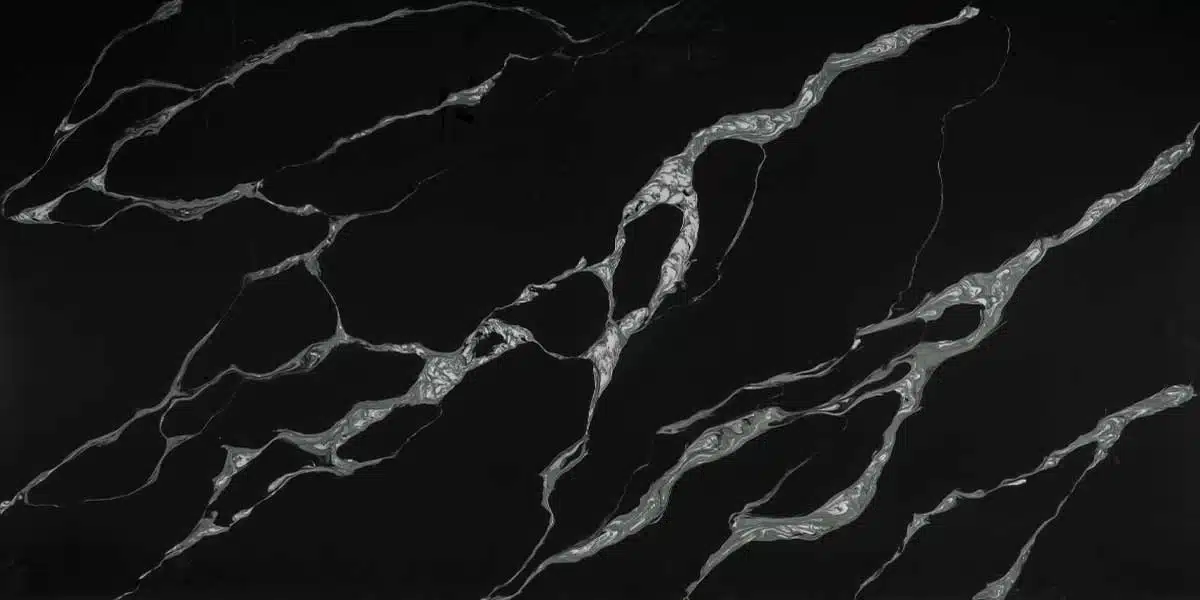
| Primärfarb(en) | Deep Jet Black |
| Akzentfarbe(n) | Bright Silver White Vein |
| Handwerk | Regelmäßig |
| Fertigstellungen | Poliert / Geschliffen / Wildleder / Leder |
| Maßgeschneiderte Größe | 138″ × 79″ / 126″ × 63″ / Anpassbar |
| Dicke | 20mm/30mm/Customizable |
| Randstil | Abgeschrägte polierte Kante/2+2cm lamellierte Kante/Gehrungskante |
| Land | Thailand |
| Full Body Quartz | Ja |
| Buchungsübereinstimmung verfügbar | Ja |
| Arbeitsplatten Wohngebiet: Ja Gewerblich: Ja |
| Mauer Wohngebiet: Ja Gewerblich: Ja |
| Bodenbelag Wohngebiet: Ja Gewerblich: Ja |
Beschreibung:
Häufig gestellte Fragen
Is Calacatta quartz still in style?
Yeah, Calacatta quartz is still very much in style—especially in high-end kitchens and bathrooms where people want that luxurious marble look without the upkeep. It’s been a staple for years, and while trends shift, Calacatta’s classic white base with gold or gray veining stays timeless. Designers love it because it pairs well with modern, transitional, and even farmhouse styles. The key is how you use it: paired with warm woods, black fixtures, or sleek white cabinets, it feels current. That said, if you’re going for a super minimalist or industrial look, some might find it too ornate. But overall? It’s not going out of style anytime soon. It’s like the little black dress of countertops.
Is calacatta quartz more expensive?
Yes, Calacatta quartz is often considered a more premium quartz option, but it is not simply because it has “Calacatta” in the name. The difference usually comes from the design complexity, raw materials, and manufacturing process behind the slab.
From our experience as a quartz manufacturer, Calacatta quartz is usually more demanding to produce compared with simple white quartz because customers expect it to look close to natural marble.
The main factors that affect the value of Calacatta quartz are:
- Background color quality – A good Calacatta design needs a clean, balanced white base. If the background looks too gray or yellow, the marble effect is lost. Different designs use different raw material formulas, and some premium ultra-white styles may use Cristobalite as part of the formulation to achieve a brighter, cleaner white appearance.
- Vein design and complexity – Natural Calacatta marble is known for its flowing veins and unique movement. Reproducing this look in quartz requires more than adding gray lines; the veins need the right direction, variation, and natural transitions.
- Pattern depth and realism – Lower-grade Calacatta quartz can sometimes look flat or repetitive. Higher-quality designs focus on creating layered details and more natural stone movement so the surface feels closer to real marble.
- Slab consistency – For contractors and fabricators, matching multiple slabs is important. Premium quartz needs better production control to maintain color and pattern consistency across a project.
From a buyer’s perspective, the difference is usually easy to see when slabs are compared side by side. A basic Calacatta quartz may have a white background and gray veins, but a higher-quality one has a cleaner base, more realistic movement, and a stronger natural stone feeling.
At GrandQuartz Tech, we develop Calacatta-inspired quartz designs by focusing on the details that make natural marble attractive: pure background color, realistic veining, and sufficient visual depth. Our goal is to provide quartz surfaces that deliver the luxury appearance customers want while maintaining the consistency needed for countertop projects.
So, is Calacatta quartz more expensive? Often yes, especially for premium designs — but the real difference comes from how realistic, consistent, and refined the final slab looks, not just the Calacatta name itself.
Is Calacatta quartz good quality?
Yes, Calacatta quartz can be a very good-quality countertop material, especially when it is made with good raw materials and advanced manufacturing technology. However, the quality can vary a lot between different Calacatta quartz products.
From our experience as a quartz manufacturer, the name “Calacatta” only describes the design style — usually a white background with elegant gray, gold, or colored veins inspired by natural Calacatta marble. The actual quality depends on how well the manufacturer reproduces the look and performance.
When evaluating Calacatta quartz, we usually look at a few key areas:
1. Background color quality
A good Calacatta quartz should have a clean and balanced white background. Lower-quality products may appear slightly gray, yellow, or uneven under different lighting. For some premium ultra-white designs, manufacturers may use materials such as high purity as part of the formulation to achieve a brighter and cleaner white appearance.
2. Vein realism
The beauty of Calacatta comes from its natural marble movement. High-quality Calacatta quartz should have veins that feel random and natural, with proper variation in thickness, direction, and color. If the pattern looks repetitive or too flat, it usually feels less like real stone.
3. Visual depth
This is one of the biggest differences customers notice. Basic Calacatta quartz may have a simple printed pattern, while higher-quality designs use more advanced coloring and surface technologies to create layered details and a more natural stone effect.
4. Consistency for real projects
For fabricators, builders, and wholesalers, quality is also about reliability. Multiple slabs need to match well, especially for large islands, waterfall edges, and commercial installations.
From a practical standpoint, Calacatta quartz is popular because it combines the luxury appearance of marble with the advantages of engineered quartz:
- Non-porous surface
- Easier daily maintenance
- More consistent slab availability
- Better control over color and pattern matching
At GrandQuartz Tech, we focus on developing Calacatta quartz designs that capture the details people appreciate in natural marble: a clean background, realistic vein movement, and enough visual depth to avoid a flat printed look.
So, is Calacatta quartz good quality? A well-made Calacatta quartz can be an excellent countertop choice. The key is not the Calacatta name itself, but the quality of the raw materials, production process, and how realistically the slab reproduces natural stone.