



- Start
- Quarz
- Quarzplatten
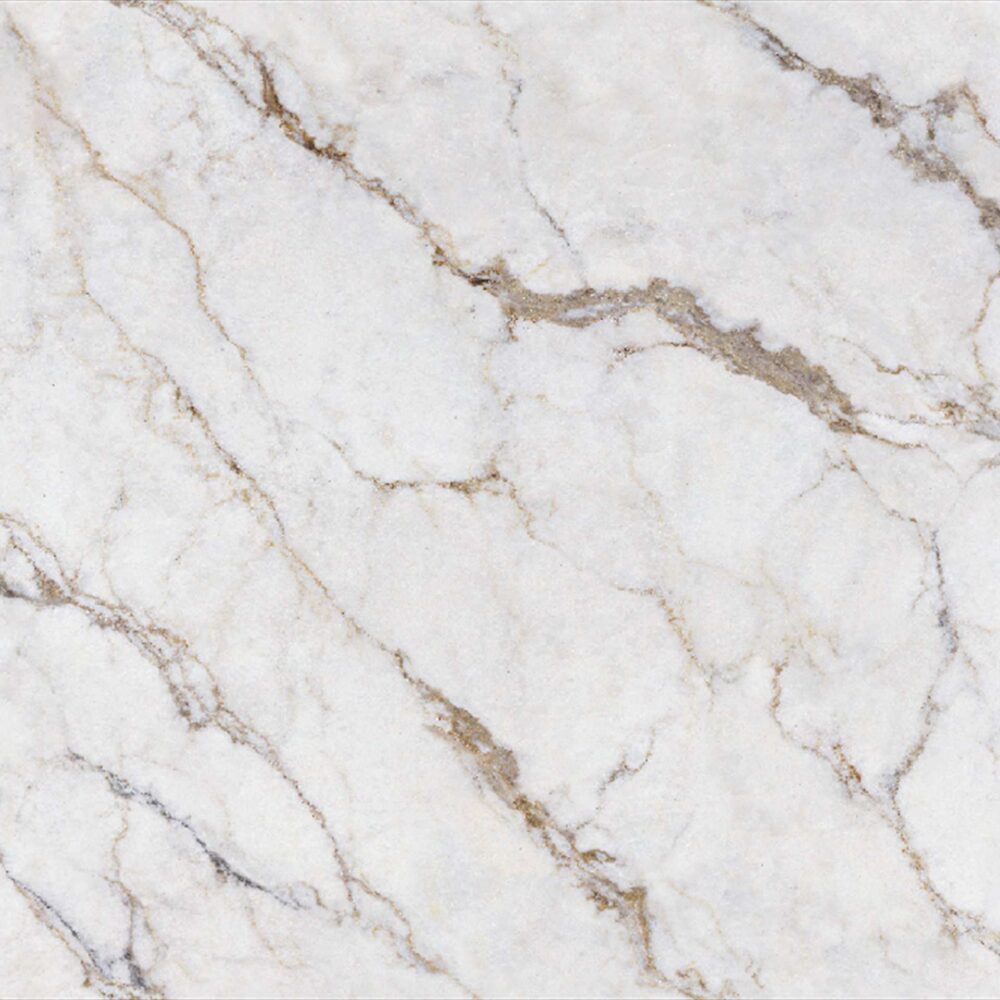
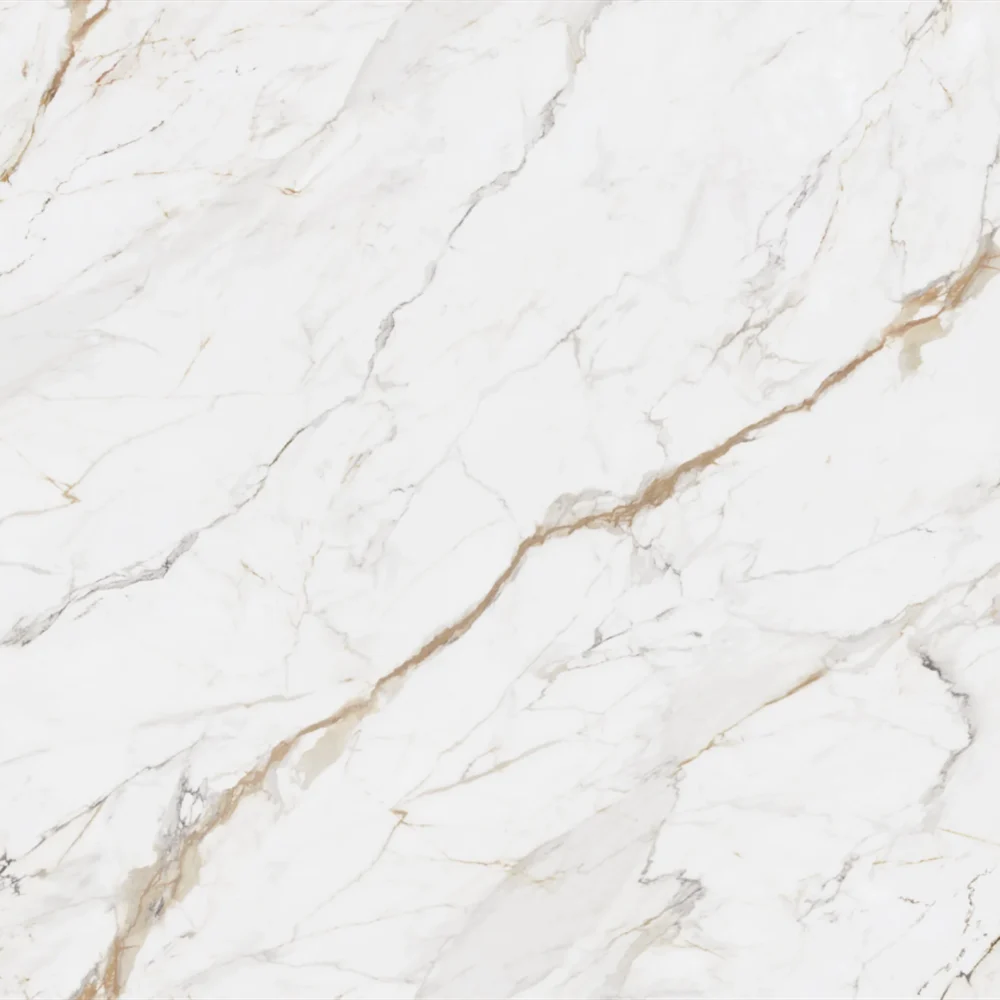
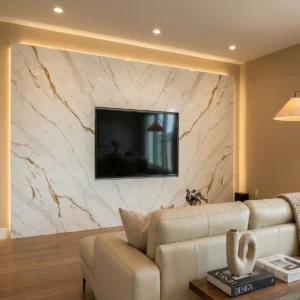
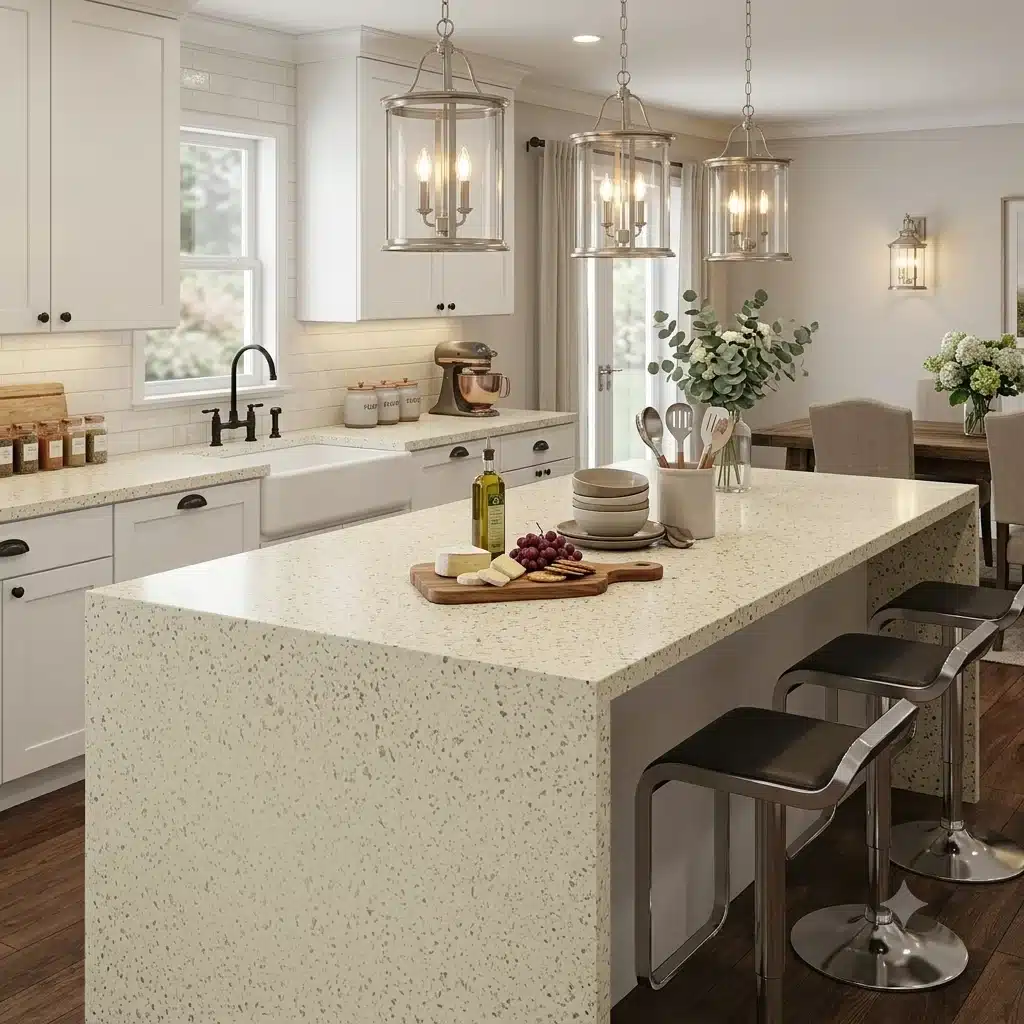
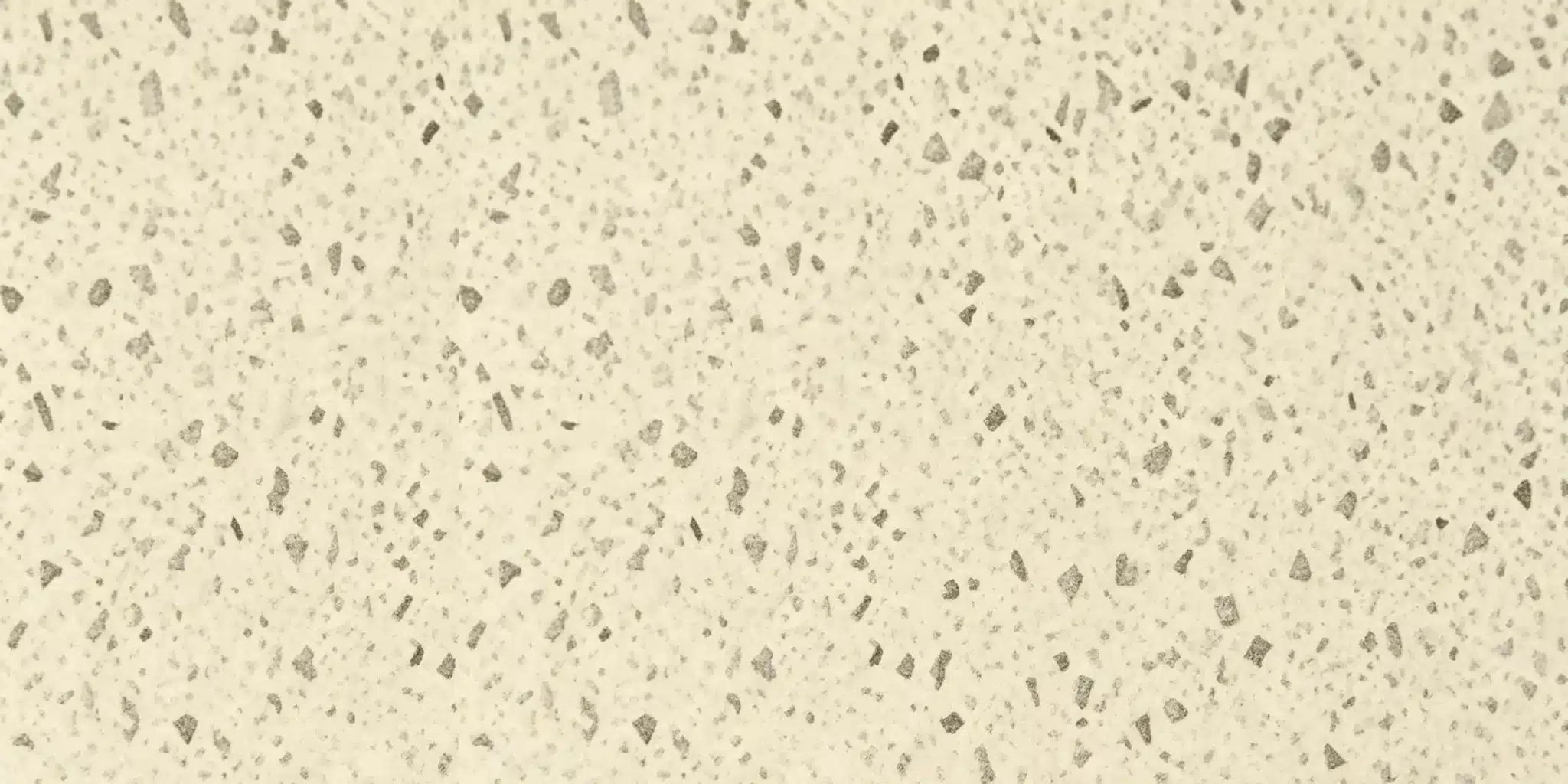
- Pale Beige White sparkle Quartz Slabs GQ-FG518 for wholesale
Pale Beige White sparkle Quartz Slabs GQ-FG518 for wholesale
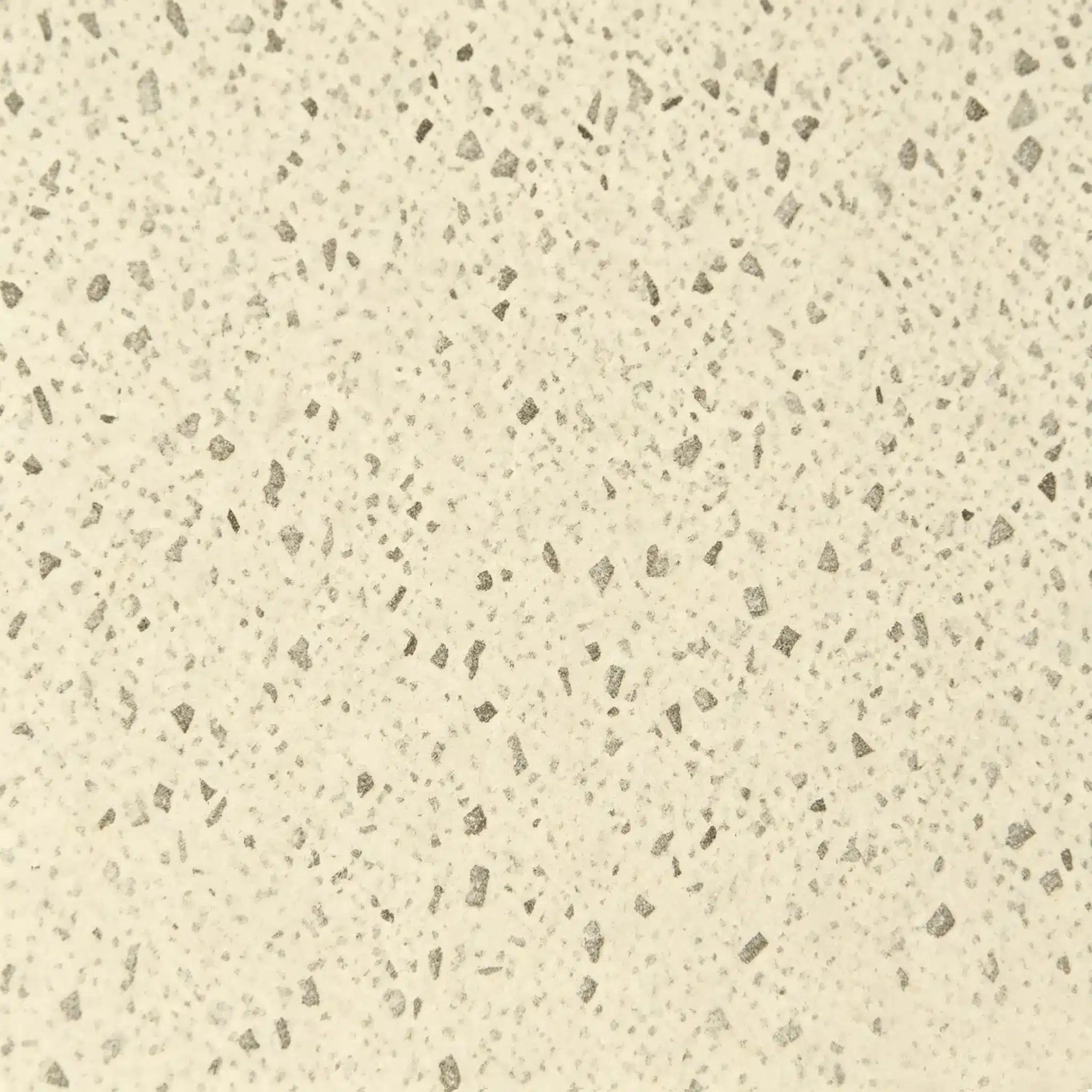
| Primärfarb(en) | Pale Beige White |
| Akzentfarbe(n) | Light Dove Gray |
| Handwerk | Regelmäßig |
| Fertigstellungen | Poliert / Geschliffen / Wildleder / Leder |
| Maßgeschneiderte Größe | 138″ × 79″ / 126″ × 63″ / Anpassbar |
| Dicke | 20mm/30mm/Customizable |
| Randstil | Abgeschrägte polierte Kante/2+2cm lamellierte Kante/Gehrungskante |
| Land | Thailand |
| Full Body Quartz | Ja |
| Buchungsübereinstimmung verfügbar | Ja |
| Arbeitsplatten Wohngebiet: Ja Gewerblich: Ja |
| Mauer Wohngebiet: Ja Gewerblich: Ja |
| Bodenbelag Wohngebiet: Ja Gewerblich: Ja |
Beschreibung:
Häufig gestellte Fragen
Has anyone used Grand Quartz Tech quartz in Calacatta Gold color for kitchen countertops? I was just wondering how it has held up. Any staining?
Yeah, we’ve installed GQ-FG518 — their Calacatta Gold — in a dozen-plus kitchens over the past 18 months, mostly residential but also a few boutique cafes.
It holds up fine under normal use, but like any polished quartz, it’s not stain-proof.
Red wine, soy sauce, or olive oil left sitting for hours can leave surface residue — not absorption, but pigment buildup that needs gentle scrubbing.
We’ve seen minor etching on polished edges after repeated lemon juice or vinegar contact, especially near sinks; it’s fixable with a light buff, but honed or matte finishes handle acids better.
The veining is printed full-body, so bookmatched layouts stay consistent across slabs — no surprise shifts mid-run.
That said, dark gold veins on a white base show smudges and fingerprints more than lighter patterns.
Most homeowners wipe daily, and it stays clean.
Just don’t treat it like granite — no hot pans directly on polished surfaces, and avoid abrasive cleaners.
In real-world kitchens, it’s durable, but it rewards basic care.
What is the most popular quartz color for kitchen countertops?
Right now, it’s still light-toned quartz with soft gray or taupe veining — not stark white, but warm off-whites and beiges.
GQ-FG518 fits right in there: creamy base, subtle movement, low-contrast veining.
It works with everything — painted cabinets, stained wood, even tile backsplashes — without competing.
Fabricators tell me this range outsells pure white by a wide margin in new builds and remodels.
Why?
Because it hides dust, water spots, and minor scratches better than high-gloss whites, and it reads more natural under LED and daylight mix.
Darker quartz is trending in commercial bars and urban lofts, but for mainstream kitchens, warmth and subtlety win.
That said, popularity doesn’t mean it’s right for every job.
If your space gets harsh afternoon sun, some beige tones can yellow slightly over time — not from UV damage (GQ’s resin is stable), but from lighting interaction.
Always test a full-size sample where it’ll live, not just in the showroom.
Taj Mahal for Your Kitchen Countertops: Quartz or Quartzite?
Taj Mahal quartzite is gorgeous — soft pinkish-gray background, delicate veining — but it’s finicky.
It’s porous, etches easily from citrus or vinegar, and needs resealing every 6–12 months.
We’ve had clients come back after two years saying their quartzite looks dull because they skipped sealing.
Engineered quartz that mimics Taj Mahal — like GQ’s printed quartzite-look line — gives you the visual depth without the upkeep.
Full-body printed tech means the pattern runs through the slab, so edges and cutouts match the surface.
It’s harder, more consistent, and fabricators love it: less chipping on router passes, tighter seams, no risk of resin pooling in natural fissures.
But here’s the tradeoff: quartz won’t have the organic variation of real stone — no subtle tonal shifts, no mineral sparkle.
If your client wants authenticity and accepts maintenance, quartzite has soul.
If they want reliability, resale value, and fewer callbacks, quartz wins.
And if you’re doing a large island or waterfall, GQ’s jumbo slabs (up to 138" x 79") cut down on visible seams.
How to Choose the Right Quartz Countertops for Your ?
Start with the room’s lighting and cabinet finish — not the catalog.
GQ-FG518 looks warm and grounded next to oak or walnut, but can read flat under cool LEDs if the sample wasn’t tested onsite.
For modern kitchens, go with tighter veining and matte or leathered finishes to mute reflection; for traditional spaces, polished with soft movement reads richer.
Check slab consistency — printed quartz like GQ’s holds pattern well across batches, but always verify vein density before ordering multiple slabs for bookmatch.
Avoid thin 2cm slabs for islands unless you’re adding support; edge durability matters more than looks when kids or bar stools are involved.
Also, talk to your fabricator early: some quartz brands chip on tight inside corners or don’t polish evenly on thick edges.
GQ’s low-silica production lines make dust control easier during fabrication, which matters on tight job sites.
And never skip dry-lay — that’s where you spot seam placement issues, backlighting mismatches, or how the pattern flows across sink cutouts.
It’s 20 minutes that saves days of rework.