



- Start
- Quarz
- Quarzplatten
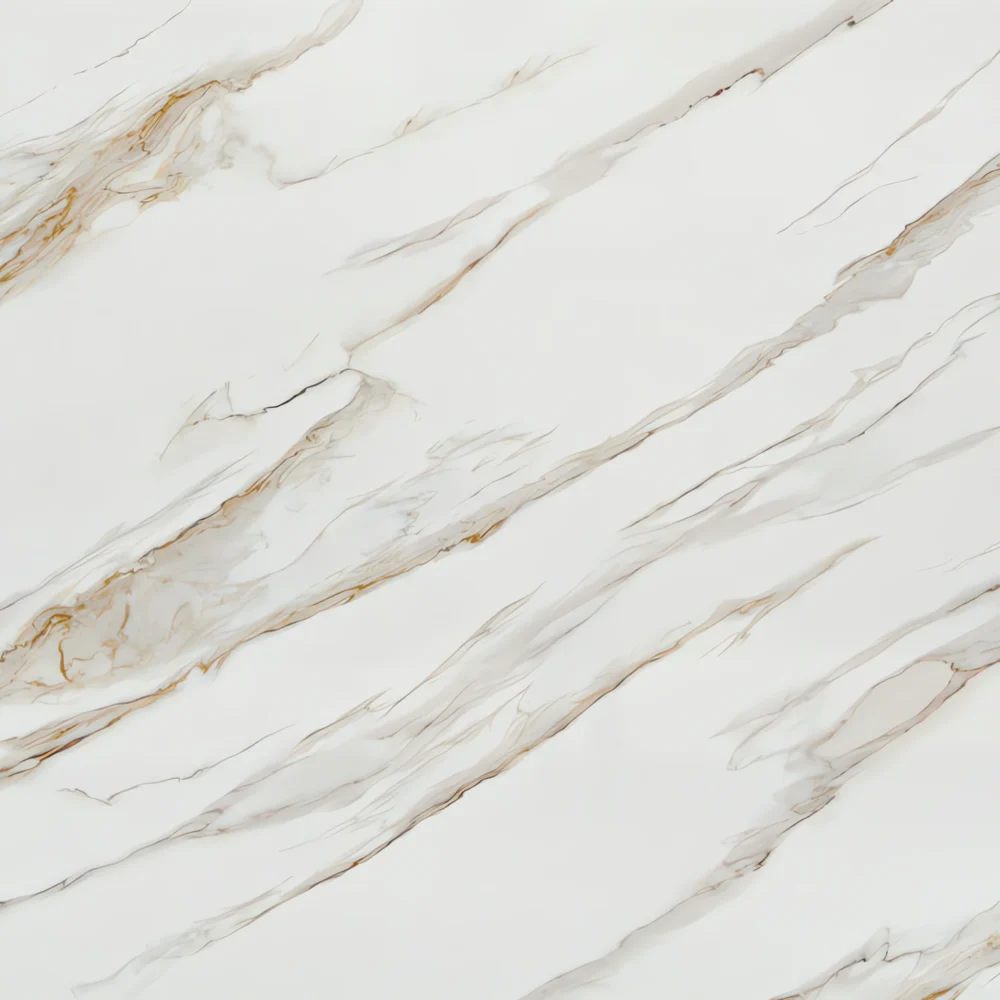
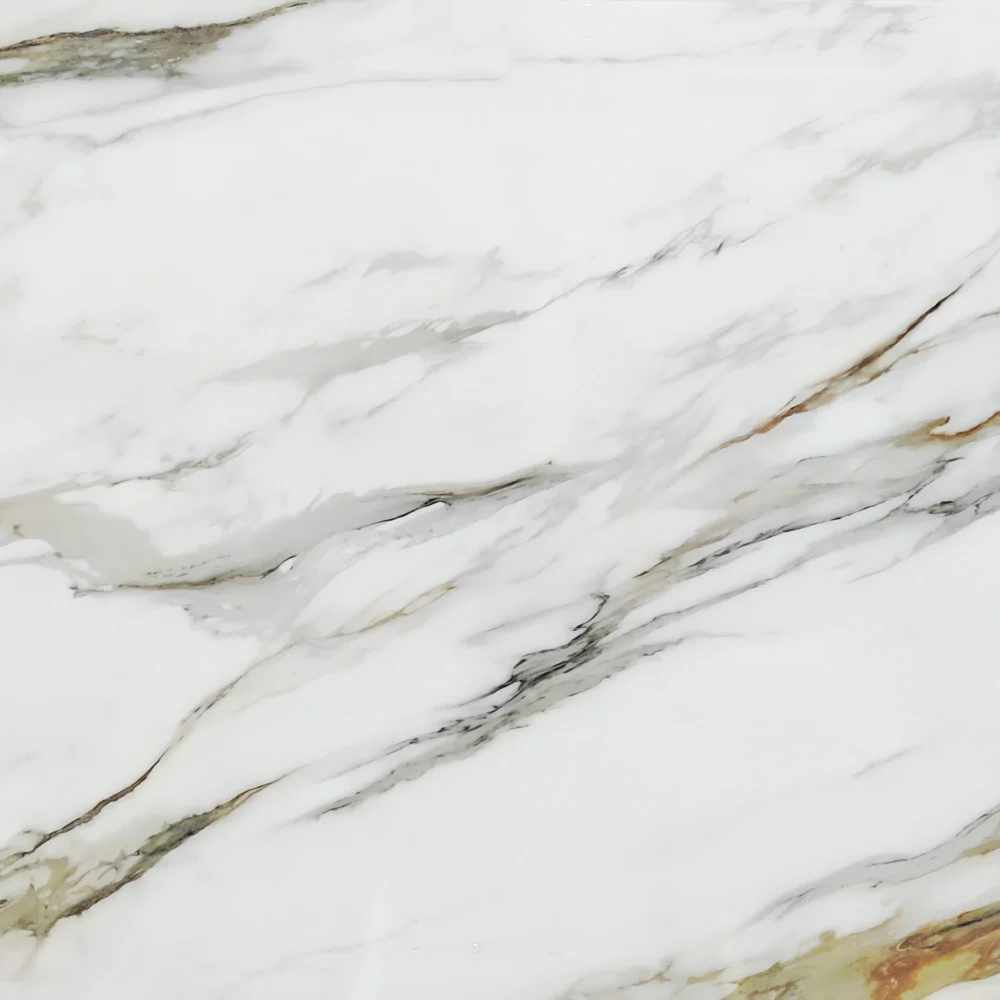
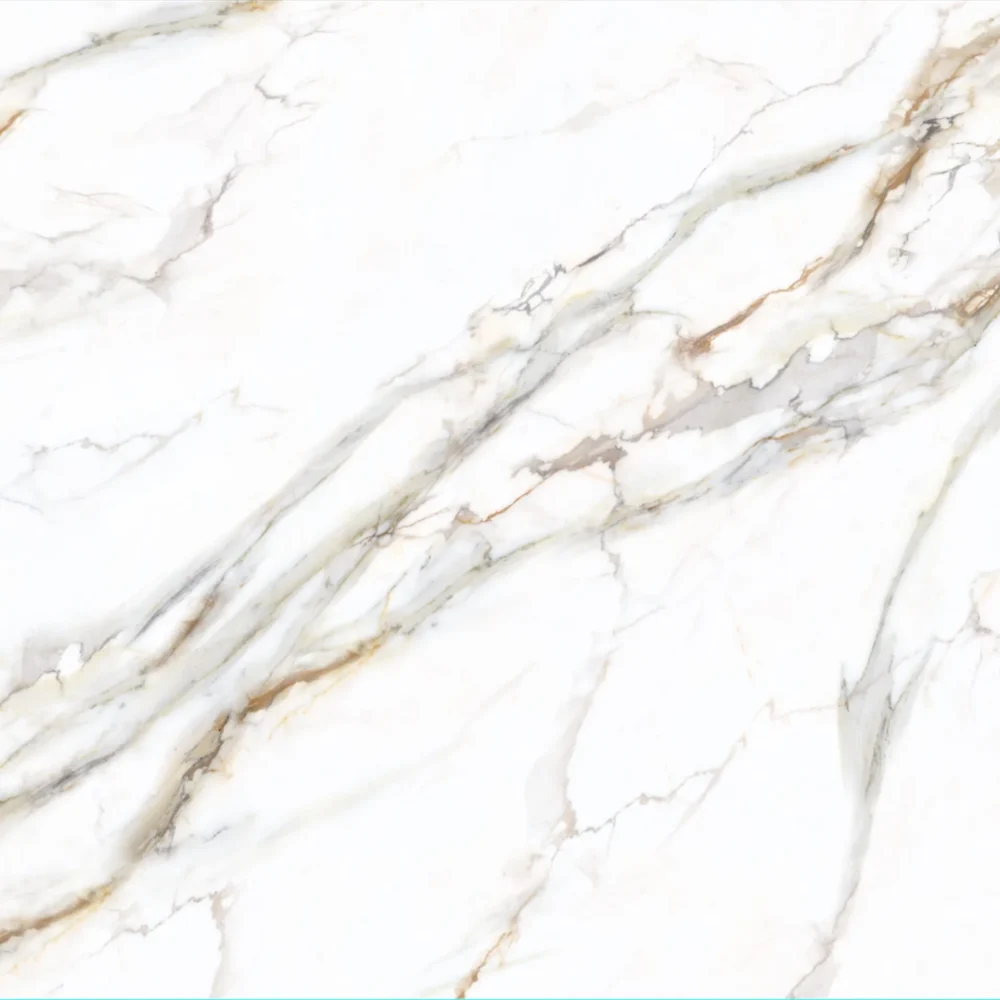
- Warm Crema Marfil Quartz Surface GQ-T390 for Wholesale
Warm Crema Marfil Quartz Surface GQ-T390 for Wholesale
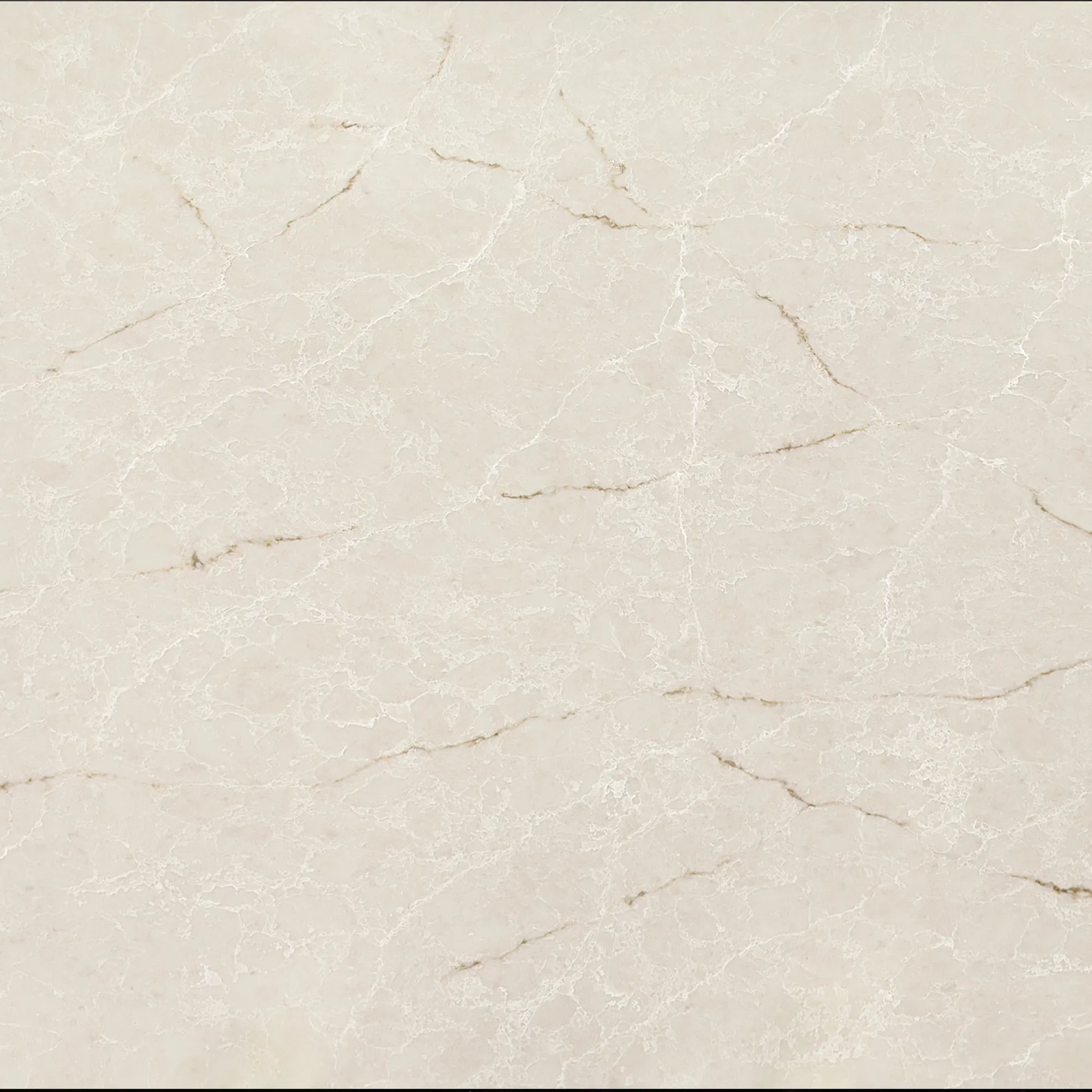
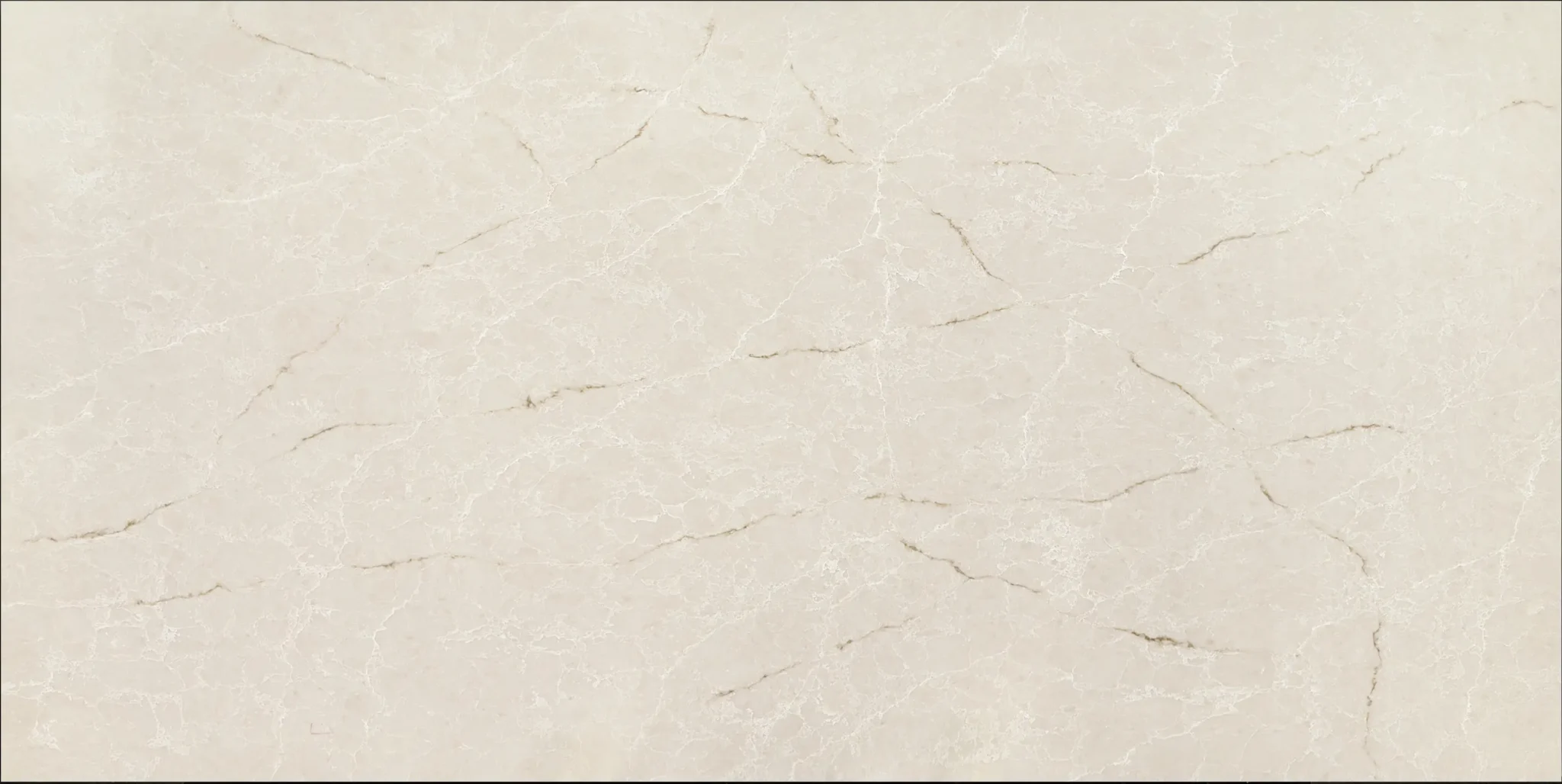
| Primärfarb(en) | Soft Warm Cream-White |
| Akzentfarbe(n) | Very Faint Gold-Brown Linear Vein |
| Handwerk | Regelmäßig |
| Fertigstellungen | Poliert / Geschliffen / Wildleder / Leder |
| Maßgeschneiderte Größe | 138″ × 79″ / 126″ × 63″ / Anpassbar |
| Dicke | 20mm/30mm/Customizable |
| Randstil | Abgeschrägte polierte Kante/2+2cm lamellierte Kante/Gehrungskante |
| Land | Thailand |
| Full Body Quartz | Ja |
| Buchungsübereinstimmung verfügbar | Ja |
| Arbeitsplatten Wohngebiet: Ja Gewerblich: Ja |
| Mauer Wohngebiet: Ja Gewerblich: Ja |
| Bodenbelag Wohngebiet: Ja Gewerblich: Ja |
Beschreibung:
Häufig gestellte Fragen
Is dolomite more expensive than quartzite?
Most fabricators will tell you that the price difference between dolomite and quartzite isn’t as clear-cut as people think.
Dolomite is a natural stone, so its cost depends on where it’s quarried, how much waste is in the slab, and how hard it is to extract.
Some dolomite varieties can be pricier than standard quartzite because they’re rarer or require more labor to process.
But engineered quartz products — especially those mimicking dolomite or quartzite patterns — often come in at a lower price point because they’re manufactured with consistent quality and less material loss.
The real issue isn’t just the stone itself; it’s the labor involved in fabrication.
Dolomite can be brittle and harder to polish without chipping, which increases labor costs.
On the other hand, engineered quartz slabs from manufacturers like Grand Quartz Tech are easier to handle, especially in large formats like super jumbo slabs, and reduce waste during installation.
So while some dolomite might cost more than quartzite, you’re often paying more for the difficulty of working with it, not necessarily the stone’s inherent value.
What type of countertop is this?
- Style Type: Neutral Warm Beige / Soft Cream Marble Look Quartz
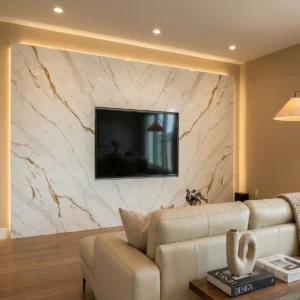
- Design Aesthetic: Understated Luxury, Minimalist, and Versatile. It features subtle, fine, natural-looking veining in light brown/gray tones on a soft off-white base, designed to mimic the organic texture of premium marble while offering quartz’s durability.
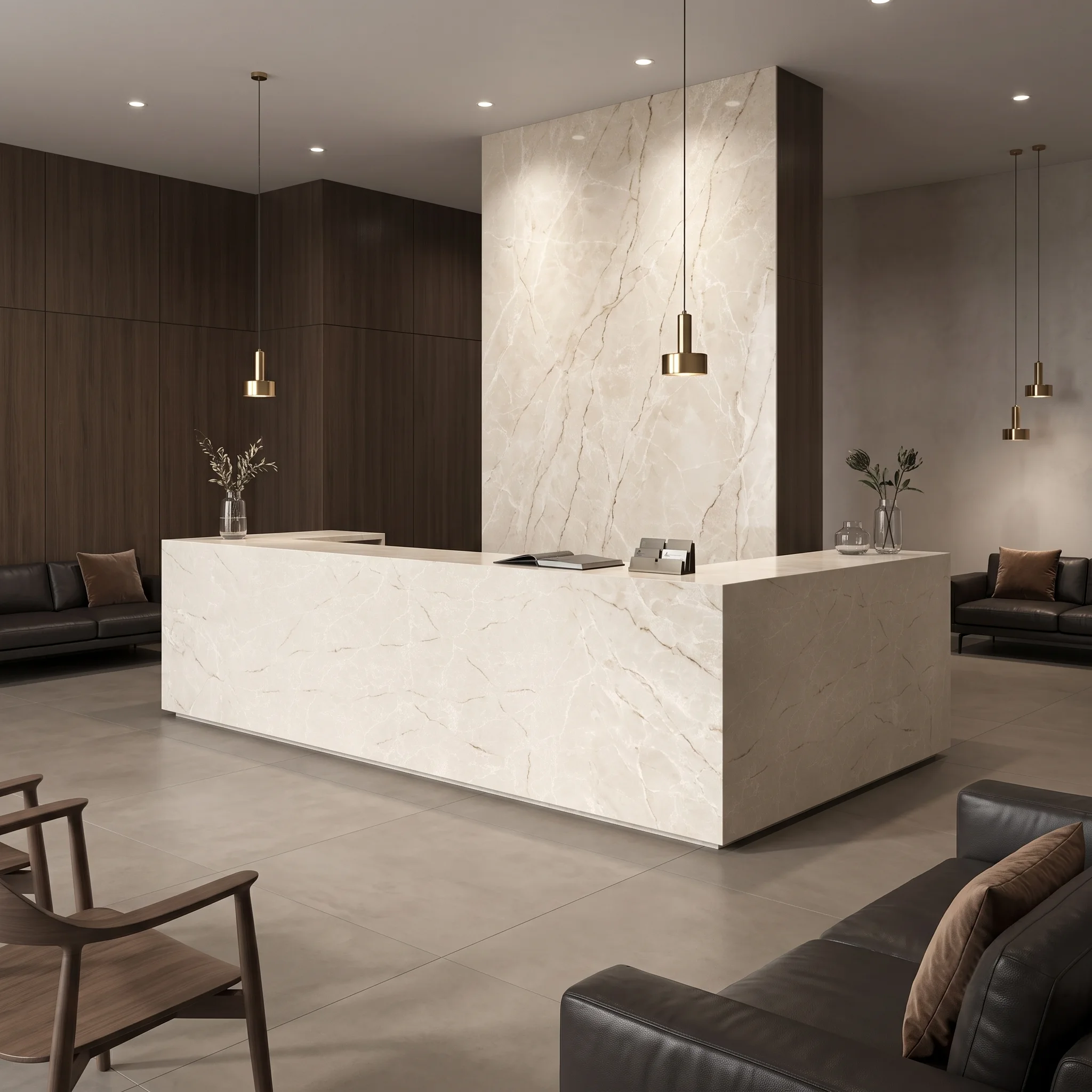
- Popular Applications: Perfect for modern kitchens, bathroom vanities, and commercial spaces. Its neutral tone works seamlessly with both light and dark cabinetry, making it a top choice for timeless, low-maintenance designs.
What are thoughts on dolomite countertops?
Homeowners often report after a year or two that dolomite countertops look beautiful but require more upkeep than expected.
It’s a natural stone, so it’s porous and needs sealing — usually every 6 to 12 months, depending on usage.
You’ll notice water rings and hard water stains more easily, especially in humid climates or near sinks.
Some dolomite types are softer than granite or quartzite, so they can scratch or etch under acidic substances like lemon juice or vinegar.
The color can also shift over time with exposure to UV light, especially if the finish isn’t protected.
That said, the aesthetic appeal is undeniable — the creamy white base with subtle veining gives a luxurious, soft look that works well in modern and transitional kitchens.
Fabricators usually recommend using soft microfiber cloths and pH-neutral cleaners.
If you’re looking for something that mimics dolomite but with less maintenance, engineered quartz with full-body printing can replicate the look with better durability.
Manufacturers like Grand Quartz Tech offer low-silica, printed quartz slabs in dolomite-like patterns that don’t need sealing and resist staining — a practical alternative for busy households.