



- Start
- Quarz
- Quarzplatten
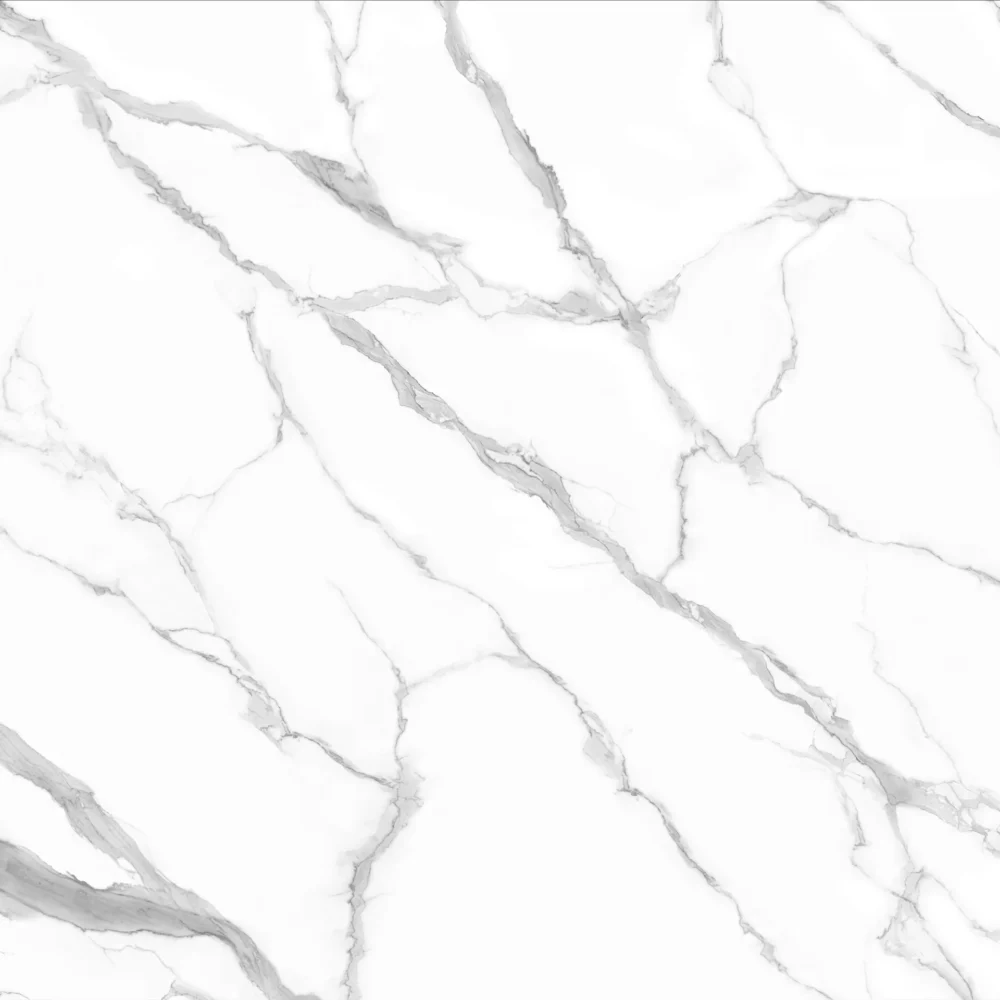
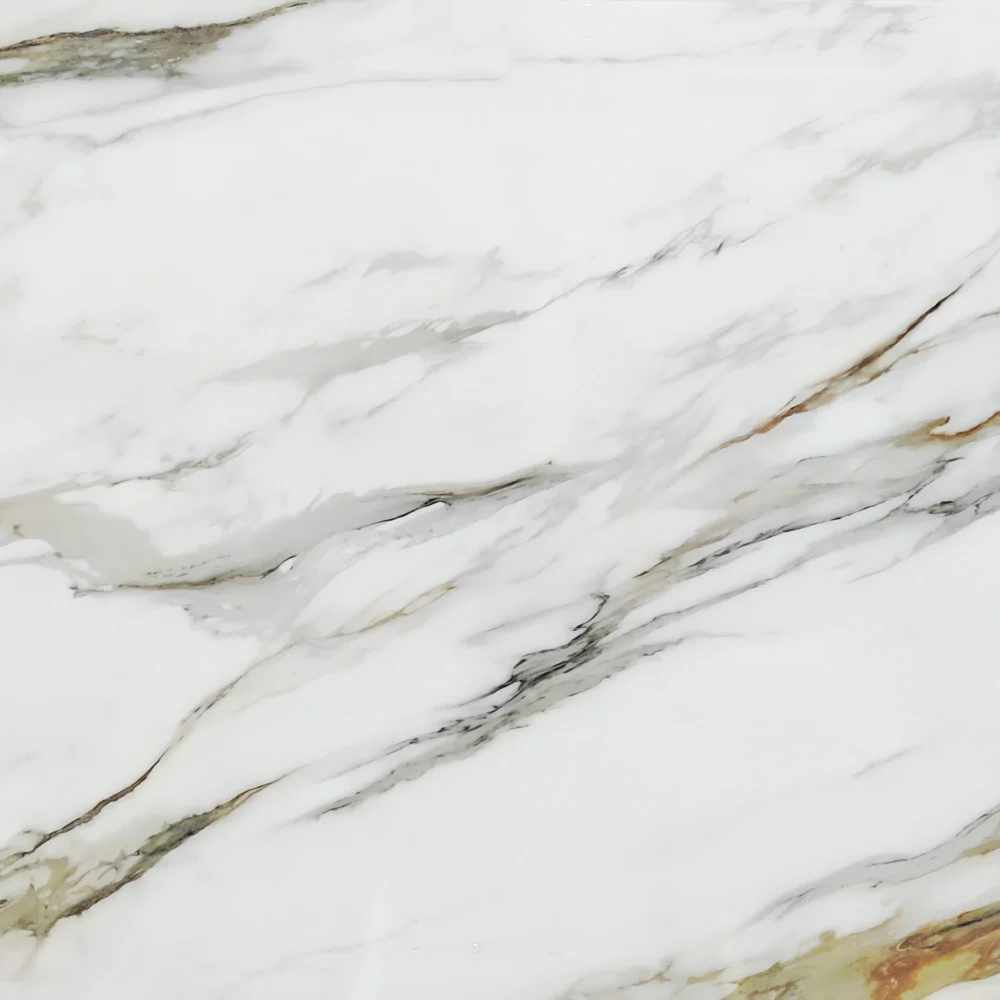
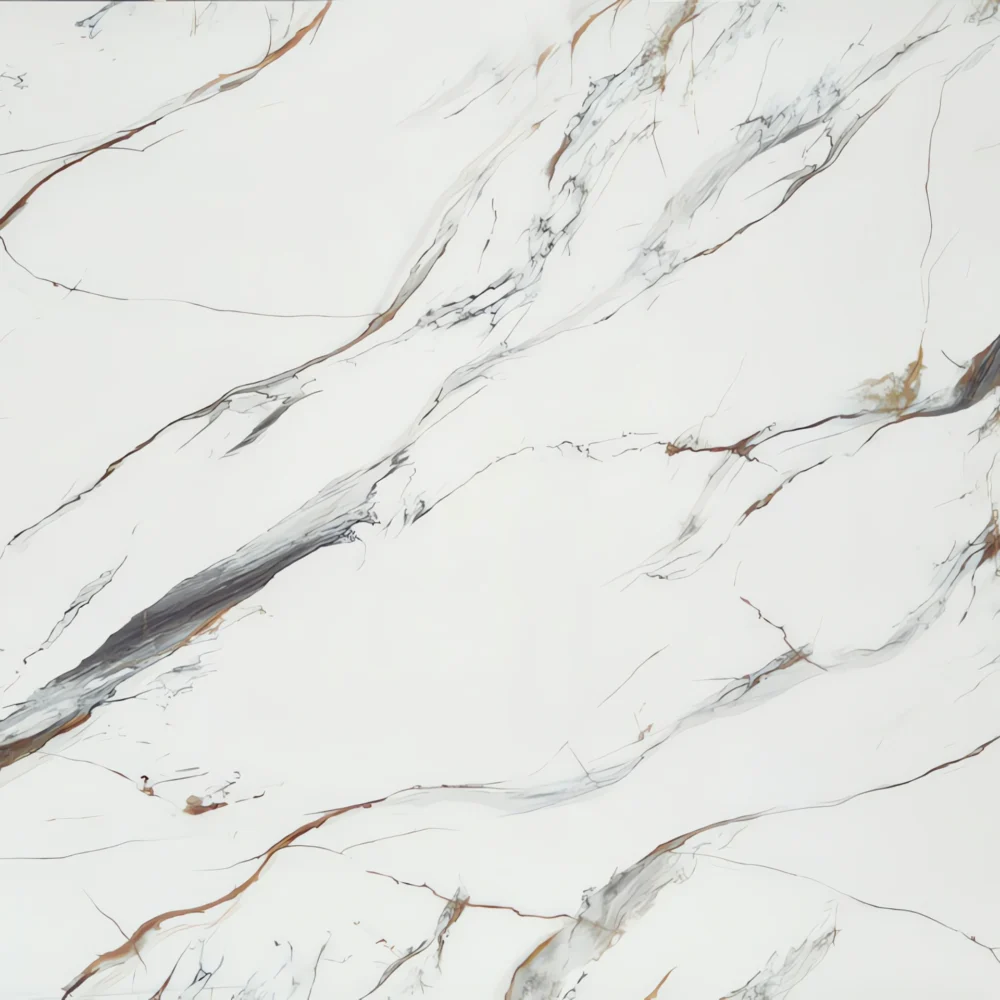
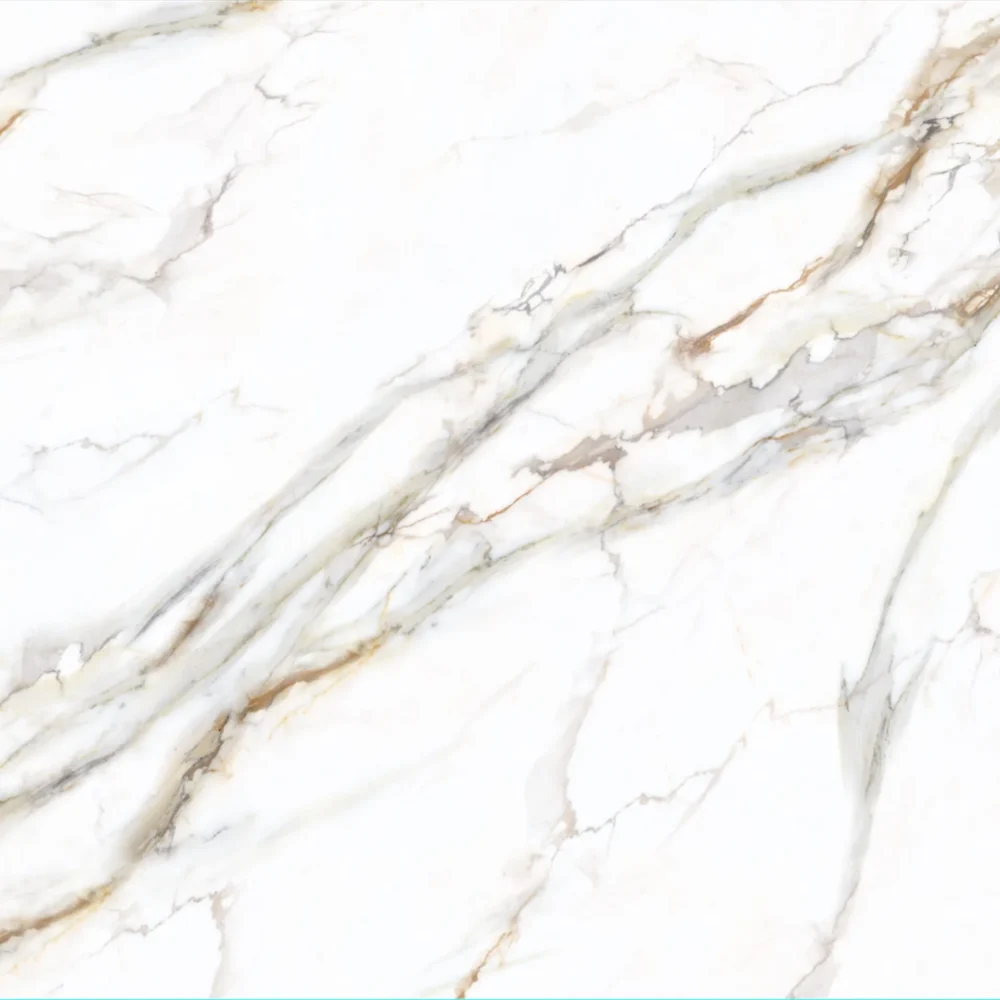
- Wholesale Cream Taj Mahal Quartz Countertops GQ-R0207
Wholesale Cream Taj Mahal Quartz Countertops GQ-R0207
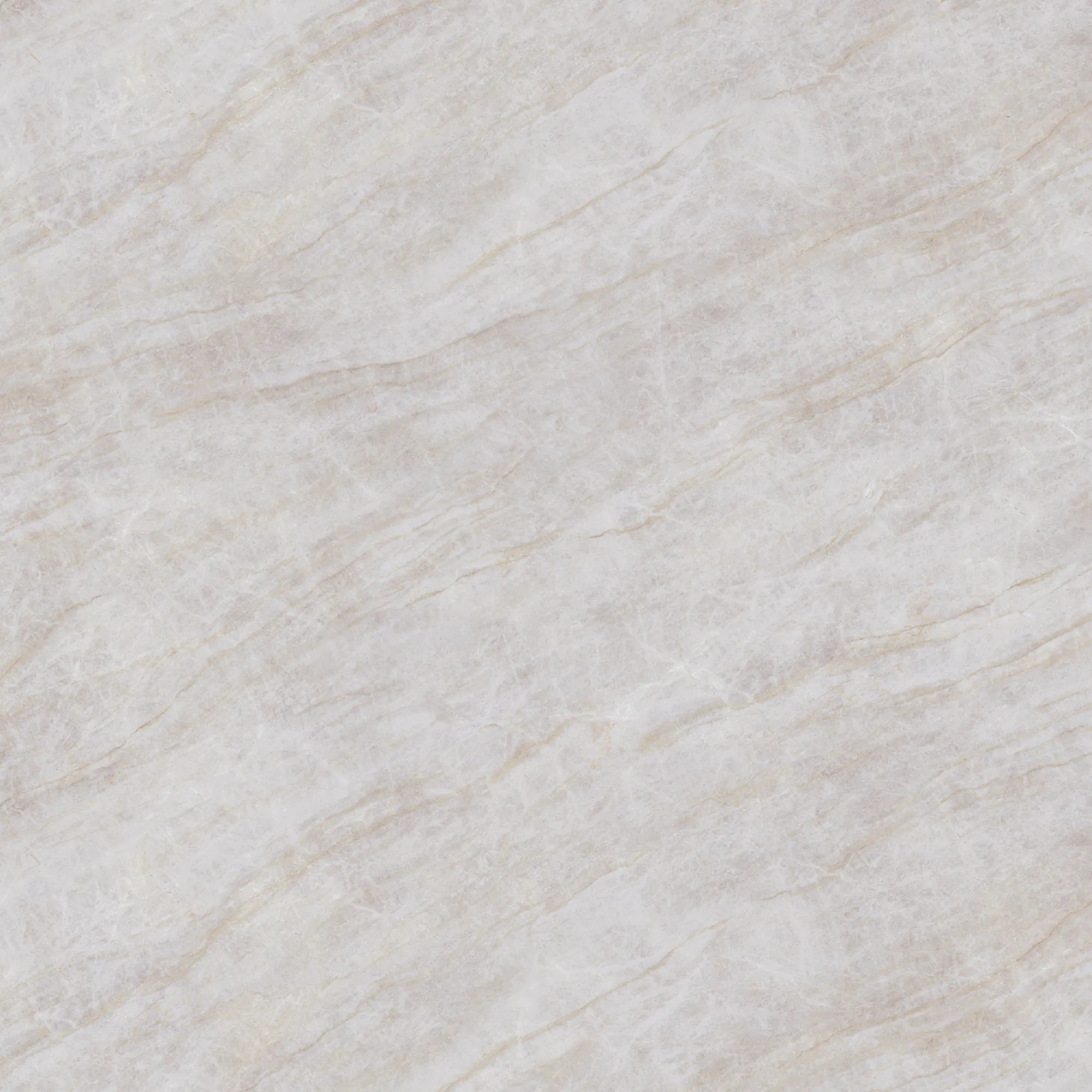
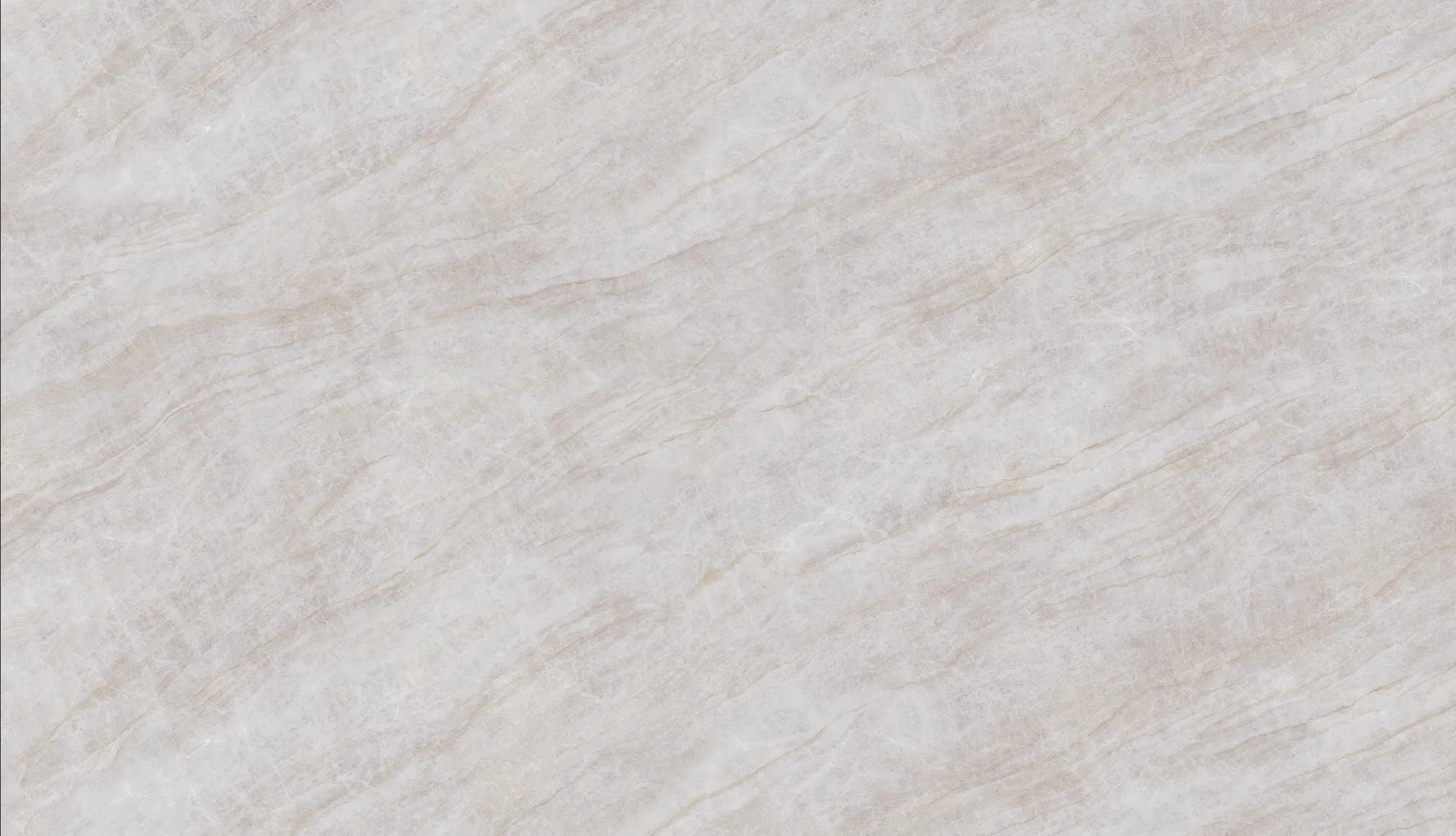
| Primärfarb(en) | Warm Creamy Beige |
| Akzentfarbe(n) | Soft Taupe Vein + Subtle Grey-Gold Undertone |
| Handwerk | Gedruckt |
| Fertigstellungen | Poliert / Geschliffen / Wildleder / Leder |
| Maßgeschneiderte Größe | 138″ × 79″ / 126″ × 63″ / Anpassbar |
| Dicke | 20mm/30mm/Customizable |
| Randstil | Abgeschrägte polierte Kante/2+2cm lamellierte Kante/Gehrungskante |
| Land | Thailand |
| Vollflächig bedruckter Quarz | Ja |
| Buchungsübereinstimmung verfügbar | Ja |
| Arbeitsplatten Wohngebiet: Ja Gewerblich: Ja |
| Mauer Wohngebiet: Ja Gewerblich: Ja |
| Bodenbelag Wohngebiet: Ja Gewerblich: Ja |
Beschreibung:
Häufig gestellte Fragen
Is there a quartz that looks like Taj Mahal quartzite?
可以这样回答,更像一个石英石工厂销售或产品经理根据实际项目经验给客户的解释,而不是 AI 的百科式回答。
Yes. There are many quartz countertops designed to look like Taj Mahal Quartzite, and they’ve become one of the most requested styles in recent years.
Taj Mahal Quartzite is loved for its soft, warm appearance. Instead of a bright white background, it typically features creamy white, ivory, or light beige tones with gentle gray and taupe veining. It has a calm, natural look that works well in both modern and traditional spaces.
As a quartz manufacturer, we’ve noticed that many customers ask for the “Taj Mahal look” rather than the natural stone itself. The reason is simple—they like the color palette and elegant movement, but they also want a surface that’s easier to source and more consistent from slab to slab.
With today’s quartz manufacturing technology, it’s possible to recreate that look very closely. High-definition printing, layered veining, and realistic surface finishing allow premium quartz slabs to capture the soft movement and depth of natural Taj Mahal Quartzite. In many completed kitchens, most people wouldn’t notice the difference unless they knew exactly what they were looking at.
If you’re comparing popular marble-look quartz designs, here’s the general difference:
Taj Mahal-look quartz – warm white or creamy background with soft beige, taupe, and light gray veining. It creates a relaxed, natural feel.
Calacatta Gray quartz – a brighter white background with elegant gray veining, offering a cleaner and more contemporary appearance.
Calacatta Gold quartz – a white or warm white base with gray veins accented by subtle gold tones for a more luxurious style.
From our experience, homeowners often choose Taj Mahal-look quartz when they want a space that feels warm and timeless, while Calacatta Gray is usually preferred for modern kitchens with cooler tones and sharper contrasts.
For larger residential and commercial projects, engineered quartz also offers another practical advantage: you can achieve a much more consistent appearance across multiple slabs. That makes planning kitchen islands, waterfall edges, and full-height backsplashes much easier than working with natural stone.
If your goal is to achieve the elegant look of Taj Mahal Quartzite without relying on the availability and variation of natural stone, Taj Mahal-look quartz is a solution that delivers both the visual appeal and the consistency many designers and fabricators are looking for today.
Is Taj Mahal quartz cheaper than Taj Mahal quartzite?
Yes, engineered quartz versions of Taj Mahal are generally cheaper than natural Taj Mahal quartzite.
The cost difference comes down to sourcing, processing, and availability.
Natural quartzite is mined, quarried, and often imported—especially from Brazil—so freight, labor, and import duties add up.
Engineered quartz, on the other hand, is manufactured in controlled environments, and suppliers like Grand Quartz Tech in Thailand can produce large volumes with consistent quality.
That means lower material costs and faster lead times—usually 20–30 days versus 60+ for quartzite.
But don’t assume it’s always cheaper when you factor in fabrication.
Quartzite is harder to cut and polish, so labor costs can be higher.
Also, some ‘Taj Mahal quartz’ products use printing techniques that bump up the price.
It depends on the vendor, slab size, finish, and whether you’re buying in bulk.
Installers usually recommend quoting both options side by side because the final cost includes not just the material, but also seam placement, edge profiles, and countertop thickness.
What is the best finish for Taj Mahal quartzite countertops?
The best finish for Taj Mahal quartzite depends on the kitchen’s lighting, cabinet color, and how much maintenance you’re willing to do.
Polished is the most common—gives a high-sheen, reflective surface that highlights the natural veins and makes the stone look richer.
But it also shows fingerprints, water spots, and scratches more easily.
In high-traffic kitchens, homeowners often report that polished surfaces need daily wiping.
Honed or matte finishes are less showy but hide wear better, though they can make the stone look duller under fluorescent lights.
A frequent complaint we hear is that honed finishes attract dust and show etching over time, especially near sinks.
Leathered finishes are gaining traction—they add texture and reduce the visibility of smudges, but they’re harder to clean and can trap grime in the pores.
Installers usually recommend polished for modern, bright kitchens and honed for rustic or farmhouse styles.
If you’re using the stone in a commercial space, go with a low-gloss finish to minimize cleaning.
And always check the slab’s resin content—some quartzite has UV-sensitive resin that can yellow over time if exposed to direct sunlight.
What is a cheaper alternative to Taj Mahal quartzite?
A cheaper alternative to Taj Mahal quartzite is engineered quartz with a full-body printed Taj Mahal look.
These slabs replicate the color and veining pattern without the cost of mining and importing natural stone.
Most fabricators will tell you that the biggest cost savings come from avoiding the price of imported quartzite—especially when you factor in freight, import fees, and longer lead times.
Engineered quartz, like what Grand Quartz Tech produces, uses digital printing on full-body slabs to mimic the look, and it’s available in jumbo sizes that reduce seams.
That’s a big plus for large kitchens or islands.
But there’s a tradeoff: some of the cheaper quartz versions use lower-resolution printing, so the veins can look flat or repetitive.
Also, the color consistency across slabs isn’t always perfect—some batches vary slightly.
If you’re doing a long run, ask for a dry-lay approval so you can see the pattern alignment.
Another option is to go with a similar-looking quartzite from a different region—like Patagonia or Azul Macaubas—but those are still pricey.
The bottom line?
Engineered quartz is usually the most budget-friendly option that still gives a look, especially if you’re working with a B2B supplier who can offer bulk pricing and fast delivery.