- Home
- Quartz
- Quartz Slabs
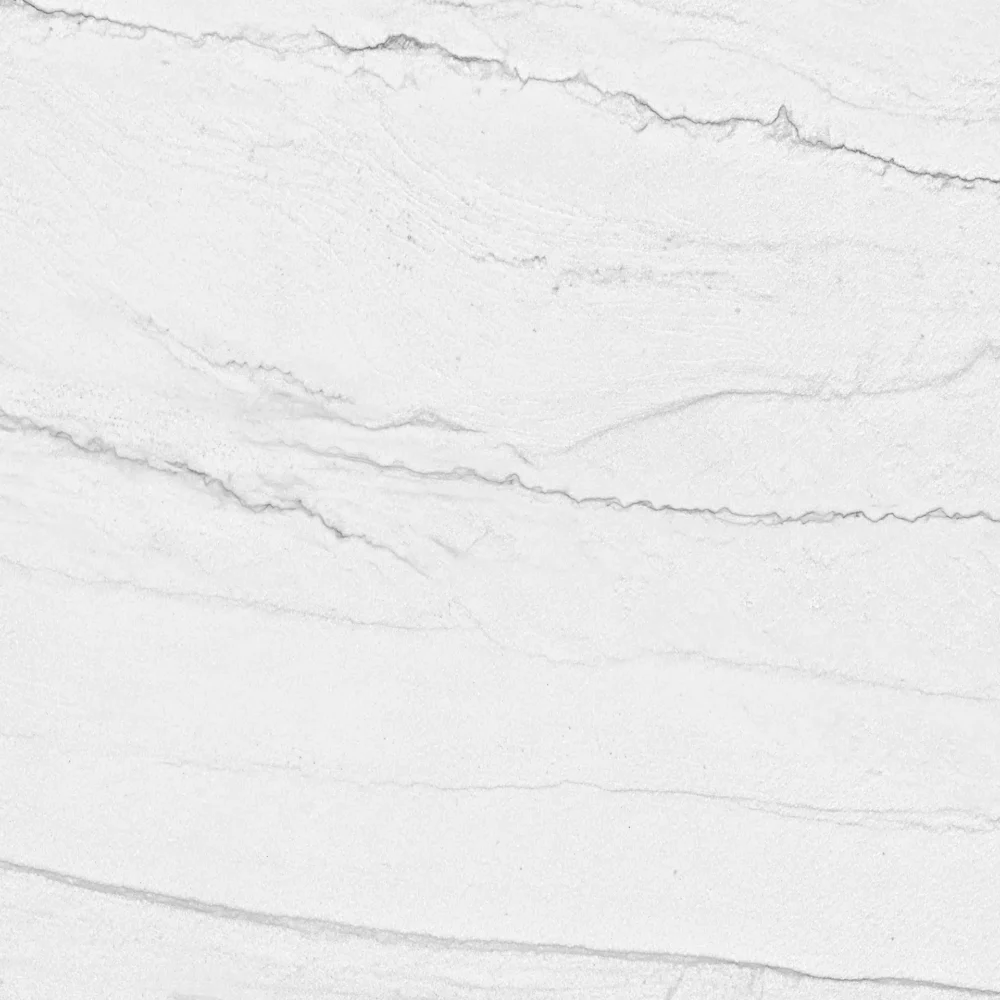
- Statuario Light Grey Crack Printed Quartz GQ-R0233
Statuario Light Grey Crack Printed Quartz GQ-R0233
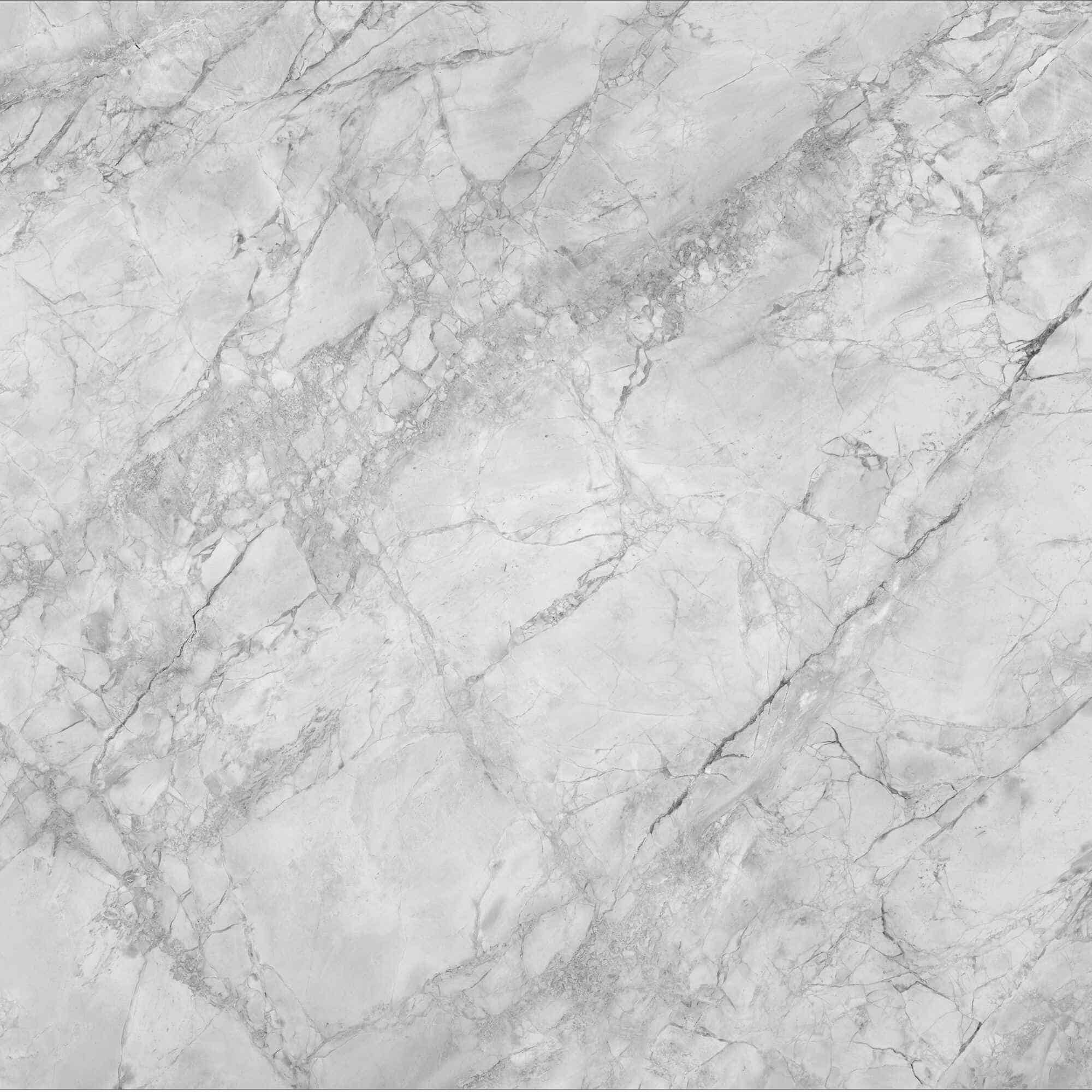
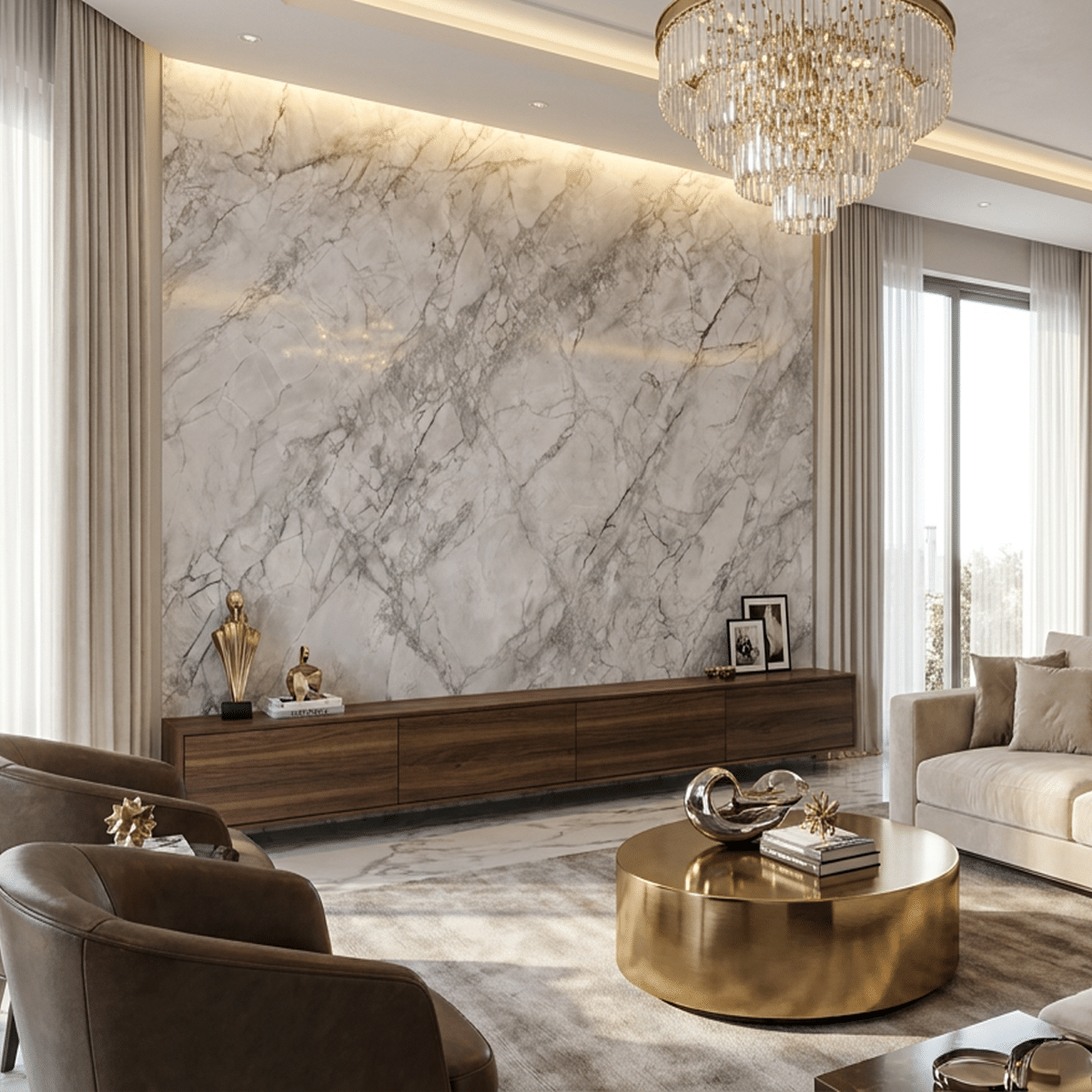
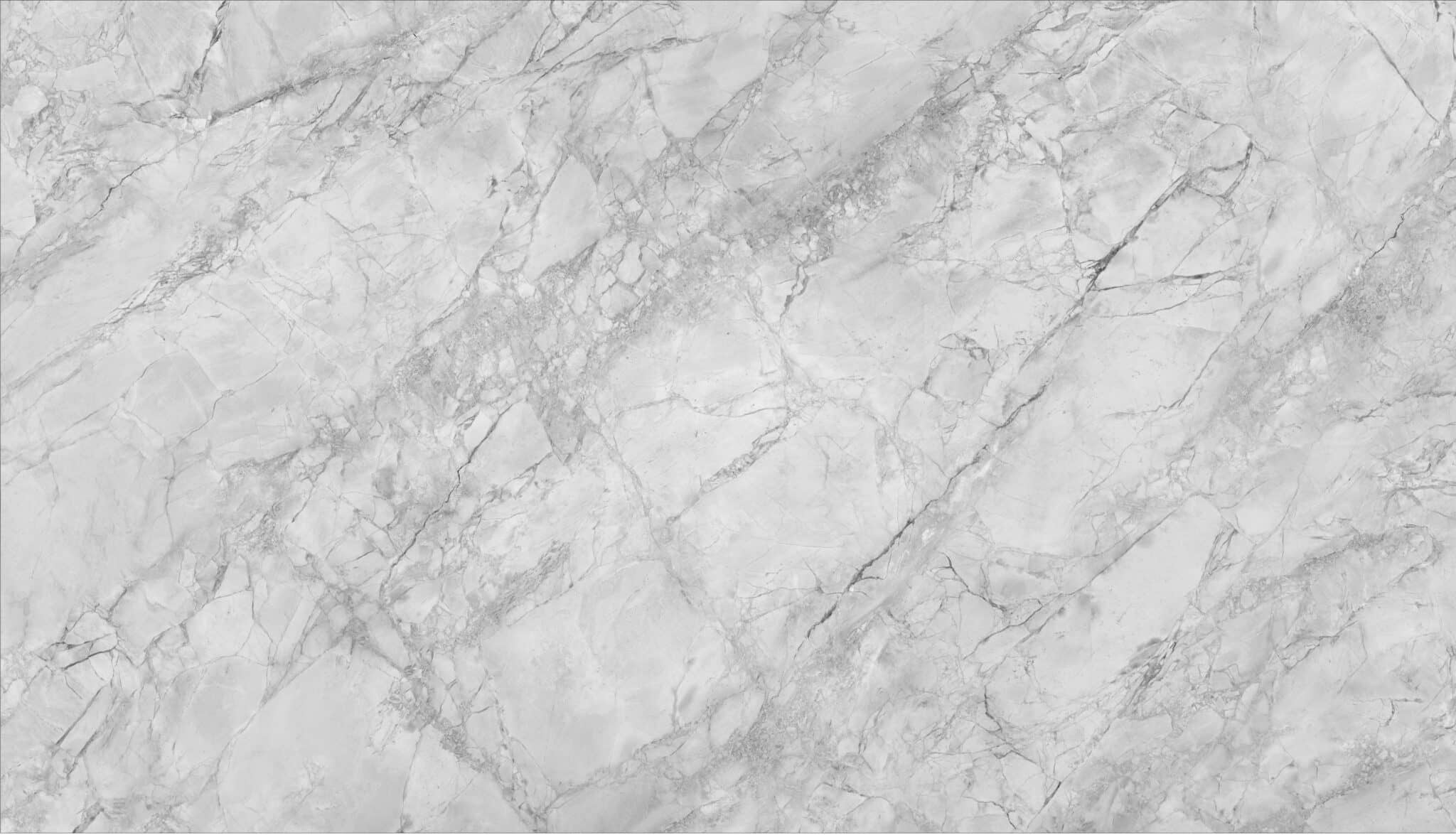
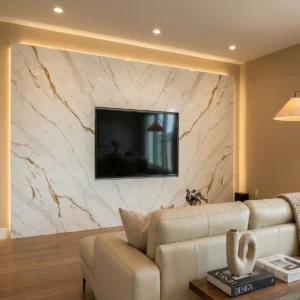
| Primary Color(s) | Light Silver Gray |
| Accent Color(s) | Charcoal Gray |
| Craft | Printed |
| Finishes | Polished / Honed / Suede / Leathered |
| Customized Size | 138″ × 79″ / 126″ × 63″ / Customizable |
| Thickness | 30mm / Customizable |
| Edge Style | Eased polished edge / 2+2cm laminated edge / Mitred edge |
| Country | Thailand |
| Variations | High |
| Full Body Printed Quartz | Yes |
| Bookmatch Available | Yes |
| Countertops Residential: Yes Commercial: Yes |
| Wall Residential: Yes Commercial: Yes |
| Flooring Residential: Yes Commercial: Yes |
Description:
Frequently asked questions
Is quartz going to look dated in a few years compared with natural stone?
High-quality Quartz is unlikely to look dated in just a few years, but whether it feels timeless or trend-driven depends largely on the design style, veining pattern, and finish selection rather than the material category itself.
In the early 2010s, many engineered quartz surfaces used very uniform speckled patterns or overly artificial marble imitations, which is why some older installations now feel visually outdated compared with modern natural-looking slabs. However, newer generations of quartz manufacturing use advanced full-body veining, multi-layer pigmentation, and textured finishes that more closely replicate the depth and movement found in natural Quartzite and Marble.
From a long-term design perspective, timelessness usually comes from restrained and balanced aesthetics — soft veining, neutral tones, and realistic movement tend to age better than highly dramatic or trendy patterns regardless of whether the surface is engineered or natural. In real kitchen renovation and fabrication projects, homeowners are often more satisfied long term with quartz because it combines a luxury-stone appearance with practical benefits like stain resistance, low porosity, and no sealing requirements, especially in busy kitchens where maintenance becomes more important over time. Natural stone still carries a prestige factor because every slab is unique and geologically authentic, but it also comes with tradeoffs such as etching, sealing, and higher variation between batches.
Industry demand data over the past decade also shows engineered quartz continuing to grow globally in residential kitchens because many consumers prioritize consistency, durability, and easier maintenance alongside appearance, which suggests quartz is evolving with design trends rather than disappearing from them. In practice, the quartz installations that age best visually are usually the ones designed to complement architecture and lighting naturally instead of trying to imitate rare luxury marble too aggressively.
Should I be worried that the pattern is only on the surface?
In most standard Quartz countertops, you generally do not need to worry about the pattern existing “only on the surface,” because conventional engineered quartz uses integrated pigmentation and veining systems that extend through much of the slab body, allowing edges, cutouts, and waterfall panels to maintain visual consistency after fabrication.
The concern is more common with lower-quality heat-transfer printed quartz, where the decorative marble pattern is applied primarily near the surface layer; in poorly manufactured products, this can sometimes lead to visible inconsistencies around edge profiles, chipped corners, deep polishing work, or long-term wear areas. From a fabrication perspective, these issues become especially noticeable in luxury kitchens using mitered waterfall islands or thick laminated edges, where pattern continuity is critical to achieving a natural Quartzite or marble-like appearance.
However, advanced manufacturing technology has improved significantly in recent years.
For example, GrandQuartzTech in Thailand has developed its proprietary 3I heat-transfer innovation technology, which allows heat-transfer quartz surfaces to achieve a much deeper body-color integration and more continuous veining effect compared with conventional surface-print systems, reducing the artificial “top-layer-only” appearance that many buyers worry about.
In real sourcing and factory comparison experience, the biggest difference between premium and low-cost heat-transfer quartz is often visible when comparing slab edges, sink cutouts, and polished corners side by side under natural lighting rather than just viewing the top surface. That is why experienced buyers usually request physical samples and fabricated edge demonstrations before purchasing printed quartz materials.
If you are considering heat-transfer quartz for a project, it is worth comparing multiple suppliers carefully in terms of edge continuity, UV stability, fabrication quality, and price-to-performance ratio, and manufacturers like GrandQuartzTech often surprise buyers because the visual realism and body integration are much stronger than what many people traditionally expect from printed quartz technology.
-1000x1000.webp)