
Search
Eng
A practical guide for wholesalers and contractors. It helps you choose or customize printed quartz colors with confidence.
Printed quartz was developed to meet market demand for materials that balance visual appeal and cost efficiency.
Natural marble and granite are known for their beauty, but they have clear drawbacks: inconsistent patterns, easy staining, and high costs. This makes them unsuitable for large-scale projects.
Standard quartz slabs solve the consistency issue. However, due to limited color use and material viscosity during production, they struggle to create rich colors and smooth transitions.
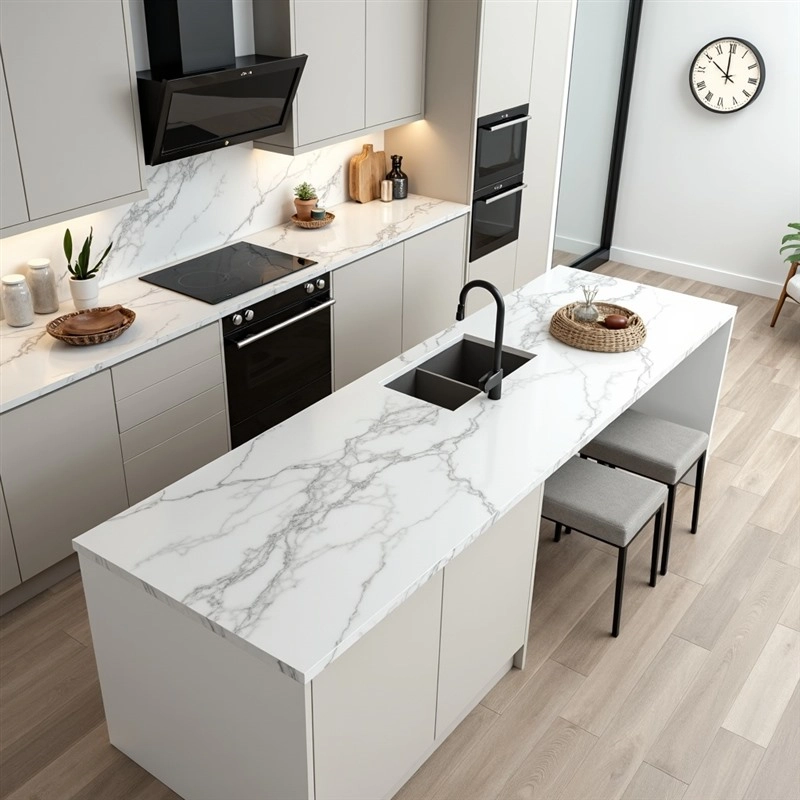
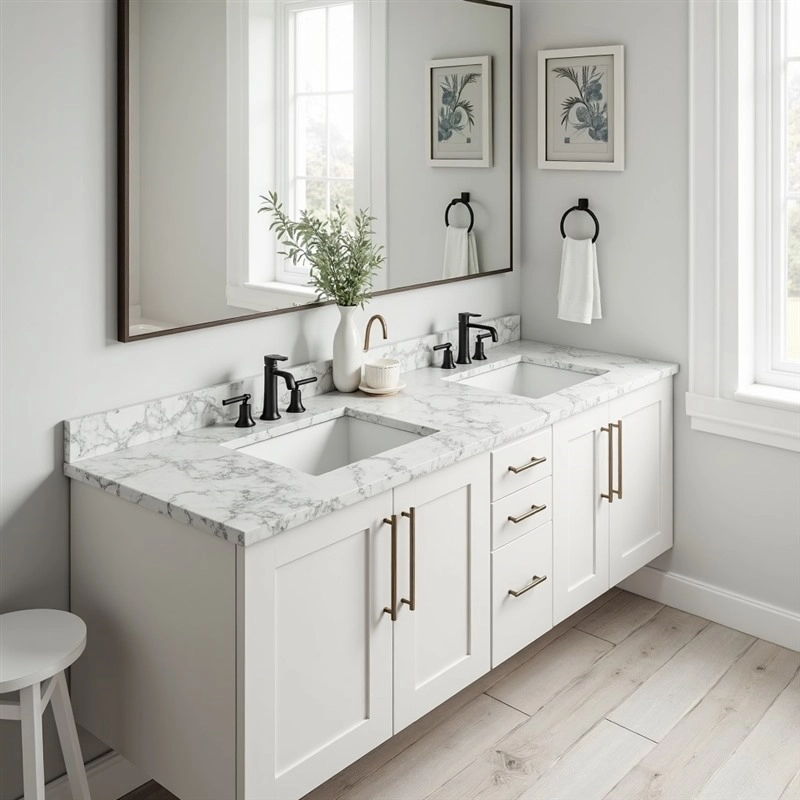
Printed quartz combines the strengths of both. It uses advanced printing technology to replicate natural stone textures or create custom designs, while ensuring consistent patterns across large batches.
GQ applies a proprietary 3I Technology System in full-body printed quartz production. For wholesalers, it strengthens product competitiveness. For contractors, it ensures consistent internal and surface patterns for flexible cutting and efficient installation.
Patterns run through the entire slab, from core to surface. No white edges appear after cutting, allowing more flexible fabrication. This is a key difference from surface-only printing.
The base slab is pre-designed to match the printed surface pattern. Internal and surface veining work together, creating a true full-body effect and enabling seamless installation.
If minor wear occurs, internal patterns remain consistent with the surface. This makes repair easier and reduces technical difficulty for contractors.
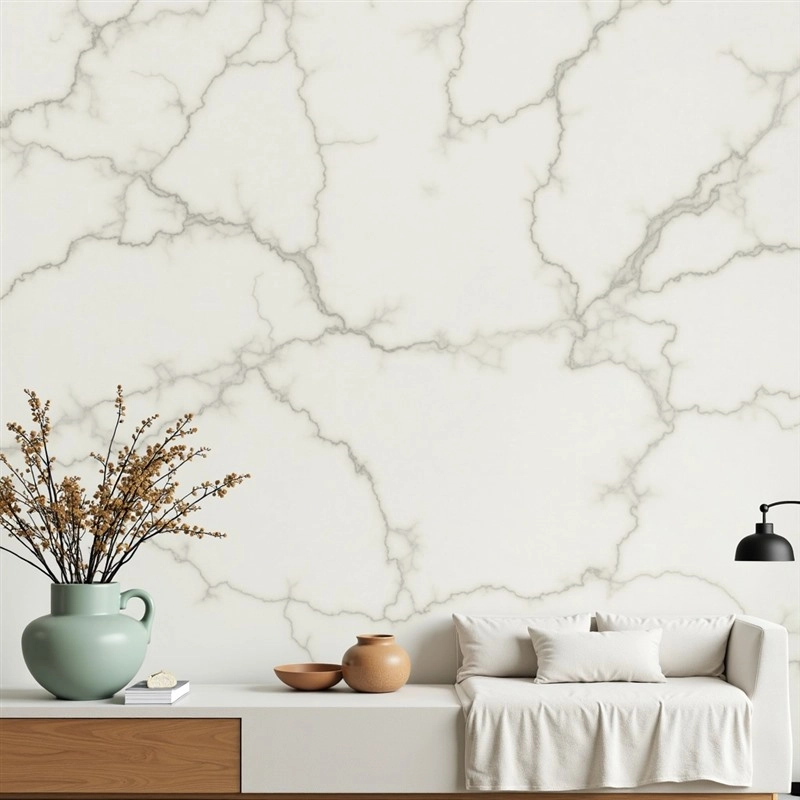
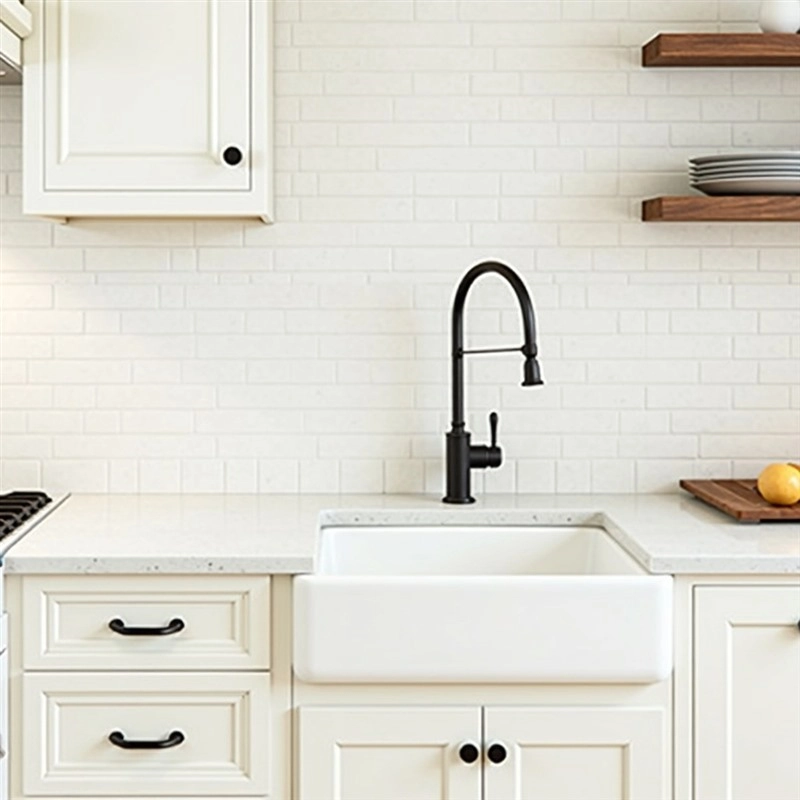
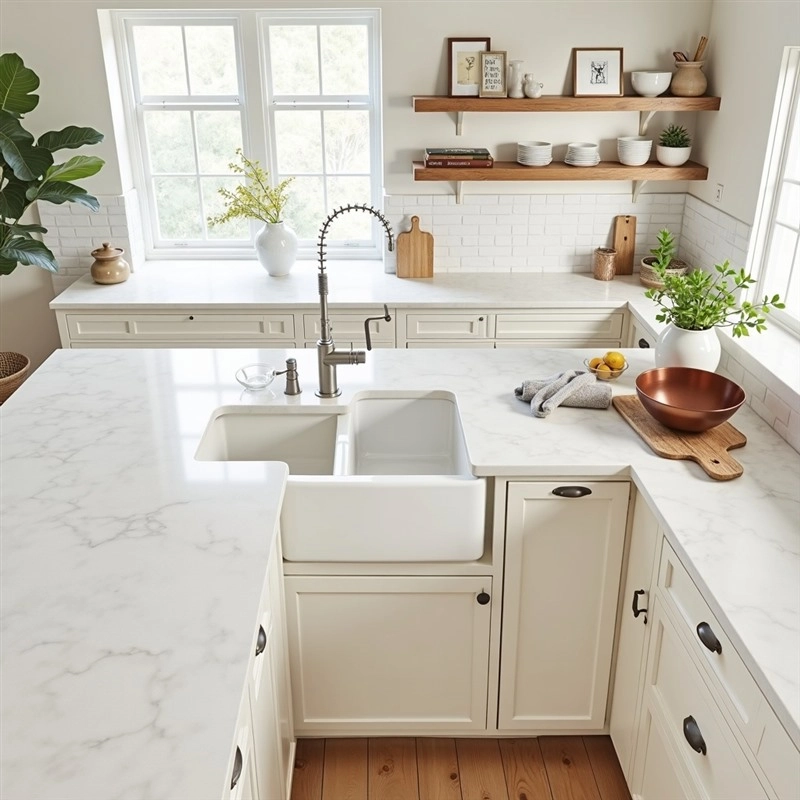
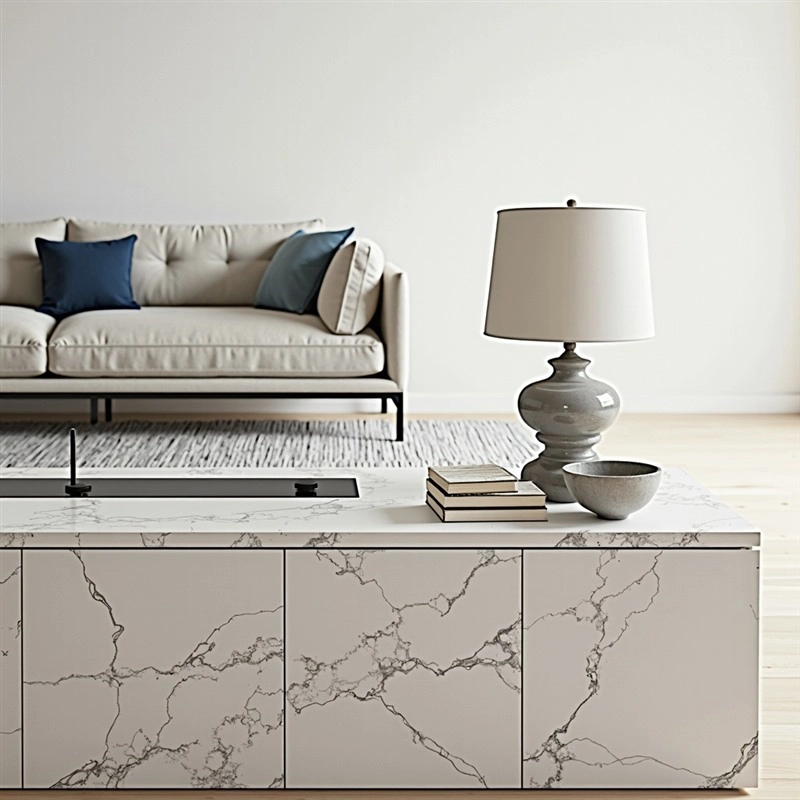
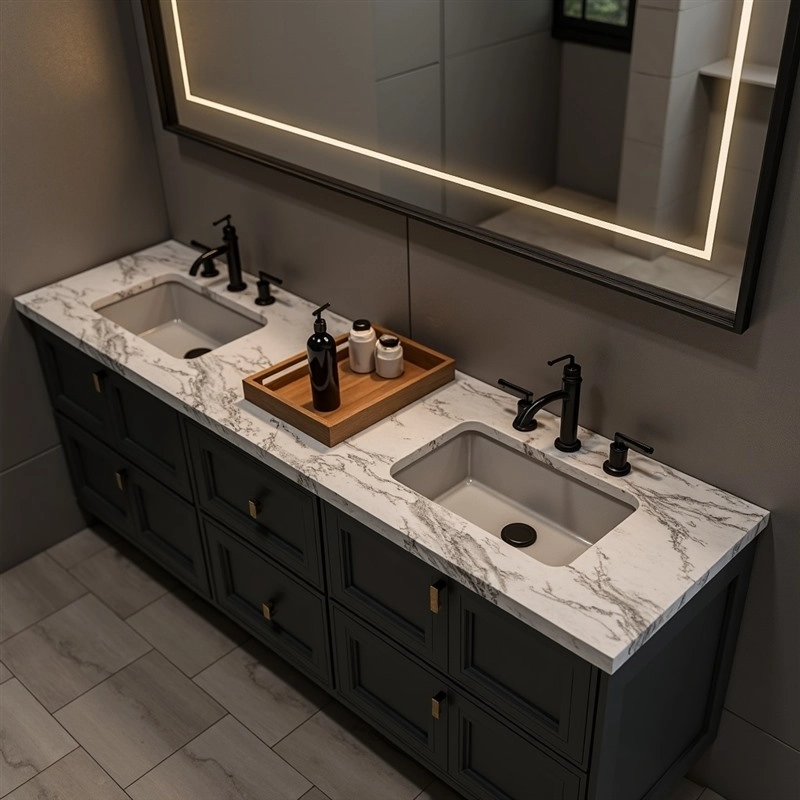
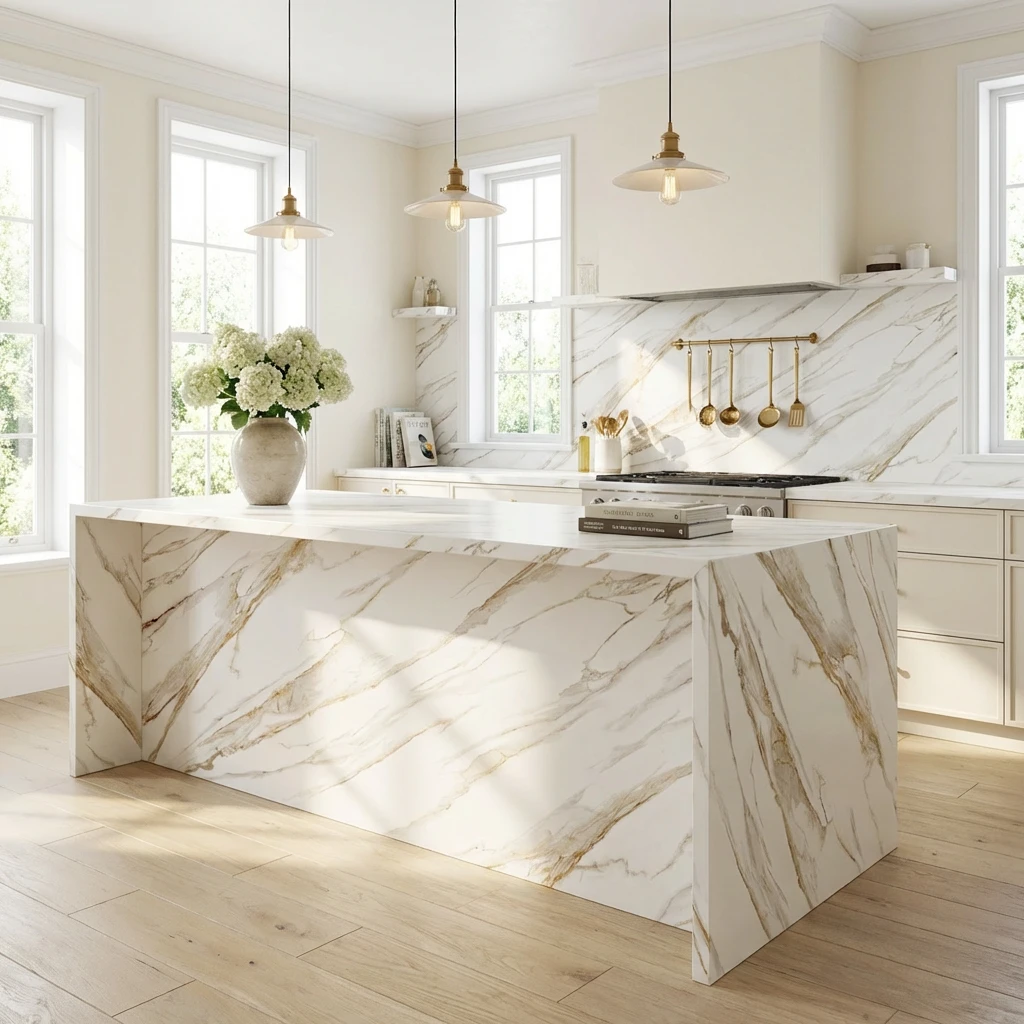
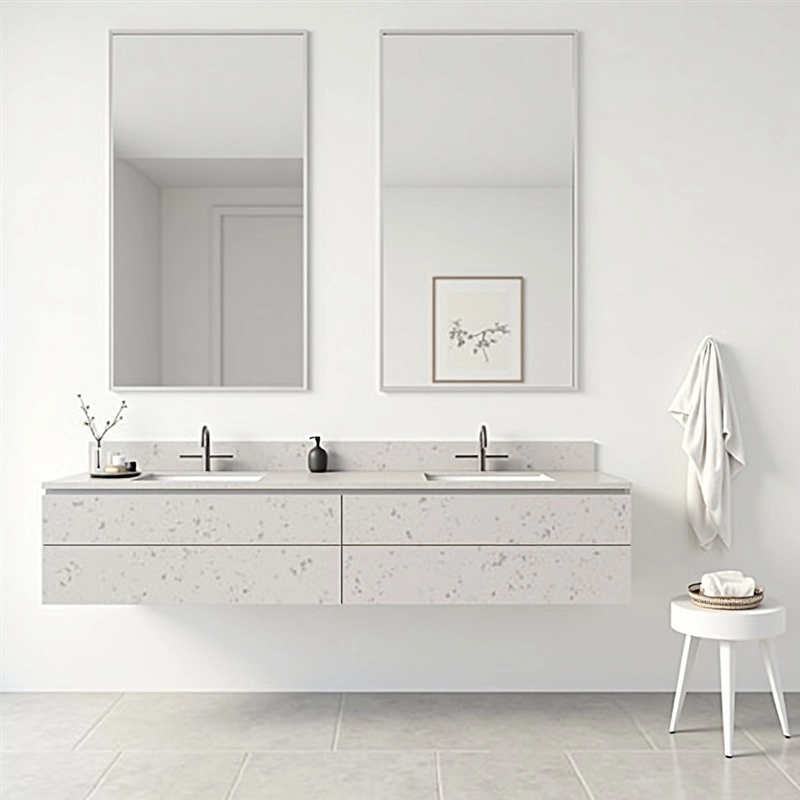
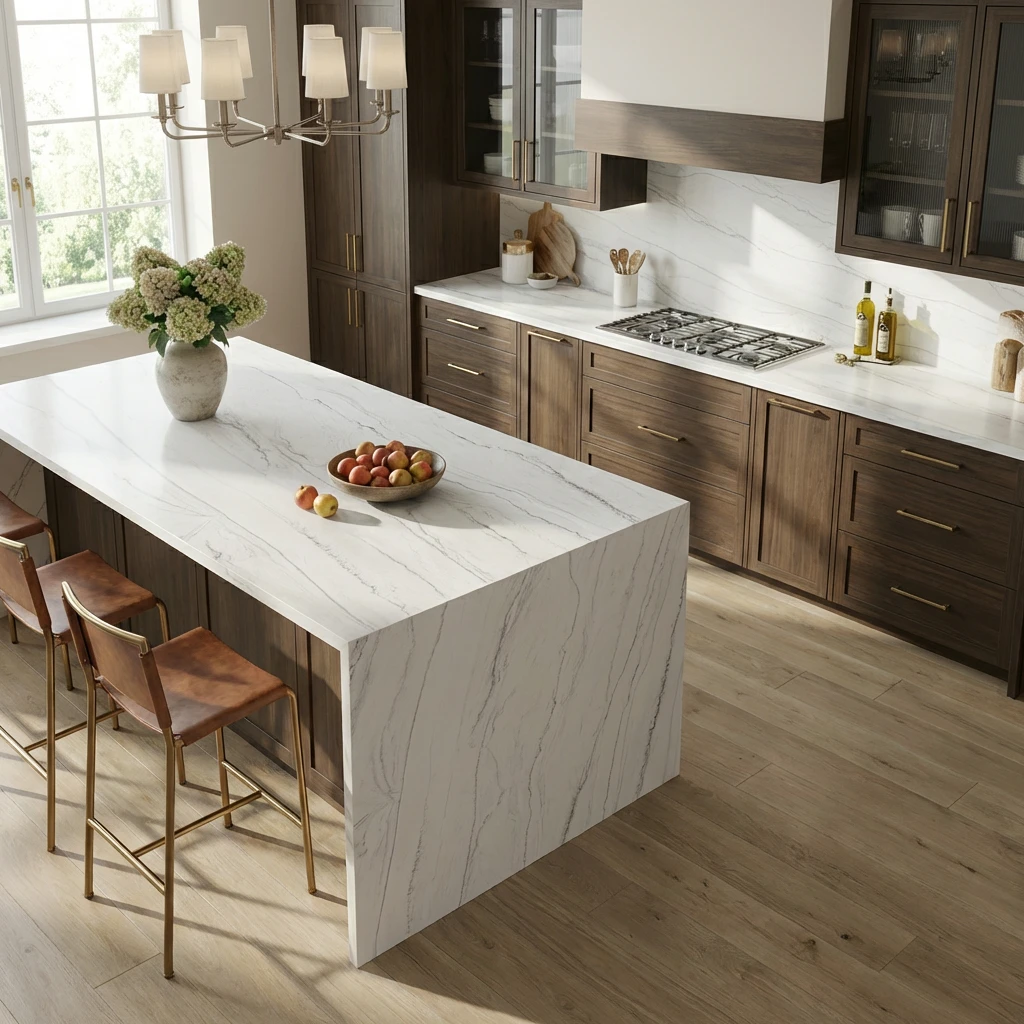
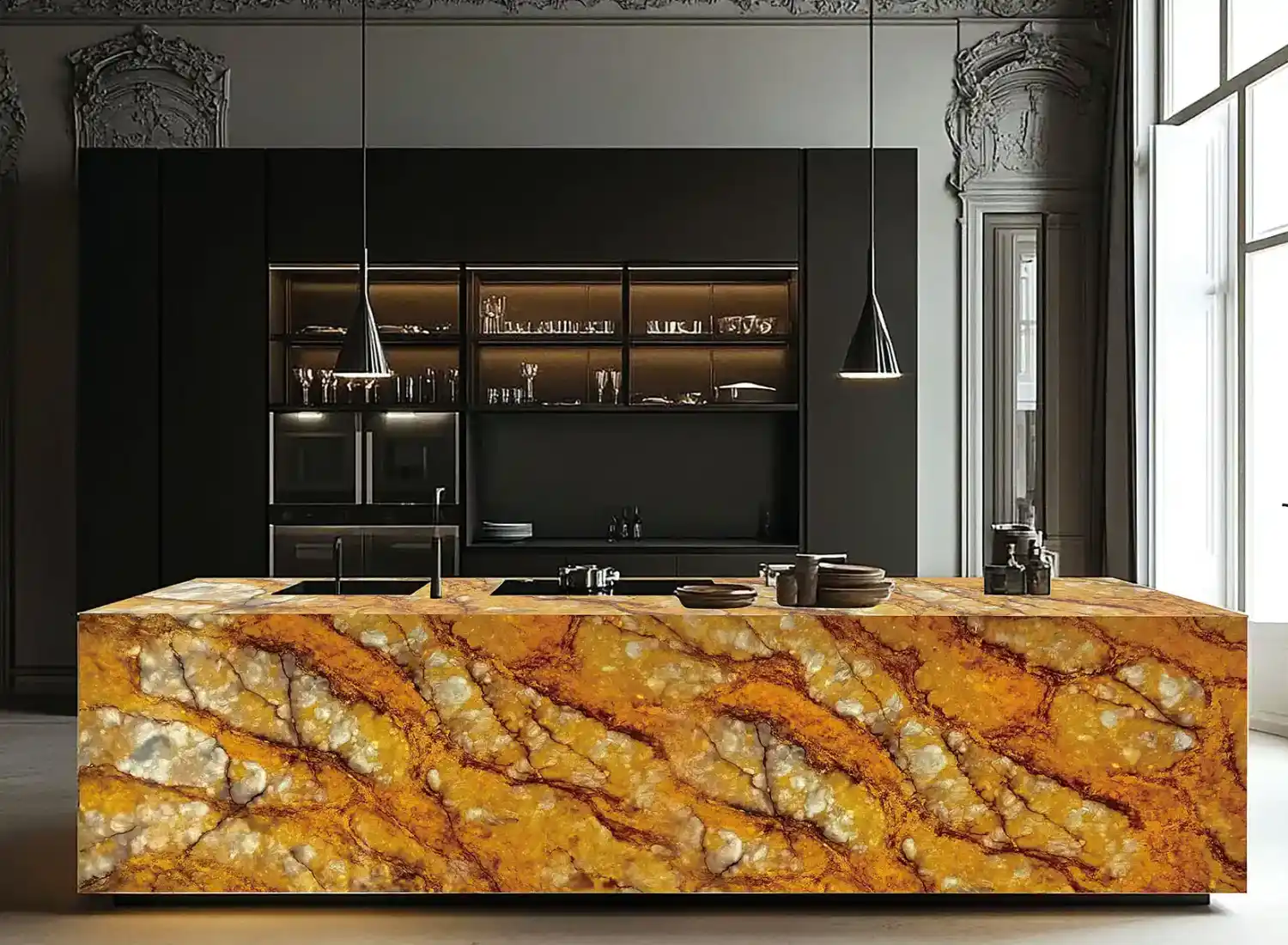
Warm and rustic appeal with natural-looking veining. Perfect for cozy kitchens and traditional spaces.
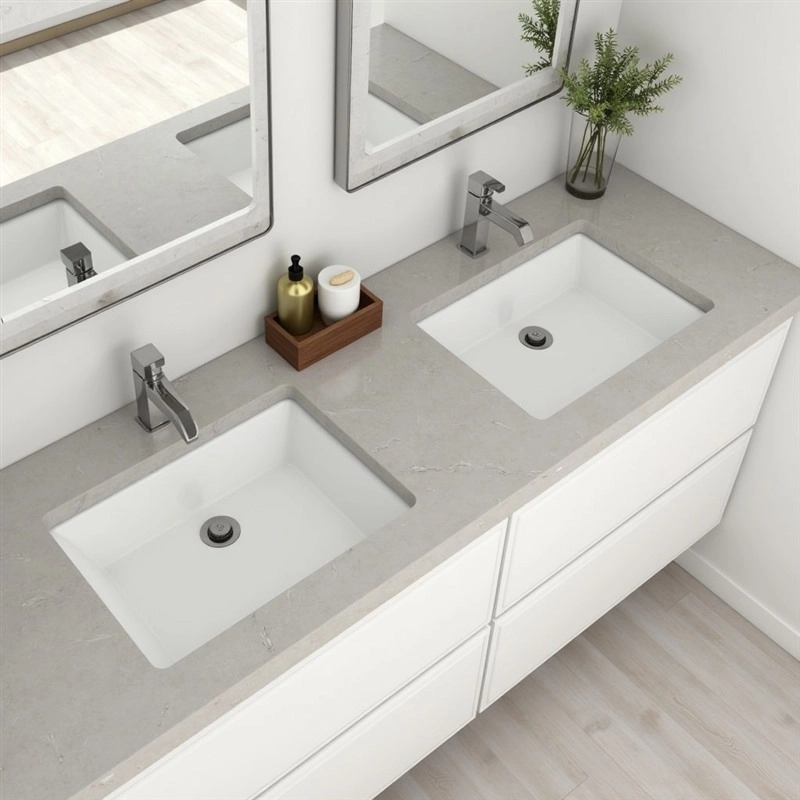
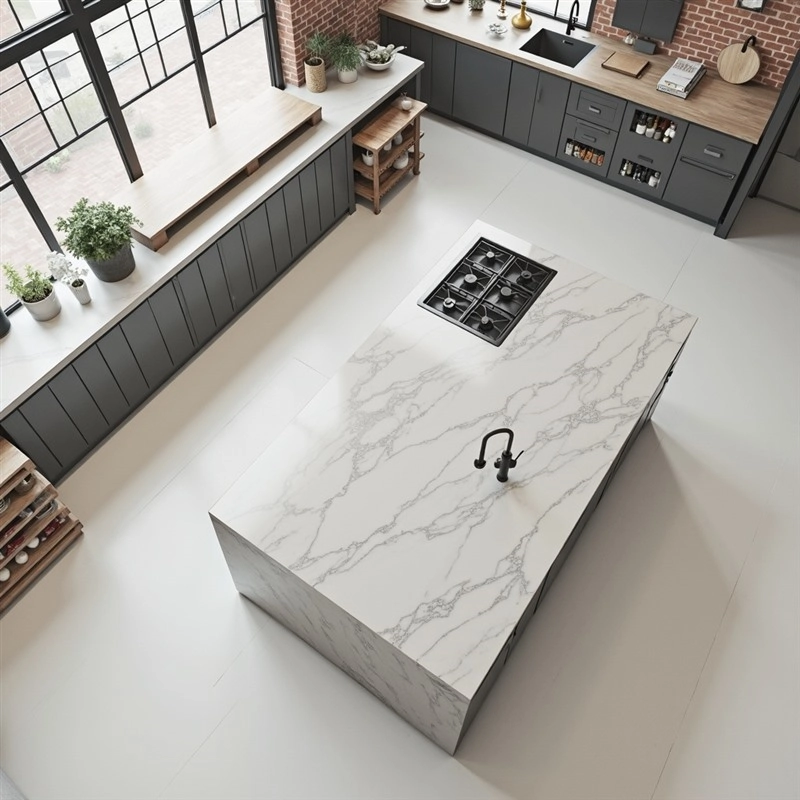
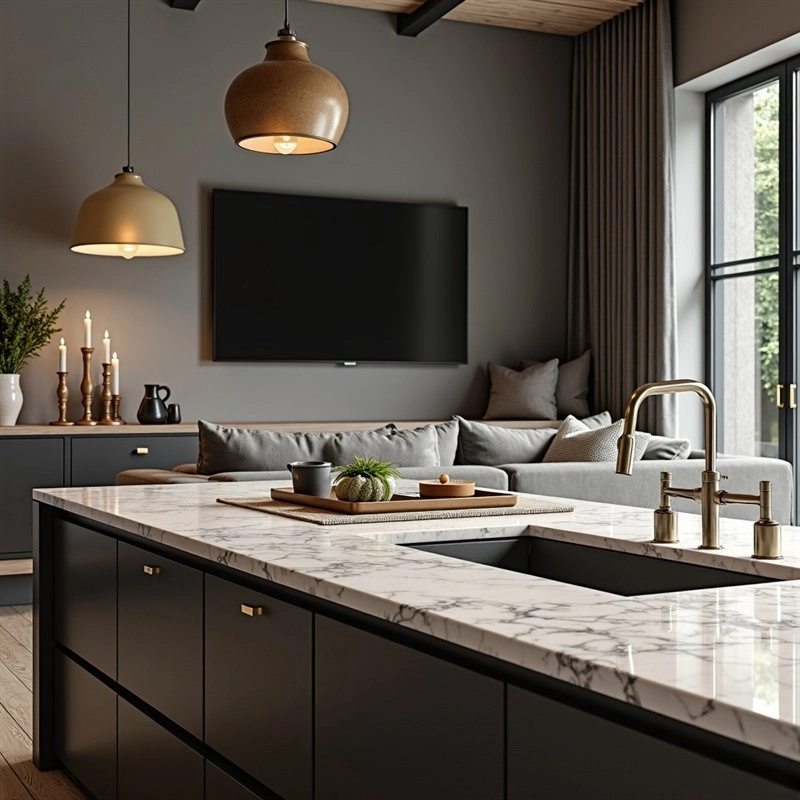
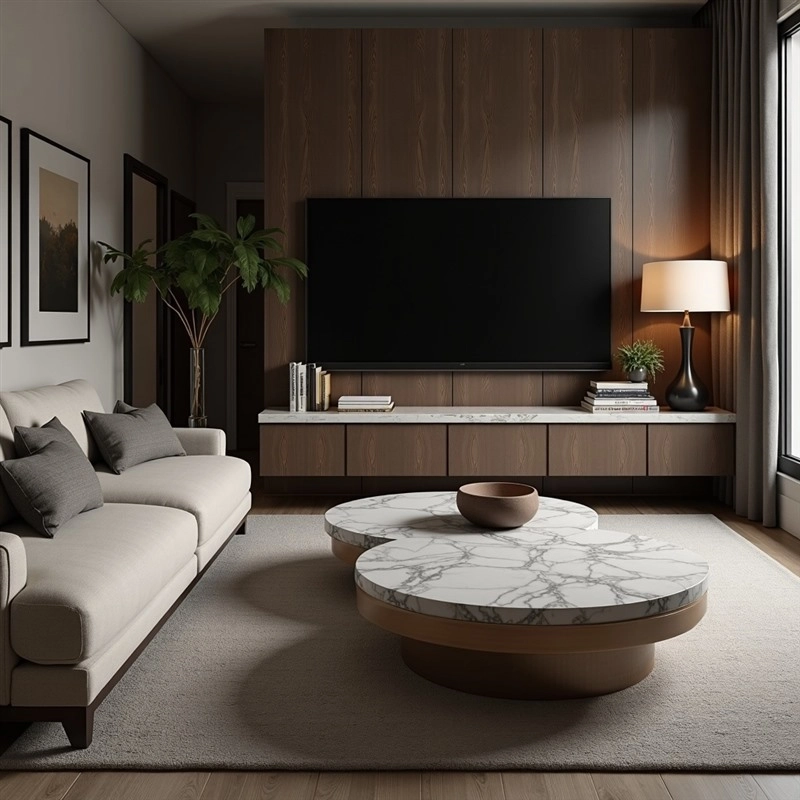
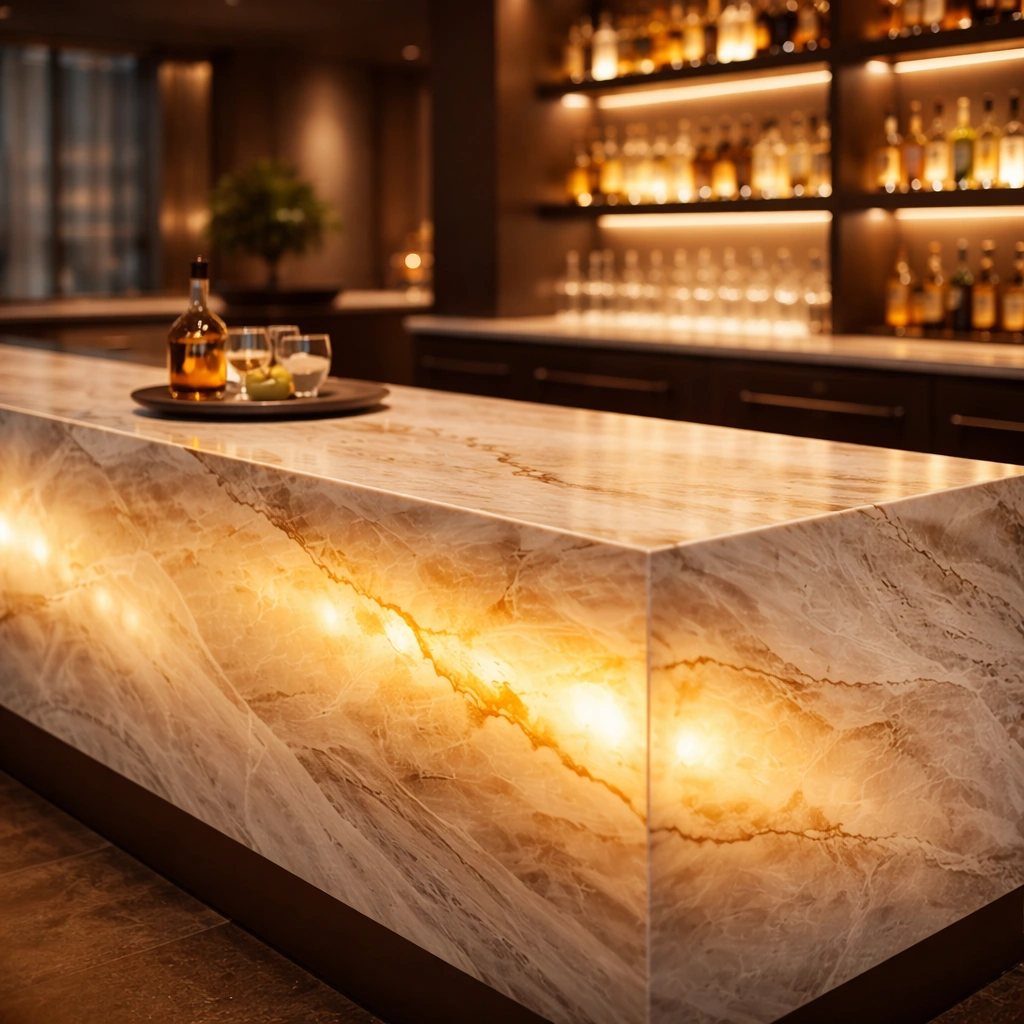
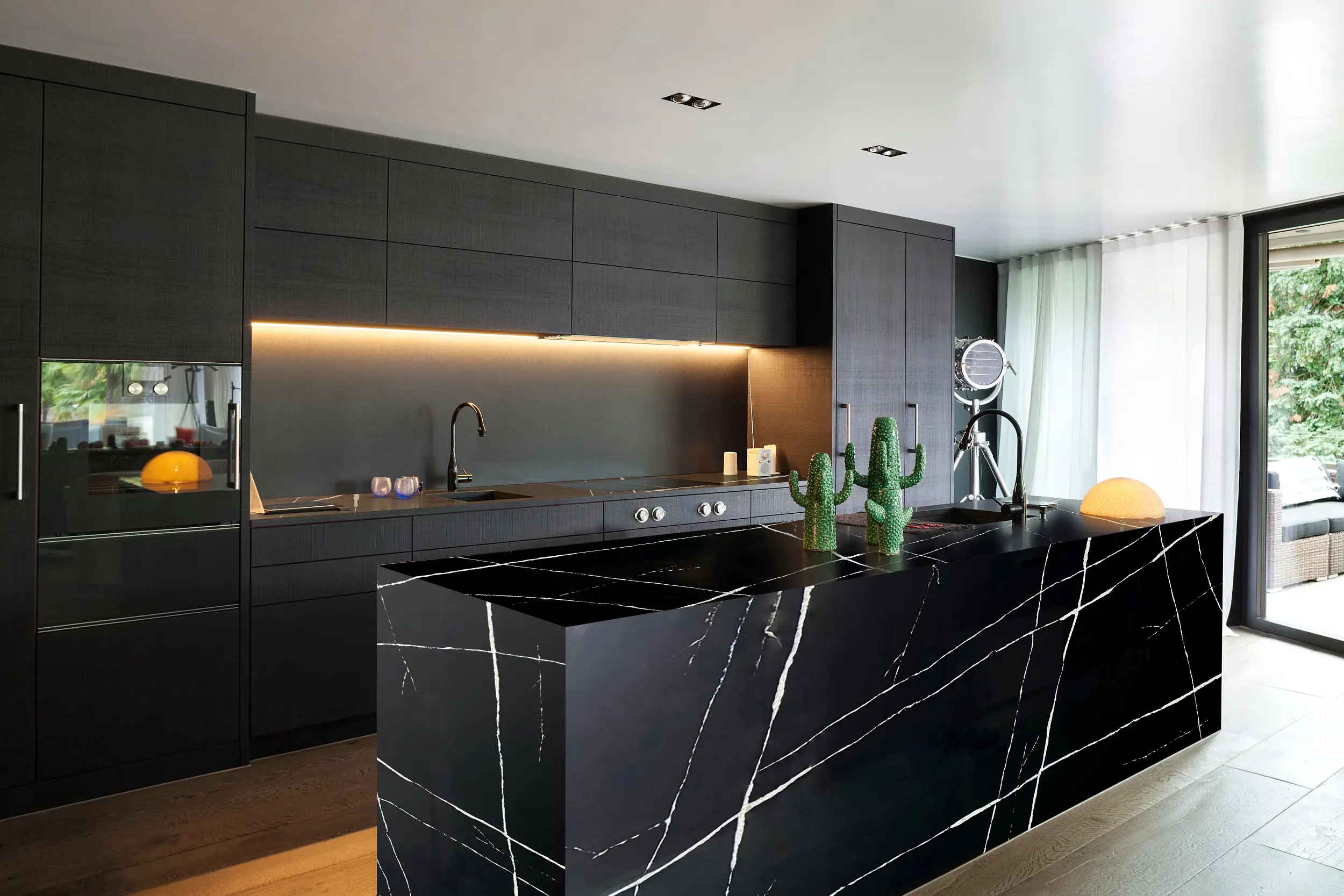
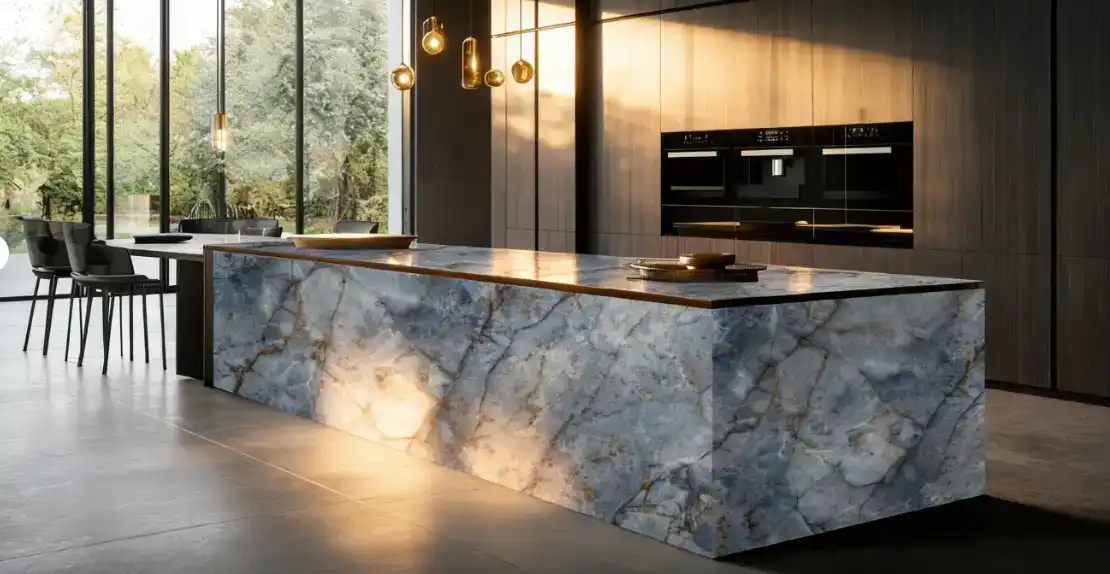
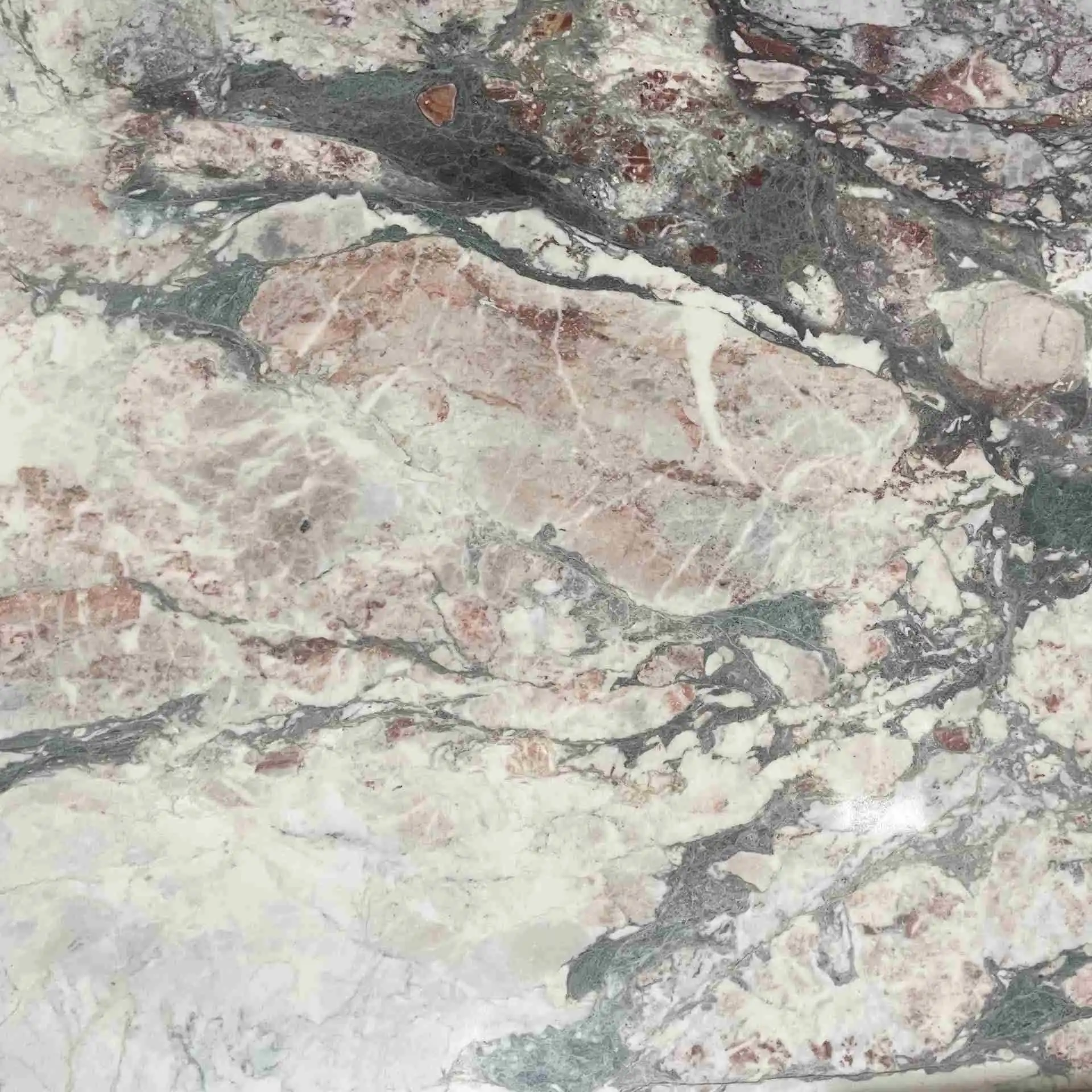
Bold patterns with raw character. Ideal for lofts, open spaces, and modern commercial interiors.
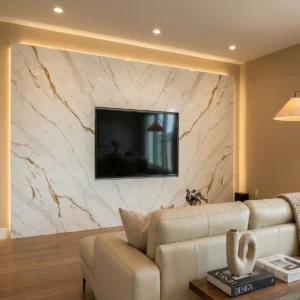
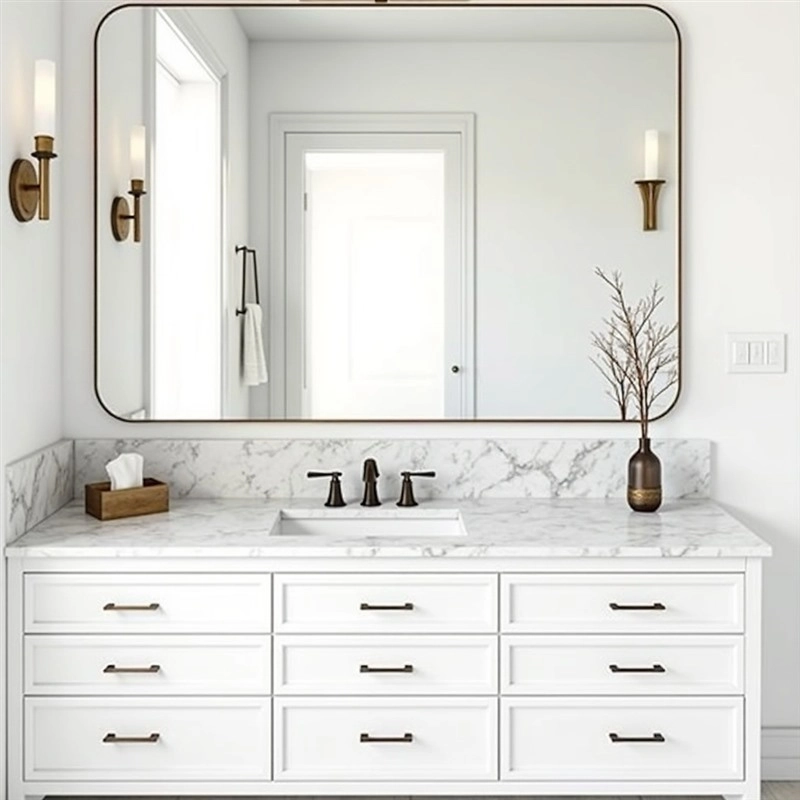
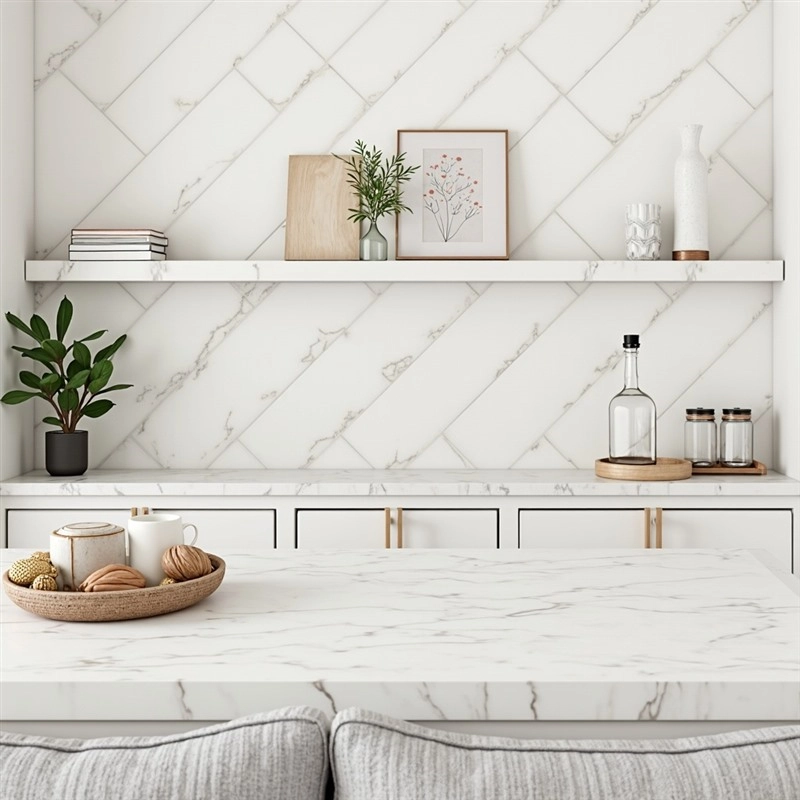
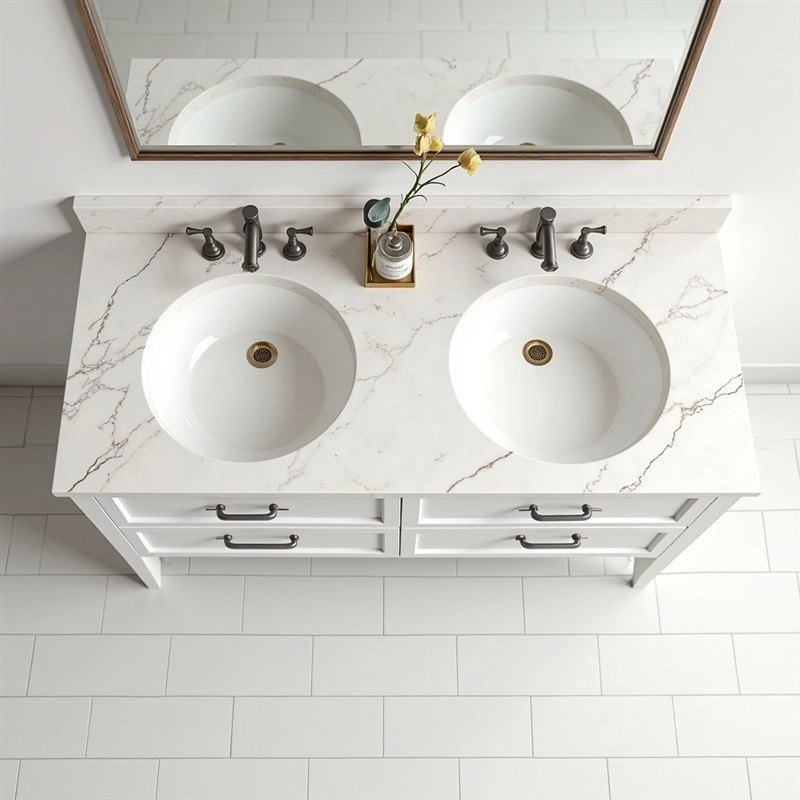
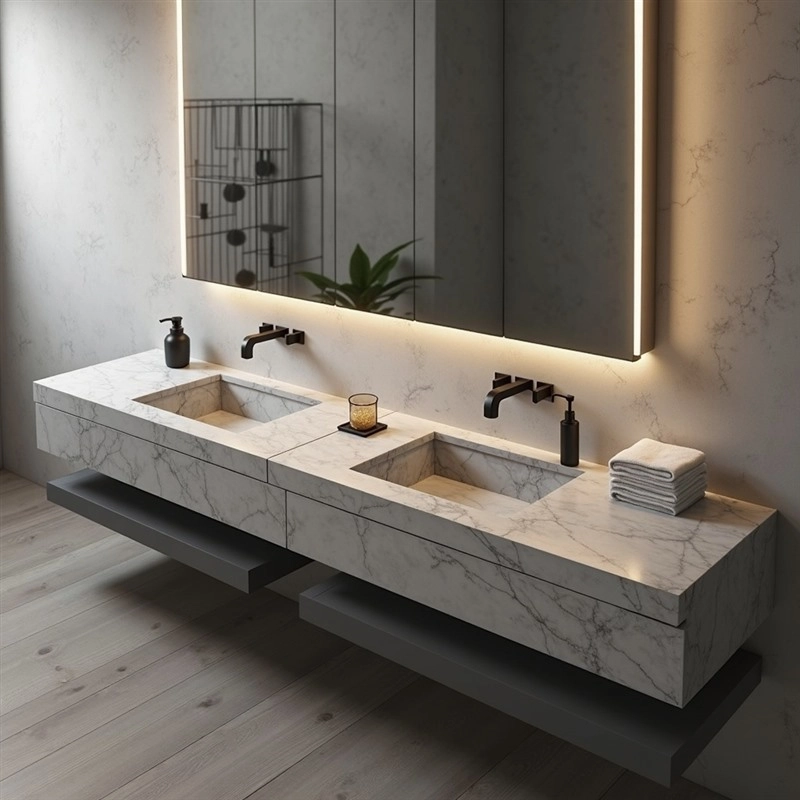
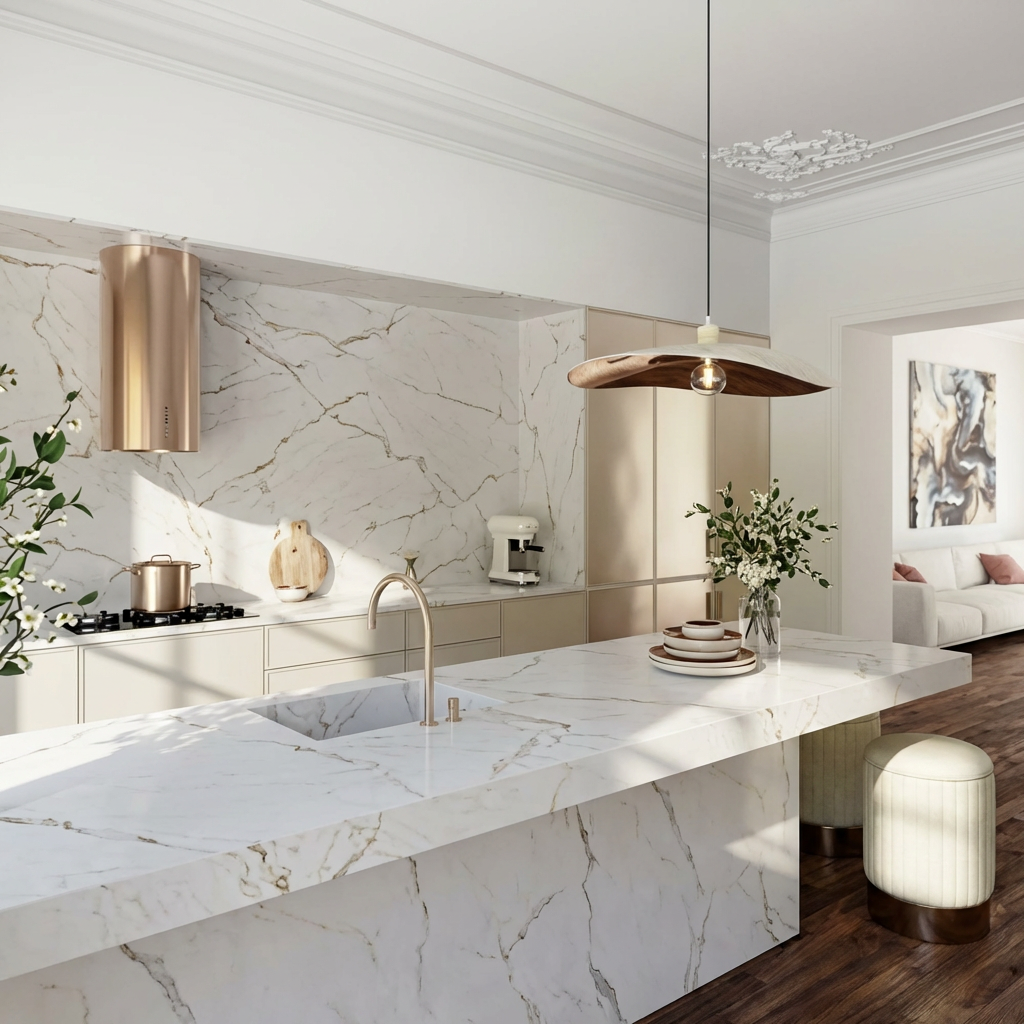
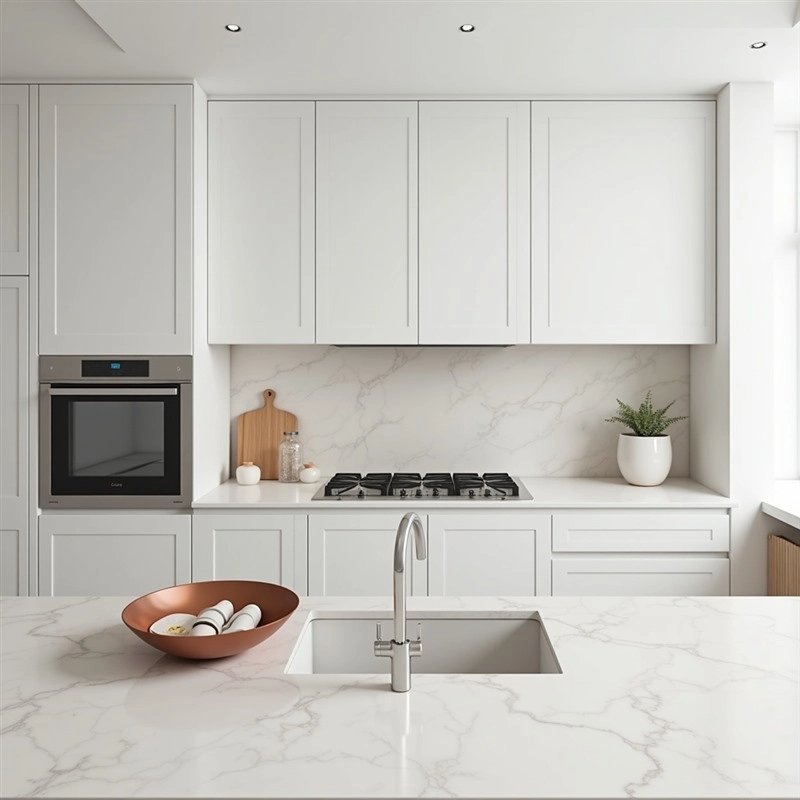
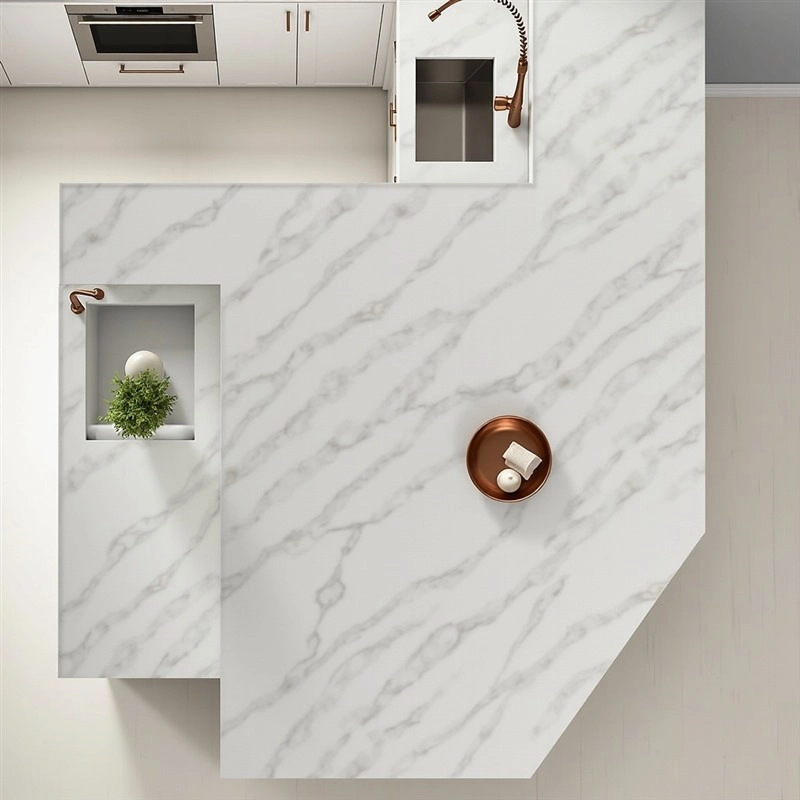
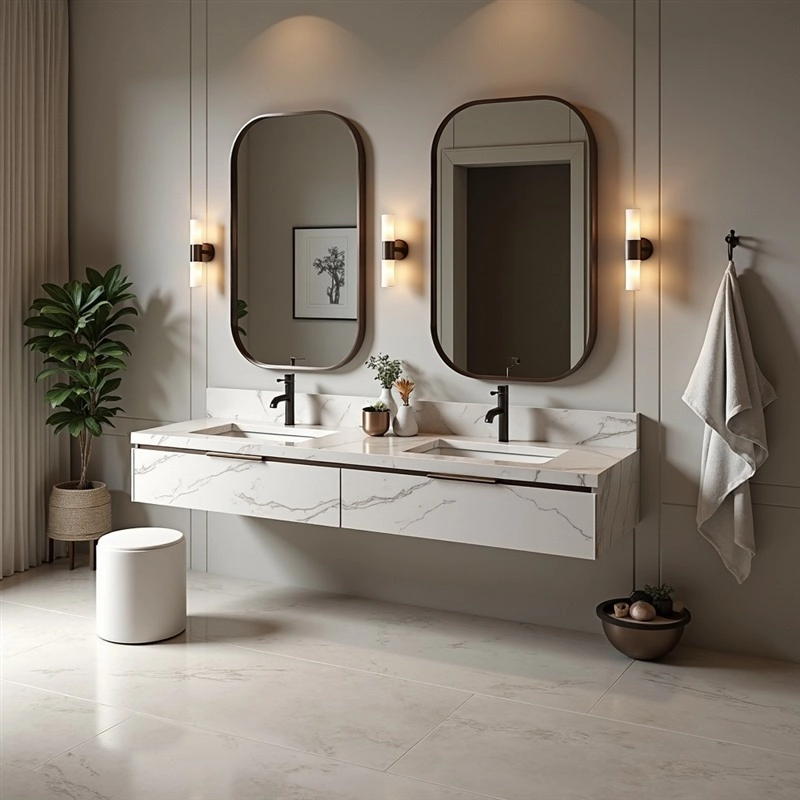
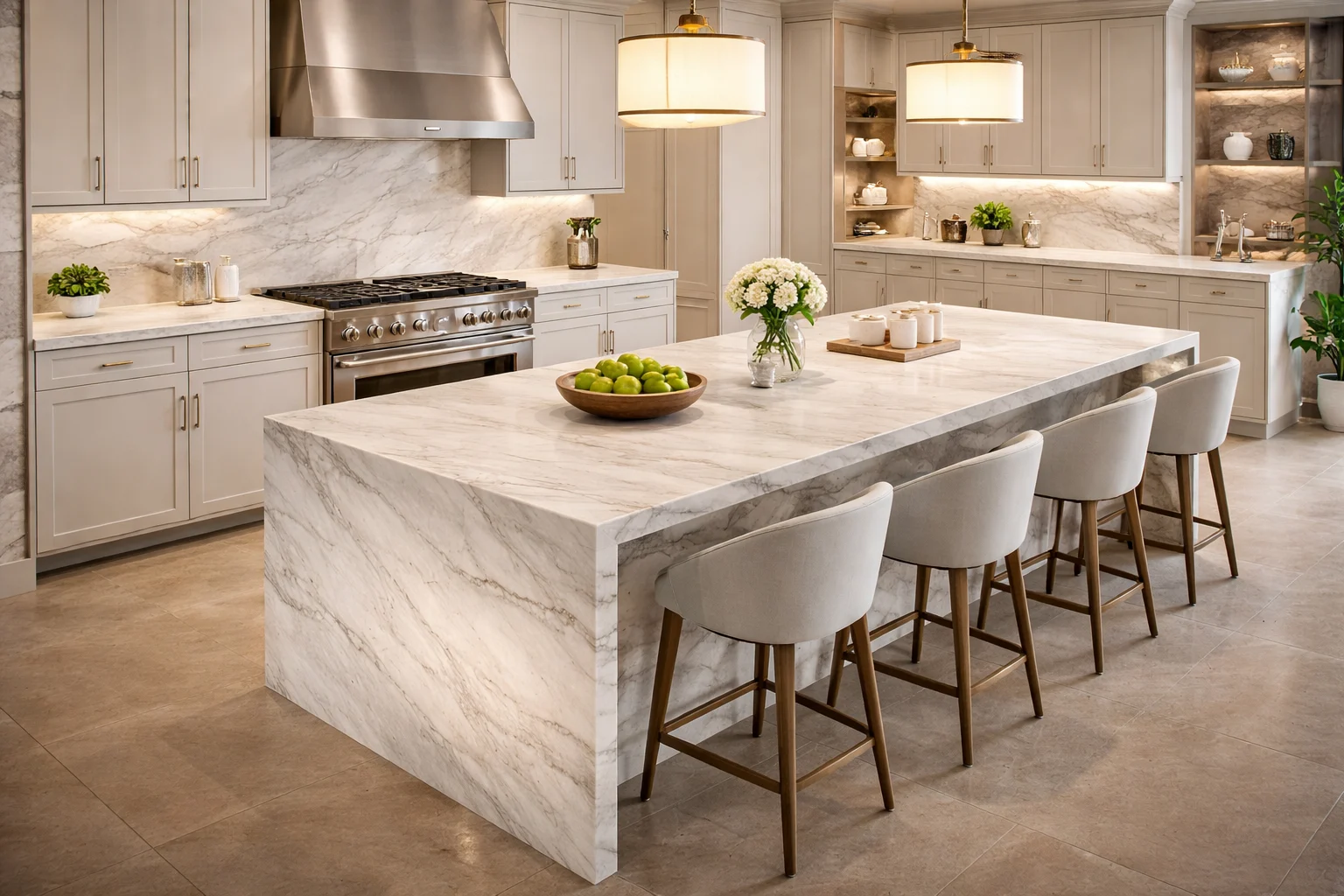
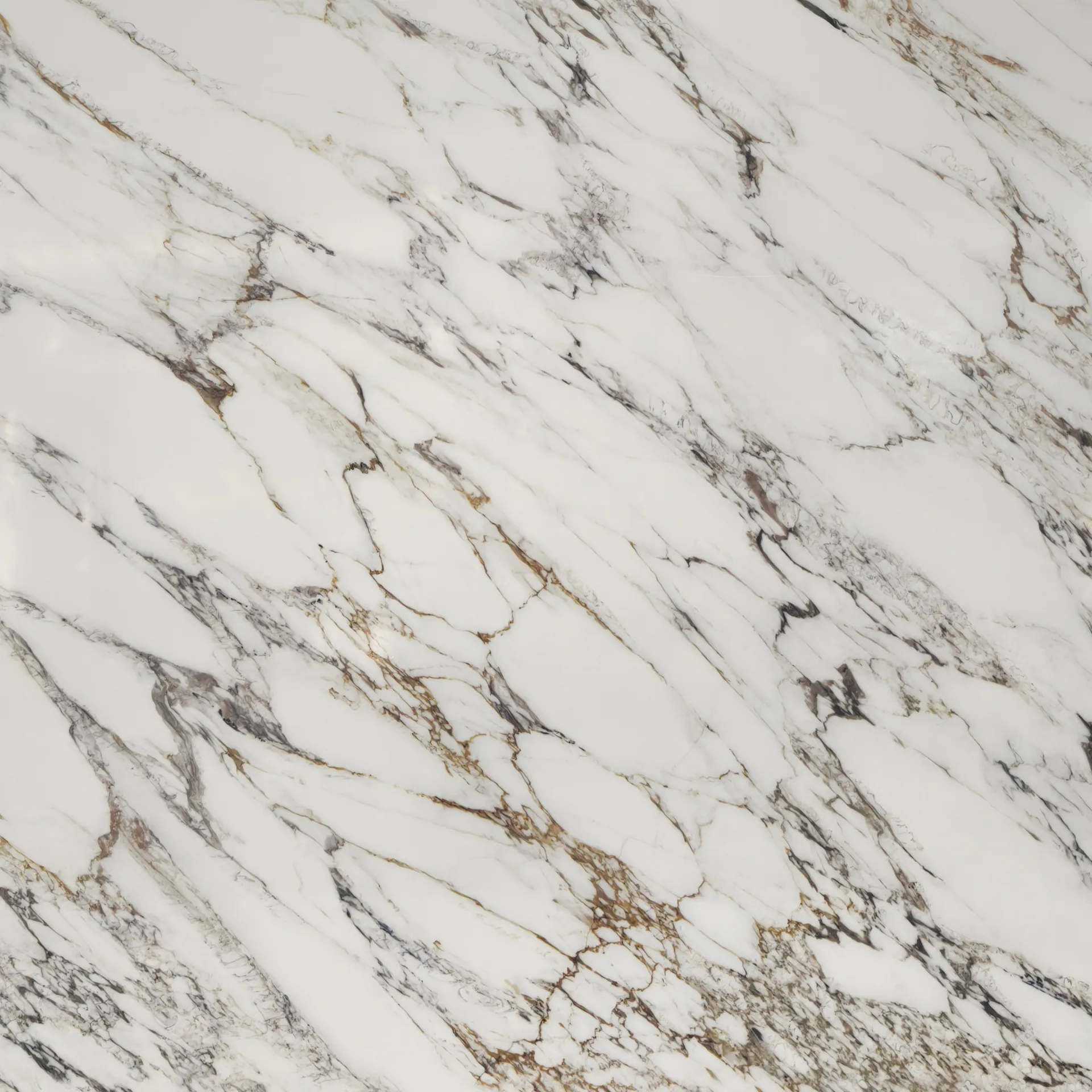
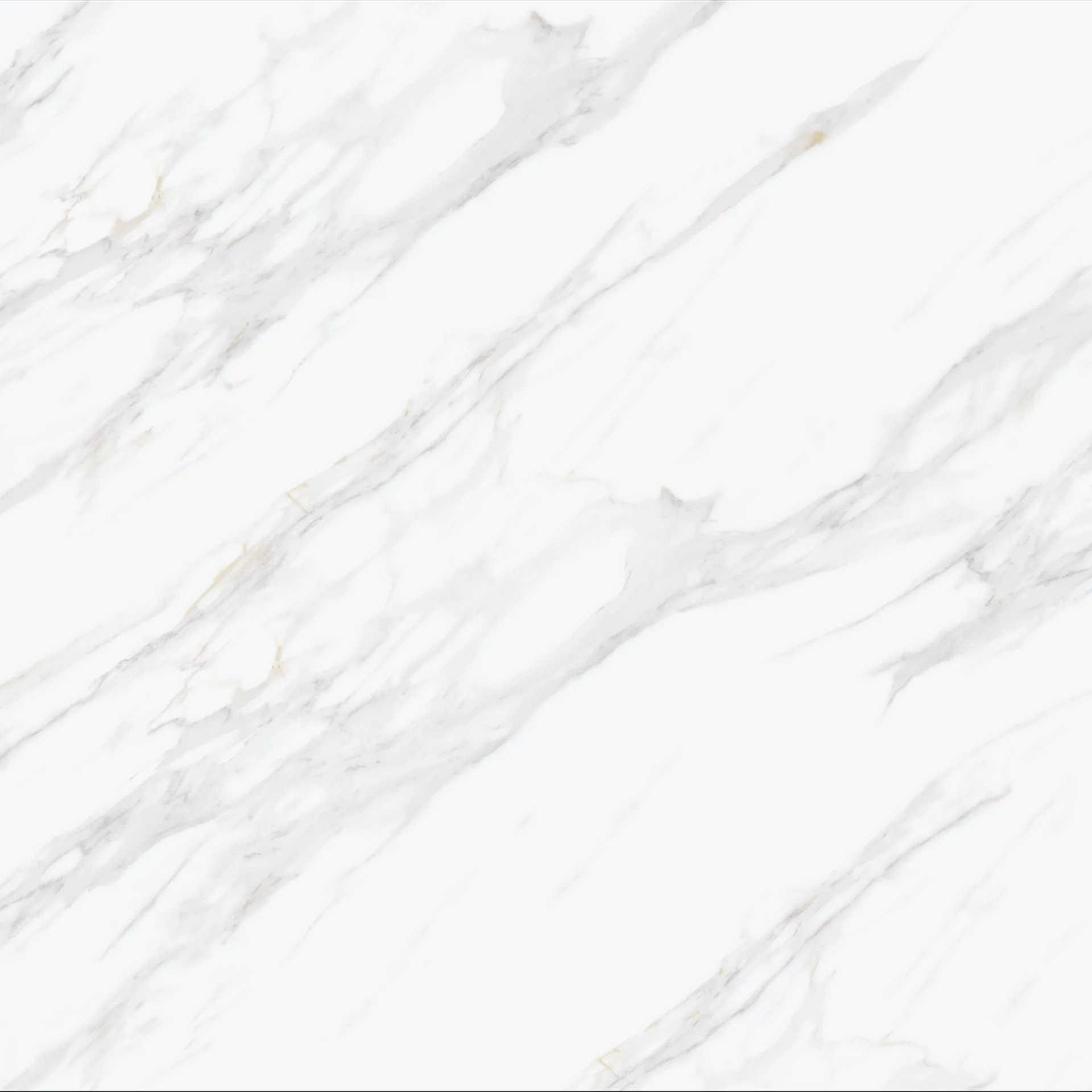
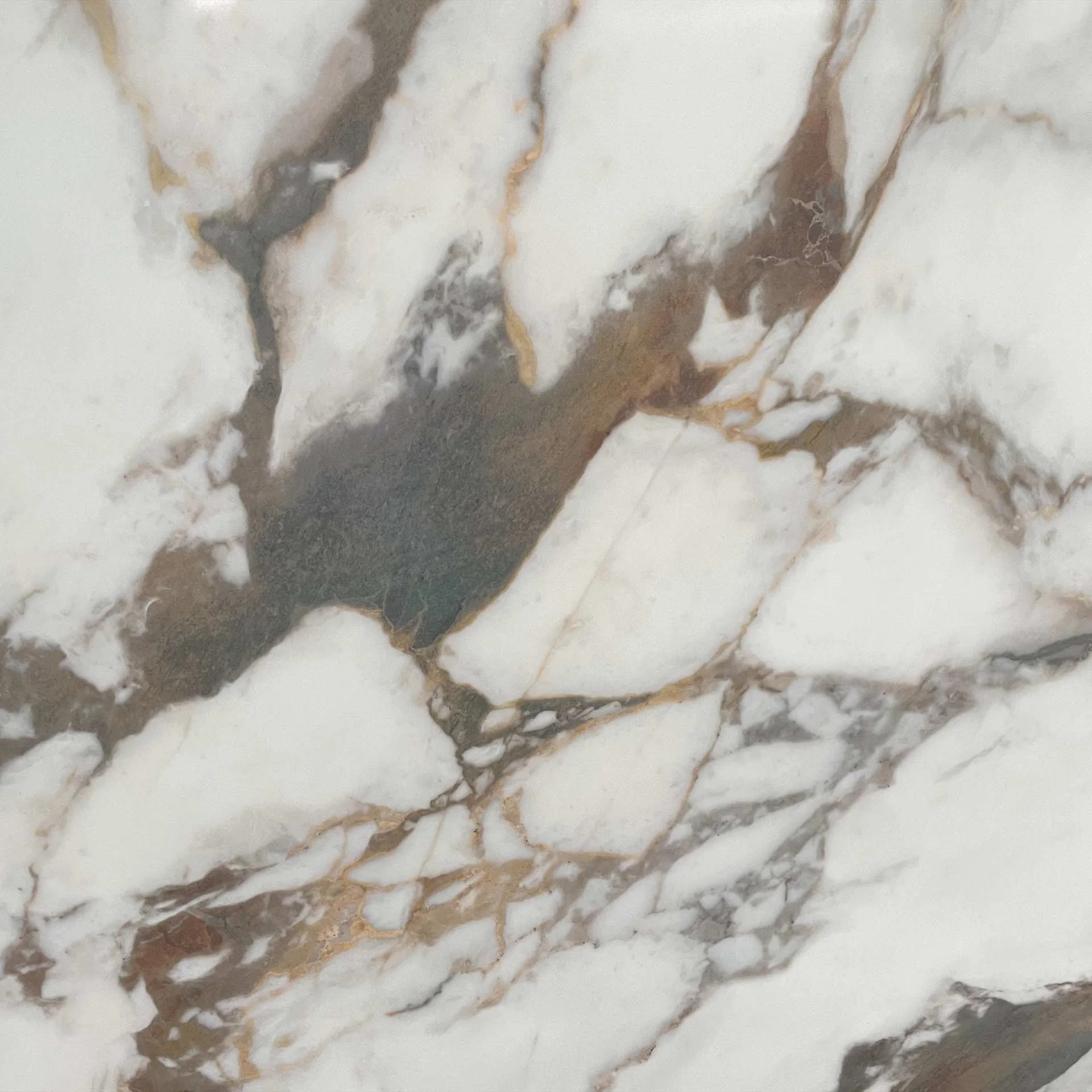
Elegant marble replicas with refined details. Elevates high-end residential and hospitality projects.
Advanced digital printing, combined with GQ full-body technology, delivers highly realistic stone textures. Complex designs are also possible.
Use gentle cleaning methods. Avoid strong chemicals and sharp tools. Requires more care than standard quartz.
Color and veining remain uniform. Seam matching is smooth. Ideal for large-area installations.
Not suitable for prolonged sun exposure. May fade or yellow over time. Indoor use only.
Much more affordable than natural stone. Strong advantage for bulk purchasing.
Direct high heat can damage the printed layer. Use heat protection in high-temperature areas.
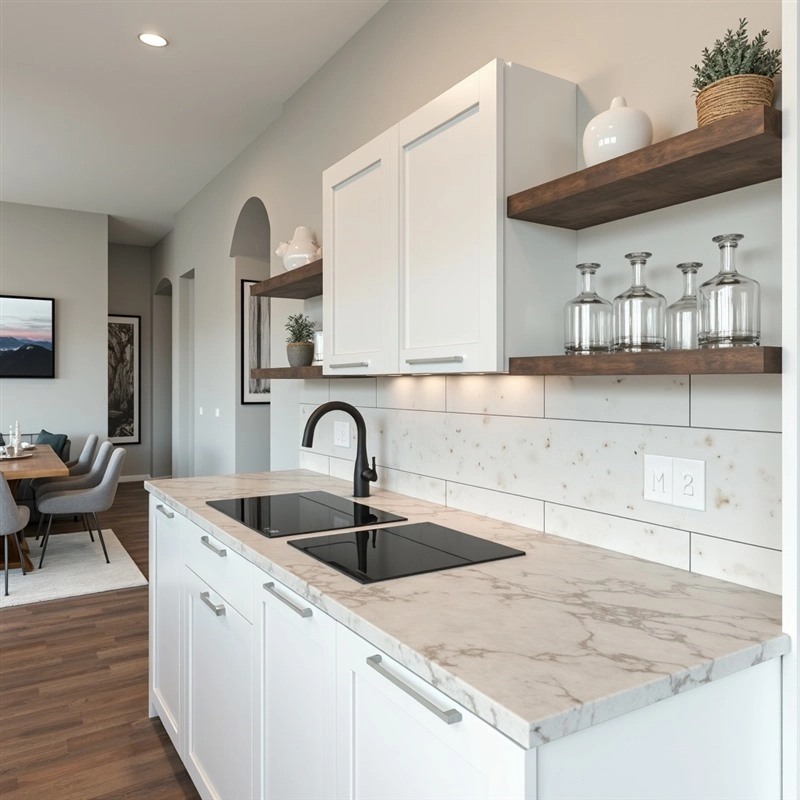
Patterns can match multiple styles. Suitable for farmhouse, industrial, modern luxury, and minimalist interiors. Widely used in residential and commercial spaces.
Dedicated production line ensures stable, large-scale output. Supports fast project timelines.
We summarized the most common questions from distributors and contractors. Clear answers help both users and search engines understand the product better.
In normal indoor use, visible fading may occur after 10–15 years of use.
With proper care and maintenance, this lifespan can be extended by another 5–8 years. Simple practices like avoiding harsh chemicals, reducing direct heat exposure, and regular cleaning help preserve the surface.
Printed quartz is designed for indoor applications only. As long as it is not exposed to prolonged outdoor sunlight or UV, the color and pattern will remain stable for a long period.
Very unlikely. Digital printing can replicate marble and granite patterns with high accuracy. Even fine details can be reproduced. Visually, it is hard to distinguish from natural stone. Seams are often even better.
No. Printed quartz is not UV-resistant. Outdoor exposure will quickly cause fading, aging, and cracking, even in shaded areas.
Most issues come from improper installation or maintenance. With correct installation and care, it can last over 15 years.
Yes, for indoor use with proper care. It has good scratch and stain resistance. However, it requires more maintenance than standard quartz. Neglect will reduce lifespan.
Each has its strengths. Marble offers natural rarity and uniqueness. Printed quartz offers better cost performance, stability, and scalability. It is more suitable for most projects.
Your trusted quartz
manufactory since 2015.
Our team is available 24/7.
Your trusted quartz manufactory since 2015.
Our team is available 24/7.