



- الصفحة الرئيسية
- كوارتز
- ألواح الكوارتز
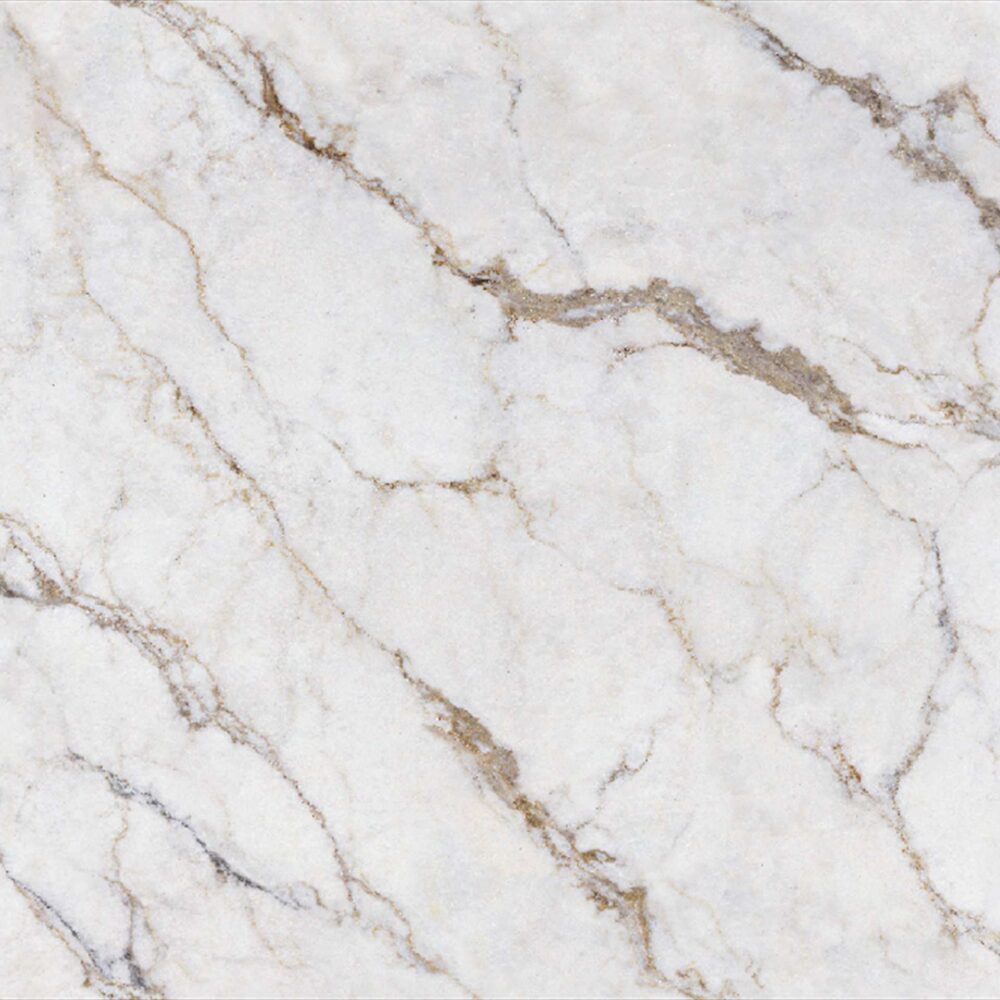
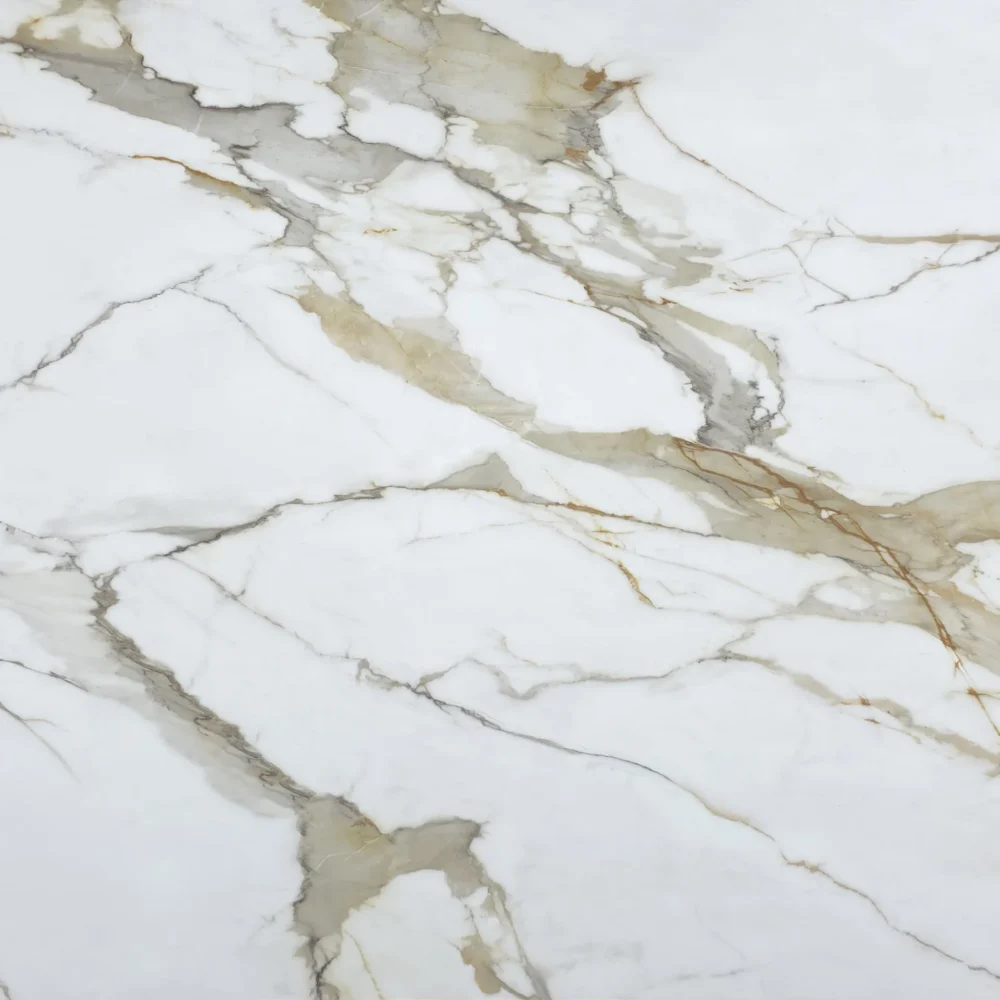
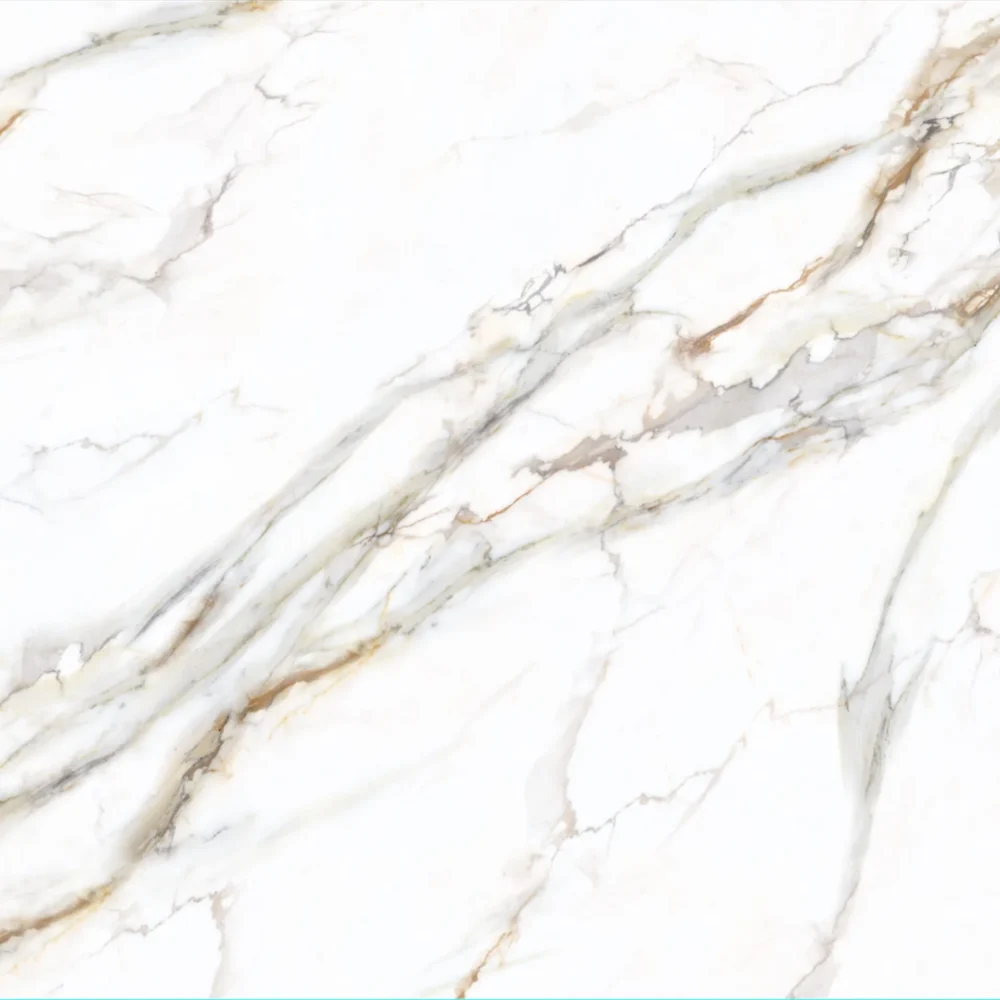
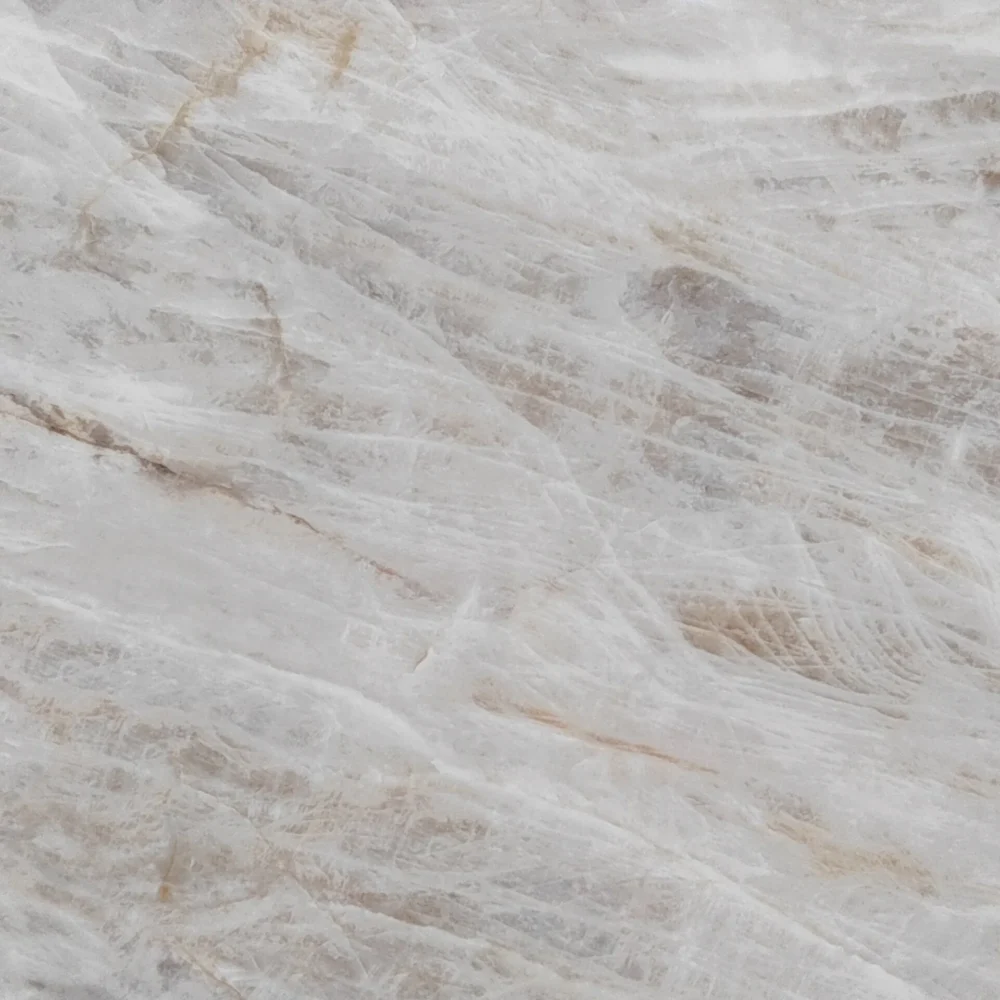
- Calacatta Gold Quartz Surface GQ-T228 for Wholesale
Calacatta Gold Quartz Surface GQ-T228 for Wholesale
-feature-pic.webp "mountain cream quartz surface gq t228 for wholesale")
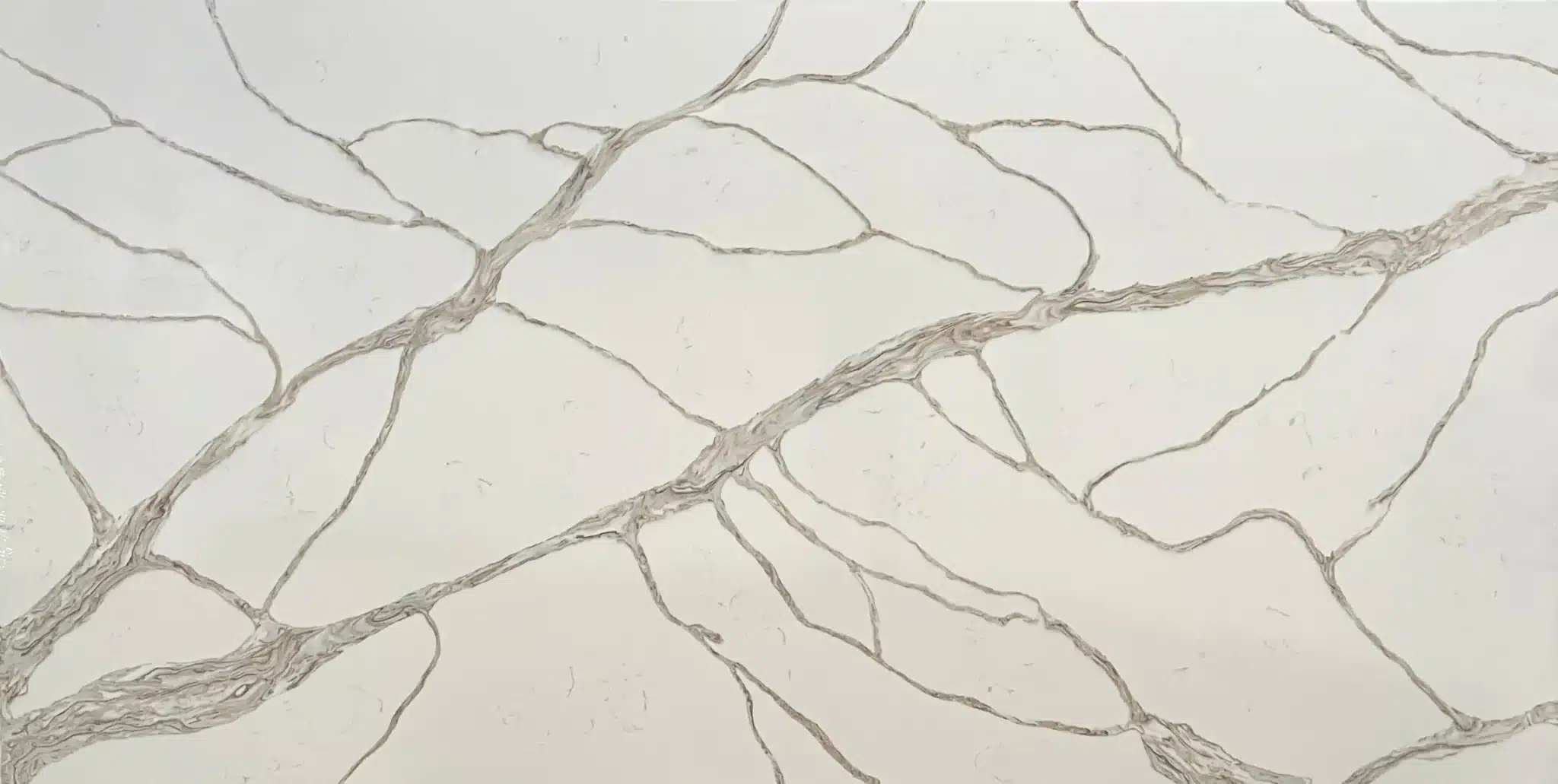
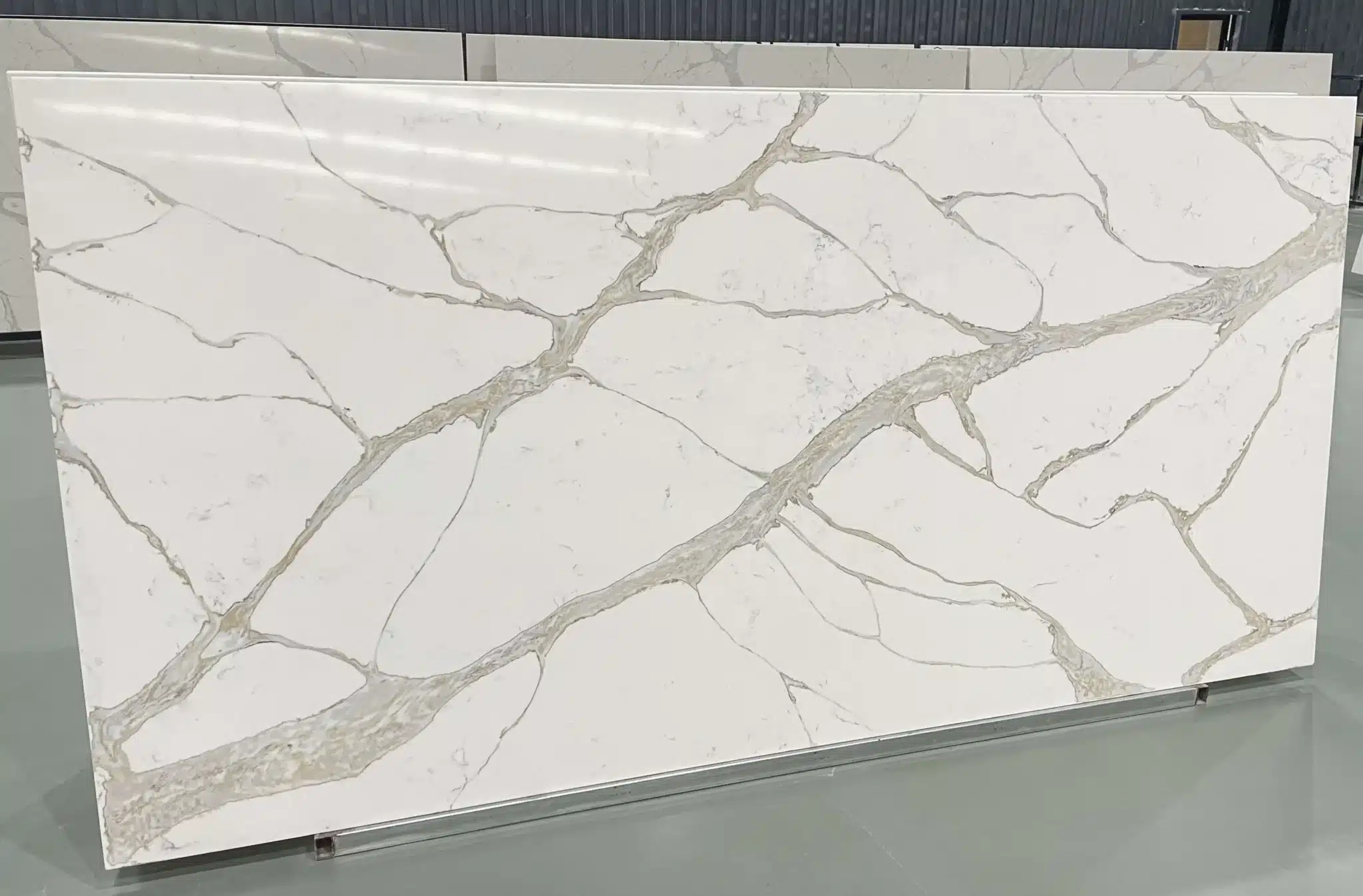
| الألوان الأساسية | Crisp Pure White |
| لون (ألوان) الزخرفة | Warm Taupe Gold Vein + Soft Grey Line |
| صياغة | عادي |
| تشطيبات | مصقول / مصقول / سويدي / جلد |
| حجم مخصص | 138 بوصة × 79 بوصة / 126 بوصة × 63 بوصة / قابل للتخصيص |
| سُمك | 20mm/30mm/Customizable |
| أسلوب الحافة | حافة مصقولة مريحة/حافة مصفحة 2+2 سم/حافة مشطوفة |
| Full Body Quartz | نعم |
| متوفر بمطابقة الكتاب | نعم |
| Place of Origin | تايلاند |
| Port of Transportation | تايلاند |
| Packaging | Foam or carton inside + strong wooden crates with reinforced straps outside and fumigation |
| Delivery time | 15-20 days / Express service is negotiable. |
| MOQ | 10 ㎡ |
| Payment terms | 30%T/T after confirm the order and the 70% T/T by copy of B/L |
| أسطح العمل سكني: نعم تجاري: نعم |
| جدار سكني: نعم تجاري: نعم |
| أرضيات سكني: نعم تجاري: نعم |
وصف:
أسئلة متكررة
Can you put hot pans on engineered quartz countertops?
You can put hot pans on engineered quartz, but it’s not recommended for long-term use. Quartz is heat-resistant up to about 150°F (65°C), so a hot pot straight from the stove might be okay briefly, but anything over 300°F—like a just-removed cast iron skillet—can cause thermal shock, leading to cracks or discoloration. I’ve seen a few cases where a searing pan left too long left a faint white ring. Always use trivets or hot pads, especially if you’re cooking with high heat. The material itself doesn’t burn or warp, but the risk is real in real-world kitchens. If you’re using an induction cooktop or have a habit of moving pans directly from oven to counter, this is a key consideration. Bottom line: quartz isn’t a heat sink like granite, so play it safe.
Does engineered quartz need to be sealed?
No, engineered quartz does not need to be sealed. That’s one of its biggest advantages over natural stone like granite or marble. The resin binder in engineered quartz makes it non-porous, so liquids don’t soak in easily—no sealant required. I’ve worked with hundreds of quartz installations, and none have ever needed sealing. That said, you should still clean it regularly with mild soap and water. Avoid abrasive cleaners or anything that could damage the surface finish. Some people get confused because quartz looks like stone, but it’s synthetic. If a countertop needs sealing, it’s not pure engineered quartz—it might be a composite or lower-grade material. Stick to reputable manufacture like Grand Quartz Tech, and you won’t need to worry about sealing. It’s a big reason why quartz is so popular: low maintenance, high durability.
Marble vs. Engineered Quartz: Which is the Best Choice?
Marble vs. engineered quartz—depends on your priorities. Marble is stunning, timeless, and adds luxury, but it’s high-maintenance. It’s porous, so it stains easily (especially from oil or acidic substances like lemon juice or red wine), and it etches with exposure to acids. You’ll need to seal it every 6–12 months and wipe up spills fast. Engineered quartz, on the other hand, is nearly indestructible in daily use. It resists stains, scratches, and heat (within limits), doesn’t need sealing, and offers consistent color and pattern. It’s ideal for busy families or high-use kitchens. But if you’re going for that classic, elegant look with natural variation, marble wins. For durability and ease of care, quartz is king. So: choose marble if you love the aesthetic and are willing to care for it. Choose quartz if you want something low-maintenance, durable, and long-lasting. Both have their place—but for most modern kitchens, quartz is the smarter pick.