



- Home
- Quartz
- Quartz Slabs
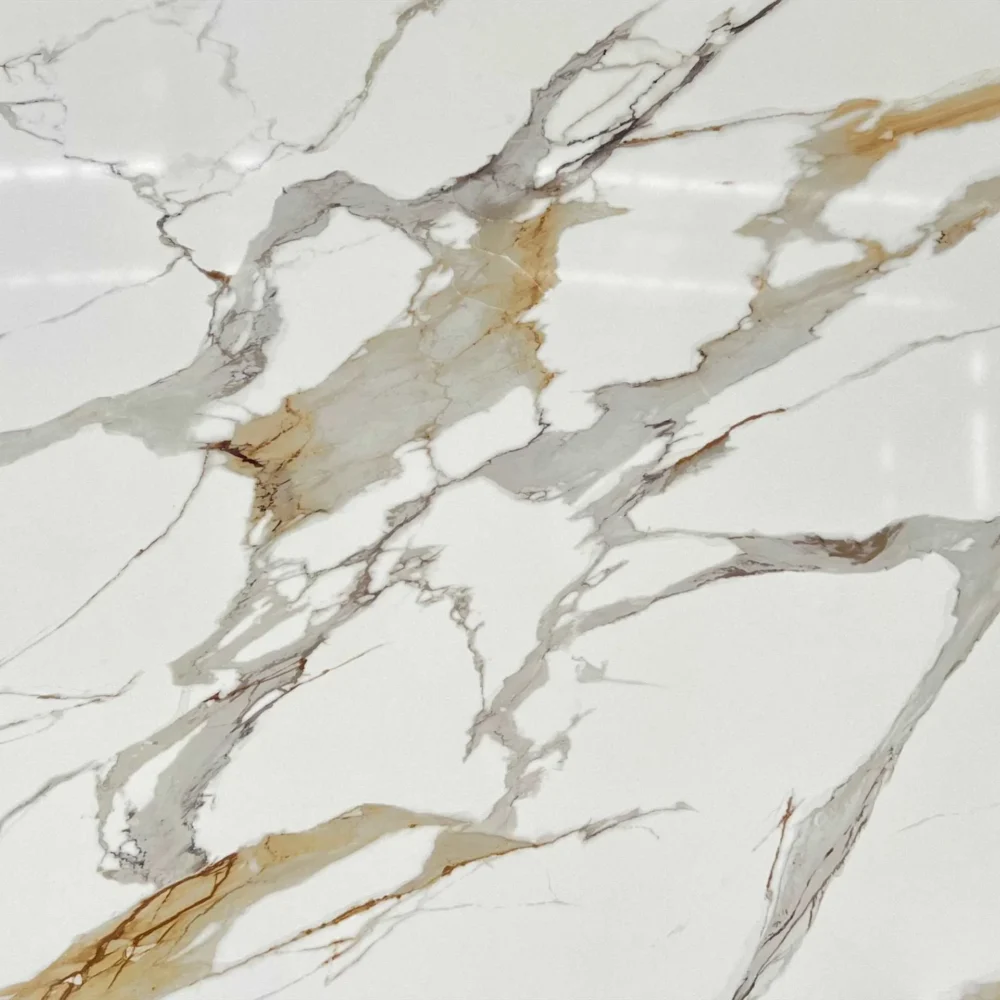
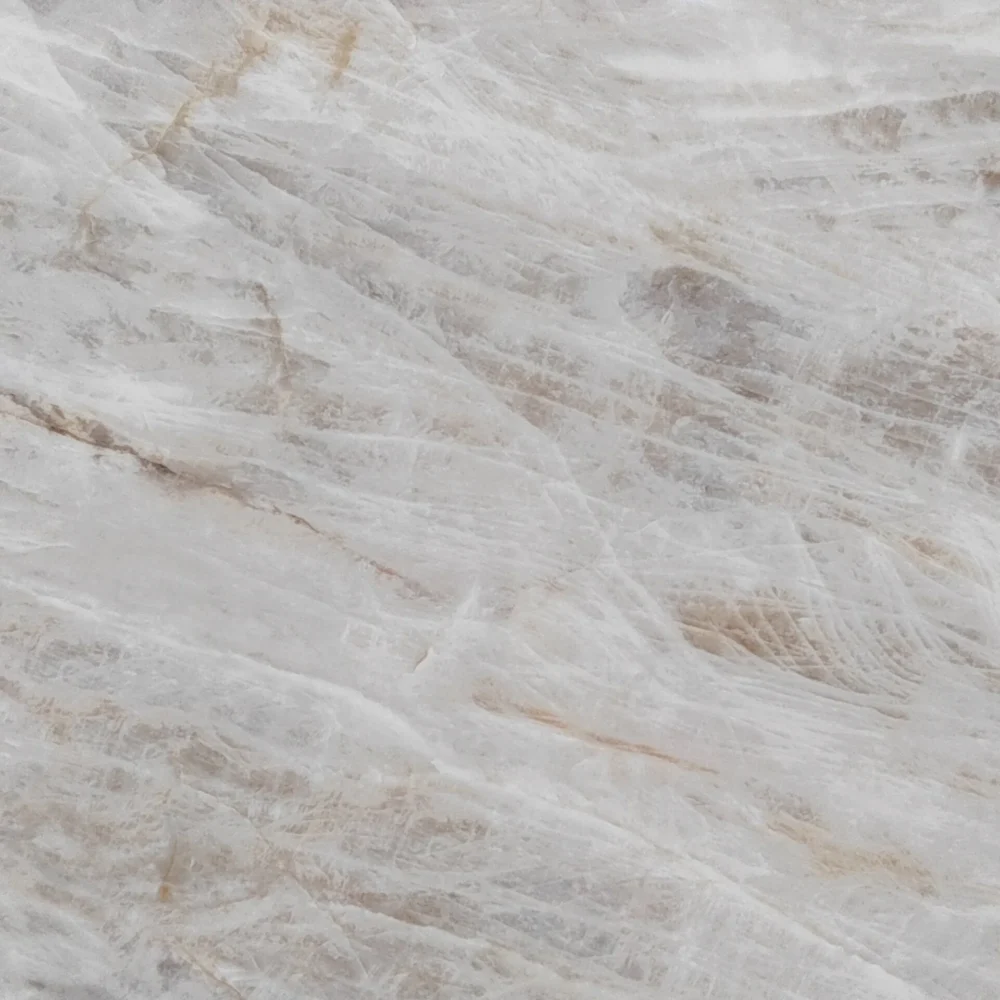
- Frosted Granite Look Quartz Surface GQ-T401 for Wholesale
Frosted Granite Look Quartz Surface GQ-T401 for Wholesale
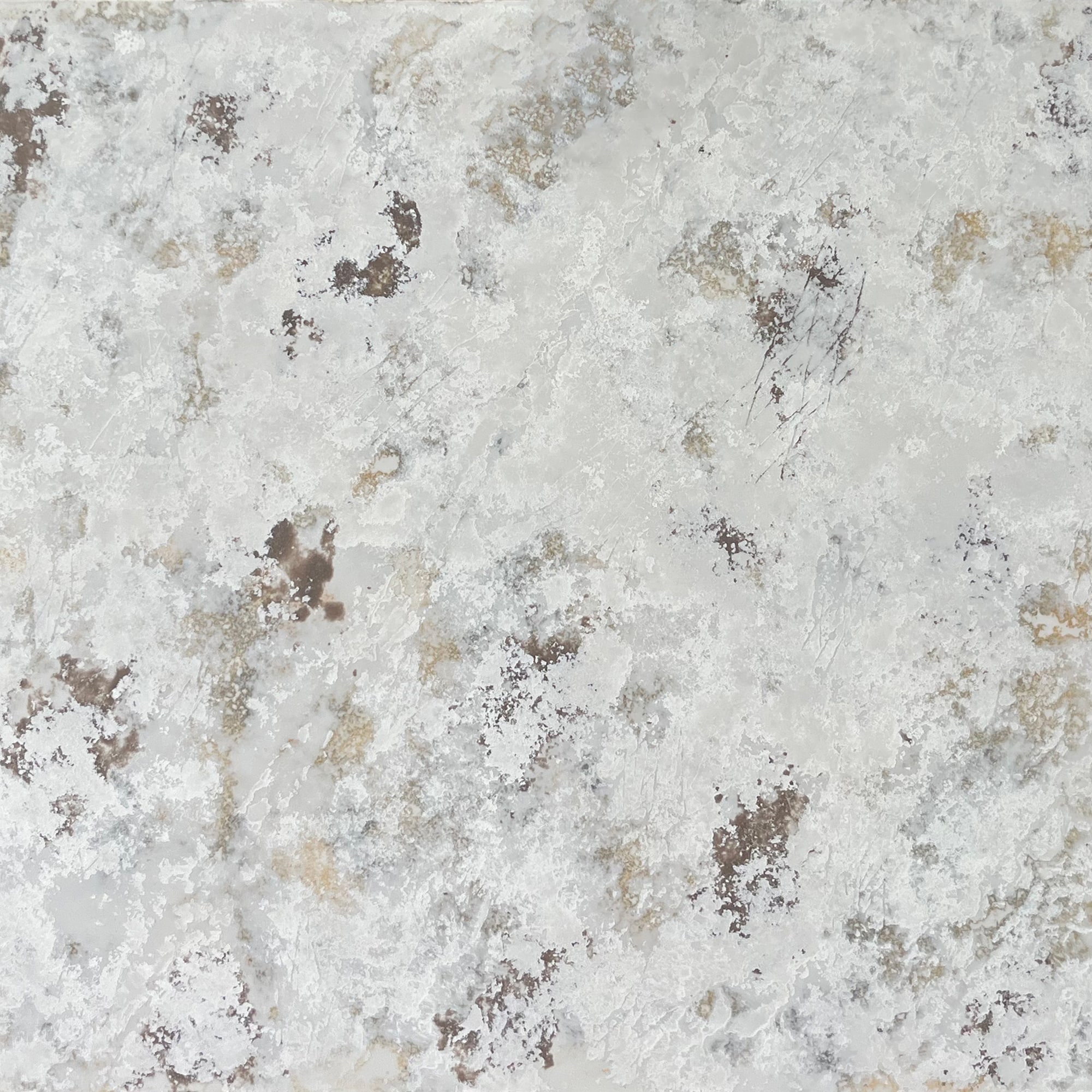
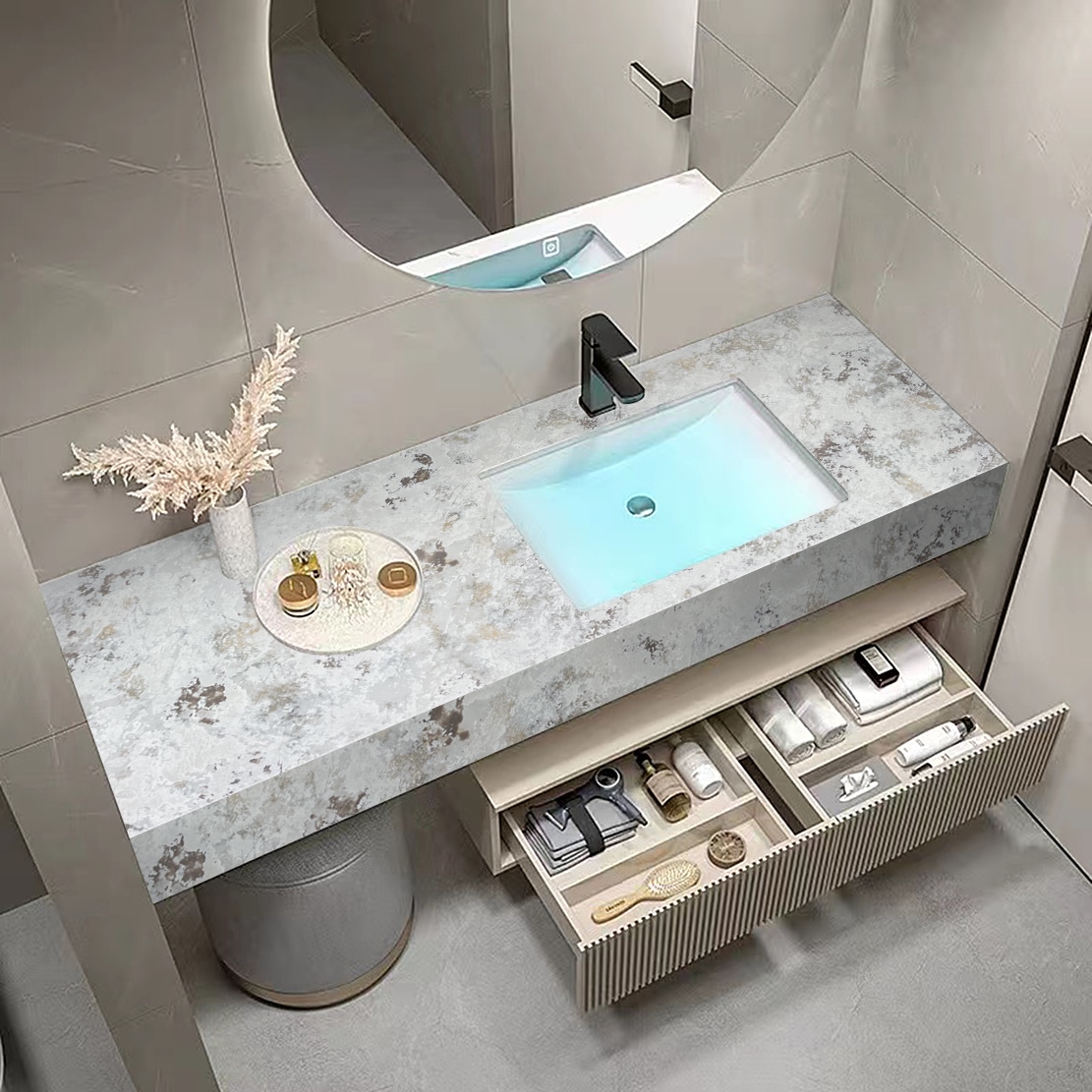
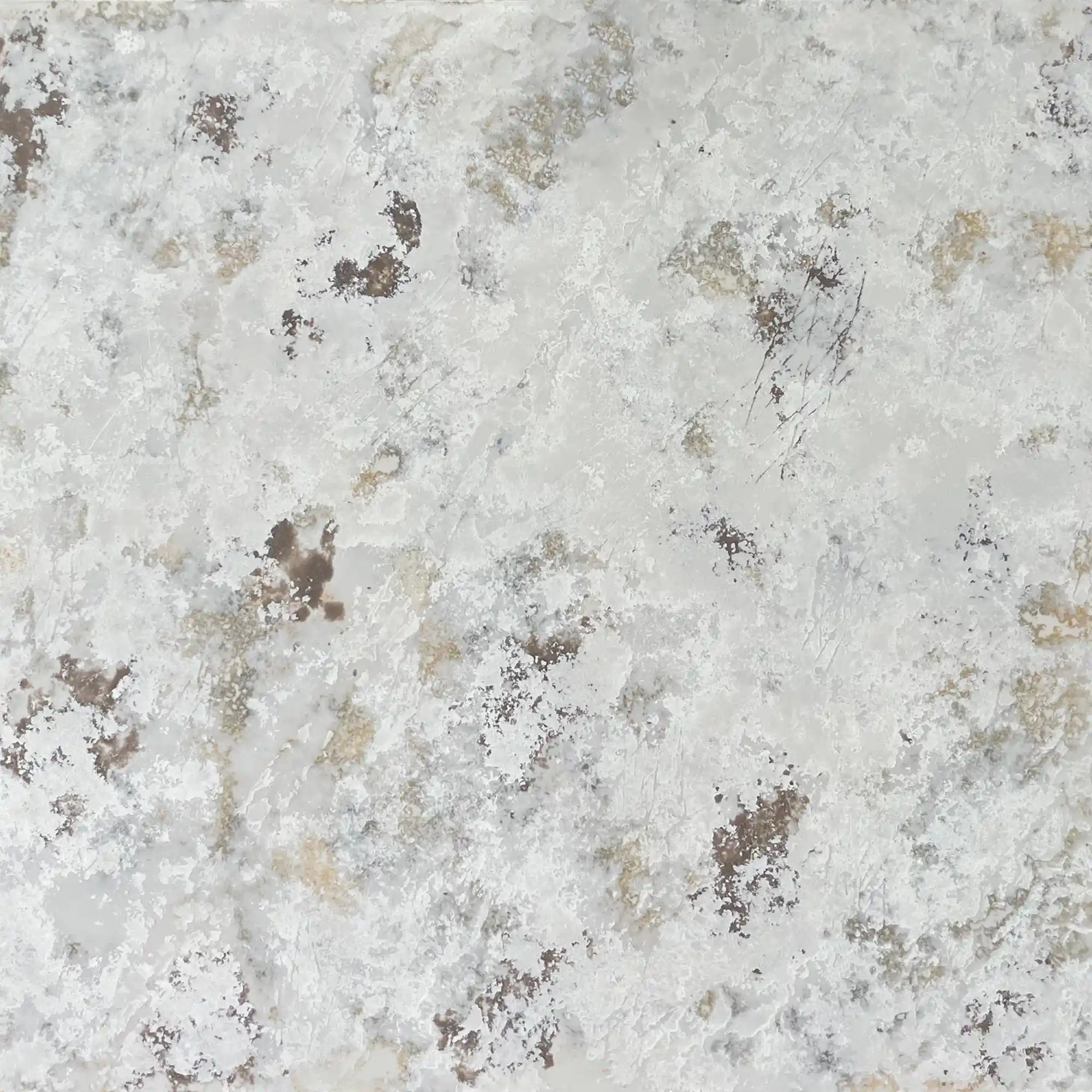
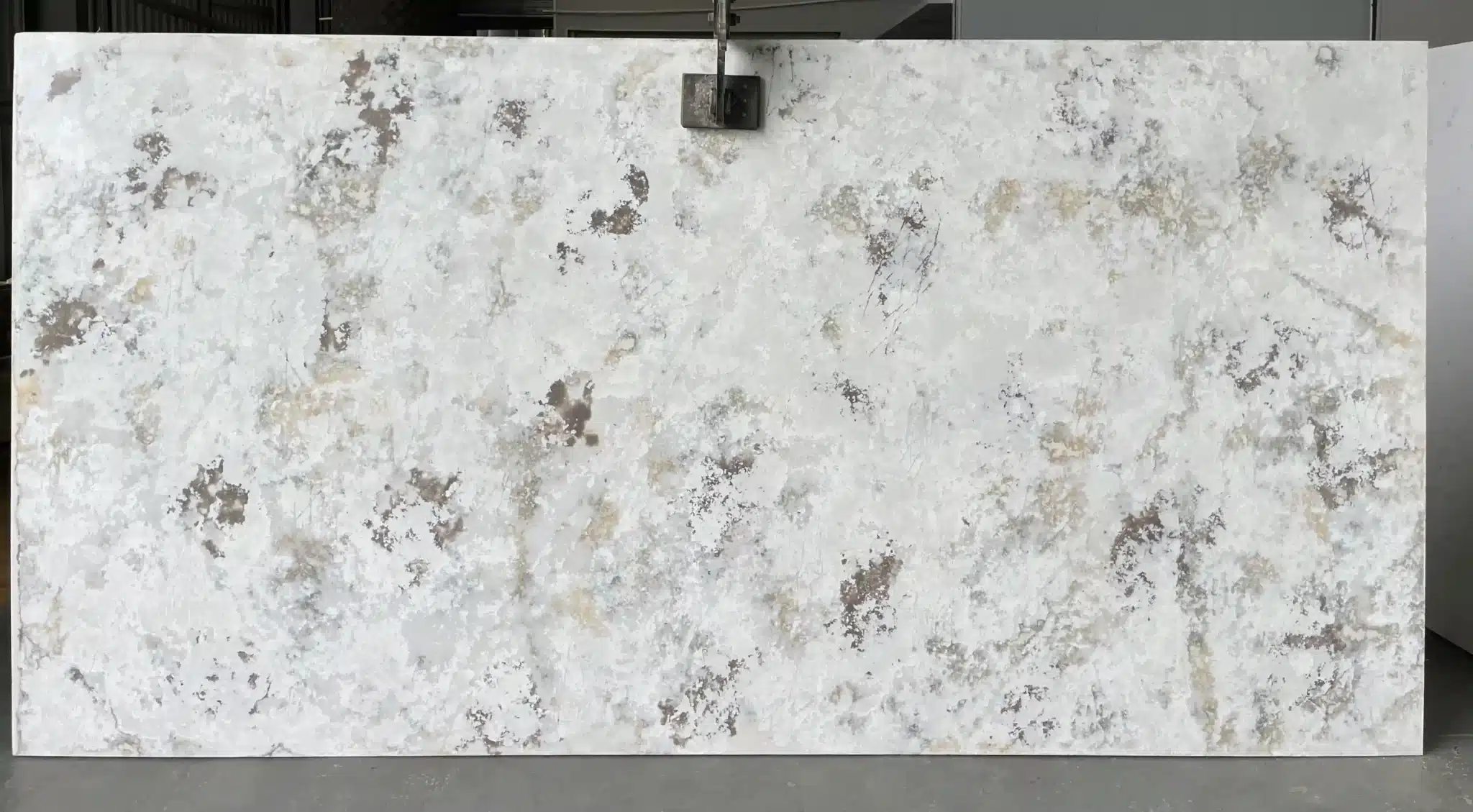
| Primary Color(s) | Soft Warm White |
| Accent Color(s) | Rich Warm Brown Cloud + Taupe Vein |
| Craft | Regular |
| Finishes | Polished / Honed / Suede / Leathered |
| Customized Size | 138″ × 79″ / 126″ × 63″ / Customizable |
| Thickness | 20mm/30mm/Customizable |
| Edge Style | Eased polished edge/2+2cm laminated edge/Mitred edge |
| Full Body Quartz | Yes |
| Bookmatch Available | Yes |
| Place of Origin | Thailand |
| Port of Transportation | Thailand |
| Packaging | Foam or carton inside + strong wooden crates with reinforced straps outside and fumigation |
| Delivery time | 15-20 days / Express service is negotiable. |
| MOQ | 10 ㎡ |
| Payment terms | 30%T/T after confirm the order and the 70% T/T by copy of B/L |
| Countertops Residential: Yes Commercial: Yes |
| Wall Residential: Yes Commercial: Yes |
| Flooring Residential: Yes Commercial: Yes |
Description:
Frequently asked questions
Is Venezia quartz good quality?
It’s a popular white quartz with subtle gray veining, often used in kitchens and bathrooms. The material itself is durable, non-porous, and resists stains and scratches better than natural stone. But like all quartz, its quality depends on the manufacturer. Some lower-tier versions may have inconsistent veining or use less dense resins, leading to chipping at edges or under heavy impacts. Top-tier Venezia slabs are engineered with high quartz content (90%+) and are bookmatched well for large runs. If you’re installing in a high-traffic area, make sure you’re getting a full-body printed slab (not just surface-printed), and check for certifications like NSF or SGS. Overall, Venezia is a reliable choice—just verify the source and inspect the slab before fabrication.
What are the disadvantages of honed quartz?
Honed quartz has a matte finish, which gives it a softer, more natural look—great for modern or rustic designs. But it comes with trade-offs. First, the finish is more porous than polished quartz, so it shows water spots, fingerprints, and residue much faster. While it’s still non-porous at the molecular level, the surface texture traps oils and dust, making it harder to clean without streaking. Second, it scratches more easily than polished quartz. A knife or heavy object can leave visible marks, especially in high-traffic areas like kitchens. Third, honed surfaces can look duller over time, especially if not maintained properly. And unlike polished quartz, you can’t buff out scratches—once they’re there, they’re permanent. So while it’s aesthetically pleasing, it’s not ideal for busy households. If you want a matte look, consider a leathered or textured finish instead—it’s more durable and hides imperfections better.
What is concrete quartz?why is it so special?
Concrete quartz is engineered stone that mimics the look of real concrete—gray, textured, and industrial—but without the maintenance. It’s made from quartz particles mixed with resin and pigments to create a consistent, durable surface with a concrete-like appearance. The ‘special’ part is that it’s not real concrete: it won’t crack, stain, or erode like its natural counterpart. It’s non-porous, so it resists liquids, stains, and mold. It’s also more durable—no sealing needed, and it won’t etch from acids like lemon juice or vinegar. And unlike real concrete, it’s available in consistent colors and textures, with options like exposed aggregate, smooth finishes, or even metallic flecks. It’s perfect for modern, industrial, or minimalist kitchens and bathrooms where you want the raw aesthetic of concrete without the upkeep. Plus, it can be fabricated into sinks, backsplashes, and countertops with clean seams. That’s why it’s becoming so popular—style meets practicality.
-1000x1000.webp)