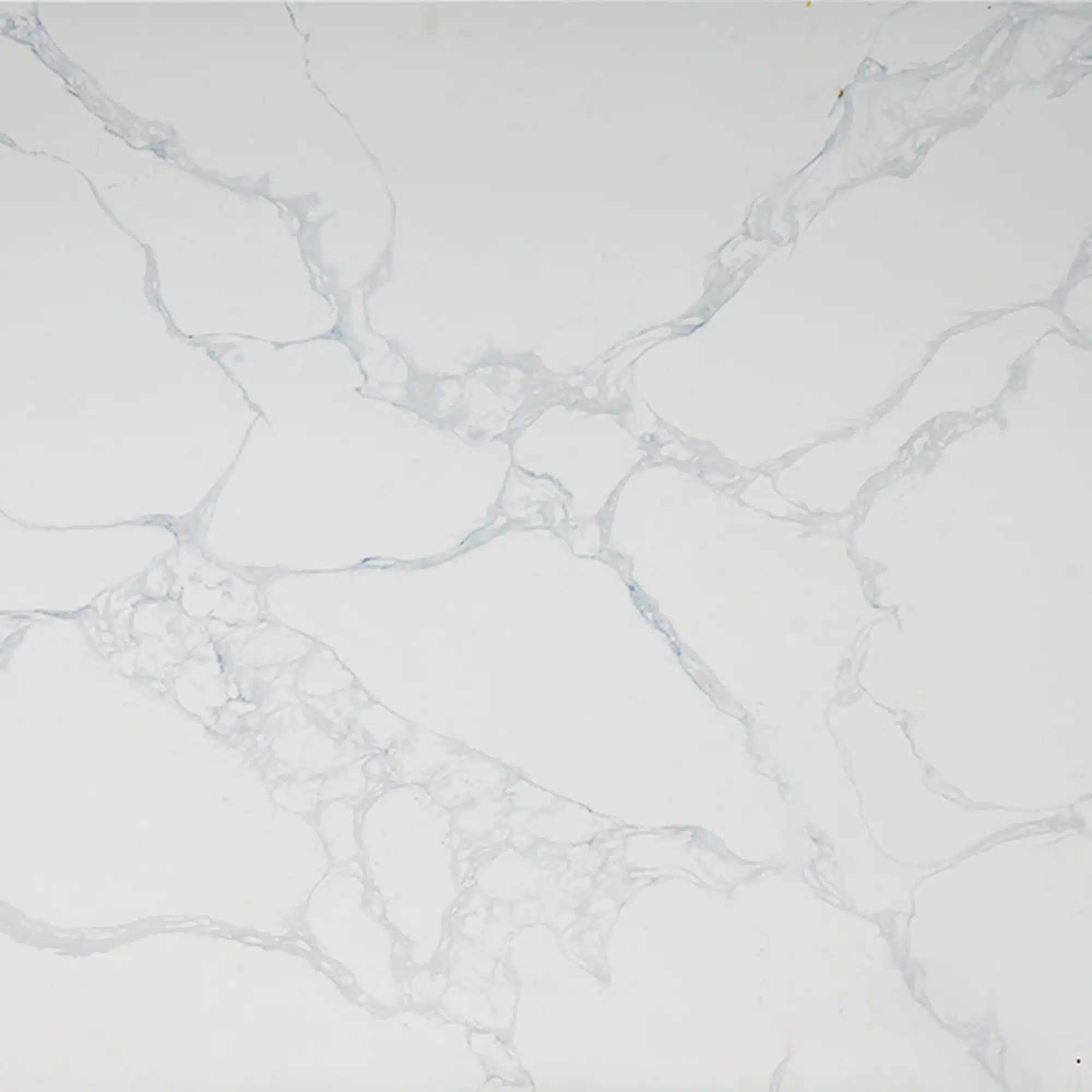
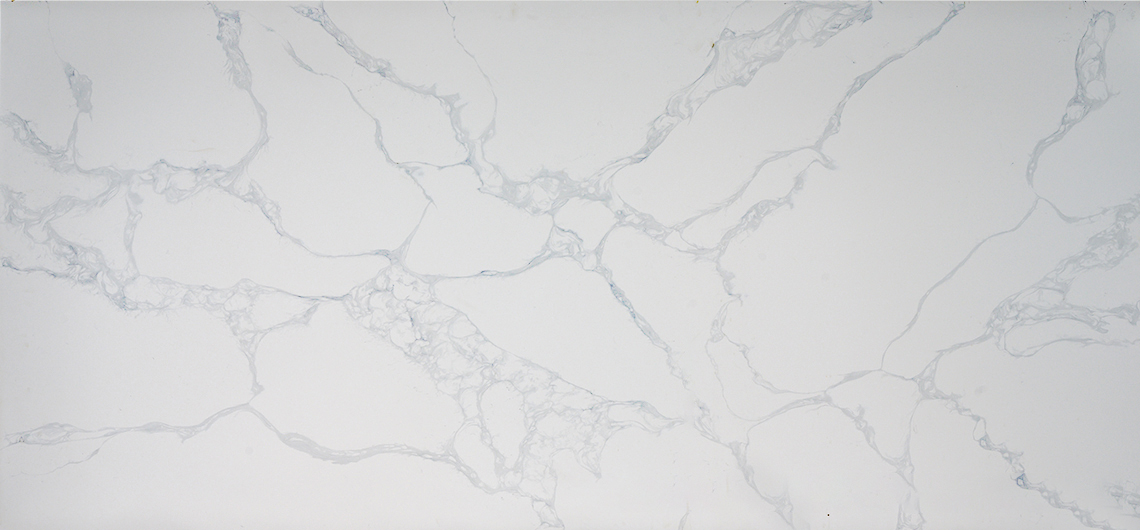
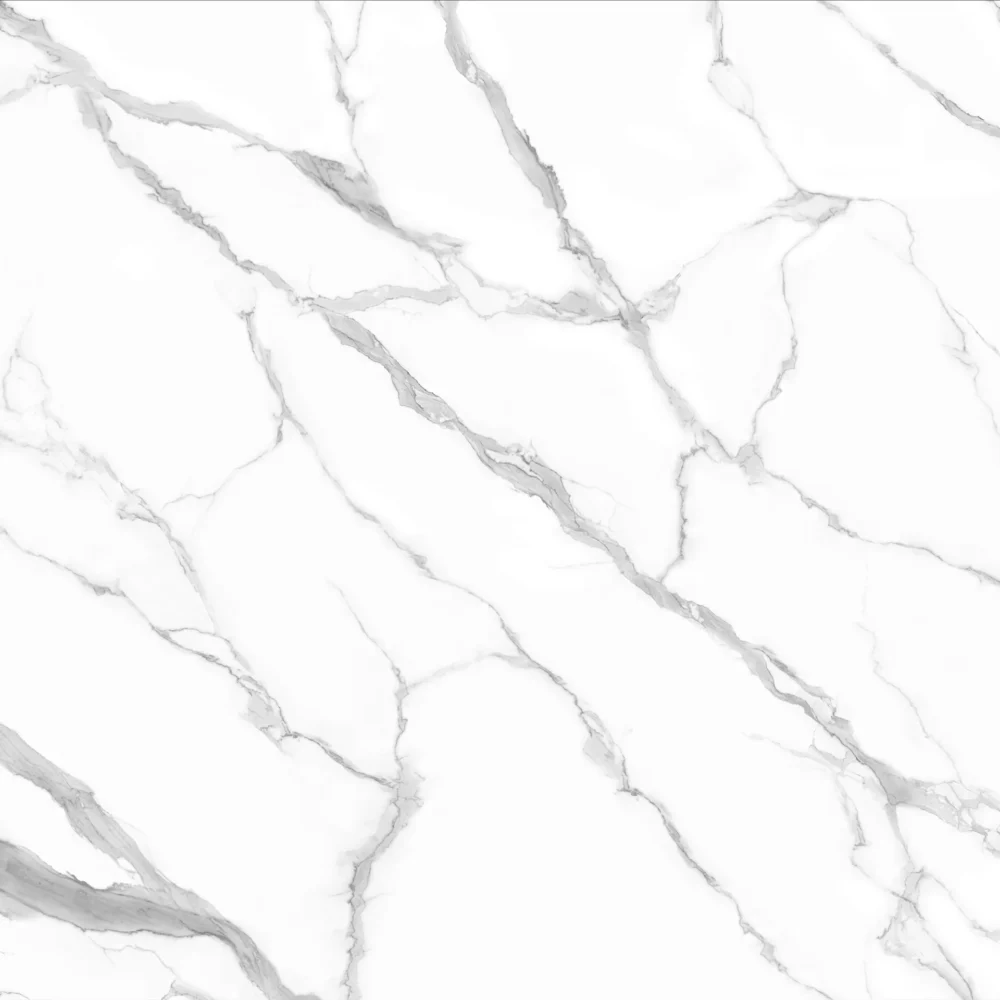
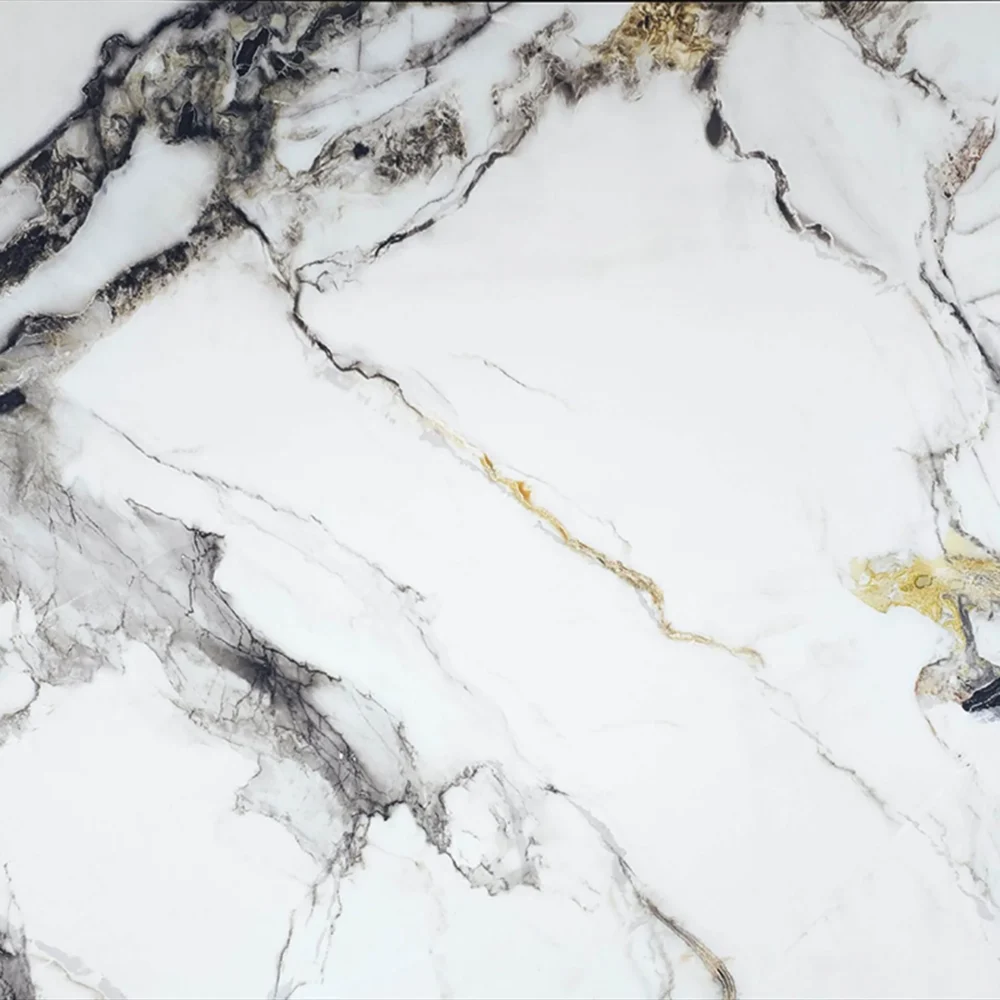
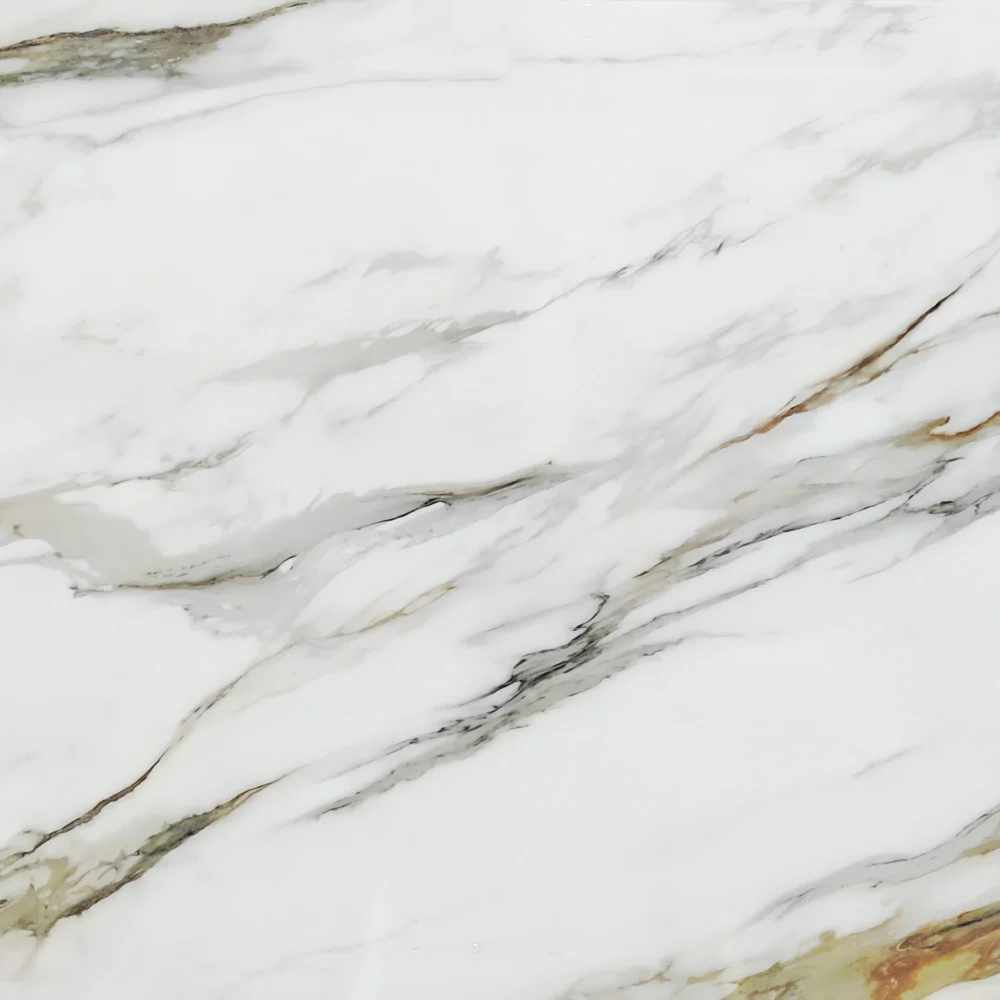
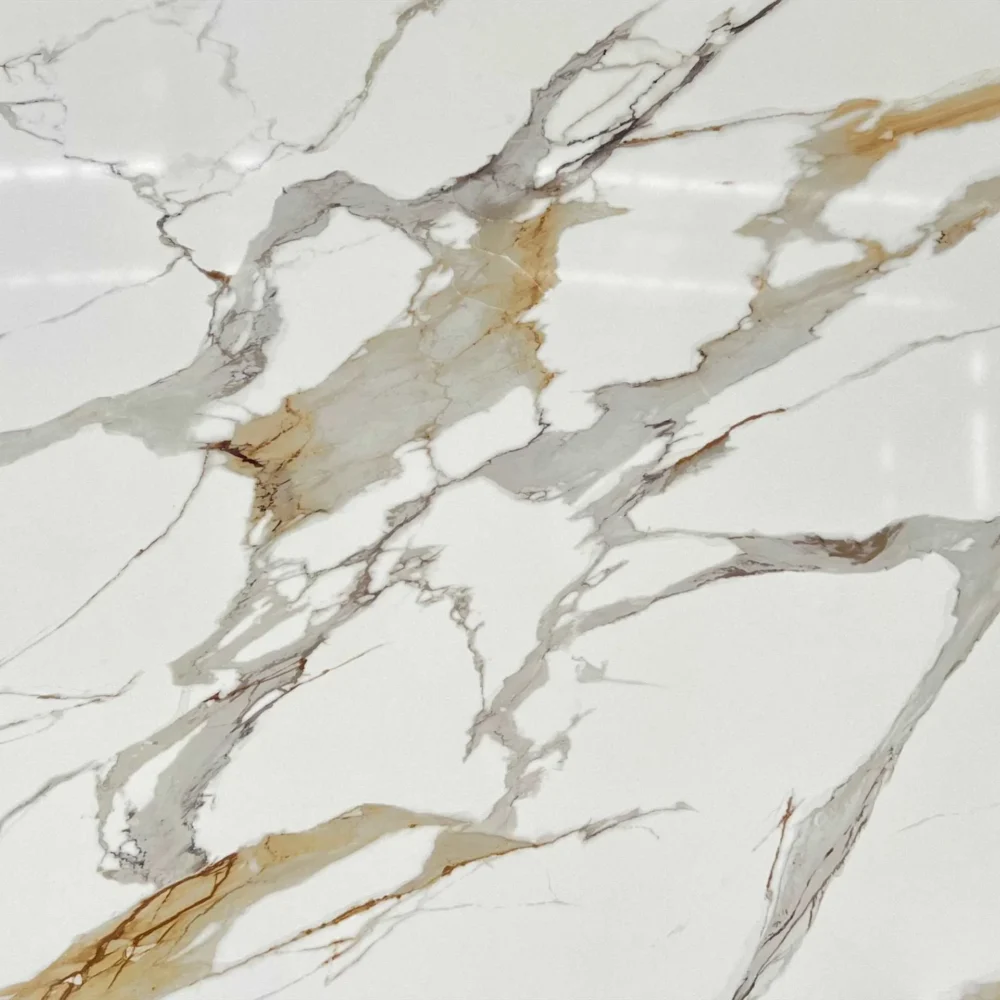
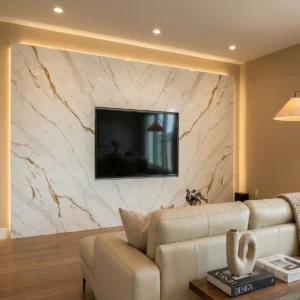
| Primary Color(s) | Bright Cool White |
| Accent Color(s) | Soft Blue-Grey Vein + Faint Lavender Cloud |
| Craft | Regular |
| Finishes | Polished / Honed / Suede / Leathered |
| Customized Size | 138″ × 79″ / 126″ × 63″ / Customizable |
| Thickness | 20mm/30mm/Customizable |
| Edge Style | Eased polished edge/2+2cm laminated edge/Mitred edge |
| Full Body Quartz | Yes |
| Bookmatch Available | Yes |
| Place of Origin | Thailand |
| Port of Transportation | Thailand |
| Packaging | Foam or carton inside + strong wooden crates with reinforced straps outside and fumigation |
| Delivery time | 15-20 days / Express service is negotiable. |
| MOQ | 10 ㎡ |
| Payment terms | 30%T/T after confirm the order and the 70% T/T by copy of B/L |
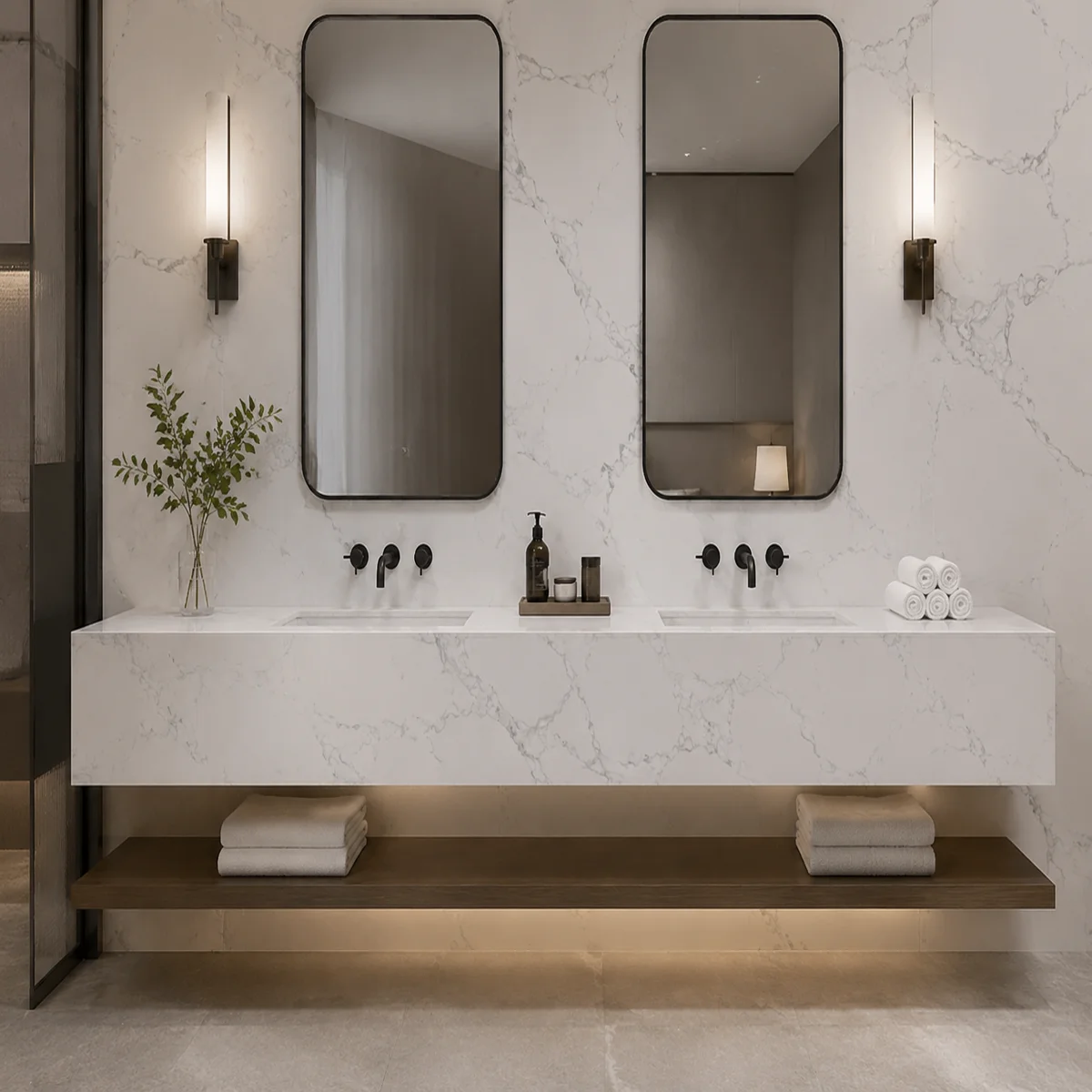
| Countertops Residential: Yes Commercial: Yes |
| Wall Residential: Yes Commercial: Yes |
| Flooring Residential: Yes Commercial: Yes |
Blue quartz is considered relatively uncommon compared with clear, white, or smoky quartz, especially when it comes to naturally occurring blue crystals.
Natural blue quartz is rare because quartz itself is usually colorless or white. A true blue color typically comes from specific mineral inclusions, microscopic structures, or unique geological conditions. Some varieties, such as deep blue or evenly colored crystals, are much harder to find.
However, in the countertop industry, blue quartz slabs are not limited by the availability of natural blue quartz. Engineered quartz manufacturers can create blue designs using pigments, mineral blends, and advanced surface technologies. This allows designers to achieve popular looks such as:
These engineered options are becoming more popular in luxury kitchens, bathroom vanities, hospitality projects, and feature walls because they offer a unique color while keeping the durability and low maintenance of quartz.
So, if you mean natural blue quartz crystals, they are quite rare. If you mean blue quartz countertops, they are more accessible and available in many custom designs. The rarity depends more on the pattern, realism, and production quality rather than the blue color itself.
Technically, yes, quartz can have natural blue inclusions—especially when it contains trace minerals like dumortierite or iron compounds—but it’s not blue quartz as most people think. Natural quartz crystals are typically clear, white, or smoky. Blue coloration in natural quartz usually comes from impurities or radiation exposure, and even then, it’s rare and typically appears in small amounts. The kind of vivid blue you see in countertops? That’s not natural. It’s engineered. Manufacturers add pigments during the mixing process to create blue hues. So while a tiny blue quartz crystal might exist in nature, it’s not commercially viable for countertops. If you’re looking at a blue quartz slab, it’s 99.9% engineered stone. The ‘natural’ blue quartz you might find online is usually either mislabeled or a gemstone, not a material for kitchen surfaces.
Your trusted quartz
manufactory since 1989.
Our team is available 24/7.