


- Home
- Quartz
- Quartz Slabs
- Calacatta Gold Quartz Countertops GQ-T288 for Wholesale
Calacatta Gold Quartz Countertops GQ-T288 for Wholesale
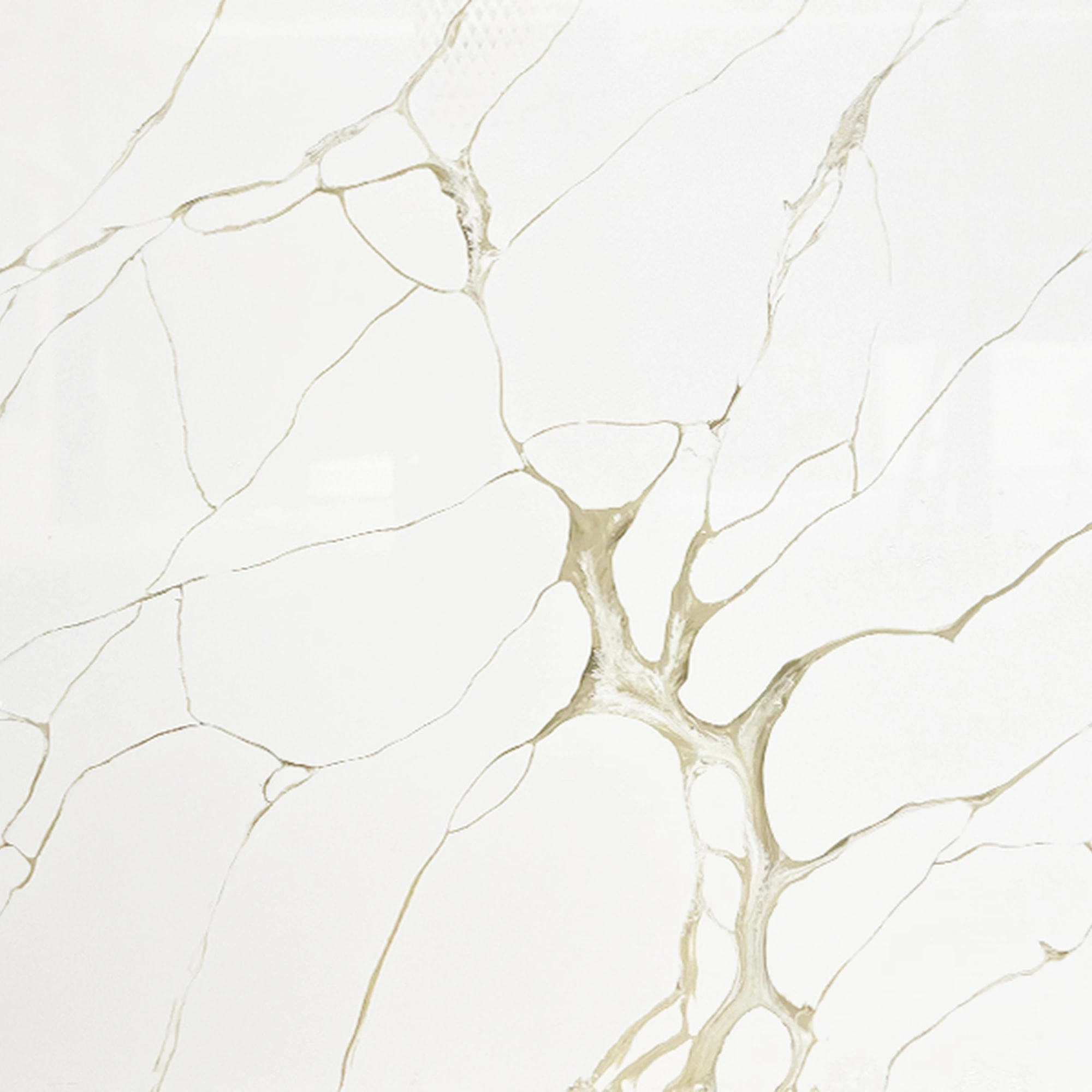
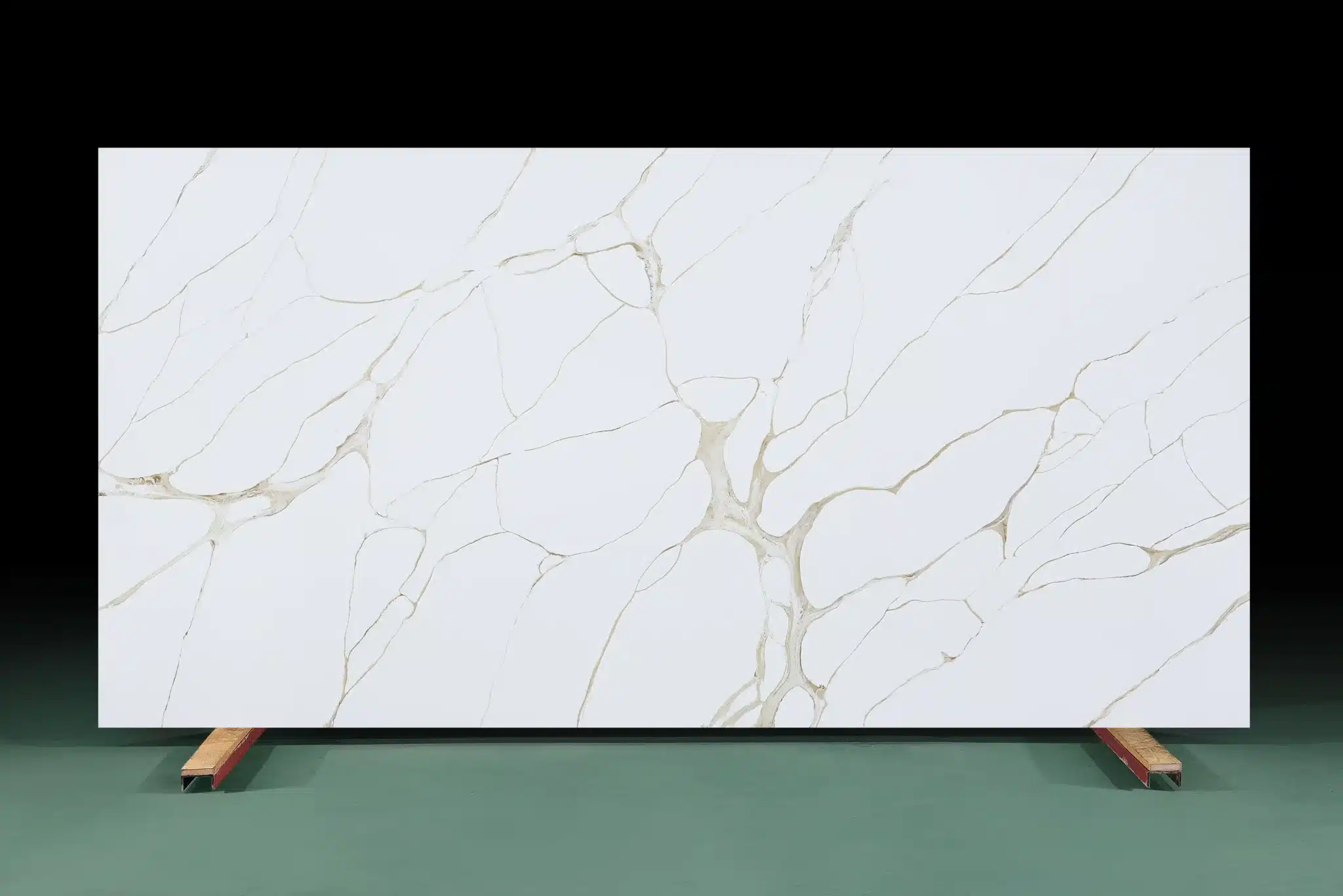
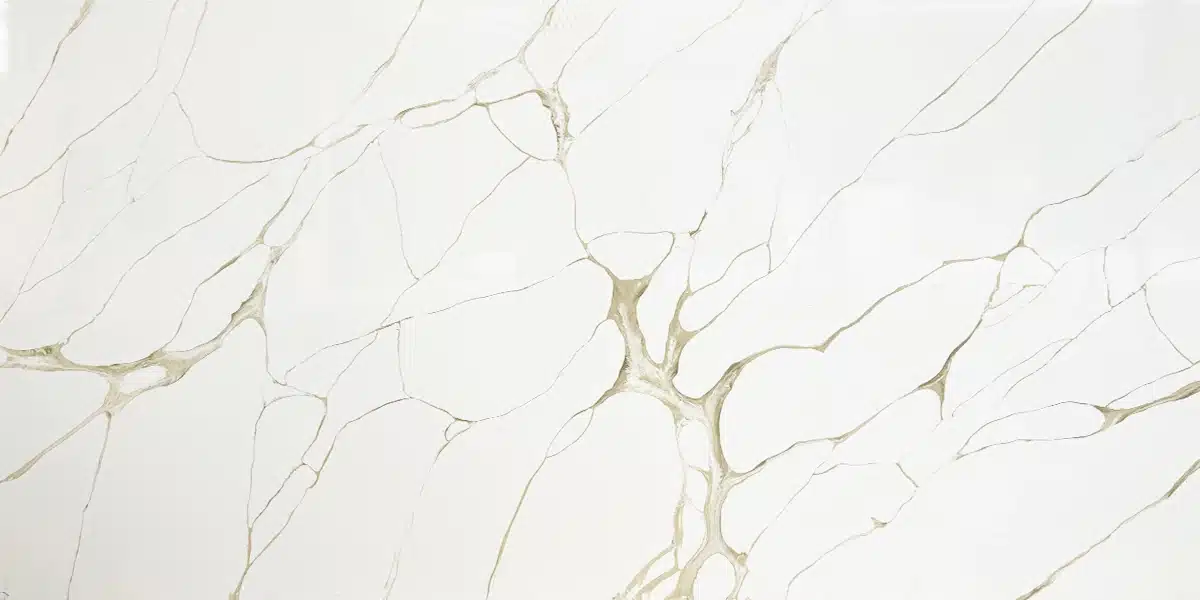
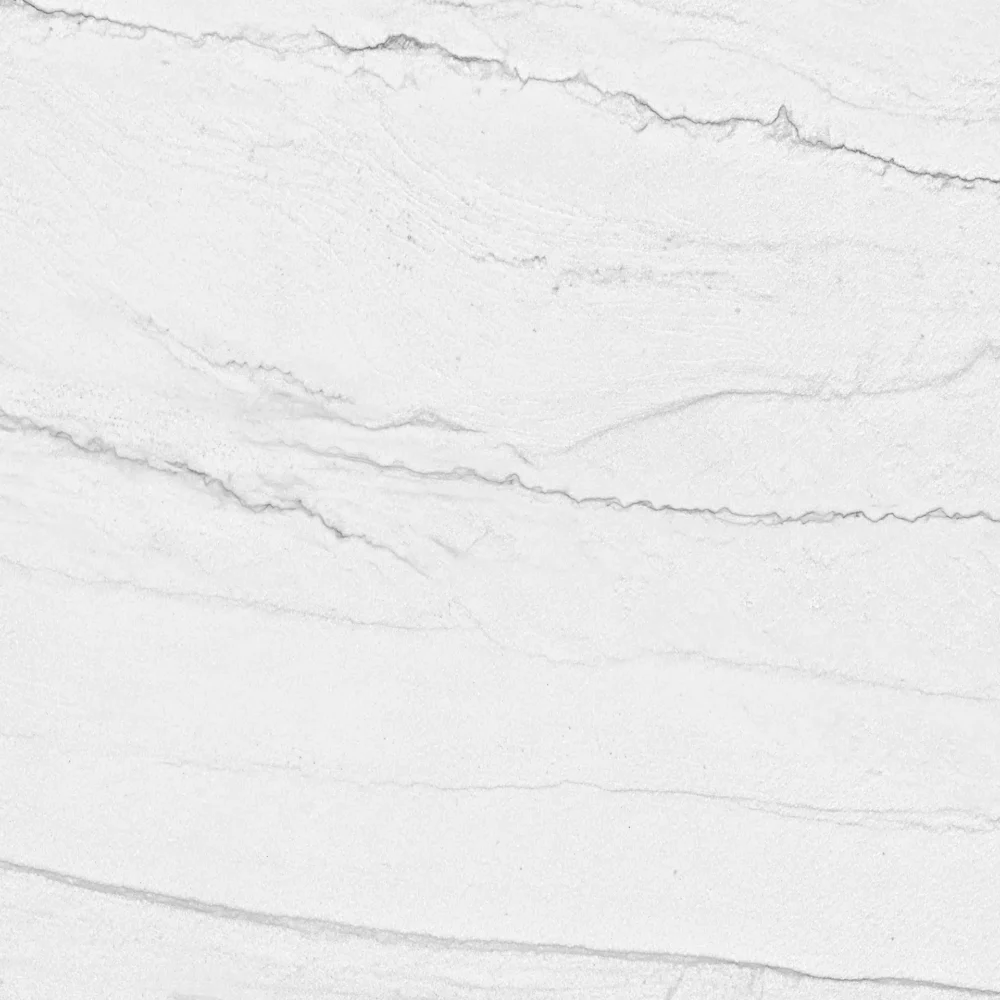
| Primary Color(s) | Bright Pure White |
| Accent Color(s) | Soft Warm Champagne Gold Vein |
| Craft | Regular |
| Finishes | Polished / Honed / Suede / Leathered |
| Customized Size | 138″ × 79″ / 126″ × 63″ / Customizable |
| Thickness | 20mm/30mm/Customizable |
| Edge Style | Eased polished edge/2+2cm laminated edge/Mitred edge |
| Full Body Quartz | Yes |
| Bookmatch Available | Yes |
| Place of Origin | Thailand |
| Port of Transportation | Thailand |
| Packaging | Foam or carton inside + strong wooden crates with reinforced straps outside and fumigation |
| Delivery time | 15-20 days / Express service is negotiable. |
| MOQ | 10 ㎡ |
| Payment terms | 30%T/T after confirm the order and the 70% T/T by copy of B/L |
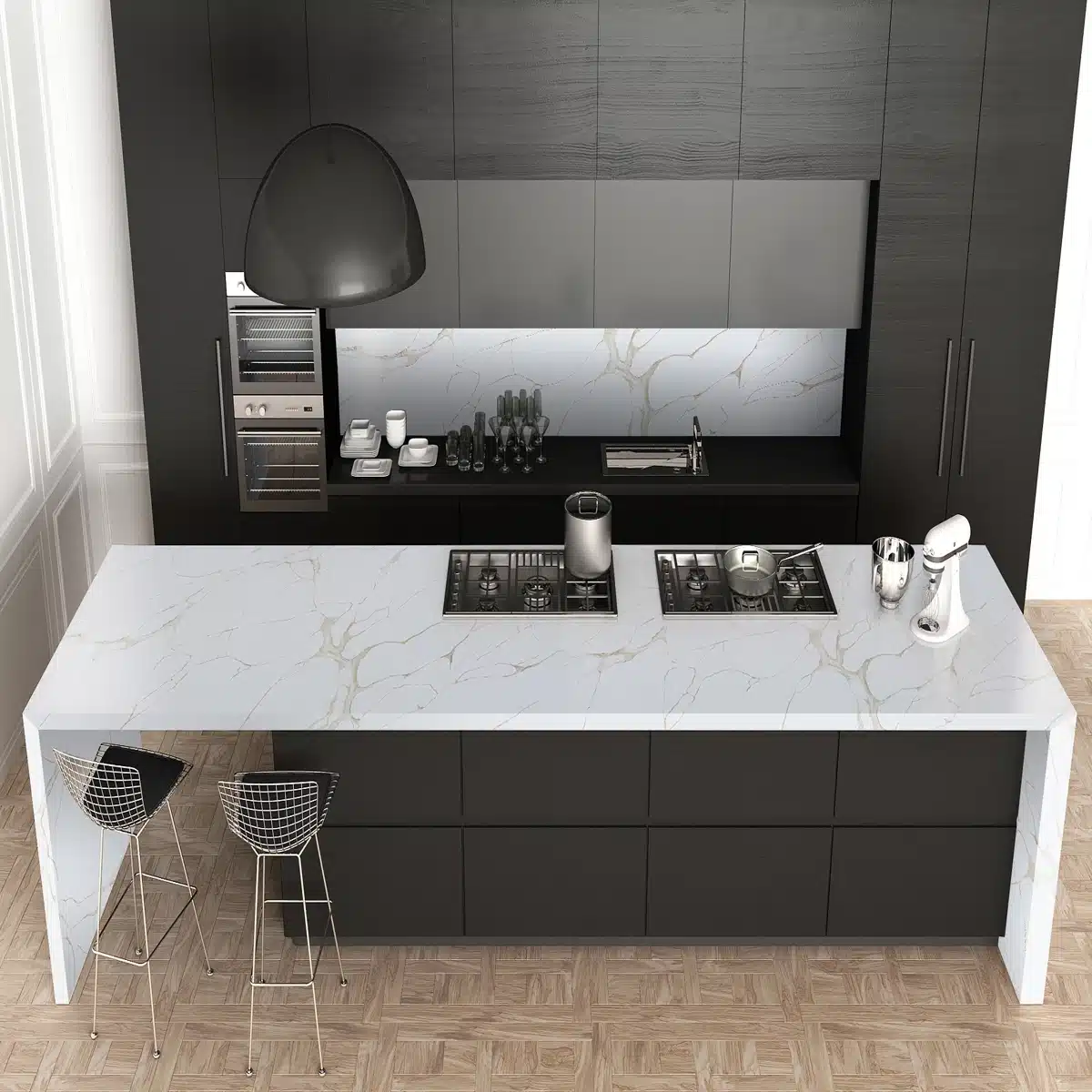
| Countertops Residential: Yes Commercial: Yes |
| Wall Residential: Yes Commercial: Yes |
| Flooring Residential: Yes Commercial: Yes |
Description:
Frequently asked questions
Quartz with sparkles -- dated? or loved?
Quartz with sparkles—like the white sparkle or glitter white sparkle varieties—isn’t dated; it’s a bold design choice that’s still popular in certain contexts. From a fabricator’s standpoint, sparkly quartz works well in commercial kitchens, high-traffic areas, or modern spaces where you want a pop of visual interest. The glitter effect comes from embedded minerals like mica or glass, which catch light and add depth. However, it’s not for everyone—some homeowners find it too flashy for a minimalist or traditional kitchen. That said, if you’re going for a contemporary, energetic look (think cafés, bakeries, or open-concept homes), sparkly quartz can elevate the space. Just know it’s not as neutral as solid white or veined quartz. Installation-wise, it behaves like any other quartz—resistant to stains and heat—but the sparkle can show scratches more easily under certain lighting. So, it’s loved by some, avoided by others. It’s not outdated, but it’s definitely a statement piece.
Does the color of quartz affect the price?
Yes, the color of quartz can affect the price—especially when it comes to high-demand patterns or specialty finishes. For example, pure white or neutral gray quartz is typically more affordable because it’s widely produced and in high volume. On the other hand, colors like Calacatta Gold, Taj Mahal dupe quartz, or sparkly white variants often cost more due to complex printing, higher pigment use, or premium branding. Additionally, colors with heavy veining, gold flecks, or full-body printing (like ‘quartzite look’ slabs) require advanced manufacturing, which drives up the cost. But here’s the practical truth: most price differences come from the brand and slab size, not just the color. A large super jumbo slab of any color will cost more than a standard 10-foot piece. So while color plays a role, it’s usually secondary to material thickness, slab size, and brand reputation. If you’re budgeting, stick to low-variation whites or grays—unless the sparkle or veining is a must-have for your design.
Is quartz better quality than granite?
Quartz is generally better quality than granite for most homeowners—especially in kitchens. As an engineered stone, quartz is non-porous, so it doesn’t need sealing, resists stains better, and is less prone to bacterial growth. Granite, being natural stone, has inherent pores and requires regular sealing. Quartz is also more consistent in color and pattern, which is great for large installations or when matching multiple slabs. But there’s a trade-off: quartz can be more brittle than granite and may chip or scratch under extreme impact, especially around edges. Granite, while harder, can be more susceptible to etching from acidic substances. From a contractor’s perspective, quartz is easier to maintain and install—no sealing, fewer maintenance concerns—but it can’t be refinished like granite. So, yes, quartz is typically better in terms of durability, hygiene, and low-maintenance performance. But for high-end, custom applications where unique natural veining matters, granite still has its place.
What color is Carrara quartz?
Carrara quartz is typically a soft, creamy white with subtle gray veining—often mimicking the look of natural Carrara marble. The veins are usually light to medium gray, sometimes with slight blue undertones, and they run in irregular patterns across the surface. Unlike pure white quartz, Carrara quartz has a more organic, natural feel due to the veining, which adds depth and character. It’s not a solid color—it’s more of a marble-like design. Some versions have a warm undertone, while others are cooler and brighter. In fabrication, it’s popular for kitchens and bathrooms because it pairs well with both white and light wood cabinets. It’s important to note that Carrara quartz is engineered, so the veining is consistent across slabs—unlike natural Carrara marble, which varies widely. If you’re looking for a classic, timeless look with a touch of elegance, Carrara quartz delivers that, but without the sealing or etching risks of real marble.