



- Home
- Quartz
- Quartz Slabs
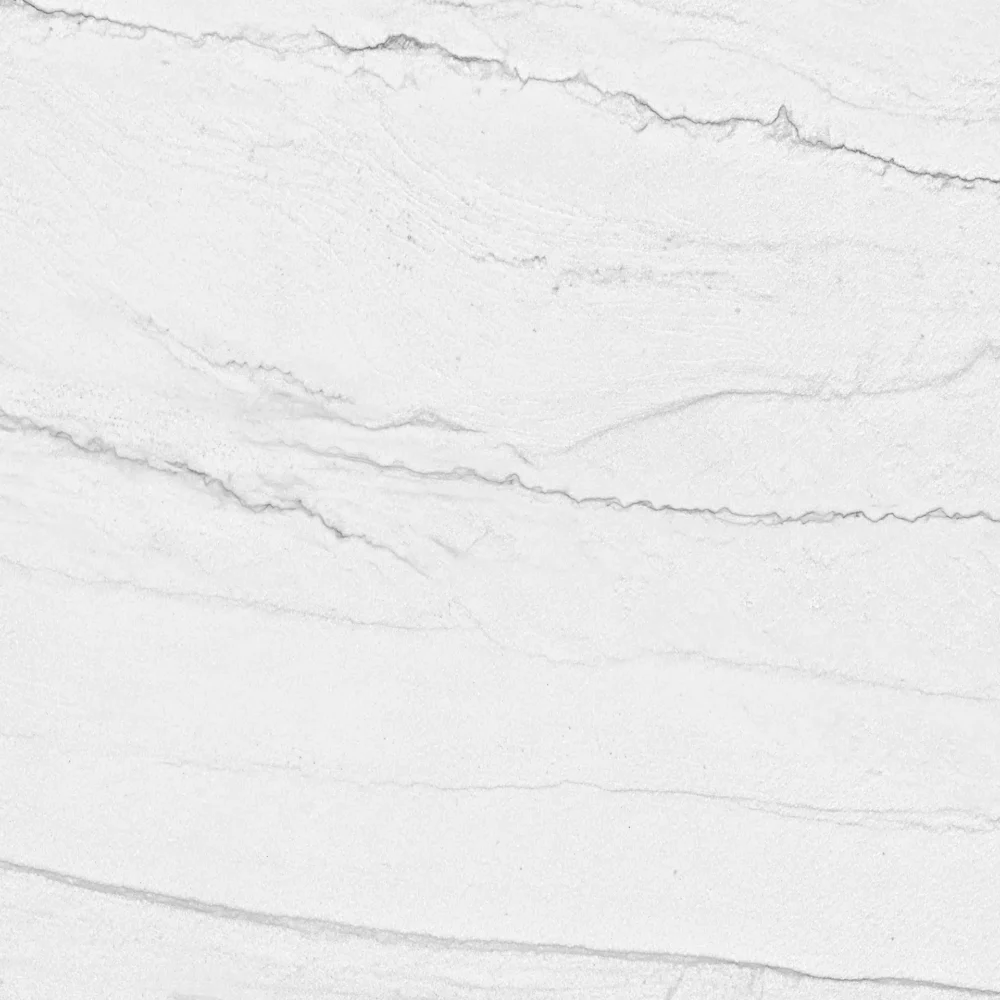
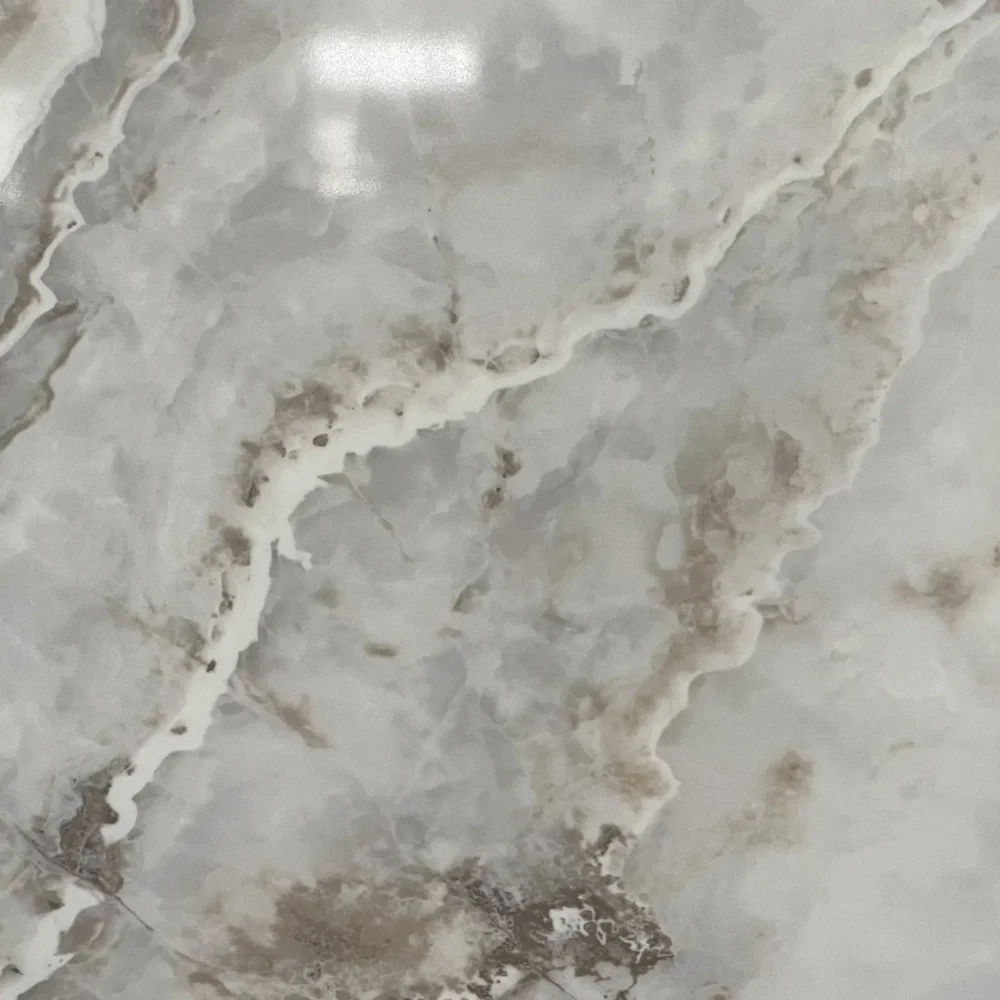
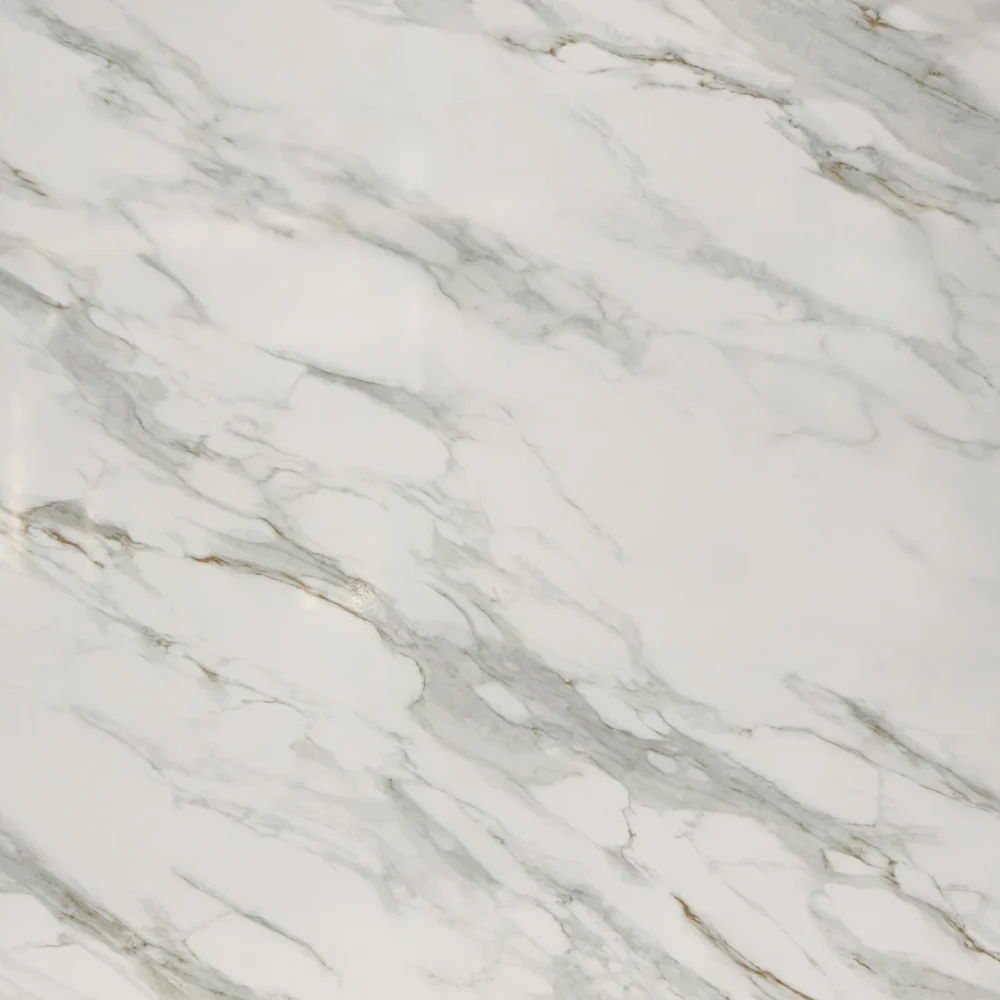
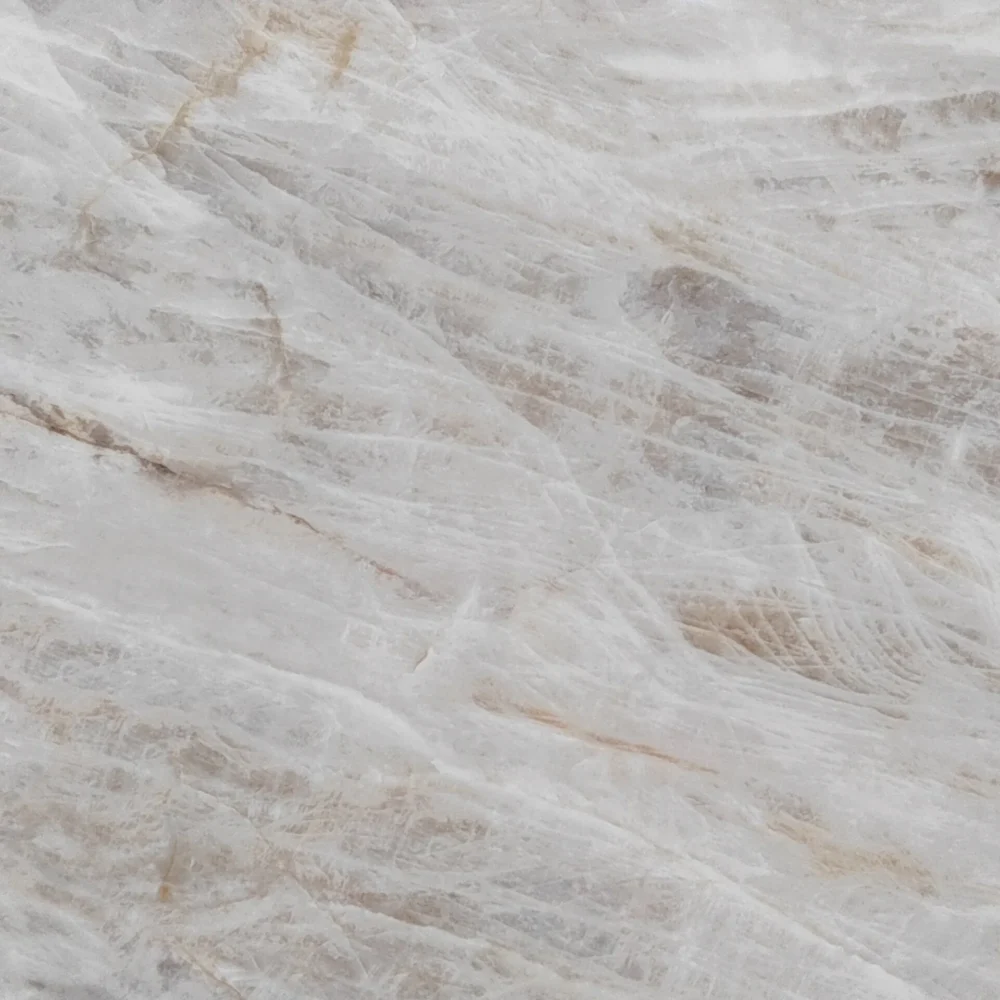
- Calacatta Ocean Wave Quartz Countertops GQ-T419 for Wholesale
Calacatta Ocean Wave Quartz Countertops GQ-T419 for Wholesale
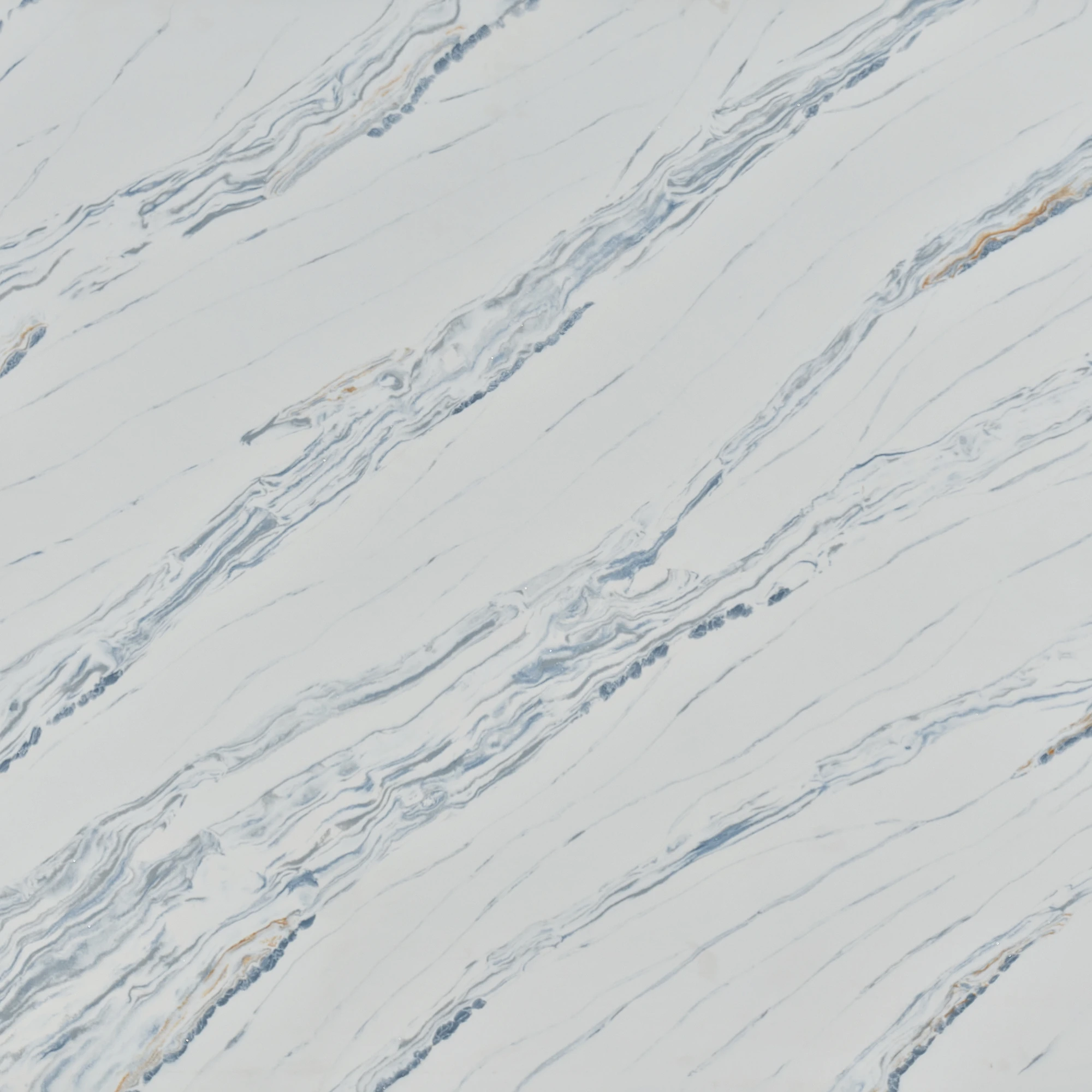
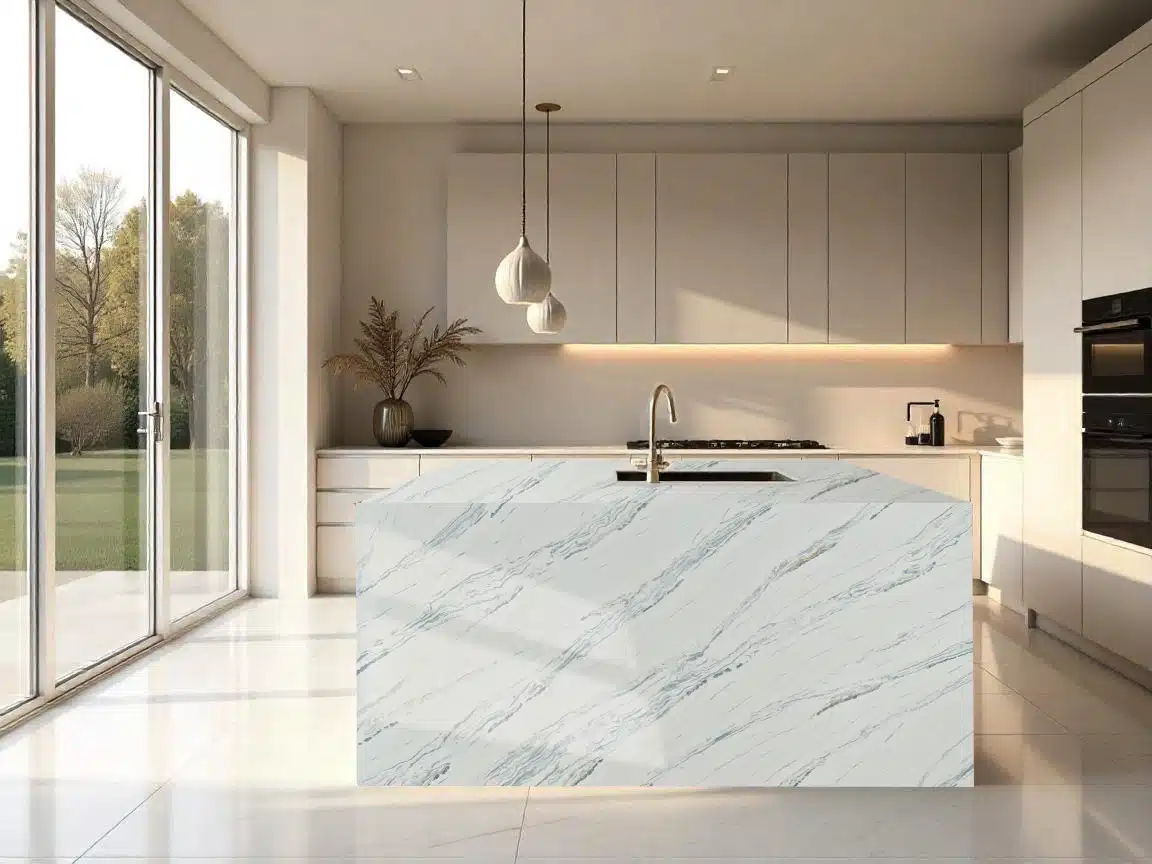
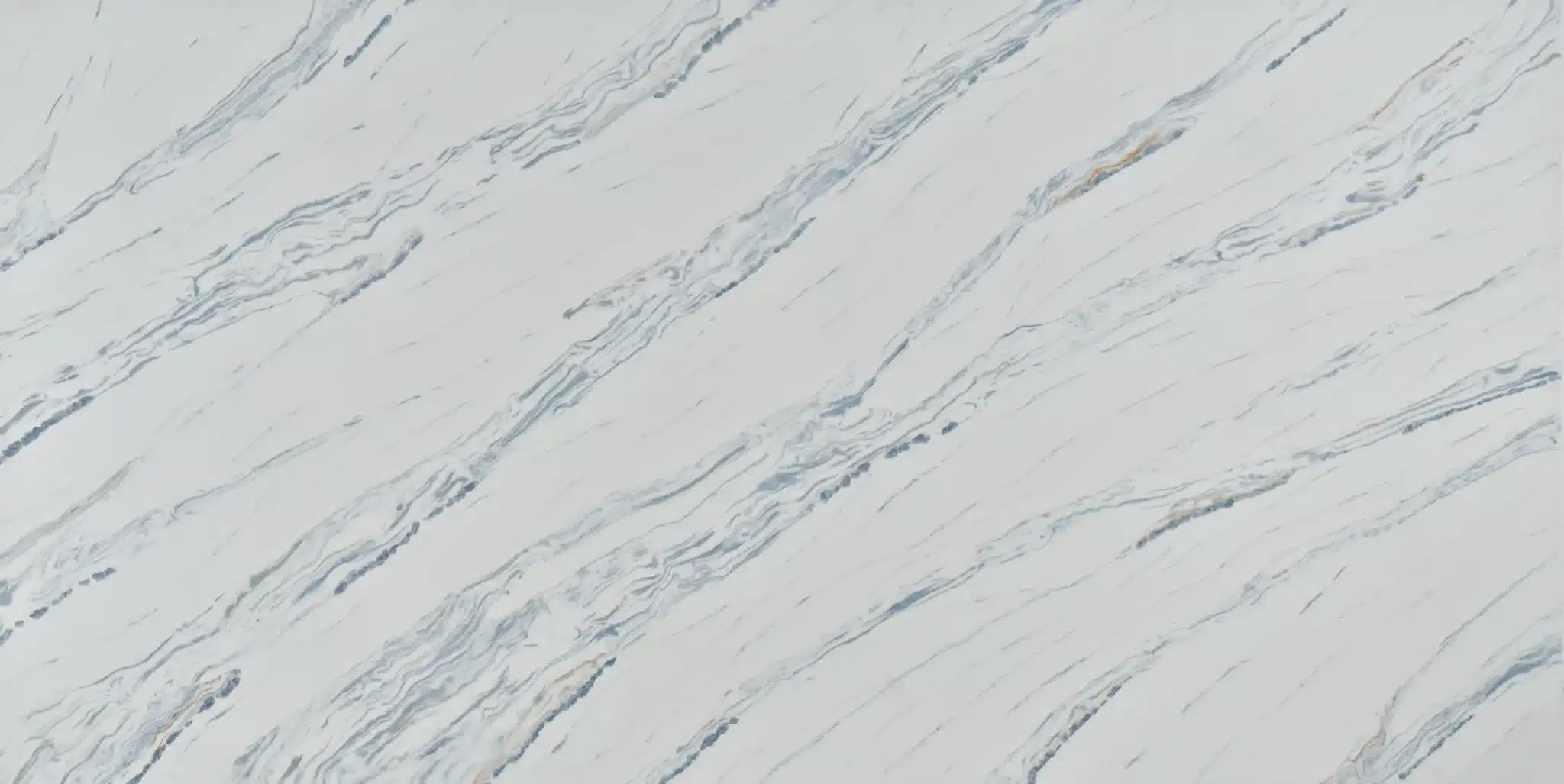
| Primary Color(s) | Pale Icy White |
| Accent Color(s) | Cool Blue-Grey Vein + Warm Gold Accent |
| Craft | Regular |
| Finishes | Polished / Honed / Suede / Leathered |
| Customized Size | 138″ × 79″ / 126″ × 63″ / Customizable |
| Thickness | 20mm/30mm/Customizable |
| Edge Style | Eased polished edge / 2+2cm laminated edge / Mitred edge |
| Full Body Quartz | Yes |
| Bookmatch Available | Yes |
| Place of Origin | Thailand |
| Port of Transportation | Thailand |
| Packaging | Foam or carton inside + strong wooden crates with reinforced straps outside and fumigation |
| Delivery time | 15-20 days / Express service is negotiable. |
| MOQ | 10 ㎡ |
| Payment terms | 30%T/T after confirm the order and the 70% T/T by copy of B/L |
| Countertops Residential: Yes Commercial: Yes |
| Wall Residential: Yes Commercial: Yes |
| Flooring Residential: Yes Commercial: Yes |
Description:
Frequently asked questions
How to activate crystal ball?
First off, if you’re talking about a ‘blue quartz crystal ball’ as a countertop or decorative piece, activation rituals are irrelevant. This isn’t a metaphysical tool—it’s a manufactured stone product. That said, if someone insists on ‘activating’ it spiritually, they might cleanse it with sage, moonlight, or sound. But in practical terms, the only ‘activation’ needed is installing it properly. For engineered quartz slabs, ensure your fabricator uses proper adhesives and sealing techniques. If you’re using it as a kitchen surface, activate it by cleaning it with mild soap and water—no crystals or moonlight required. The real ‘activation’ is putting it into use: a clean, durable surface for cooking, prepping, or just looking good. Don’t waste time on rituals. Focus on the installation, maintenance, and longevity of the material. That’s the real magic.
Can you tell the difference between a real crystal ball and ?
The question is missing the second half, but assuming it’s asking about a real crystal ball versus a fake one—yes, you can tell the difference, but only if you’re looking at a real crystal specimen, not a countertop. In reality, most ‘crystal balls’ sold today are not real quartz spheres. They’re typically made from glass, acrylic, or dyed quartzite. Real quartz crystal balls are rare, often no bigger than a golf ball, and have natural inclusions, slight color variations, and imperfections. If it’s perfectly round, uniformly blue, and has a smooth, glass-like finish, it’s likely artificial. Also, real quartz is denser and colder to the touch. But here’s the catch: if you’re talking about a ‘blue quartz crystal ball’ as a countertop design, it’s not a crystal ball at all—it’s engineered stone. The ‘crystal’ part is metaphorical. So unless you’re holding a tiny, natural quartz sphere, what you’re likely dealing with is a manufactured product. Check the material specs, not the aura.
How does one tell the difference between a real Crystal ball and a fake one? Or where does one buy a genuine crystal ball?
This is a common confusion rooted in marketing hype. A ‘real crystal ball’ made of natural quartz is extremely rare and typically small—think the size of a marble, not a countertop slab. If you’re looking at a ‘blue quartz crystal ball’ for a kitchen or bathroom, it’s not a real crystal ball. It’s engineered quartz with blue pigments or a dyed stone. Real quartz crystal balls have natural imperfections, inclusions, and uneven coloration. Fake ones—often glass or acrylic—are perfectly clear, uniform, and sometimes too shiny. To verify authenticity, check for density, internal flaws, and origin. Most ‘crystal balls’ sold online are decorative glass. As for where to buy a genuine one, reputable mineral dealers or rock shops may carry small natural quartz spheres, but they’re not for countertops. If you want blue quartz for a surface, go to a stone supplier and ask for engineered quartz with blue veining—like a Calacatta-style slab with blue accents. Don’t expect a crystal ball from a fabricator. That’s not how countertops work.