



- Home
- Quartz
- Quartz Slabs
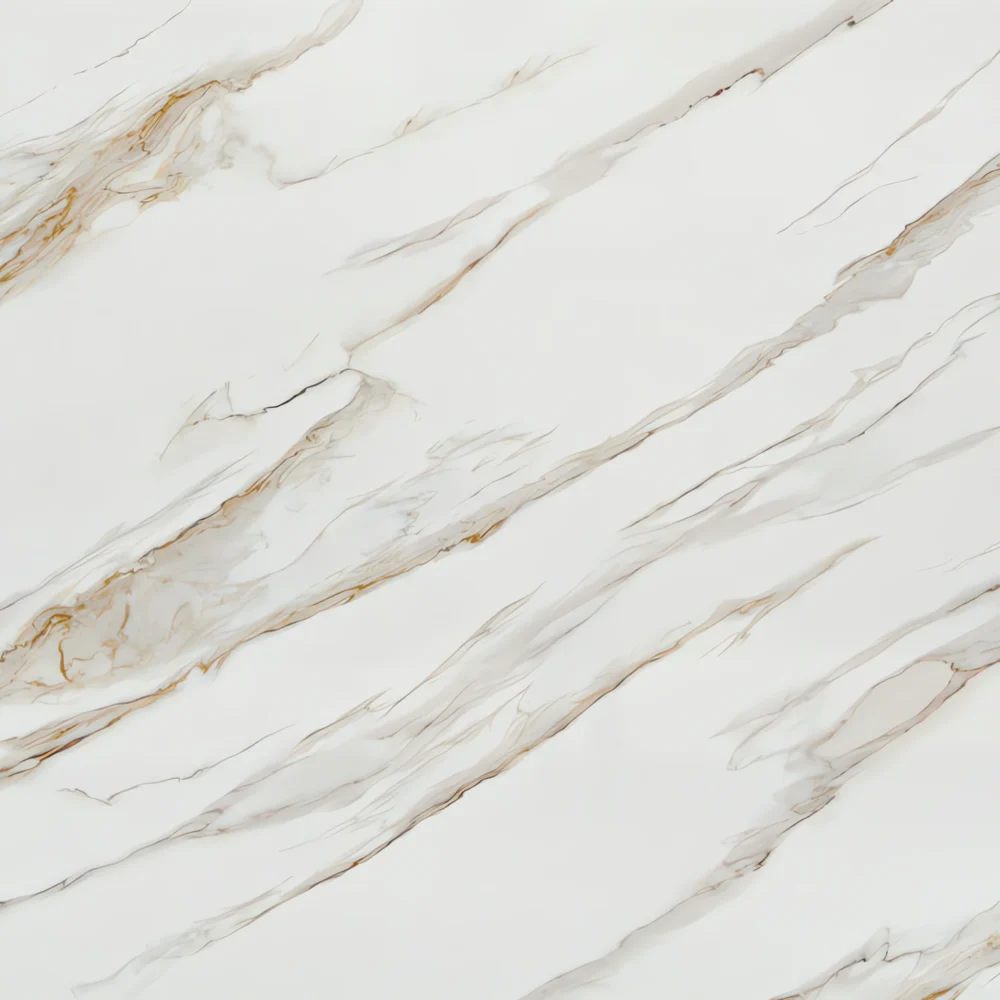
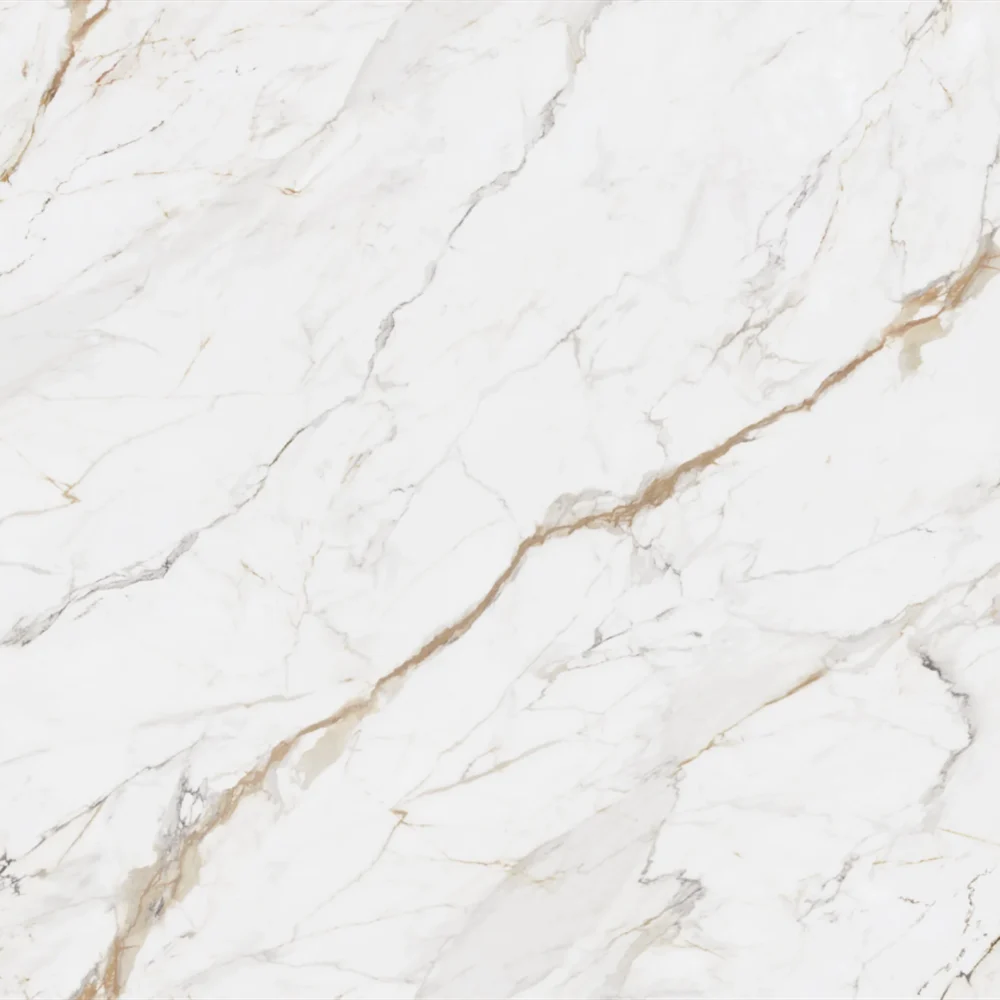
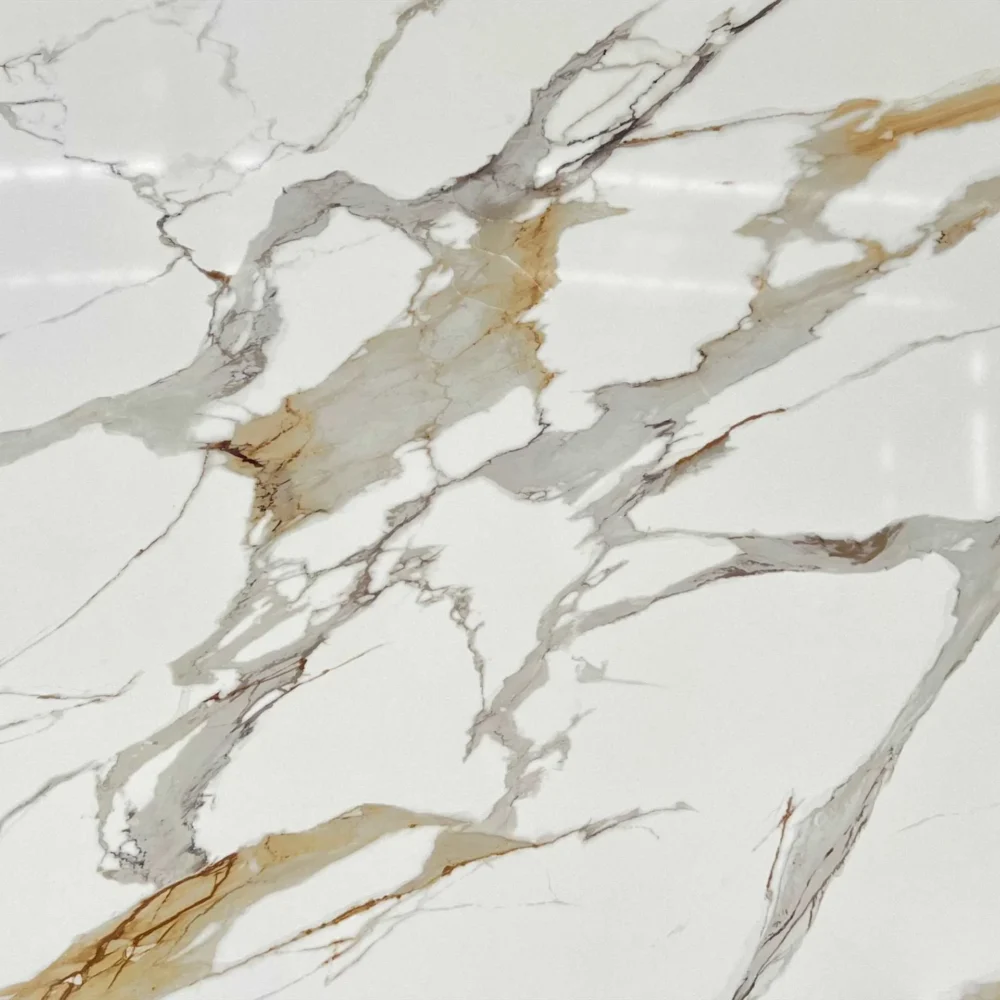
- Calacatta Gold Quartz GQ-T251 for Wholesale
Calacatta Gold Quartz GQ-T251 for Wholesale
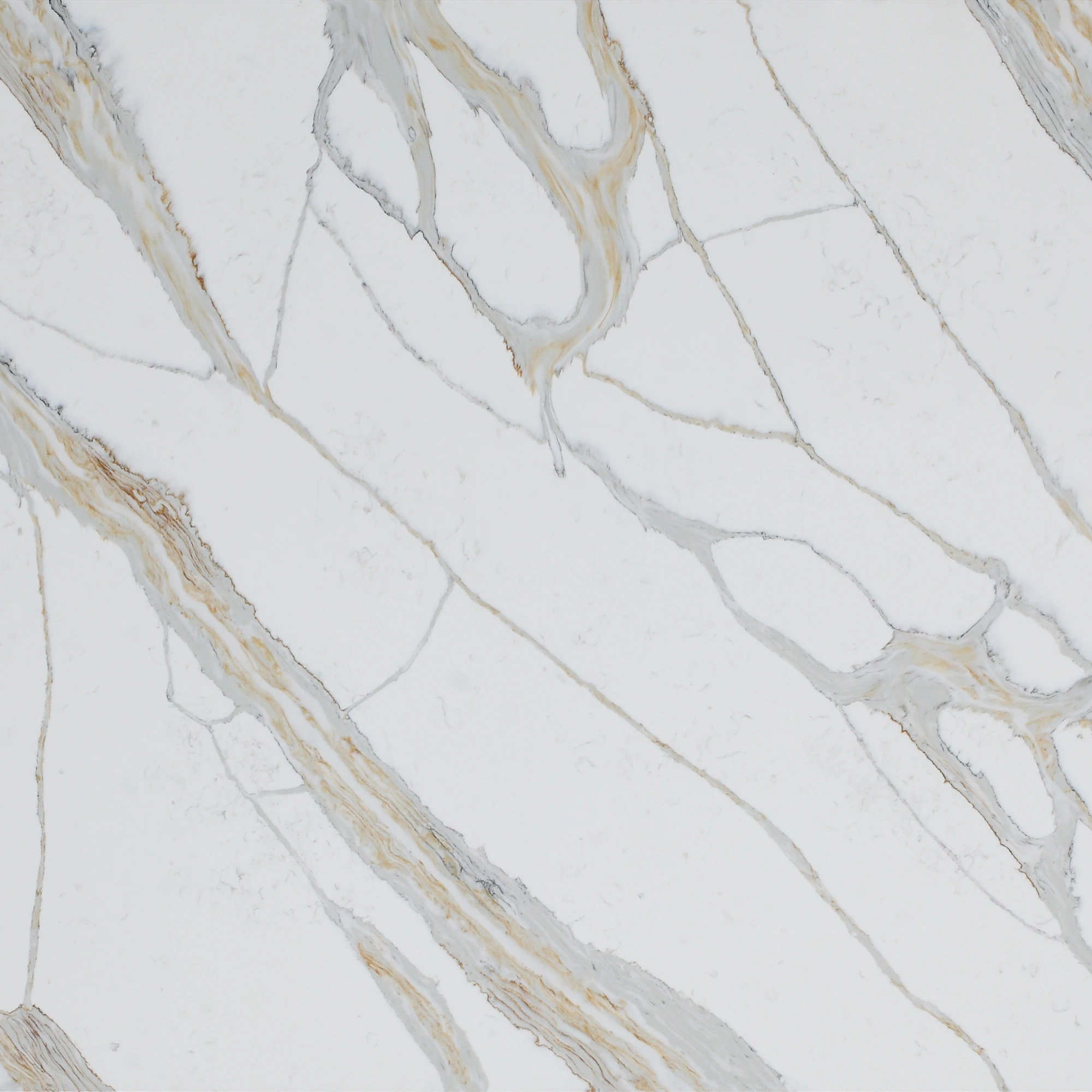
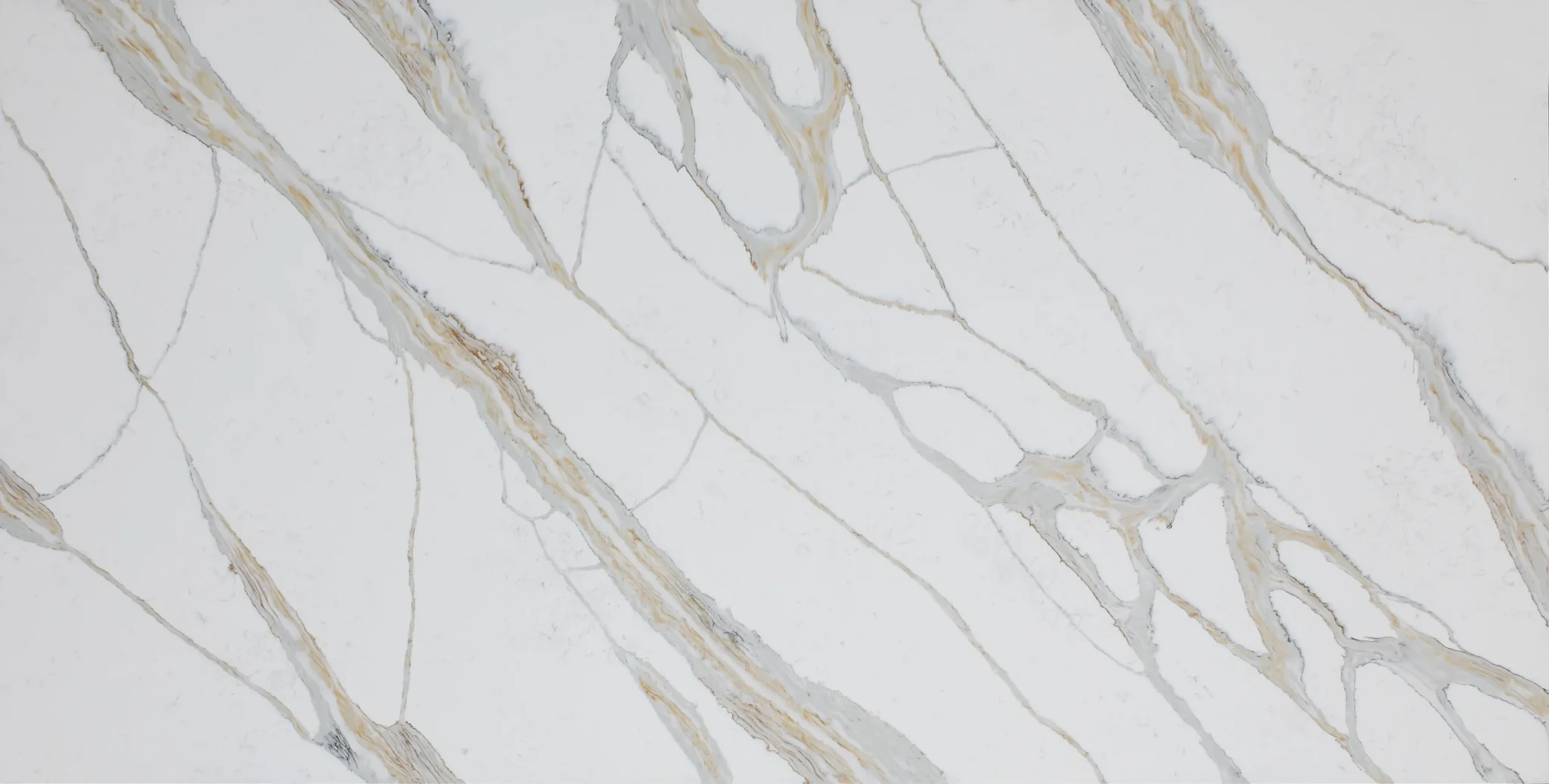
| Primary Color(s) | Bright White |
| Accent Color(s) | Cool Grey + Charcoal Grey + Golden-Honey Veins |
| Craft | Regular |
| Finishes | Polished / Honed / Suede / Leathered |
| Customized Size | 138″ × 79″ / 126″ × 63″ / Customizable |
| Thickness | 20mm/30mm/Customizable |
| Edge Style | Eased polished edge/2+2cm laminated edge/Mitred edge |
| Full Body Quartz | Yes |
| Bookmatch Available | Yes |
| Place of Origin | Thailand |
| Port of Transportation | Thailand |
| Packaging | Foam or carton inside + strong wooden crates with reinforced straps outside and fumigation |
| Delivery time | 15-20 days / Express service is negotiable. |
| MOQ | 10 ㎡ |
| Payment terms | 30%T/T after confirm the order and the 70% T/T by copy of B/L |
| Countertops Residential: Yes Commercial: Yes |
| Wall Residential: Yes Commercial: Yes |
| Flooring Residential: Yes Commercial: Yes |
Description:
Frequently asked questions
Grand Quartz Tech Calacatta Gold quartz?!?
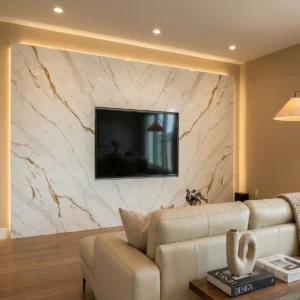
Yeah, Grand Quartz Tech makes a Calacatta Gold quartz — it’s not marble, but a full-body printed quartz designed to echo the high-contrast white base and warm gold veining of Italian Calacatta.
The print runs through the slab, so edge profiles and mitered corners show consistent veining, which helps with visual continuity.
But that also means the pattern repeats — same across every slab.
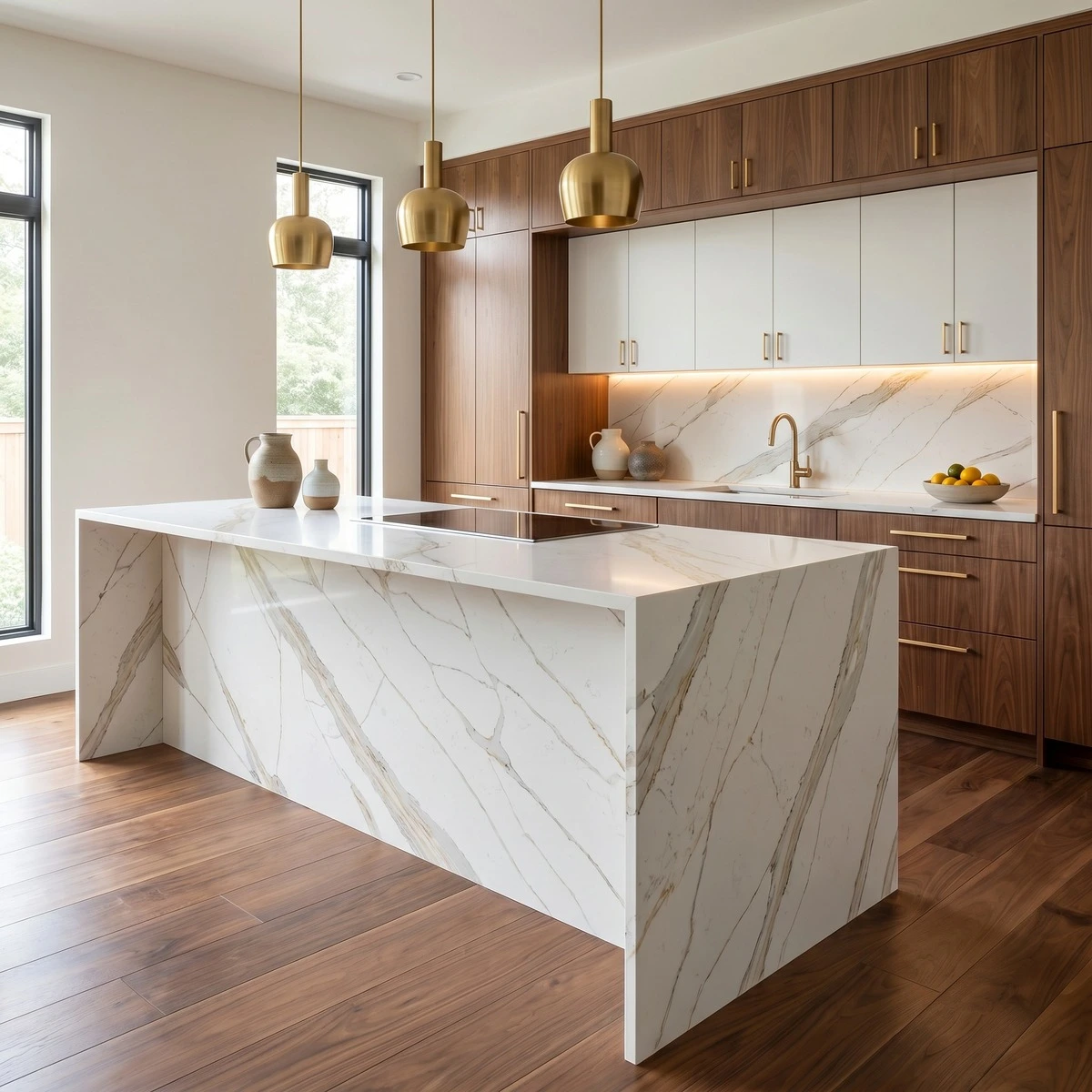
Most fabricators appreciate how predictable it is to cut and seam, especially on large kitchen islands or backsplashes.
Installers will tell you: lighting matters.
Under cool LED, some gold tones can look muted; under warm light, they pop — so mock-ups help.
Polished finish shows fingerprints more on darker veins; honed softens that but needs more frequent wipe-downs in kitchens.
And while it handles daily use fine, avoid thermal shock — no direct hot pans.
If you’re bookmatching or doing waterfall ends, GQ’s Thailand factory can supply matched slabs from the same production run, which cuts down on visible pattern jumps.
Just confirm batch numbers before cutting.
What is Eternal Calacatta Gold? Why Choose? — Grand Quartz Tech?
‘Eternal’ isn’t a GQ product name — it’s marketing fluff used by some brands.
Grand Quartz Tech doesn’t label its Calacatta Gold line that way.
What we do offer is a full-body printed quartz with calibrated gold veining, made in our Chonburi factory using low-silica production lines.
It’s NSF certified, so it’s safe for food prep surfaces, and SGS tested for impact and flexural strength.
Why choose it?
Because it delivers repeatable color and veining — no surprises when slabs arrive onsite.
That saves time for fabricators who hate reworking mismatched seams.
It’s also stable in humidity — important for coastal or high-moisture commercial builds.
But don’t expect marble’s variability: this is engineered consistency.
Some lots shift slightly in gold tone depending on resin batch and UV exposure during curing — so always pull samples from the actual production run you’ll install.
And while it resists stains, acidic cleaners (like vinegar-heavy sprays) can dull the polish over time.
For hospitality lobbies or spec homes where look-and-feel must hold up for years, it’s a solid call — just manage expectations on depth and movement.
What are the pros and cons of Calacatta Gold quartz?
Pros first: it’s non-porous, so coffee, wine, or mustard won’t soak in — no sealing, no etching from citrus.
Fabricators like how cleanly it cuts and polishes, especially at 3cm thickness.
The veining is printed deep enough that bullnose or ogee edges still read clearly.
Cons?
Repetition.
On long countertops or feature walls, you’ll spot the pattern loop — especially if slabs aren’t bookmatched or sequenced.
Seam visibility depends heavily on lighting angle and installer skill; busy veining hides seams better than stark white-on-white, but poor alignment telegraphs fast.
Also, polished Calacatta Gold shows smudges and water spots more than matte finishes — real-world kitchens need daily wiping.
And while it’s heat-resistant to a point, sudden thermal shock (like a cast-iron pan on a cold slab) can cause micro-fractures near edges.
GQ’s jumbo slabs (up to 138" x 79") reduce seams in big spaces, but that only helps if your shop has the saw capacity to handle them.
Bottom line: it trades marble’s soul for predictability — worth it if your priority is uptime, not uniqueness.
Why Calacatta Gold quartz Is the Perfect Blend of Luxury and ?
and practicality — but only if you define ‘’ as consistency, clean lines, and zero maintenance surprises.
Calacatta Gold quartz from Grand Quartz Tech gives designers a reliable way to deliver that marble look without the risk of staining, etching, or inconsistent veining mid-install.
In real-world kitchens, it holds up to daily abuse — kids’ juice boxes, coffee spills, knife scrapes — as long as you avoid dragging heavy pots across the surface.
Where it falls short is depth: real Calacatta has translucent layers and subtle tonal shifts that printed quartz can’t replicate.
You’ll notice it most in direct sunlight or under recessed LED — the veins sit flat, not dimensional.
Also, ‘’ gets expensive fast if you demand perfect bookmatches or custom edge treatments — those add fabrication time and waste.
GQ’s 20–30 day lead times help keep projects on schedule, and their CAD support lets fabricators verify slab layouts before cutting.
But remember: this isn’t a stone that ages gracefully like marble.
It stays uniform — for better or worse.