



- Home
- Quartz
- Quartz Slabs
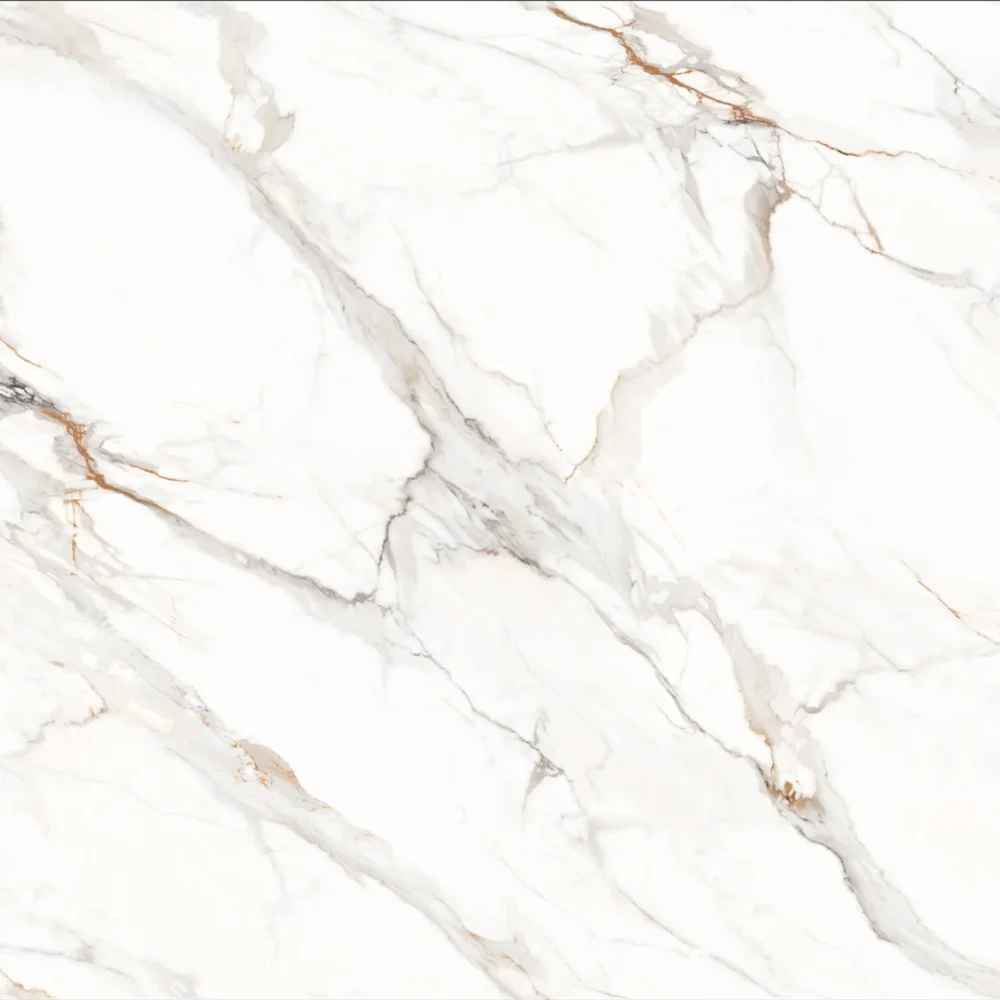
- Calacatta Gold Quartz Slab GQ-T345 for Wholesale
Calacatta Gold Quartz Slab GQ-T345 for Wholesale
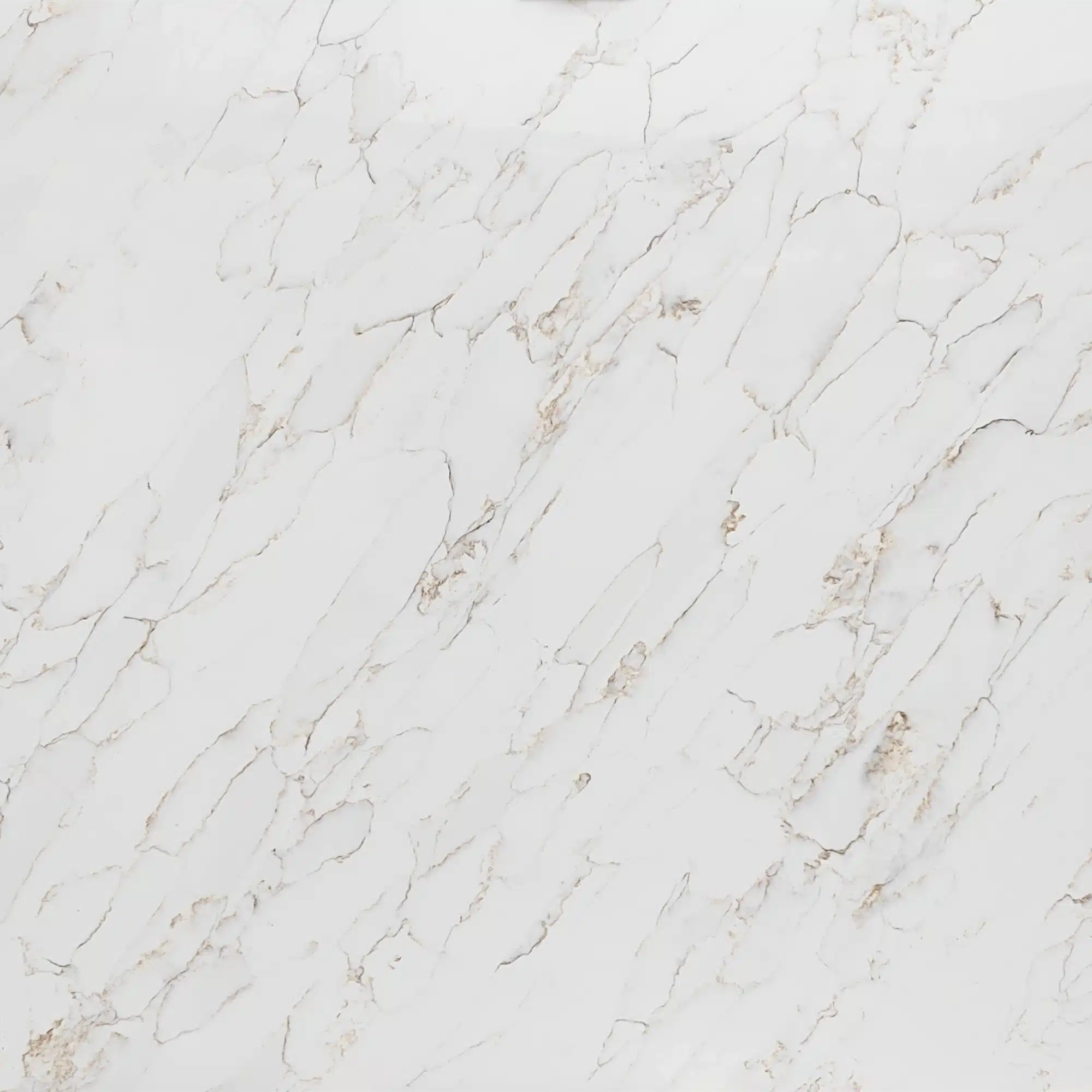
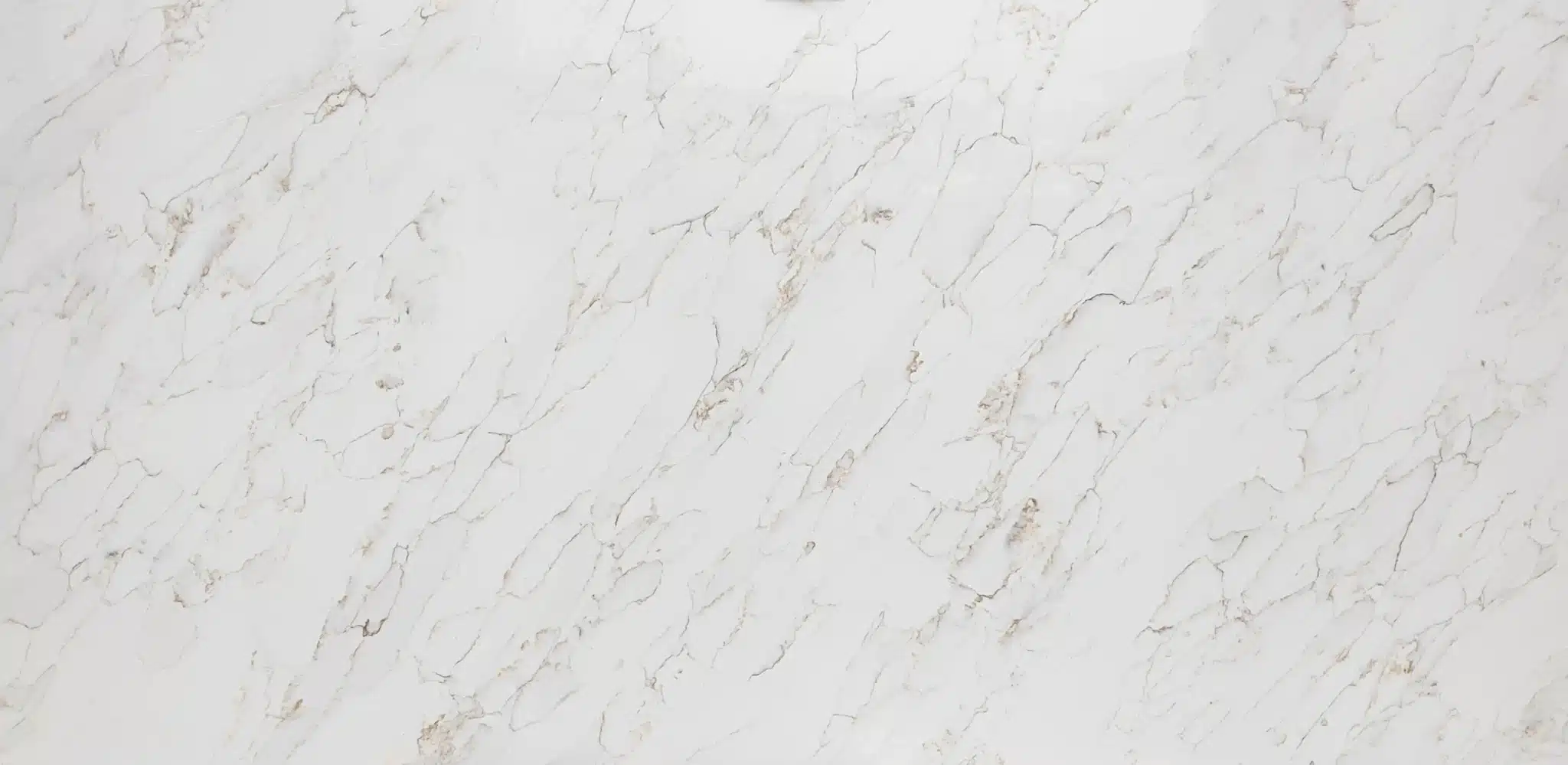
| Primary Color(s) | Pure White |
| Accent Color(s) | Soft Taupe Gray + Warm Gold Vein |
| Craft | Regular |
| Finishes | Polished / Honed / Suede / Leathered |
| Customized Size | 138″ × 79″ / 126″ × 63″ / Customizable |
| Thickness | 20mm/30mm/Customizable |
| Edge Style | Eased polished edge/2+2cm laminated edge/Mitred edge |
| Variations | Medium |
| Full Body Quartz | Yes |
| Bookmatch Available | Yes |
| Place of Origin | Thailand |
| Port of Transportation | Thailand |
| Packaging | Foam or carton inside + strong wooden crates with reinforced straps outside and fumigation |
| Delivery time | 15-20 days / Express service is negotiable. |
| MOQ | 10 ㎡ |
| Payment terms | 30%T/T after confirm the order and the 70% T/T by copy of B/L |
| Countertops Residential: Yes Commercial: Yes |
| Wall Residential: Yes Commercial: Yes |
| Flooring Residential: Yes Commercial: Yes |
Description:
Frequently asked questions
What size slab is eternal Calacatta gold?
Grand Quartz Tech’s GQ-T345 Eternal Calacatta Gold comes standard in super jumbo slabs up to 138 inches by 79 inches — the largest format widely available in the US market.
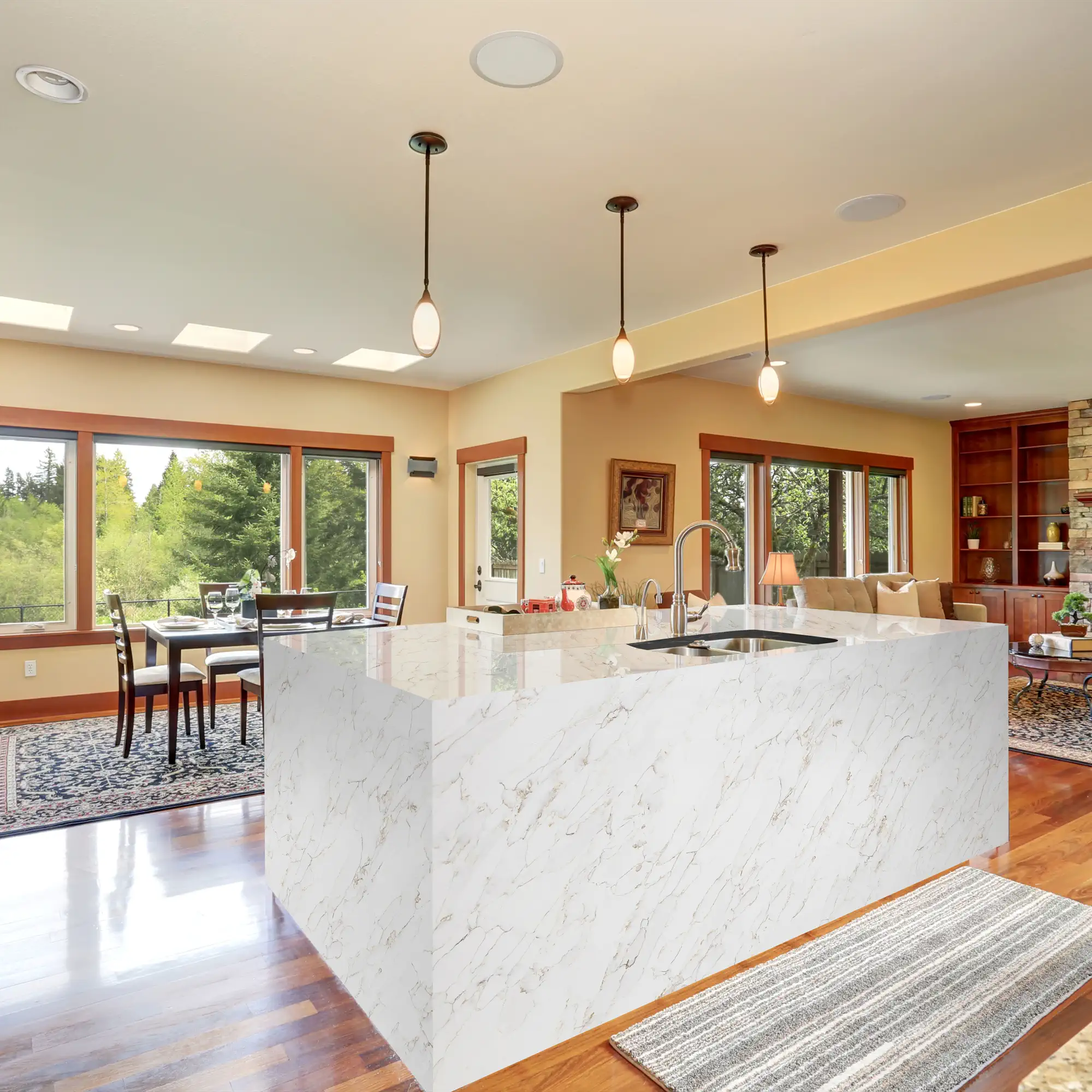
That’s a real advantage for fabricators: fewer seams on big islands, cleaner bookmatches on feature walls, and more flexibility with waterfall edges.
We also offer the 126-inch by 63-inch size for tighter job sites or when freight logistics matter.
Slab size isn’t just about convenience — it affects yield, seam placement, and how well the veining flows across joints.
Since GQ-T345 uses Full Body Quartz tech, the pattern runs through the entire thickness, so edge profiles like ogee or bullnose won’t reveal a plain core.
That matters when you’re matching veins across a 10-foot island.
Keep in mind: not all Calacatta Gold slabs are created equal.
Some imported lines use surface-only printing, which breaks at the edge.
And vein movement varies — this one’s got strong, organic flow, so layout planning with your fabricator is non-negotiable.
Always review actual slab photos before cutting.
Is Calacatta Gold still popular?
Yes — but popularity doesn’t mean it’s automatic.
In real-world kitchens, Calacatta Gold holds up best where design intent matches material character: high-contrast spaces, traditional or transitional builds, hospitality lobbies, and condos where visual impact matters.
Most fabricators will tell you it’s still requested regularly, especially when paired with warm-toned cabinetry or brass fixtures — but clients are more selective now.
They know it’s not neutral; they’re choosing it deliberately.
What’s changed is the expectation around consistency.
Natural stone buyers used to accept variation; quartz buyers expect repeatability.
GQ-T345 delivers tight control over vein density and gold tone thanks to digital print precision — no two slabs are identical, but the range stays within spec.
That said, installers often warn that busy patterns like this telegraph seams more than solid colors, and polished finishes show smudges faster on dark veins.
So it’s popular where the trade-offs are understood — not as a default, but as a considered choice.
How to Expertly Pair Grand Quartz Tech Calacatta Gold in the Kitchen?
Start with contrast control — Calacatta Gold has strong white ground and bold gold veining, so pairing it with stark white cabinets or cool-toned metals can make the space feel disjointed.
Warm whites, greiges, or even soft taupe cabinets work better because they echo the gold’s undertone without competing.
For backsplashes, keep it quiet: matte porcelain tile in off-white or light clay tones lets the countertop breathe.
Avoid anything with metallic glaze or heavy texture — it fights with the stone’s movement.
Hardware should lean warm: brushed brass or satin nickel, never chrome.
Lighting matters too — 2700K–3000K LEDs bring out the gold without washing out the white.
And remember: this is a printed quartz, not natural marble, so etching isn’t a risk — but acidic spills left too long can dull the polish over time.
Dry-wipe citrus, wine, vinegar.
Also, if you’re doing bookmatching, confirm slab lot numbers early — GQ’s Thailand facility batches slabs tightly, but variation still exists across production runs.
Layout with your fabricator before cutting.
Can I put a hot cup of coffee on my quartz countertop?
Yes — a hot mug won’t harm Grand Quartz Tech slabs.
The resin binders in our quartz hold up fine to brief, low-level heat like coffee, tea, or even a warm skillet.
But here’s what most sales sheets don’t say: thermal shock is real.
If you set down something straight from a 500°F oven — say, a cast iron pan — and leave it sitting, you risk micro-fractures or localized clouding, especially near seams or cutouts.
Polished finishes show those heat marks faster than honed or leathered ones.
Also, repeated exposure to steam or boiling water in the same spot (like under a kettle) can soften the resin over years, leading to subtle discoloration.
So while it’s technically safe, we treat it like any engineered surface: use trivets for anything hotter than hand-hot, and avoid letting heat dwell.
Fabricators report fewer issues with GQ’s low-silica production lines — less resin volatility means better thermal stability — but it’s still smart practice.
Bottom line: enjoy your coffee, but don’t treat the counter like a stovetop.