



- Home
- Quartz
- Quartz Slabs
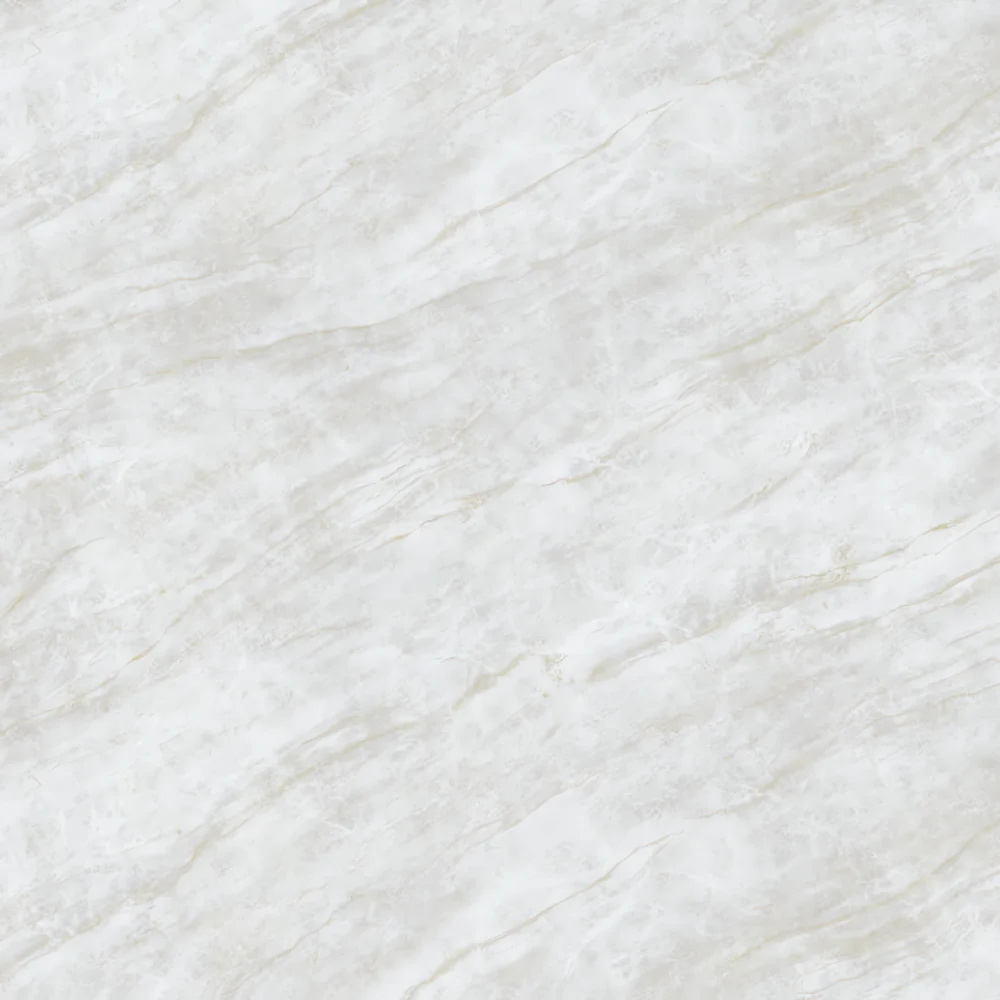
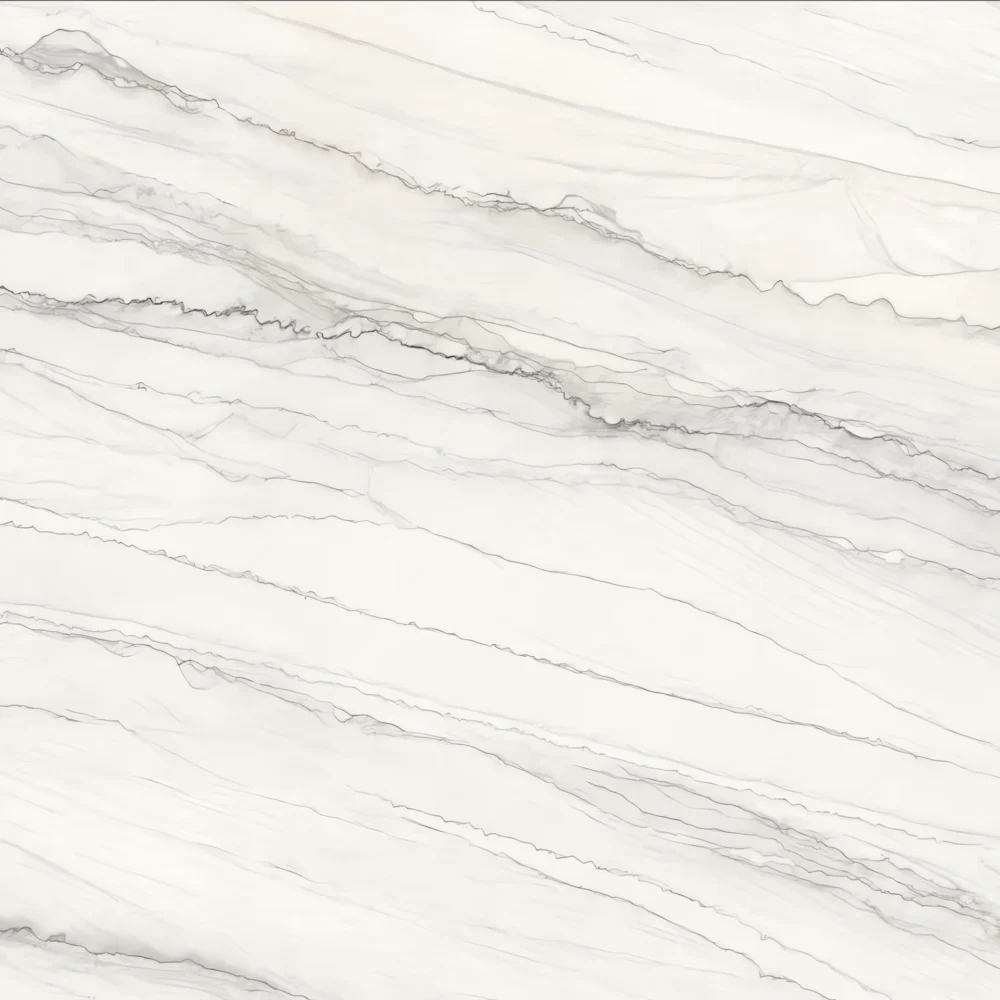
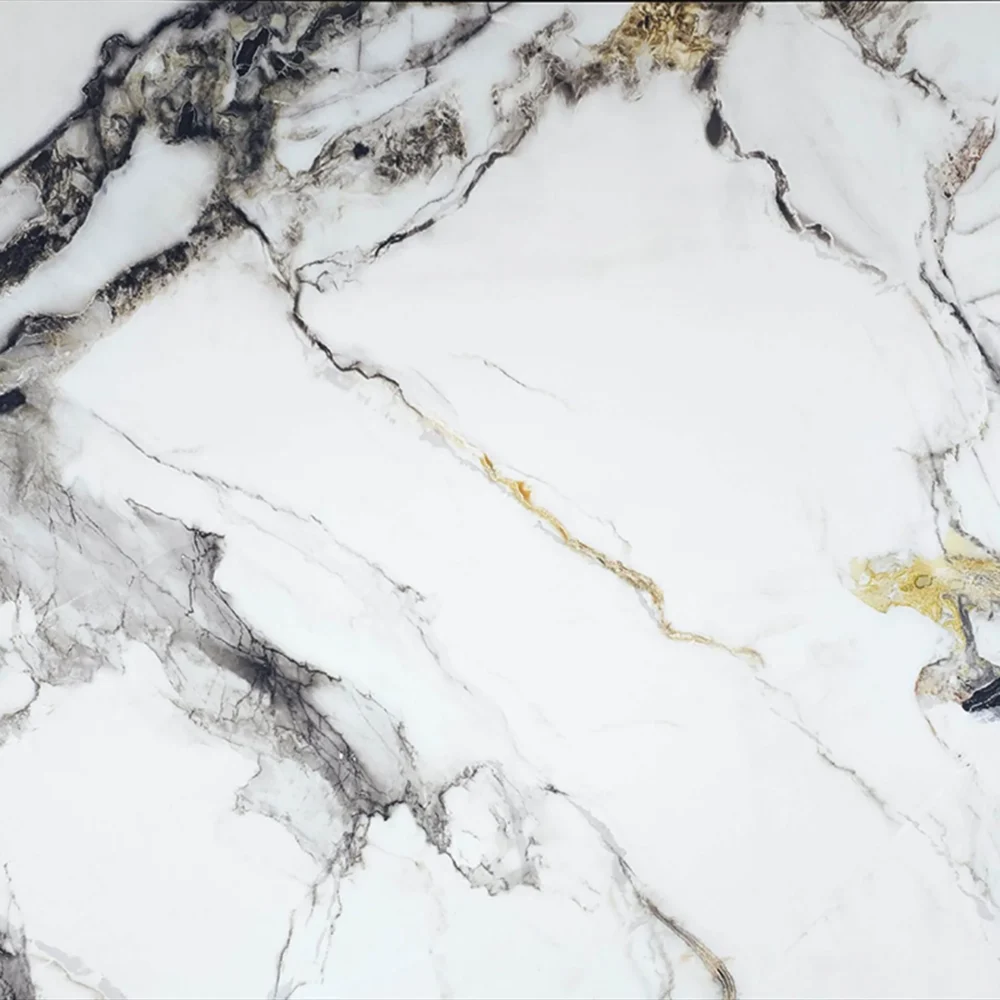
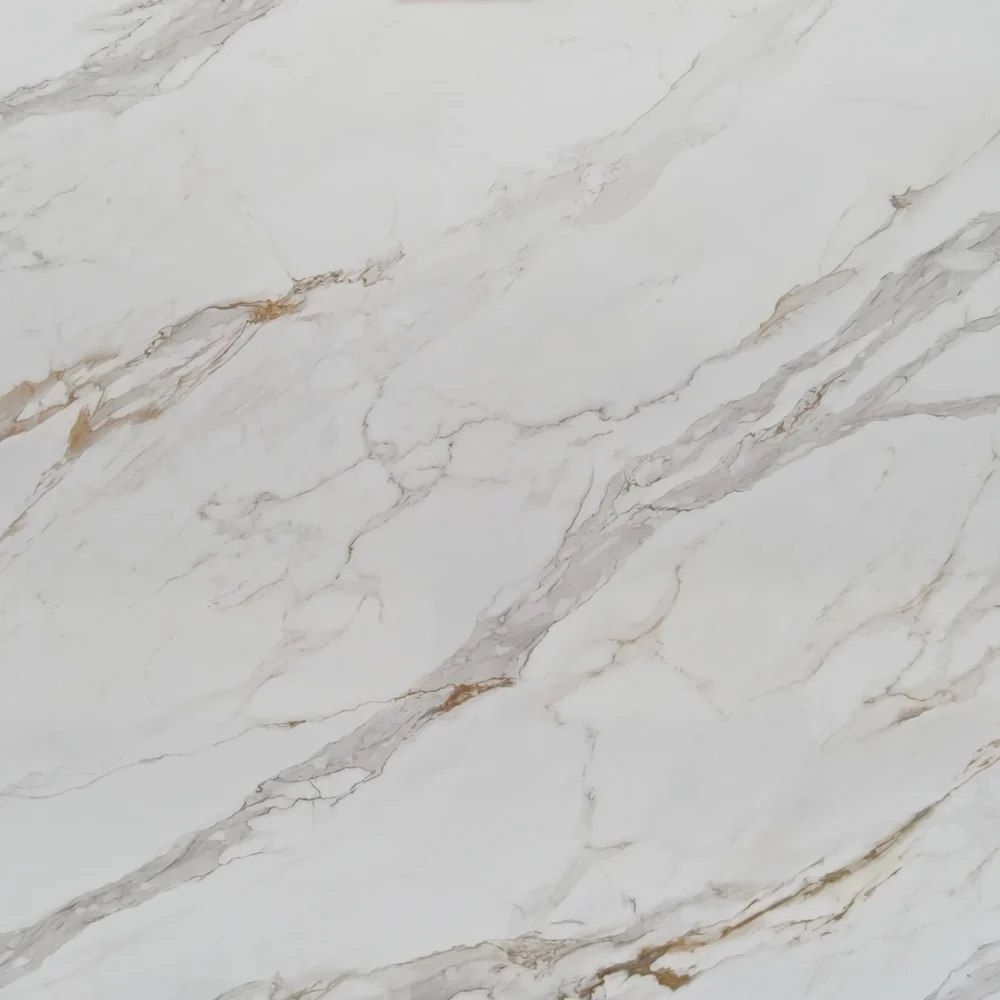
- Calacatta Gray Quartz Countertops GQ-T260 for Wholesale
Calacatta Gray Quartz Countertops GQ-T260 for Wholesale
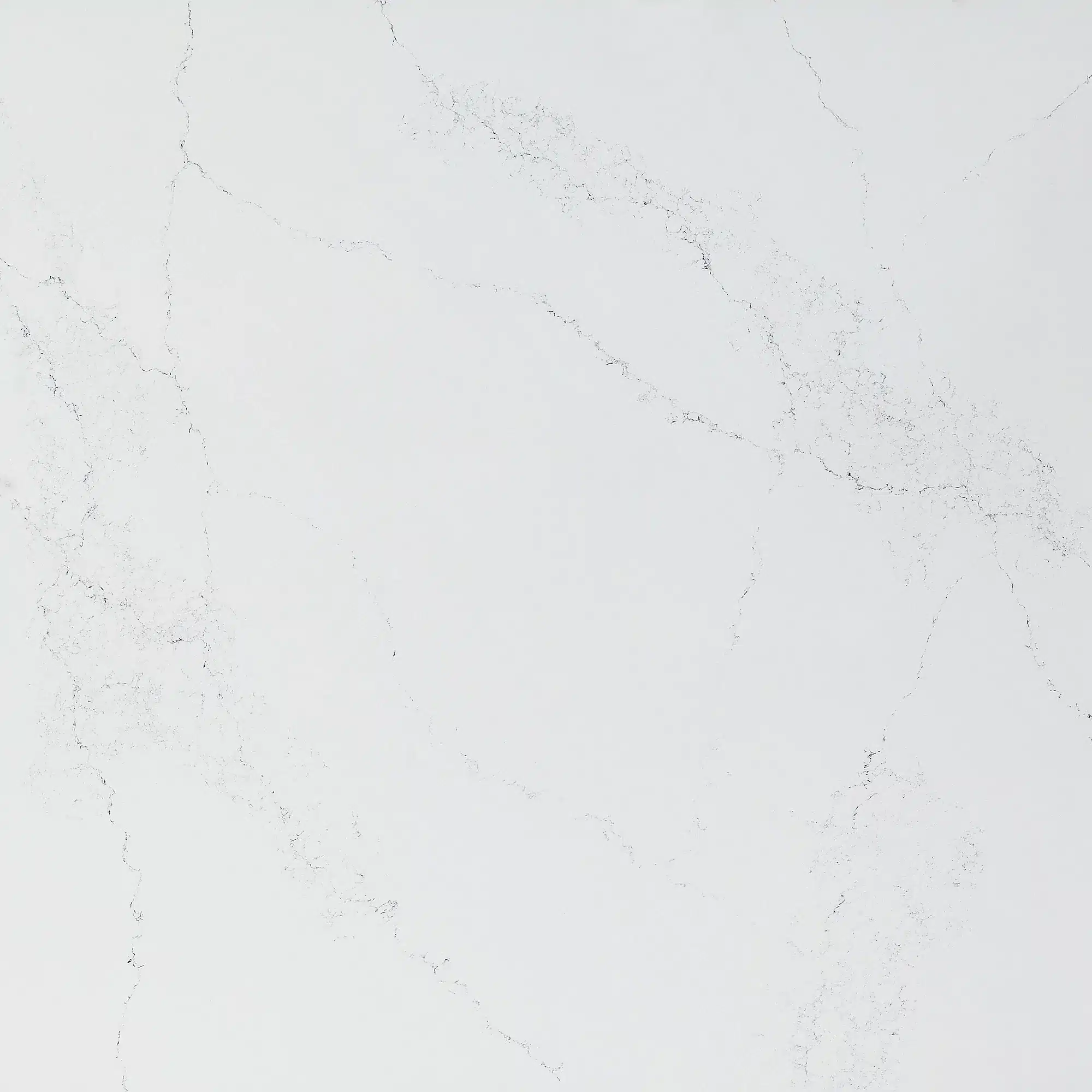
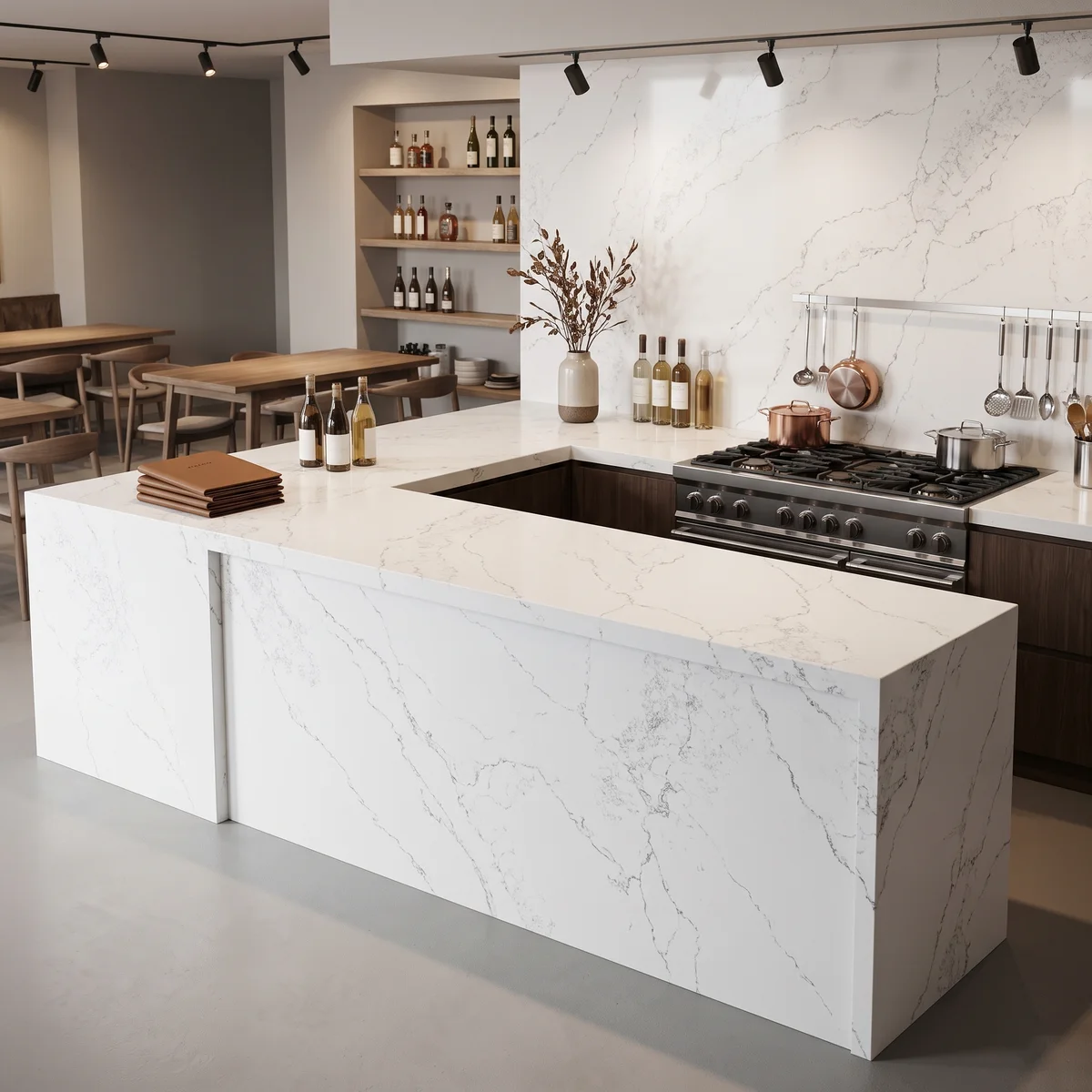
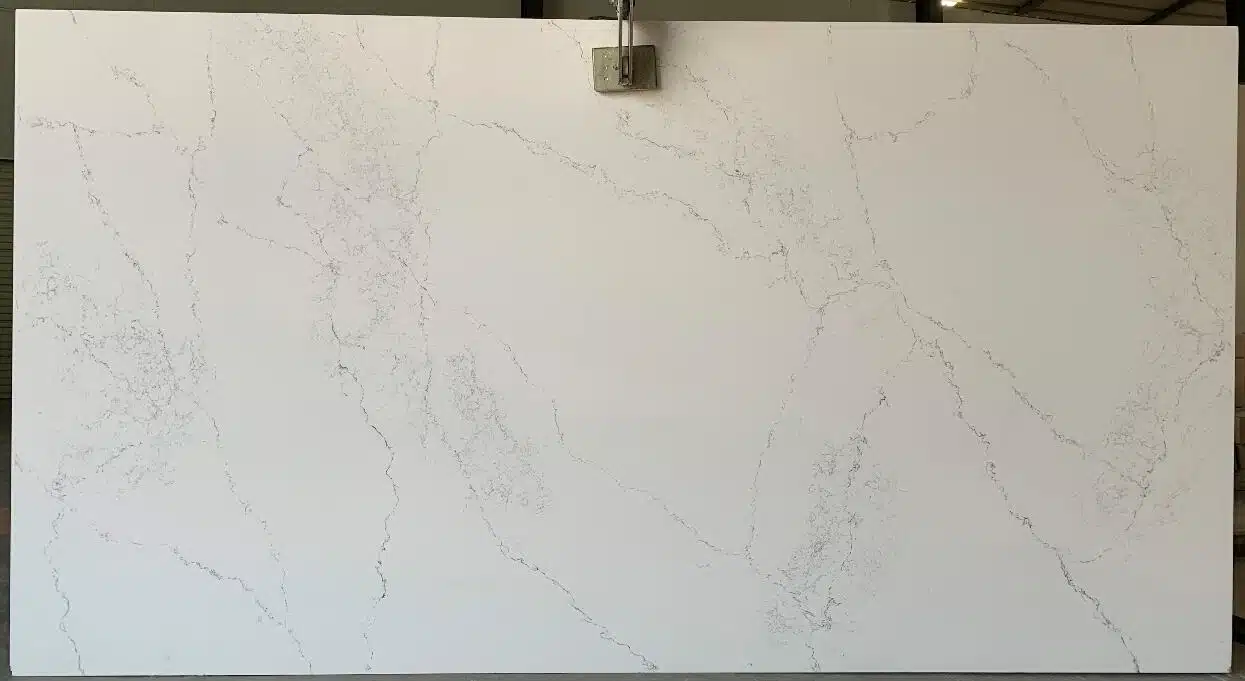
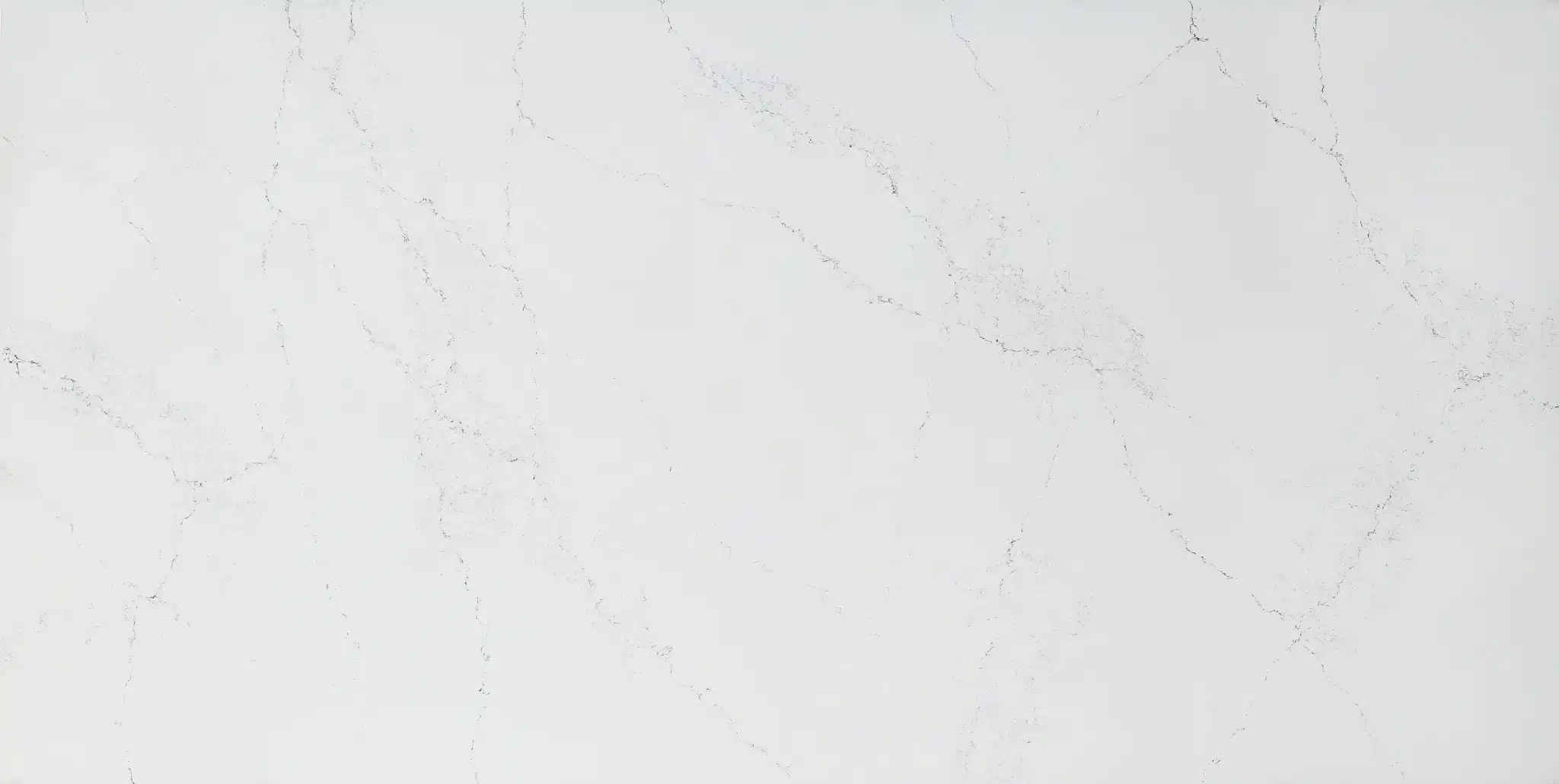
| Primary Color(s) | Bright Pure White |
| Accent Color(s) | Delicate Silver Grey Vein + Faint Ash Cloud |
| Craft | Regular |
| Finishes | Polished / Honed / Suede / Leathered |
| Customized Size | 138″ × 79″ / 126″ × 63″ / Customizable |
| Thickness | 20mm/30mm/Customizable |
| Edge Style | Eased polished edge/2+2cm laminated edge/Mitred edge |
| Full Body Quartz | Yes |
| Bookmatch Available | Yes |
| Place of Origin | Thailand |
| Port of Transportation | Thailand |
| Packaging | Foam or carton inside + strong wooden crates with reinforced straps outside and fumigation |
| Delivery time | 15-20 days / Express service is negotiable. |
| MOQ | 10 ㎡ |
| Payment terms | 30%T/T after confirm the order and the 70% T/T by copy of B/L |
| Countertops Residential: Yes Commercial: Yes |
| Wall Residential: Yes Commercial: Yes |
| Flooring Residential: Yes Commercial: Yes |
Description:
Frequently asked questions
How to buy quartz countertops?
Buying quartz countertops starts with knowing your exact needs—size, color, finish, and budget. First, measure your space accurately; even a few inches off can mess up fabrication. Then, decide between a local fabricator or a direct supplier. Local shops often handle installation, but they’re pricier. Direct suppliers (like us) offer better pricing but require you to hire an installer. Pick your quartz: high-variation slabs look more natural, low-variation is uniform, and jumbo/super jumbo slabs reduce seams. Always ask for a dry-lay photo before finalizing—this shows how the slabs will match. Confirm thickness (usually 1.2cm or 2cm), edge profiles, and whether you want a waterfall edge or backsplash. Get written quotes with all costs: material, fabrication, seaming, delivery, and installation. Don’t skip the sample—colors look different in person than online. Finally, confirm lead times—most take 4–8 weeks. And yes, you can buy online, but only if you have a pro handling install. Avoid ‘too good to be true’ prices—they usually mean low-quality material or hidden fees.
Is marble countertops better than quartz?
Marble is beautiful, but it’s not better than quartz—just different. Marble is natural stone with unique veining, but it’s porous, stains easily (especially from oil, wine, or acidic foods), and needs sealing every 6–12 months. Quartz, on the other hand, is non-porous, stain-resistant, and doesn’t need sealing. It’s also more durable—marble scratches and etches from acids (like lemon juice or vinegar), while quartz resists that. If you want low maintenance, quartz wins. But if you’re okay with upkeep and love that organic, luxurious look, marble might be worth it. Also, marble ages gracefully—some people love the patina. Quartz doesn’t age, so it stays the same. Bottom line: if you’re cooking, entertaining, or have kids, quartz is safer and easier. If you’re going for high-end, timeless style in a low-use area like a bathroom or dining room, marble can be stunning. But don’t call it ‘better’—it’s about your lifestyle.
Are quartz slabs all the same?
No, quartz slabs are definitely not all the same. That’s a big misconception. There’s huge variation between brands, even within the same color. Some slabs are high-variation—meaning each piece has unique patterns and depth, mimicking natural stone. Others are low-variation—very consistent, almost like solid surface. Jumbo and super jumbo slabs are wider and longer, reducing seams in large kitchens. Thickness matters too: 1.2cm is standard, but 2cm is more substantial and often used in islands or vanities. Finish is another factor—polished, matte, honed, or leathered all change how the stone looks and feels. And don’t forget the material quality: some brands use more quartz (like 93–95%) and less resin, which makes a difference in durability and appearance. A ‘white quartz’ from one brand can look icy and cold, while another might have warm undertones and gold flecks. Always see real samples and ask for dry-lay photos. You’re not just buying a color—you’re buying a slab’s character.