



- Home
- Quartz
- Quartz Slabs
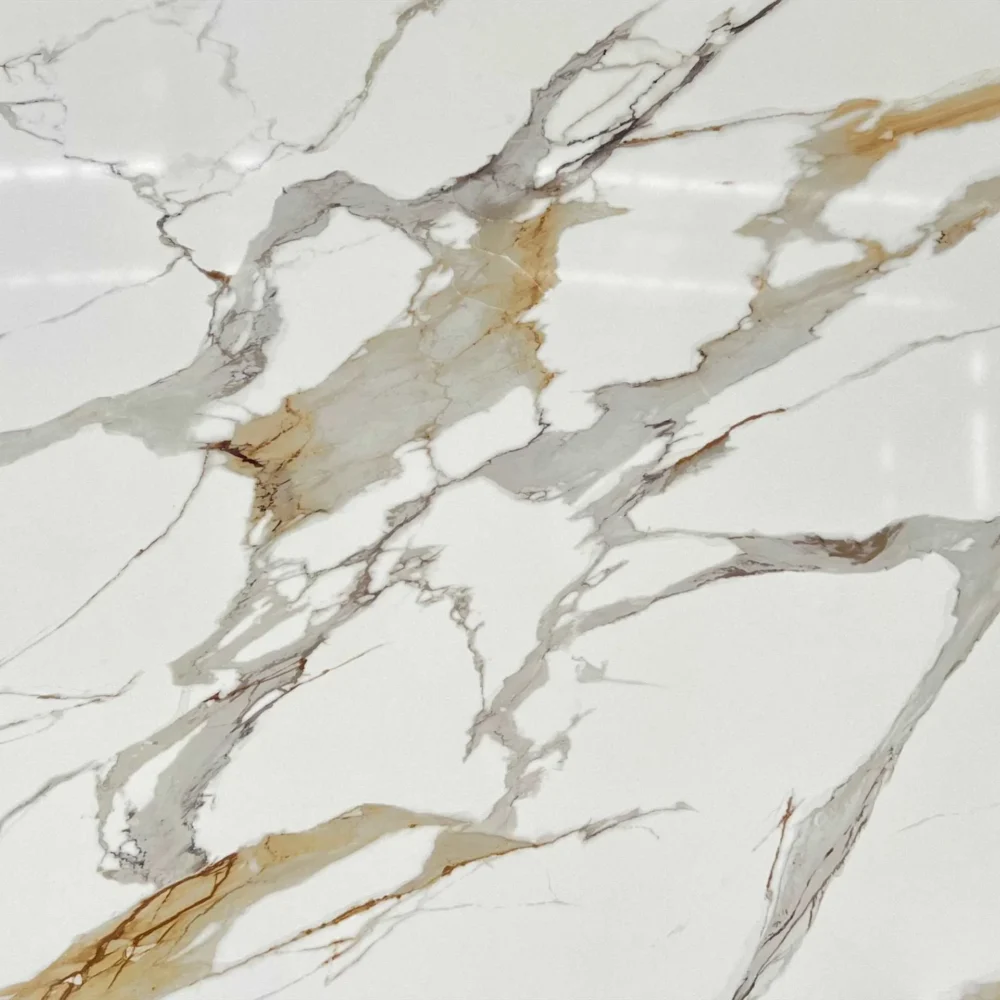
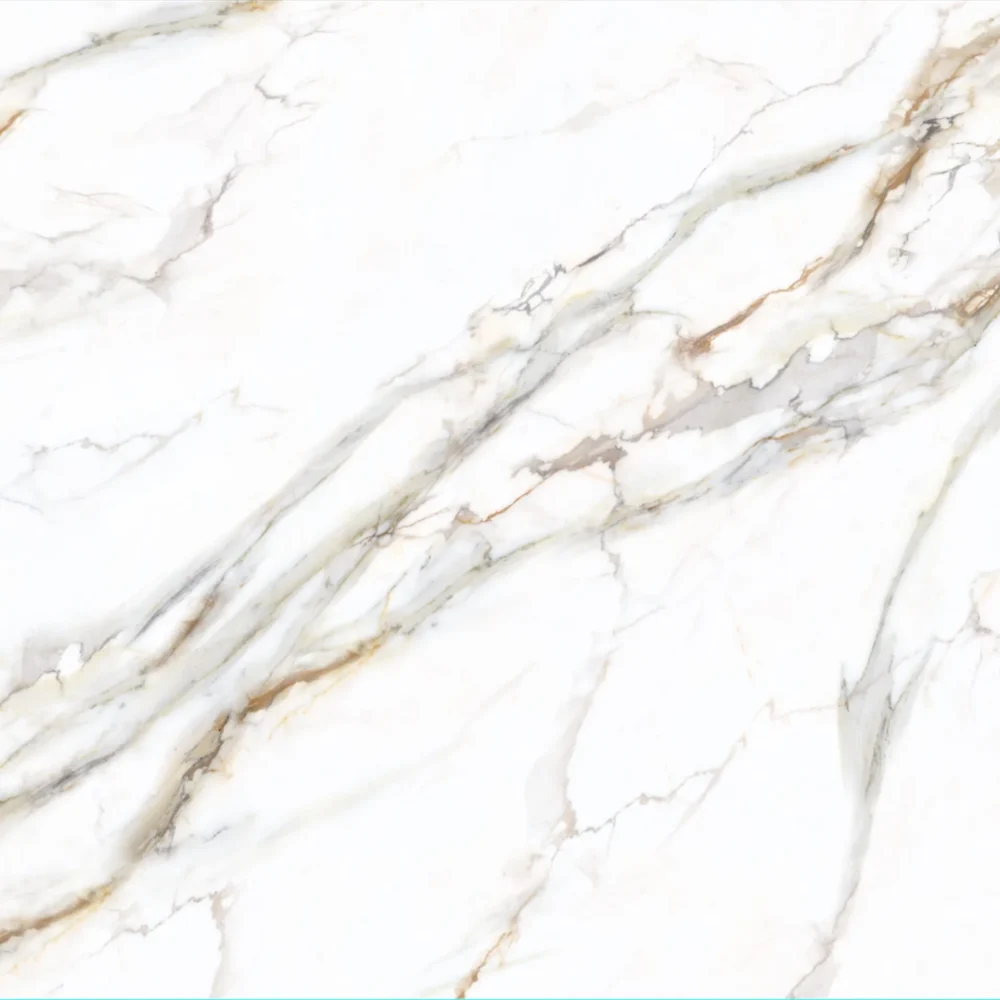
- Calacatta Gray Quartz Surface GQ-T410 for wholesale
Calacatta Gray Quartz Surface GQ-T410 for wholesale
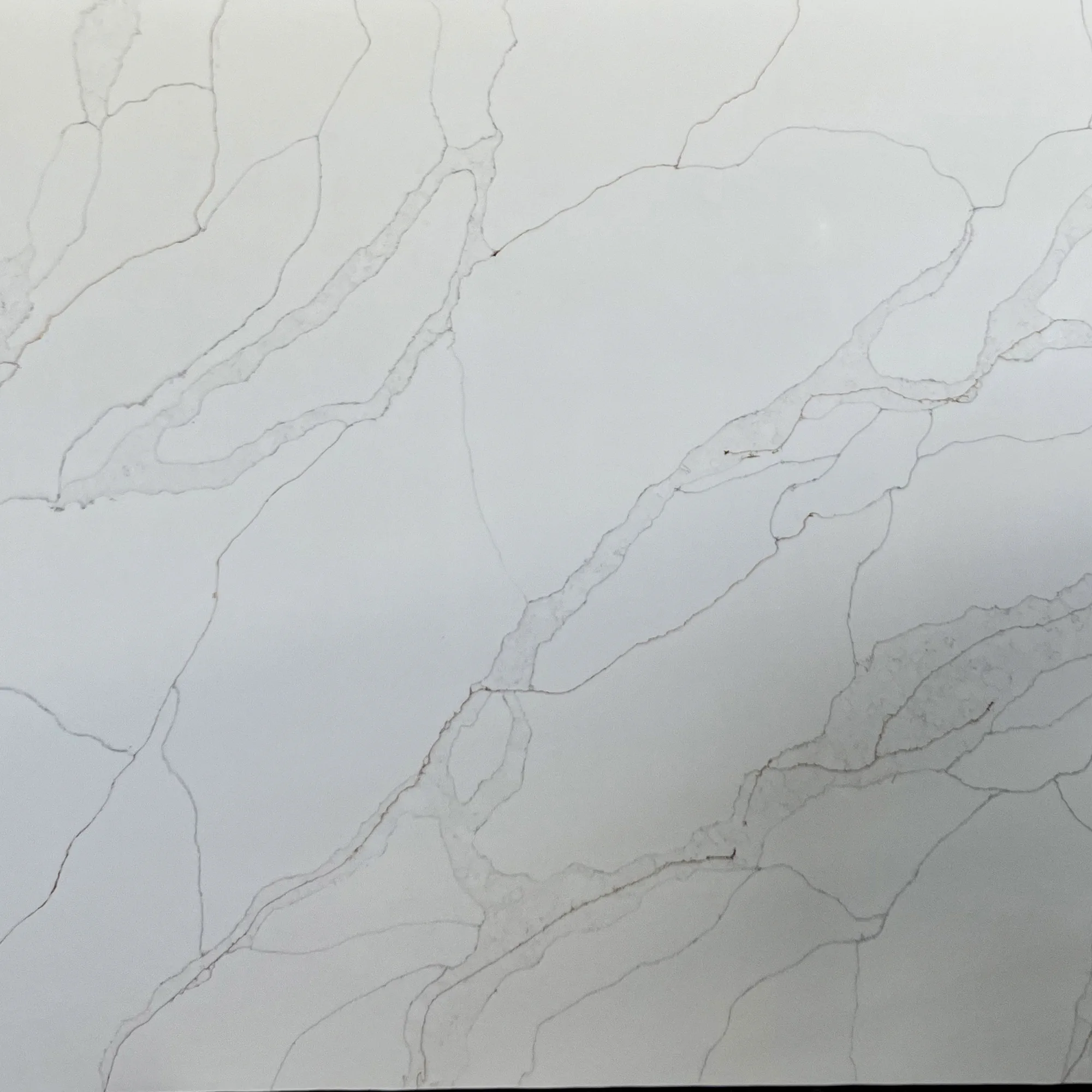
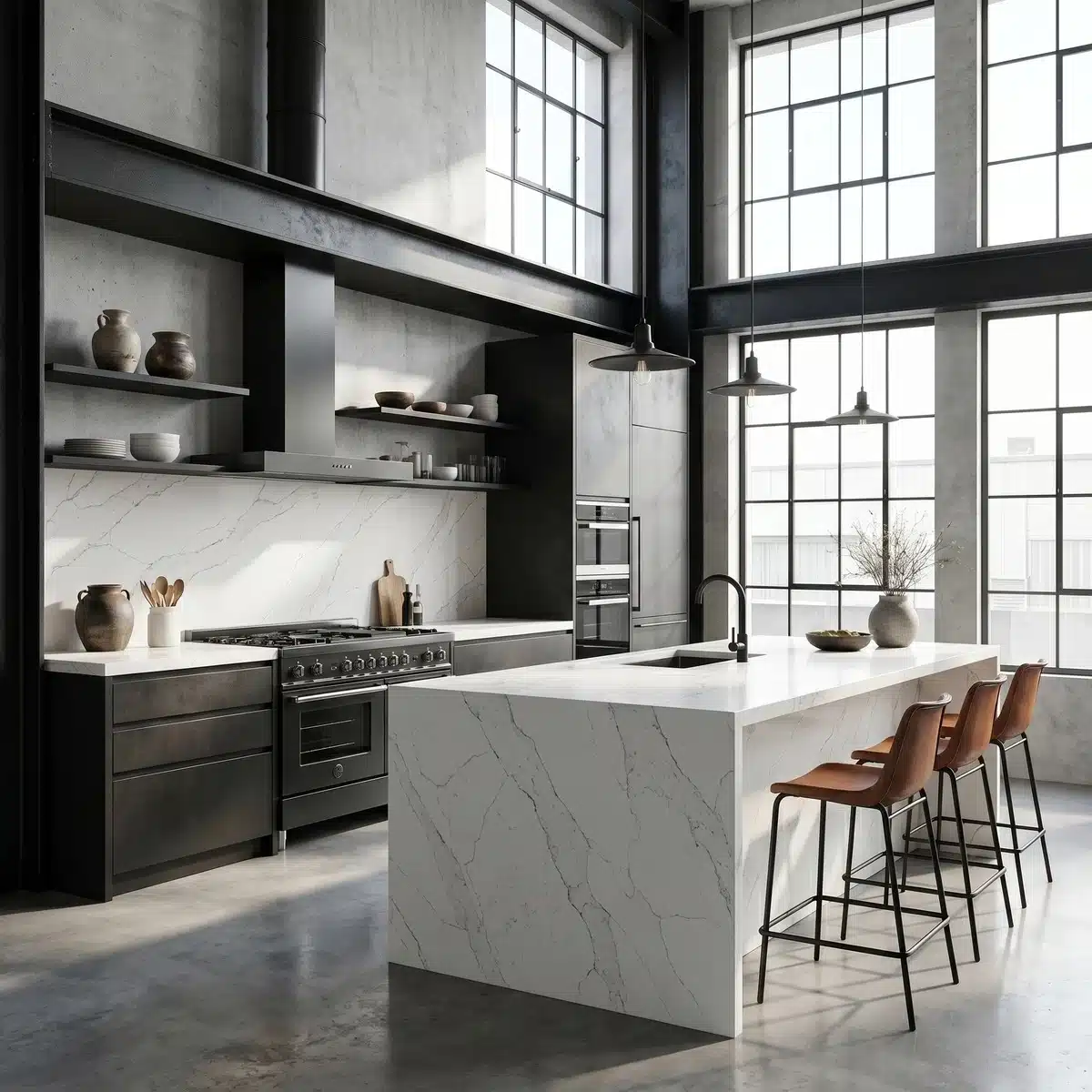
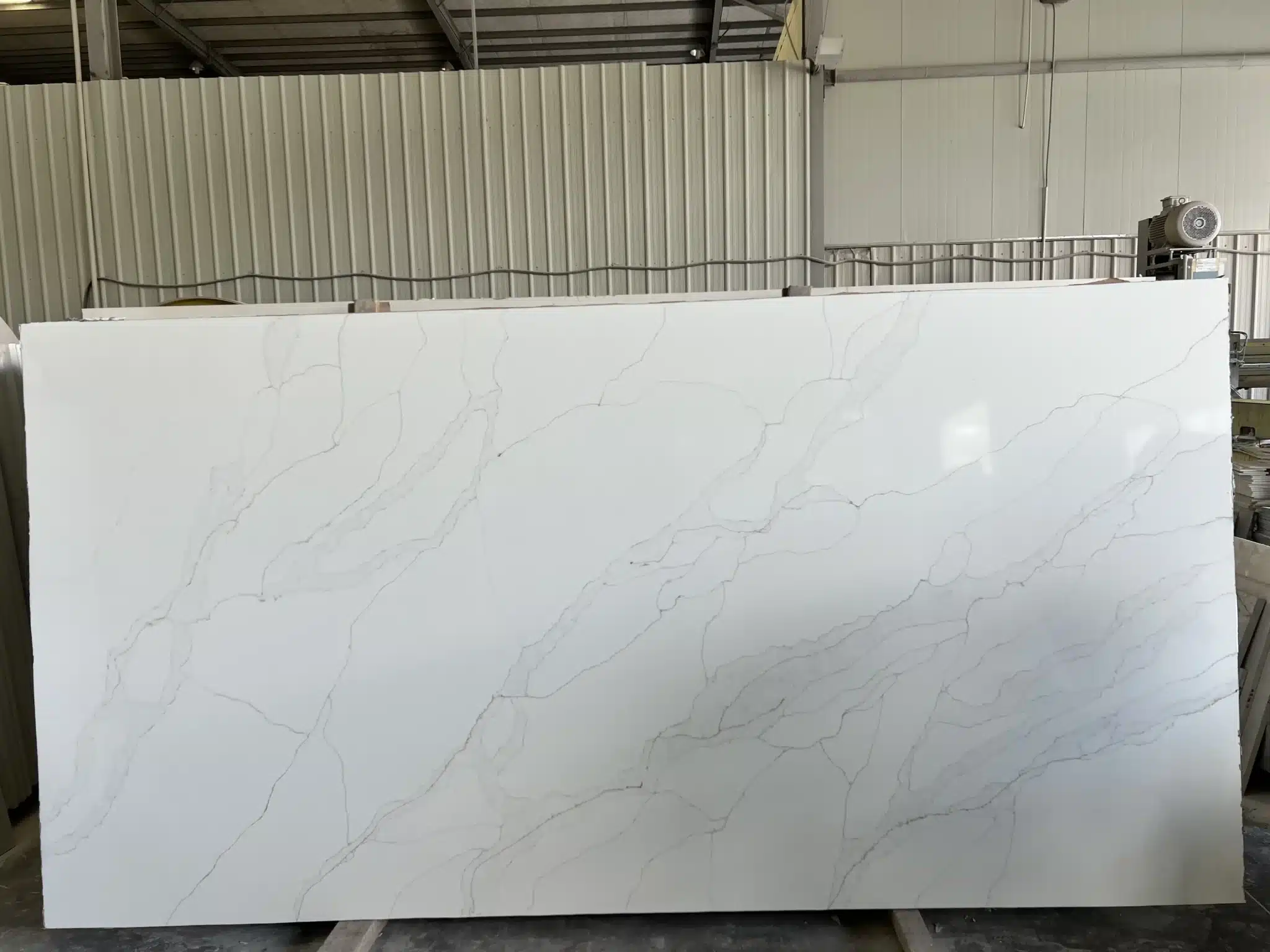
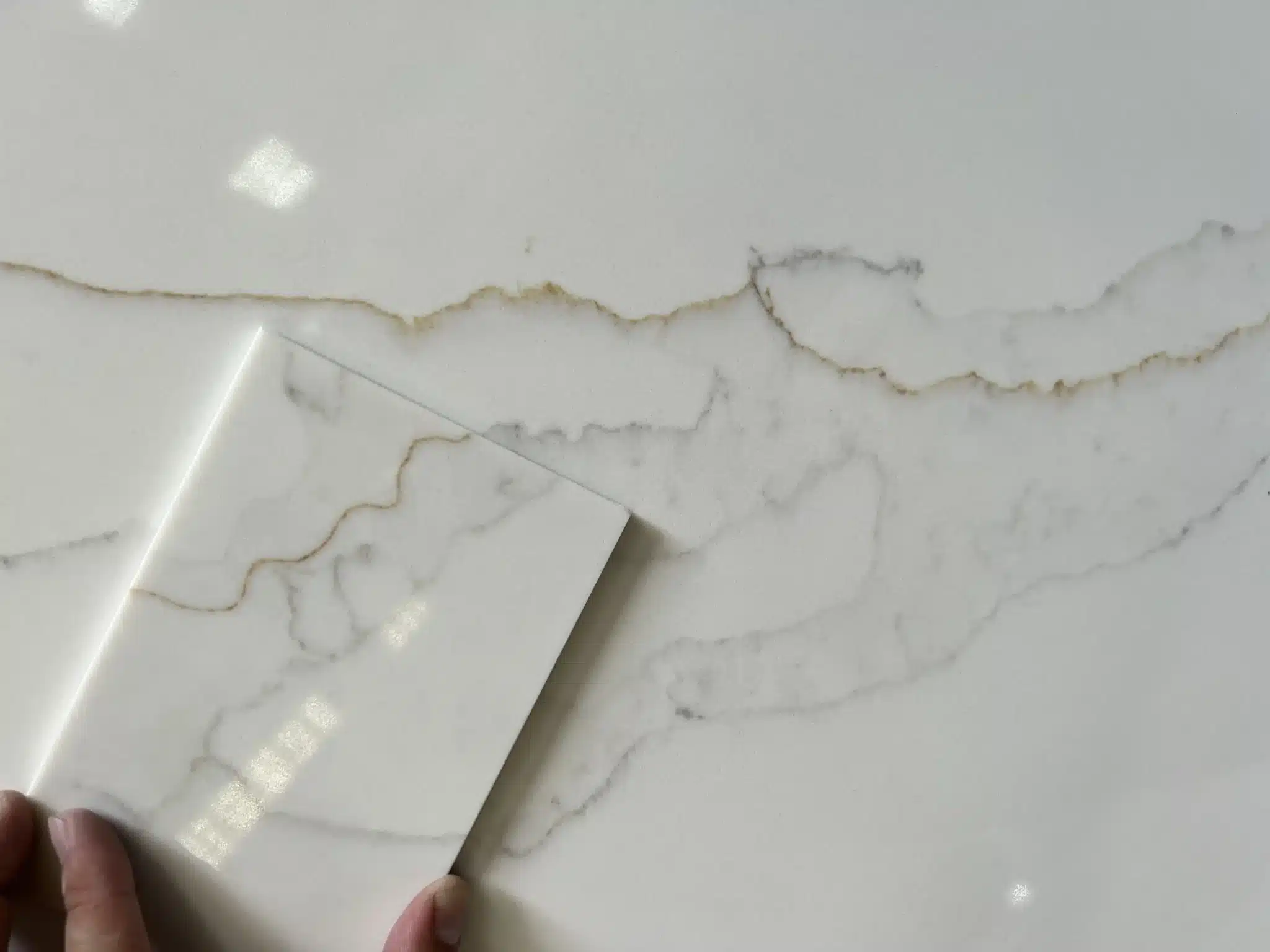
| Primary Color(s) | Bright White |
| Accent Color(s) | Soft Light Gray Veins + Golden-Tan Highlights |
| Craft | Regular |
| Finishes | Polished / Honed / Suede / Leathered |
| Customized Size | 138″ × 79″ / 126″ × 63″ / Customizable |
| Thickness | 20mm/30mm/Customizable |
| Edge Style | Eased polished edge/2+2cm laminated edge/Mitred edge |
| Full Body Quartz | Yes |
| Bookmatch Available | Yes |
| Place of Origin | Thailand |
| Port of Transportation | Thailand |
| Packaging | Foam or carton inside + strong wooden crates with reinforced straps outside and fumigation |
| Delivery time | 15-20 days / Express service is negotiable. |
| MOQ | 10 ㎡ |
| Payment terms | 30%T/T after confirm the order and the 70% T/T by copy of B/L |
| Countertops Residential: Yes Commercial: Yes |
| Wall Residential: Yes Commercial: Yes |
| Flooring Residential: Yes Commercial: Yes |
Description:
Frequently asked questions
Quartzite vs Quartz - What's the Difference?
Quartzite and quartz get mixed up all the time—but they’re different animals.
Quartzite is natural stone: pure quartz sandstone that’s been baked and squeezed underground until it recrystallizes.
It’s dense, scratch-resistant, and has that deep, organic veining you can’t fake.
But it’s porous—so it needs sealing, and acidic spills like wine or citrus can etch it if left sitting.
Engineered quartz is 90–95% ground quartz bound with resin and pigment.
It’s consistent across slabs, doesn’t need sealing, and handles daily kitchen abuse without fuss.
In real-world kitchens, we see quartz hold up better on backsplashes near sinks or in rental units where maintenance isn’t guaranteed.
Quartzite shines in residential projects where clients want that one-of-a-kind slab look—and are willing to reseal every 6–12 months.
The finish matters too: polished quartzite shows etching more than honed; engineered quartz with full-body print (like GQ’s Quartzite Look line) hides seam telegraphing better on busy patterns.
Neither’s 'better'—it’s about where it’s going and who’s maintaining it.
Is Taj Mahal Quartz or Quartzite? The Real Answer?
Taj Mahal is natural quartzite—mined from quarries in India, not made in a factory.
It’s not engineered quartz, even though some suppliers slap 'quartz' in the name for search traffic.
Real Taj Mahal has subtle gold-gray veining over a white-to-cream field, and no two slabs match.
Because it’s natural, you’ll see variation in tone, crystal size, and veining density—even within the same bundle.
That’s part of its appeal, but also why bookmatching takes extra planning.
It needs sealing before installation and periodic resealing, especially in wet areas.
If you’re seeing Taj Mahal labeled as 'quartz' on a distributor sheet or website, it’s almost certainly an engineered lookalike—often printed quartz with surface-only patterning.
At Grand Quartz Tech, our Quartzite Look line uses Full Body Printed Quartz technology, so the pattern runs through the entire slab thickness—not just the top layer.
That means less risk of chipping revealing a plain core.
Always ask for the slab ID or quarry documentation.
If it doesn’t have one, it’s not real quartzite.
Is Taj Mahal quartz or quartzite better?
There’s no universal answer—it hinges on your job site and client expectations.
Real Taj Mahal quartzite delivers unmatched visual depth and movement.
Installers tell me clients love how light plays across its crystalline surface, especially in large-format installations.
But it’s unforgiving: improper sealing leads to water spots; vinegar left overnight leaves a dull mark; and fabricators report higher breakage rates during CNC routing due to natural fissures.
Engineered quartz mimicking Taj Mahal—especially those with full-body printing—gives consistent color, zero sealing, and predictable fabrication.
In hospitality projects or multi-unit builds, that consistency saves time and callbacks.
We’ve seen contractors choose printed quartz for spec homes where budget and timeline matter more than uniqueness.
But for a custom residence where the owner wants that heirloom-stone feel and agrees to upkeep?
Natural quartzite still wins.
Grand Quartz Tech’s Quartzite Look slabs are made in Thailand using low-silica production lines—so fabrication dust is lower risk, and jumbo sizes (up to 138" x 79") reduce seams in big spaces.
Why choose quartzite over quartz?
You pick quartzite when the project demands authenticity—not just appearance, but behavior.
Real quartzite feels cooler to the touch, develops a soft patina over years, and responds to light like natural stone.
Designers specify it for condos or boutique hotels where each unit should feel distinct.
But it comes with tradeoffs: slab yield varies, bookmatched layouts require careful layout drawings, and thermal shock from hot pans can cause micro-fractures in thinner cuts.
Engineered quartz avoids those headaches—no sealing, no etching, and tighter tolerances for tight-fitting cabinets.
Still, some patterns lack depth: surface-only prints show wear at edges or seams, especially on dark colors.
That’s where full-body printed quartz—like GQ’s Quartzite Look—steps in: the pattern goes all the way through, so edge treatments and cutouts don’t reveal a mismatched core.
For commercial jobs with tight deadlines, quartz usually wins.
For residential projects where the client wants something that ages gracefully and tells a story?
Quartzite earns its keep—if you’re ready for the work.
-1000x1000.webp)