



- Home
- Quartz
- Quartz Slabs
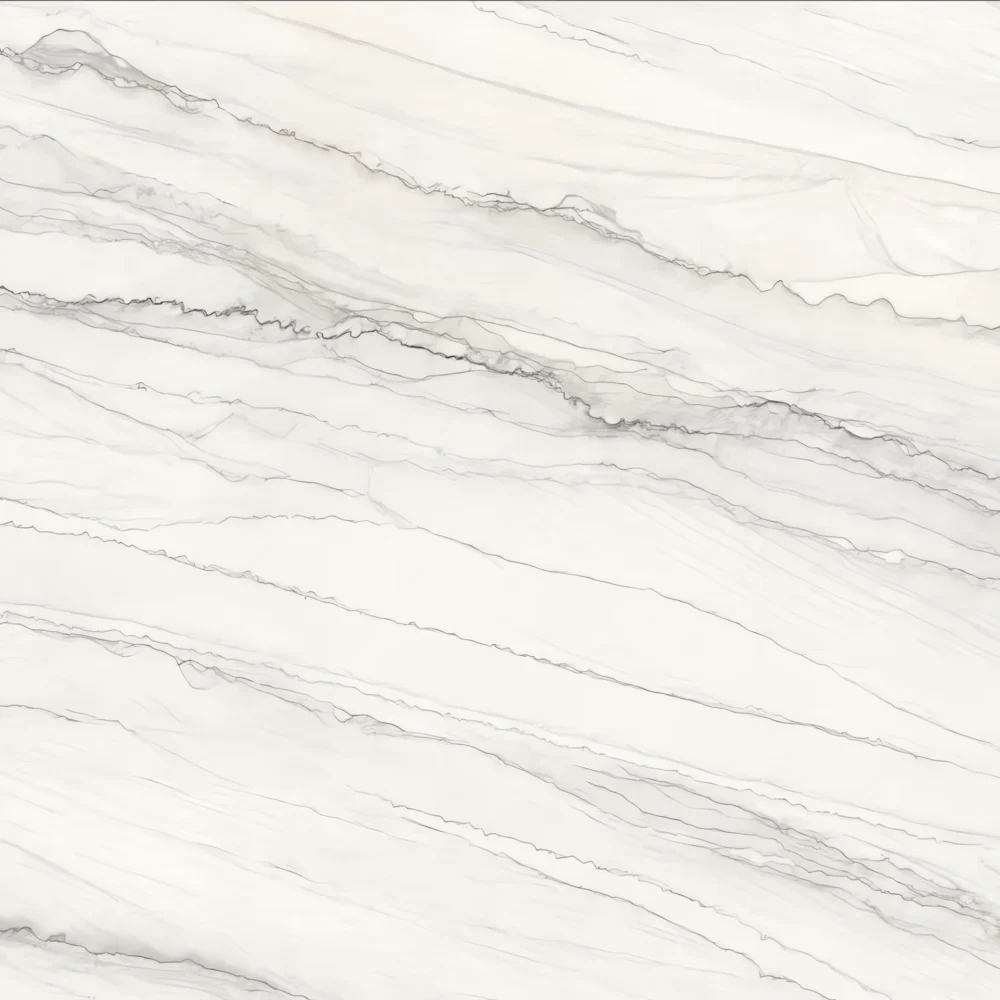
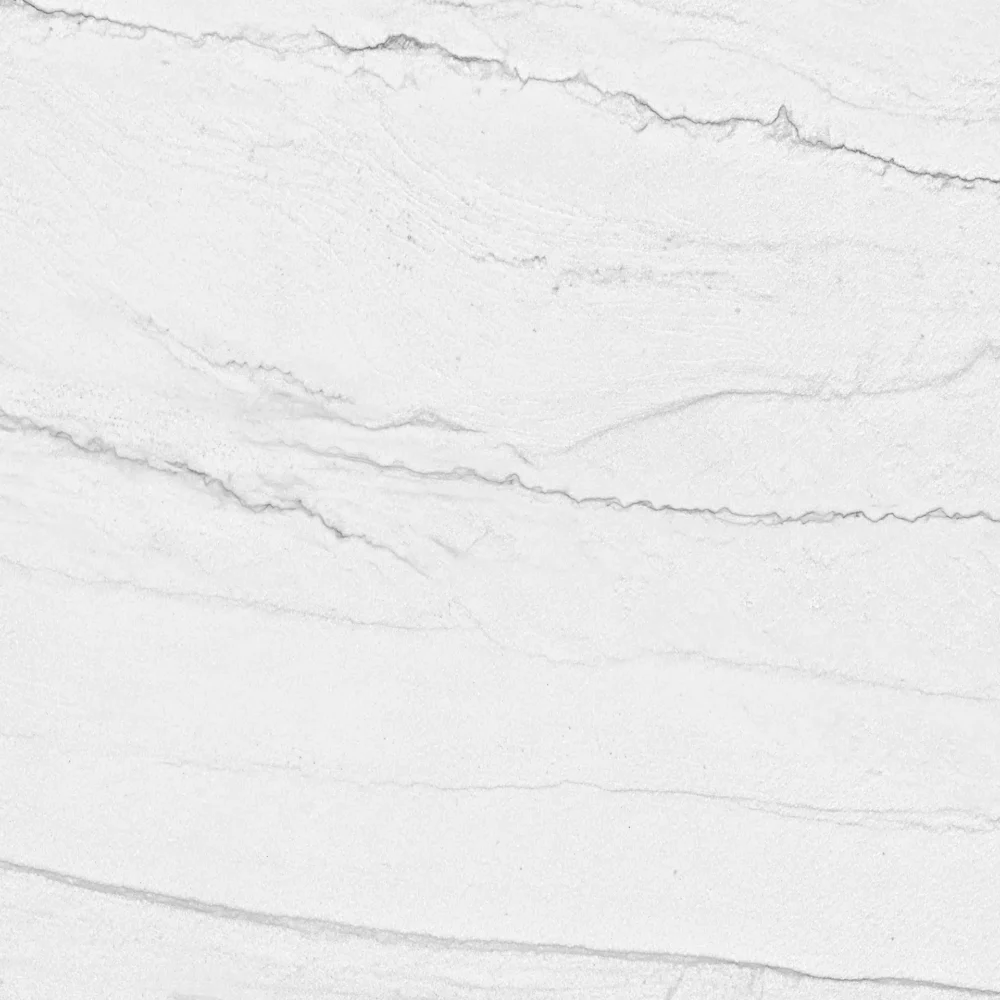
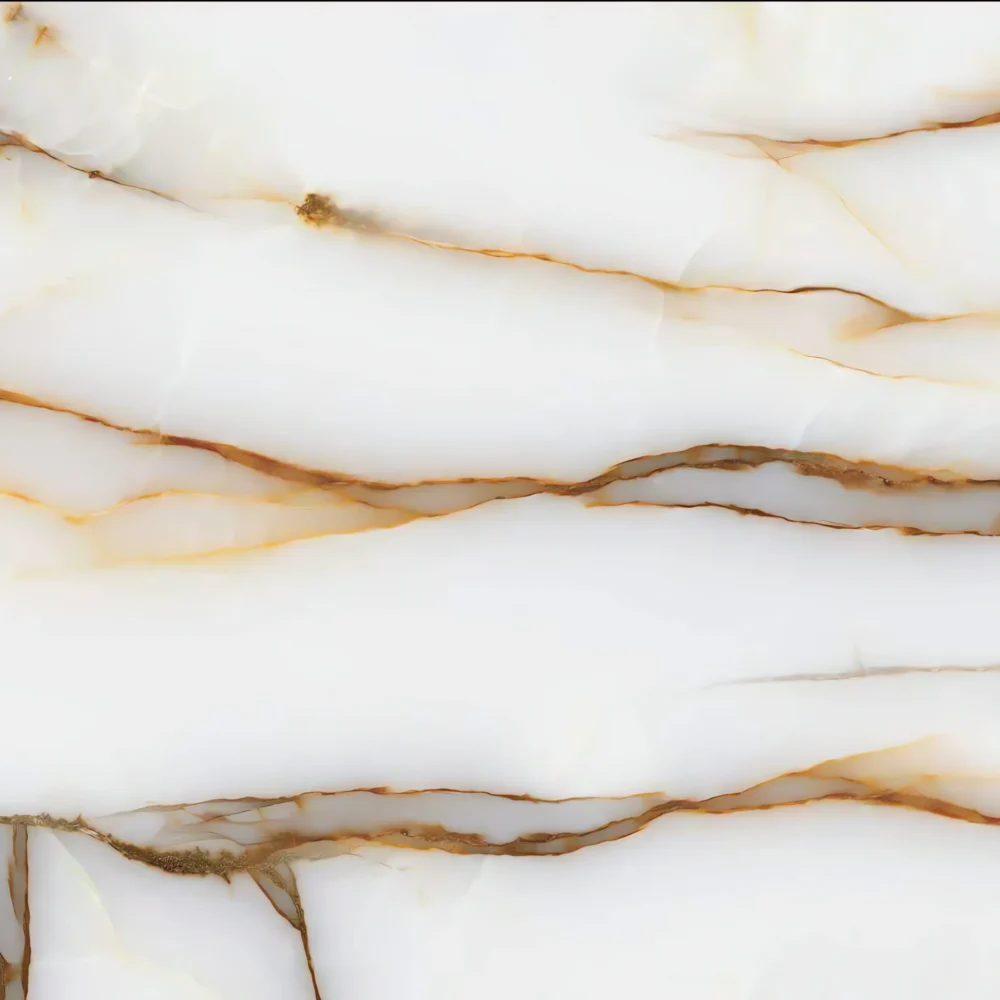
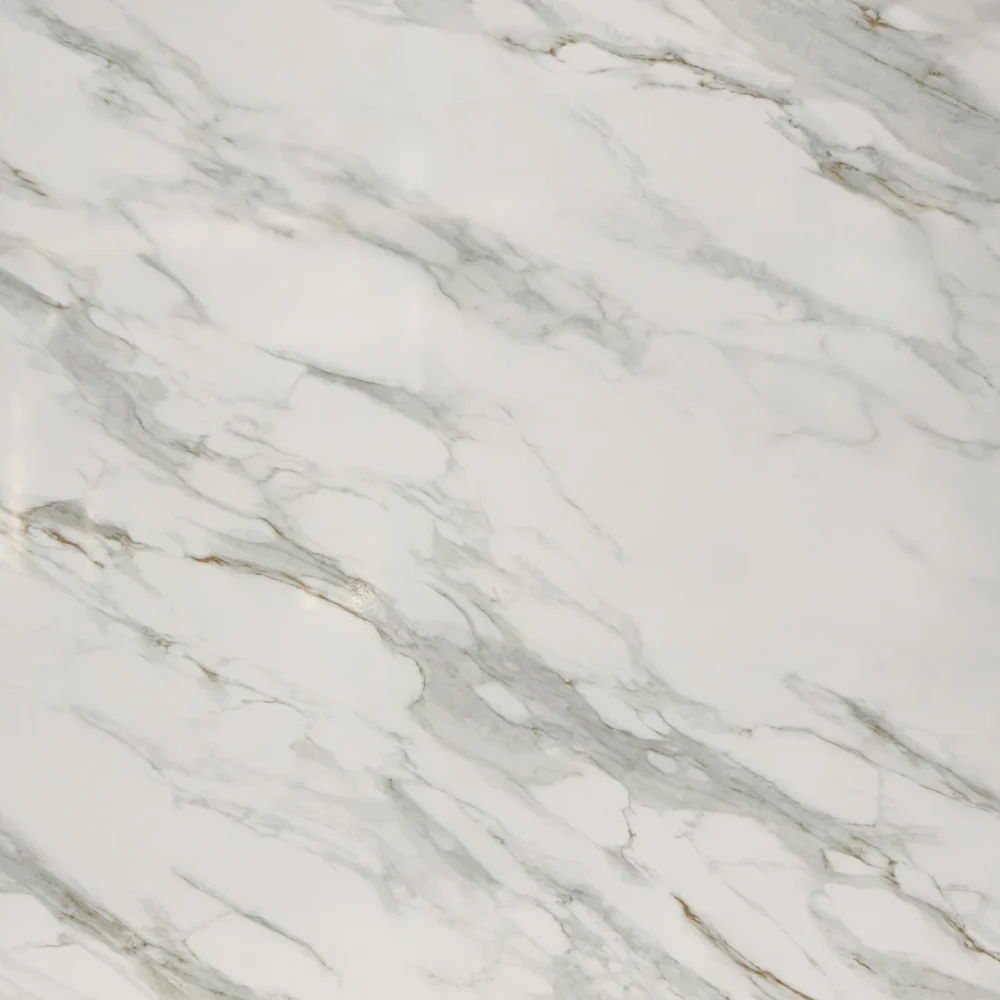
- Calacatta Quartz Slab with Grey Veins GQ-T307 for Wholesale
Calacatta Quartz Slab with Grey Veins GQ-T307 for Wholesale
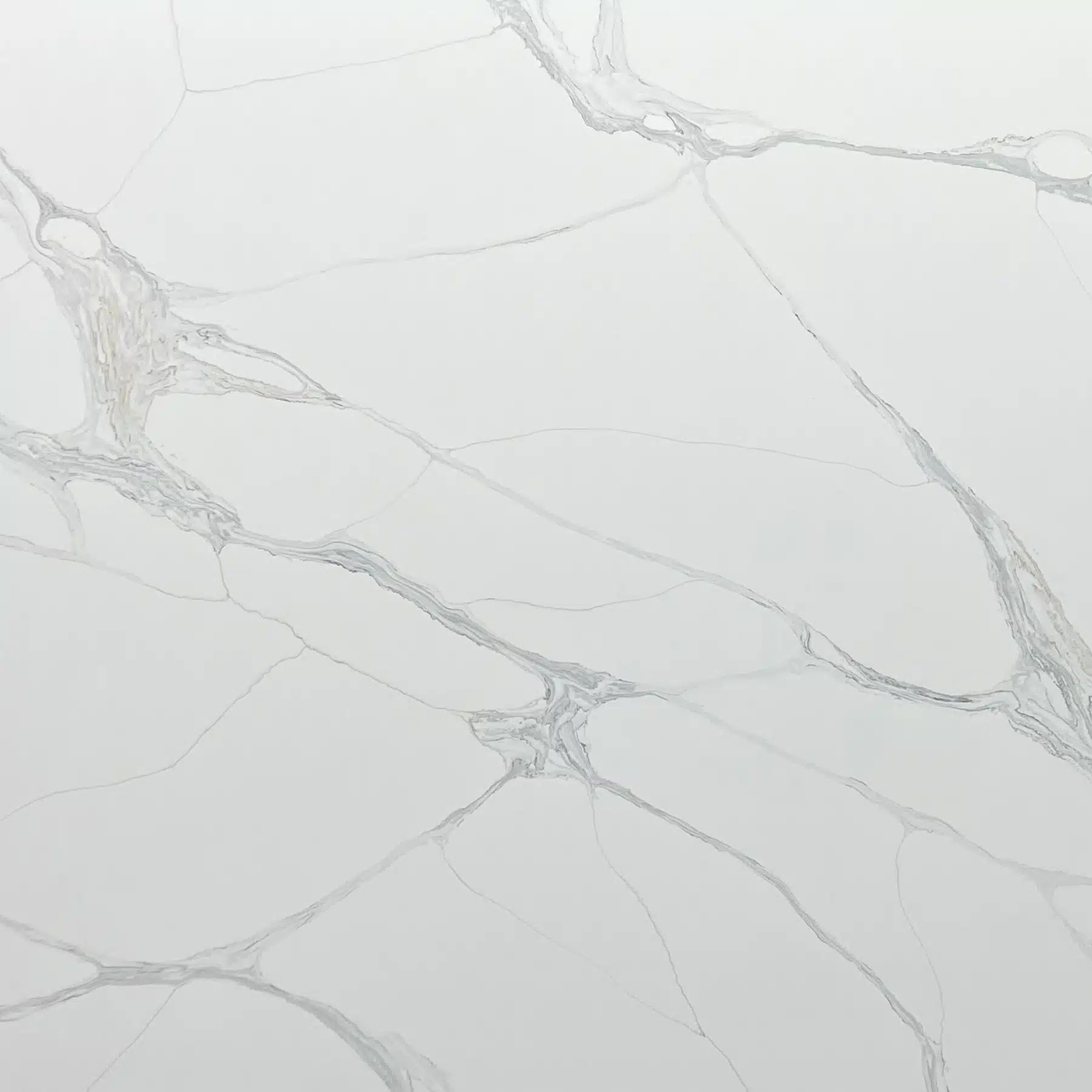
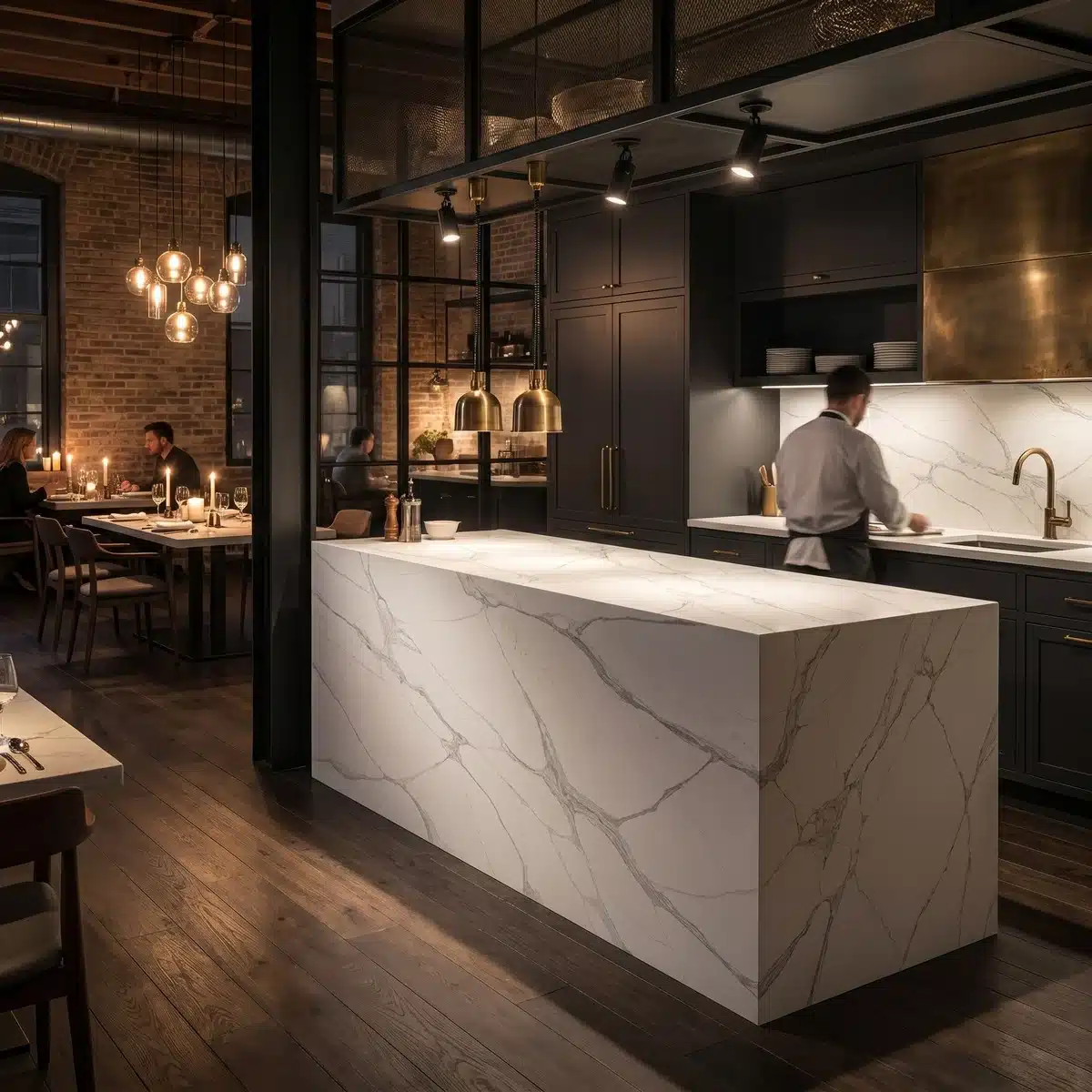
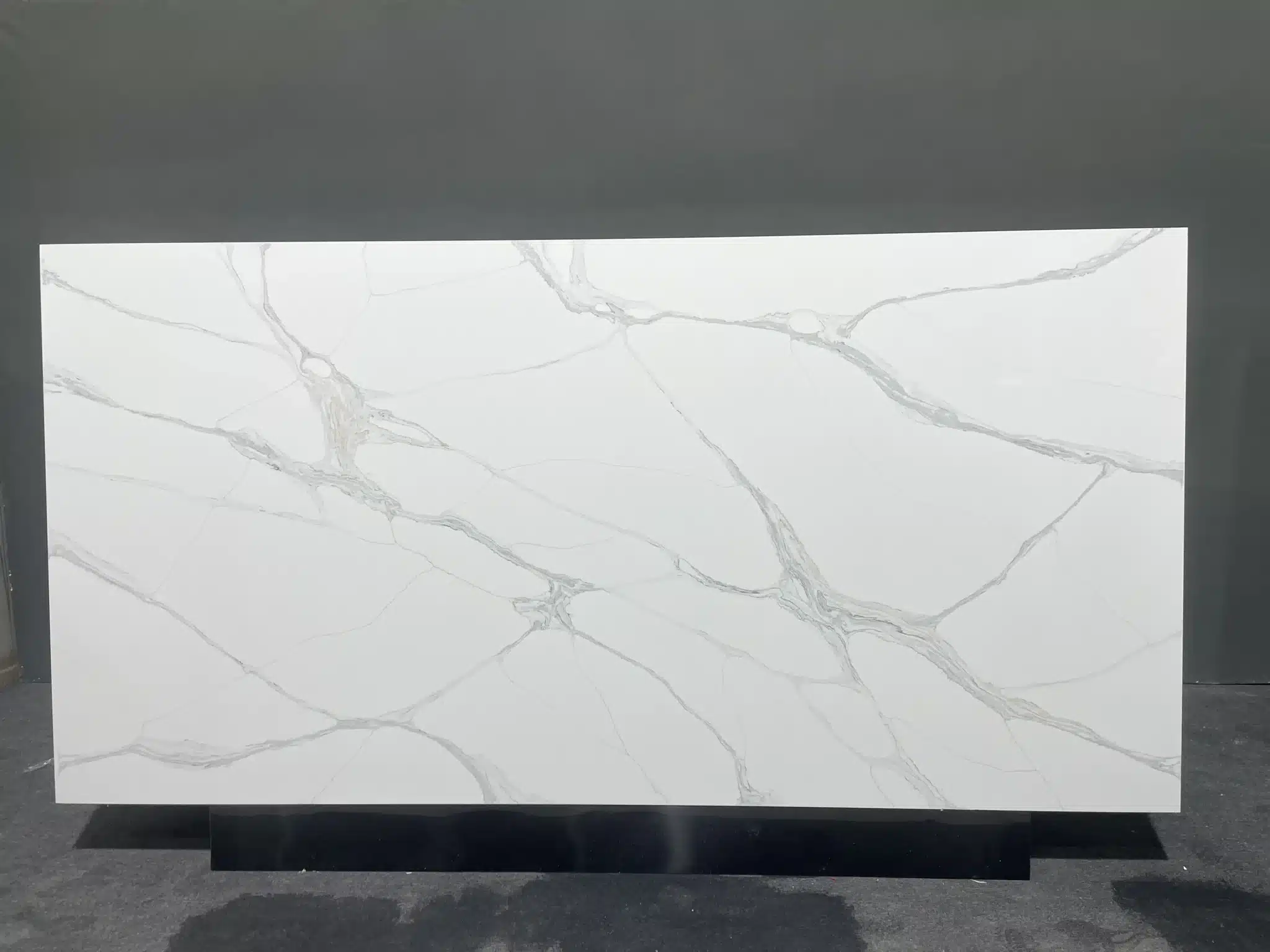
| Primary Color(s) | Bright White |
| Accent Color(s) | Soft Gray Veins + Subtle Warm Taupe Accents |
| Craft | Regular |
| Finishes | Polished / Honed / Suede / Leathered |
| Customized Size | 138″ × 79″ / 126″ × 63″ / Customizable |
| Thickness | 20mm/30mm/Customizable |
| Edge Style | Eased polished edge/2+2cm laminated edge/Mitred edge |
| Full Body Quartz | Yes |
| Bookmatch Available | Yes |
| Place of Origin | Thailand |
| Port of Transportation | Thailand |
| Packaging | Foam or carton inside + strong wooden crates with reinforced straps outside and fumigation |
| Delivery time | 15-20 days / Express service is negotiable. |
| MOQ | 10 ㎡ |
| Payment terms | 30%T/T after confirm the order and the 70% T/T by copy of B/L |
| Countertops Residential: Yes Commercial: Yes |
| Wall Residential: Yes Commercial: Yes |
| Flooring Residential: Yes Commercial: Yes |
Description:
Frequently asked questions
What size slab is Calacatta Ocellio?
Calacatta Ocellio from Grand Quartz Tech comes standard in 126" x 63" and super jumbo sizes up to 138" x 79" — both cut from the same full-body printed slab stock.
That means no pattern drop-off at the edge, and fewer seams on large islands or wall-to-wall installations.
Most fabricators tell me the 138" length cuts down seam count by 30–40% on typical kitchen layouts compared to 120" slabs.
Thickness is 2cm or 3cm, depending on your structural needs and edge profile — 3cm’s preferred for waterfall ends or heavy commercial use.
Keep in mind: even with consistent sizing, veining shifts between production runs.
We always recommend dry-laying at least three slabs before cutting — especially for bookmatched backsplashes or long runs where pattern continuity matters.
GQ’s Thailand factory batches slabs tightly, but natural-look quartz still has variation.
If you’re quoting a hospitality project with tight deadlines, confirm lead time early — those jumbo slabs sometimes ship on separate containers.
What do quartz veins look like?
In Grand Quartz Tech’s Calacatta Ocellio, veins are full-body printed — meaning the pattern runs through the entire slab thickness, not just the surface.
So when you polish an edge or miter a corner, the vein doesn’t disappear or fade.
You’ll see creamy white base tones with soft gold-to-gray veining that flows organically — some narrow and sharp, others broad and misty.
Unlike natural marble, there’s no mineral depth or translucency, but under LED task lighting, the resin-rich areas catch light differently, giving subtle dimension.
Installers often notice that high-contrast veins telegraph more on honed or leathered finishes — especially over plywood substrates — so we recommend solid-core underlayment for busy patterns.
Also, UV exposure won’t yellow these veins (GQ uses UV-stable pigments), but prolonged direct sun on light-colored edges can cause slight resin oxidation over years — nothing visible in kitchens, but worth flagging for sun-drenched lobby bars or exterior countertops.
Bottom line: it looks like marble, behaves like quartz, and holds up like engineered stone — as long as you know where the tradeoffs live.
What colors go well with calacatta gold?
Calacatta Gold works best with warm neutrals — not stark whites or cool grays.
In real-world kitchens, I’ve seen walnut and medium oak cabinets hold up best over time; they echo the gold undertones without competing.
Light gray cabinets?
Only if they lean beige or greige — true charcoal or blue-gray pulls the gold into a muddy tone, especially under recessed LED lighting.
For backsplashes, matte black tile grounds it, but avoid glossy black — it reflects too much and makes seams pop.
Brushed brass fixtures enhance the warmth, but don’t overdo it: one faucet, maybe a drawer pull, not every hinge.
Flooring-wise, light limestone-look porcelain or wide-plank oak keeps the scale balanced.
One caveat: in northern U.S. showrooms with low natural light, Calacatta Gold can read cooler than expected — always test a full-size sample under your job site’s actual lighting.
And skip blue-based accent tiles or greenery — they clash unless you’re going full Mediterranean and layering in terracotta and olive tones.
GQ’s version has softer golds than older formulations, so it’s more forgiving with warm-toned materials.
What is the most popular color of quartz countertops?
White-based quartz with soft veining — especially Calacatta-style — still moves the most volume across residential, multifamily, and mid-tier hospitality jobs.
But 'popular' depends on who’s buying and where.
Wholesalers stocking for builders lean hard on consistent, low-variation Calacatta Ocellio because it installs fast, photographs well, and rarely gets rejected at dry-lay. custom shops?
They’re shifting toward warmer ivories and beige-tinged whites — less ‘hotel lobby’, more ‘coastal cottage’.
Gray quartz is climbing, but mostly in modern condos and office lobbies where durability trumps aesthetics.
What hasn’t changed: buyers still assume ‘white quartz’ means ‘low maintenance’, even though polished Calacatta shows smudges and water spots more than honed or textured finishes.
And while everyone talks about trends, most contractors tell me their repeat clients ask for the same three GQ styles year after year — not because they’re trendy, but because they photograph consistently, cut cleanly on CNC routers, and don’t shift color under different lighting.
If you’re stocking, prioritize slab consistency and jumbo sizes over chasing the ‘next big thing’.