



- Home
- Quartz
- Quartz Slabs
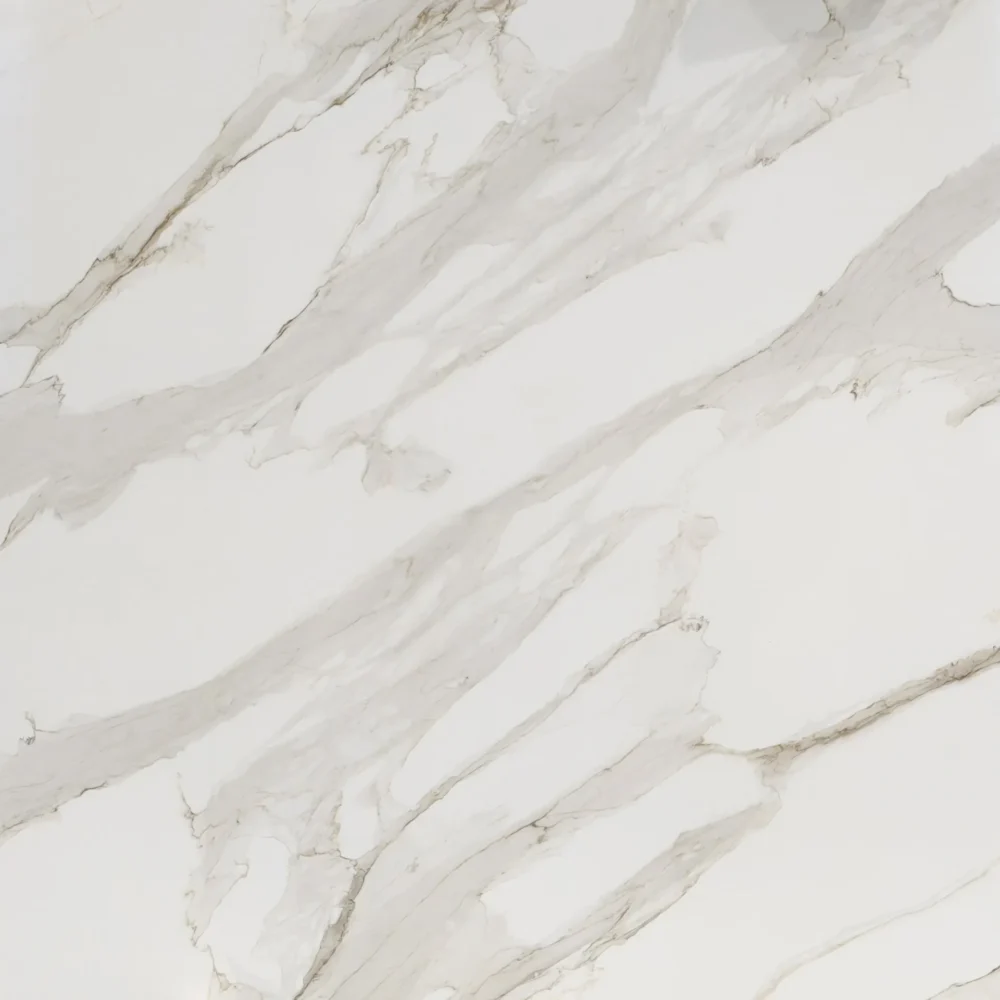
- Calacatta Volakas Quartz Slab GQ-T350 for Wholesale
Calacatta Volakas Quartz Slab GQ-T350 for Wholesale
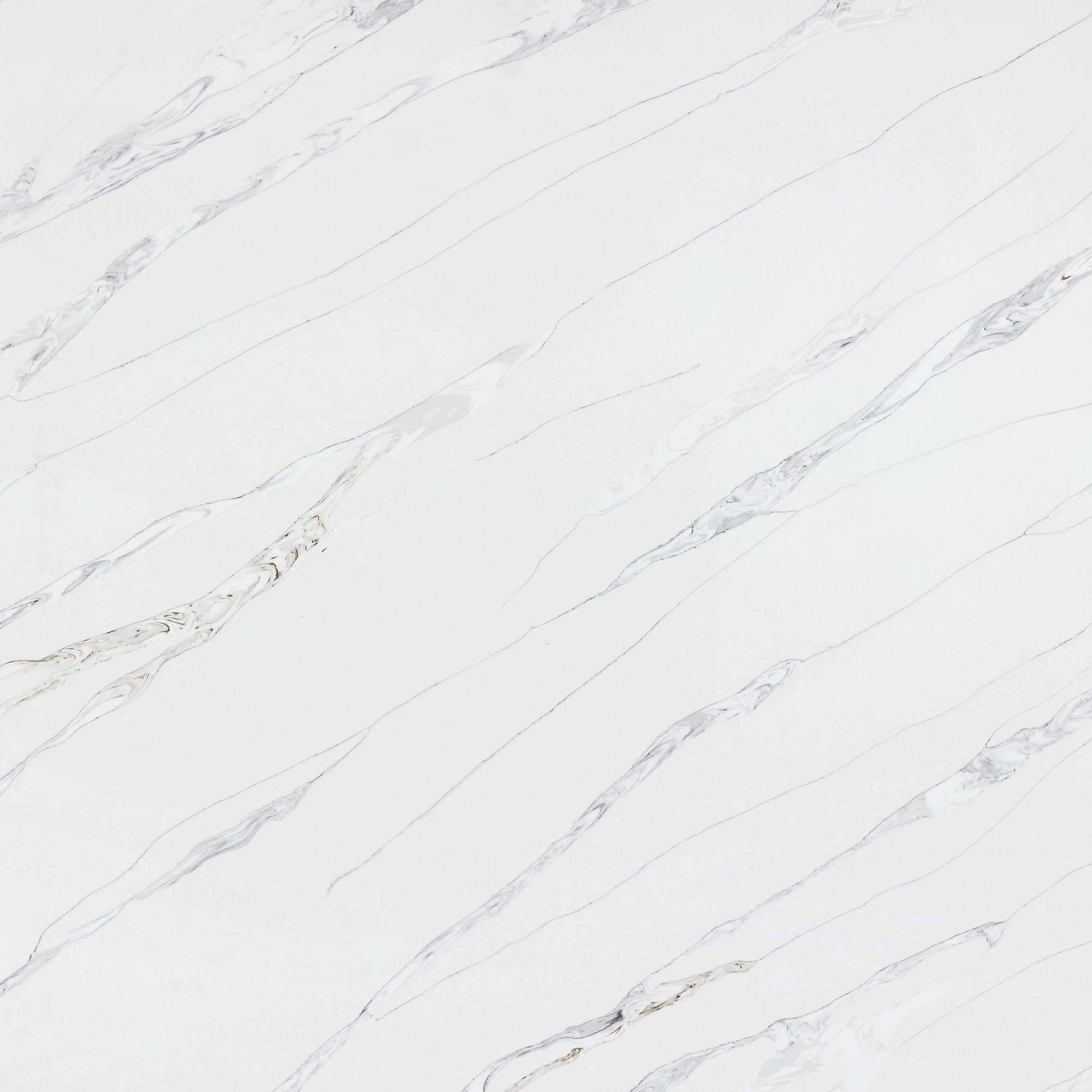
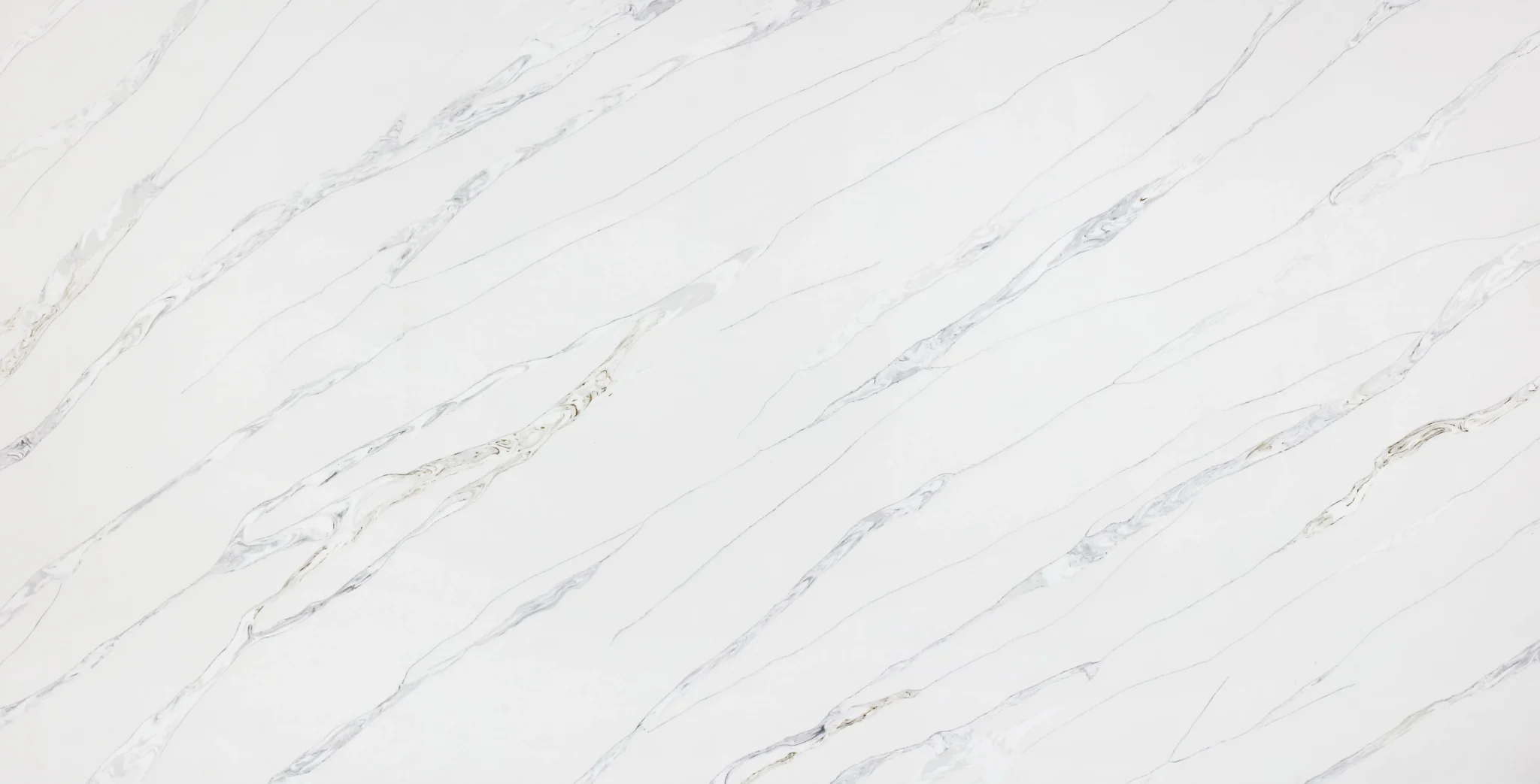
| Primary Color(s) | Bright Pure White |
| Accent Color(s) | Faint Silver Grey Vein + Soft Blue-Grey Undertone |
| Craft | Regular |
| Finishes | Polished / Honed / Suede / Leathered |
| Customized Size | 138″ × 79″ / 126″ × 63″ / Customizable |
| Thickness | 20mm/30mm/Customizable |
| Edge Style | Eased polished edge/2+2cm laminated edge/Mitred edge |
| Full Body Quartz | Yes |
| Bookmatch Available | Yes |
| Place of Origin | Thailand |
| Port of Transportation | Thailand |
| Packaging | Foam or carton inside + strong wooden crates with reinforced straps outside and fumigation |
| Delivery time | 15-20 days / Express service is negotiable. |
| MOQ | 10 ㎡ |
| Payment terms | 30%T/T after confirm the order and the 70% T/T by copy of B/L |
| Countertops Residential: Yes Commercial: Yes |
| Wall Residential: Yes Commercial: Yes |
| Flooring Residential: Yes Commercial: Yes |
Description:
Frequently asked questions
What is the difference between quartz and prefab quartz?
Quartz and prefab quartz are essentially the same material—engineered stone made from ground quartz and resin—but the difference lies in how they’re manufactured and sold. Standard quartz comes in large slabs (typically 96” x 54” or jumbo/super-jumbo sizes) that fabricators cut, edge, and install on-site. Prefab quartz, on the other hand, is pre-cut to standard sizes and shapes (like 36” or 48” sink bases), often with sinks already integrated. It’s faster to install and cheaper because it skips custom fabrication. However, it offers less flexibility in layout and design. If you’re going for a custom look with waterfall edges, unique sink placements, or complex layouts, slab quartz is the way to go. Prefab works best for simple, straight runs in bathrooms or small kitchens where speed and cost matter more than customization.
Is black quartz hard to keep clean?
Black quartz isn’t inherently harder to clean than other colors—it’s actually one of the easiest to maintain because it hides smudges and light stains better than white or light gray. The real issue isn’t cleaning but visibility: if you use it in a kitchen with a lot of oil-based cooking or greasy foods, you might notice fingerprints or residue more quickly than on lighter surfaces. That said, it’s not porous, so spills don’t soak in, and it resists stains from coffee, wine, or juice. Just wipe it down with a damp cloth and mild soap. Avoid abrasive cleaners or anything with bleach unless it’s specifically labeled safe for quartz. The biggest downside? If you have a lot of kids or pets, the contrast can make crumbs and scratches more noticeable over time. But overall, it’s low-maintenance and durable—especially when compared to natural stones like marble.
Which is better engineered, marble or quartz?
Quartz wins hands down for kitchens and high-traffic areas. Engineered marble, while it looks like natural stone, is weaker and more prone to scratching, staining, and etching—especially from acidic substances like lemon juice or vinegar. It also requires sealing and isn’t as durable as quartz. Quartz, on the other hand, is non-porous, scratch-resistant, and doesn’t need sealing. It’s made from 90–95% natural quartz mixed with resin, making it incredibly tough. Fabricators love working with it because it’s consistent and predictable. Engineered marble has a place—in bathrooms or low-use areas where aesthetics are key and durability less so—but if you’re choosing for a kitchen or family space, go with quartz. It’s more expensive upfront, but it lasts longer and requires less upkeep.