



- Home
- Quartz
- Quartz Slabs
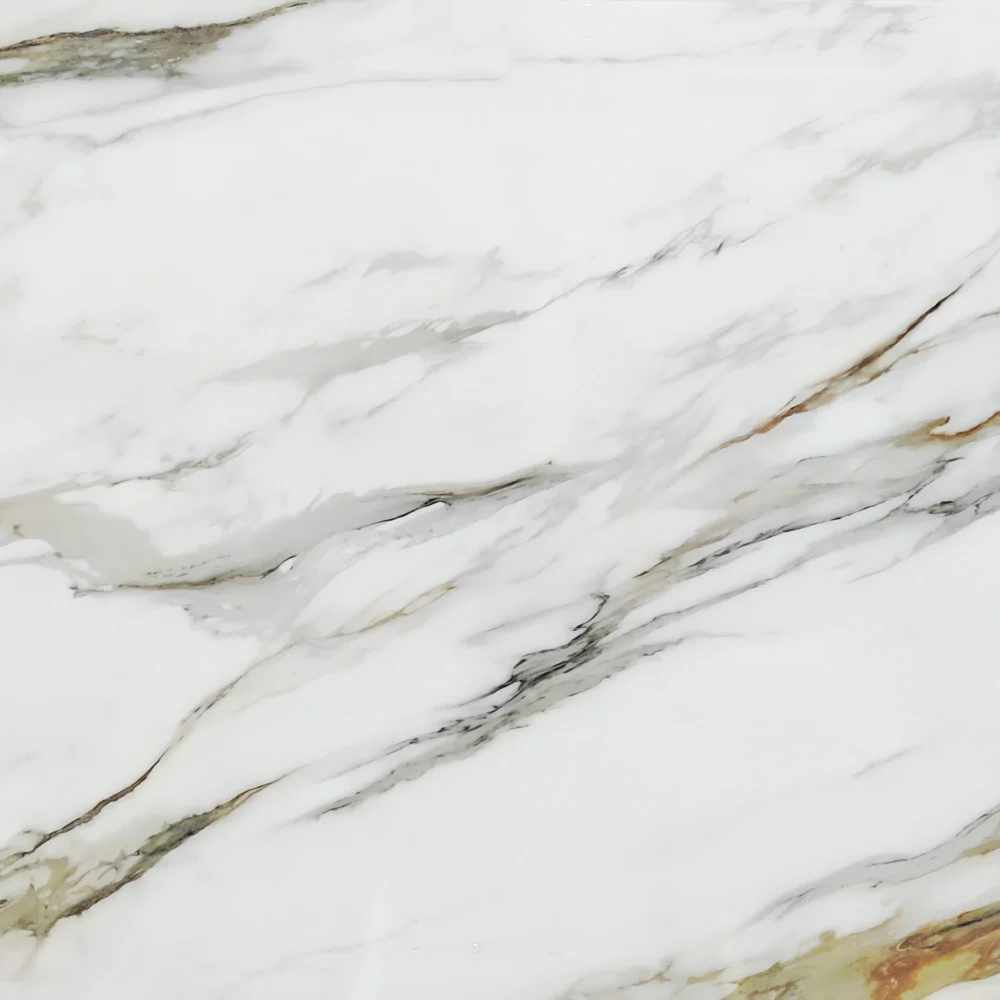
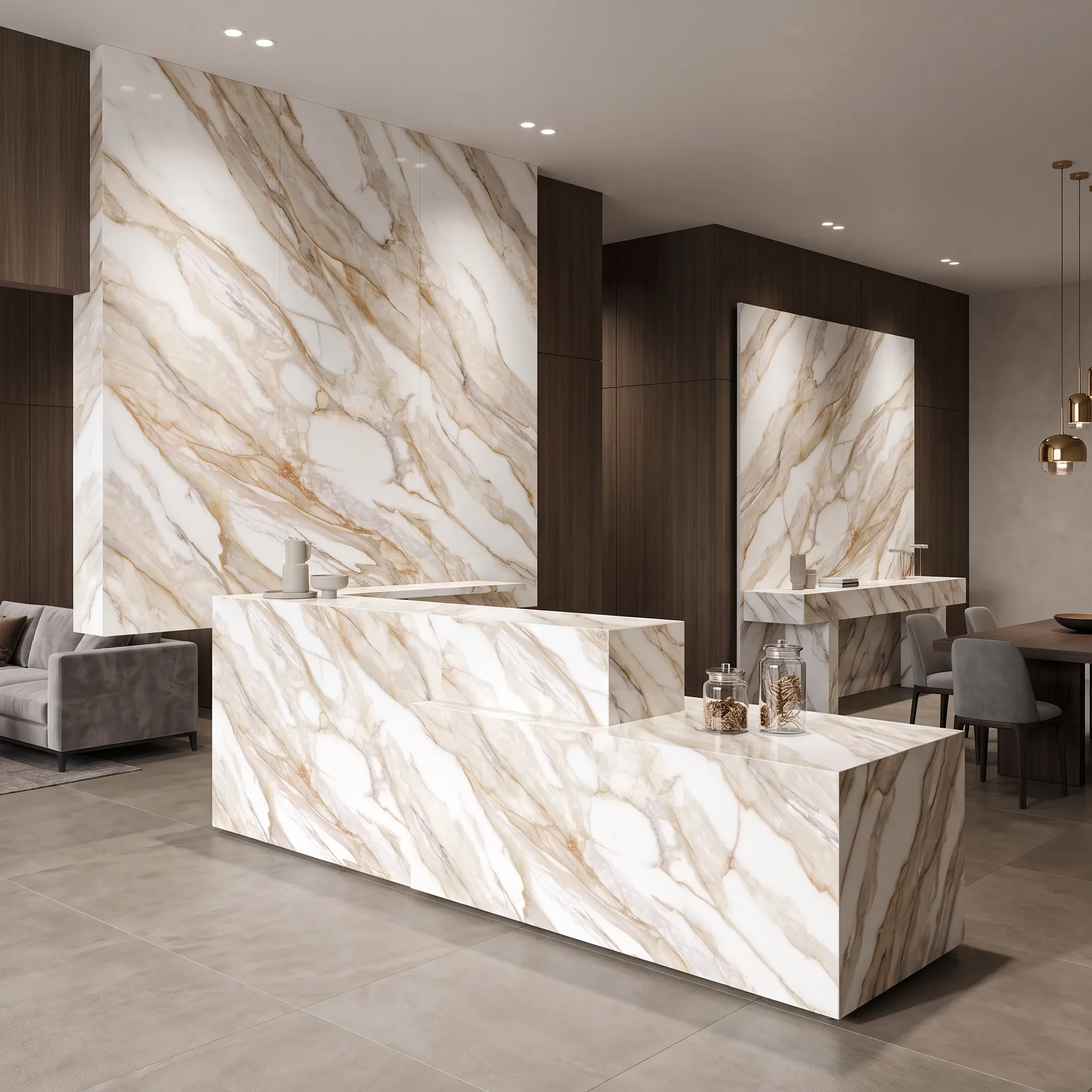
- Cristallo Gold Quartz Slab GQ-R0262 for Wholesale
Cristallo Gold Quartz Slab GQ-R0262 for Wholesale
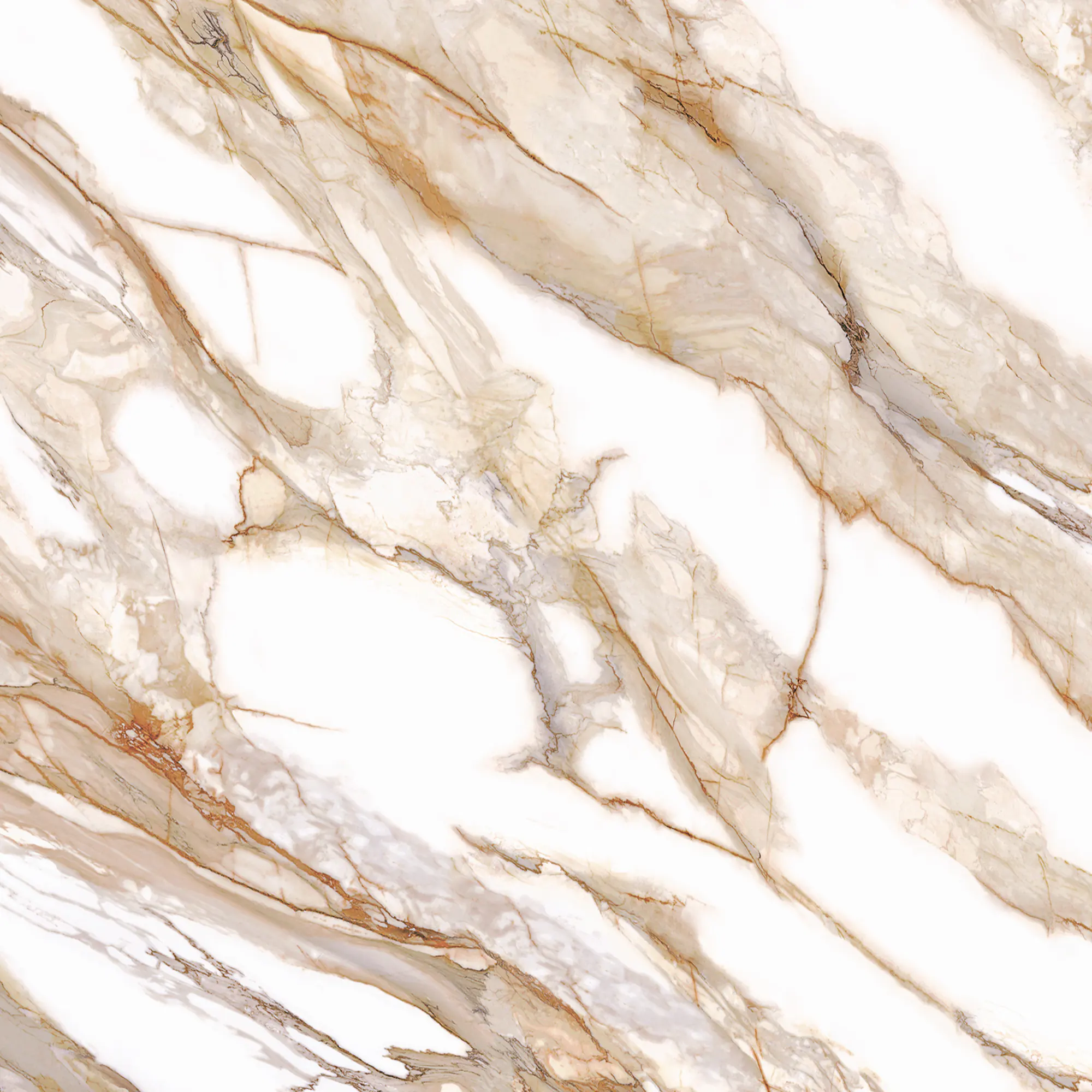
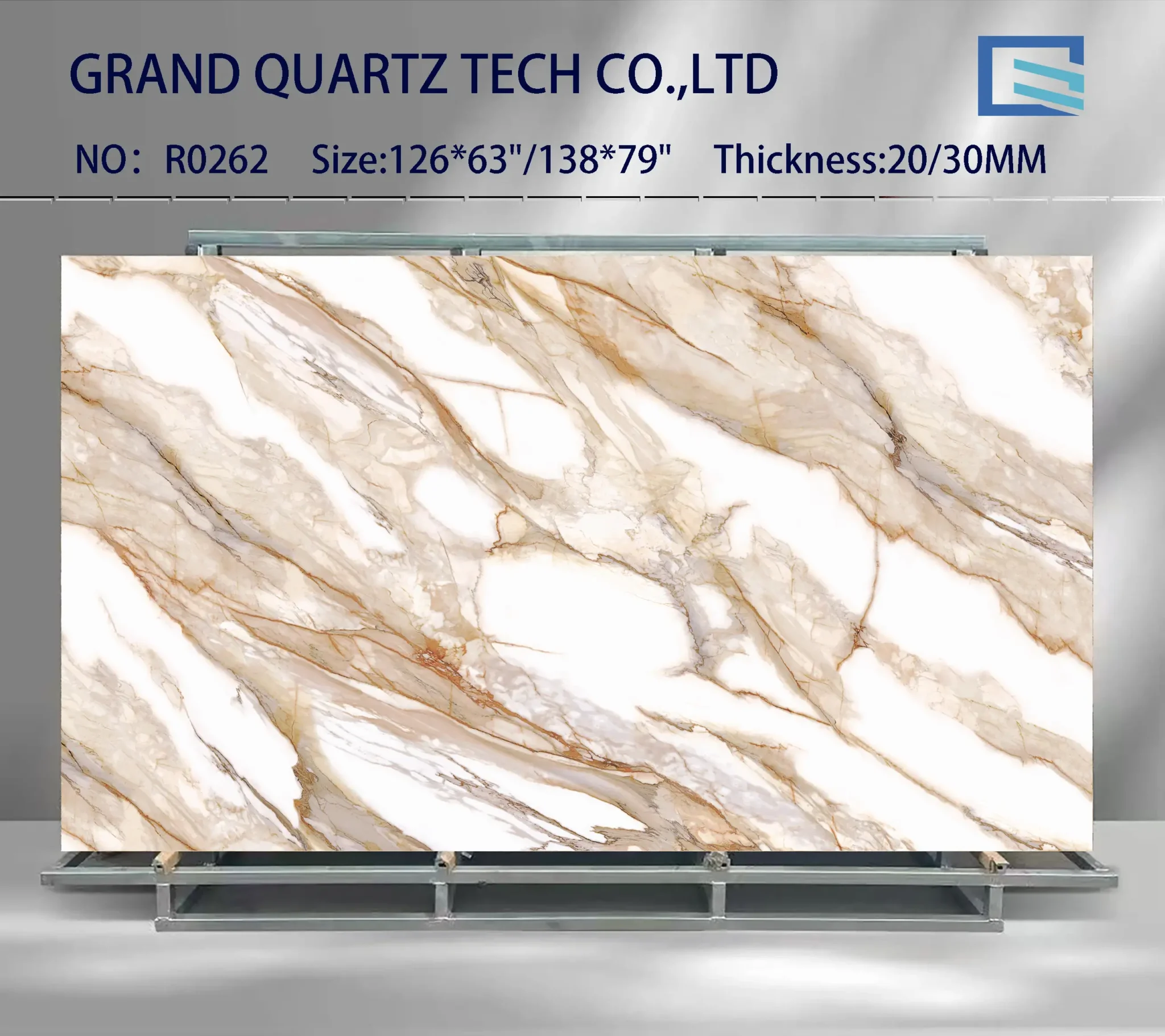
| Primary Color(s) | Soft Warm Ivory |
| Accent Color(s) | Warm Champagne Gold Vein + Soft Taupe Grey Line |
| Craft | Printed |
| Finishes | Polished / Honed / Suede / Leathered |
| Customized Size | 138″ × 79″ / 126″ × 63″ / Customizable |
| Thickness | 20mm/30mm/Customizable |
| Edge Style | Eased polished edge/2+2cm laminated edge/Mitred edge |
| Full Body Printed Quartz | Yes |
| Bookmatch Available | Yes |
| Place of Origin | Thailand |
| Port of Transportation | Thailand |
| Packaging | Foam or carton inside + strong wooden crates with reinforced straps outside and fumigation |
| Delivery time | 15-20 days / Express service is negotiable. |
| MOQ | 10 ㎡ |
| Payment terms | 30%T/T after confirm the order and the 70% T/T by copy of B/L |
| Countertops Residential: Yes Commercial: Yes |
| Wall Residential: Yes Commercial: Yes |
| Flooring Residential: Yes Commercial: Yes |
Description:
Frequently asked questions
How to Buy Super White Quartzite Stone Slabs? Complete ?
Buying super white quartzite-look slabs starts with knowing what you’re really getting.
Most of these slabs are engineered quartz with full-body printed patterns mimicking the veining and texture of real quartzite, like Super White.
The key is to verify the manufacturer’s production method—look for full-body printed technology, not just surface printing.
That ensures the pattern is consistent through the edge, which matters when you’re doing waterfall edges or mitered corners.
You also want to check if the slab is low-silica or standard; low-silica versions are safer for fabrication and reduce dust hazards during cutting.
For large projects, ask about jumbo slab sizes—some manufacturers offer up to 138″x79″, which reduces seams and improves layout flow.
Make sure the supplier can provide CAD support and dry-lay approval, especially if you’re doing a bookmatched wall or island.
Freight costs and lead times vary, but reputable factories like Grand Quartz Tech in Thailand can deliver in 20–30 days with free CAD services.
Always request samples and compare them under different lighting—what looks pure white in the showroom might appear off-white under kitchen LEDs.
And remember: these aren’t natural stone, so they won’t have the same thermal expansion issues, but they also don’t age like real quartzite would.
Is there a cream-colored quartz?
Yes, cream-colored quartz exists—and it’s becoming more popular, especially in warmer kitchens or spaces with wood cabinets.
Cream tones tend to be softer than pure white and can help reduce the starkness of a room.
But there’s a catch: many cream quartz slabs have a slight yellow or golden undertone, which can shift under different lighting.
In real-world kitchens, that means the countertop might look warmer in the morning and cooler at night.
Fabricators usually recommend avoiding high-variation cream patterns in small kitchens because the color shift becomes more noticeable.
The best cream quartz options have consistent veining and a balanced base tone—think Taj Pearl or similar patterns.
Some manufacturers, like Grand Quartz Tech, use full-body printed technology to maintain color depth through the edge, which helps avoid that ‘faded’ look on thick slabs.
Also, cream quartz tends to show water spots and hard water residue more than darker colors, so regular wiping with a microfiber cloth is essential.
If you’re going with a cream tone, make sure the installer uses a seam epoxy that matches the base color—otherwise, the joint will stand out over time.
Cream tone quartz countertop options?
Cream tone quartz countertops come in a range of finishes and patterns, from subtle veined styles to more dramatic ones with gold or gray accents.
The most common variations are in the base tone—some are warm beige, others are off-white with a hint of ivory.
Patterns like Cream Taj Pearl have fine, wispy veins that mimic natural stone, but the consistency depends on whether it’s full-body printed or surface-printed.
In practice, full-body printed slabs hold up better in fabrication, especially when doing mitered corners or waterfall edges, because the pattern runs through the entire thickness.
The finish matters too—polished cream quartz shows fingerprints and smudges easily, while honed or matte finishes hide them better but may require more frequent cleaning.
Installers usually recommend avoiding cream quartz in high-moisture areas like bathrooms unless it’s sealed properly, though engineered quartz doesn’t need sealing.
For commercial use, cream tones work well in hospitality settings with warm lighting, but they can appear yellow under fluorescent lights.
If you’re sourcing from a factory like Grand Quartz Tech, you’ll find options in both 2cm and 3cm thicknesses, with jumbo slabs available to minimize seams.
Always request a physical sample and test it under your home’s lighting before committing.
-1000x1000.webp)