



- Home
- Quartz
- Quartz Slabs
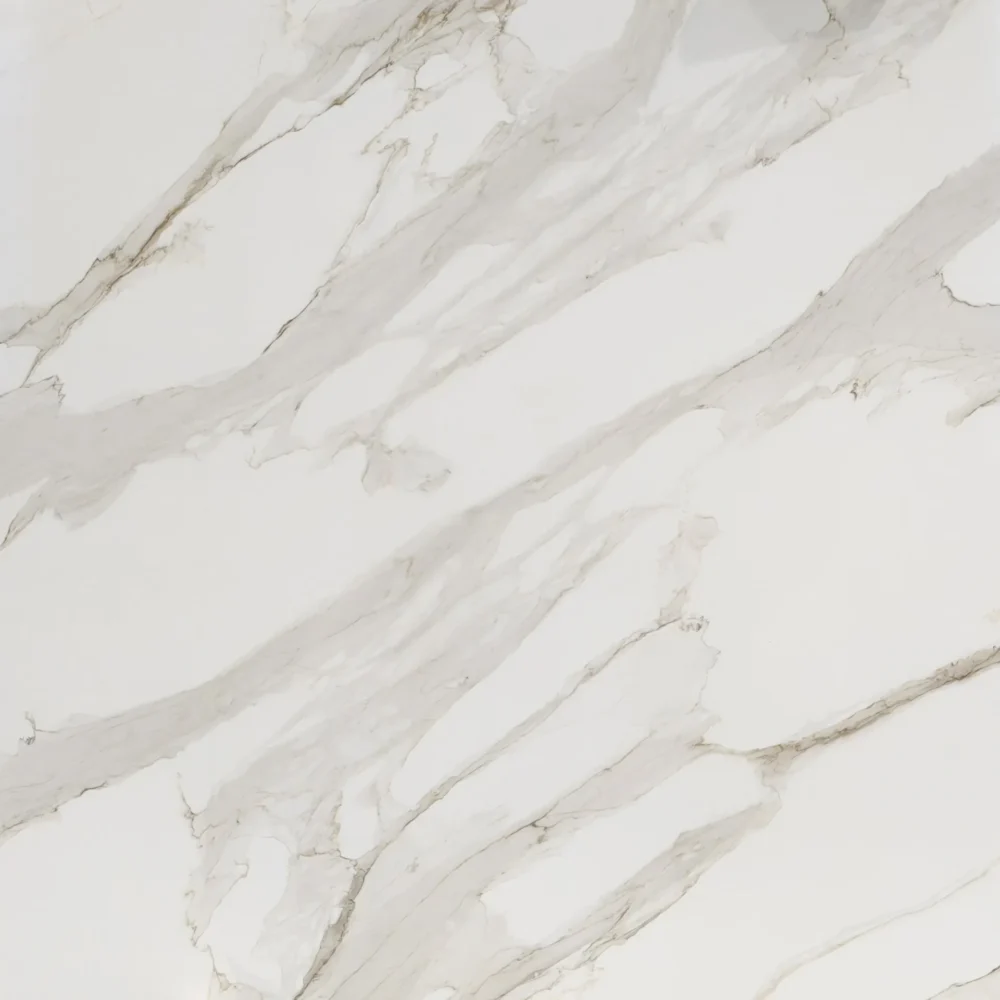
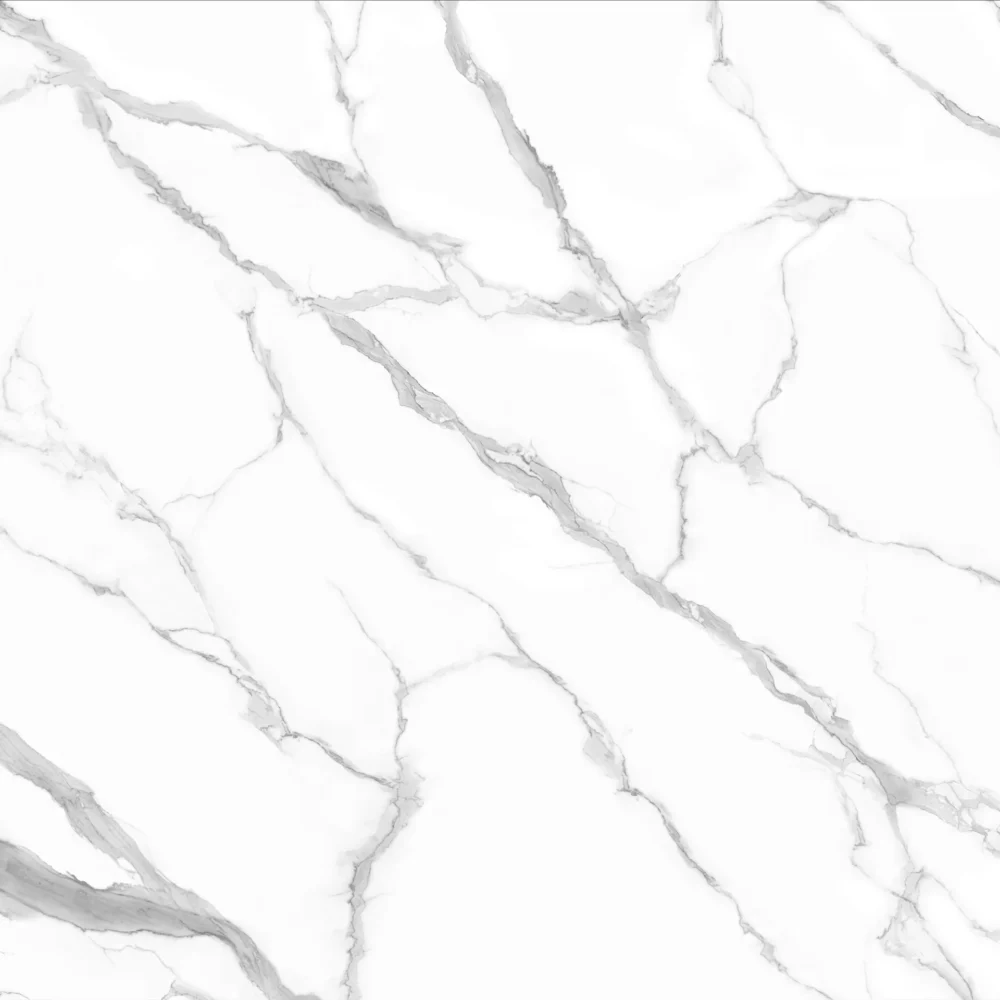
- Dover White Quartz Surface GQ-R0264 for wholesale
Dover White Quartz Surface GQ-R0264 for wholesale
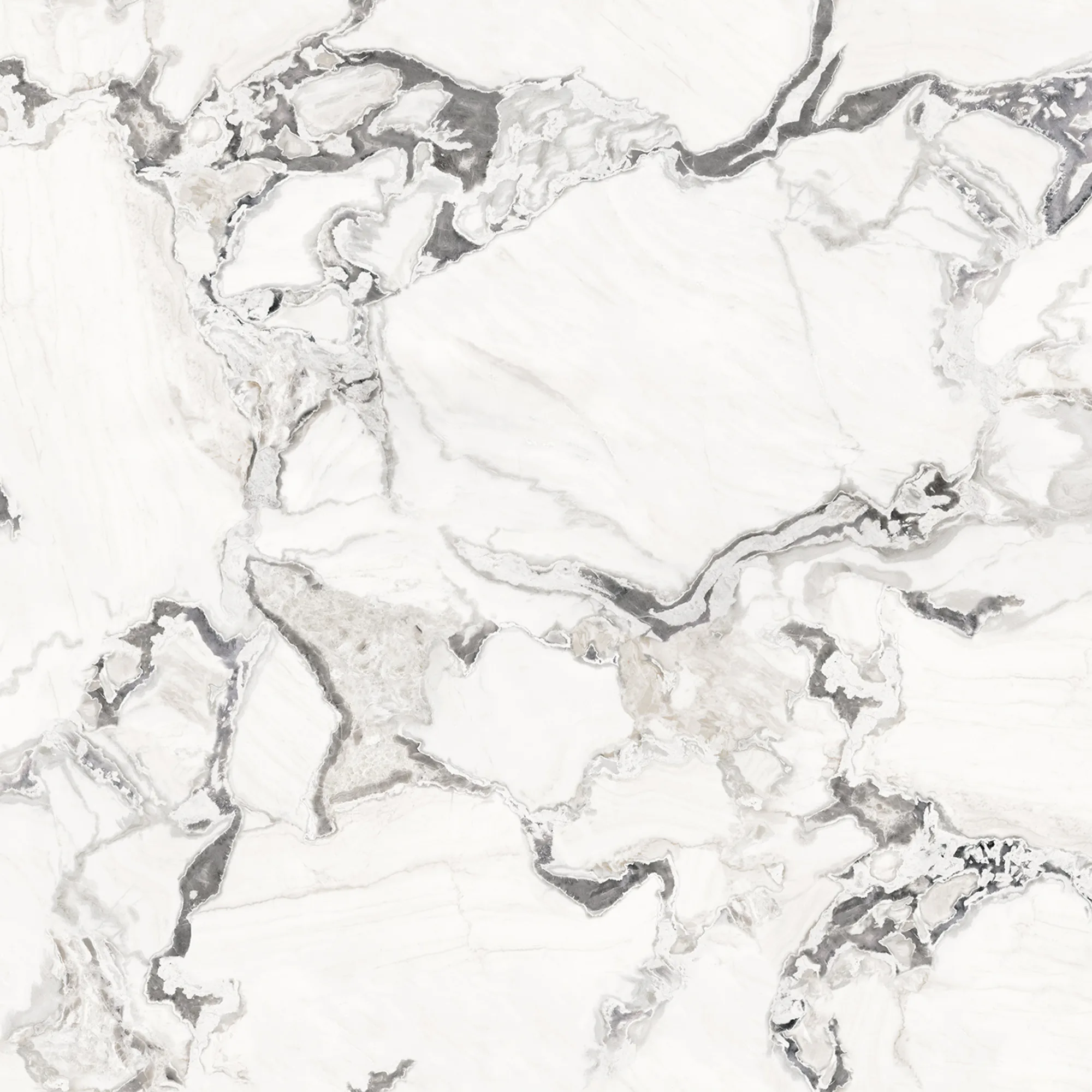
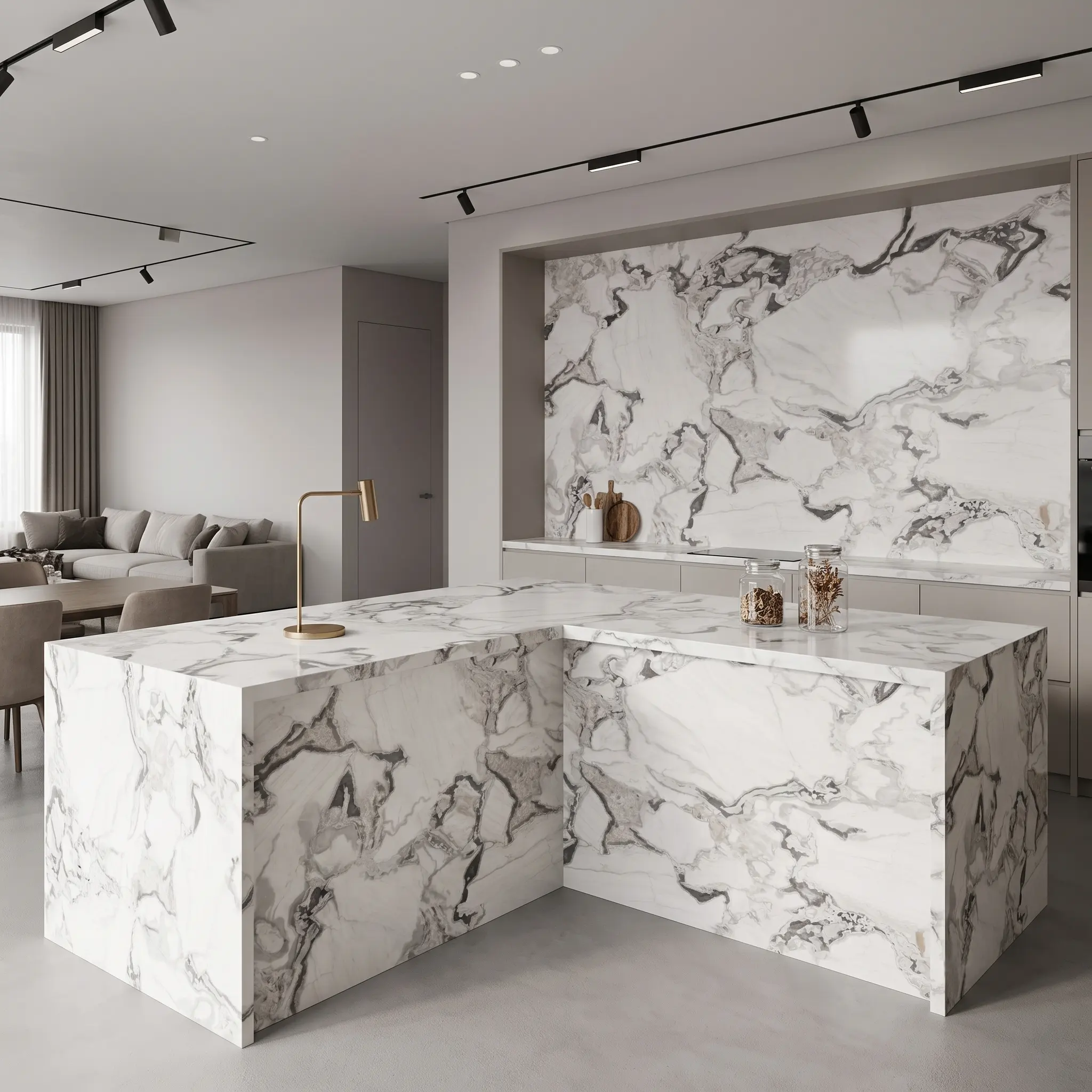
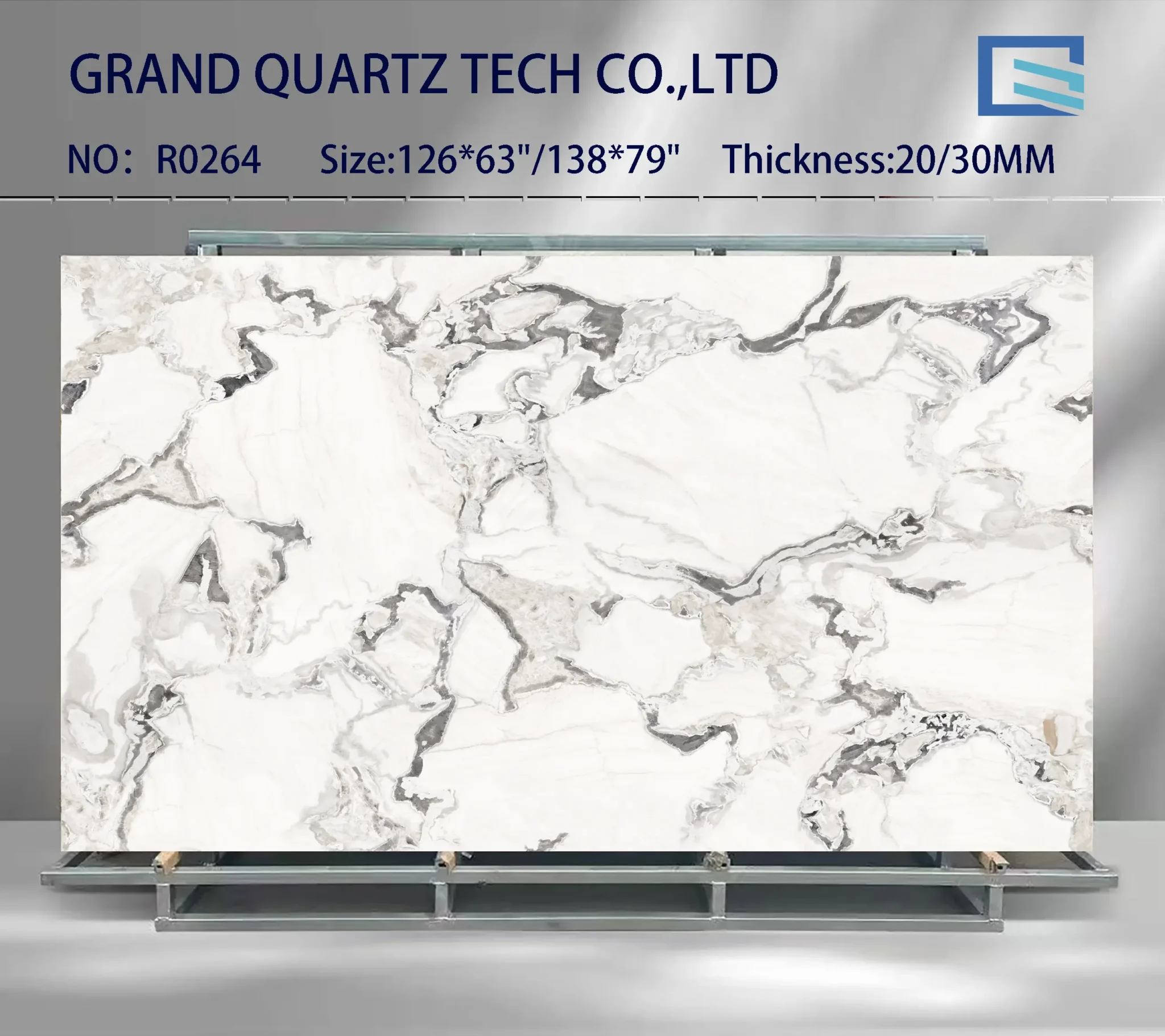
| Primary Color(s) | Bright Pure White |
| Accent Color(s) | Medium Charcoal Grey Vein + Soft Ash Grey Cloud |
| Craft | Printed |
| Finishes | Polished / Honed / Suede / Leathered |
| Customized Size | 138″ × 79″ / 126″ × 63″ / Customizable |
| Thickness | 20mm/30mm/Customizable |
| Edge Style | Eased polished edge/2+2cm laminated edge/Mitred edge |
| Full Body Printed Quartz | Yes |
| Bookmatch Available | Yes |
| Place of Origin | Thailand |
| Port of Transportation | Thailand |
| Packaging | Foam or carton inside + strong wooden crates with reinforced straps outside and fumigation |
| Delivery time | 15-20 days / Express service is negotiable. |
| MOQ | 10 ㎡ |
| Payment terms | 30%T/T after confirm the order and the 70% T/T by copy of B/L |
| Countertops Residential: Yes Commercial: Yes |
| Wall Residential: Yes Commercial: Yes |
| Flooring Residential: Yes Commercial: Yes |
Description:
Frequently asked questions
Is white quartz hard to take care of?
Most fabricators will tell you that white quartz isn’t hard to maintain — but it’s not exactly ‘set it and forget it’ either.
The real issue comes down to finish and environment.
Polished white quartz shows fingerprints, water spots, and smudges like a mirror under kitchen lighting, especially near sinks or stovetops.
Honed or matte finishes hide those marks better, but they can still attract dust and show scratches over time if you’re using abrasive pads.
In real-world kitchens, people often report that daily wiping with a microfiber cloth and mild soap keeps things looking fine, but using harsh cleaners or letting coffee sit overnight can leave stains, especially in low-silica or full-body printed slabs where the resin might absorb more.
Resin can also yellow under direct UV exposure over a few years — something you’ll notice on a backsplash or island facing sunlight.
Installers usually recommend avoiding Windex or ammonia-based cleaners, even though they’re not technically damaging, because they leave streaks.
The bottom line?
It’s easier than granite or marble, but it’s not immune to real-world messes.
Keep it clean, avoid abrasive tools, and don’t let liquids pool — and it’ll last decades.
What is Arabescato quartz?
Arabescato quartz is engineered stone that mimics the look of natural Arabescato marble — a high-contrast, white base with bold, flowing gray or silver-gray veining, often with subtle golden undertones.
In real-world kitchens, it’s one of the most popular patterns because it gives that Italian feel without the sealing and maintenance of real marble.
But here’s the catch: not all Arabescato quartz is the same.
Some manufacturers use surface printing, which means the pattern only goes a few millimeters deep and can wear off at edges or seams if not handled right.
Full-body printed quartz, like what Grand Quartz Tech produces, has the pattern embedded throughout the slab, so even if you cut or edge it, the vein continues naturally.
That’s critical for waterfall edges or thick countertops.
Installers usually recommend bookmatching for Arabescato designs to create a symmetrical, dramatic effect — but it’s a skill that requires precise dry-lay approval.
A frequent complaint we hear is that the seam shows up more in Arabescato than in solid whites, especially if the epoxy doesn’t match the base tone.
The key is matching the resin color and using proper seam techniques.
What color is calacatta miraggio quartz?
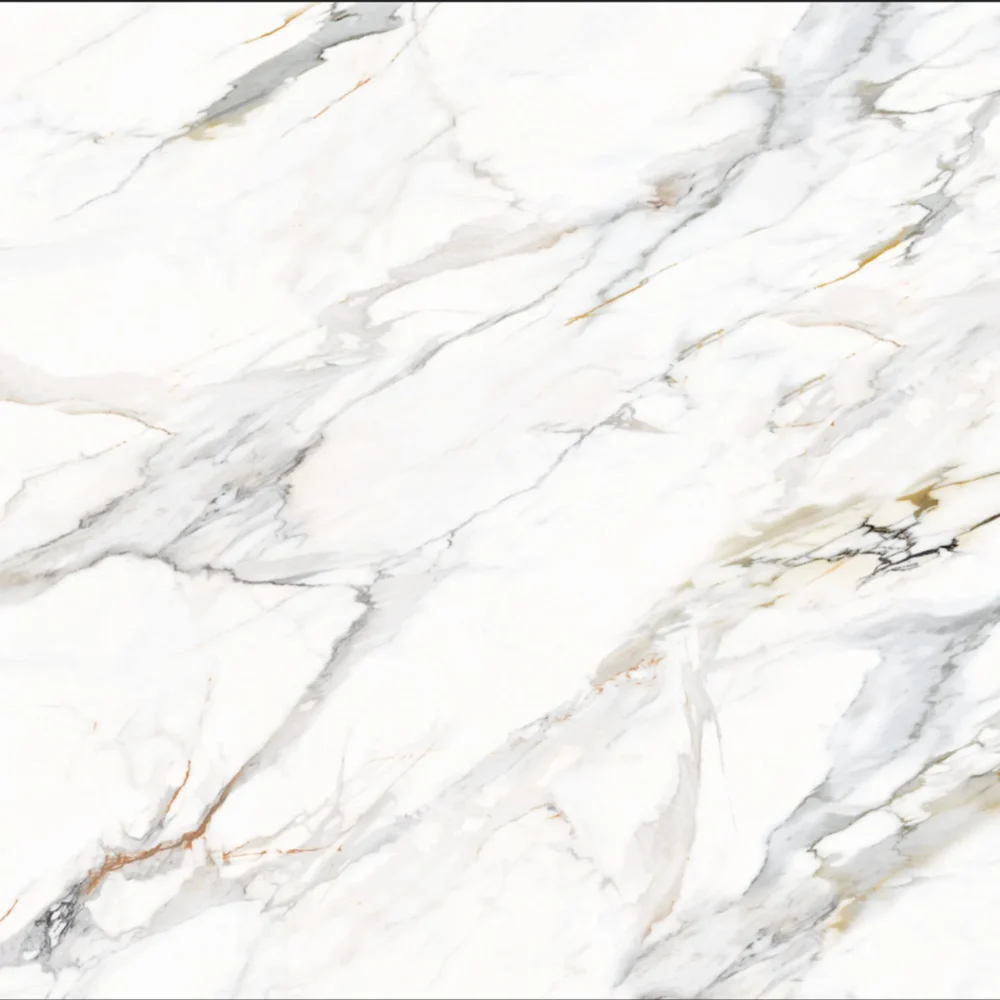
Calacatta Miraggio gold quartz isn’t a single color — it’s a blend.
You’re looking at a bright white base with dramatic, irregular gold and gray veining.
The gold isn’t just a tint; it’s a metallic-like shimmer that appears in thick veins, especially where the pattern flows.
In real-world lighting, it can look warmer under incandescent bulbs, cooler under LEDs.
The gold isn’t always consistent — some slabs have more gold, others lean toward silver-gray, which is why fabricators often do dry-lay approvals to match batches.
In kitchens with white or light oak cabinets, it adds richness without being overwhelming.
But if you have dark cabinets, it can clash unless the gold is balanced with neutral veining.
Installers usually recommend polished finishes to bring out the gold’s depth, though honed versions exist for a softer look.
A frequent complaint we hear is that the gold can look too ‘artificial’ if the slab is poorly matched or the resin is inconsistent.
That’s why manufacturers like Grand Quartz Tech use full-body printing and low-silica resins to keep the color stable — especially important in commercial projects where lighting varies.
The gold is part of the pigment mix, not actual metal, so it won’t tarnish, but it can fade slightly over years under intense UV exposure.
So it’s not just ‘gold’ — it’s a dynamic, high-contrast pattern that needs careful selection.
What quartz goes well with cream cabinets?
Cream cabinets need a quartz that complements without clashing.
Most fabricators will tell you to avoid stark whites or super-bright patterns — they can make cream look washed out or dingy.
Instead, go for quartz with warm undertones: beige, soft gold, or light gray with subtle veining.
Cream Taj Pearl quartz is a good example — it’s a warm off-white with a soft, almost buttery base and gentle gray or gold veins.
It balances the warmth of cream without overwhelming it.
In real-world kitchens, we often see these paired with matte or satin-finish cabinets to keep the contrast soft.
Avoid quartz with blue or green undertones — they can make cream cabinets look yellow or muddy.
Dark veining can work, but only if it’s balanced — think thin charcoal lines, not bold black streaks.
For a modern look, a low-variation quartz with soft texture works well; for traditional, a patterned slab like Calacatta Miraggio or Arabescato in warm tones can elevate the space.
Installers usually recommend dry-lay approval when matching cream cabinets, because lighting affects how both the cabinet and countertop appear.
Also, avoid high-gloss finishes on both surfaces — they’ll reflect each other too much.
Grand Quartz Tech offers several cream-toned options with full-body printing to ensure color consistency across slabs, and their low-silica production lines help minimize clouding over time, which is key when maintaining a warm, consistent palette.