



- Home
- Quartz
- Quartz Slabs
- Marquina Black Quartz Surface GQ-T262 for Wholesale
Marquina Black Quartz Surface GQ-T262 for Wholesale

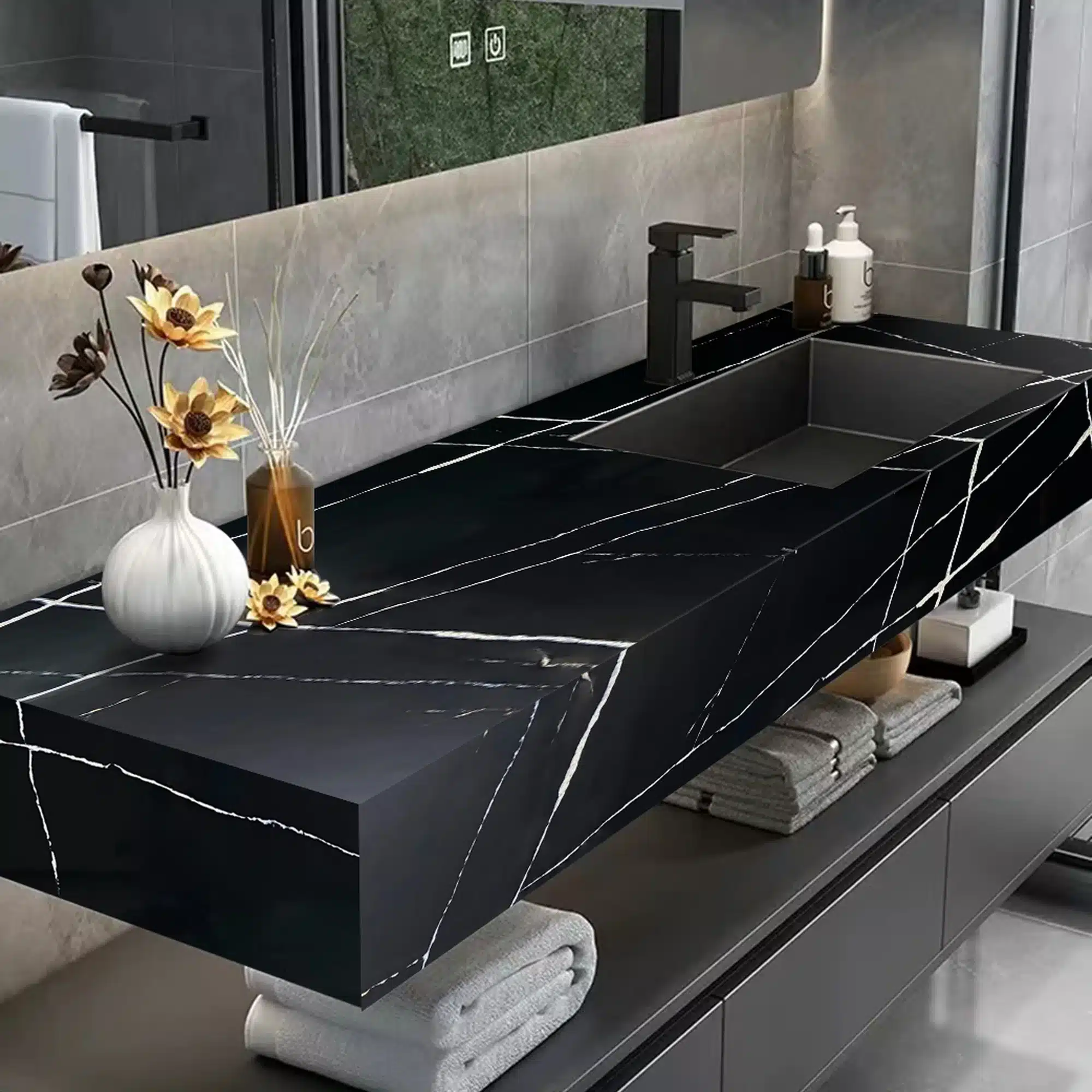
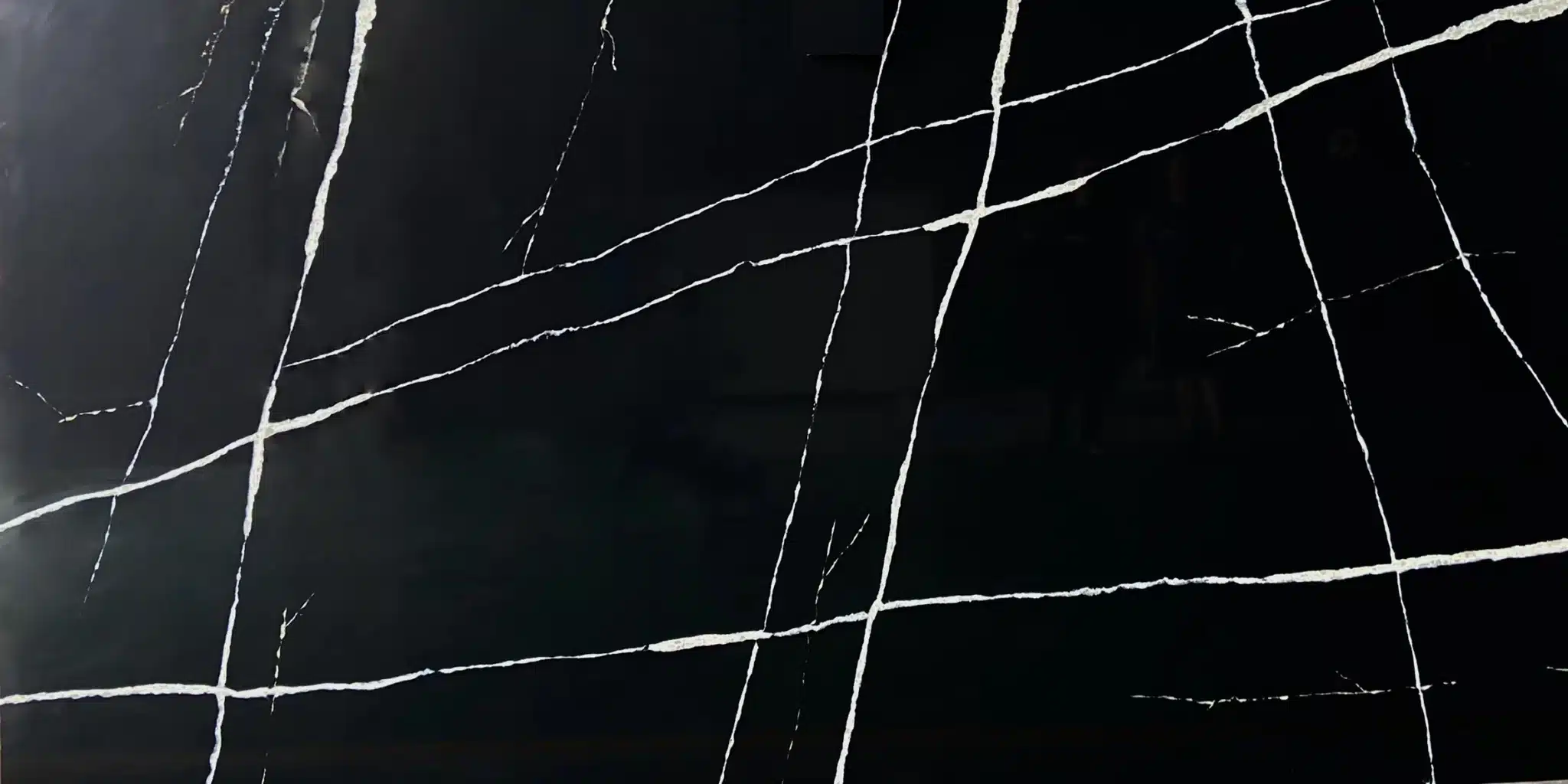
| Primary Color(s) | Deep Jet Black |
| Accent Color(s) | Bold Bright White Vein |
| Craft | Regular |
| Finishes | Polished / Honed / Suede / Leathered |
| Customized Size | 138″ × 79″ / 126″ × 63″ / Customizable |
| Thickness | 20mm/30mm/Customizable |
| Edge Style | Eased polished edge/2+2cm laminated edge/Mitred edge |
| Full Body Quartz | Yes |
| Bookmatch Available | Yes |
| Place of Origin | Thailand |
| Port of Transportation | Thailand |
| Packaging | Foam or carton inside + strong wooden crates with reinforced straps outside and fumigation |
| Delivery time | 15-20 days / Express service is negotiable. |
| MOQ | 10 ㎡ |
| Payment terms | 30%T/T after confirm the order and the 70% T/T by copy of B/L |
| Countertops Residential: Yes Commercial: Yes |
| Wall Residential: Yes Commercial: Yes |
| Flooring Residential: Yes Commercial: Yes |
Description:
Frequently asked questions
How to order quartz countertops?
Ordering quartz countertops starts with measuring your space accurately—don’t rely on estimates. Get your kitchen layout from a designer or architect, then contact a fabricator who works with engineered stone. Most fabricators need a detailed template (done in-person or via laser scan) before cutting. You’ll choose the slab (like T262 or Sparkling White), specify edges, sink cutouts, and finishes. Be clear about delivery timelines—slabs can take 4–8 weeks to arrive. Always confirm whether the quote includes fabrication, installation, and seaming. If you’re ordering prefab pieces, ensure they fit your base cabinets exactly. Never skip dry-lay approval; it prevents costly mistakes. And yes, ask for samples—what looks white on a screen can be cool or warm in person.
What Are Prefabricated Quartz Countertops?
Prefabricated quartz countertops are pre-cut, factory-made pieces—usually for vanities, bars, or small islands. They’re sold as ready-to-install units, often with sinks already integrated. The big advantage? Speed and lower cost. You don’t need a fabricator to measure, cut, or seam them. But here’s the catch: they’re limited in size and design. You’re stuck with what’s in stock—no custom edges, no overhangs, no exact fit for odd layouts. They’re great for bathrooms or secondary spaces but not ideal for full kitchens. Also, check if they’re made from the same quality quartz as custom slabs—some prefab lines use lower-grade material. Always verify dimensions and finish before buying.
Is there a pure white quartz?
Yes, there is pure white quartz, but achieving a truly clean white appearance depends heavily on the raw materials and production process.
In the quartz industry, a pure white quartz slab is not simply made by adding more white pigment. The whiteness, brightness, and overall appearance are influenced by the mineral materials used in the formula.
For ultra-white quartz, manufacturers often use Cristobalite as one of the key raw materials because it has a very bright, clean appearance and helps create a whiter background. This is especially important for designs where the goal is to achieve a pure white or Super White Quartzite look without a gray or yellow undertone.
From a design perspective, pure white quartz is usually created in several styles:
- Pure White Quartz – a clean, solid white surface with a minimalist and modern appearance. It is often used for contemporary kitchens, bathrooms, and commercial interiors.
- Super White Quartzite Look Quartz – a brighter white base combined with subtle gray movement, inspired by natural quartzite.
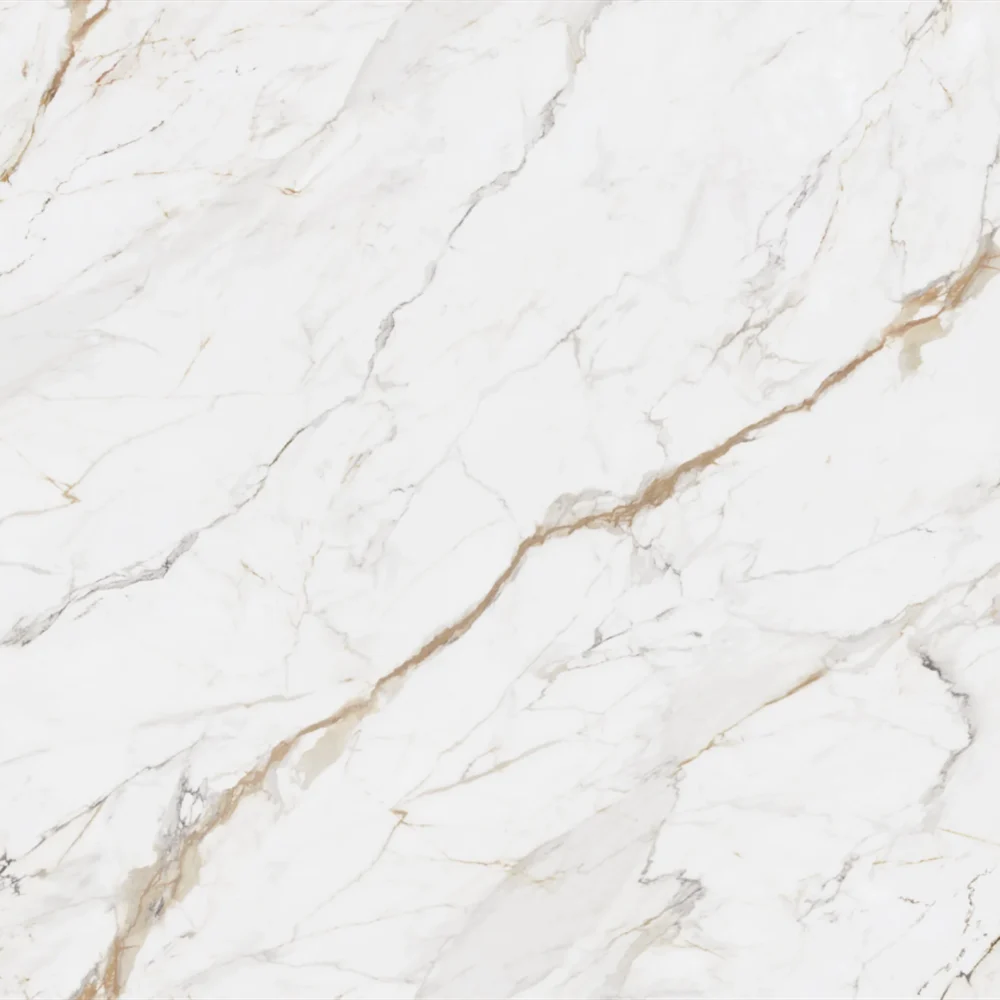
- White Marble Look Quartz – a white background with soft veins, such as Calacatta-inspired designs, creating a more natural stone feeling.
From our experience as a quartz manufacturer, the challenge with white quartz is not making a slab look white — it is making it look clean, stable, and natural. Lower-quality white quartz may appear slightly warm, gray, or uneven because of the raw materials and formulation.
At GrandQuartz Tech, we pay close attention to raw material selection, especially for high-whiteness designs. By combining suitable minerals such as Cristobalite with advanced coloring and production technology, we can achieve a brighter white background, more accurate tones, and a natural-looking surface suitable for premium countertop applications.
choosing quartz countertops: veined or grained?
Veined quartz has simulated marble-like lines—great for adding drama and depth. It’s popular in luxury kitchens and works well with white or gray cabinets. But be careful: the veins can be distracting if the pattern is too bold or inconsistent. Grained quartz, on the other hand, has a more subtle, natural texture—think speckled or mottled. It’s better for modern, minimalist spaces and hides wear better. Grained patterns are also less likely to show scratches or stains. The choice depends on your style: veined for elegance, grained for understated durability. And remember—both types can be customized with edge profiles and finishes. If you’re unsure, go with a low-variation grain; it’s easier to live with long-term.